Rome in Conflict
By Paul Bryers
Arrived Rome today – only 15 hours after leaving Miami via Heathrow.
This trip will include:
– 3 days in Rome at Hotel de Ricci
– 7 days of Classic Italian Cooking Classes at Casa Gregoria in the hilltop town of Castro dei Volsci
– 4 days in Rome at Hotel Palazzo Manfredi
So, Rome……
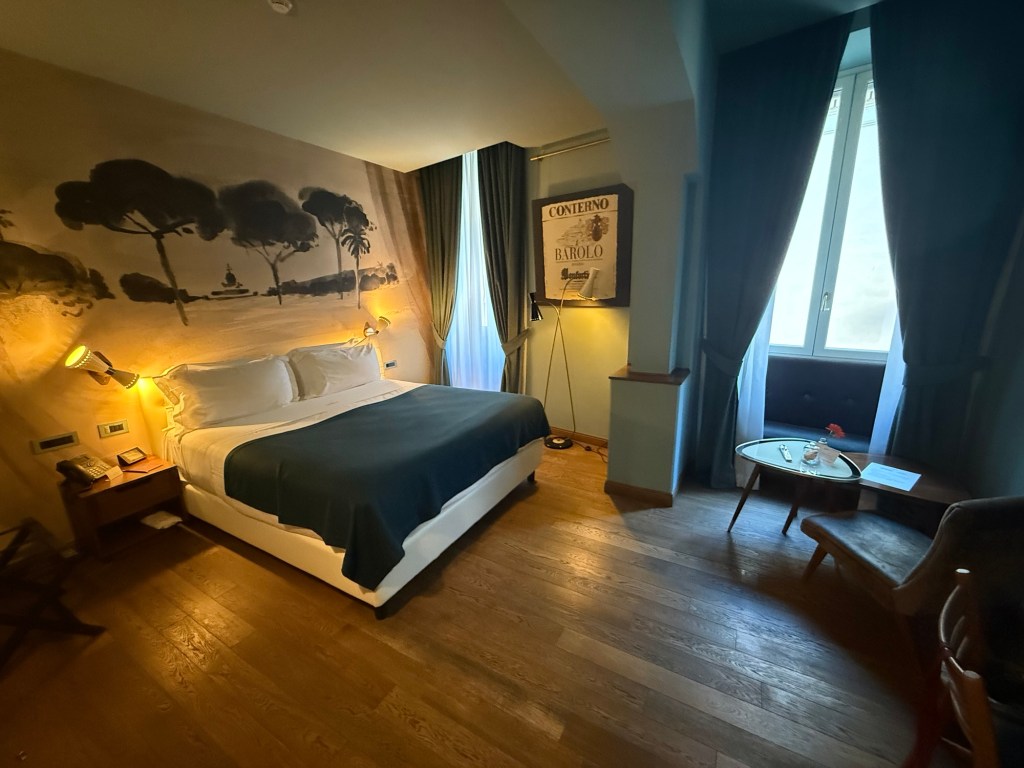
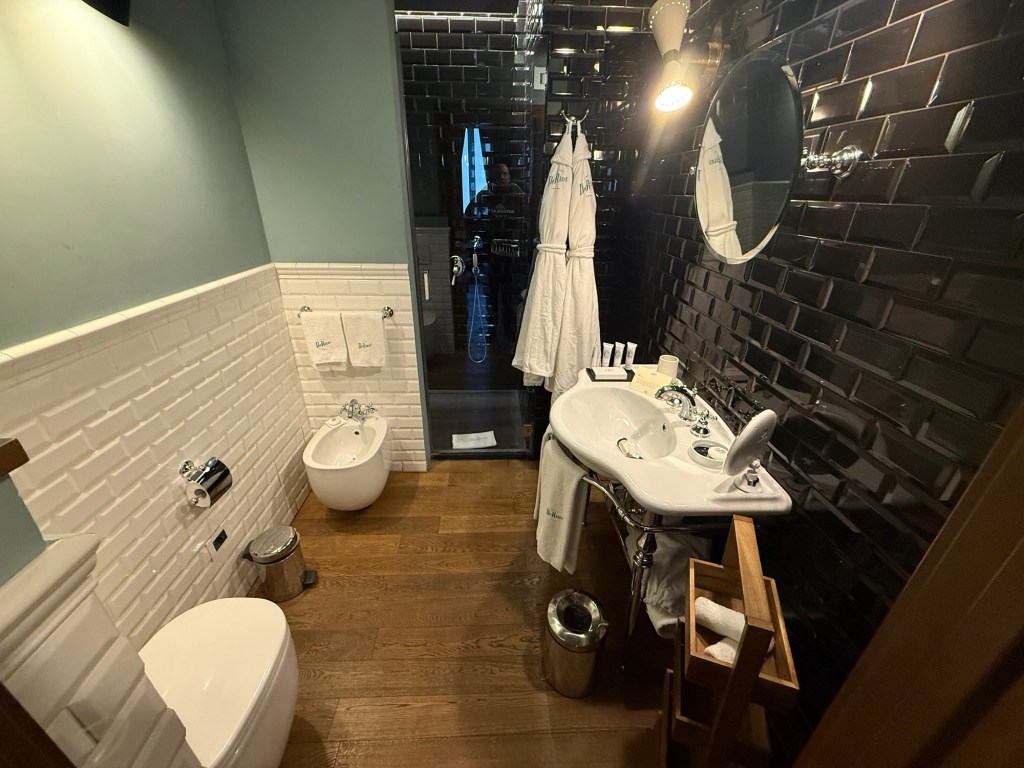
I’m staying in the heart of Rome, at Hotel de Ricci. It’s a very pleasant boutique hotel with only eight rooms and I’m only here because Hilton has an arrangement with them so I reserved it on HH Points.

In this area, ancient basilicas shadow bustling piazzas, and centuries of faith and power breathe through marble, mortar and a lot of hot dust.
Currently, two versions of the Eternal City are quietly warring for its soul.
One Rome wears white robes and speaks softly to the World from the balconies of the Vatican.
The other wears the tricolor sash of a nationalistic government, moving decisively between the palaces of Italian political power and flirting with other Global right-wing leaders.
Between them stands the tension of two institutions – the newly elected Pope Leo XIV and Prime Minister Giorgia Meloni’s government – each rooted in tradition, but increasingly divided in vision.
The election of Pope Leo XIV marked a historic turning point. As the first, in birth at least, American pope, and a figure shaped by missionary work and social outreach, Leo XIV has emerged not only as a spiritual leader but as a forceful moral voice in global and domestic affairs.
From the moment he stepped onto the papal balcony in his little red ruby slippers, his message was clear: mercy, justice, and inclusion.
He has called for ceasefires in Global conflict zones, demanded compassion for refugees, and challenged the world’s powerful to “open their hearts to the suffering.” In a city long defined by imperial legacies, Pope Leo’s Rome is one of margins and mercy.
In sharp contrast, Prime Minister Giorgia Meloni, the leader of the right-wing, nationalist Brothers of Italy party, is charting a course rooted in tradition, identity, and state sovereignty. Her government has successfully cracked down on irregular migration, proposed sweeping judicial reforms, and doubled down on cultural legislation that emphasizes Italy’s Christian heritage.
There has been a string of flashpoints around irregular immigration:
– migrant boats turned away by the Italian coast guard but welcomed by Catholic organizations;
– Church shelters defying government policy by offering aid to undocumented refugees; and
– papal statements that – without naming names – appear to challenge the government’s hardline approach.
Beyond immigration, the Meloni government is pursuing institutional reforms that would give the executive greater control over public prosecutors – a move critics say undermines judicial independence. The Vatican, wary of authoritarian tendencies in post-democratic Europe, is watching closely.
Though the Holy See does not intervene directly in political affairs, it is certainly not neutral. From climate change to civil liberties, the Church under Leo XIV has signaled a willingness to confront power, even when it resides just across the Tiber.
Today, Rome is a city split between two moral centers – one spiritual, one political. One calls for national pride, order, and heritage. The other for compassion, humility, and global solidarity.
It is not the first time these forces have collided. Rome has survived emperors, fascists, and reformers. But this new standoff – between altar and state, between Pope and Prime Minister – is playing out in subtler, yet no less consequential ways.
Whether these “two Romes” can coexist – or whether the rift will widen – remains to be seen. But in a city where power has always had a sacred shadow, even a whisper from the Vatican can still shake a palace wall.
Don’t worry, tomorrow’s and subsequent posts will be back to the usual narrative of sights seen and accompanying photos….
 seetheworldtravelblog