Day’s Itinerary: The Valley of the Kings, including special access to the tombs of Seti l and King Tutankhamun, Luxor
~ 37°C/100°F
By Paul Bryers
Lovely start to the day with hot air balloons rising over the mighty Nile and the early morning fishermen.

At 8 am we headed off to find drama and love in the Valley of the Kings with Robert Taylor and Eleanor Parker….
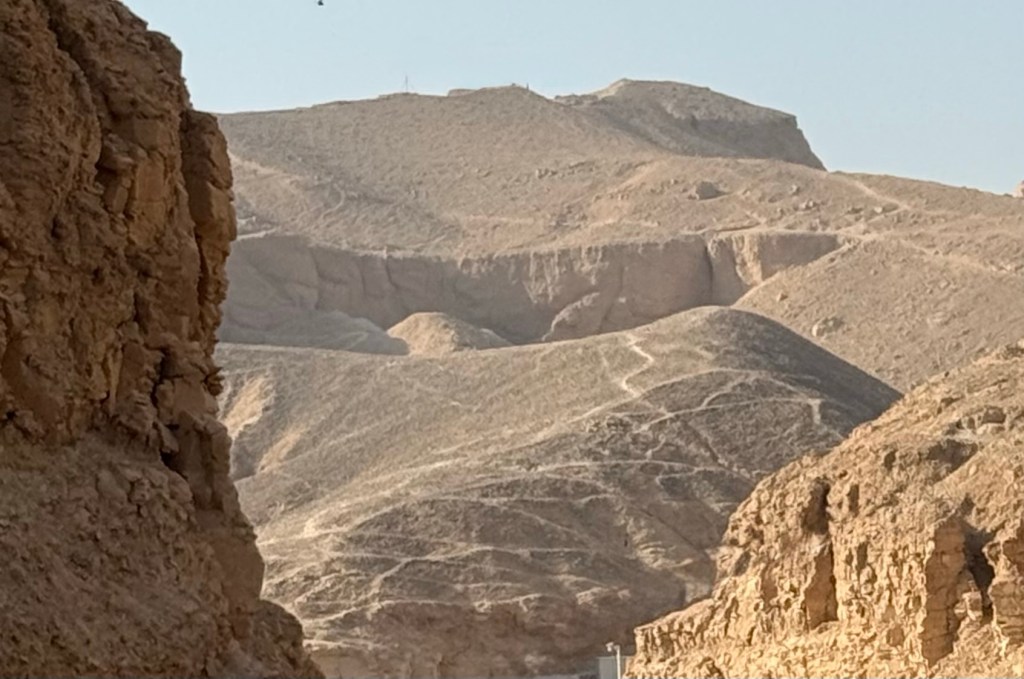
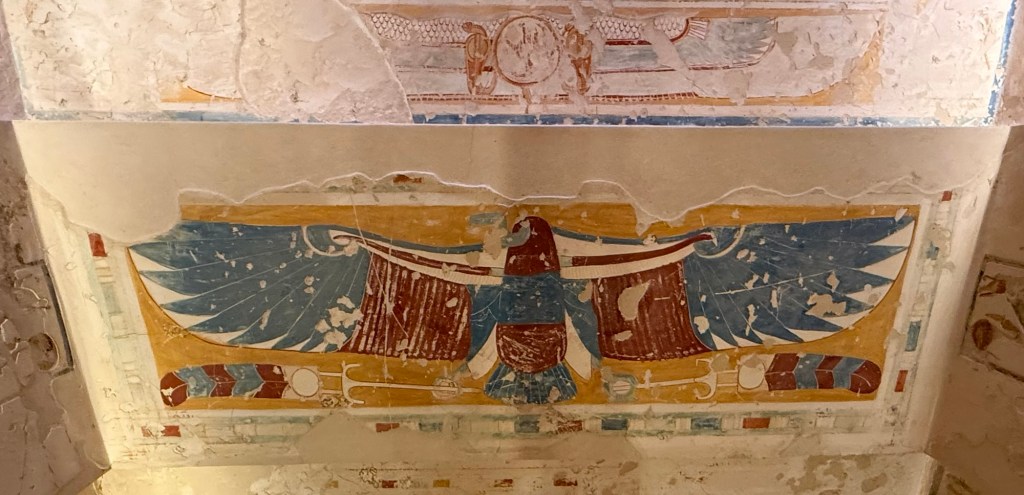
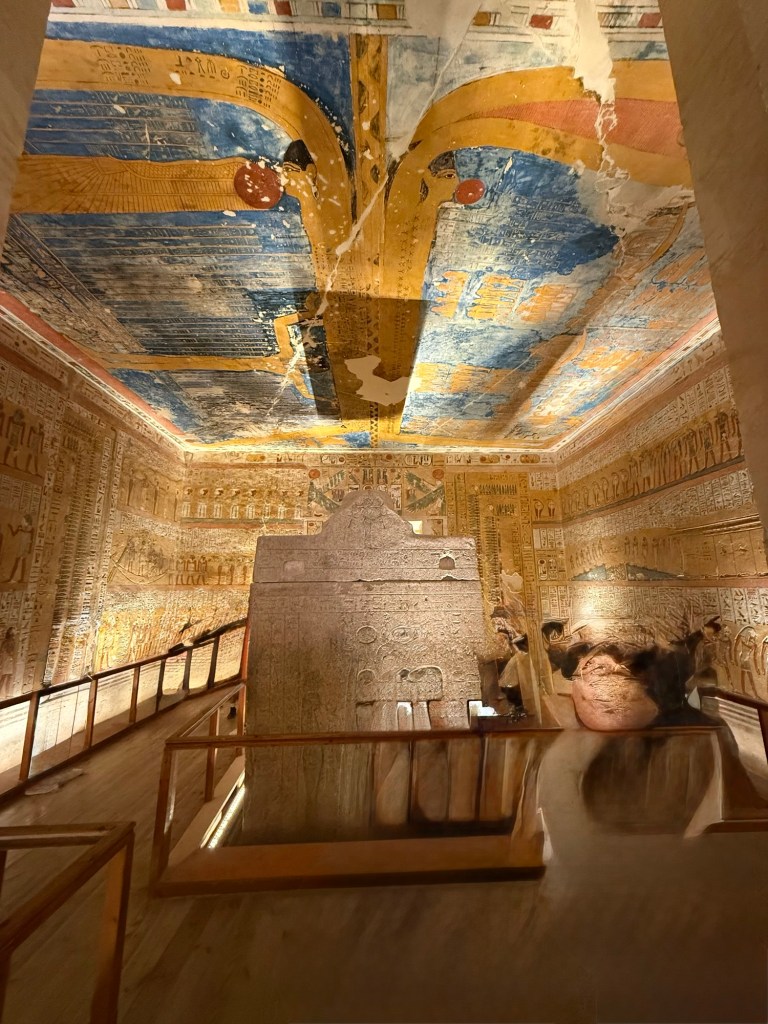
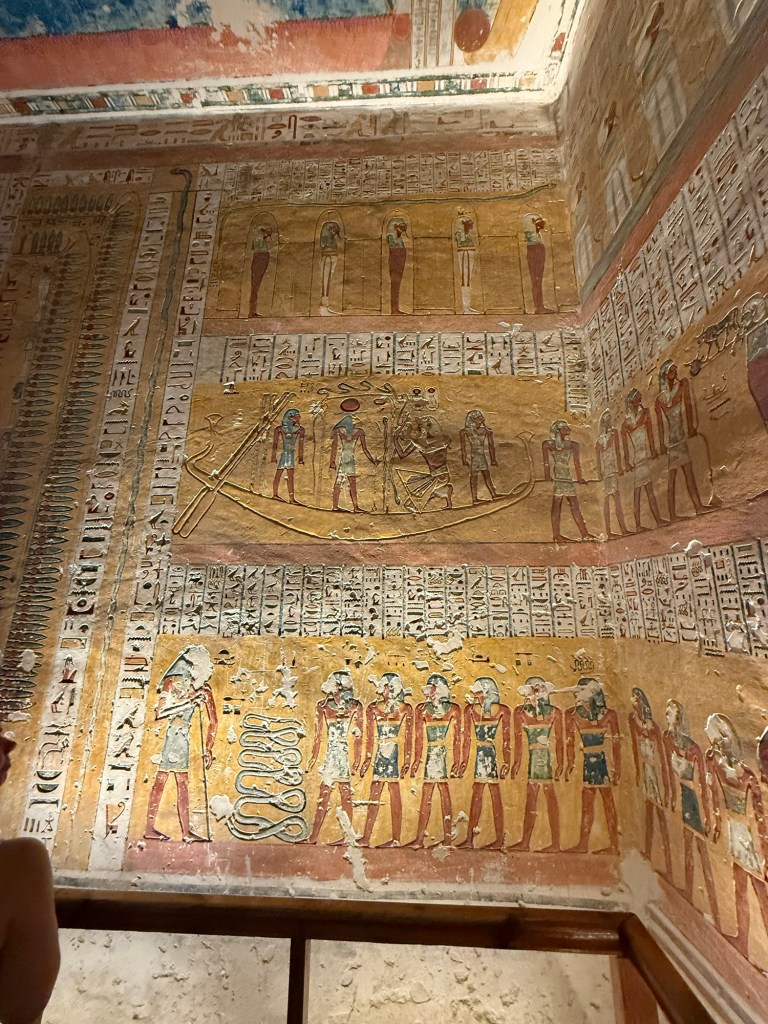
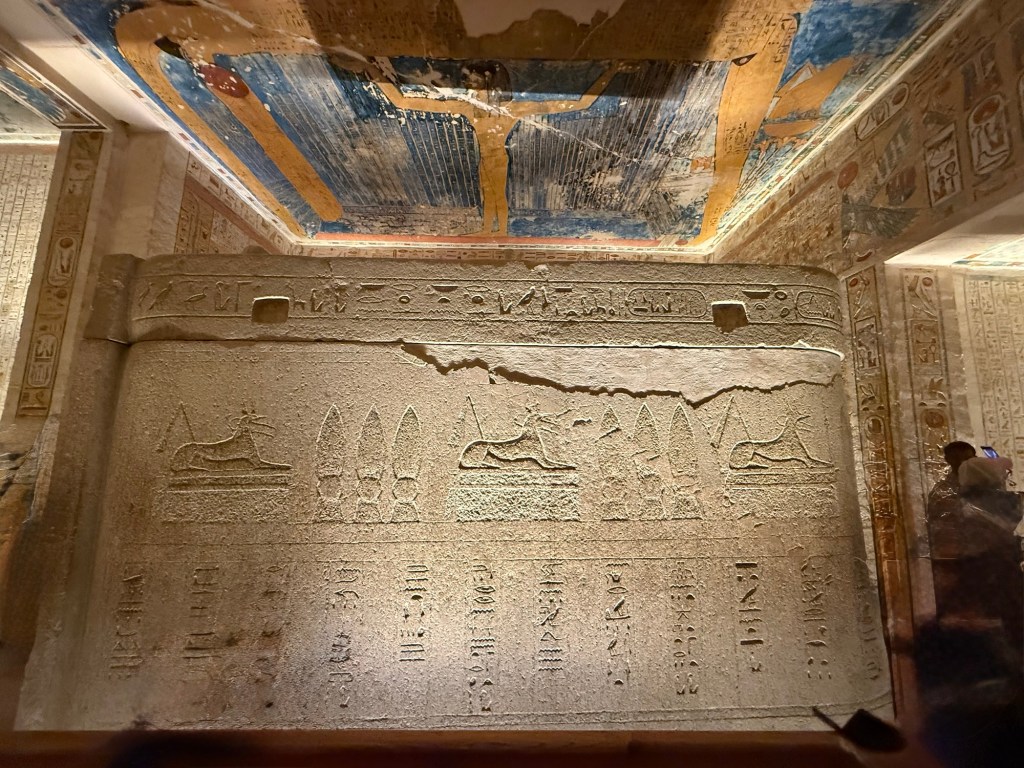
The Valley of the Kings is a royal burial ground on the West Bank of the Nile River famous for the rock-cut tombs of pharaohs and powerful nobles from the New Kingdom (c. 1550–1070 BC).
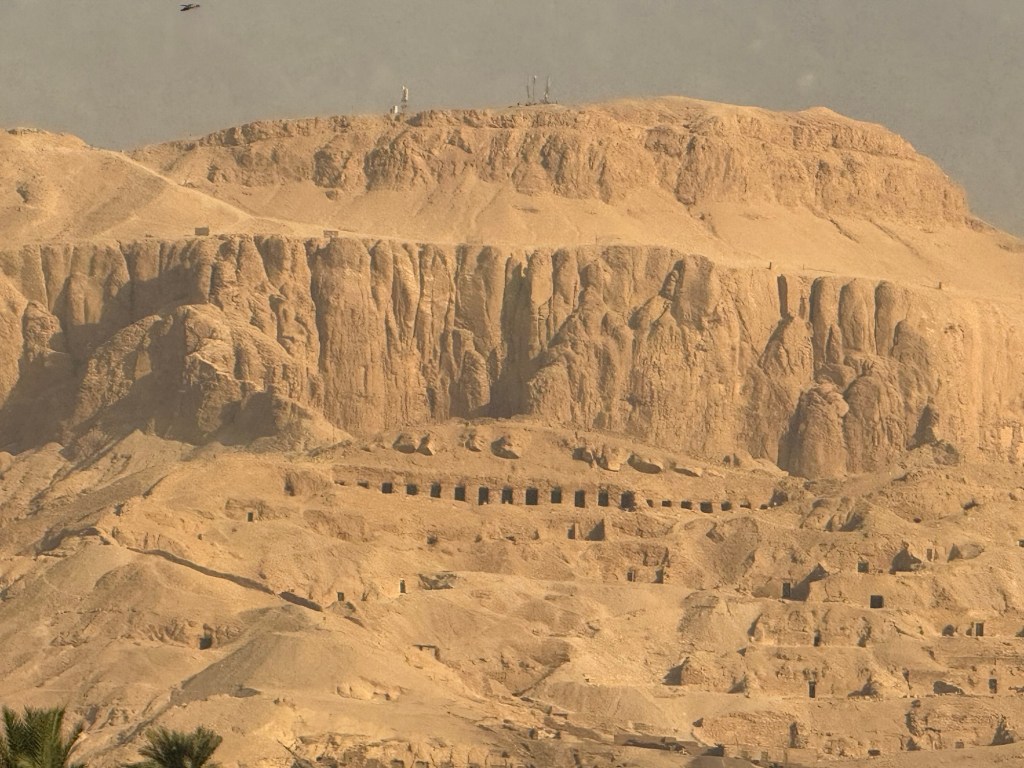
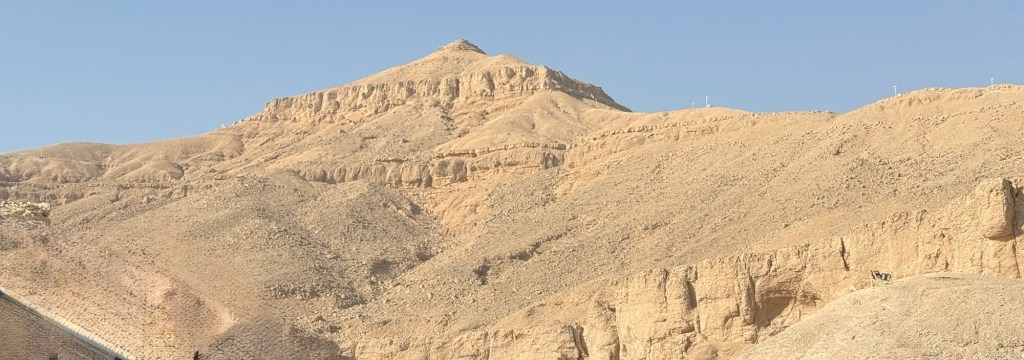
The necropolis’s location was chosen because of its association with the setting sun and the concept of rebirth in the afterlife.
We visited the tombs of:
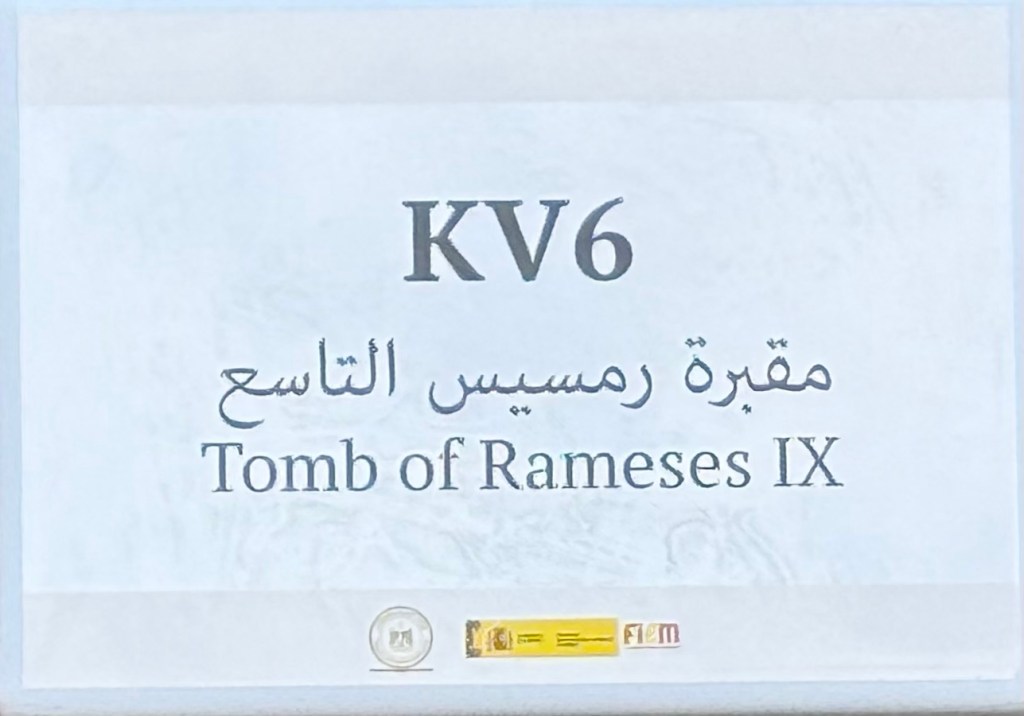
Rameses IX:
This seemed to be a small tomb as we quickly came to burial chamber which was inconveniently closed.
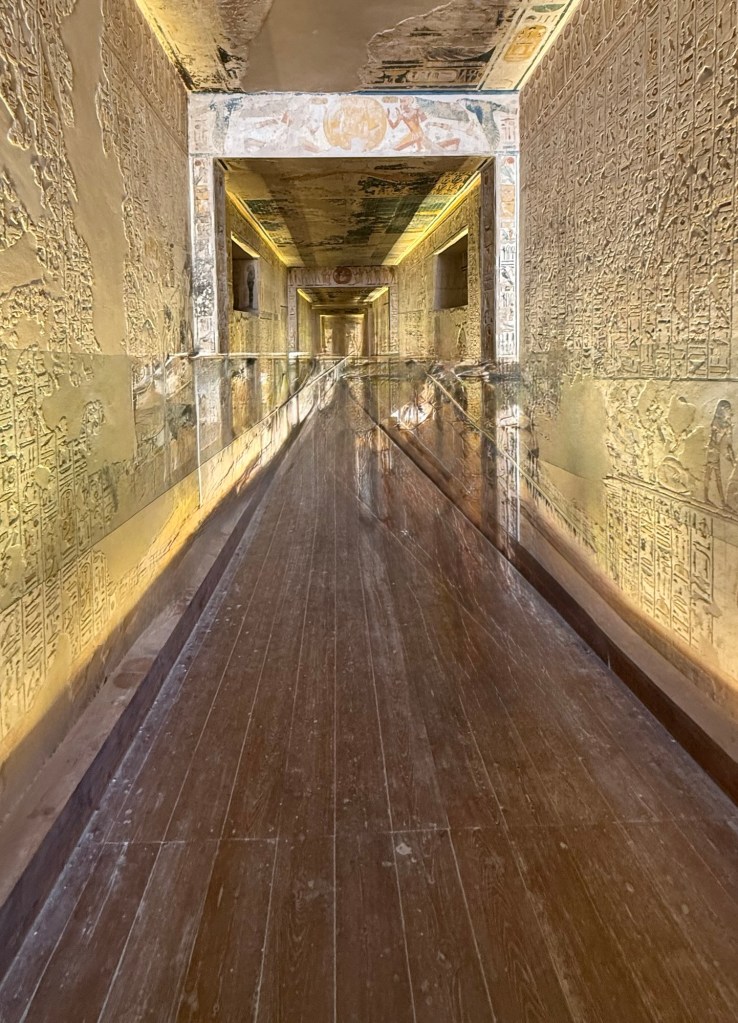
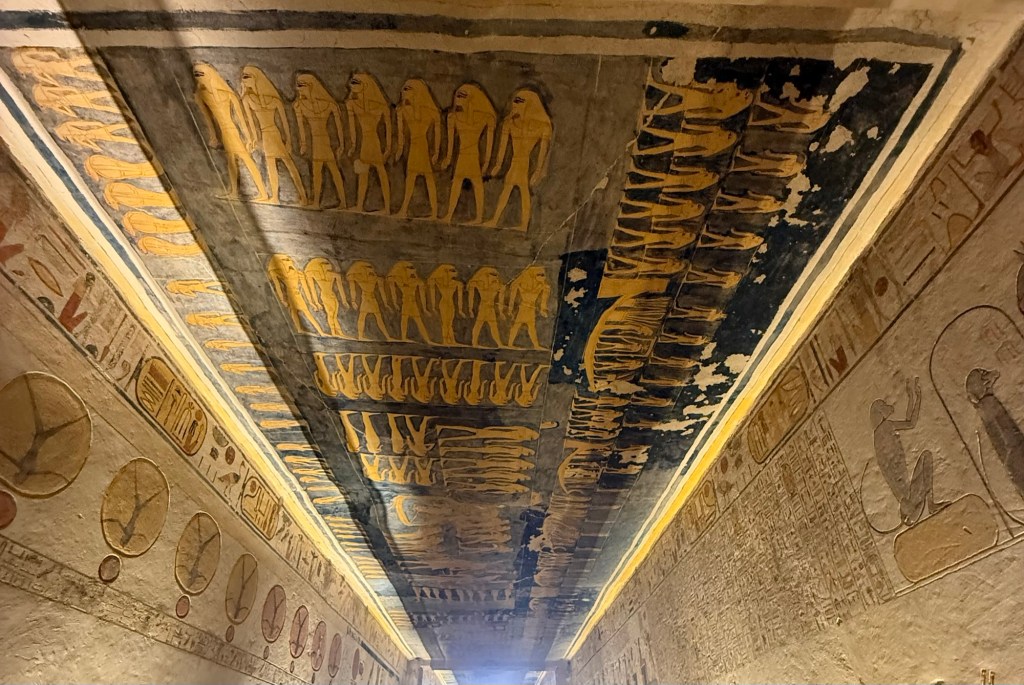
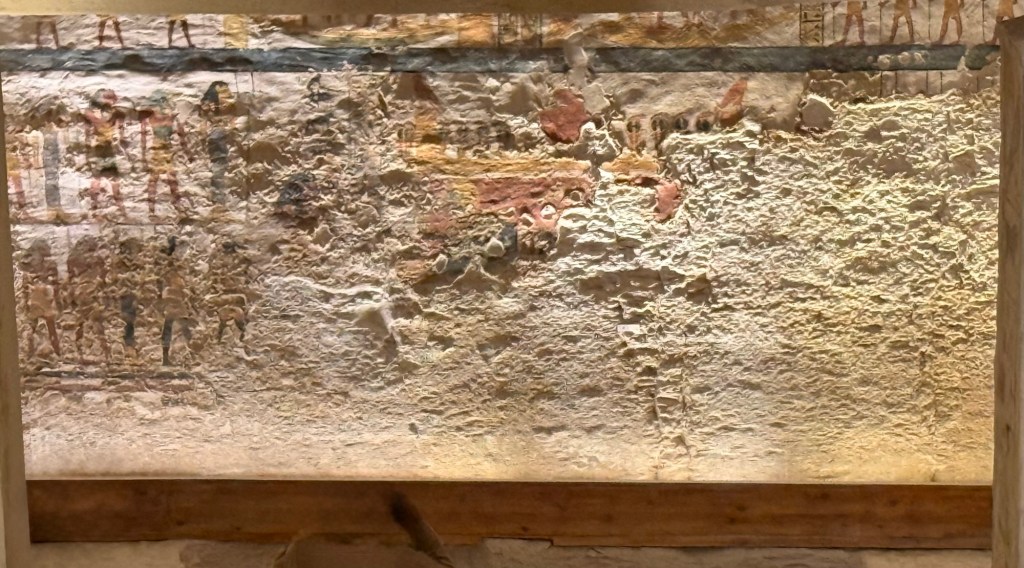
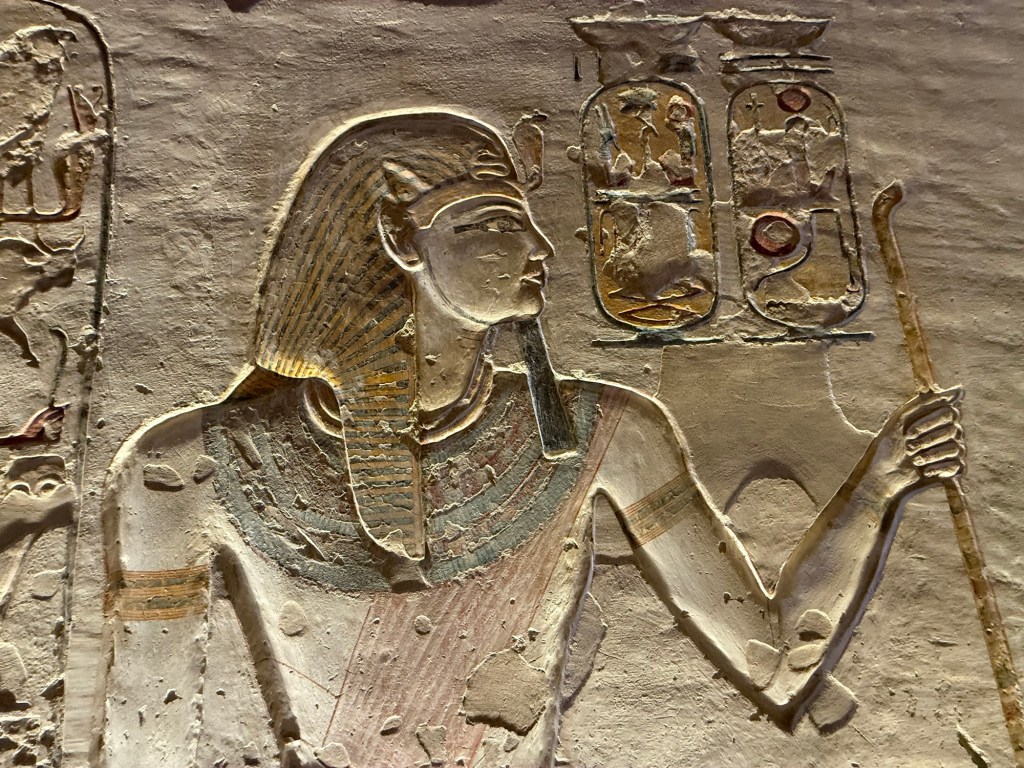

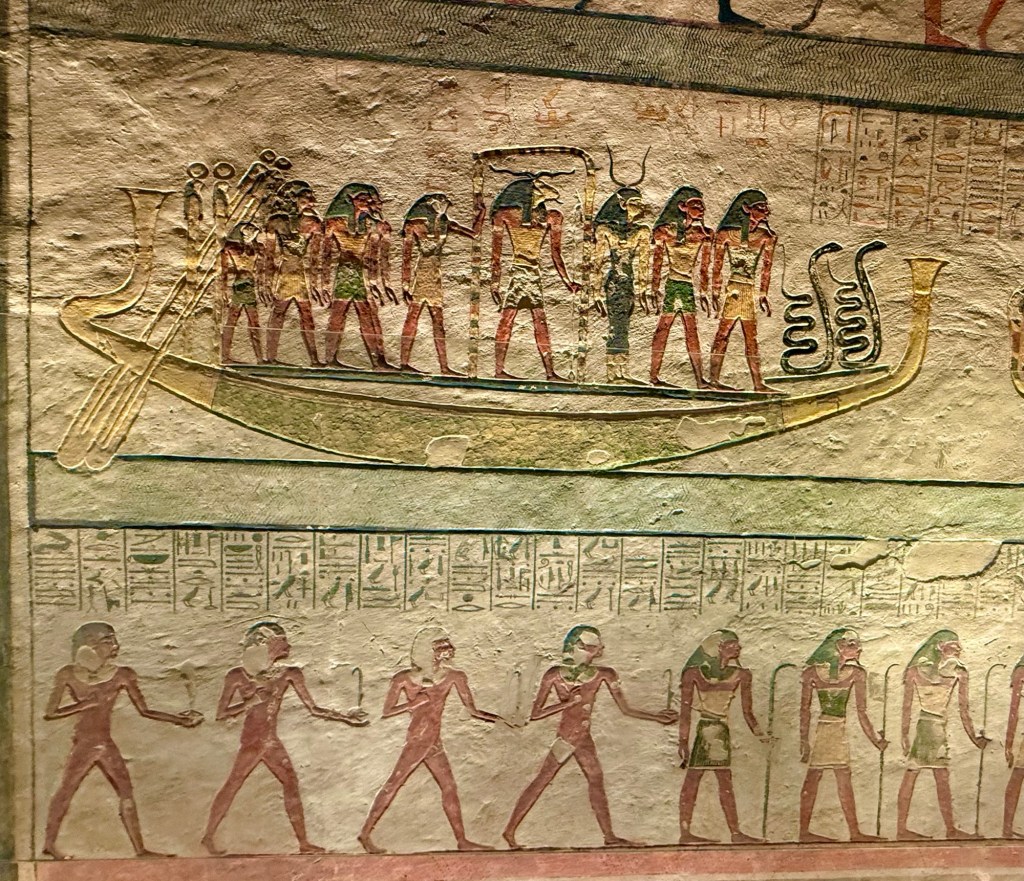
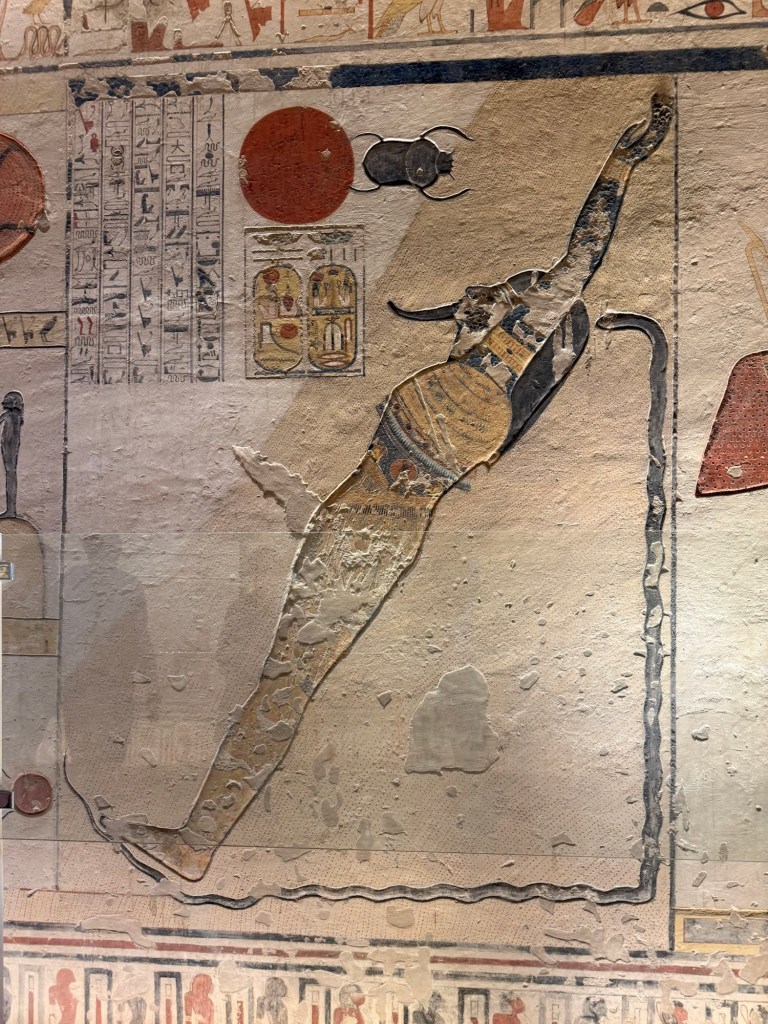

Nothing more to add
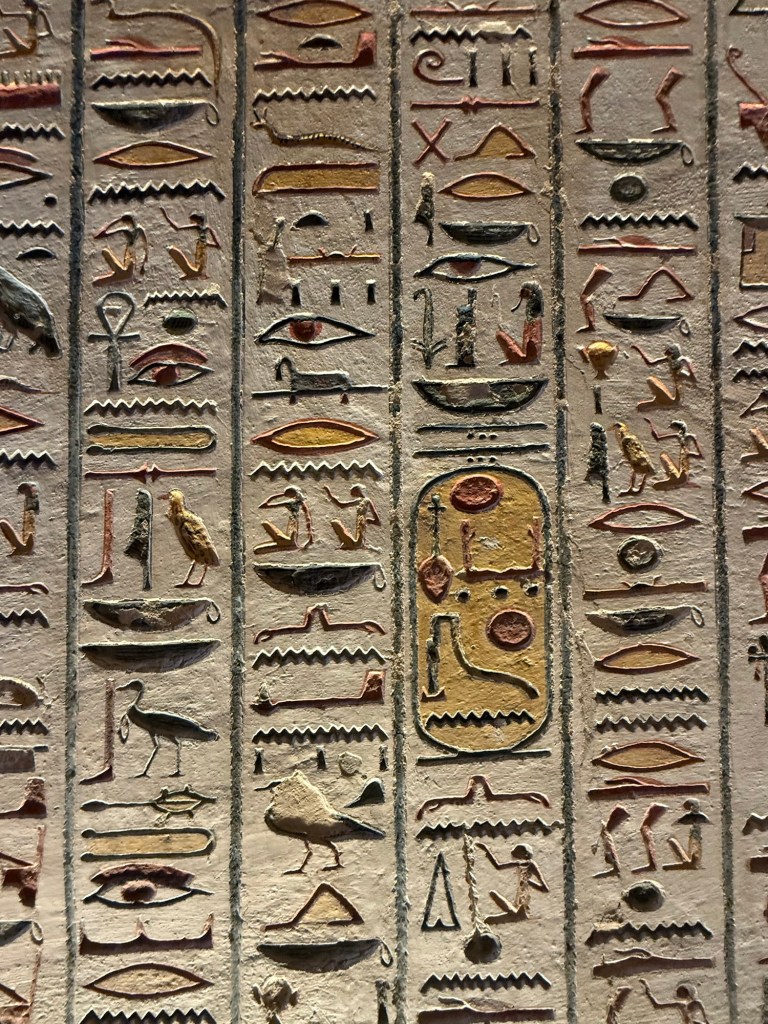
Sety I:
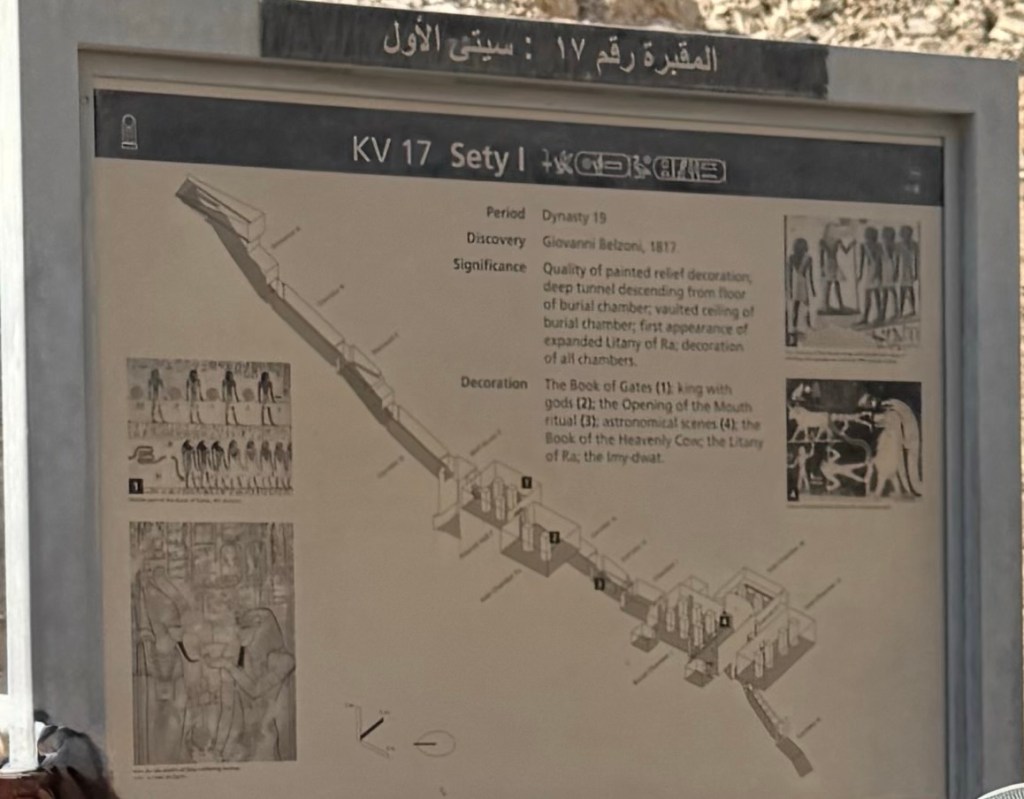
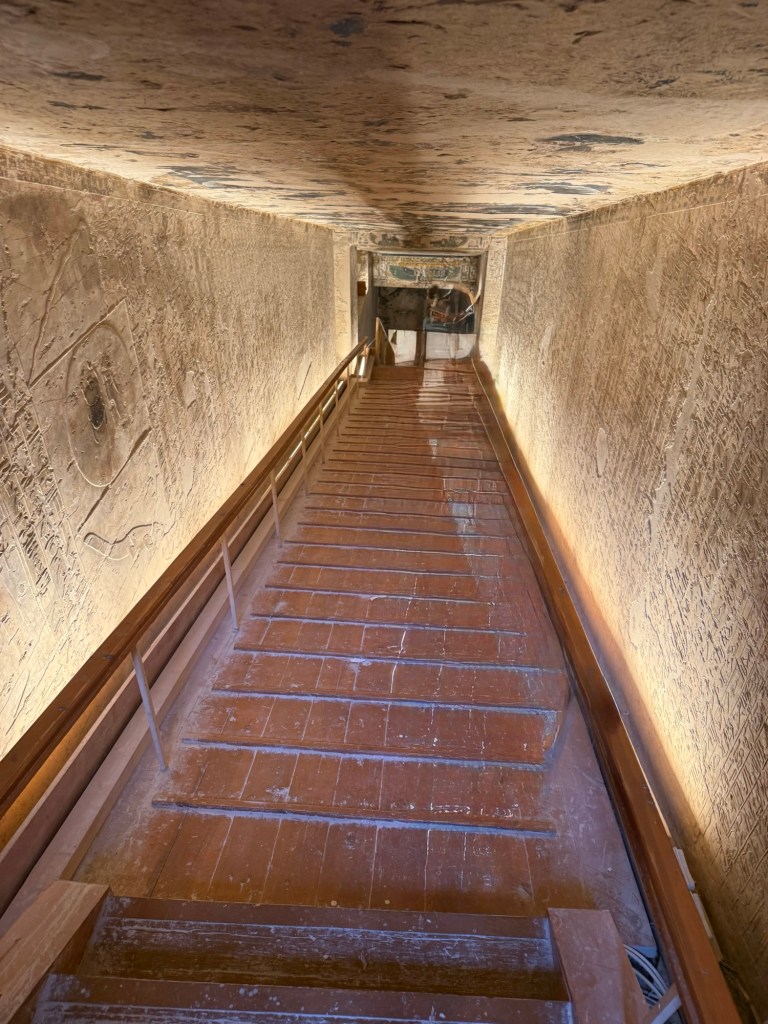
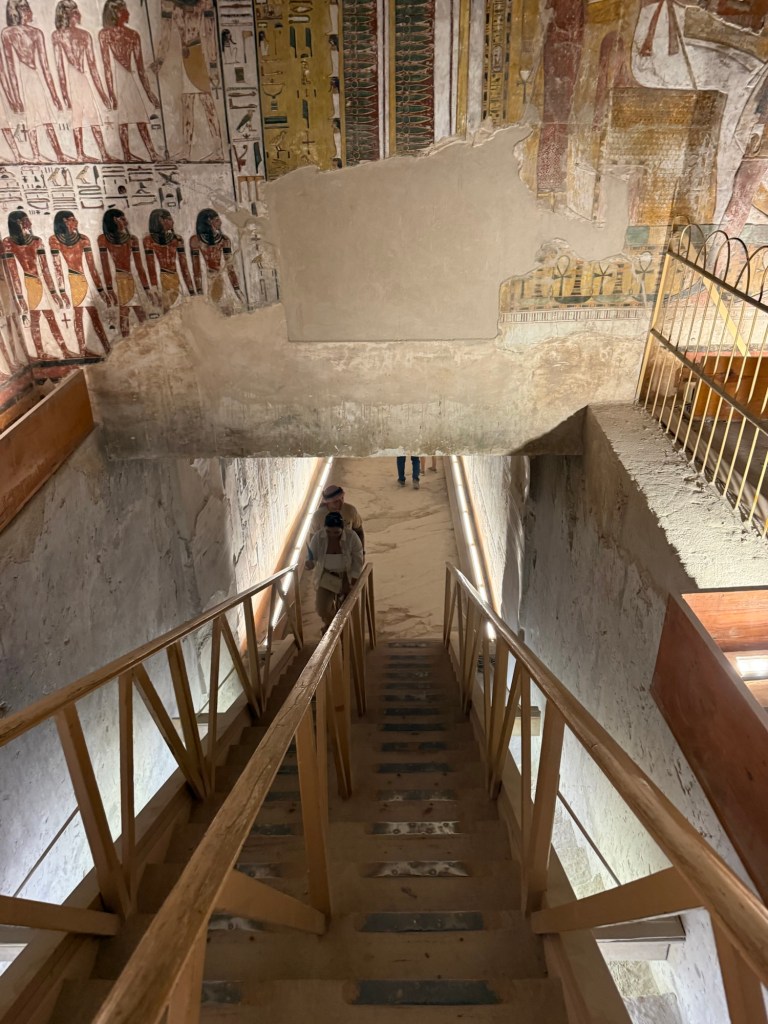
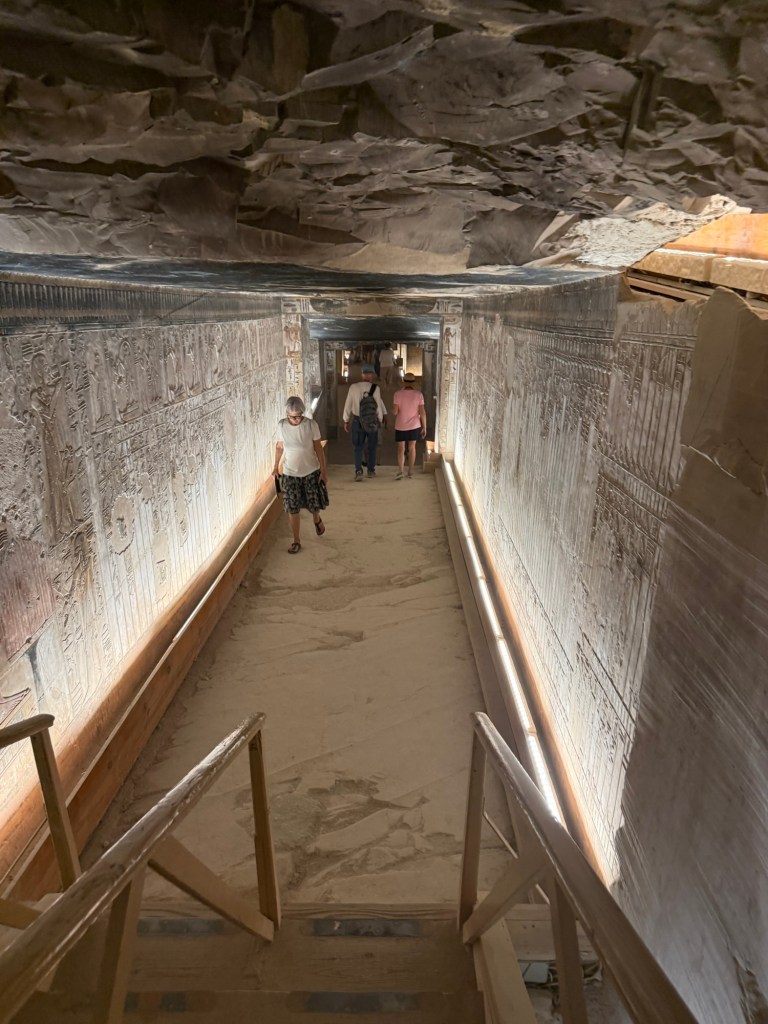
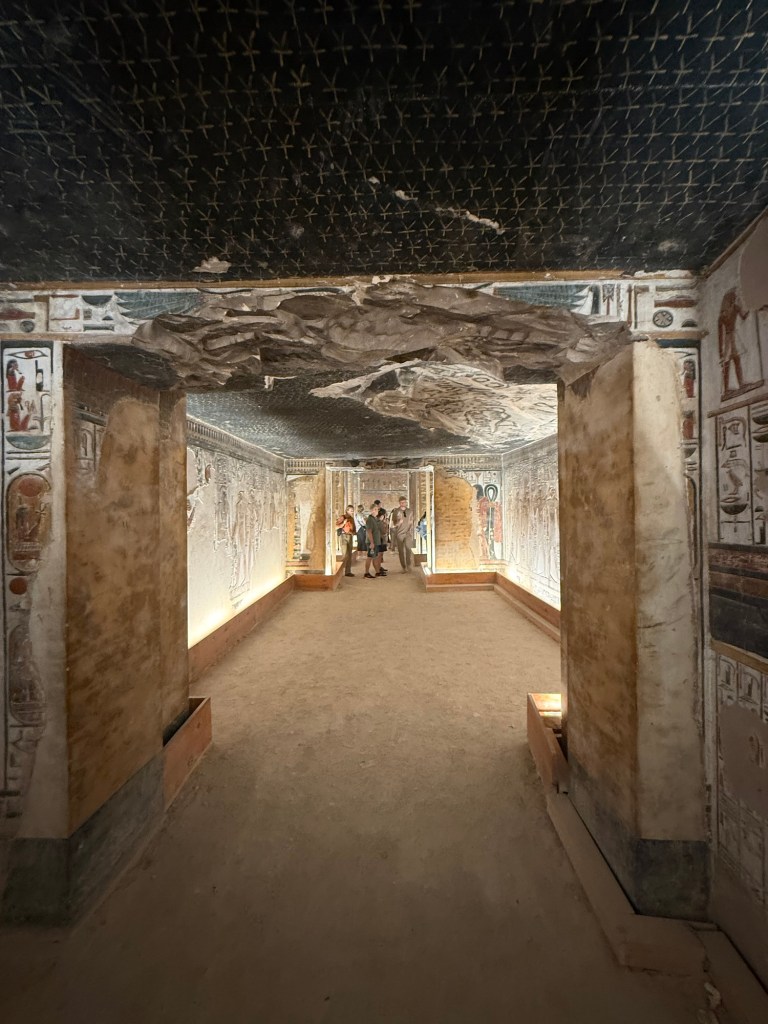
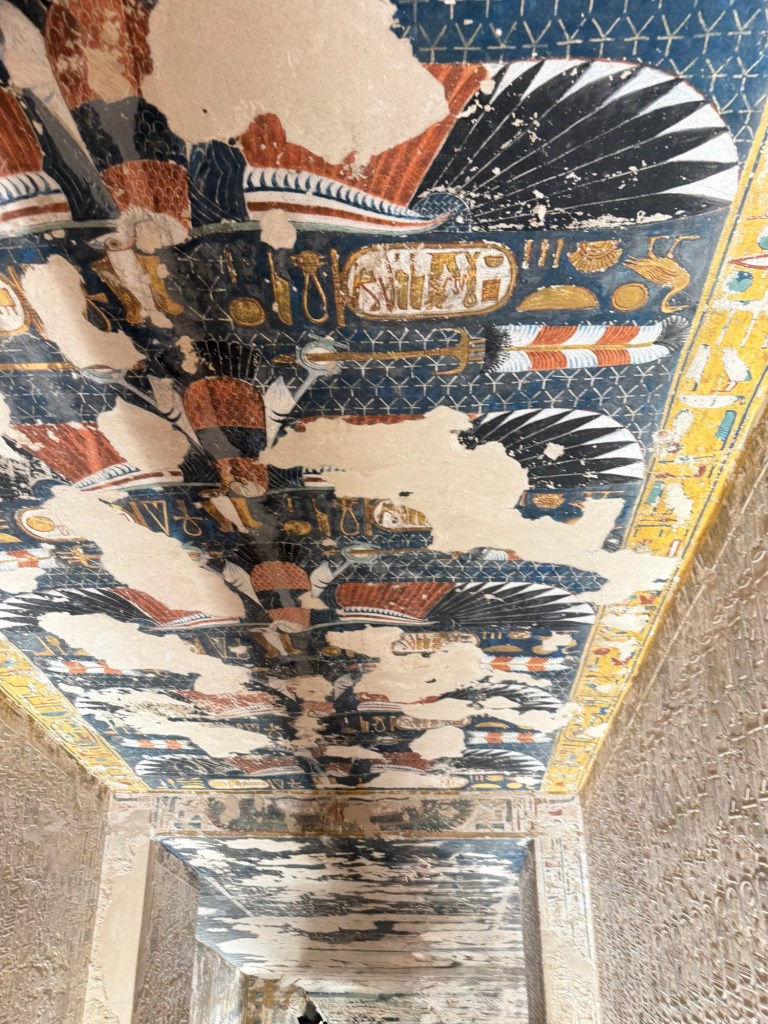
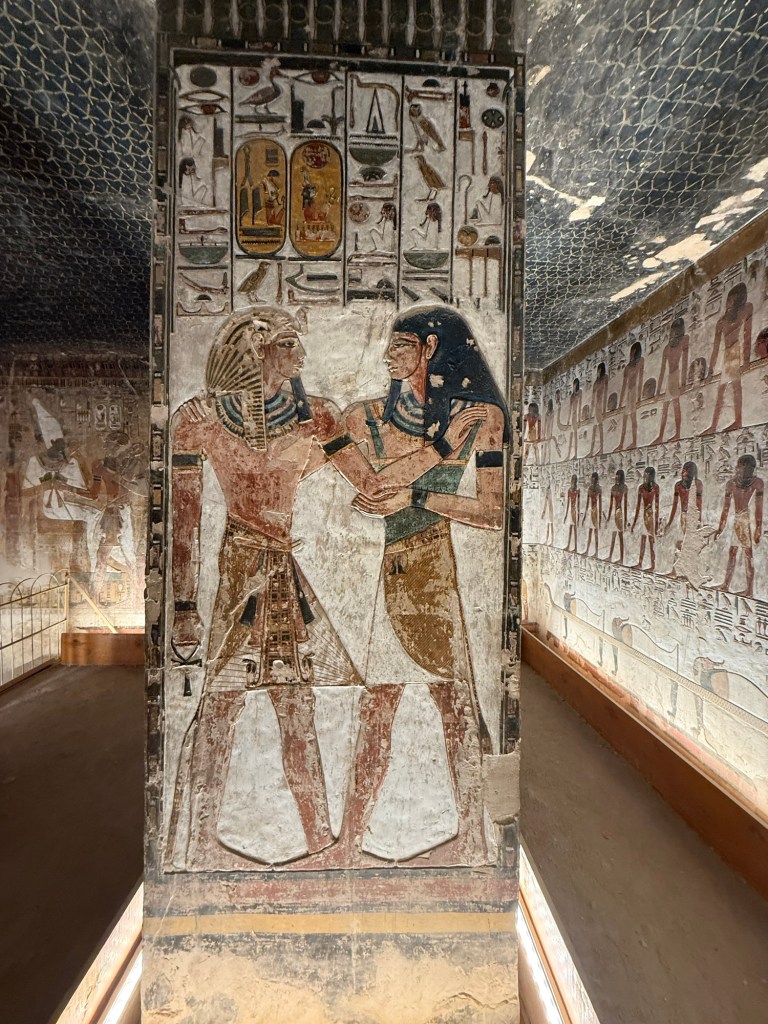
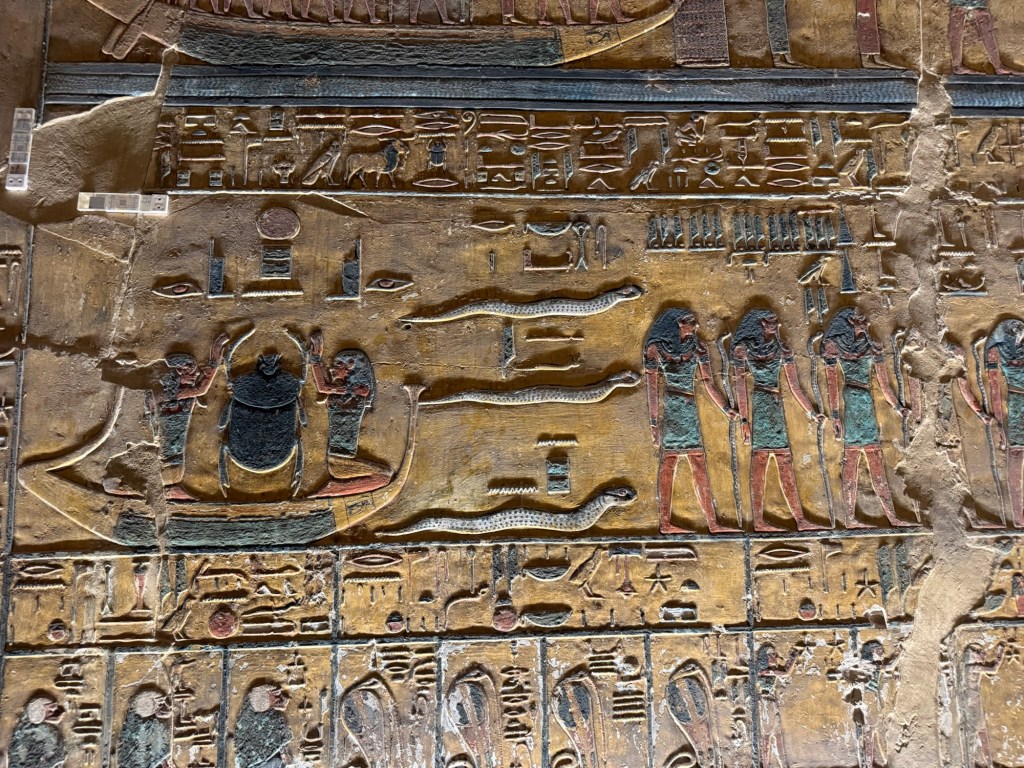
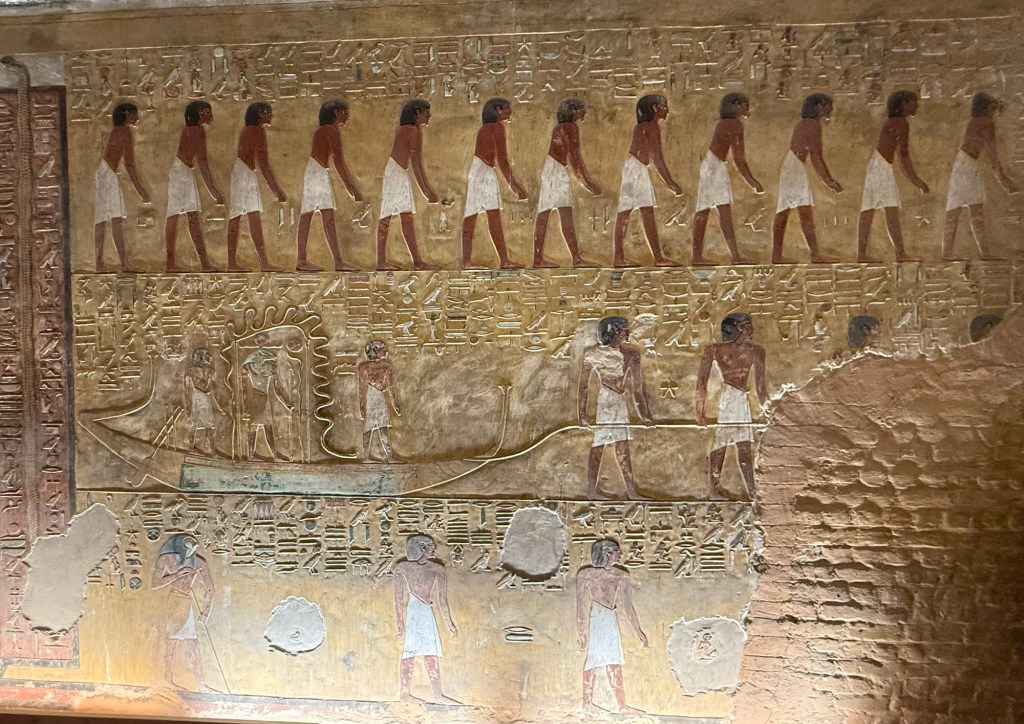
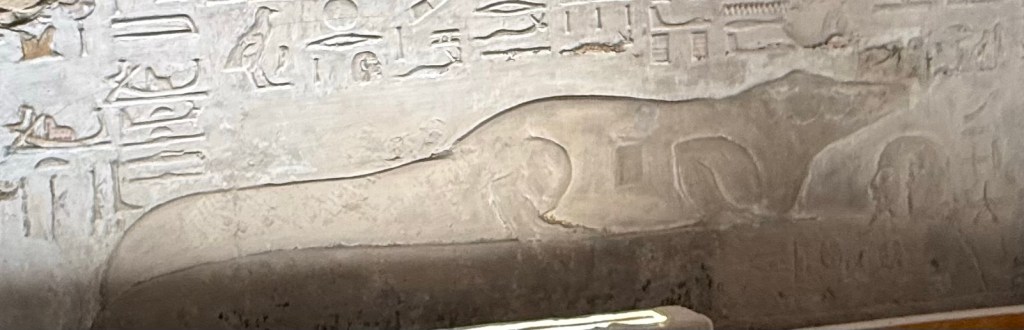
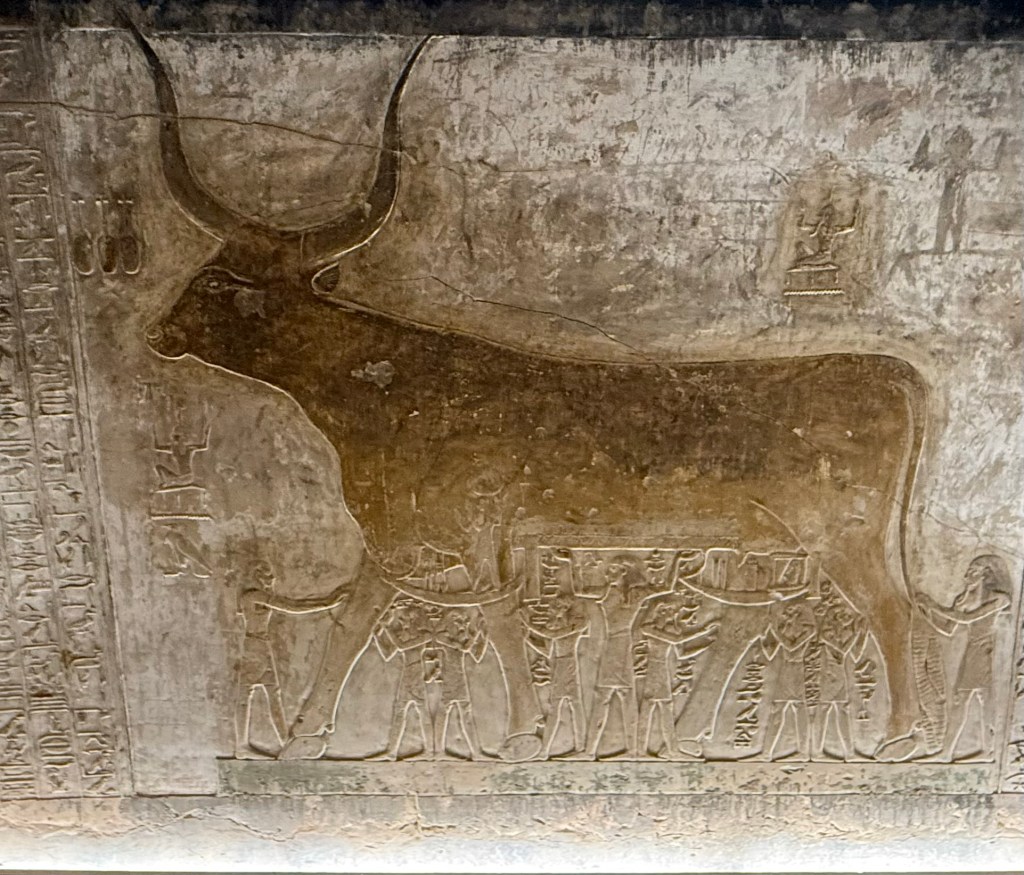
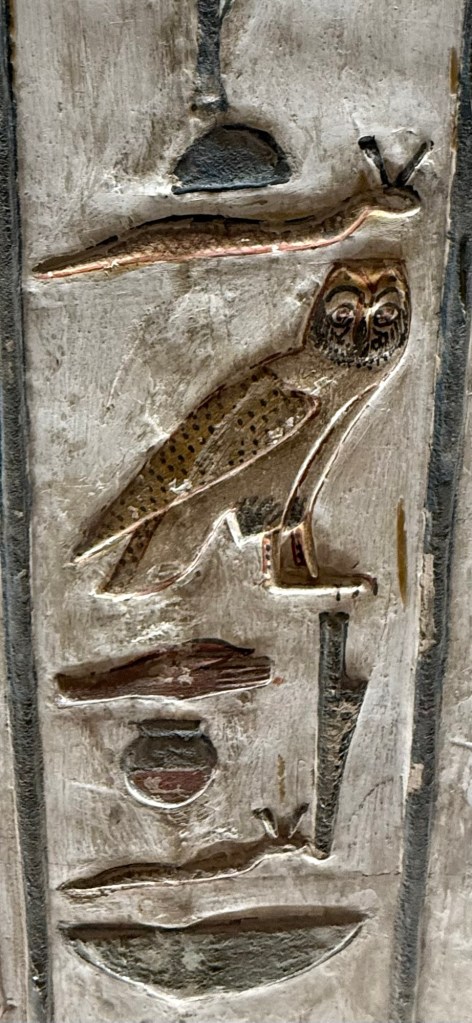
The tomb of Sety/Seti I is the tomb of PharaohSeti I of the 19th Dynasty. It is one of the most decorated tombs in the valley, and is one of the largest and deepest tombs in the Valley of the Kings. In a word? Magnificent!





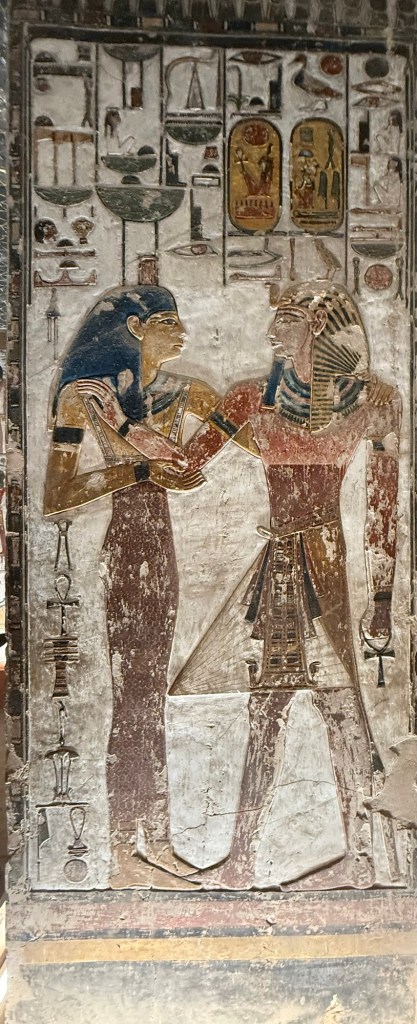

Rameses III
This tomb contains scenes from various religious books, including the Book of Gates (not Bill) and the Book of the Dead.

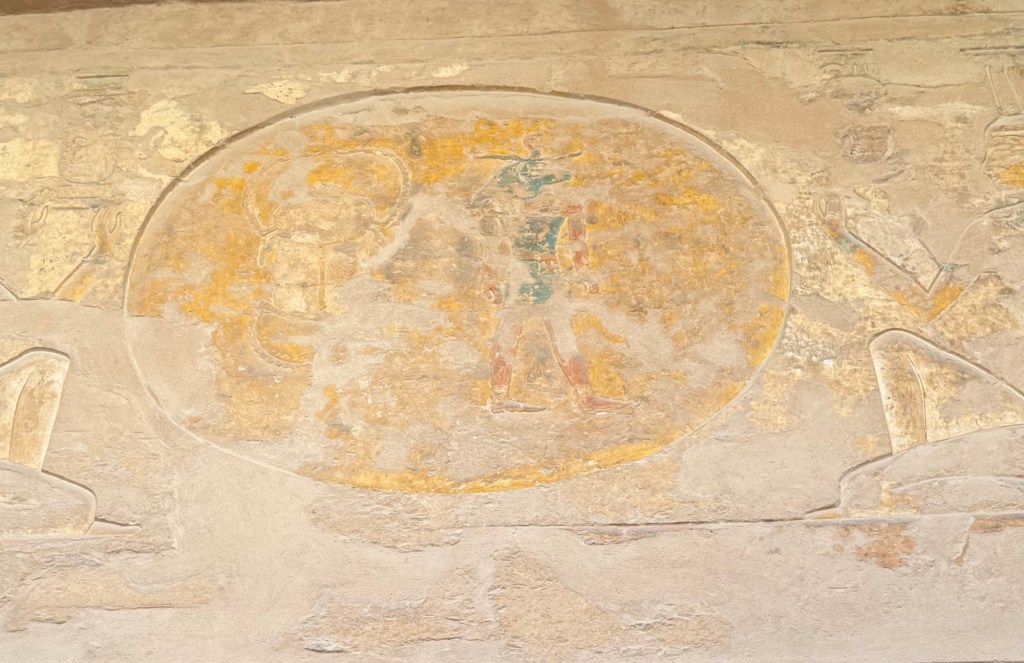


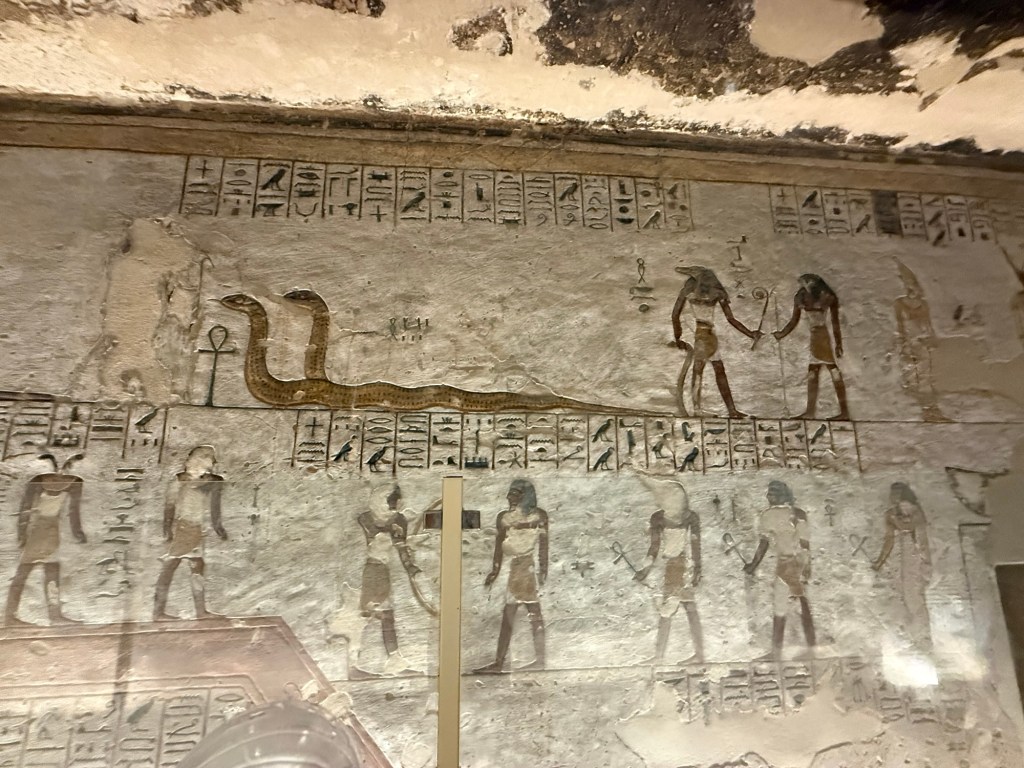
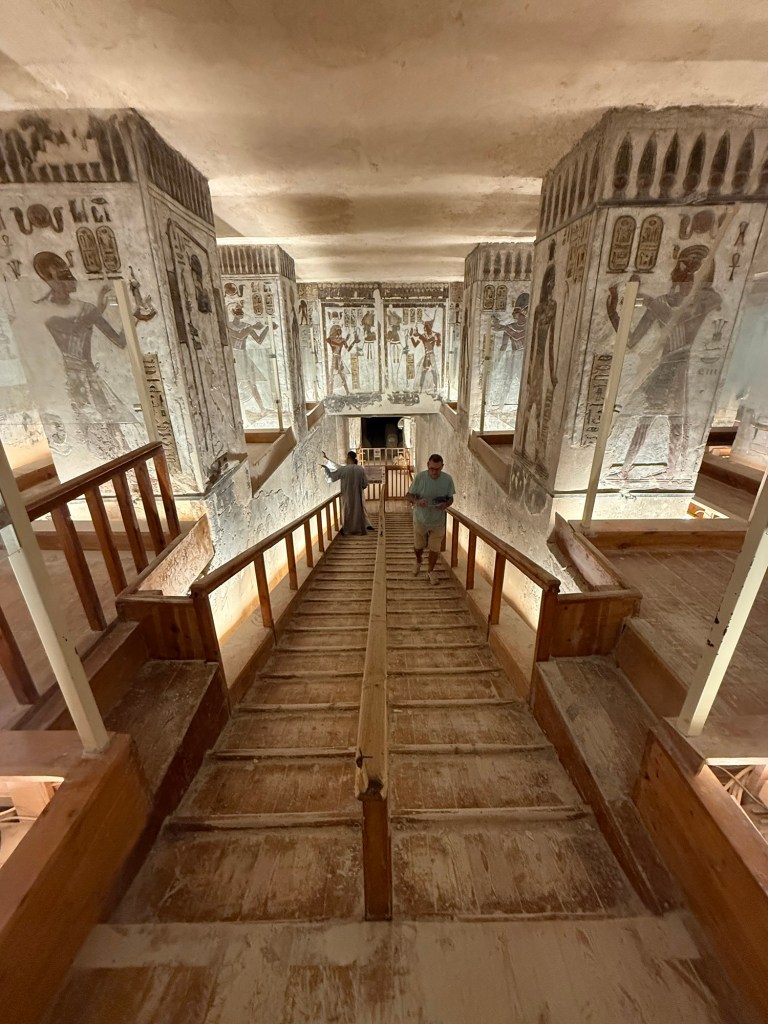
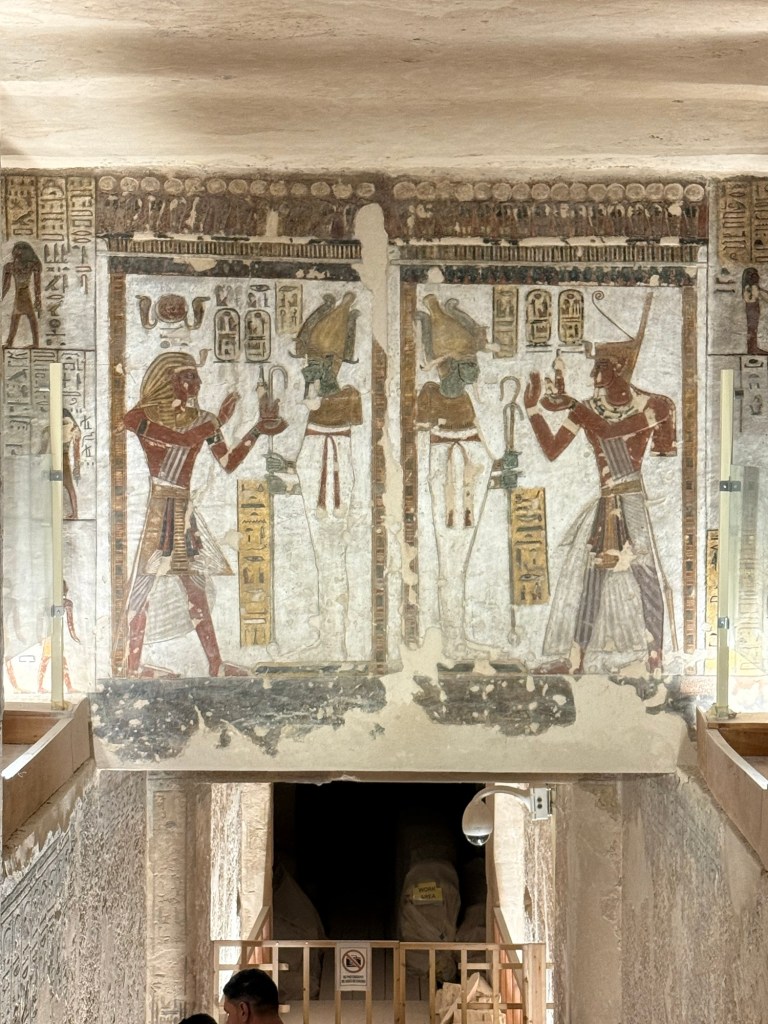
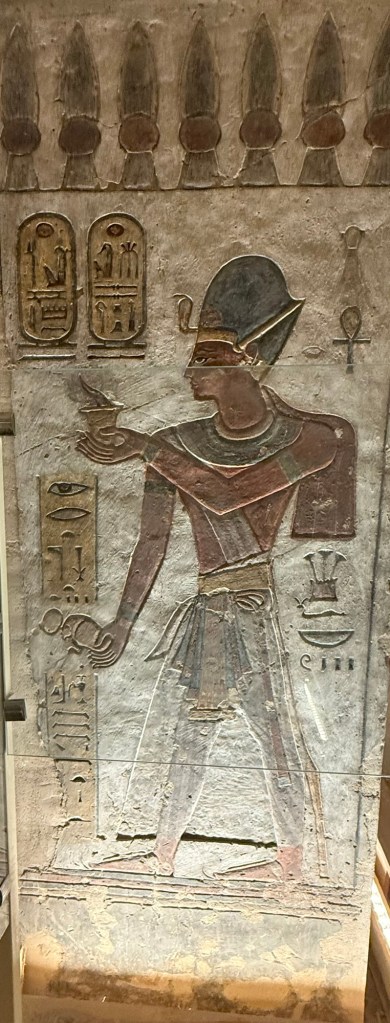
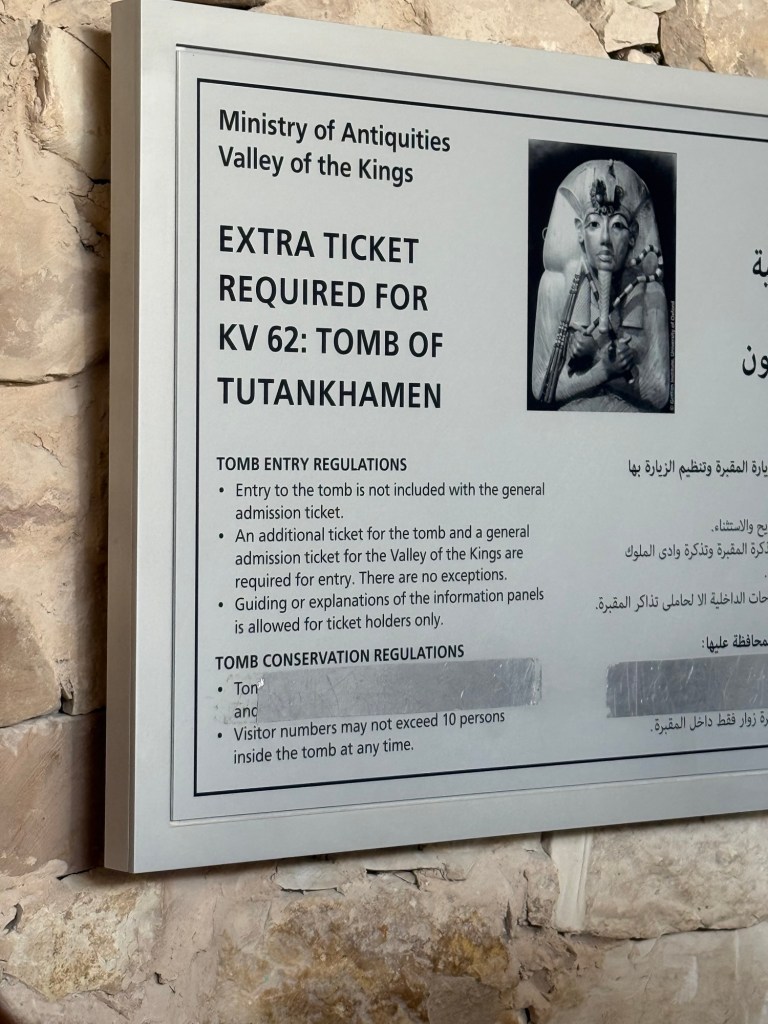
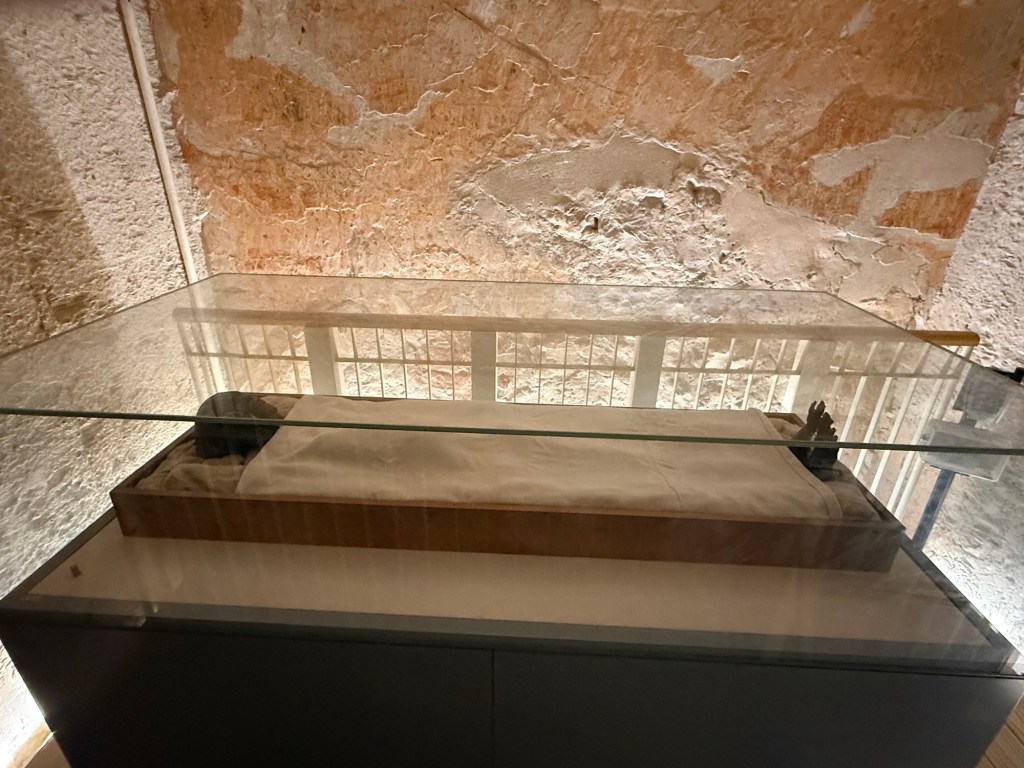
Tutankhamen….enough said….
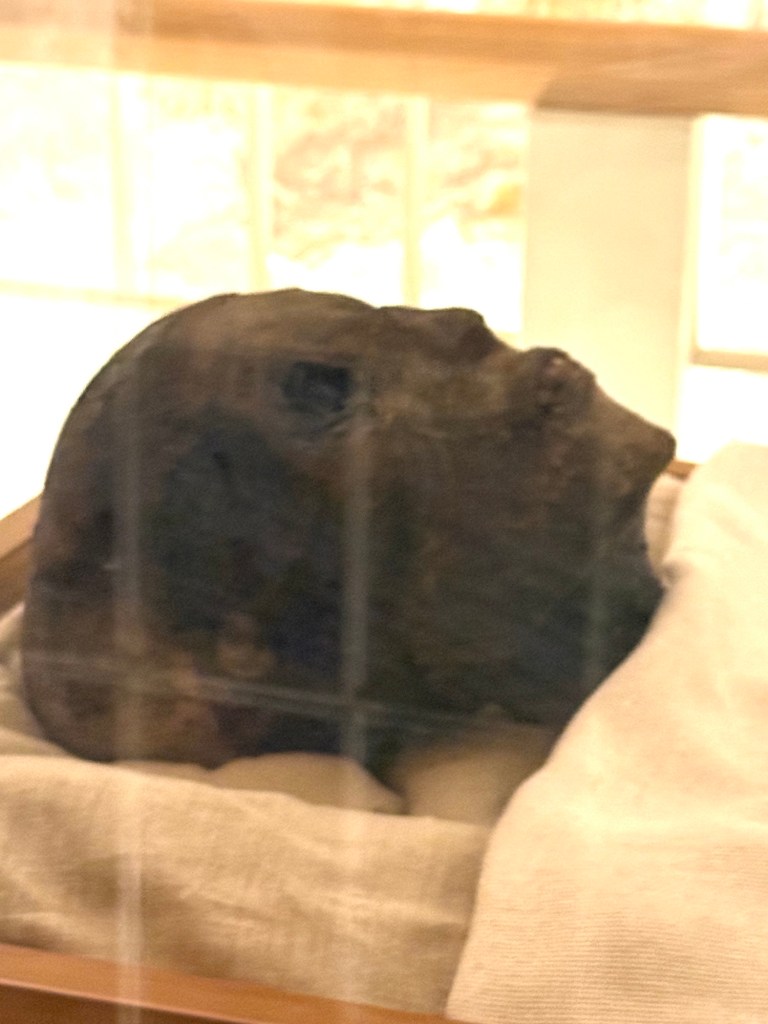
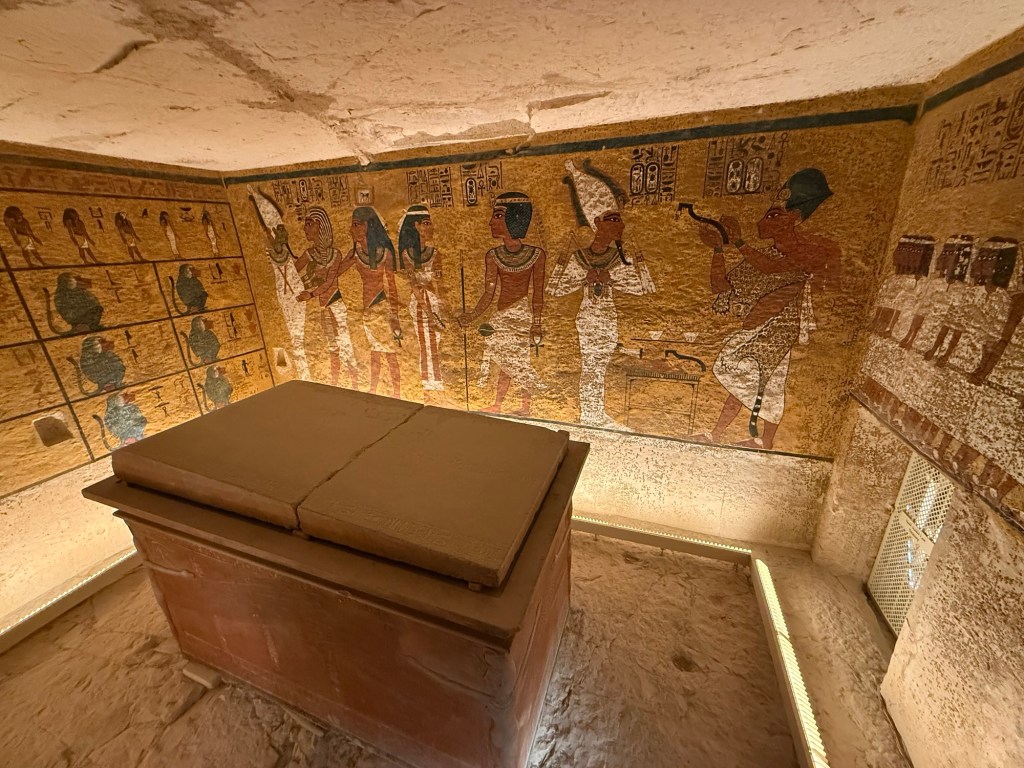

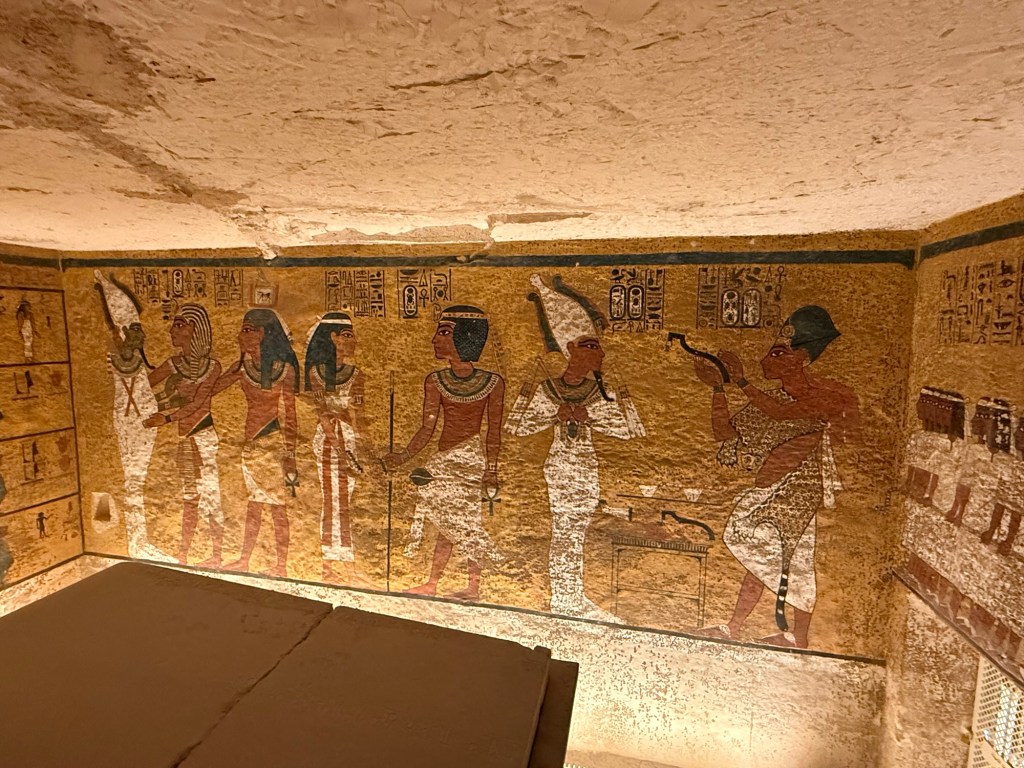

Rameses IV’s tomb is located low in the main valley, between tombs KV 7 & 1. It has been open since antiquity and contains a large amount of graffiti.

Hatshepsut Temple
Hatshepsut (c.1473–1458 BC), the queen who became pharaoh, built a magnificent temple at Deir al-Bahari, on the west back of Luxor. It lies directly across the Nile from Karnak Temple, the main sanctuary of the god Amun.

The temple consists of three levels each of which has a colonnade at its far end. On the uppermost level, an open courtyard lies just beyond the portico. Mummiform statues of Hatshepsut as Osiris, the god of the dead, lean against its pillars.
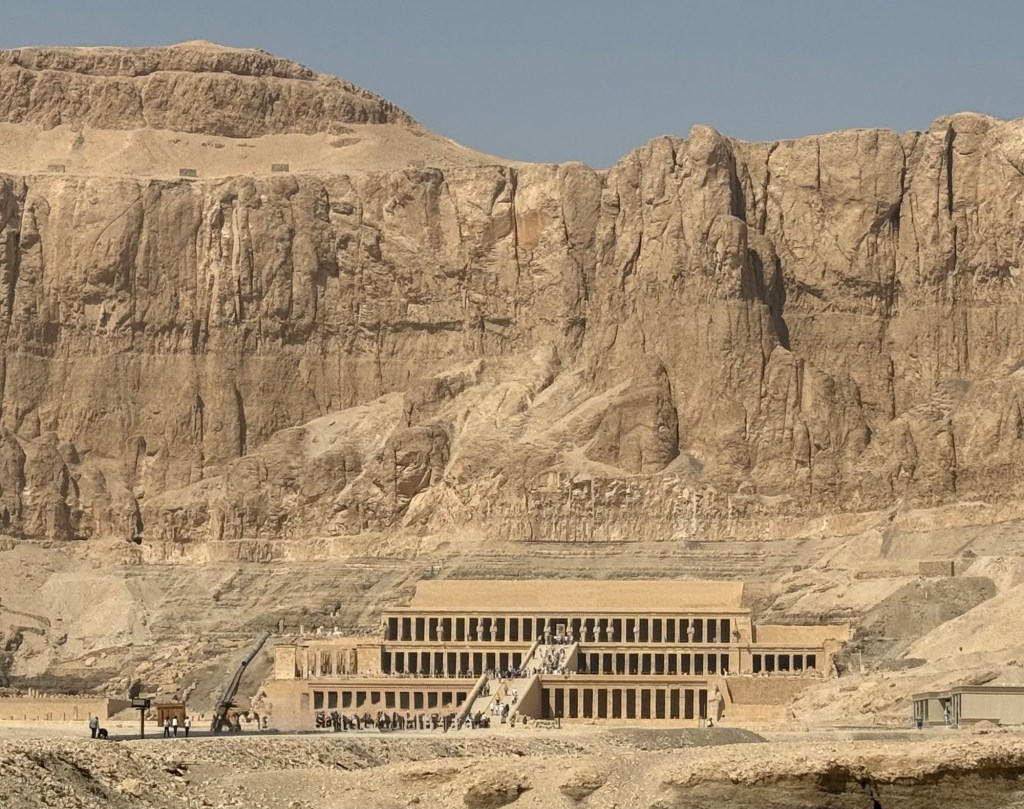
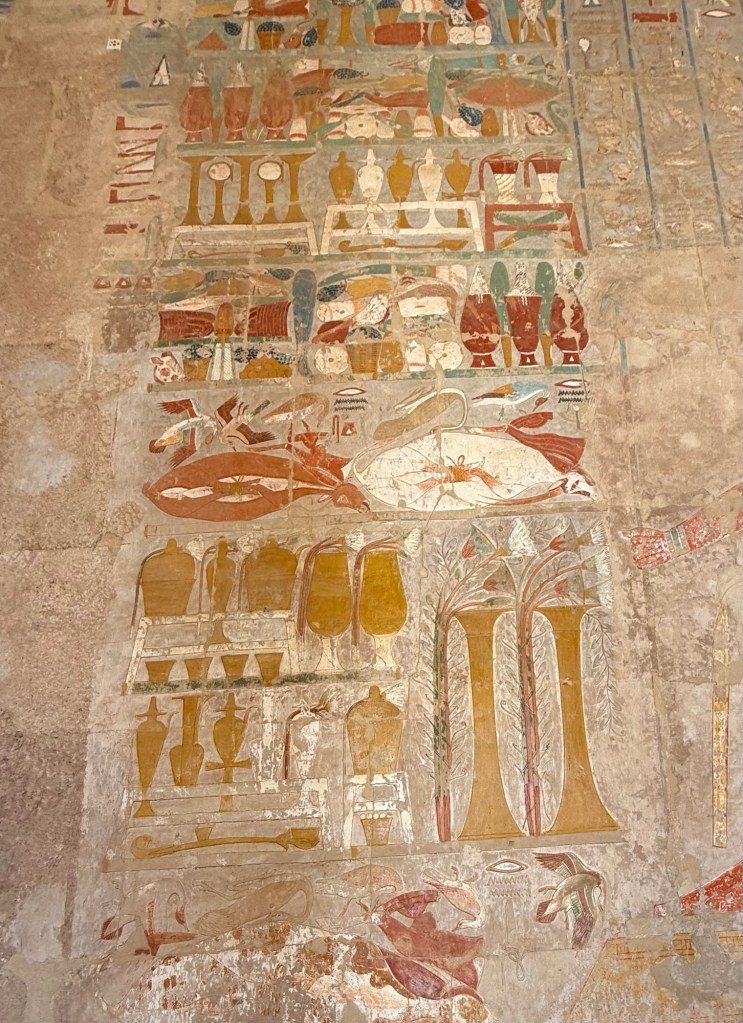
The temple’s walls are covered with beautiful painted reliefs depicting temple rituals, religious festivals, and even the transportation of obelisks from the quarry to their destination in Karnak Temple.

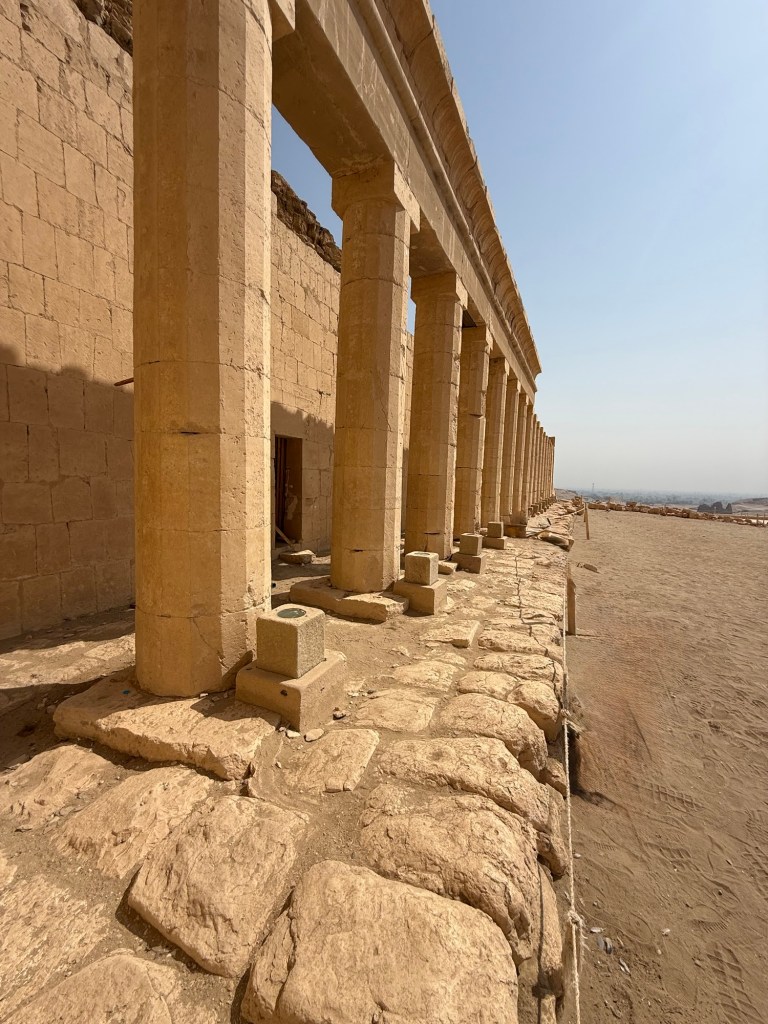
Coliseum of whoever..


 seetheworldtravelblog