By Paul Bryers
- Afternoon’s Itinerary: Medina Sights, Marrakech
- Guide: Maryam^
- Driver: Mr Said^
- Meals: L’Mida
Guided Walk:
Following a second breakfast at my hotel, I met my guide Maryam and we embarked on a comprehensive exploration of Marrakesh, commencing with a guided tour of the Medina’s key attractions.
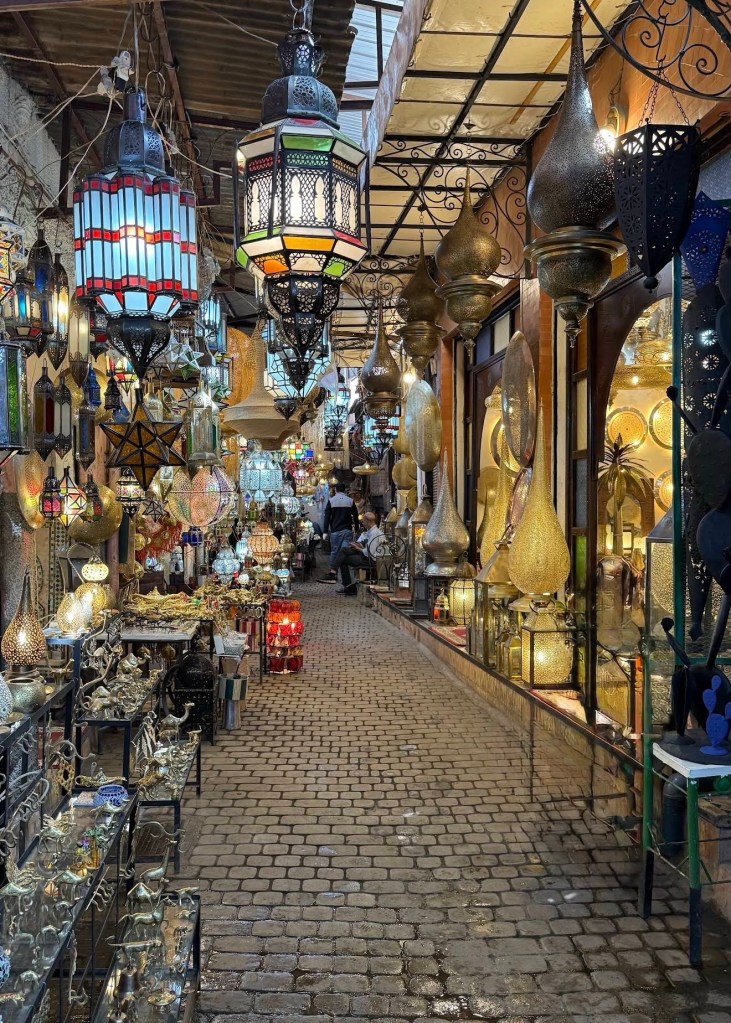
We navigated, with purpose, through the vibrant souks’ alleyways near Jemaa el-Fnna Square.
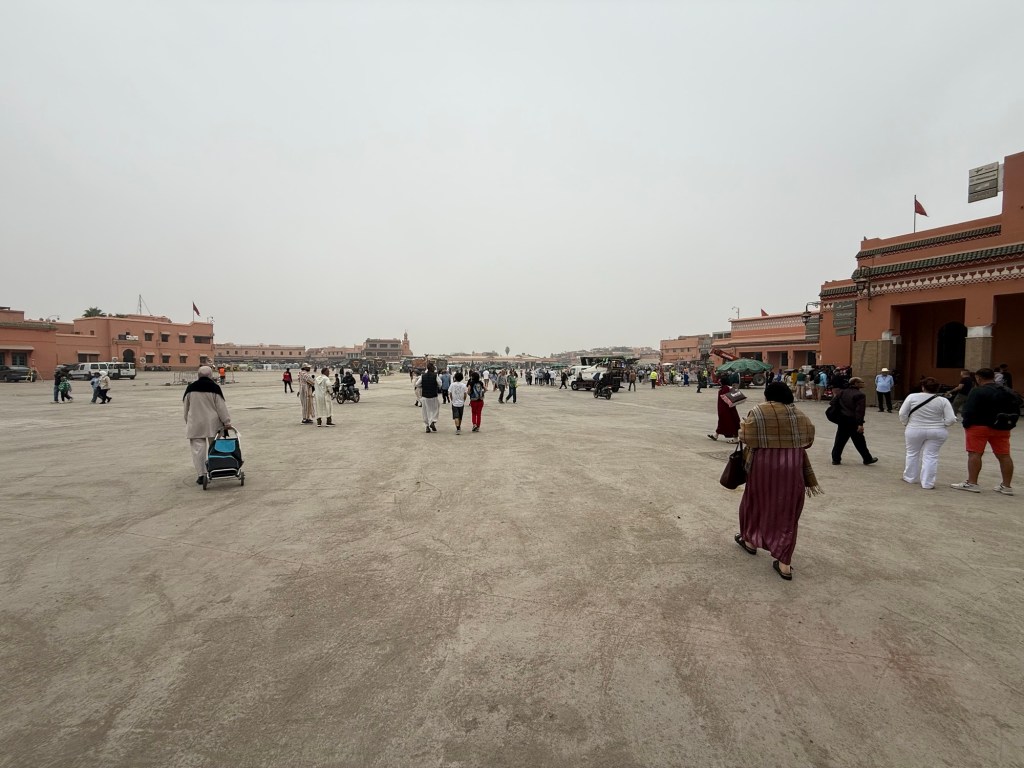
These were filled with noisy sellers, even more noisy motorbikes and very exotic scents and tastes – cumin, cardamom, amber, jasmine….

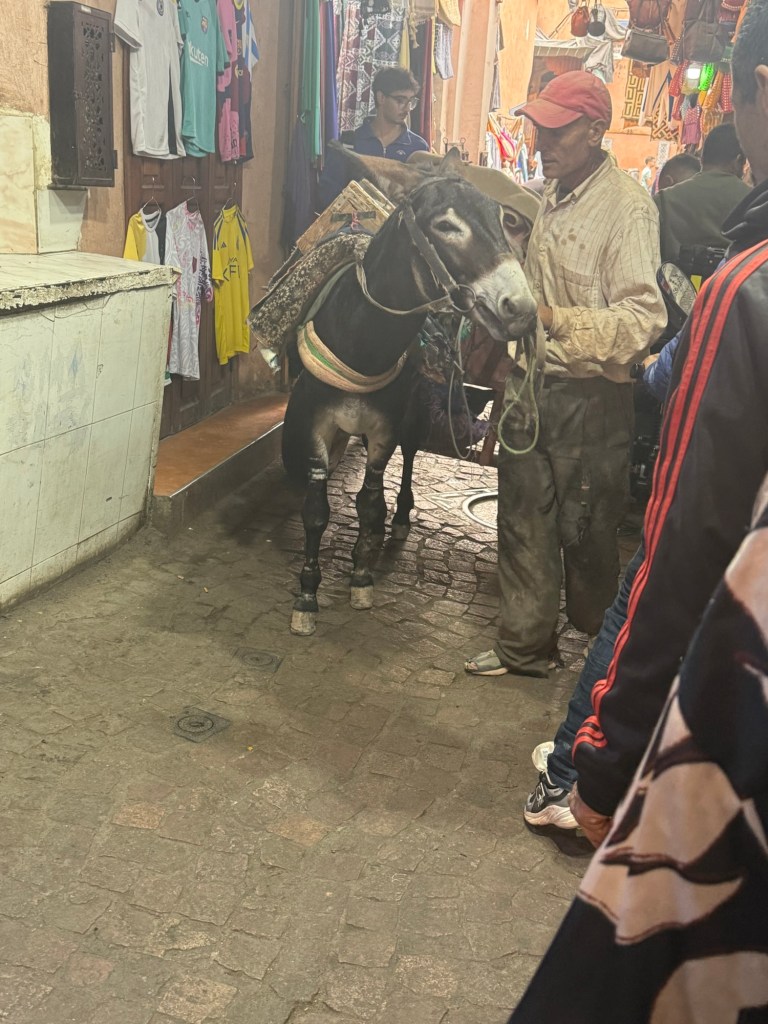
I saw a nice ass and we found some quiet alleys too..
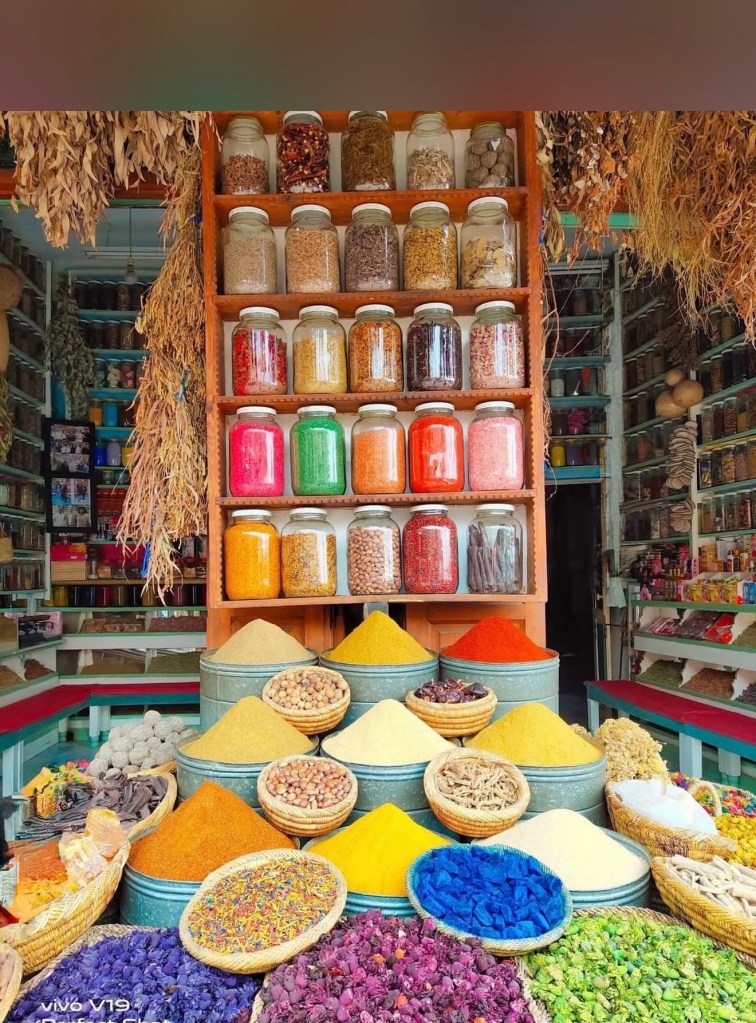
Bahia Palace:
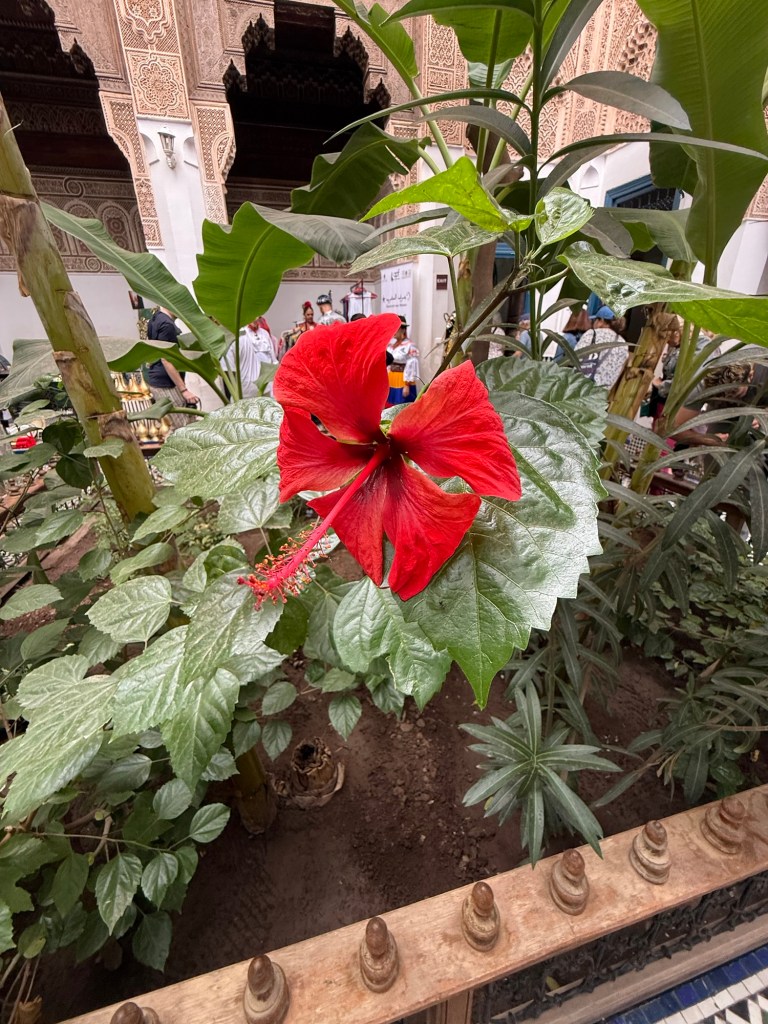
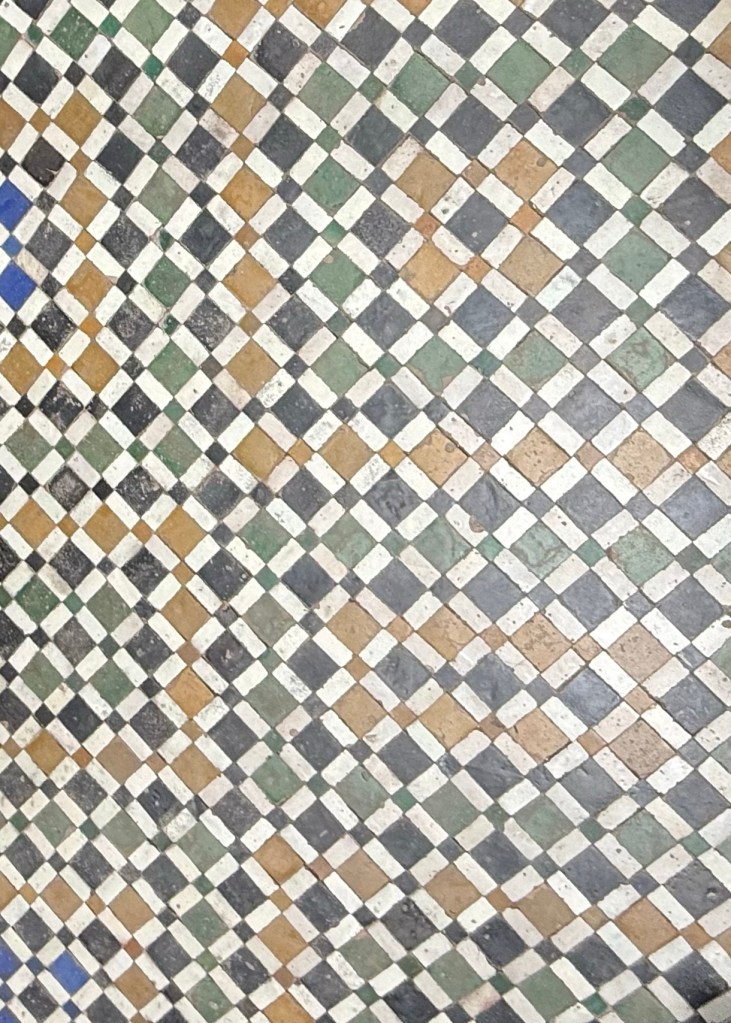
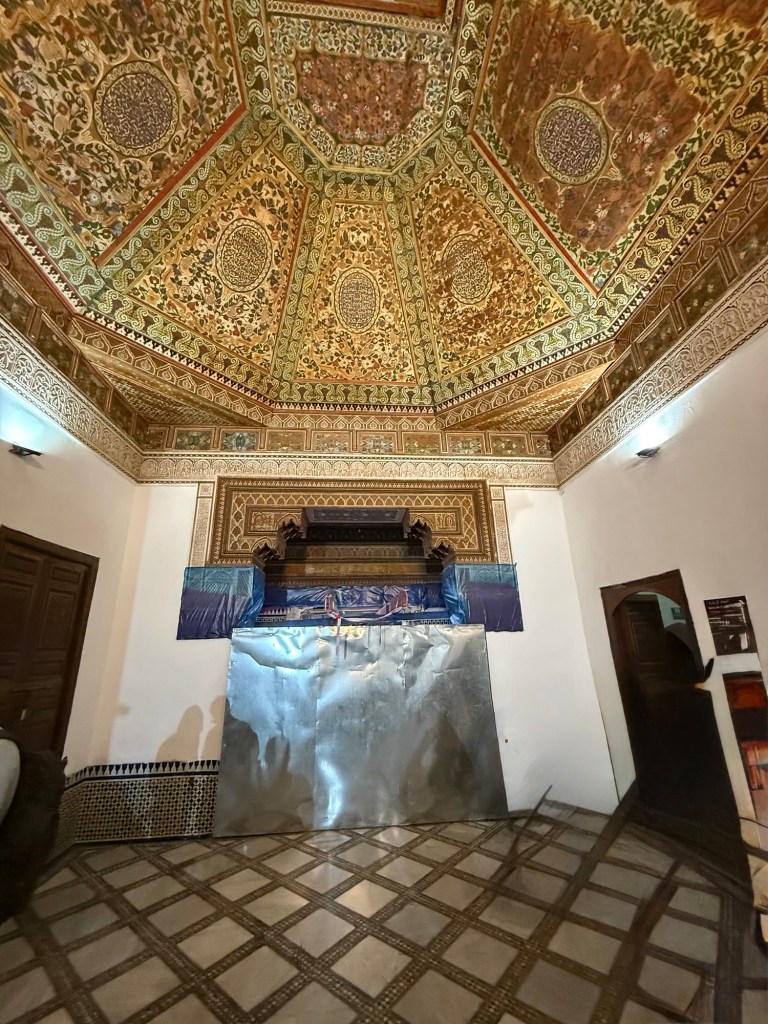
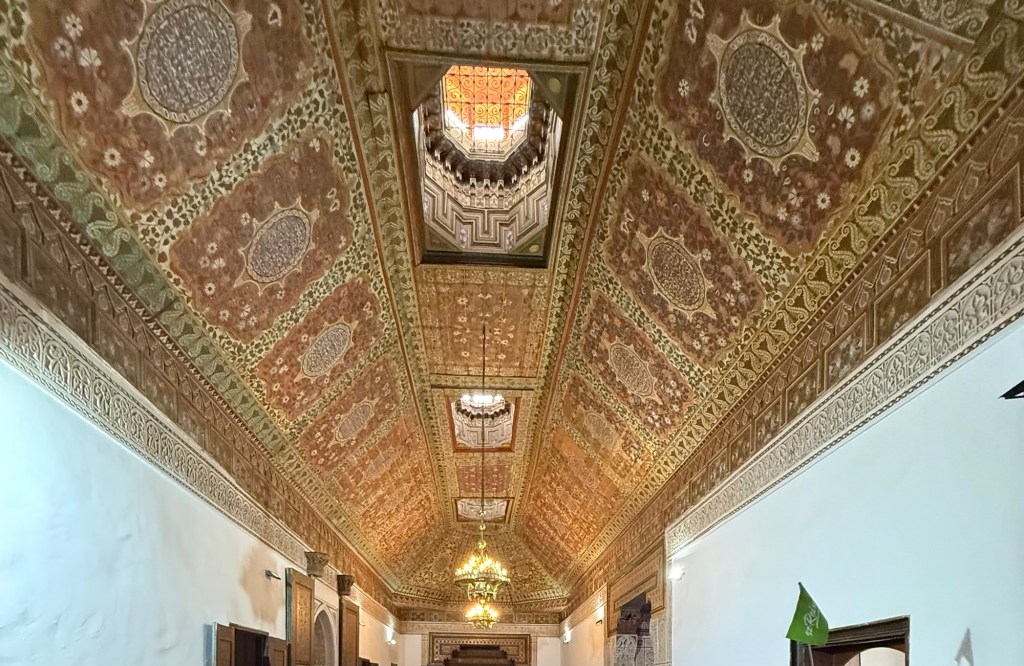
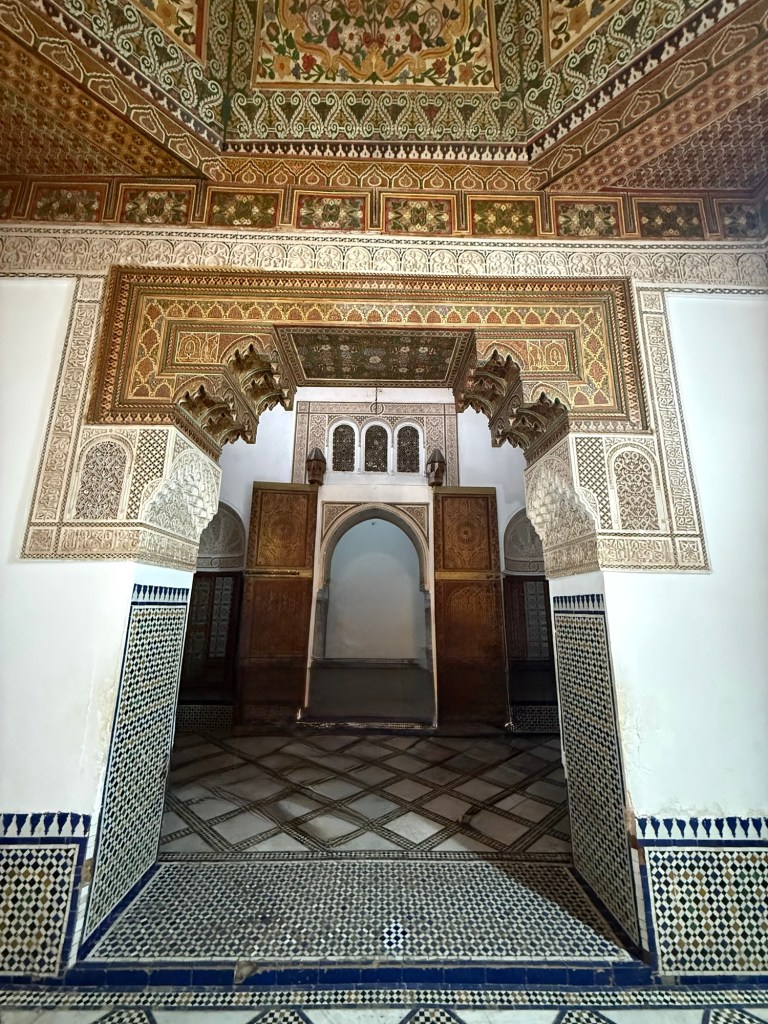
I discovered the opulent beauty of the Bahia Palace as Maryam took me through its enchanting halls and intricately designed gardens. I marveled at the stunning Moorish architecture adorned with vibrant tiles, delicate carvings, and ornate ceilings.

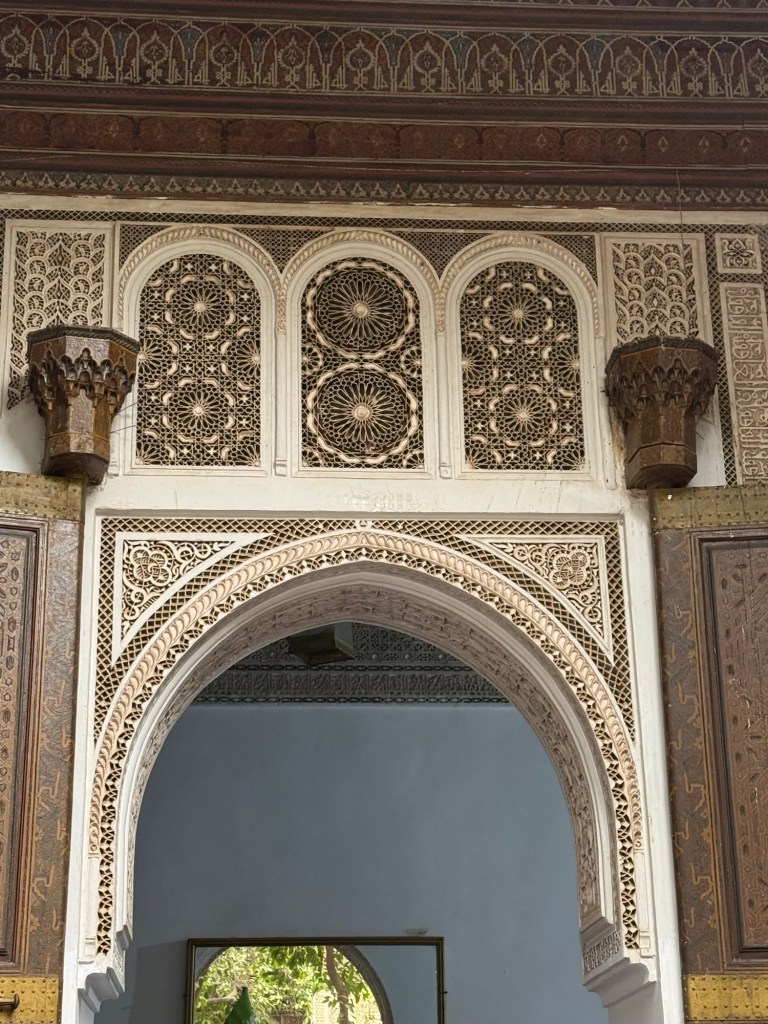


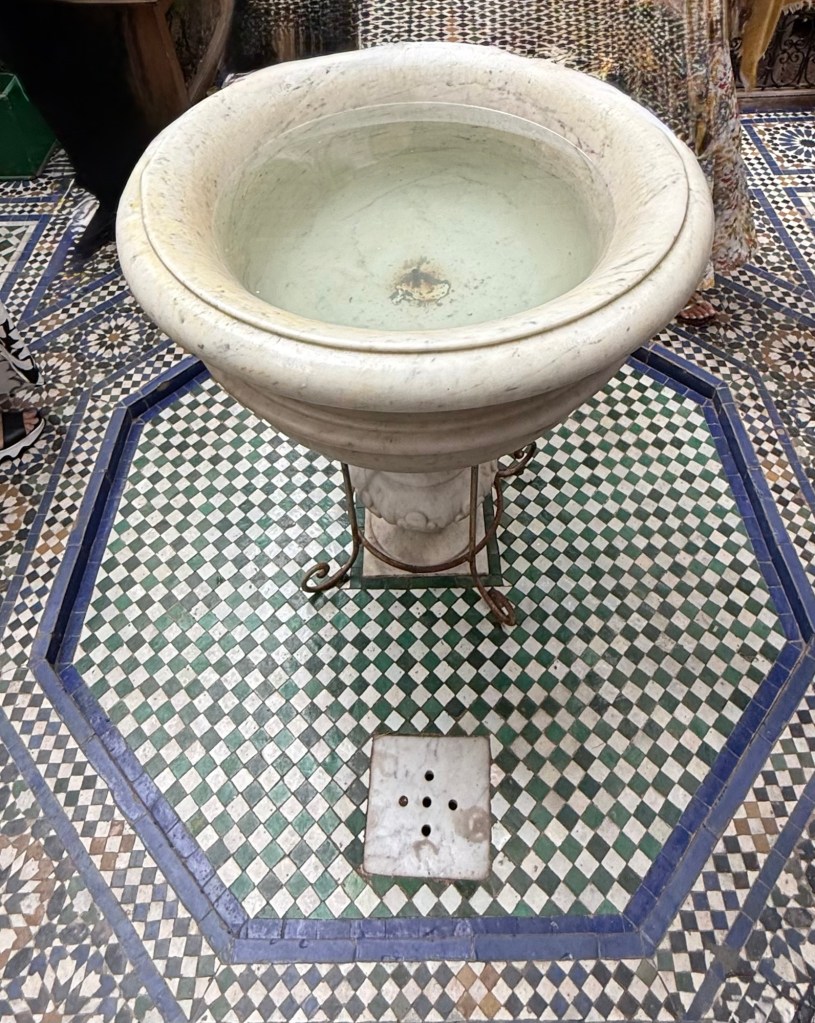
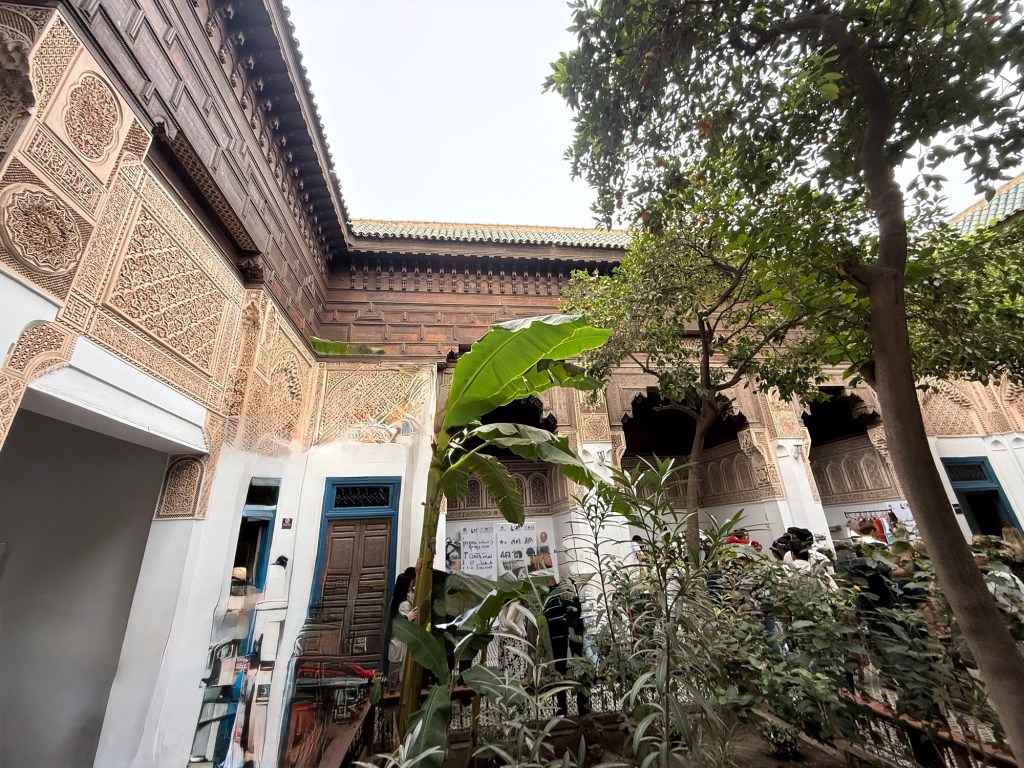



Dar el Bacha:
This is a grand residence built in 1910 and was once the home of Thami El Glaoui, who was appointed as the Pasha of Marrakech by Sultan Moulay Youssef in 1912. In 2017, the building was renovated by the NFM and transformed into a museum that serves as a prime example of traditional Moroccan architecture.
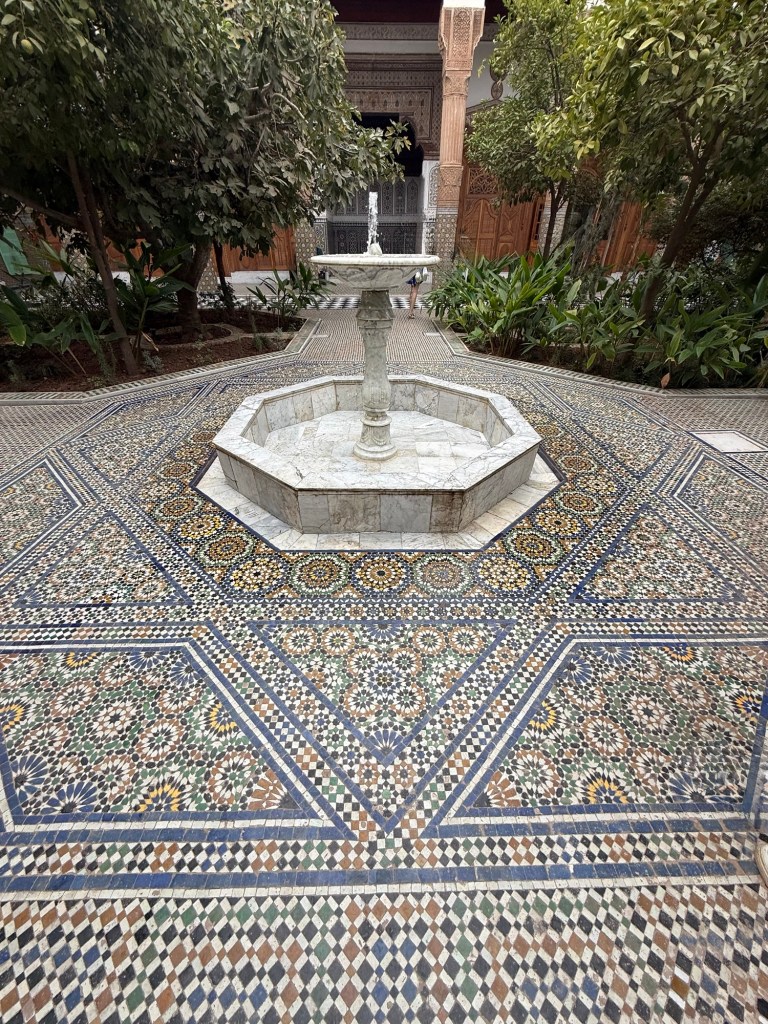
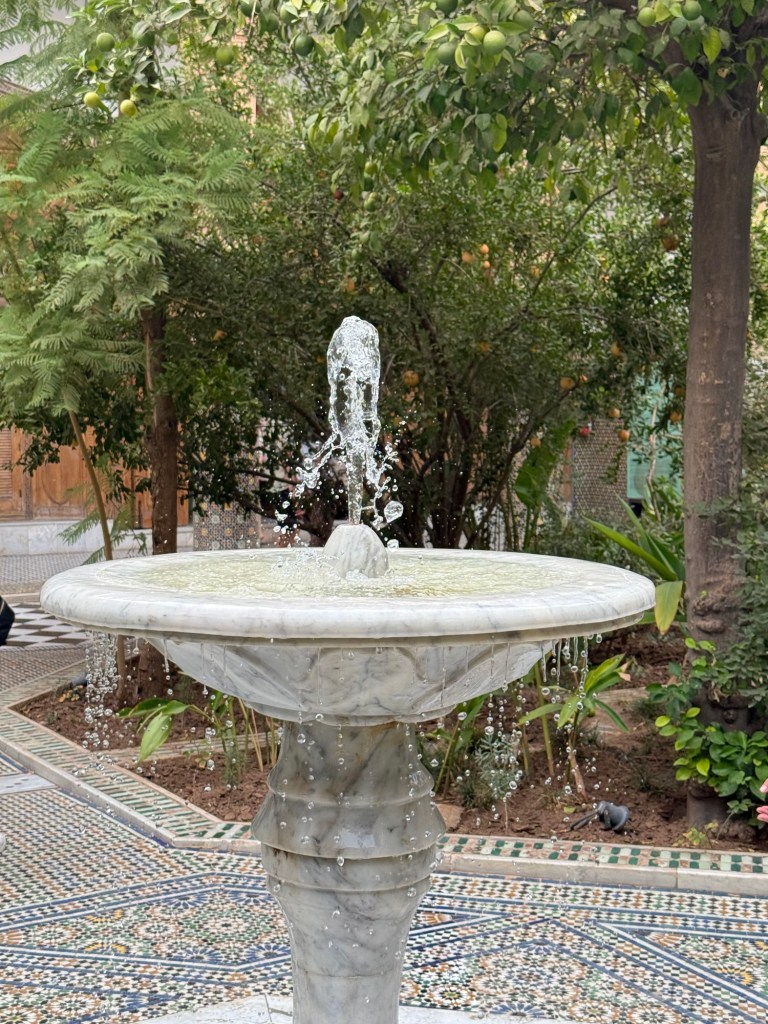
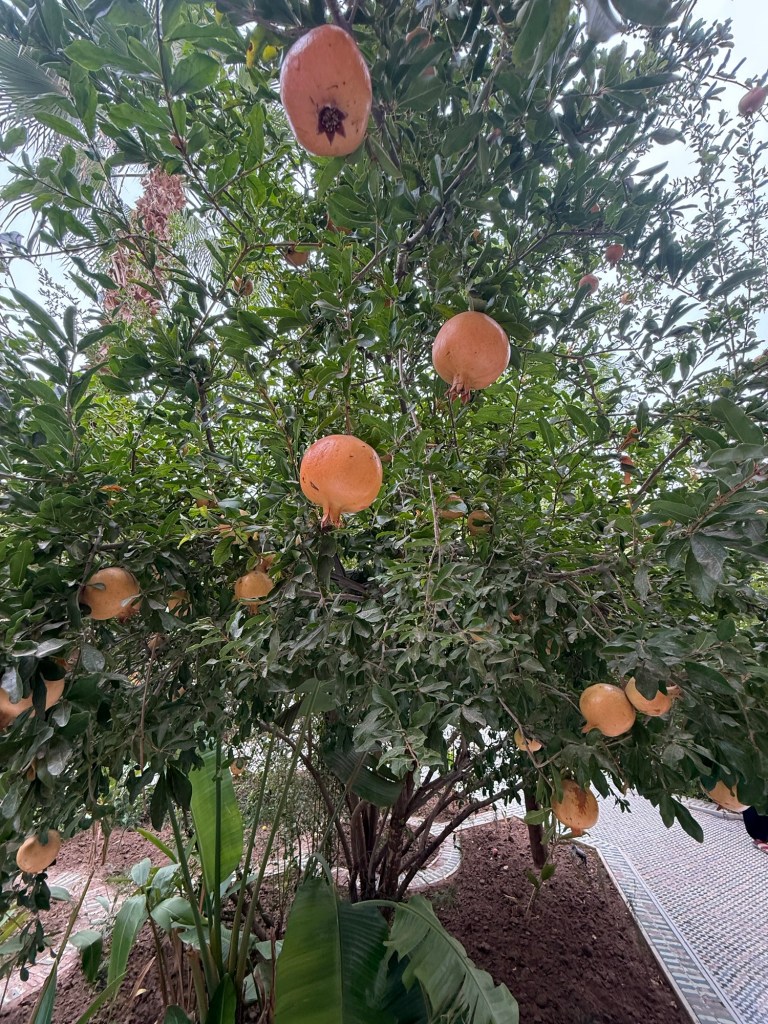
This is evident from the fountains, the traditional salons, and the courtyard filled with pomegranate and orange trees.


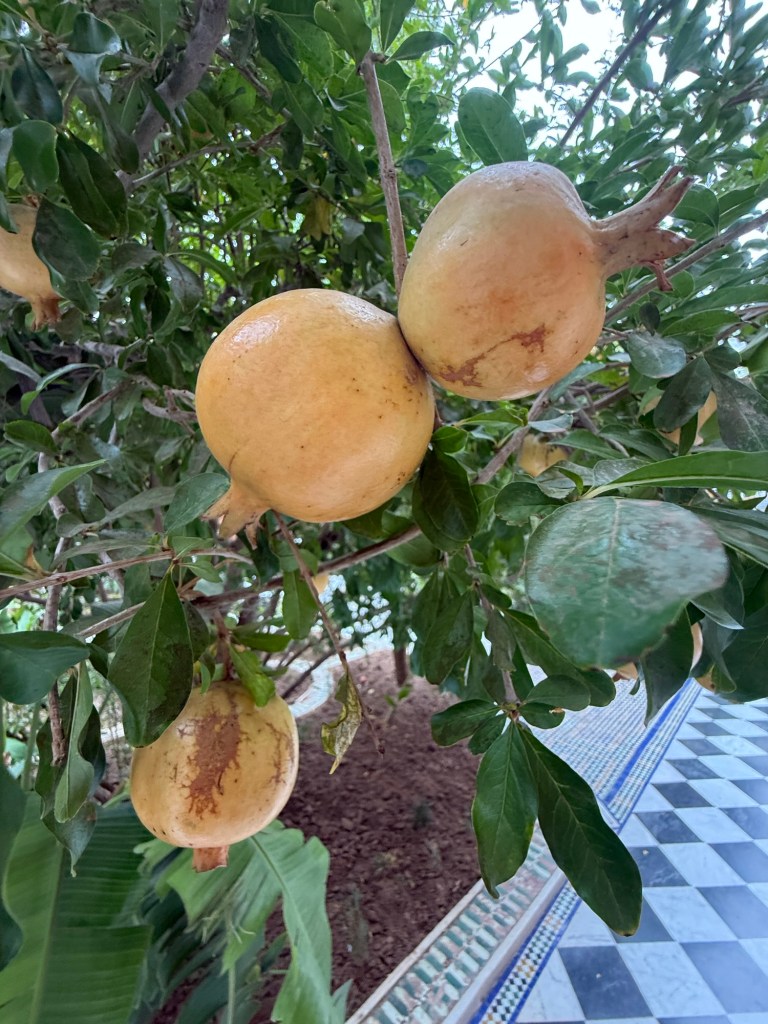

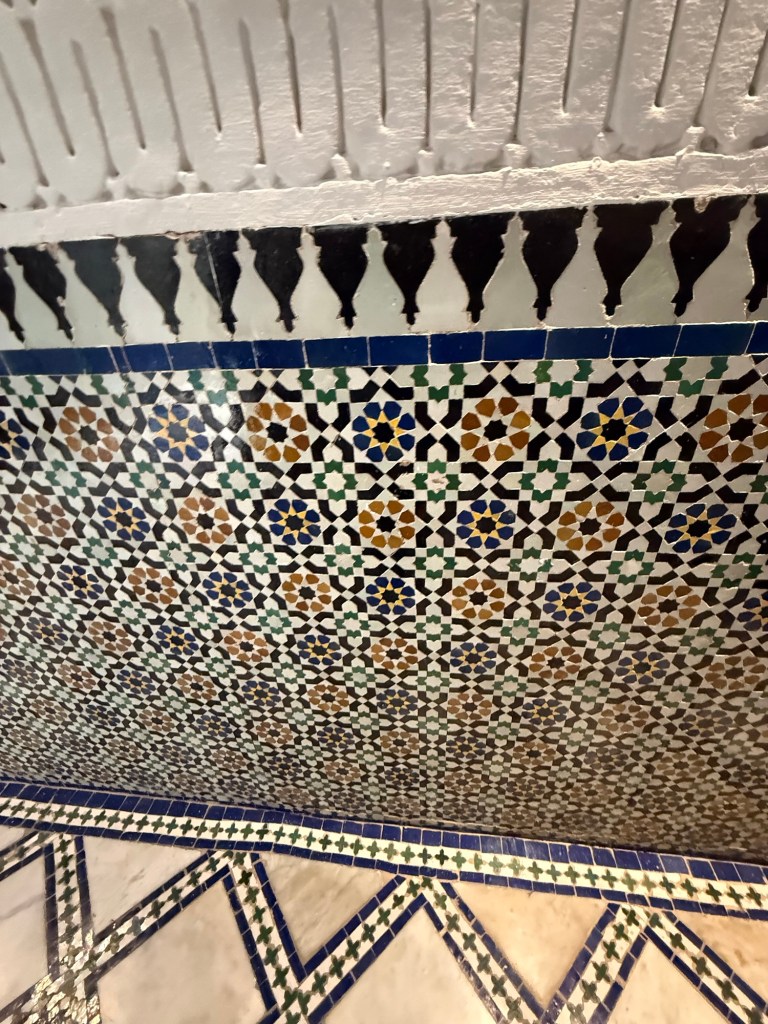
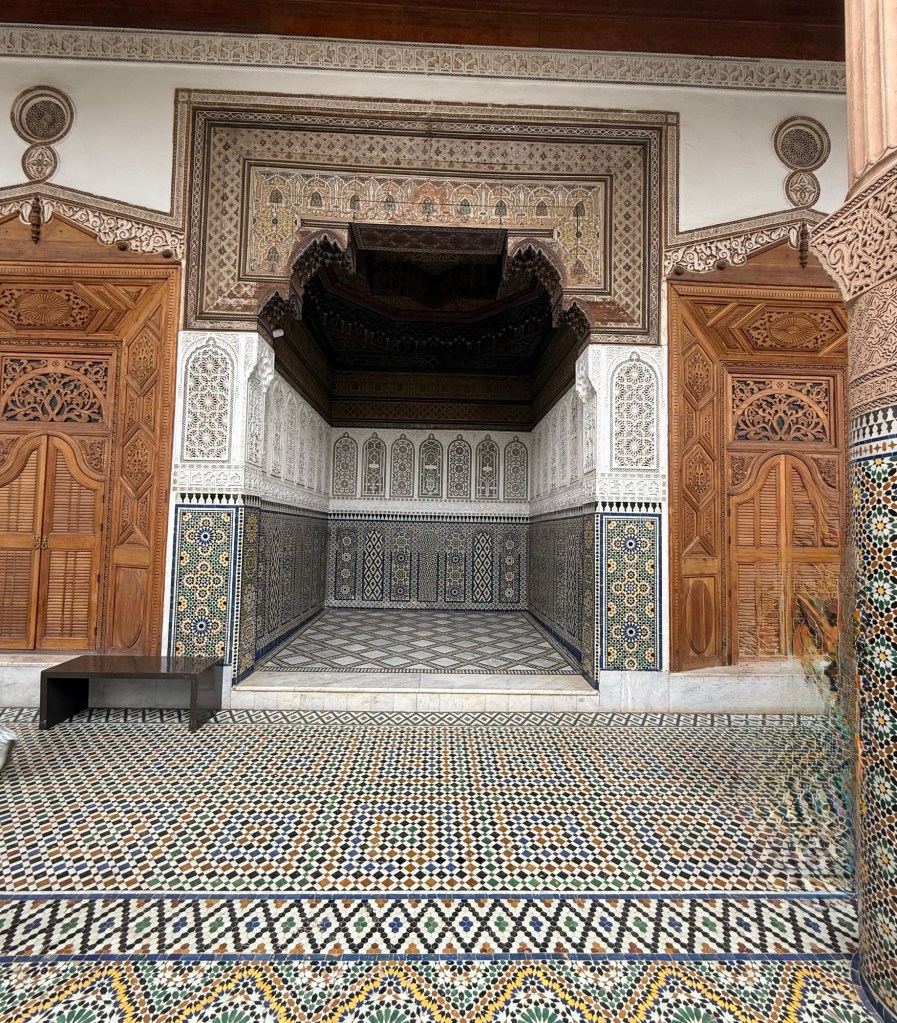


The residence also contained a hammam, or Turkish bath, which is a traditional public bathing ritual that involves steam, heat, and cleansing rituals. The term comes from Arabic and means “heat” or “warmth”.
The procedure typically involves moving through rooms of different temperatures to open skin pores, use black soap, and rinse off before ending the session in a cold room.
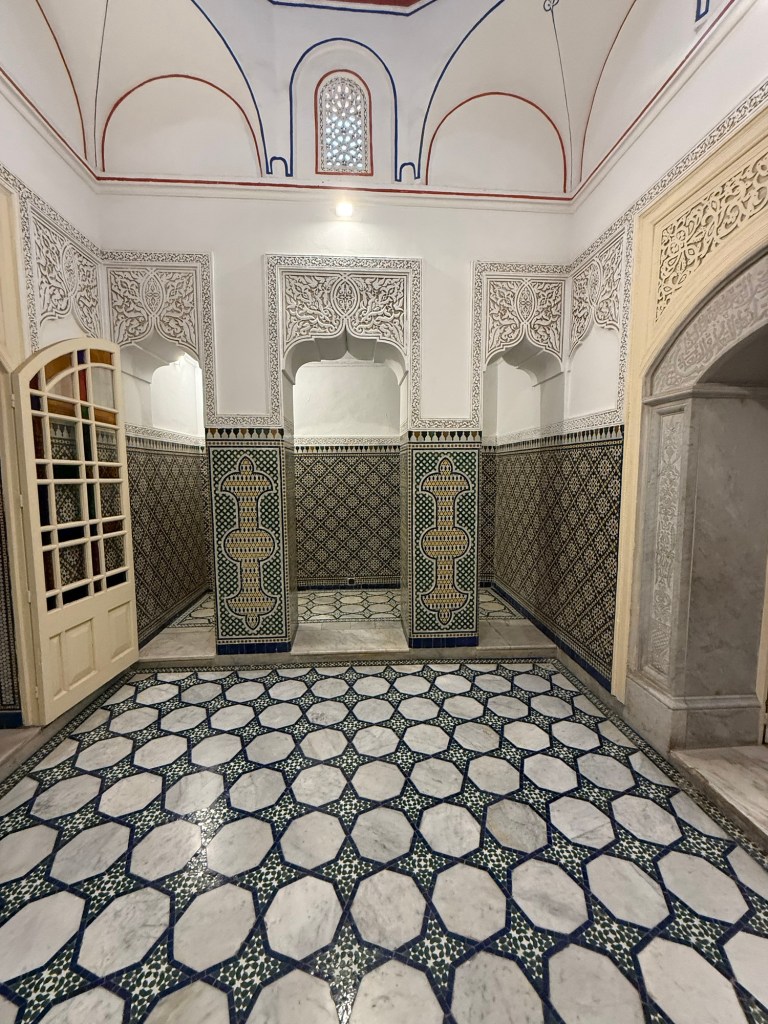
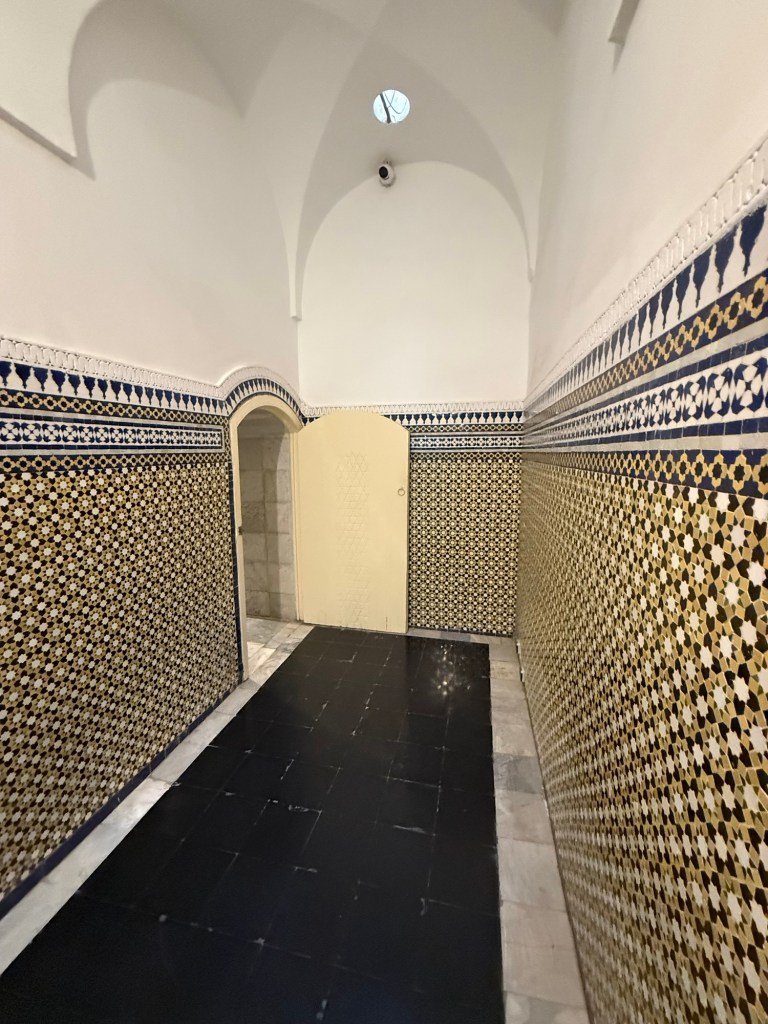
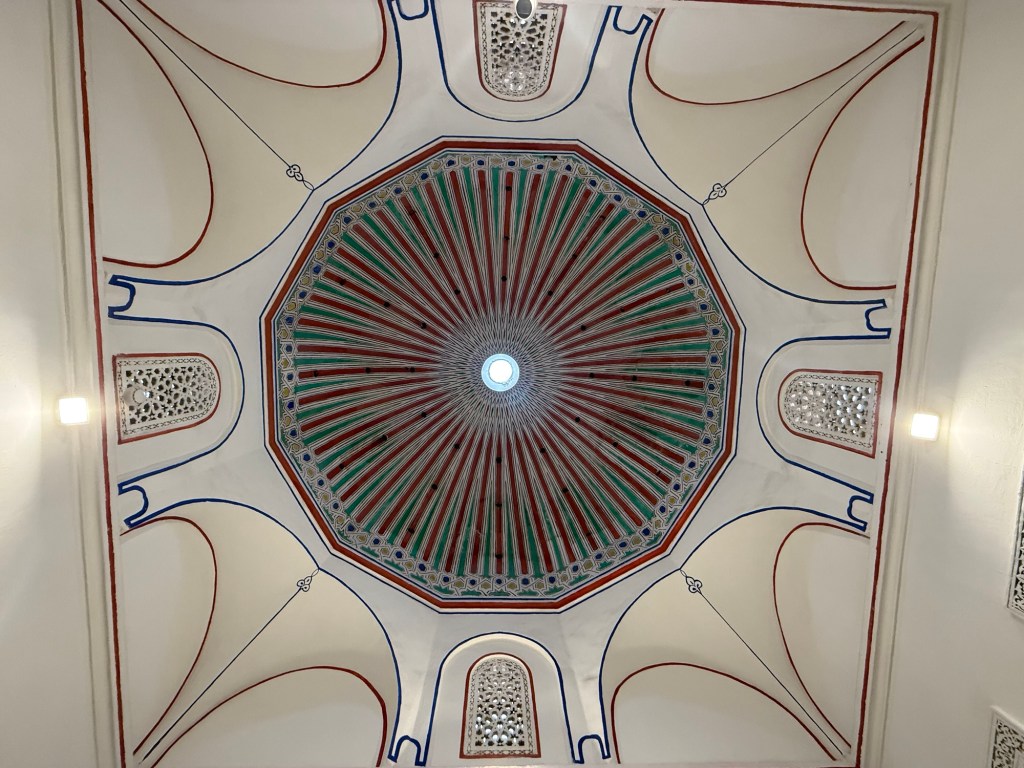
Heat comes from underfloor fires which also often heat tajine kitchens.
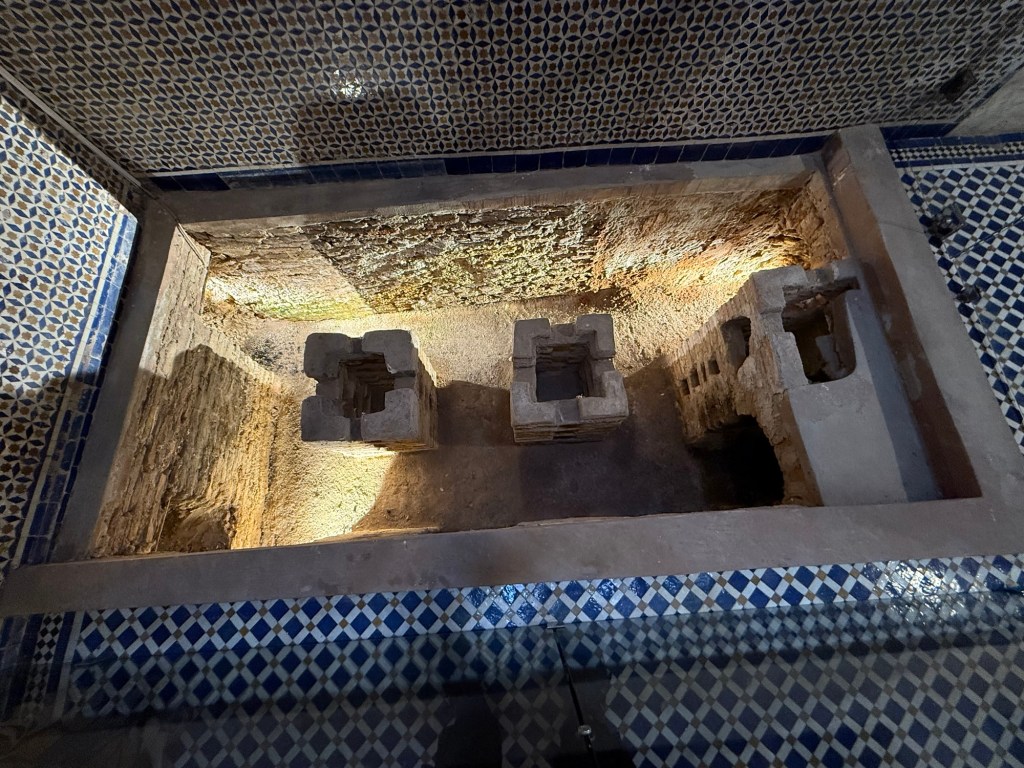
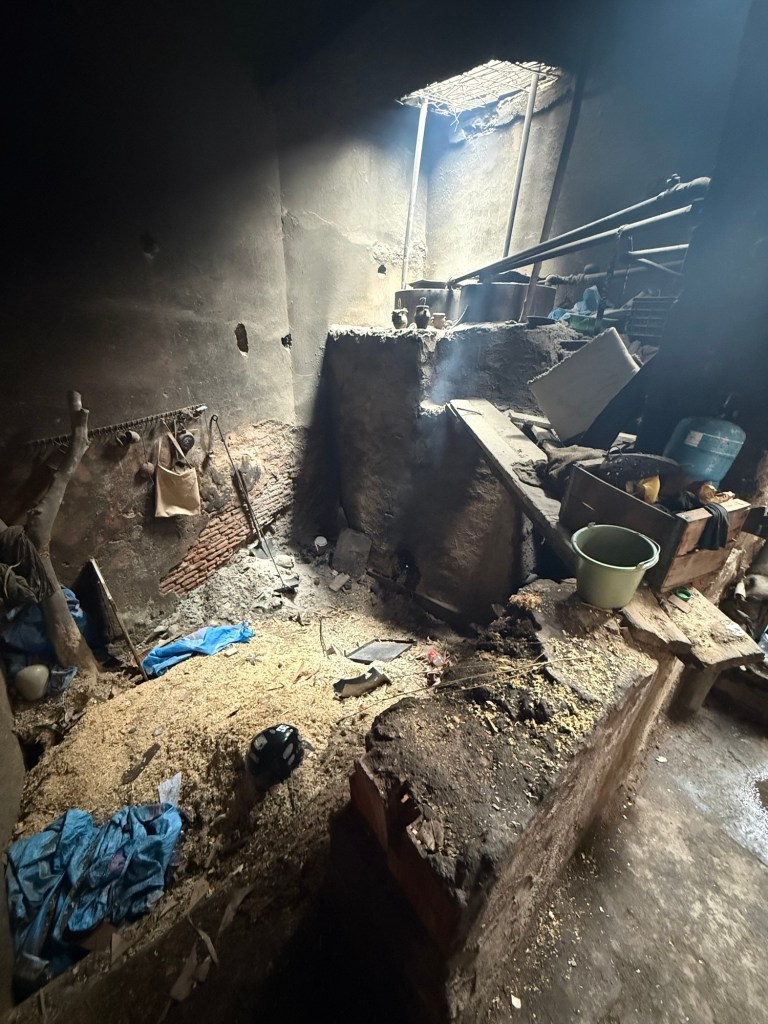
In Morocco, Hammam can be a weekly social and spiritual practice
There are also exhibits of typical household items.
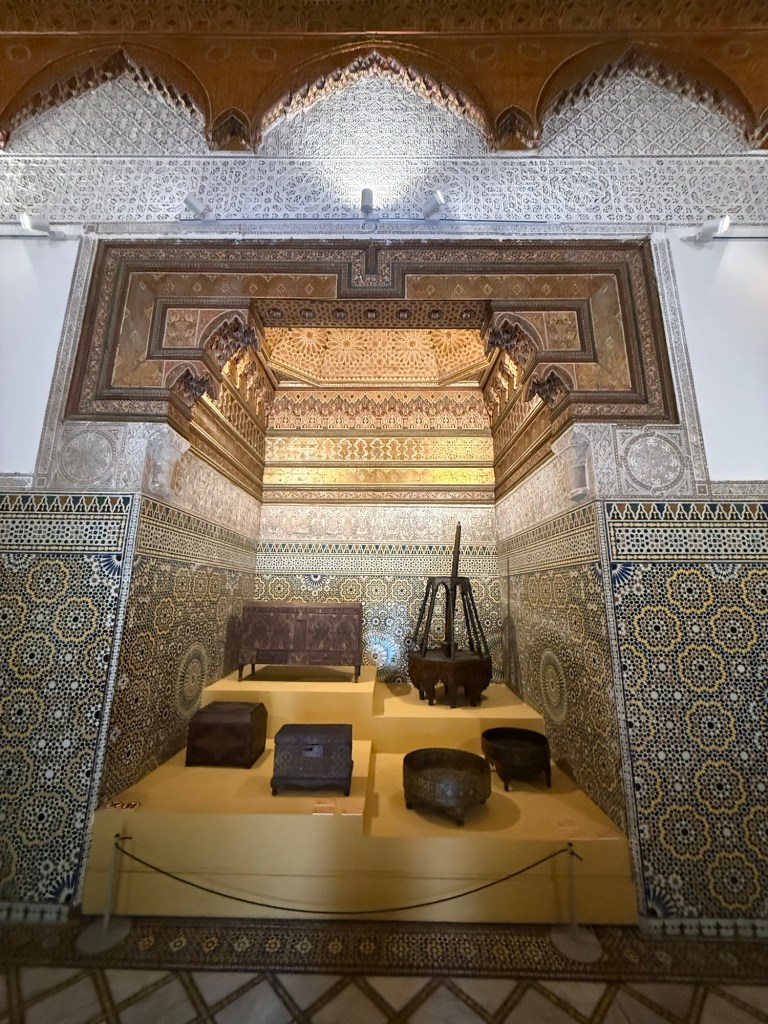
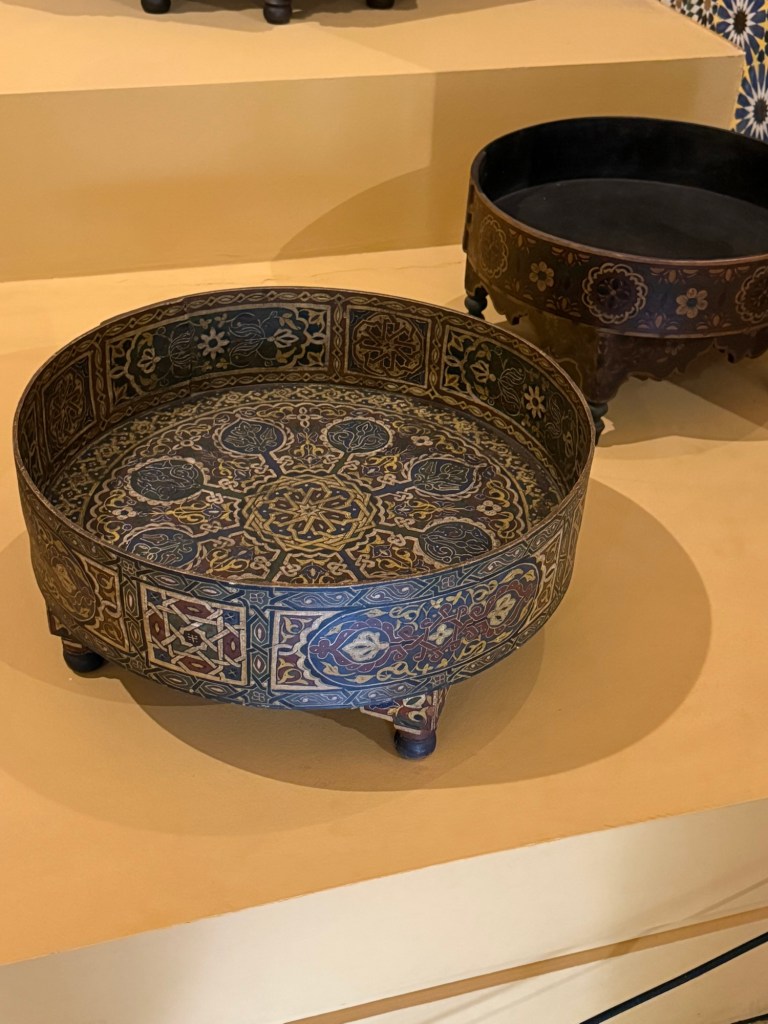


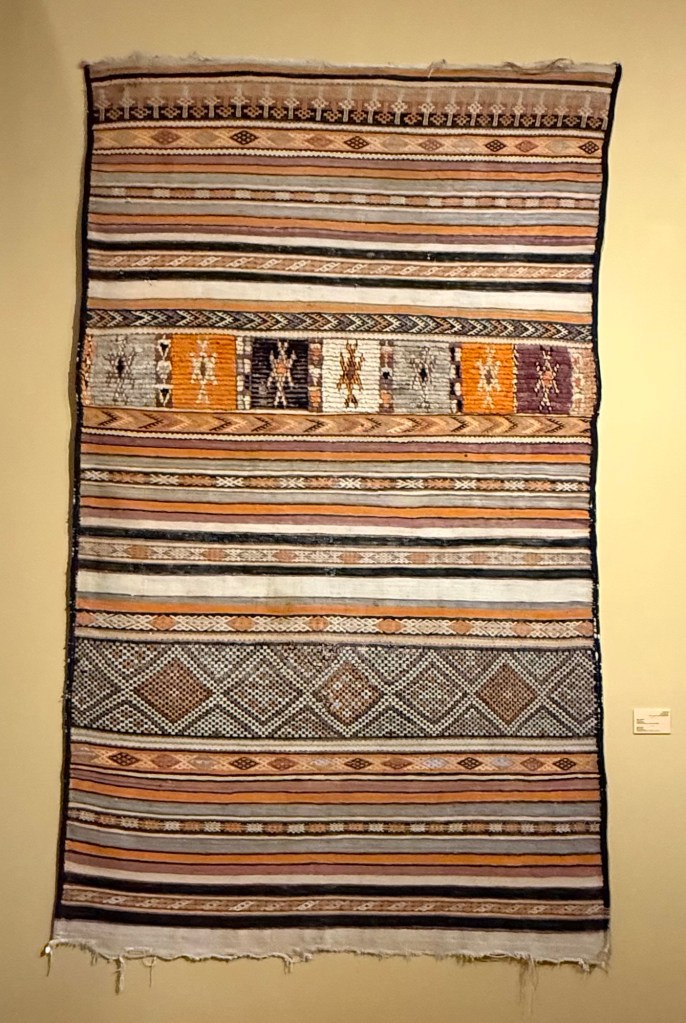
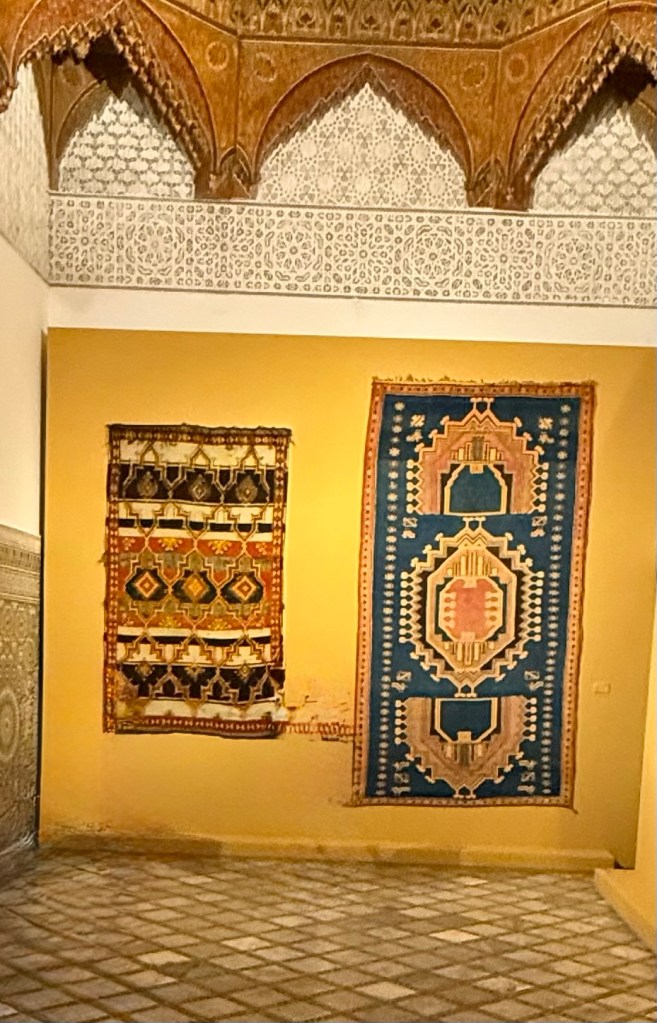
Nowadays, it is host to many cultural exhibitions. For example, handwoven rugs from different regions of Morocco made by women to supplement the family income.

Madrassa Ben Youssef:
Ben Youssef Madrassa is a medieval Islamic school and a masterpiece of Moroccan architecture.

We admired its intricate zellij tiling, delicate stucco plasterwork, and beautifully carved cedar wood.
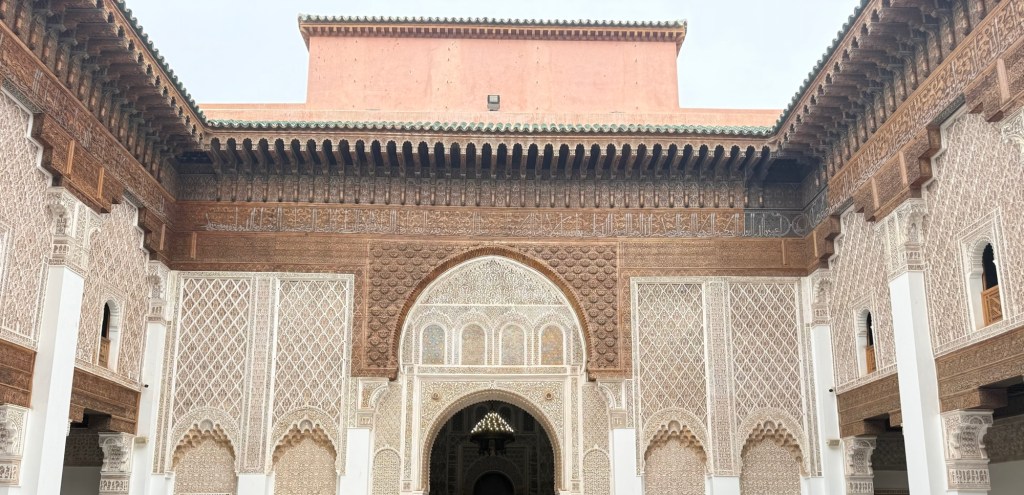
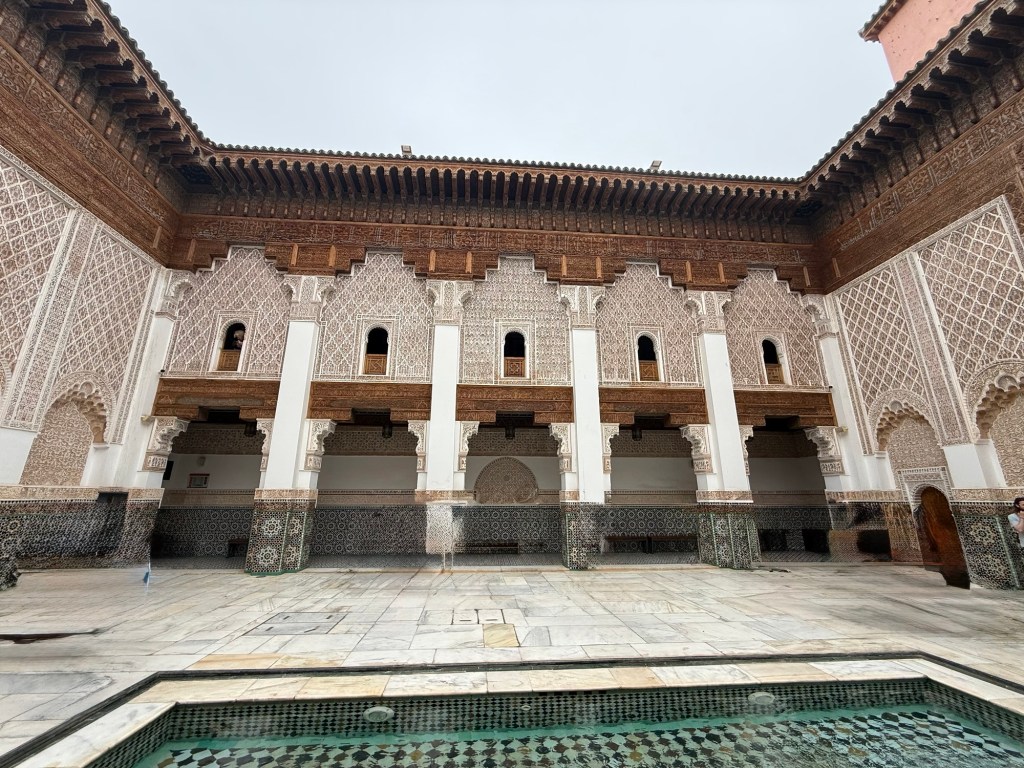
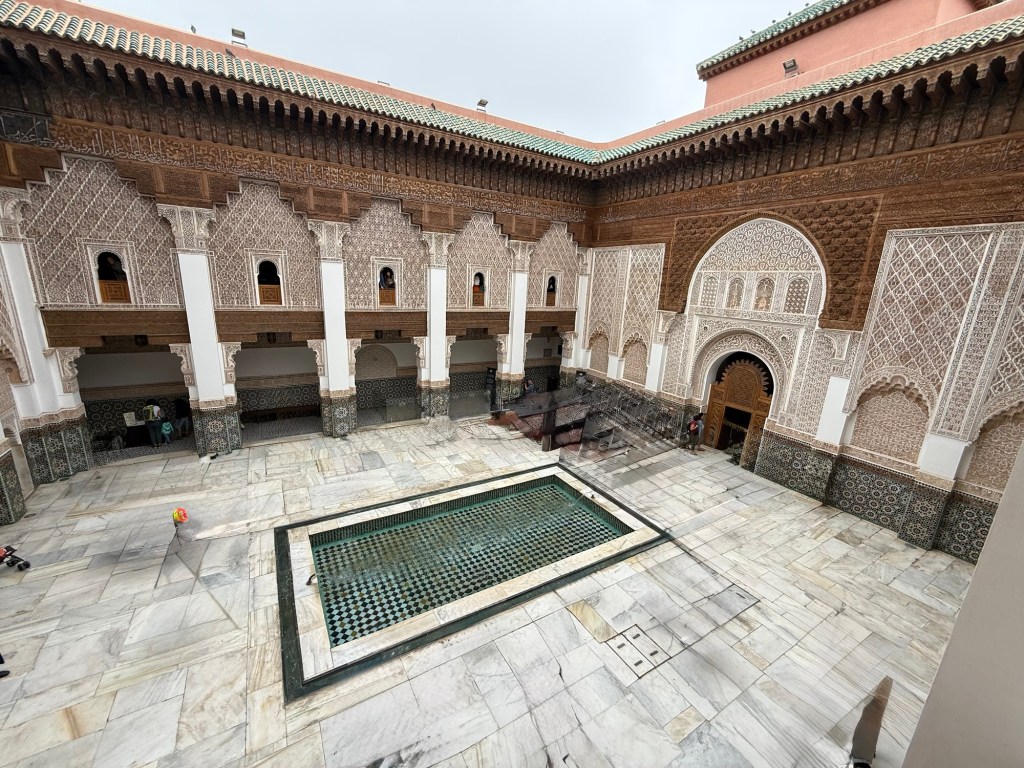
The small Mosque for students was intricately carved.


You can see why this school is one of Marrakech’s most ornate historic sites.
Guide/Driver:
Maryam did an excellent job providing the background to the souks and historic sites. She also helped me buy some organic healing potions from a natural pharmacist, as well as booking me a lunch at L’Mida Restaurant.
Mr Said kept us safe and stayed calm despite the horrific traffic and some aggressive verbiage being hurled his way.
Meals:
Breakfast: At Riad. It was OK.
Lunch: At L’Mida – On the Rooftop, overlooking the Medina. Excellent. I had:
- L’Mida Mocktail (Cucumber, Lime, Cilantro, liquidized with ice)
- Red Hummus (Calamari rad hangout, Red Pepper, Tahini, Lemon juice)
- Fish Tajine (Red Snapper with Charmoula, Potatoes, Eggplant, Zucchini, Cherry Tomatoes.
Everything was really tasty, especially the mocktail and the calamari, and the waiters were lovely and attentive to the old dog (me).
^ Supplied by Luxury Tours Morocco
 seetheworldtravelblog