By Paul Bryers
- Day Itinerary: Drive from Casablanca – Rabat – Chefchaouen
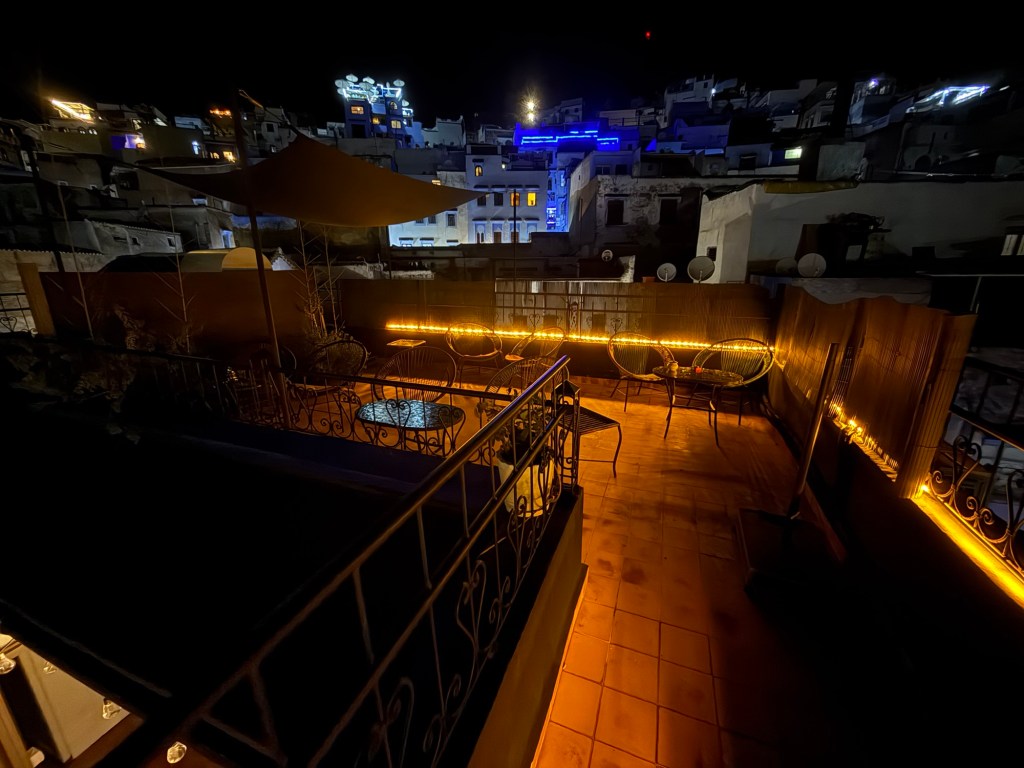
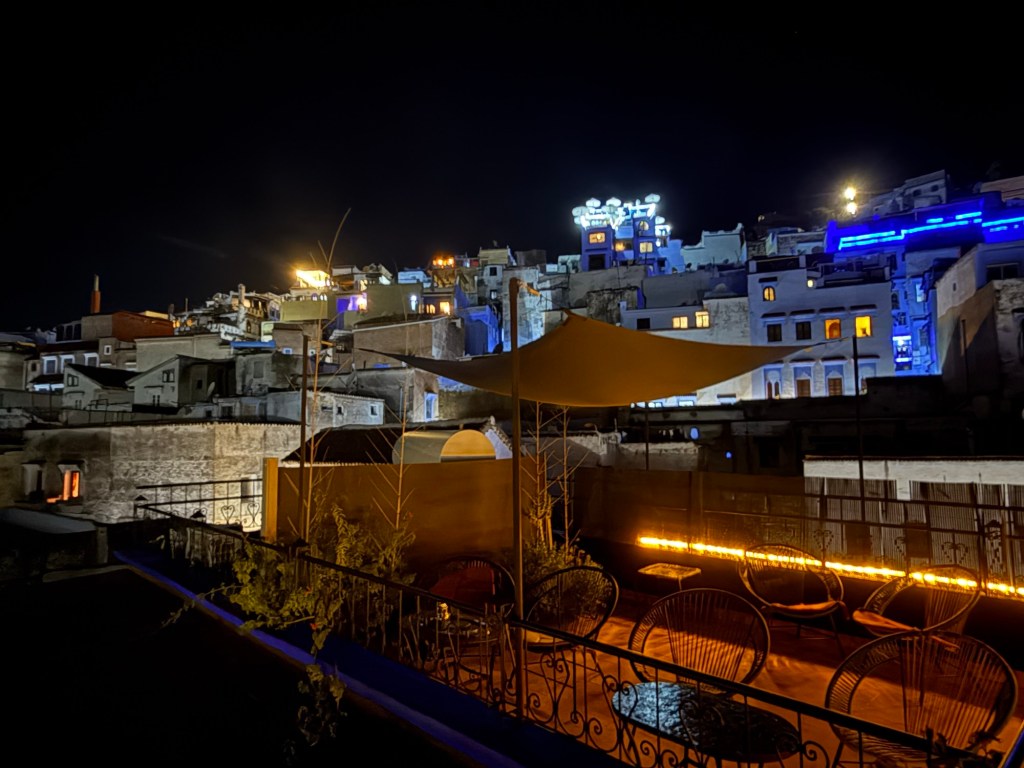
- Accommodation: Iguana Azul, Chefchaouen
- Guide: Sofioan ^
- Driver: Said ^
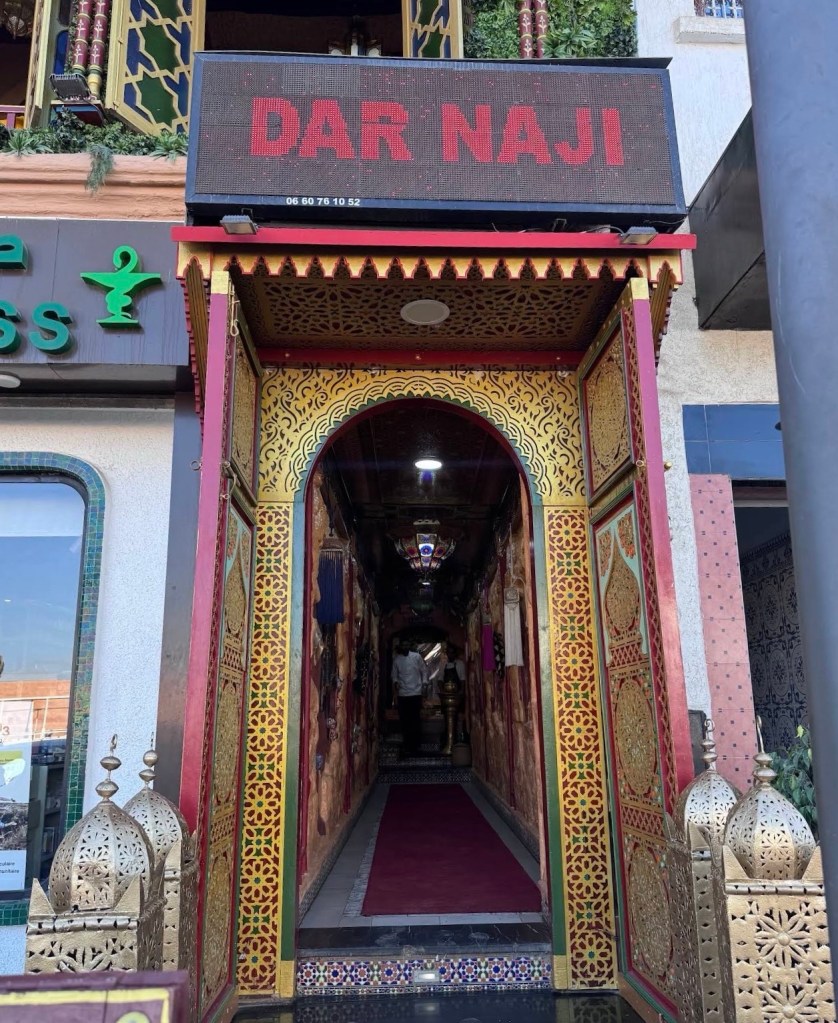
- Meals: Kenzi Basma Hotel, Casablanca and Dar Naji, Rabat
This morning, we headed out to what will I think, from my research, be the most interesting part of the 14 days.
Governance of Morocco:
Before I discuss Rabat, the captial and official residence of the Monarchy, its worth mentioning its governance.
Morocco is a Constitutional Monarchy, like the UK. However, while there are democratic institutions and an elected parliament, the monarch maintains a commanding position and exercises considerable control over the state’s strategic direction and its people. The monarch holds significant power in areas like defense, security, diplomacy, and religious affairs, but also shares authority with the government, and recent reforms have been passed through a public referendum.
I’m sure King Charles III would like this type of power.
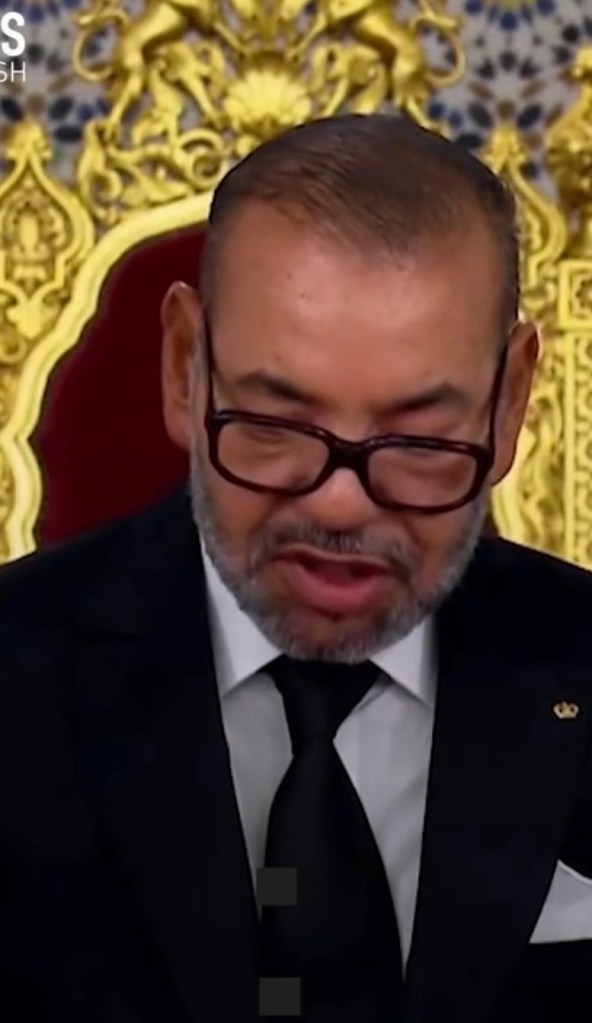
The current monarch is His Majesty King Mohammed VI, who ascended the throne in 1999 and belongs to the Alawi dynasty. He is very popular.
Rabat:
As with most capitals, Rabat is unlike other parts of the country – lots of green grass and trees, clean, slower pace, light rail, etc.
I met my guide, Sofioan, and we visited the most important sights of the city…
Hassan Tower and Mausoleum of Mohammed V –
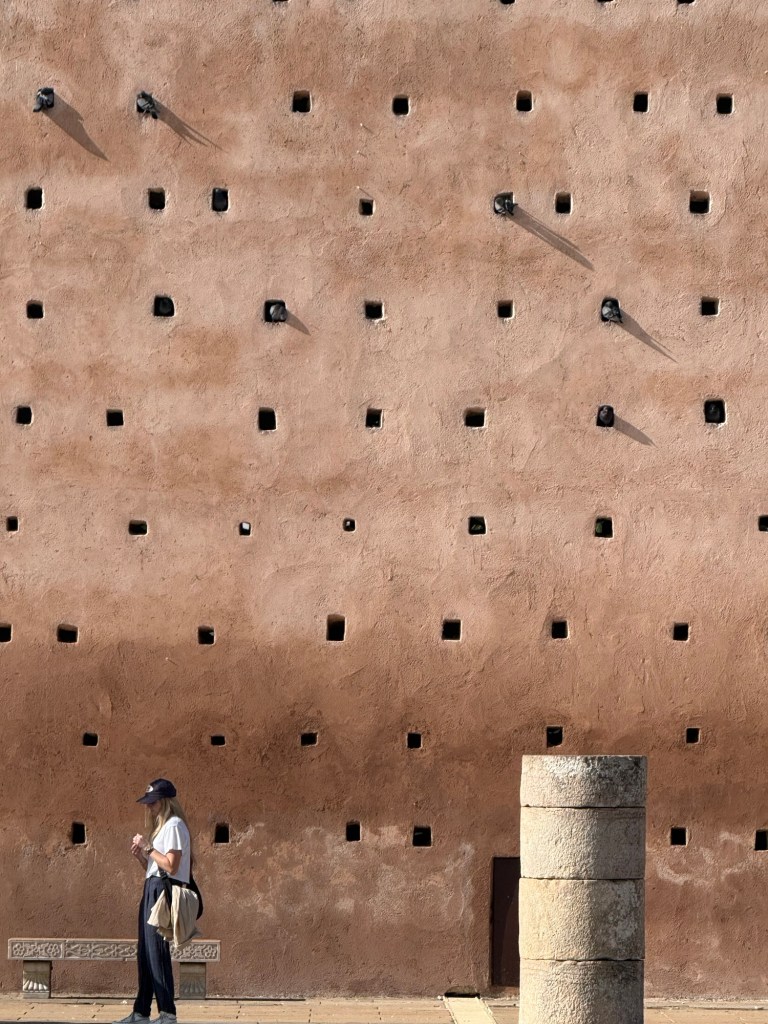
Hassan Tower is the minaret of an incomplete mosque. It was commissioned by Abu Yusuf Yaqub al-Mansur, the third caliph of the Almohad Caliphate, near the end of the 12th century. The tower was intended to be the largest minaret in the world and the mosque, if completed, would have been the largest in the western Muslim world.
When al-Mansur died in 1199, construction on the mosque stopped as there was a war ongoing and funds were short. The minaret was left standing at a height of 44 meters (144 ft). The rest of the mosque was also left incomplete, with only the beginnings of several walls and 348 columns being constructed.


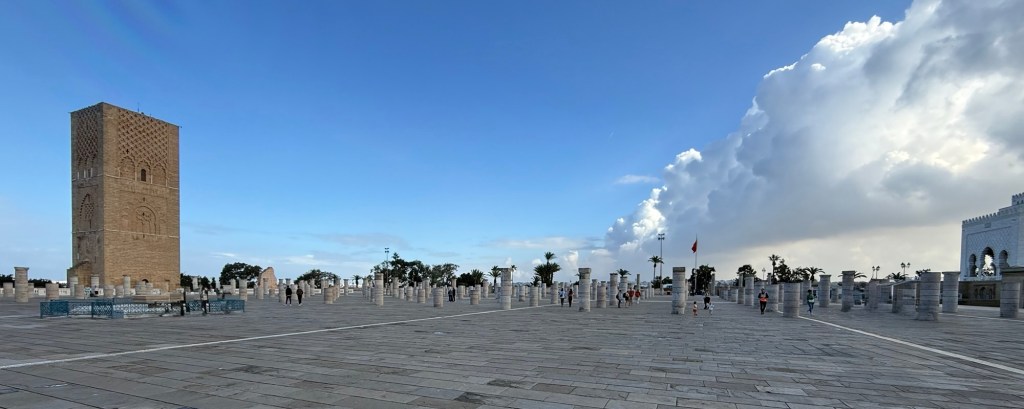

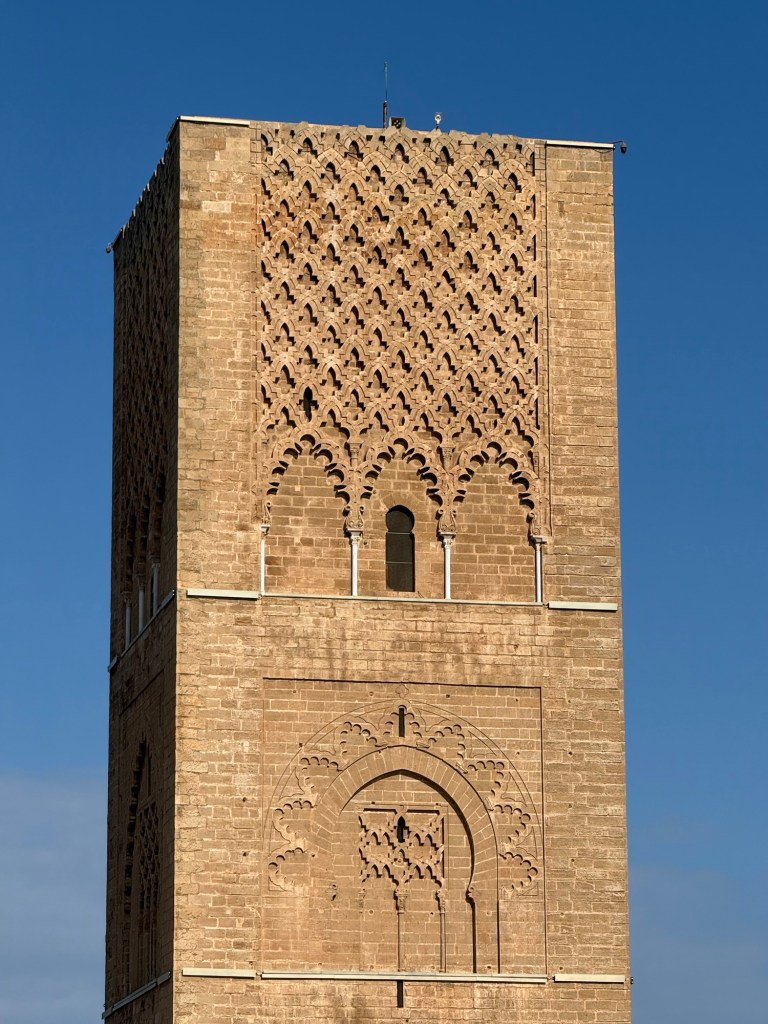
Unfortunately, due to being a favored suicide spot, you can no longer enter or climb the tower.
In the 1960s the site of mosque’s ruins was transformed to accommodate the construction of the Mausoleum of Mohammed V at its southeastern corner, alongside a modern mosque and another pavilion which occupy the rest of the southern side of the complex.
The modern mausoleum and mosque were designed by Vietnamese architect Cong Vo Toan and completed in 1971 – they could not find any Moroccan architects to deliver the envisaged design.
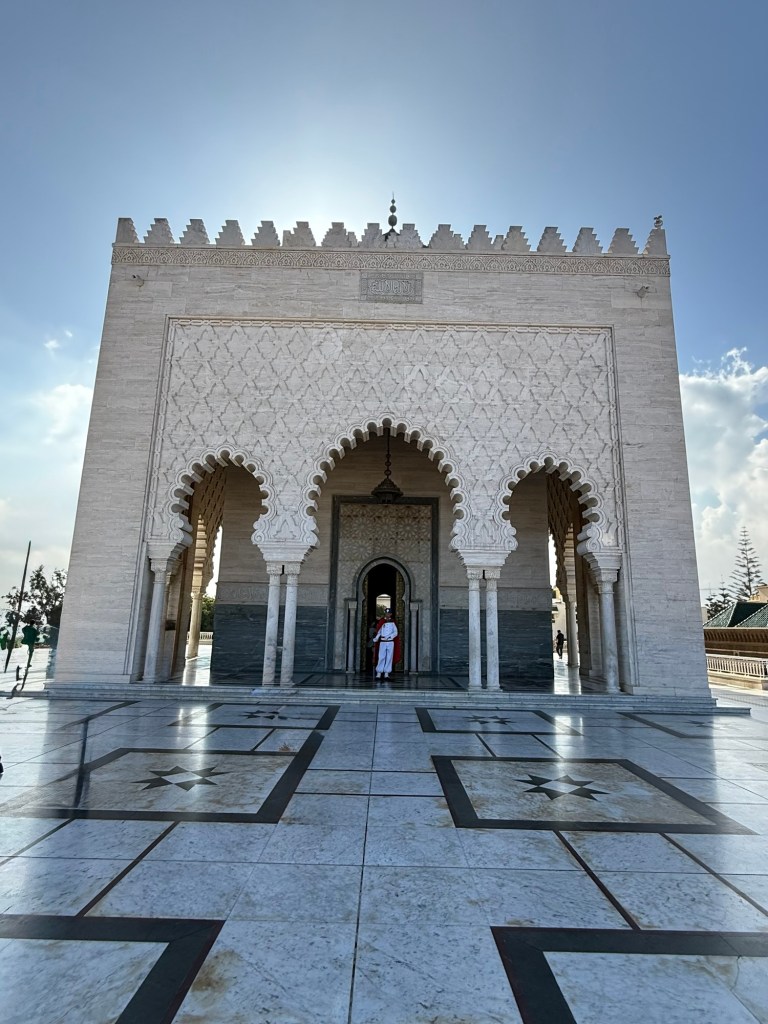


The Mausoleum is beautiful with the tomb being below the viewing gallery.
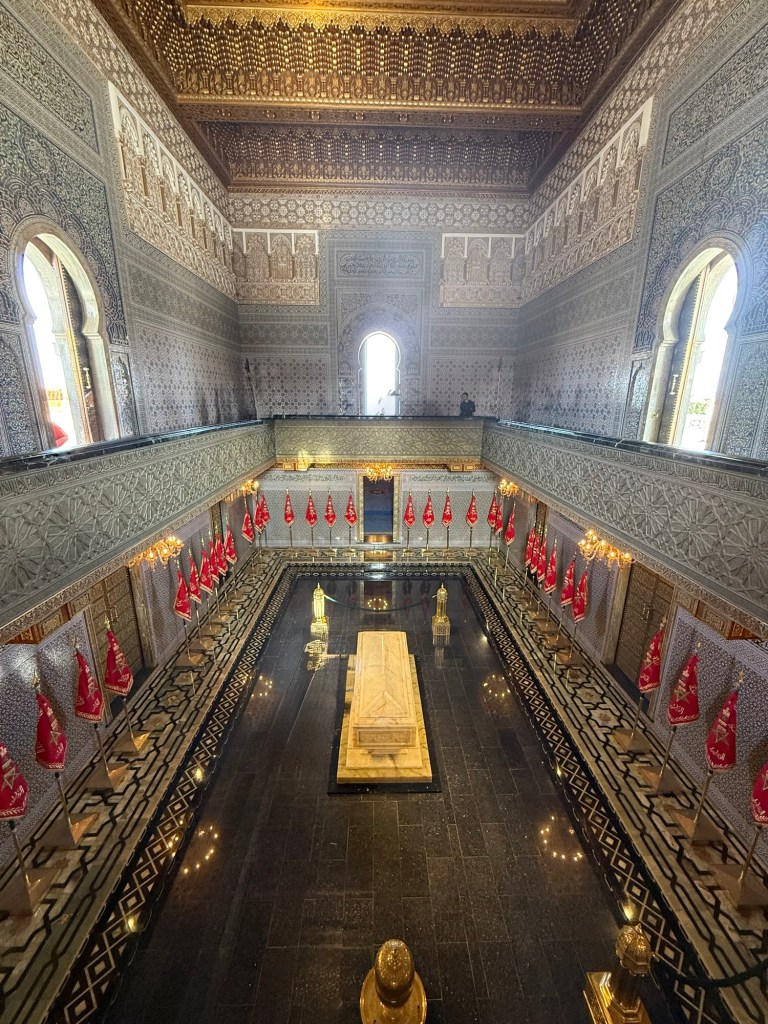
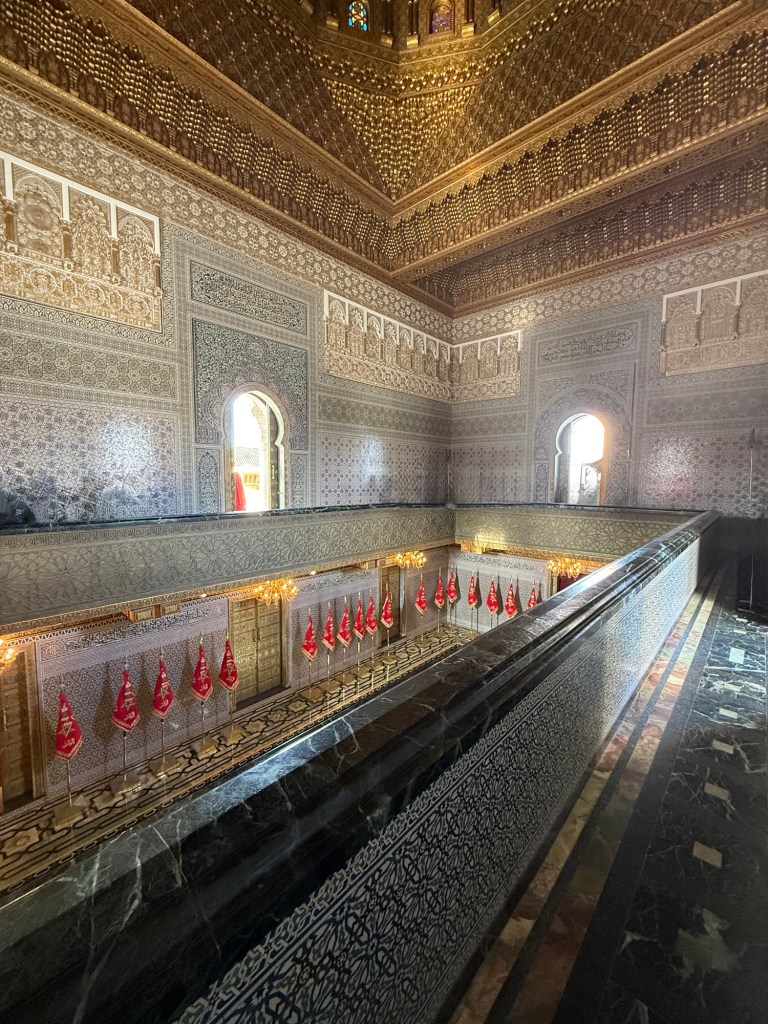

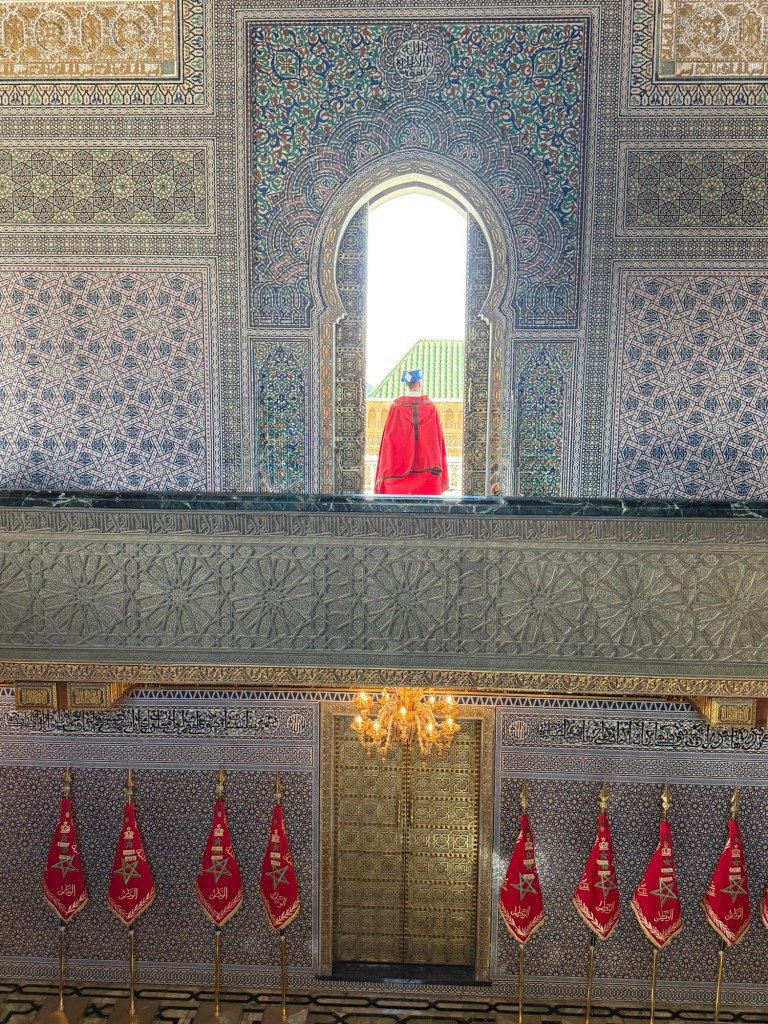

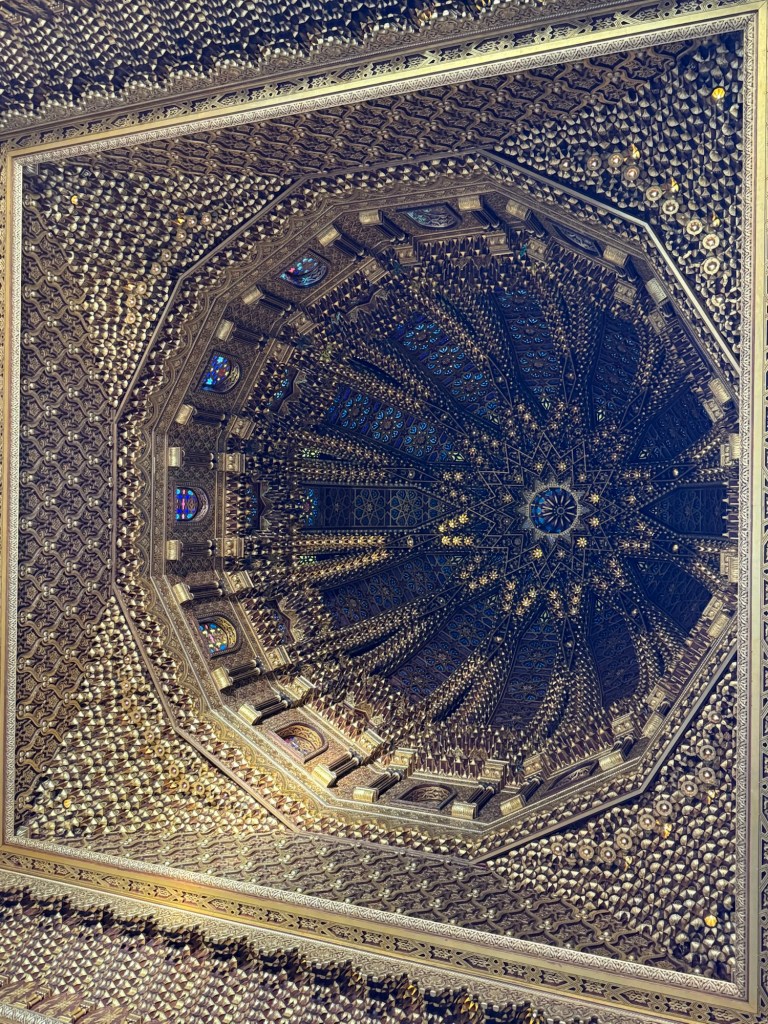
The tower and the site of the mosque were granted World Heritage Status in 2012.
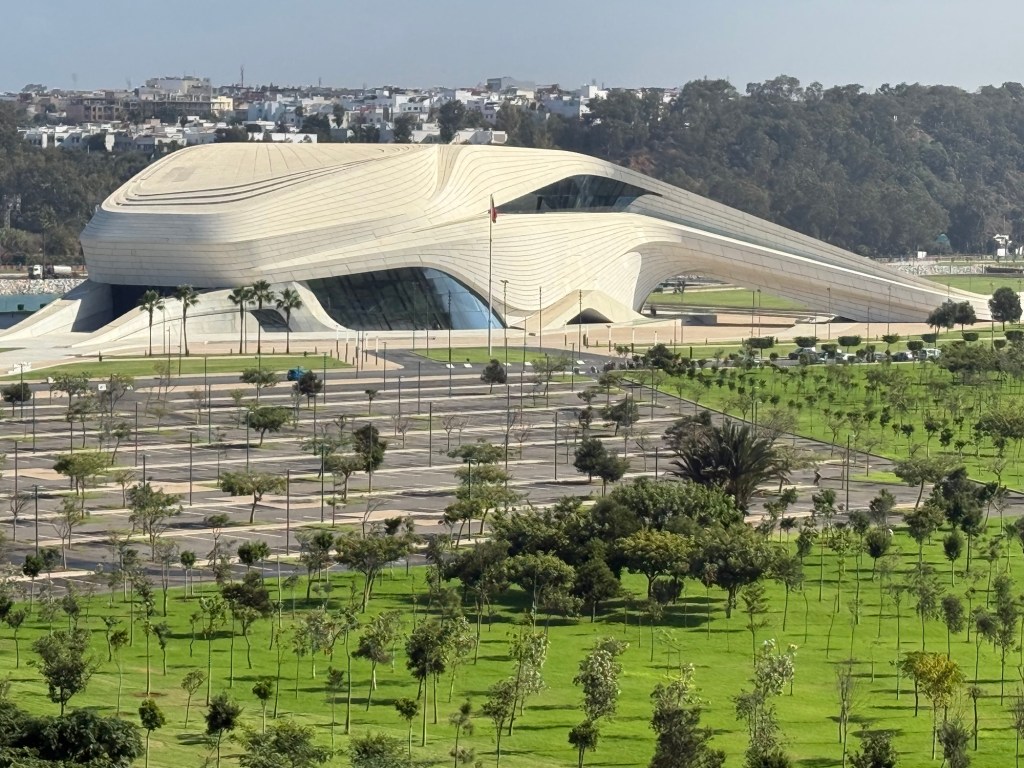
From the Mausoleum you get an excellent view of the opera house, known as the Grand Theatre, which was designed by Iraqi-British architect Zaha Hadid; yes, she who designed the Glasgow Transport Museum on the Clyde. The design is reminiscent of a cobra’s head. Sadly, the project was one of her last major works and represents her firm’s first project in Africa.
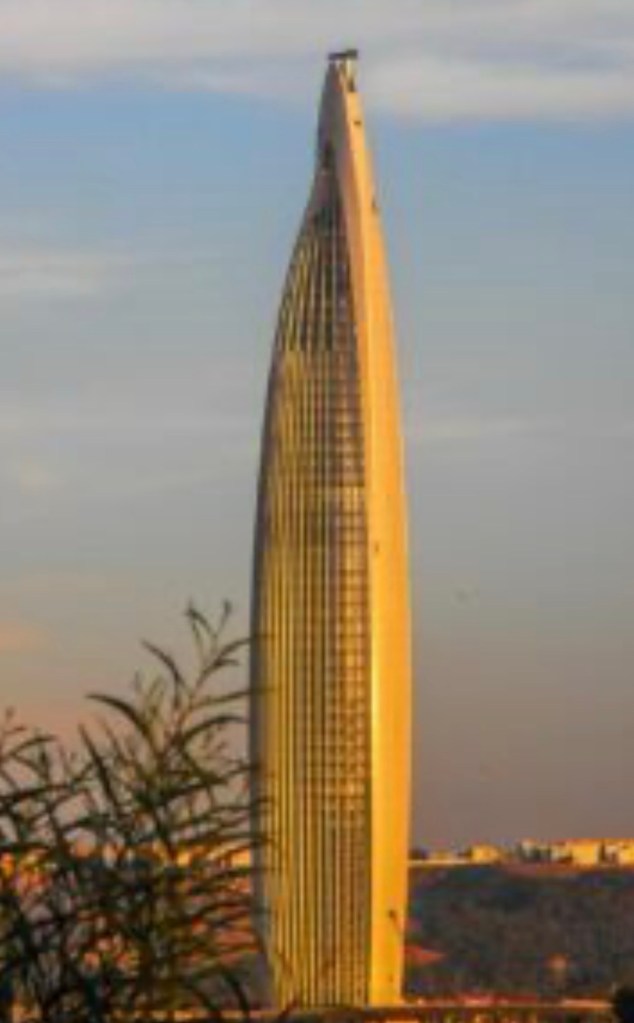
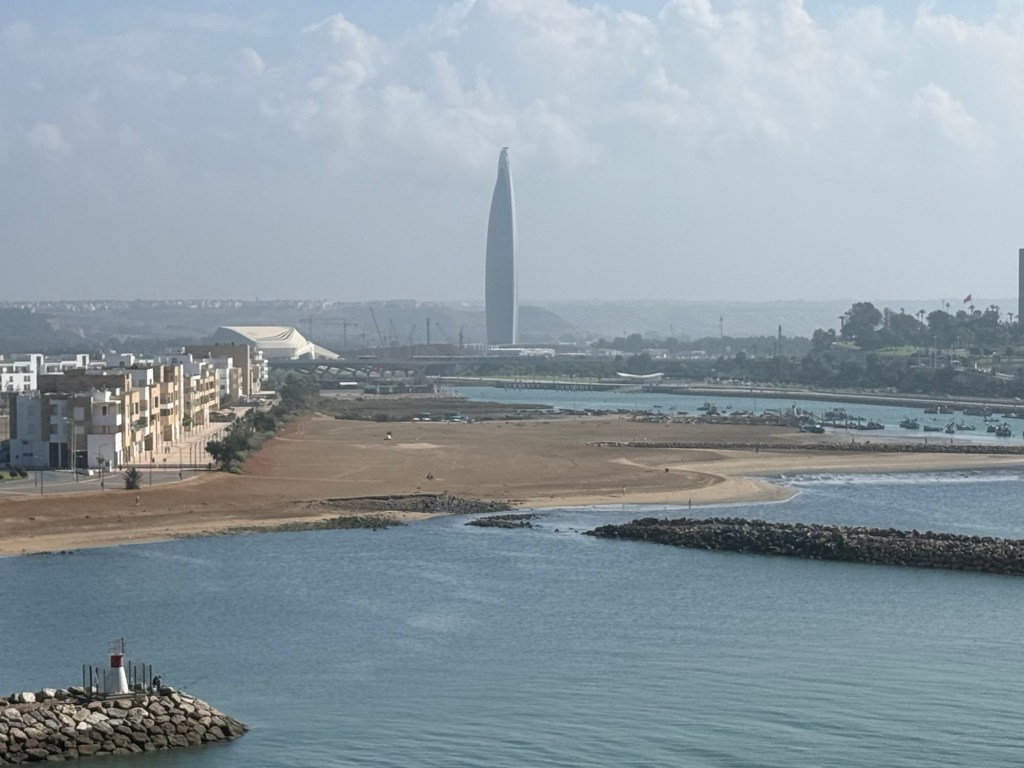
You also get a great view of the tallest building in the Rabat area, the Mohammed VI Tower, a 250-meter skyscraper in the neighboring city of Salé. It is the tallest building in Morocco and the third-tallest in Africa, housing a mix of hotels, offices, and residences.

Royal Palace and Gardens –
His Majesty King Mohammed VI, the country’s Monarch and leader, has the official Royal Palace here but he actually lives most of the time across the Oued Bouregreg in Sale, within a forest.
The official Royal Palace is really an administrative government complex – secuity was tight.
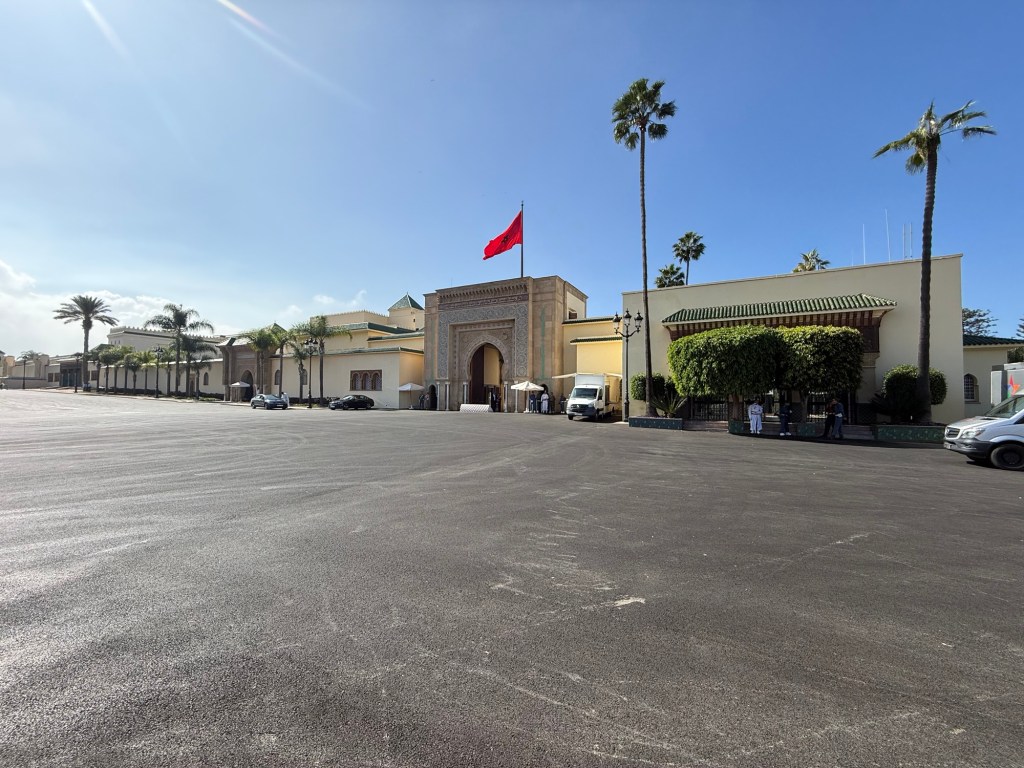

When Macron popped in earlier today for Green tea with Mint he was received at the official Royal Palace.
Kasbah des Oudaias –
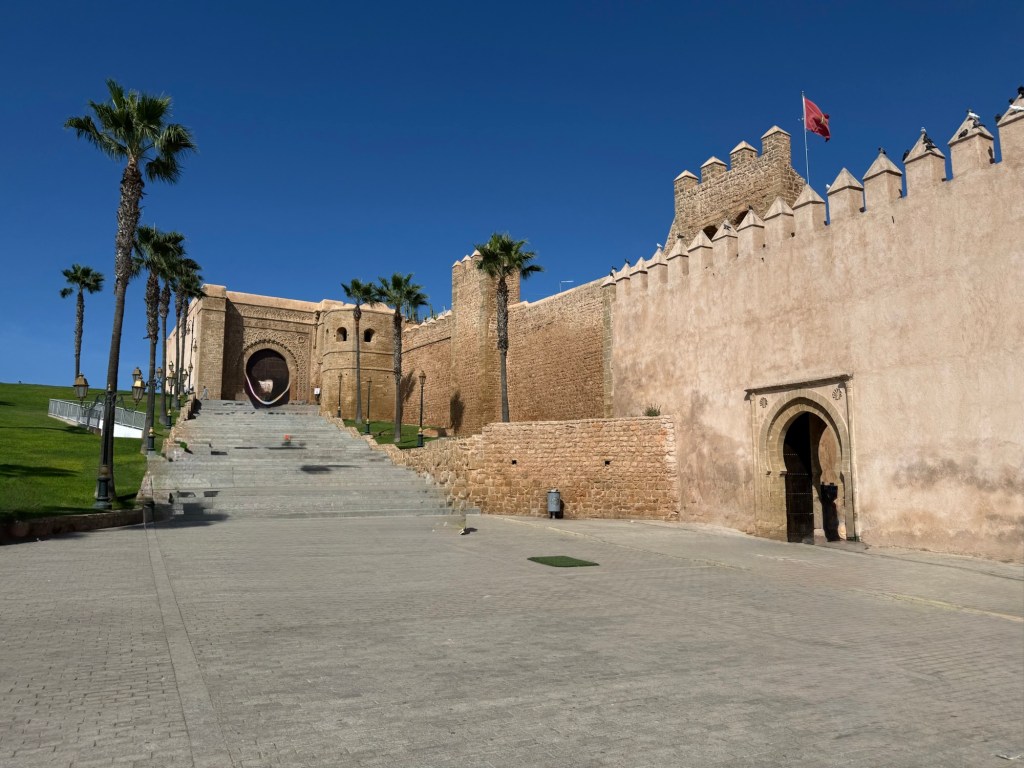
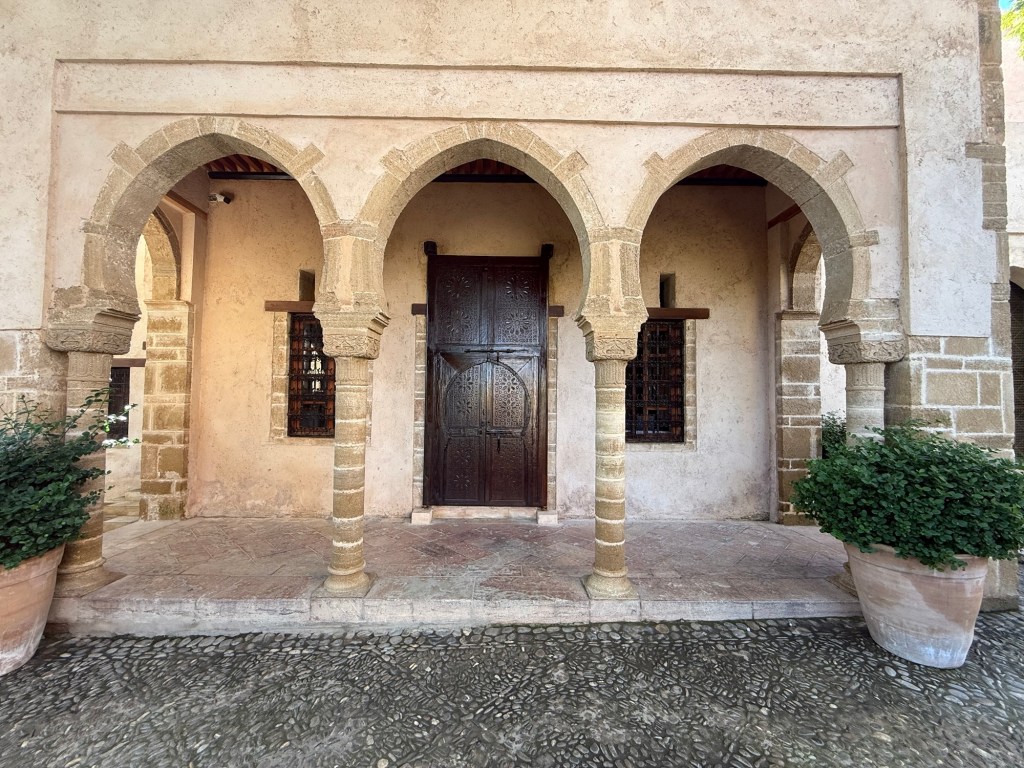
The medina with its towering walls, winding streets, beautiful tarnished wooden doors and terraces overlooking the Bouregreg River was lovely.

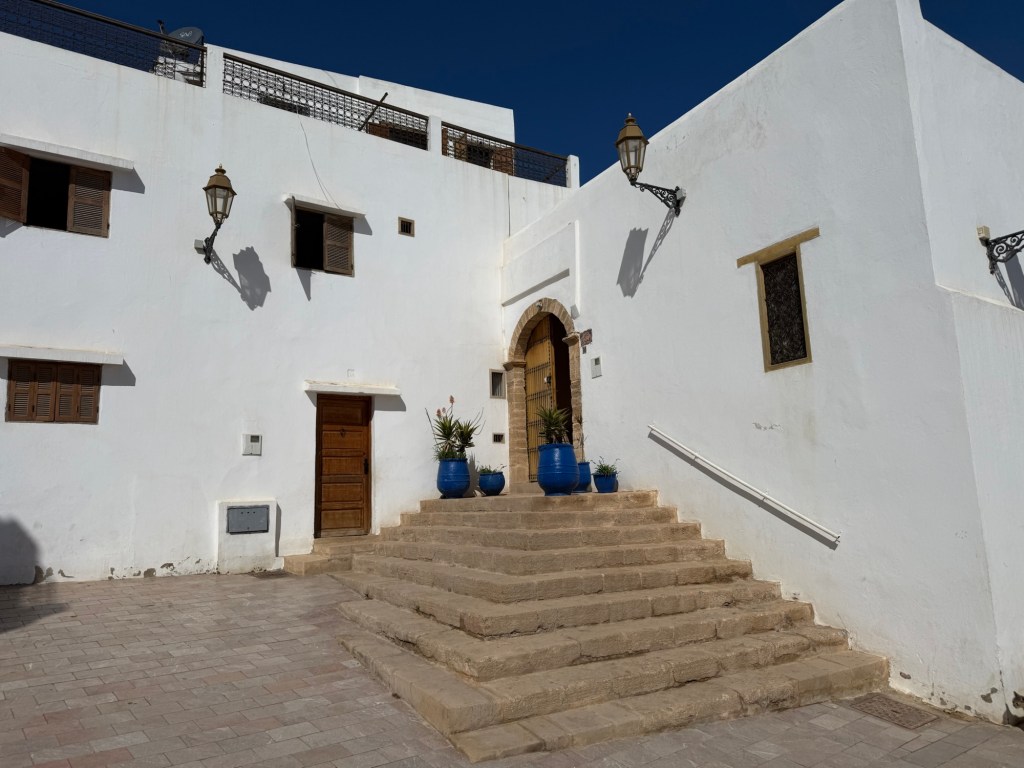
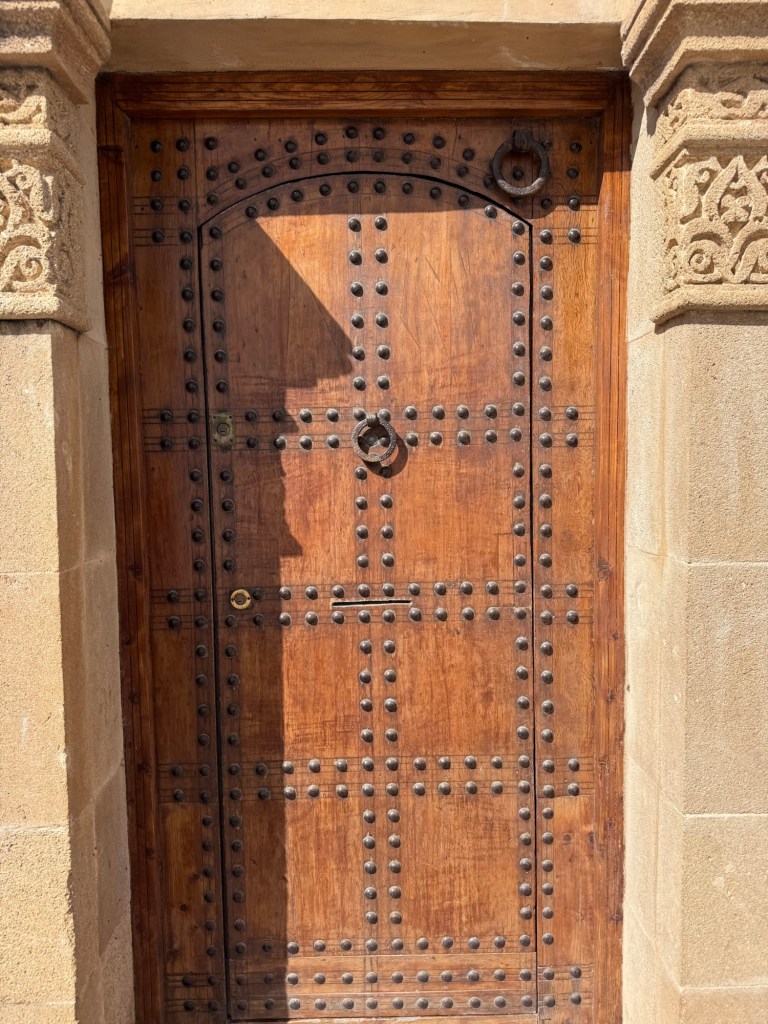
Sofioan pointed out to knockers on doors – one alerts to a family member arriving and the other a more formal guest. In the case of the latter, the women of the house would veil up before opening the door.

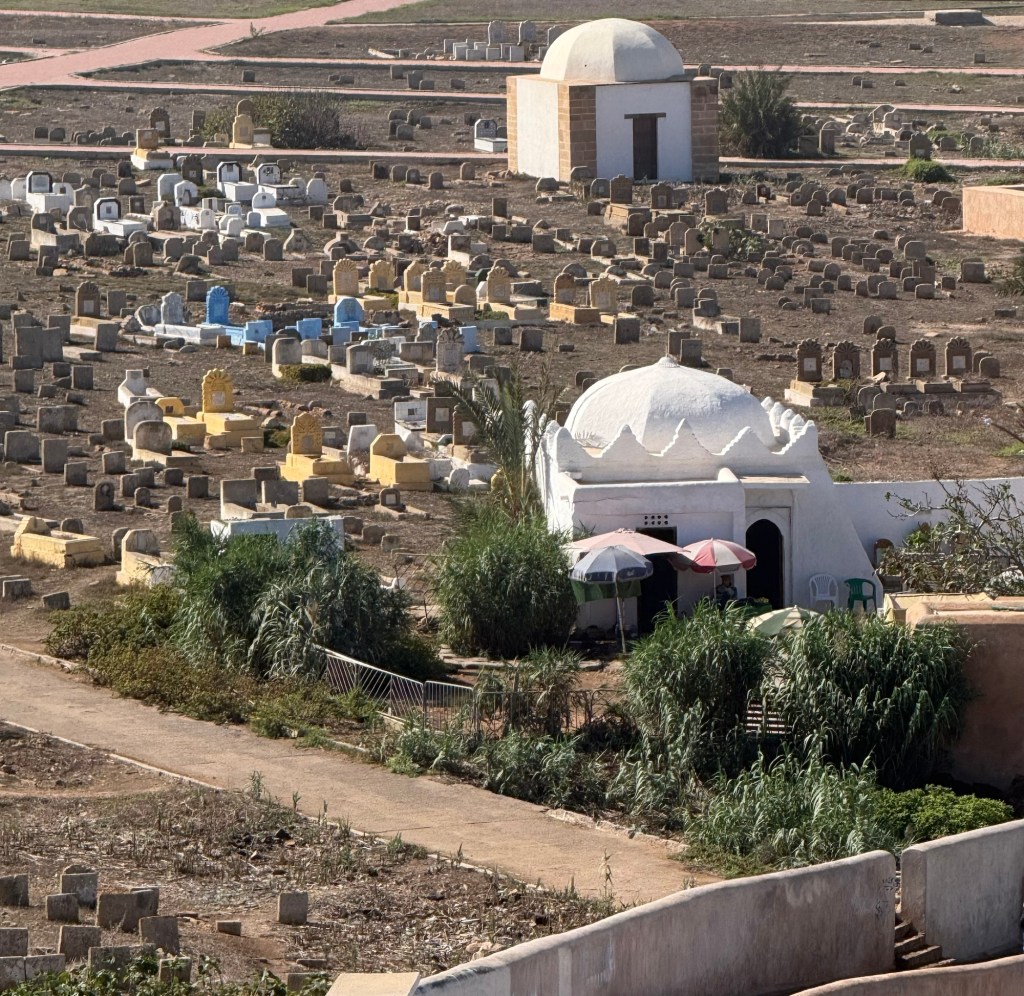
The cemetery next to the sea was very old.

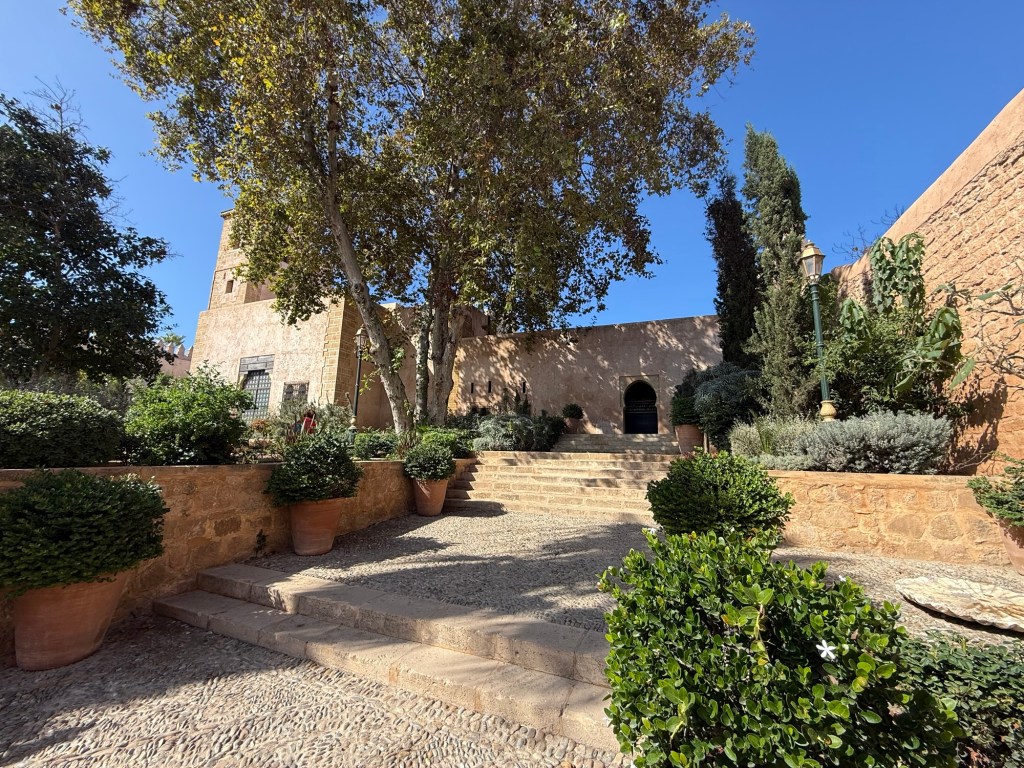
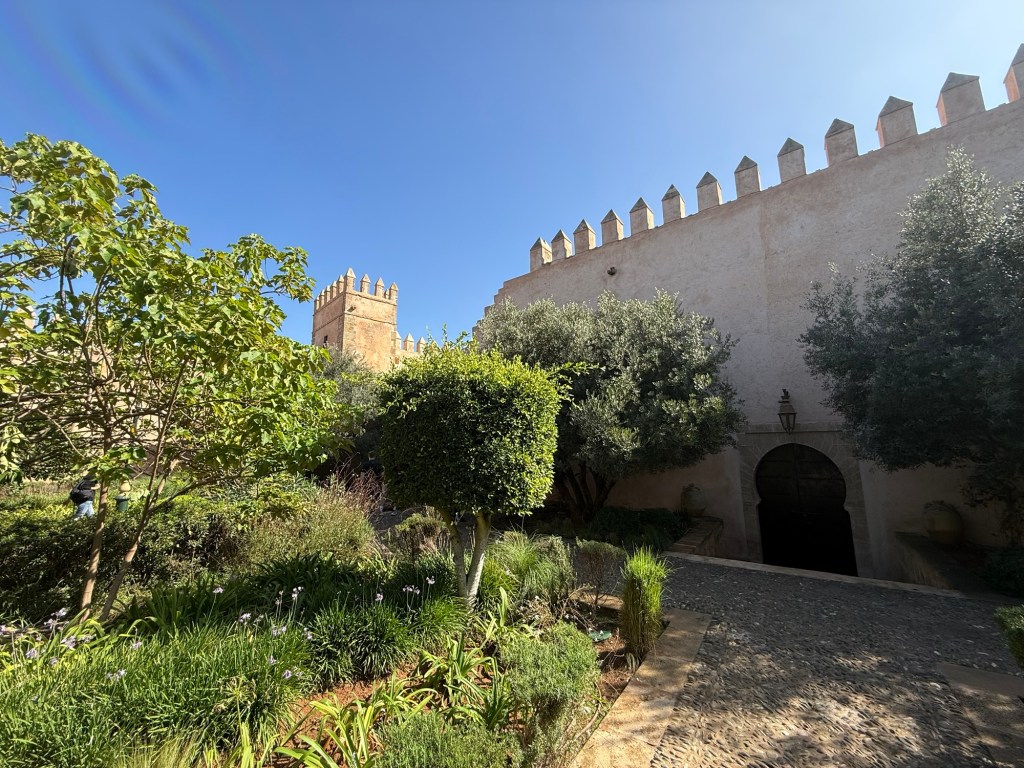
The gardens within the Kasbah were lovely with a Moorish flavor.


Chefchaouen:
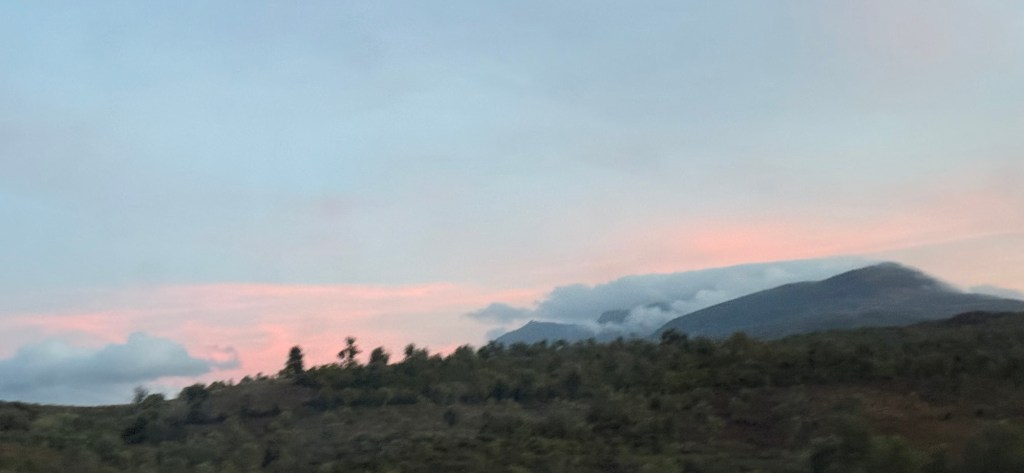
After the 4 hrs drive through the Riff Mountains from Rabat, we finally got to Chefchaouen, the Blue City (an old Jewish Town), which was a welcome sight for both Said and I. It looks lovely and I have the whole day to explore tomorrow as we stay here tomorrow night as well.



Guide:
Sofioan ^ was a nice guy, very charismatic and knowledgeable. We had coffee and wandered round the sites. We talked a bit about ME/African politics and current areas of conflit and I got an interesting perspective.
Driver:
I really would not recommend driving here. Its amost as bad as Sicily or Florida when the Old Canadians are snow-birding. Said ^ did a wonderful job driving the narrow, winding roads. He gets tomorrow off as it’s Friday.
Accommodation:
Iguana Azul was a good walk up the narrow streets to a quiet part of town.
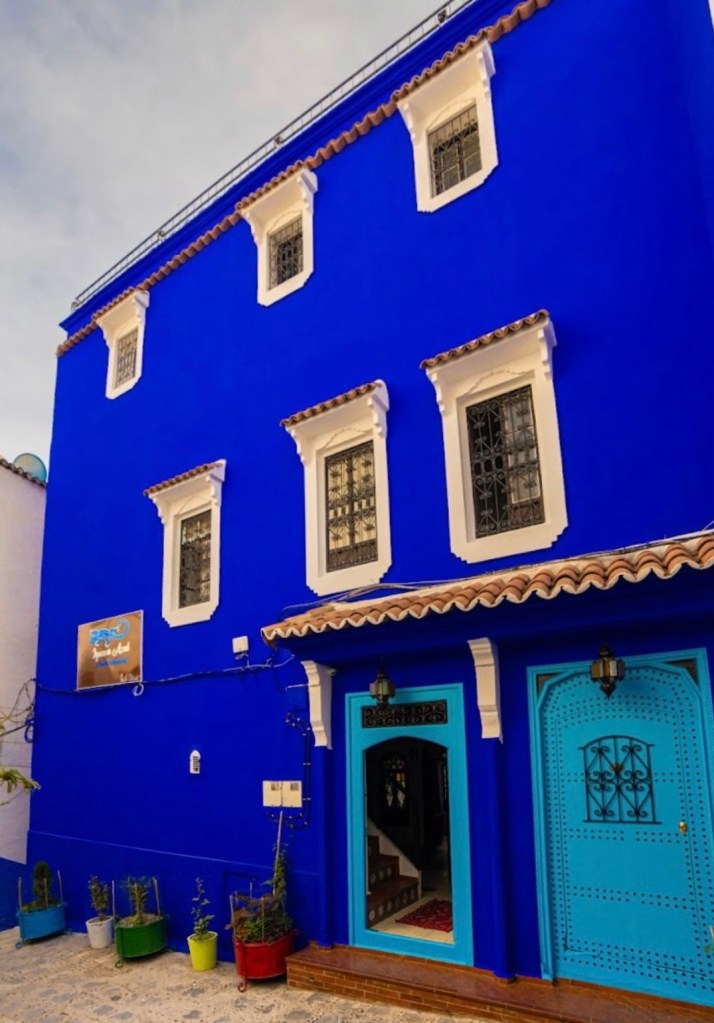
I have a nice wee room and a good bathroom.


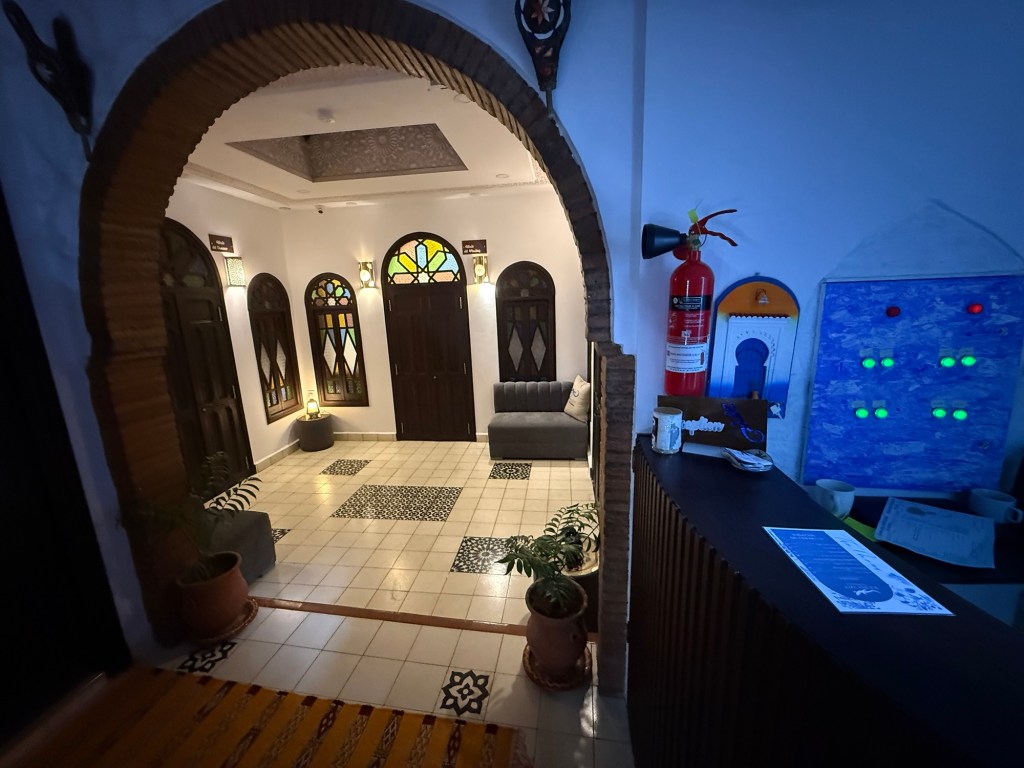
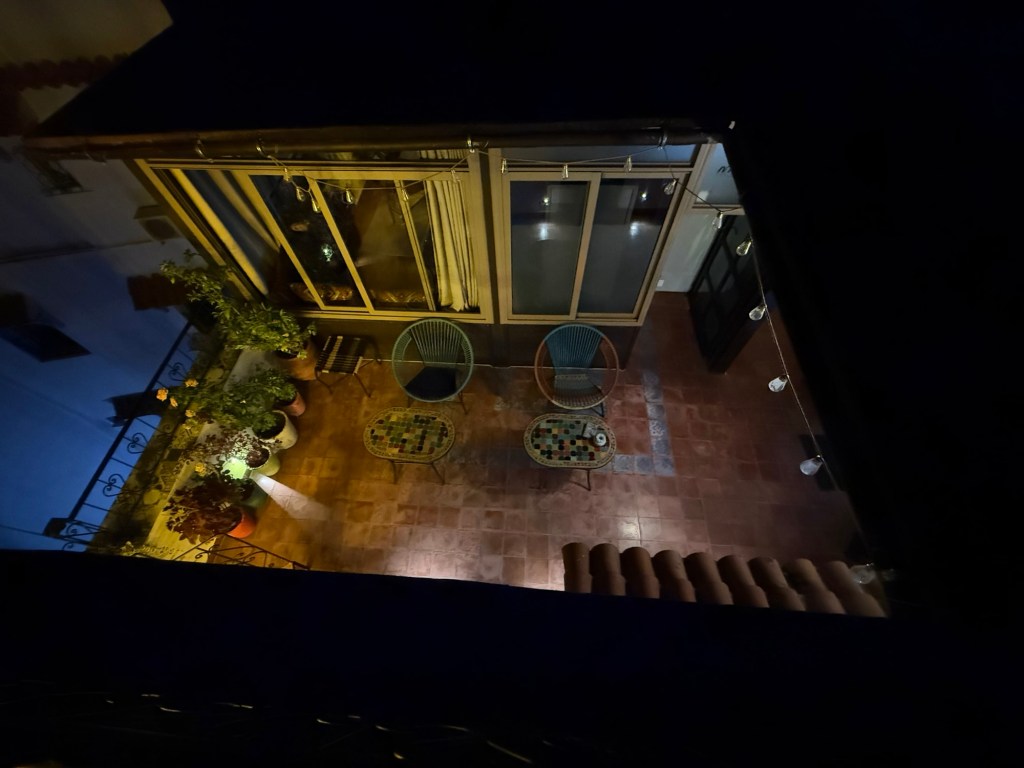
The common areas are small but sweet.
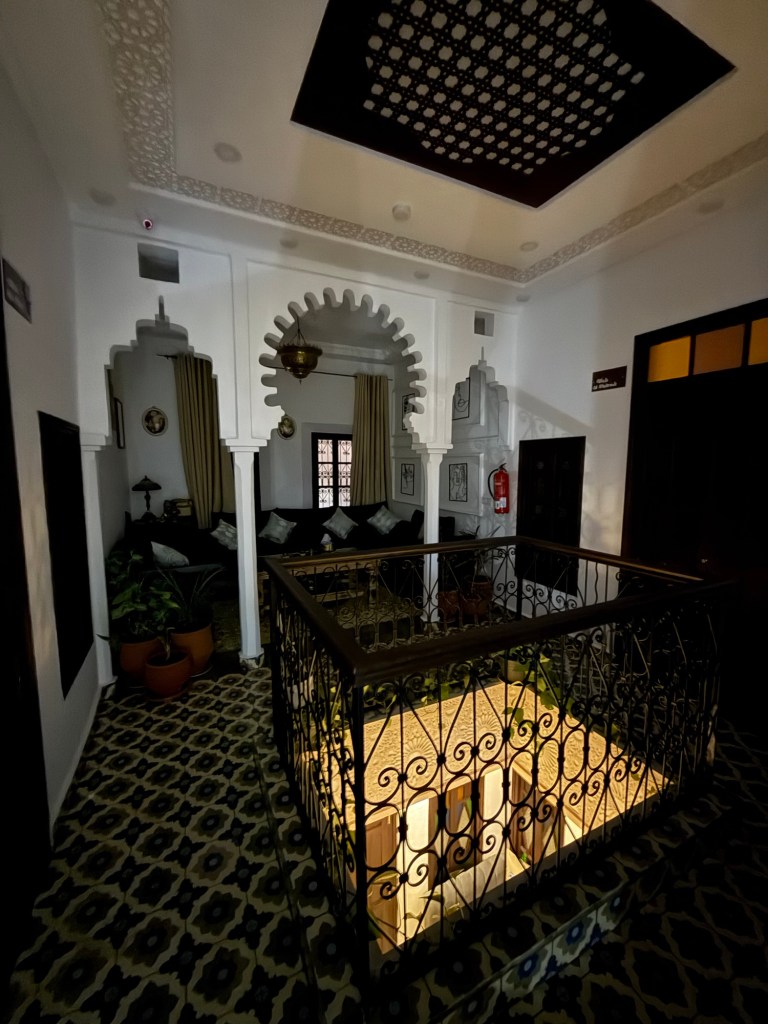
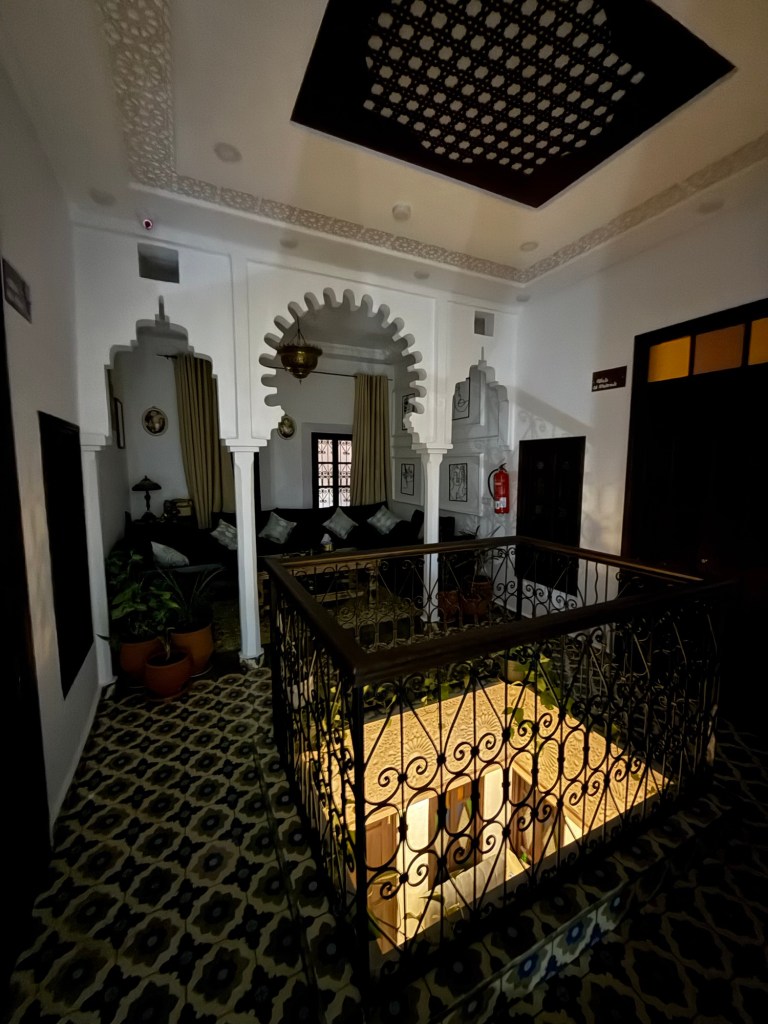
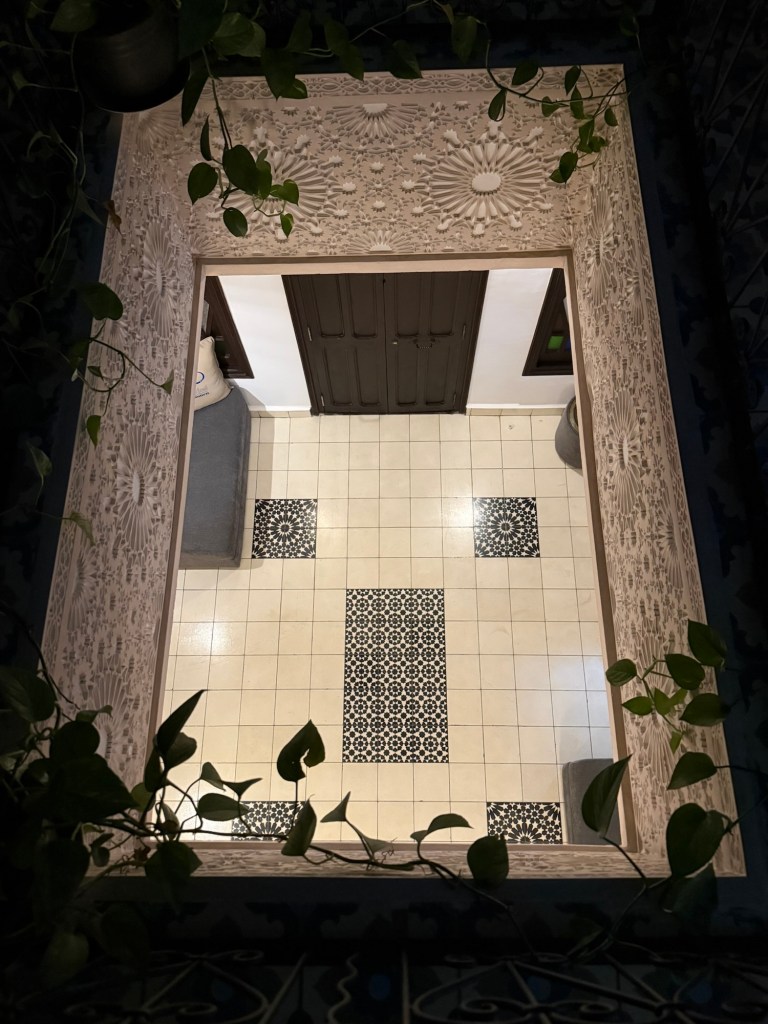
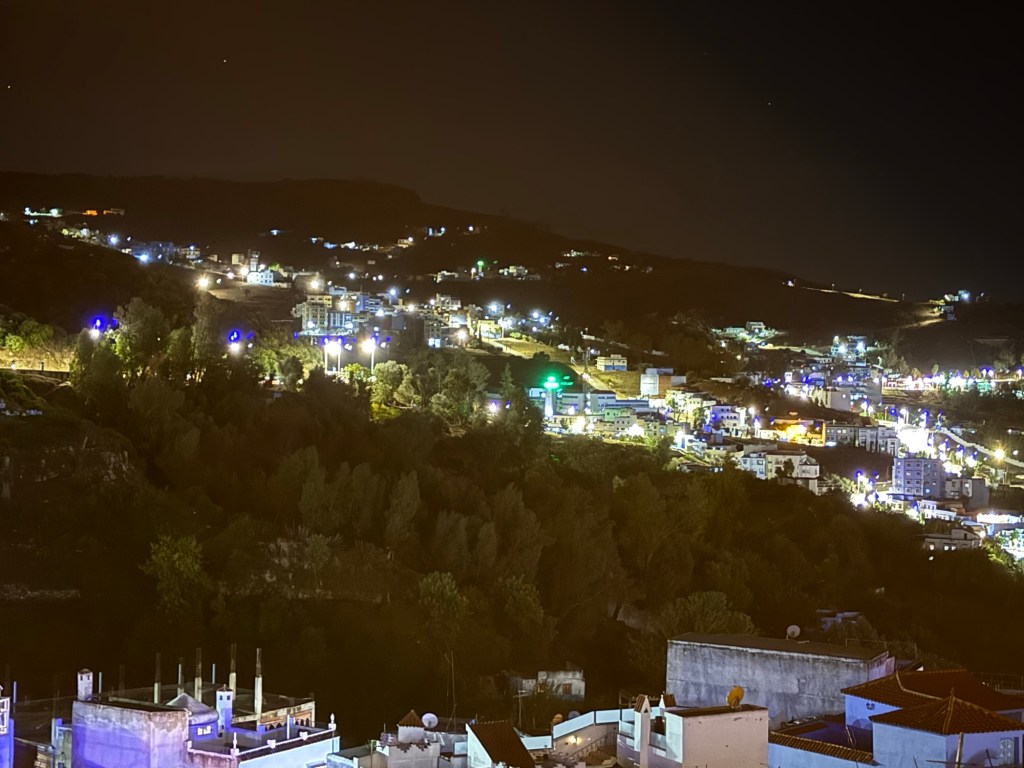
There is a 3rd floor for breakfast and a rooftop area with great views over the city.

Meals:
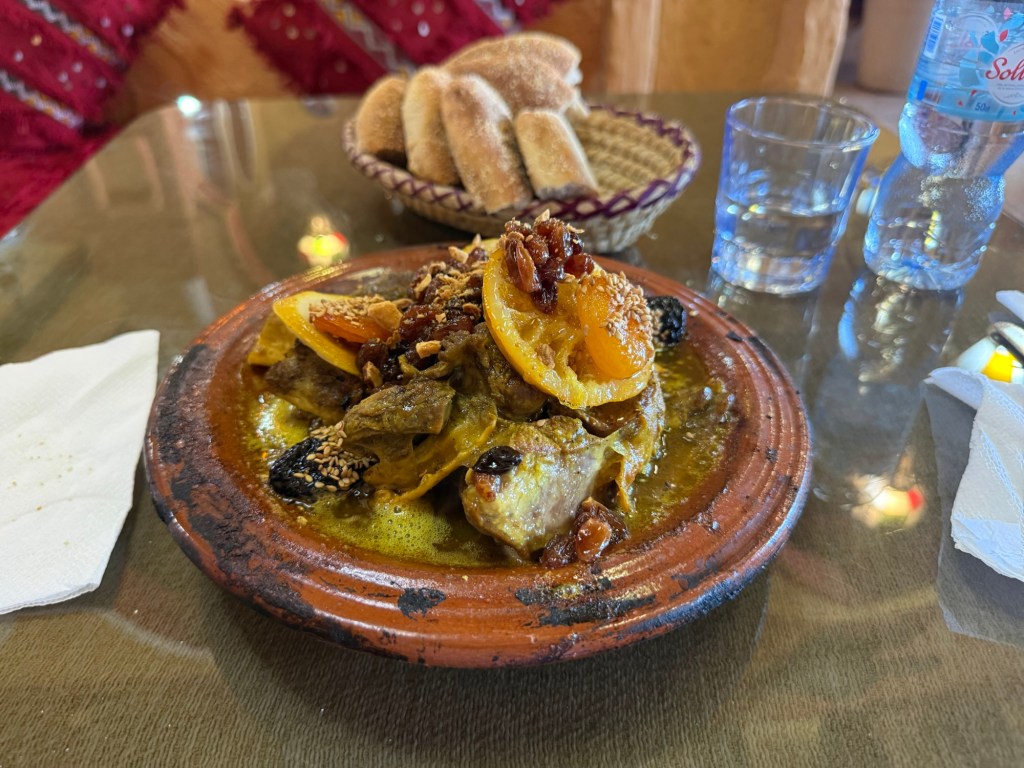
Breakfast at Kenzi Basma Hotel, Casablanca Hotel was poor; Lunch at Dar Naji, Rabat – Goat Tajine – was really good and far too much, as usual.
^ Supplied via Luxury Tours Morocco
 seetheworldtravelblog