Day 10 (#2): North West Passage Expedition on HX’s MV Fridjtof Nansen, August/September 2025

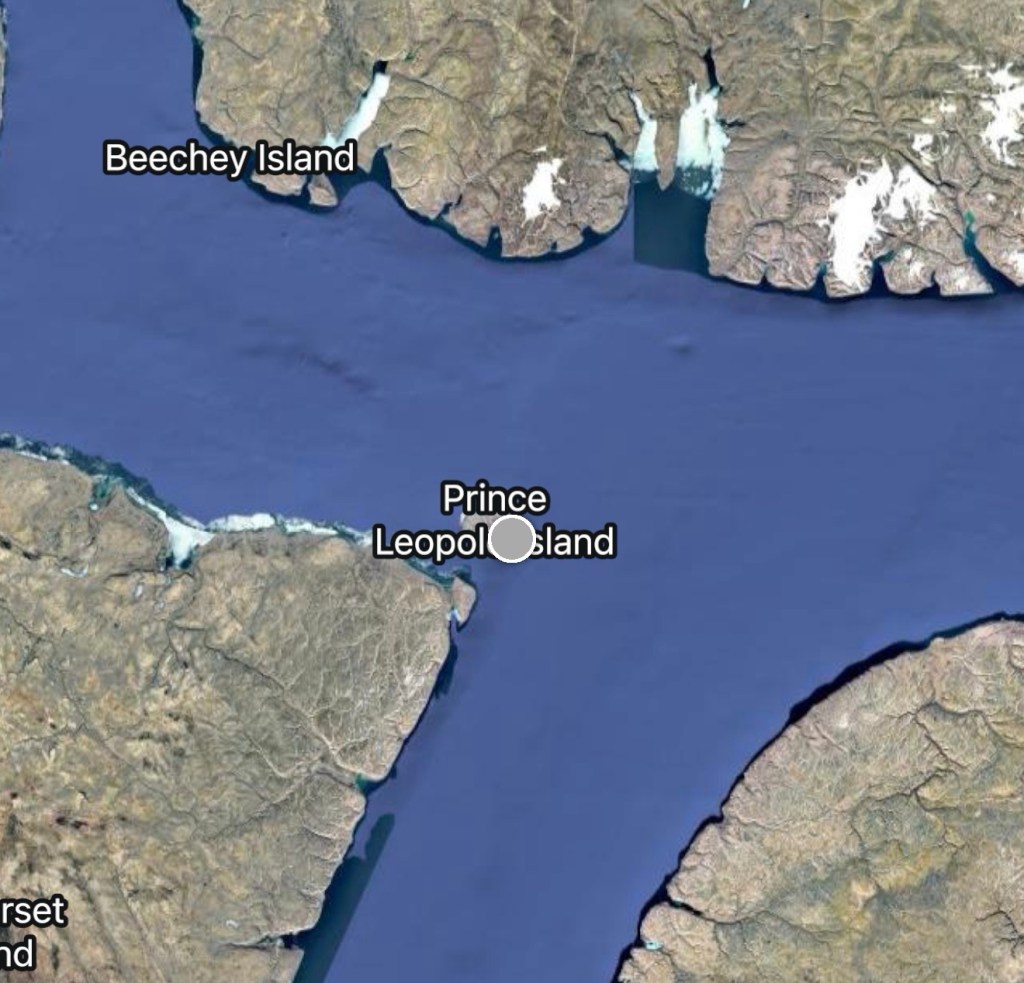
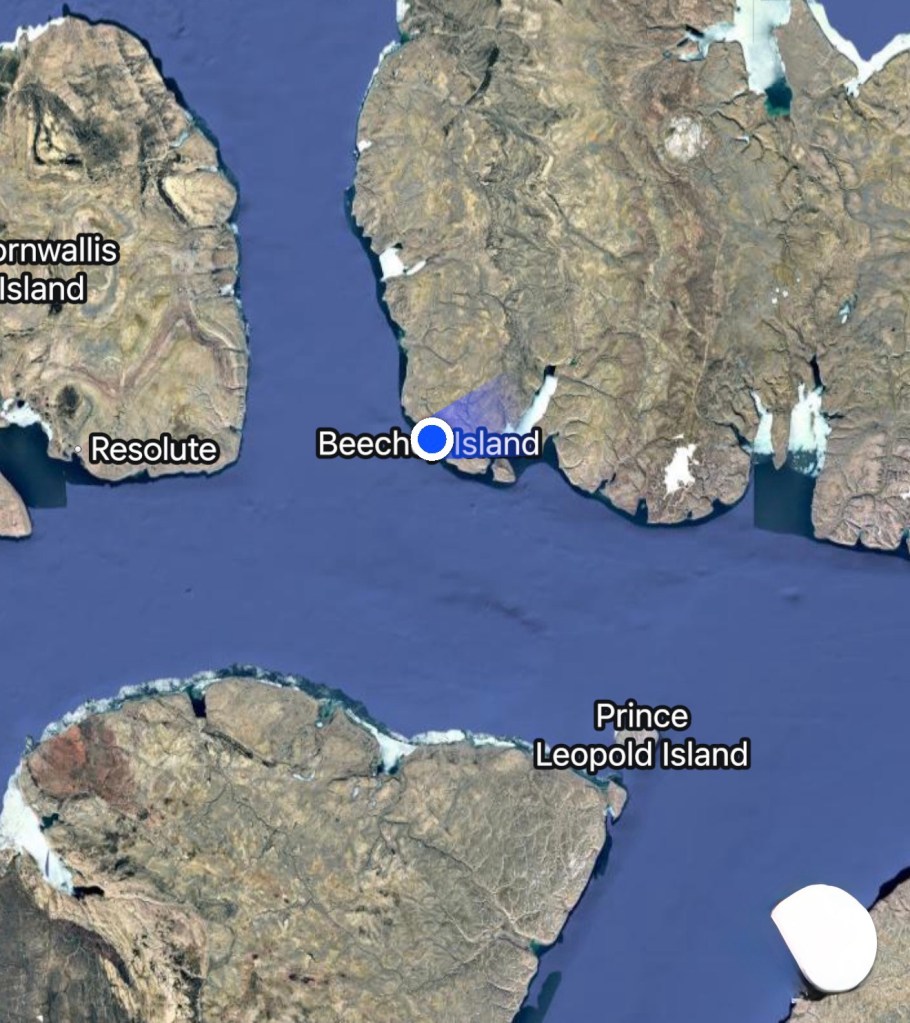
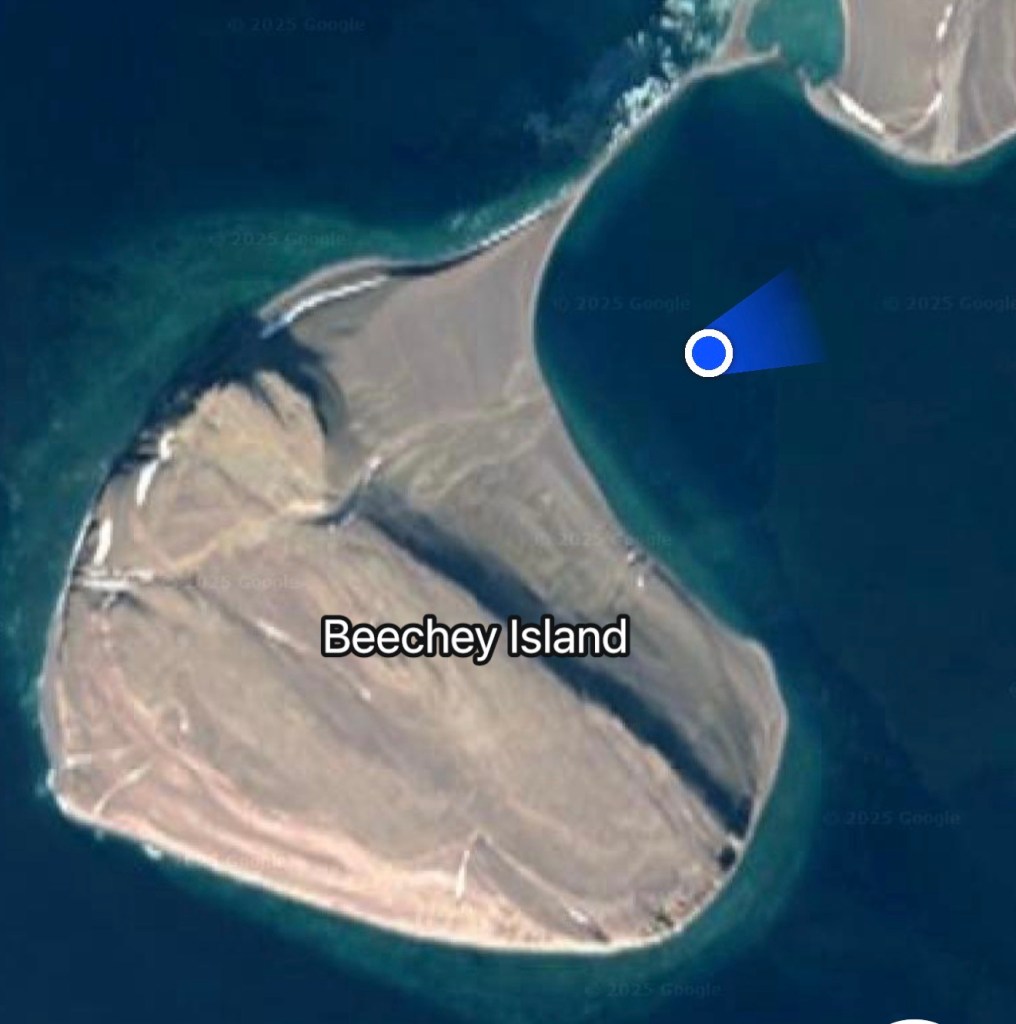
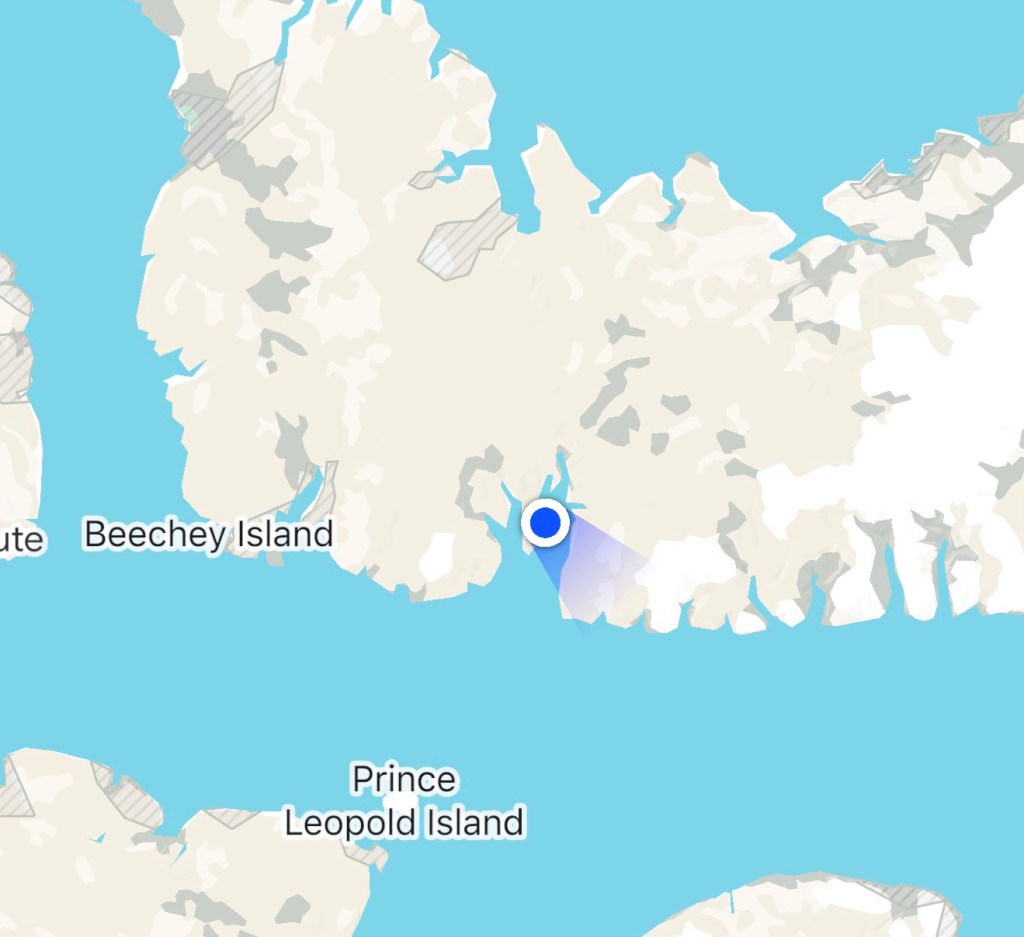
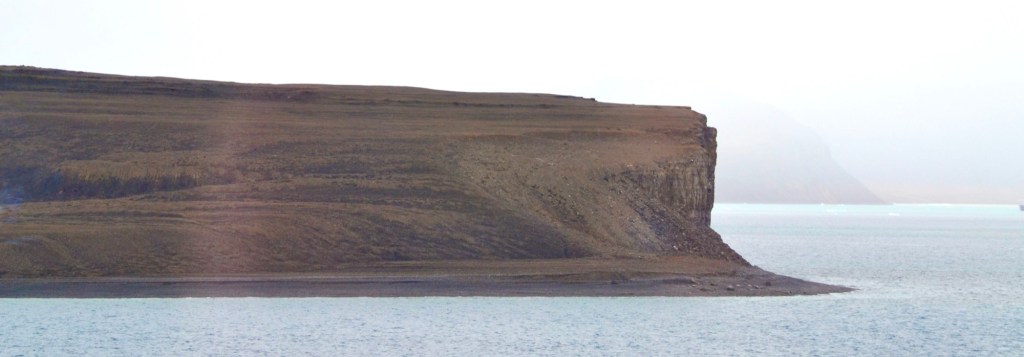
Beechey Island, Arctic Canada

From Paul Bryers, August 26, 2025

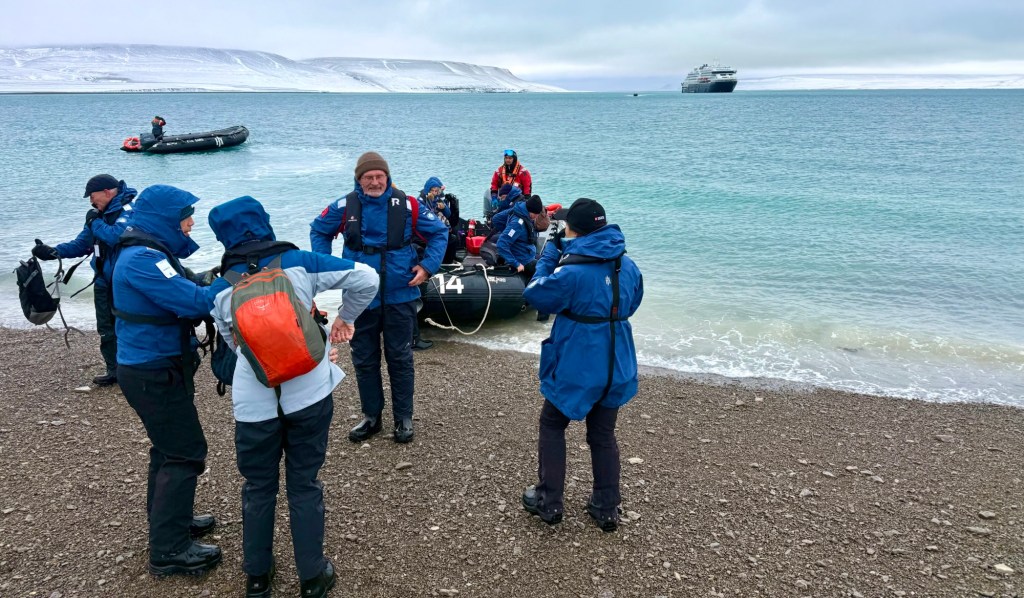
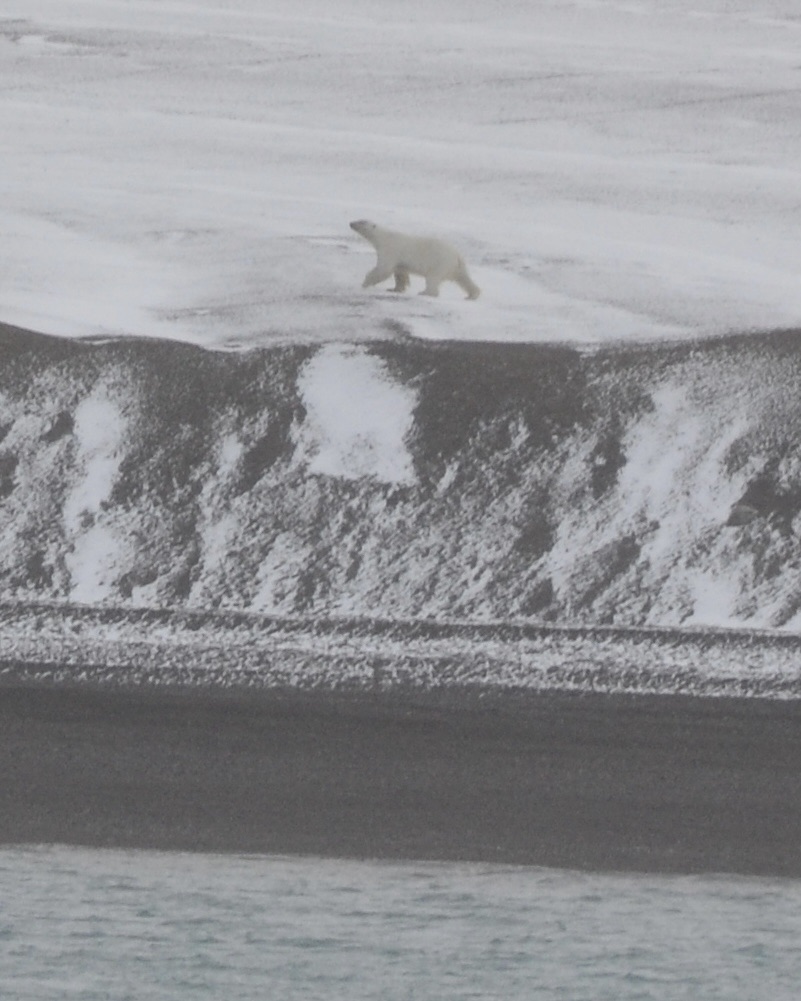
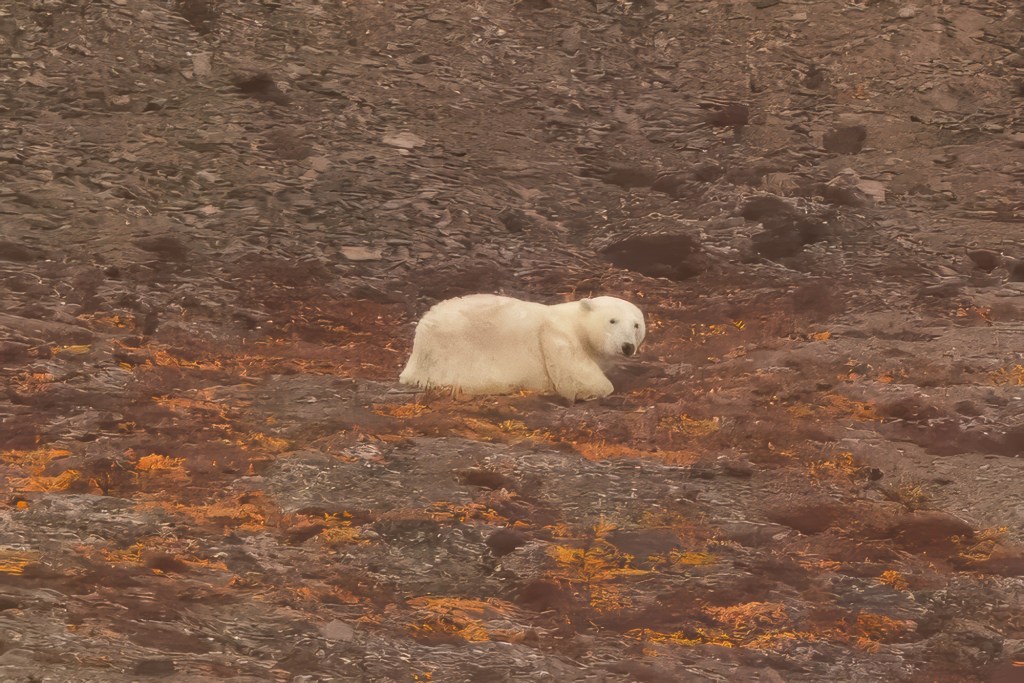
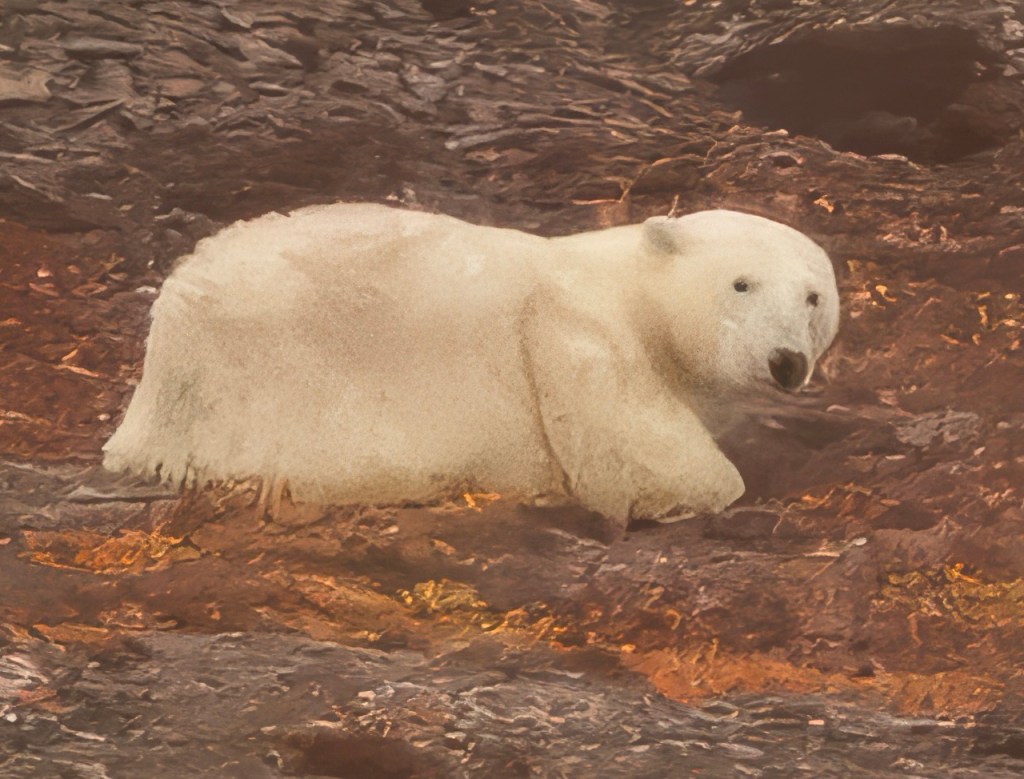
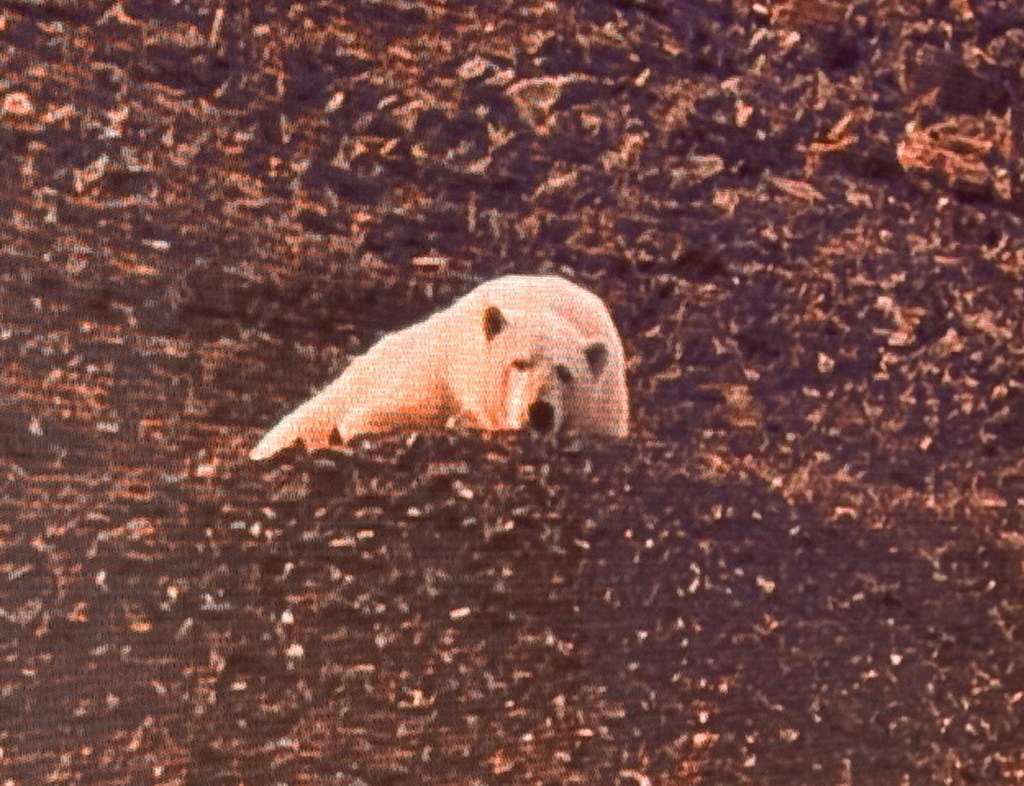
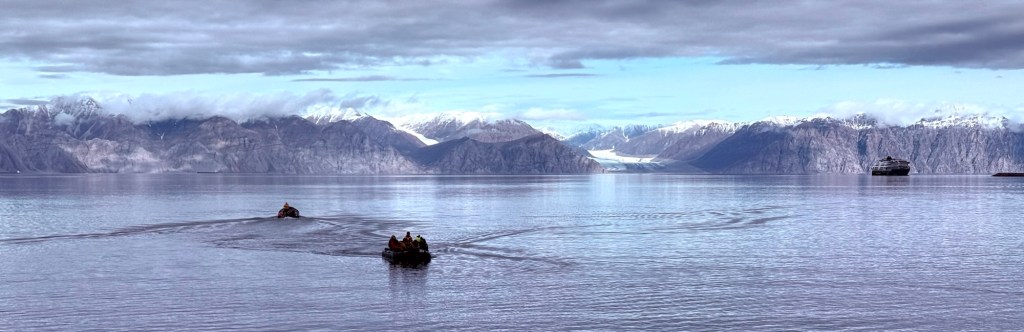
After the Polar Bear was finally 5 km away from us, zodiac landings resumed with haste and valor.

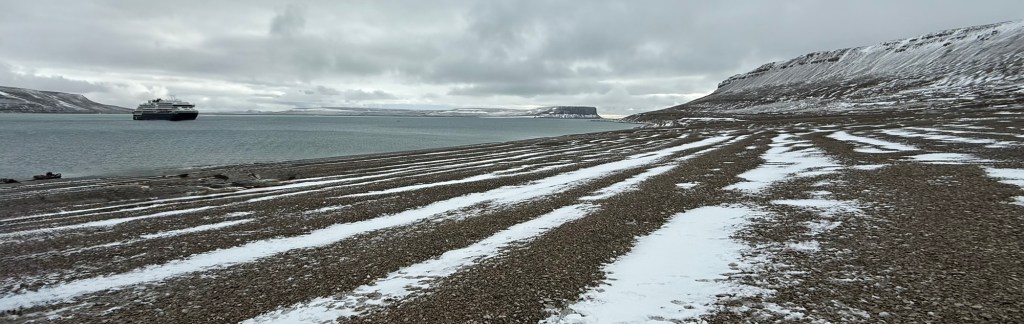
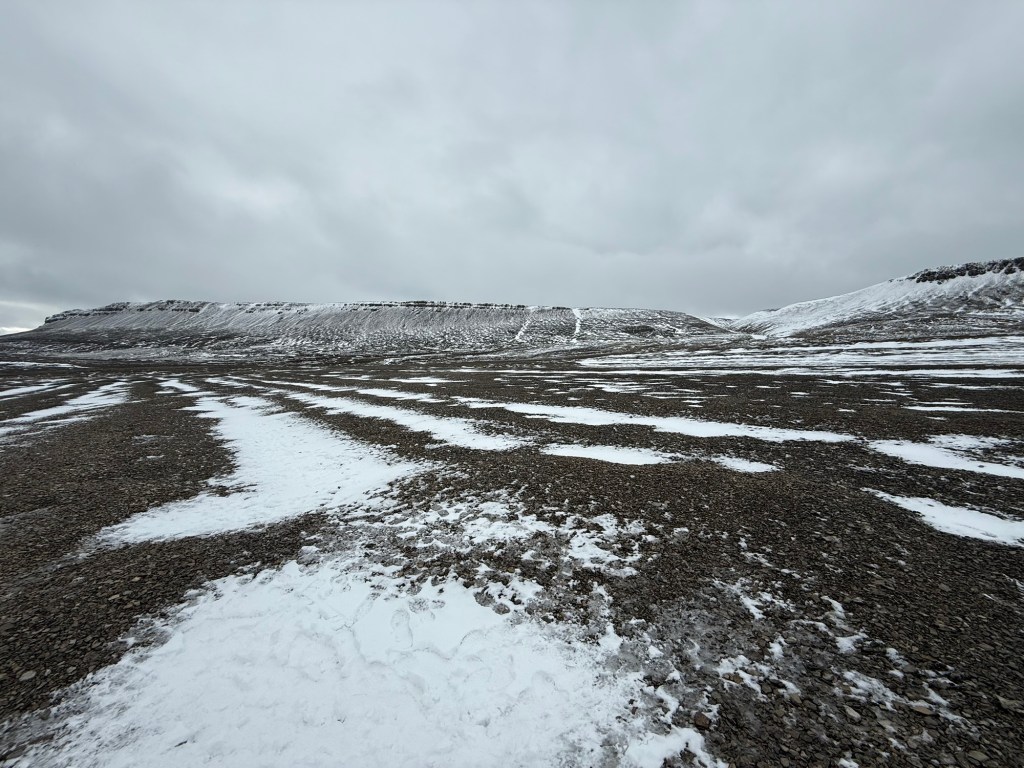
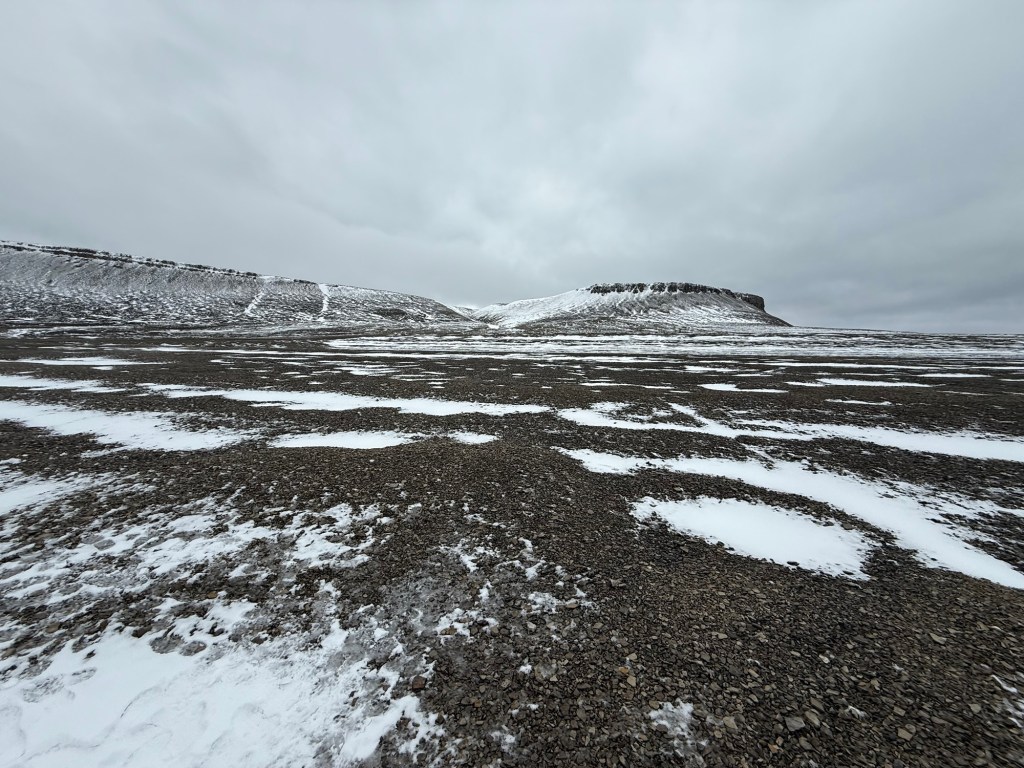
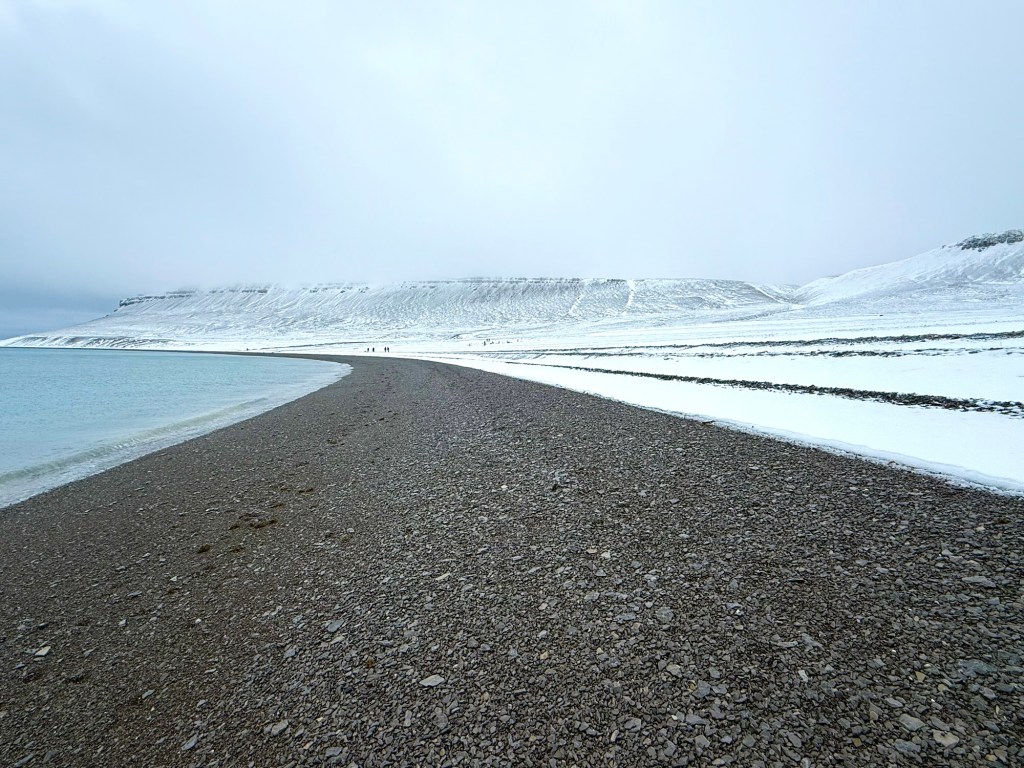
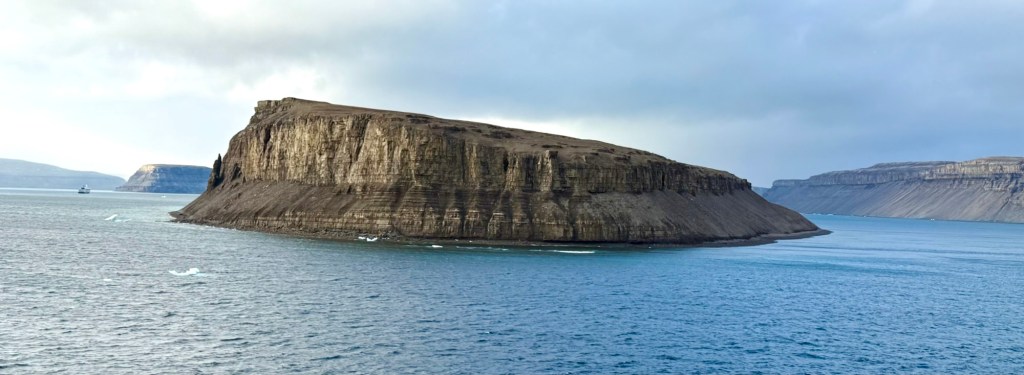
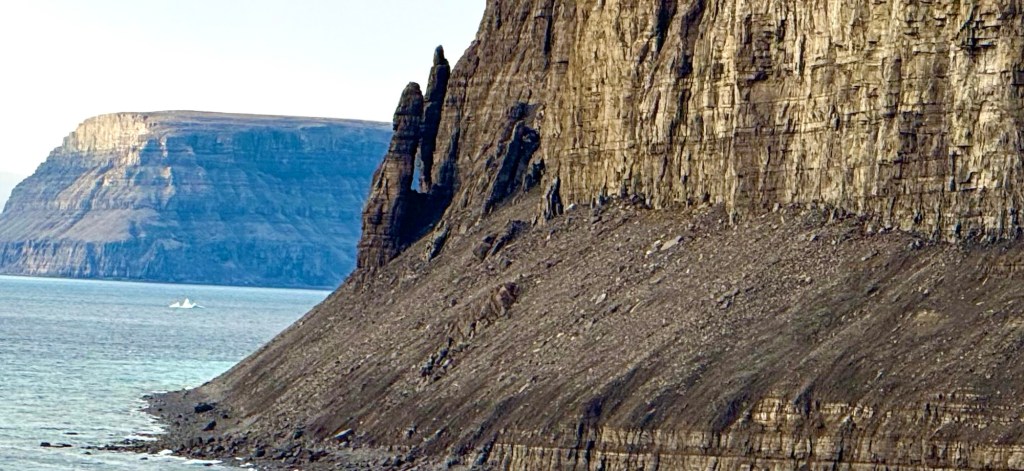
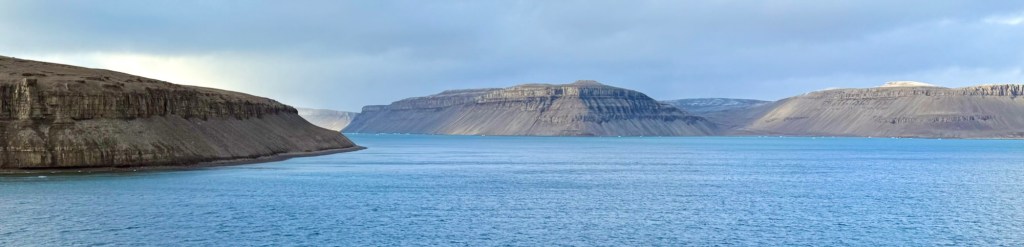
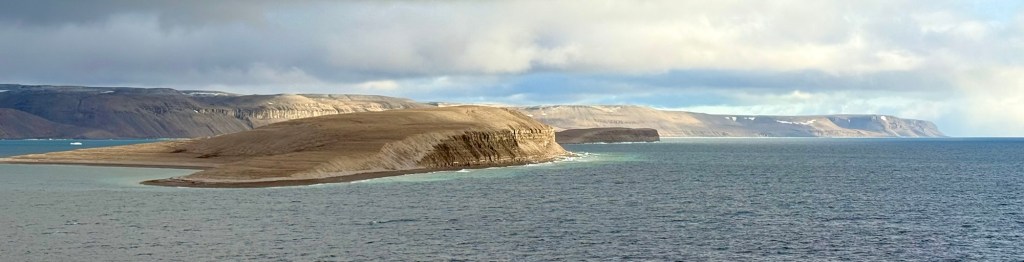
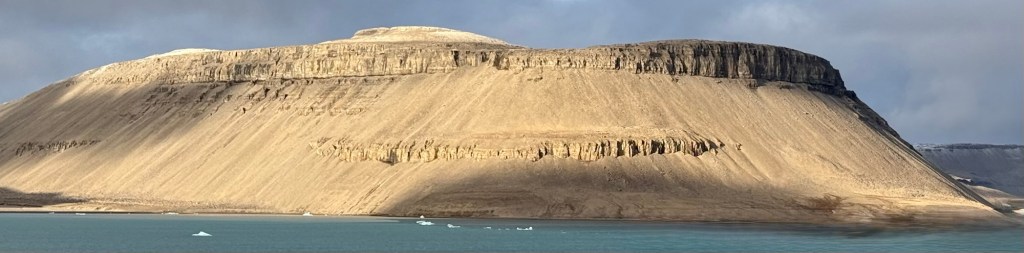
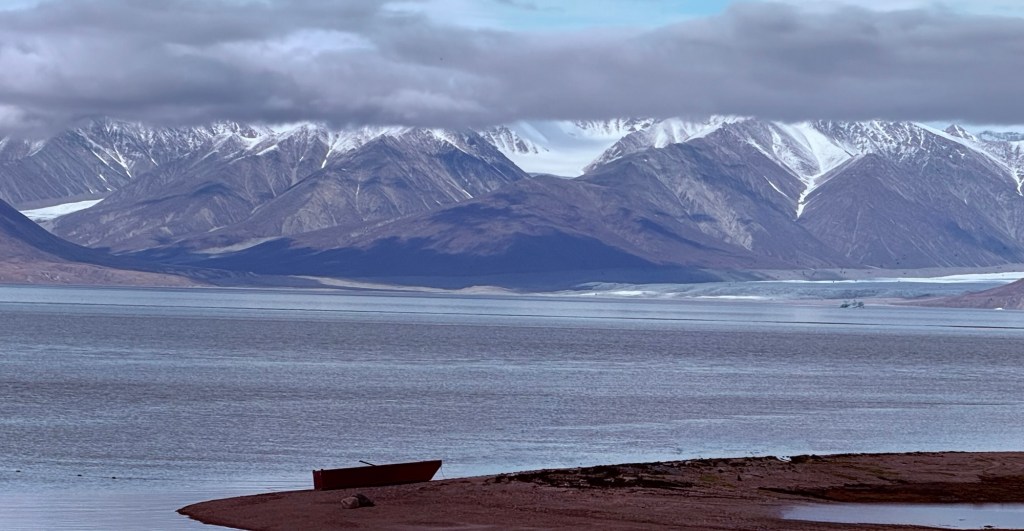
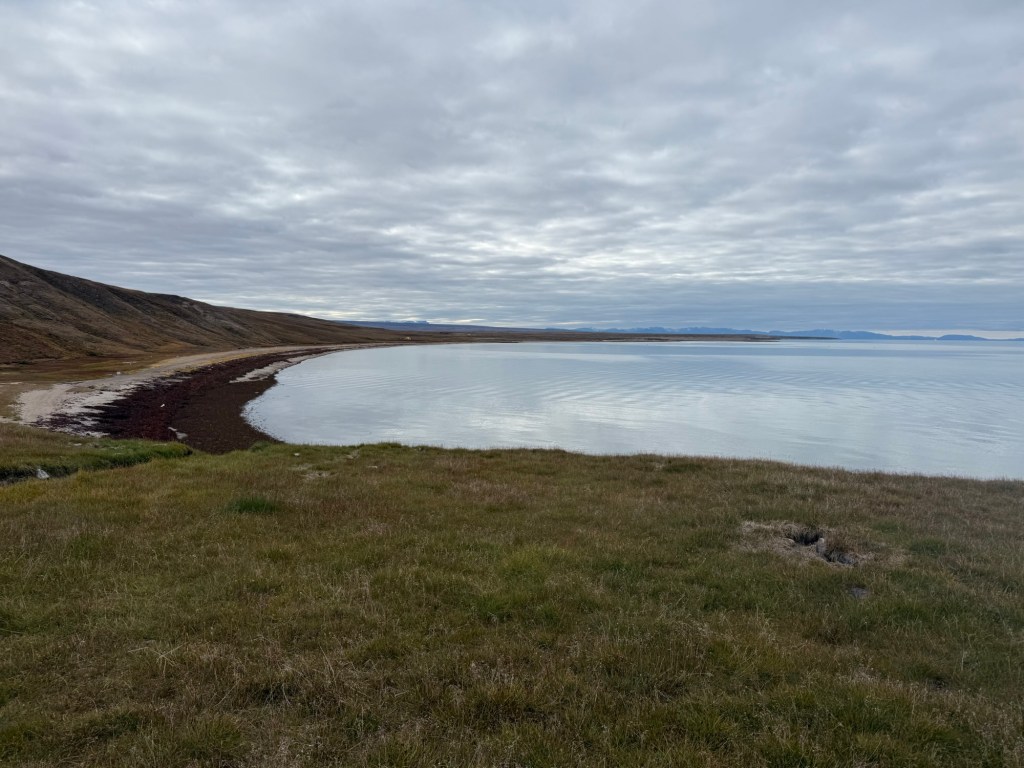
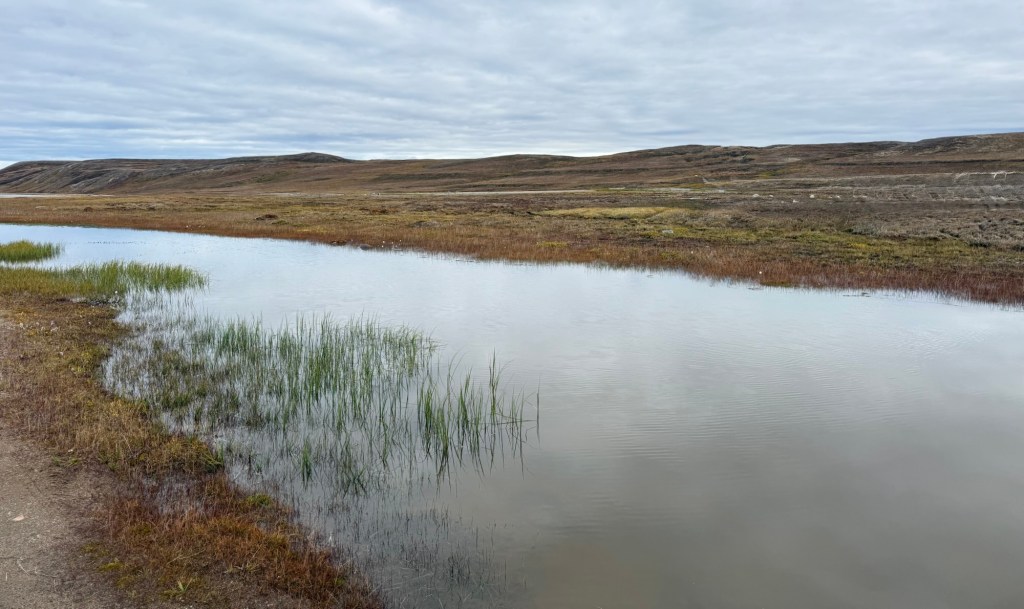
Now that some of the snow had melted, the barren and rugged nature of this isolated and desolate corner of Earth became even more apparent.

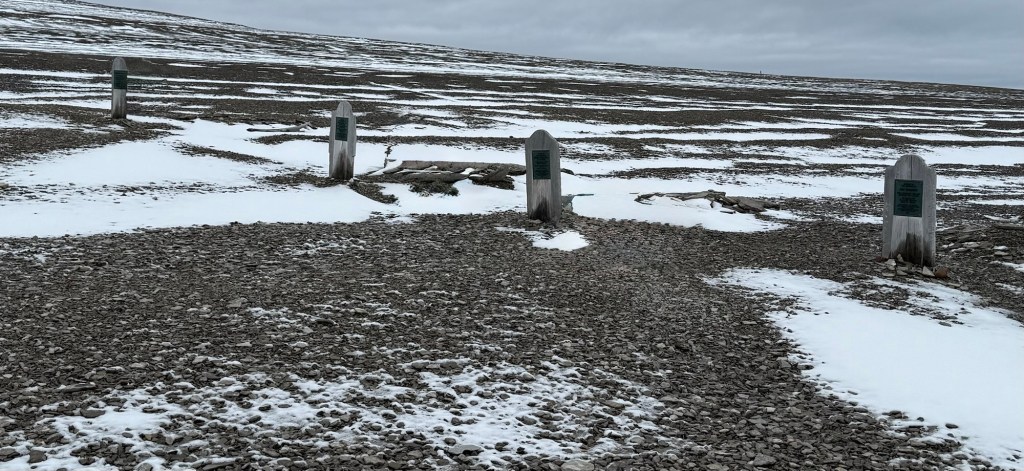
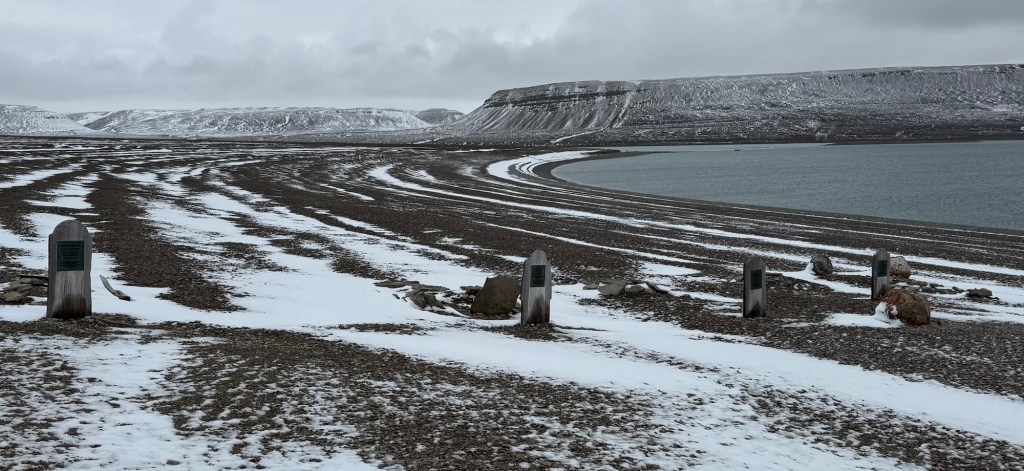
Beechey Island is best known for containing three graves of Franklin expedition members, which were first discovered in 1850 by searchers for the lost Franklin Expedition. The searchers found a large stone cairn, along with the graves of three of Franklin’s crewmen – Petty Officer John Torrington, Royal Marine Private William Braine, and Able Seaman John Harrell – but no written record nor indication of where Franklin planned to sail the next season.

During a later expedition, a searcher named Thomas Morgan died aboard the vessel North Star on May 22, 1854, and was buried alongside the three original Franklin crew members.

One can only glimmer what it must have been like for Franklin and his colleagues to have wintered in this area, starved and, for at least these three, died. And all the rest of the expedition died to.

Day 10 (#1): North West Passage Expedition on HX’s MV Fridjtof Nansen, August/September 2025

POLAR BEAR!!

Beechey Island, Arctic Canada

From Paul Bryers, August 26, 2025

We have had a remarkable morning, and it is only 10:00 am.

Around 07:00 am, we arrived at Beechey Island, renowned for containing three graves of the ill-fated Franklin expedition members, first discovered in 1850 by searchers for the lost Franklin expedition.

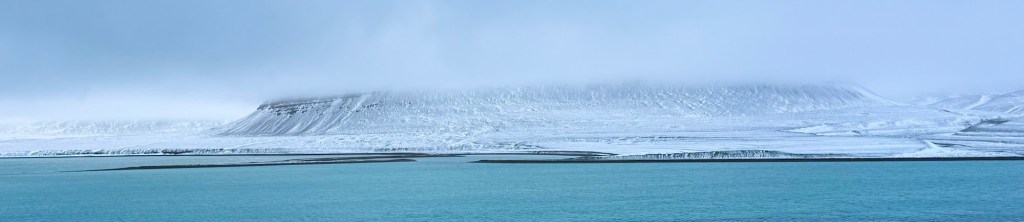
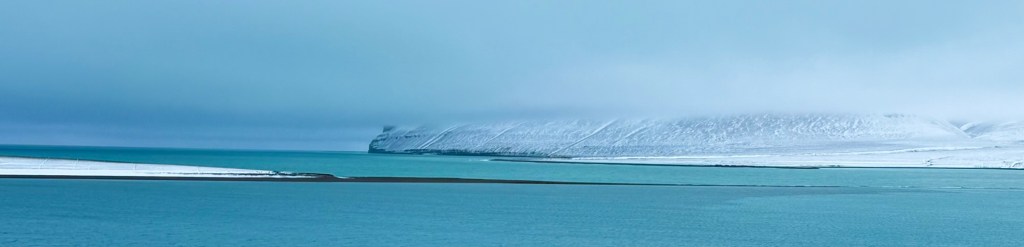
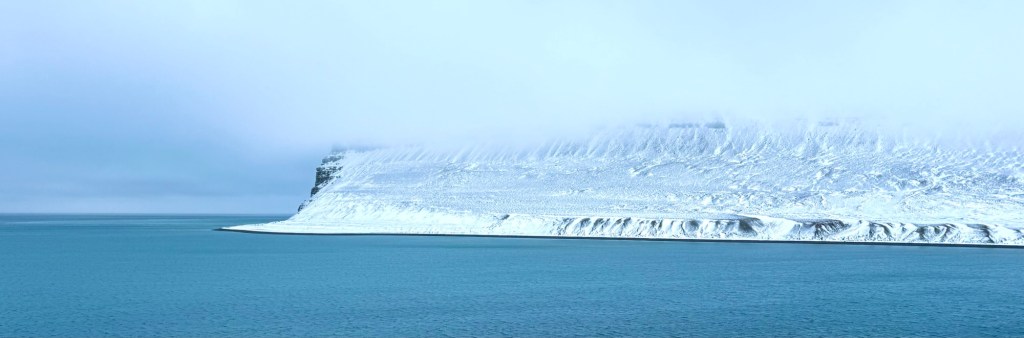
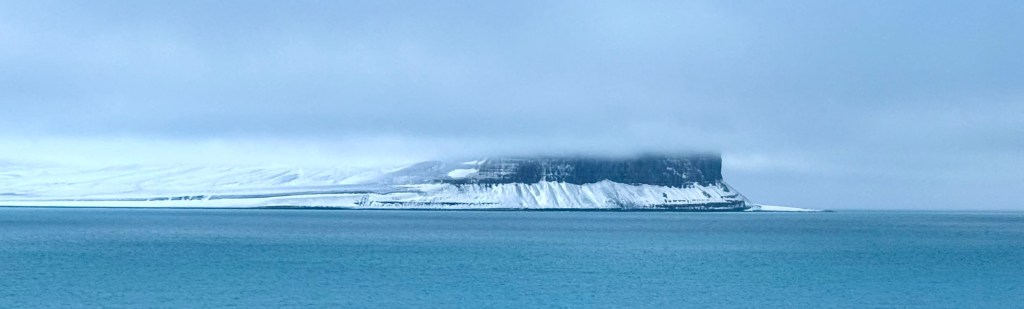
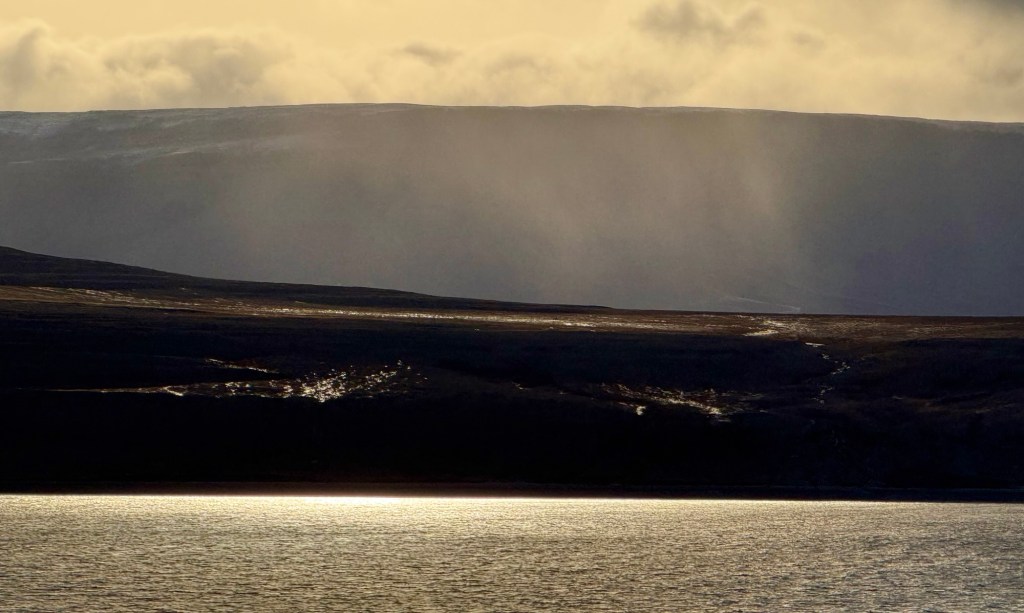
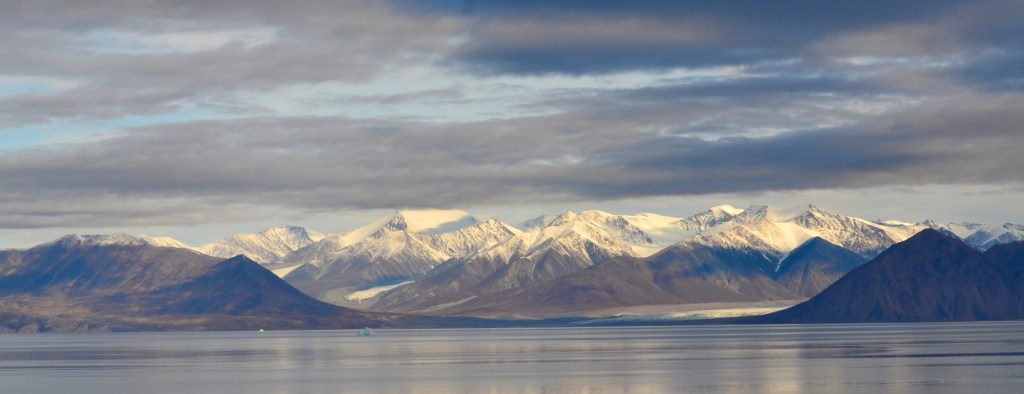
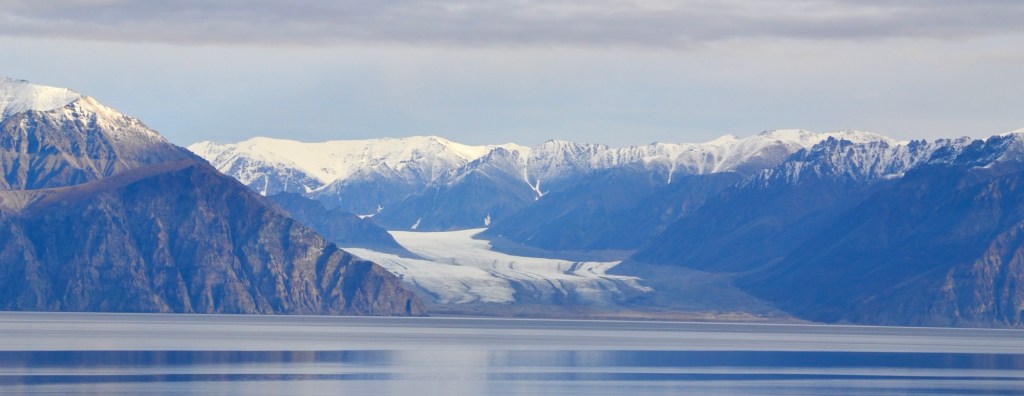
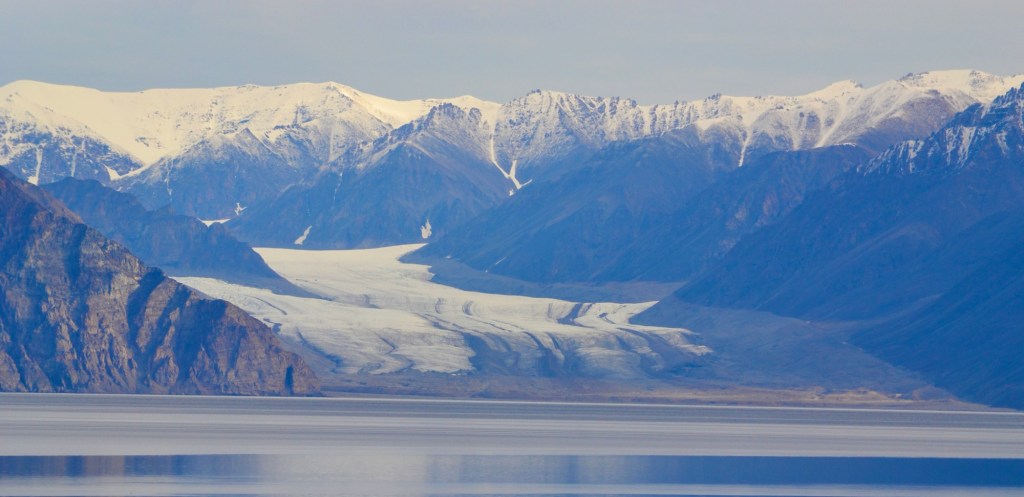
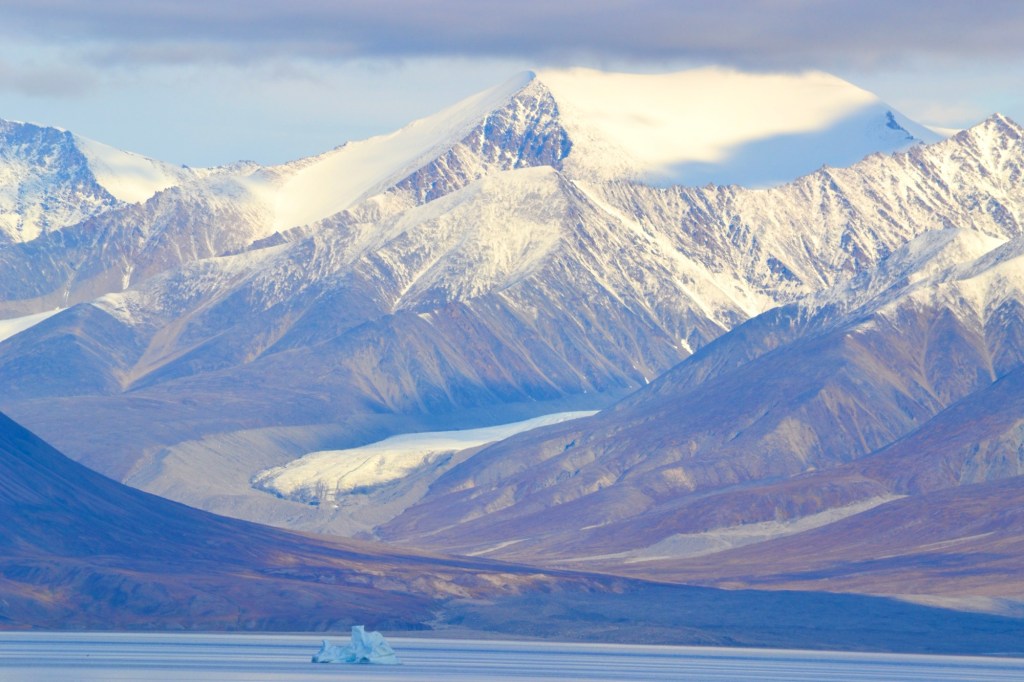
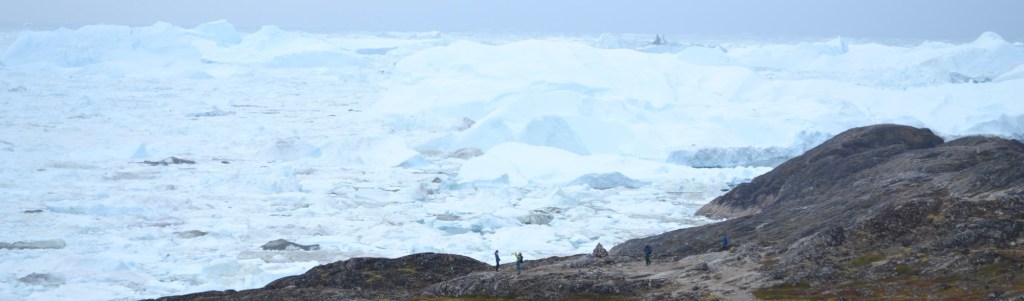
The island and surrounding areas offered breathtaking vistas with snow-covered mountains, cliffs, and turquoise and black waters.

The first two zodiacs successfully landed those of us who were going to hike to the top of Beechey Island.

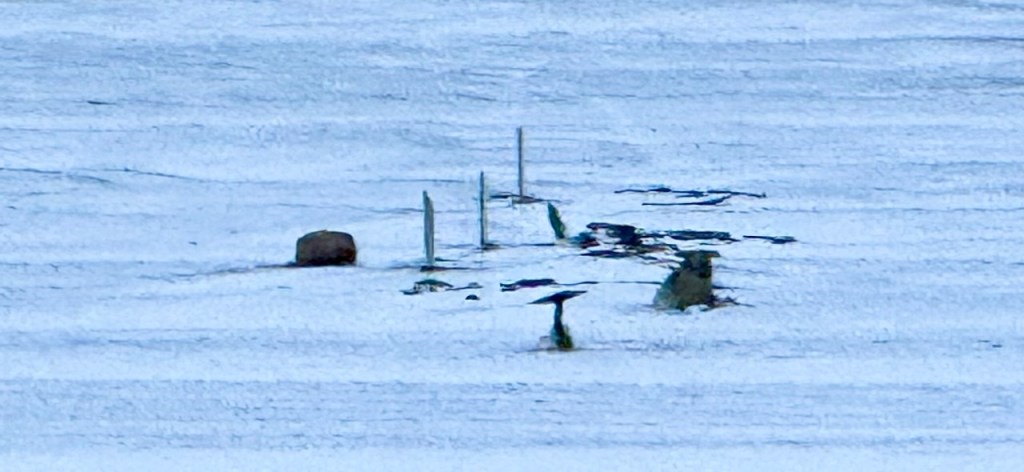
I was taking sone distance photos of the graves……
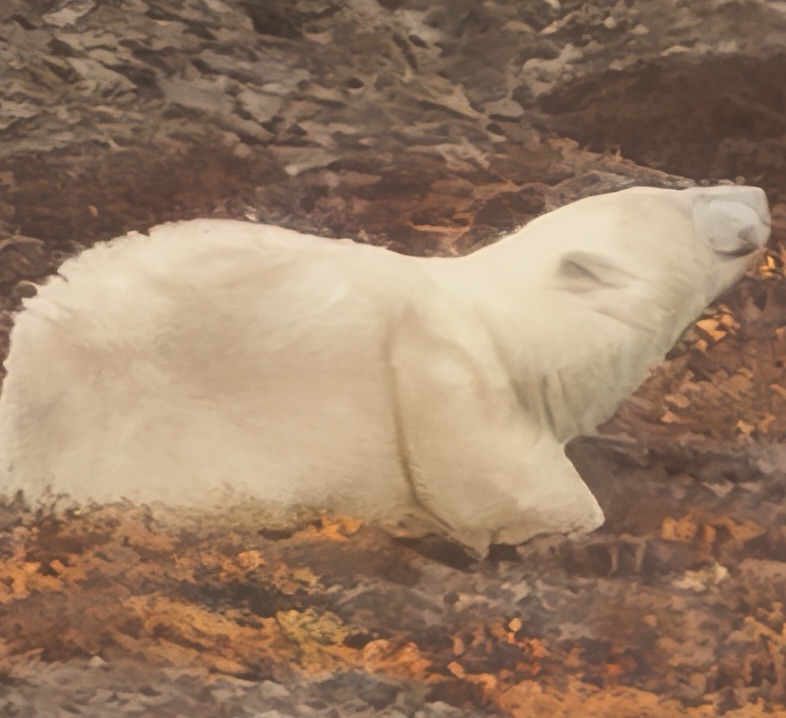
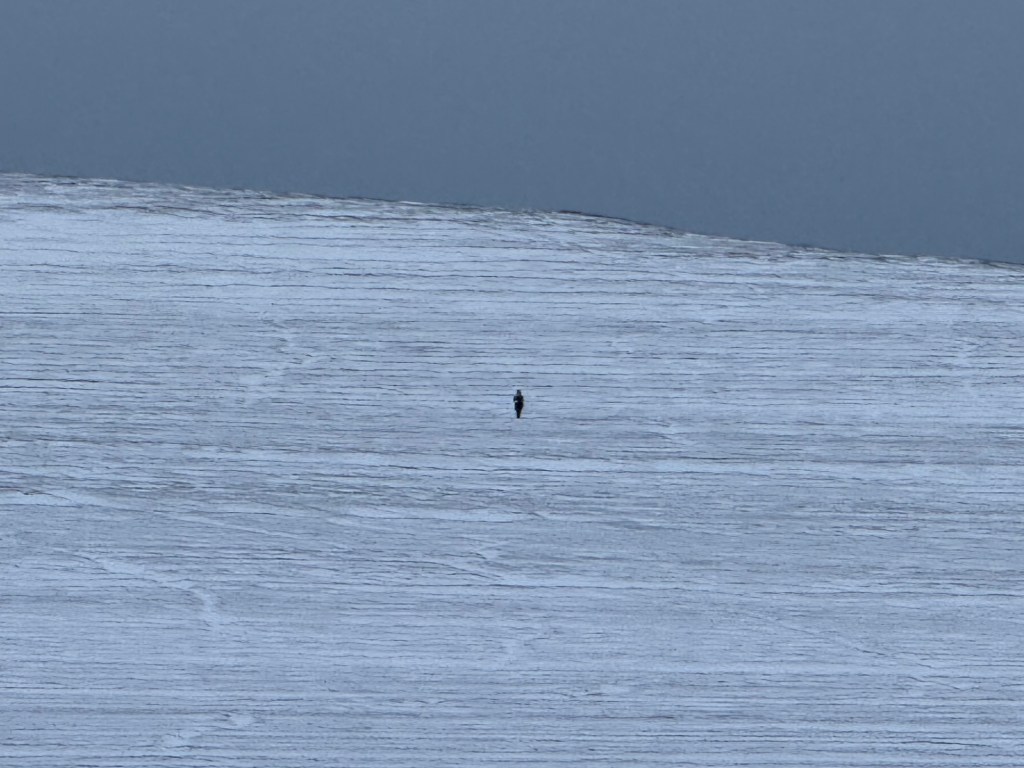
….Suddenly, the alert went up “Polar Bear! Polar Bear!” from one of the guards high on the hill.

The speed with which the HX guides got us back on the zodiacs and evacuated the island was very impressive. Adrenaline was running high!

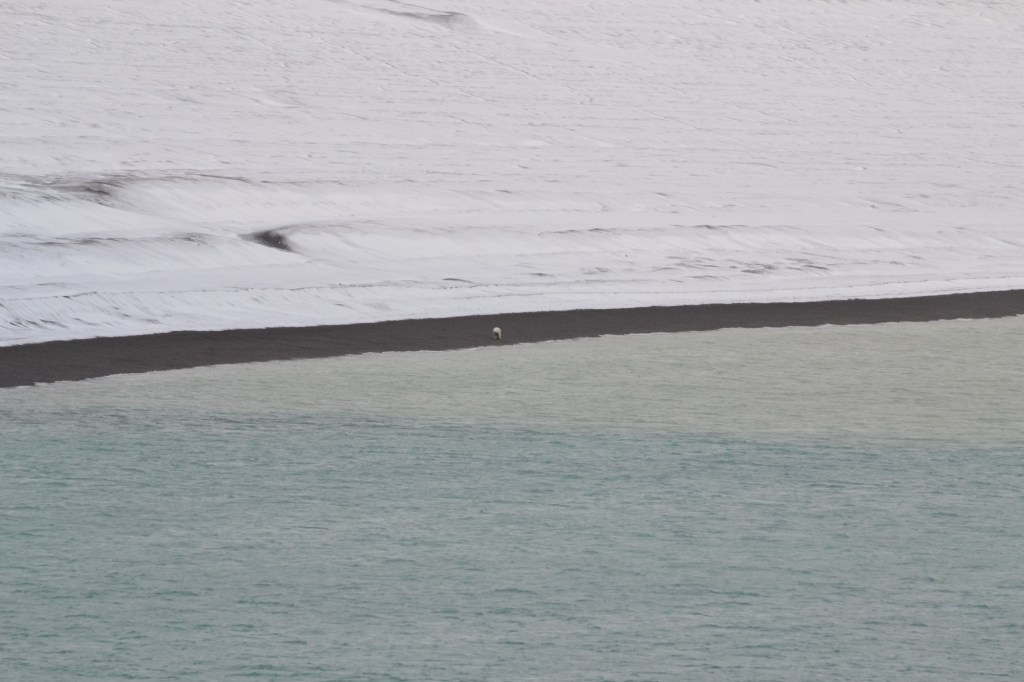
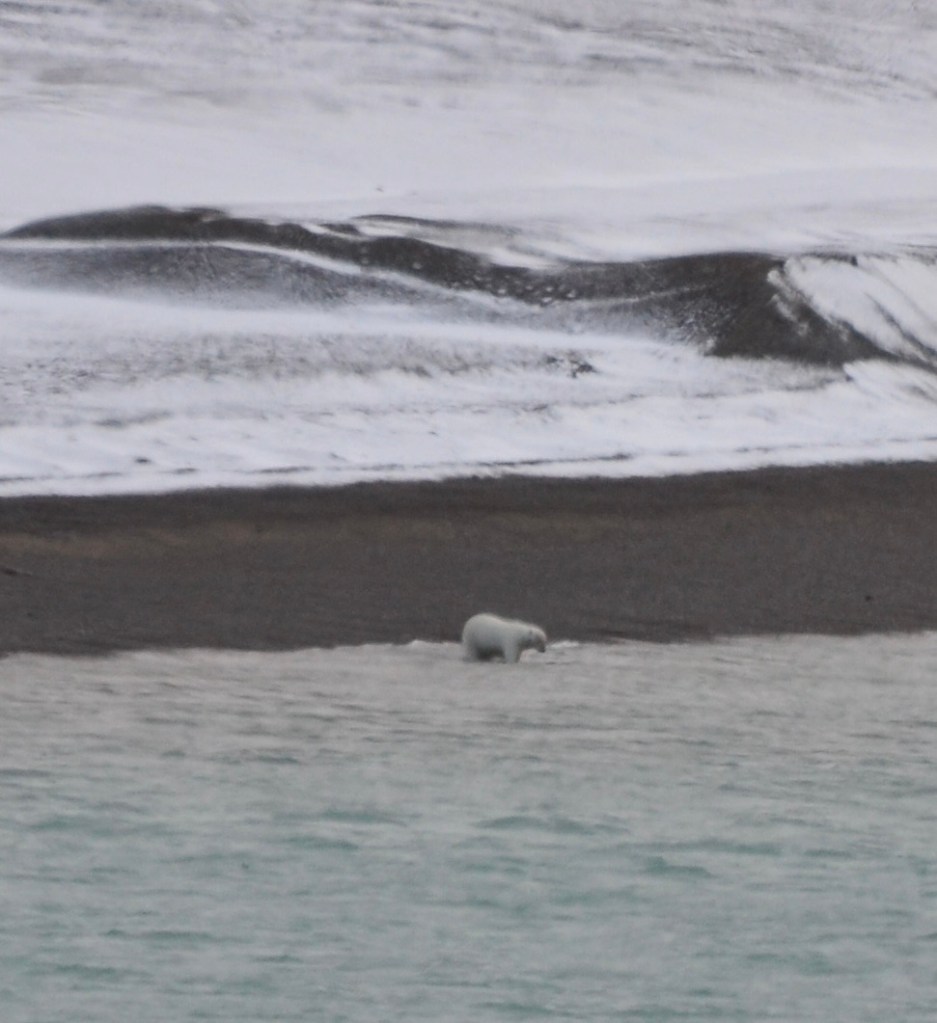
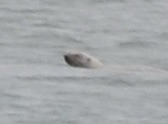
Back at the ship, we joined everyone else outside on the upper decks, following the progress of the bear. Initially, he was prowling on the shore, then went for a swim.

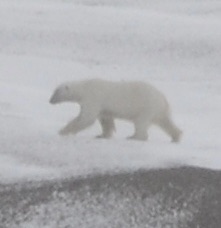
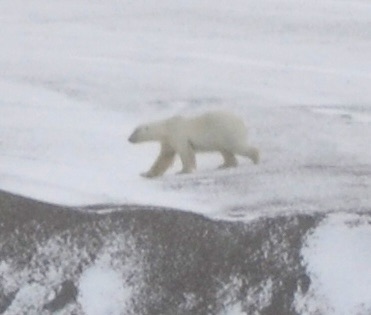
After coming back on shore, he walked adjacent to the ship for quite a while before heading inland.

The ship has just reported that the bear is now well inland and walking away from us, so we are resuming landing activities. However, we will be in very small groups and restricted to the area immediately beside the graves. No hike for us today!

What a fun morning!

Day 9 (#2): North West Passage Expedition on HX’s MV Fridjtof Nansen, August/September 2025

Evening Cruise of Maxwell Bay, Arctic Canada.

From Paul Bryers, August 25, 2025

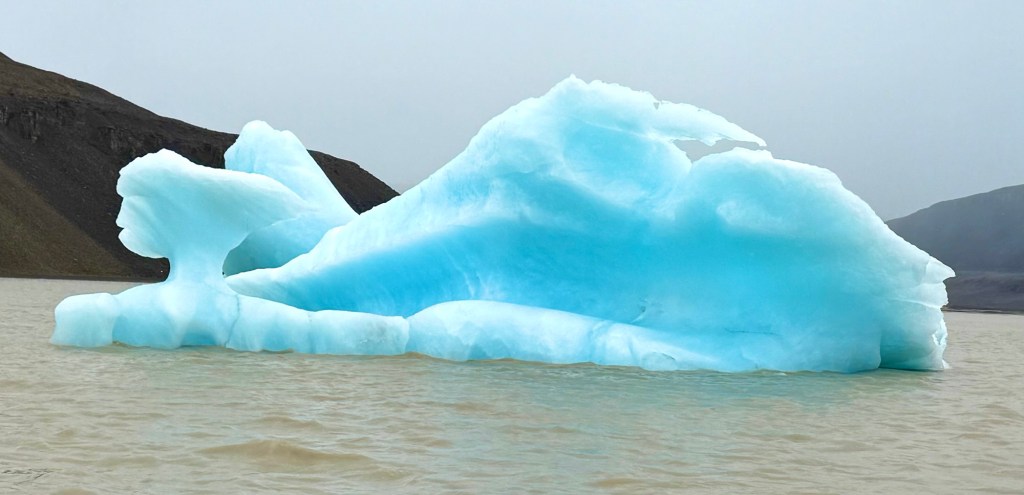
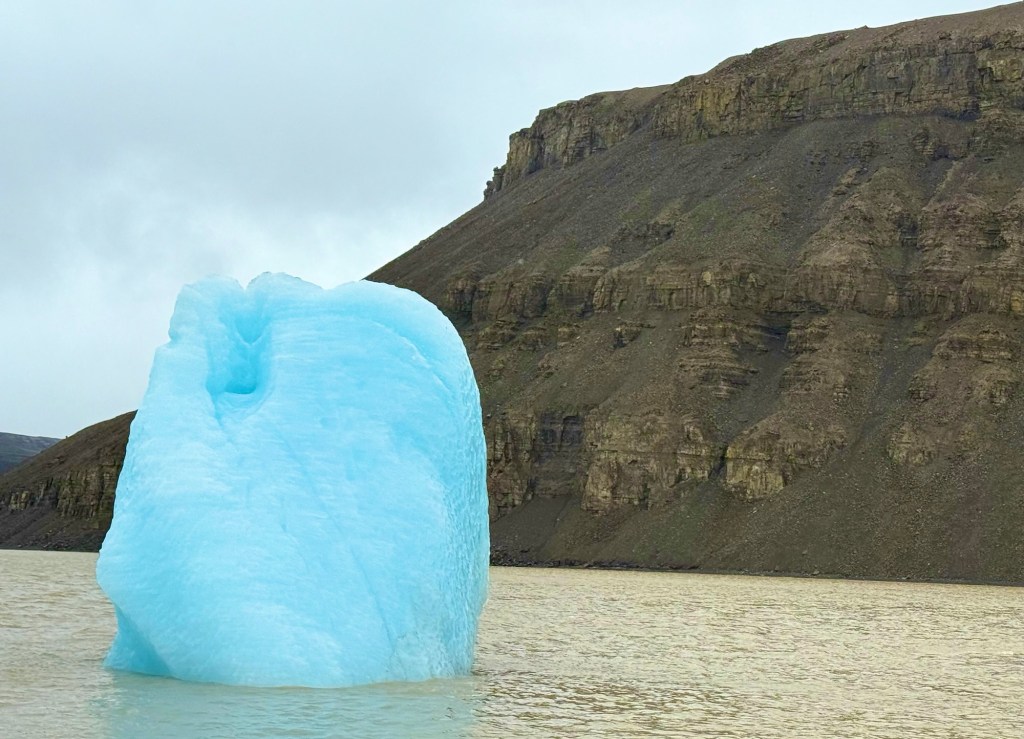
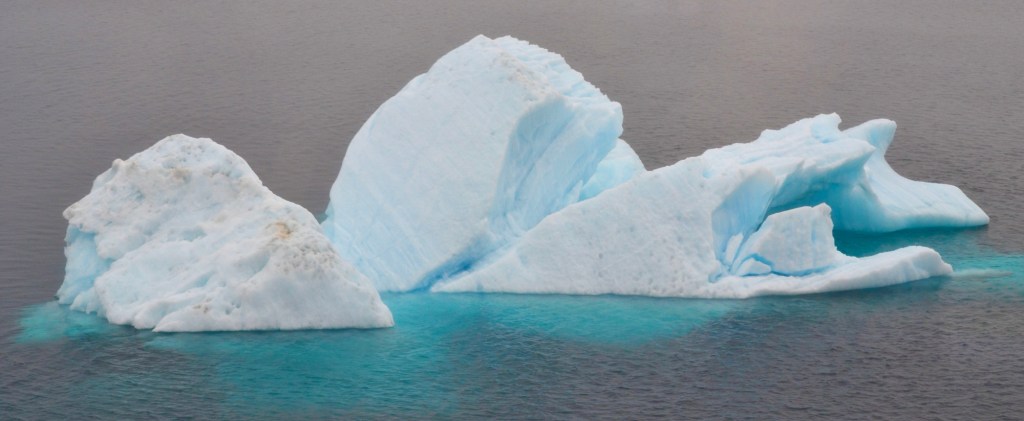
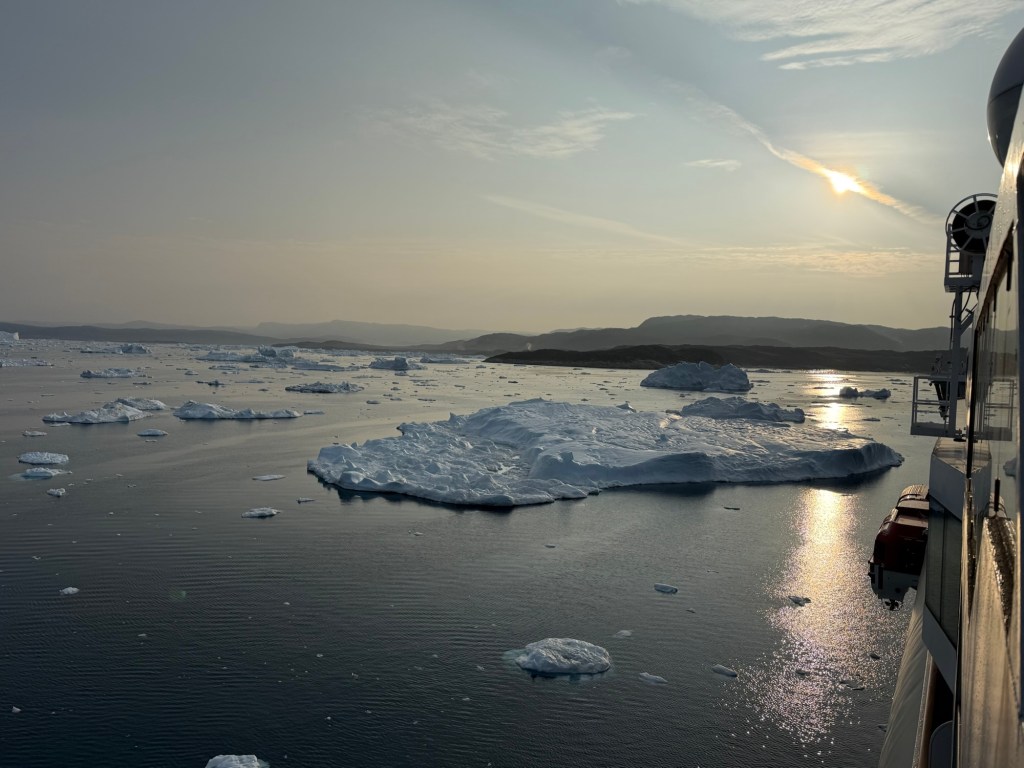
We are currently undertaking a cautious and deliberate cruise around Maxwell Bay, taking in the breathtaking mountain scenery amidst the shifting evening light. Several icebergs are dispersed throughout the area, their blue hue creating a mesmerizing spectacle of wonderland.

As we head towards Beechey Island, the excitement increases. But so does the trepidation – there are a lot of ghosts in the seas, and some are angry!

Tomorrow will be a momentous day, climbing high into the Arctic tundra and paying respects to the graves of Sir John Franklin’s failed mission. They may not respect us…..

Days 9 (#1): North West Passage Expedition on HX’s MV Fridjtof Nansen, August/September 2025

Cruising Maxwell Bay and Ryder Inlet, Arctic Canada

From Paul Bryers, August 25, 2025

While cruising in Maxwell Bay this morning, a polar bear was spotted a few hundred yards up from the shore but a good distance from our ship. Fortunately, another guest had a super lens and shared his photo; I don’t know his name but thank you sir! Since then several other polar bears have been spotted.

As the bay is largely uncharted, we are cruising at a slow pace using sonar to avoid grounding.

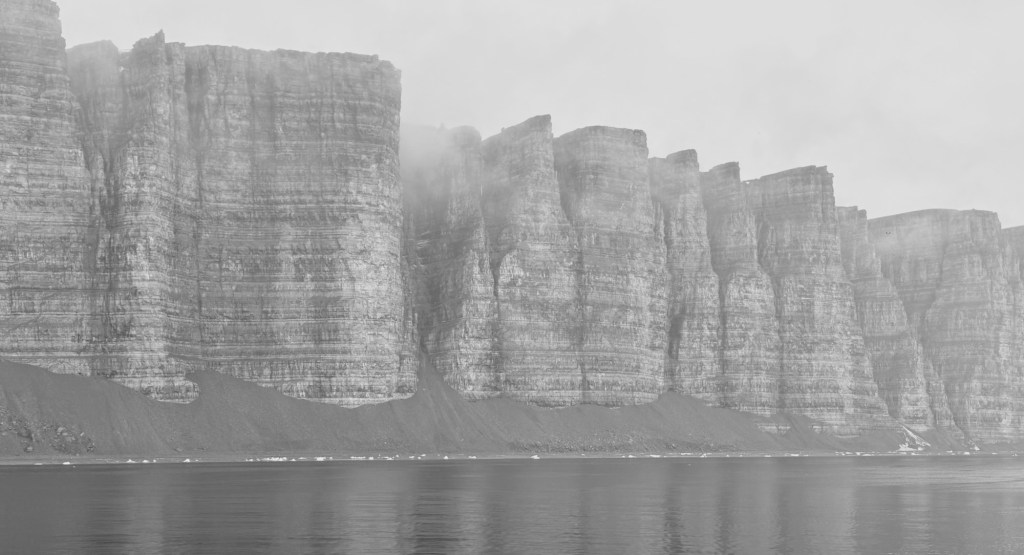
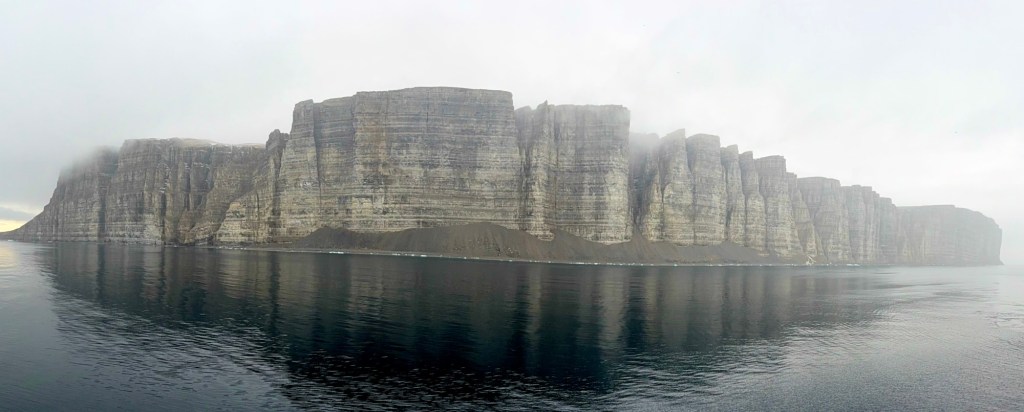
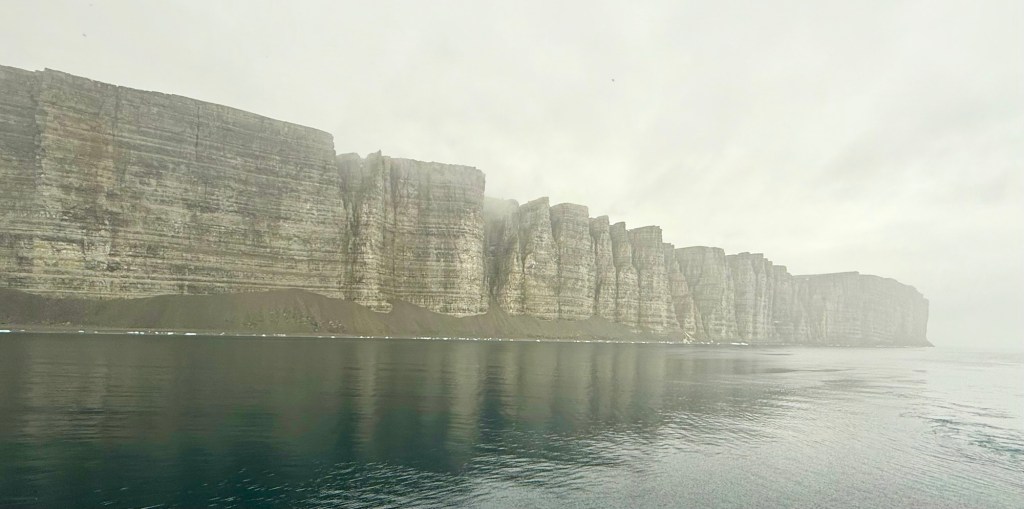
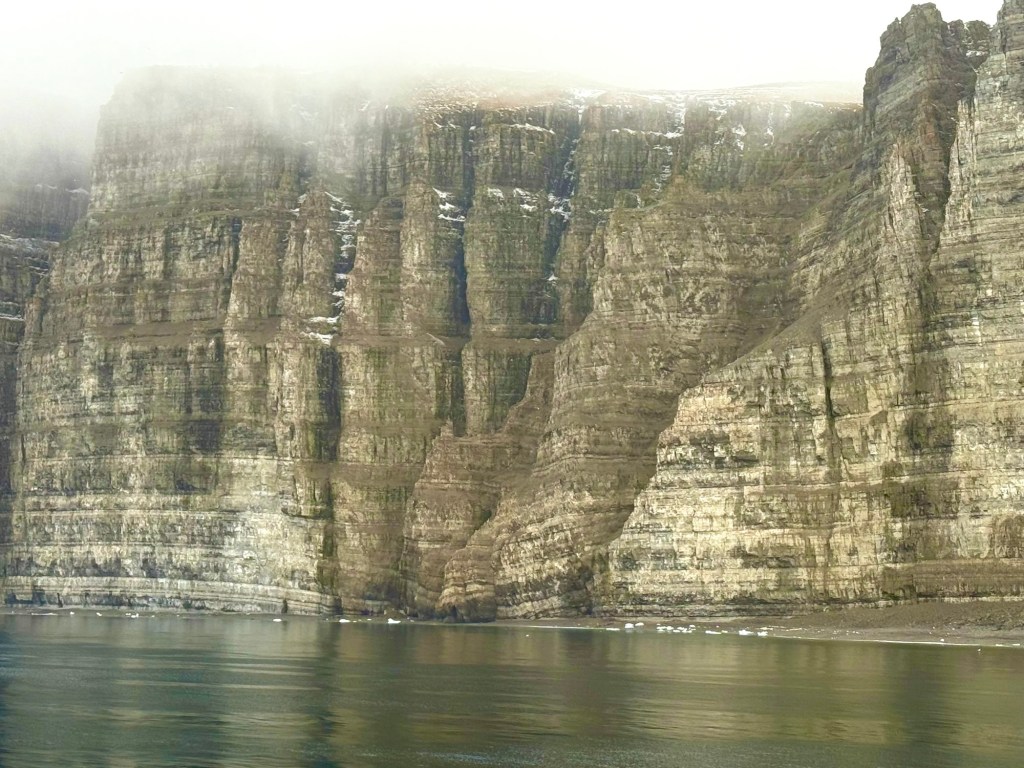
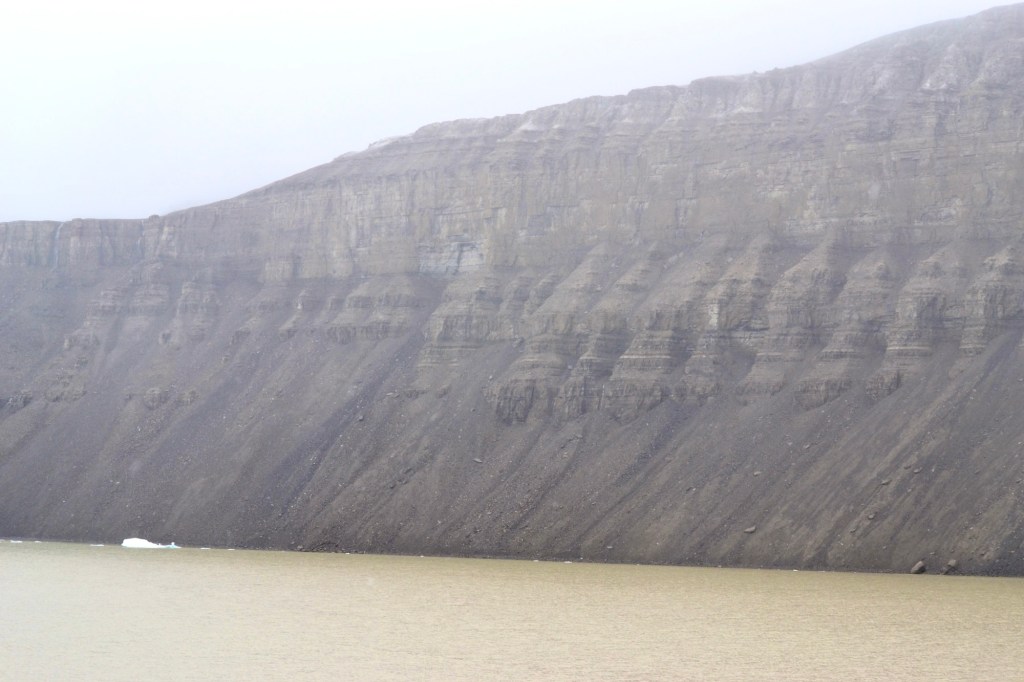
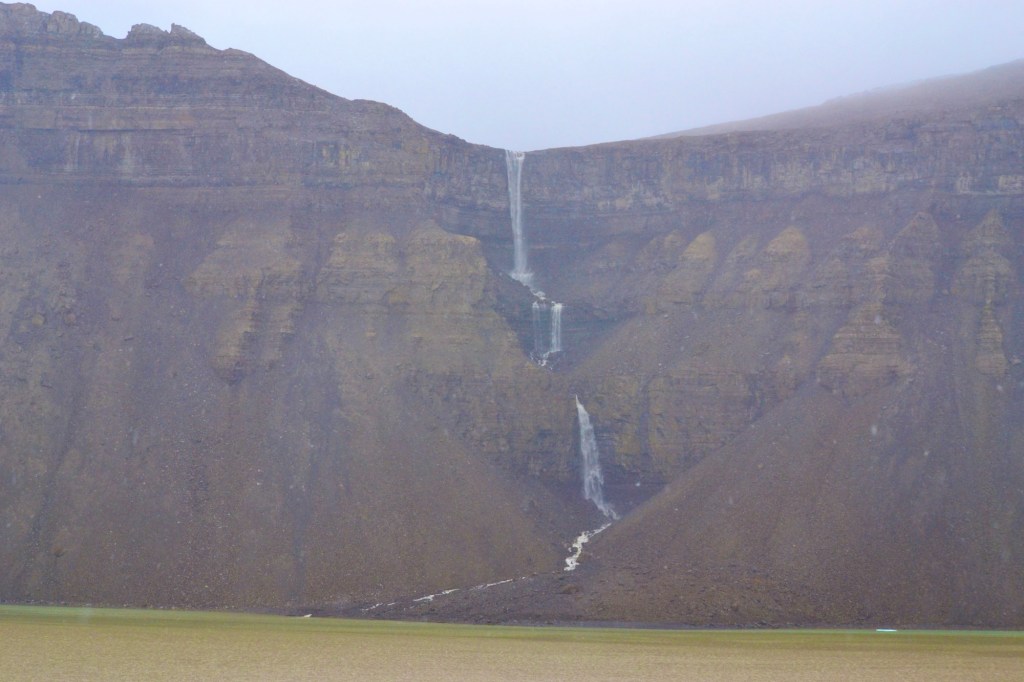
The cliffs at Ryder Inlet were vertical, beautifully striated, and seemingly completely barren. In fact, NASA comes here to trial Mars landing and roving equipment.

Despite the snow, we were able to view a magnificent waterfall cascading down the entire height of the immense cliffs.

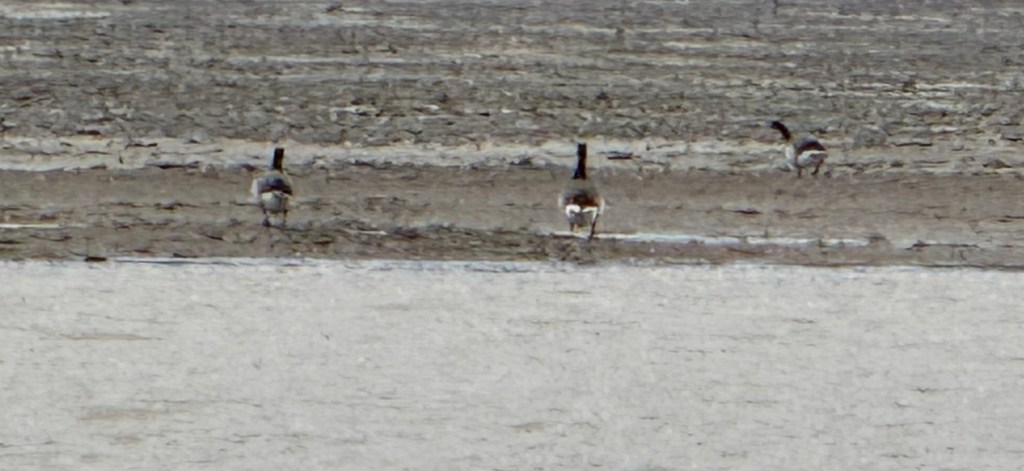
In the afternoon, we deployed the Zodiacs and attempted to reach 75°N – we seemed to get very close but grounded twice while investigating some barnacle geese and had to abort.

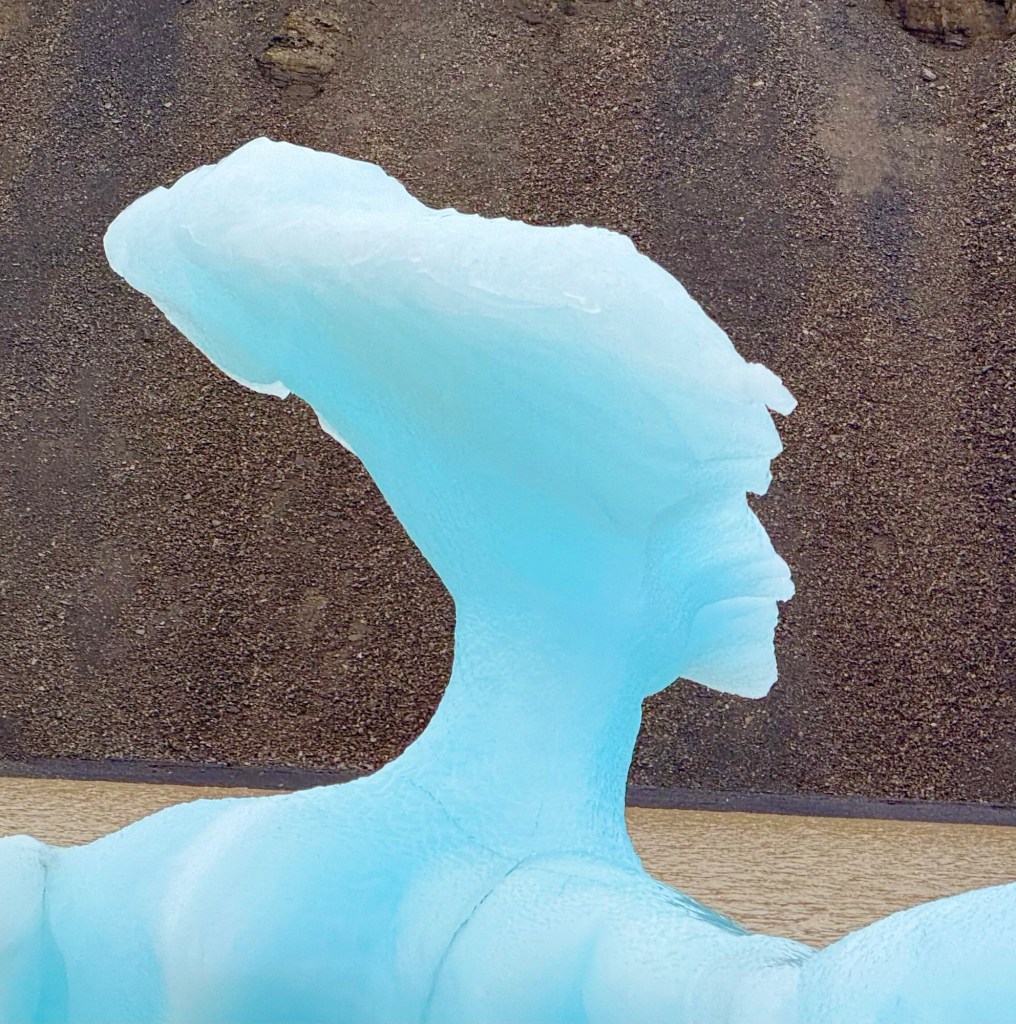
We enjoyed cruising through many intricate icebergs.

Days 8: North West Passage Expedition on HX’s MV Fridjtof Nansen, August/September 2025

Days 8: Encounter with MV Fridjtof Nansen’s sister ship the MV Roald Amundsen, Close to Maxwell Bay, Arctic Canada

From Paul Bryers, August 24, 2025

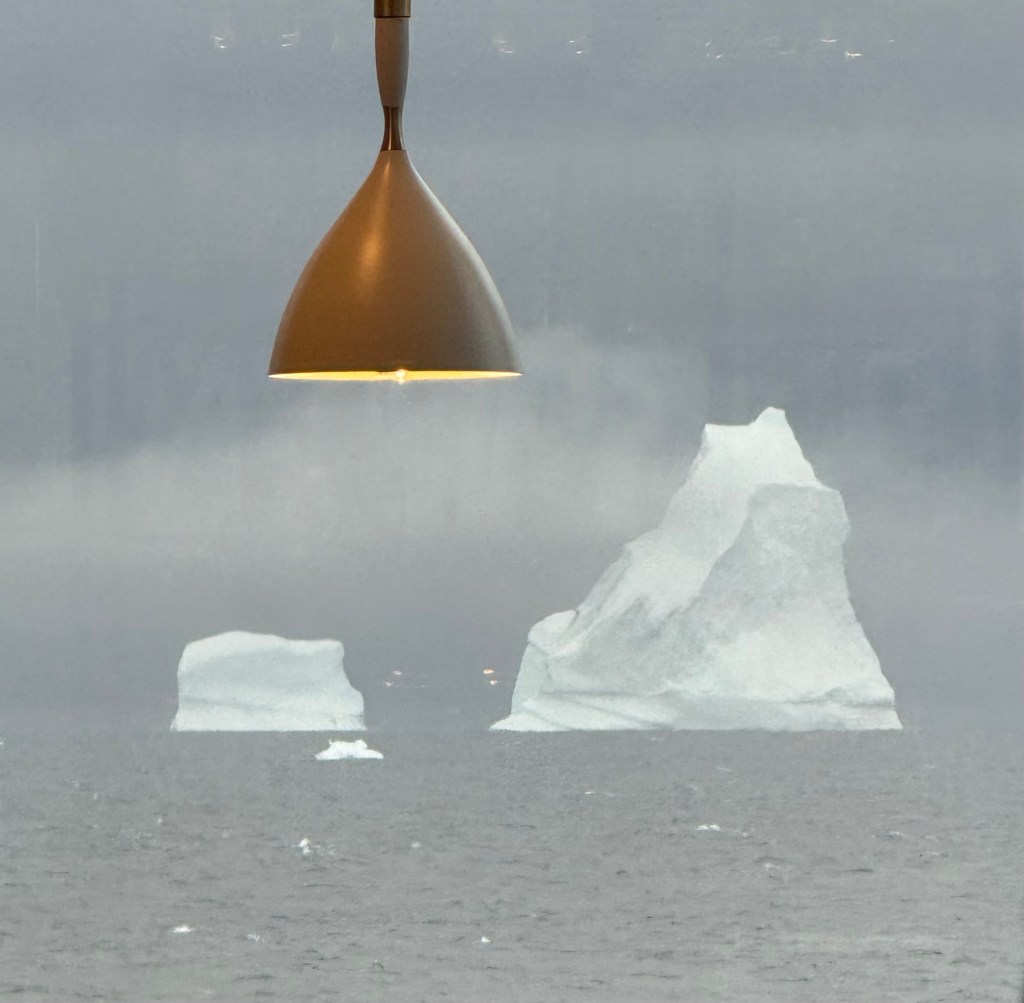
We have sailed past some impressive ice during the latter part of today, esp. some large icebergs.

Earlier this evening, we received notification that our planned Zodiac landings at Beechey Island tomorrow would be postponed due to severe adverse weather and sea ice conditions.

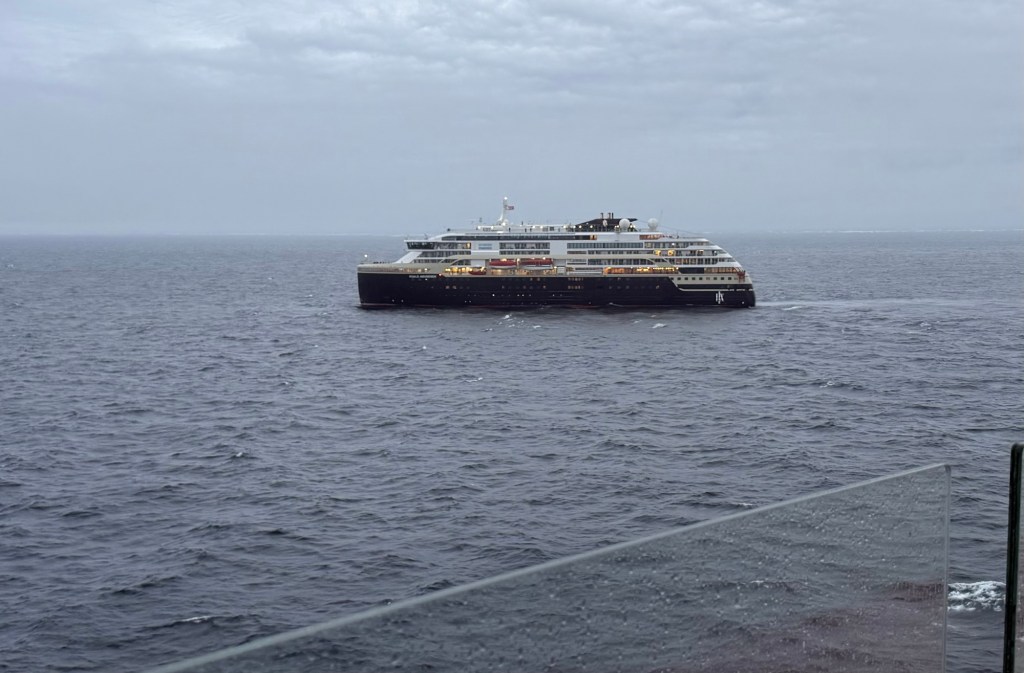
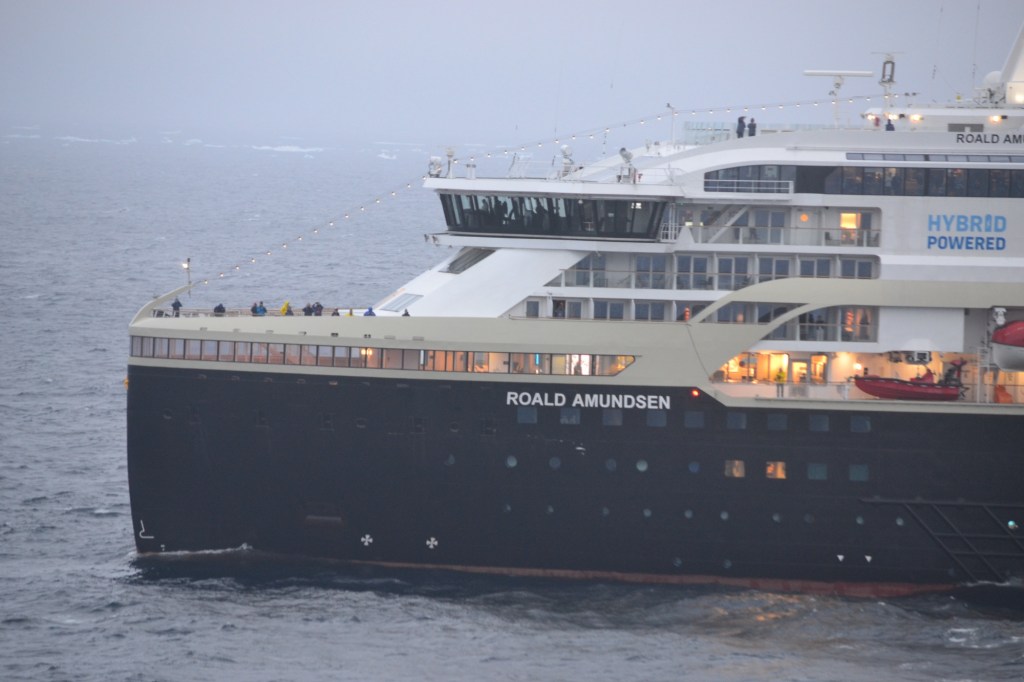
Our sister ship, the MV Roald Amundsen which is sailing the NWP from West to East, had intended to land Zodiacs earlier today at Beechy but was compelled to vacate the area immediately.

Following their safe departure from the Beechey Island area, we are currently alongside Amundsen, exchanging Zodiacs, life jackets, and food reserves due to regulatory differences between the US and Canada, as well as the need to replenish our supplies.

Instead of proceeding to Beechey, we will navigate into Maxwell Bay tonight to seek shelter and cruise around the area tomorrow until the storm subsides, allowing us to potentially reach Beechey on Tuesday morning.

The next few days promise to be intriguing.

Days 8: North West Passage Expedition on HX’s MV Fridjtof Nansen, August/September 2025

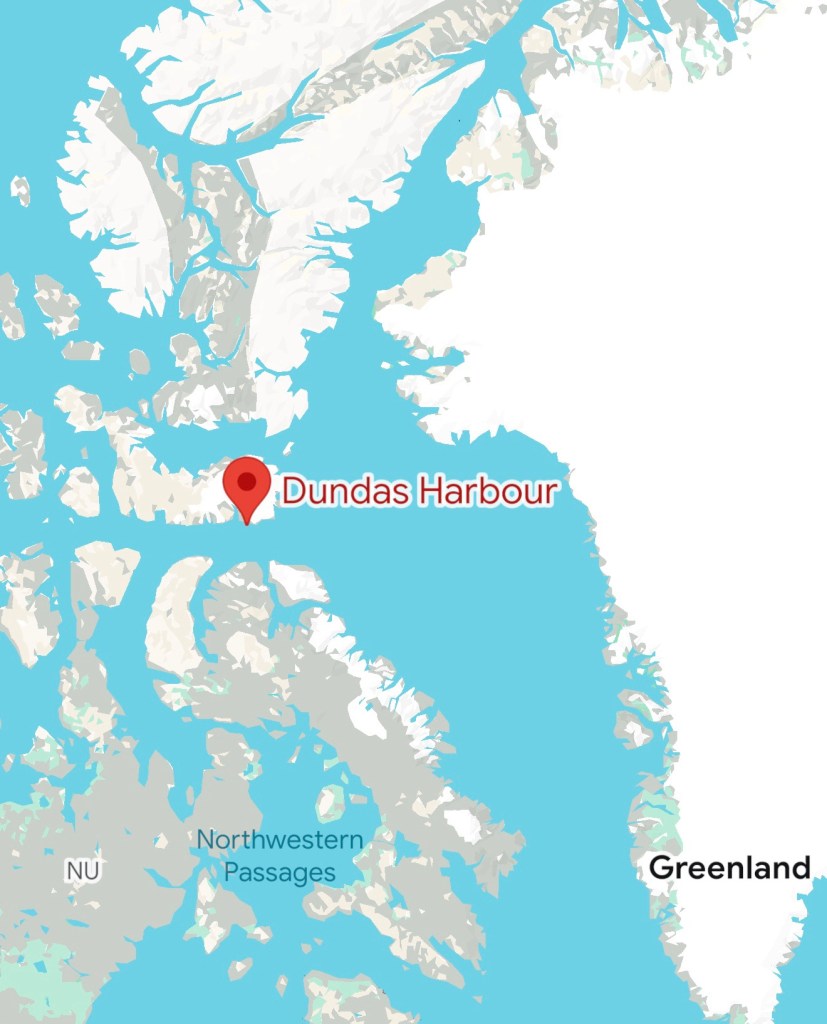
Days 8: Dundas Harbor, Devon Island, Arctic Canada

From Paul Bryers, August 24, 2025

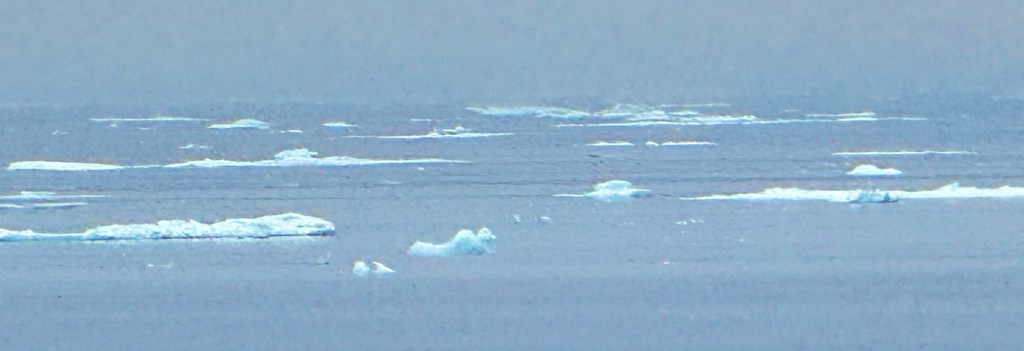
This morning, we encountered broken sea ice while approaching Devon Island.

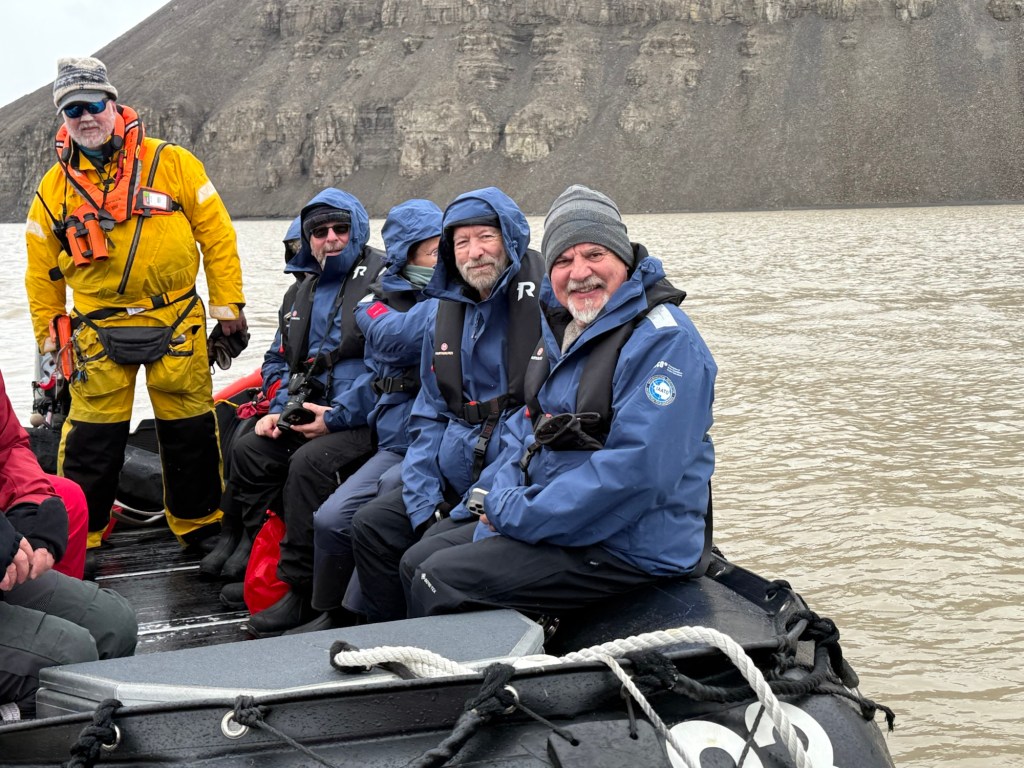
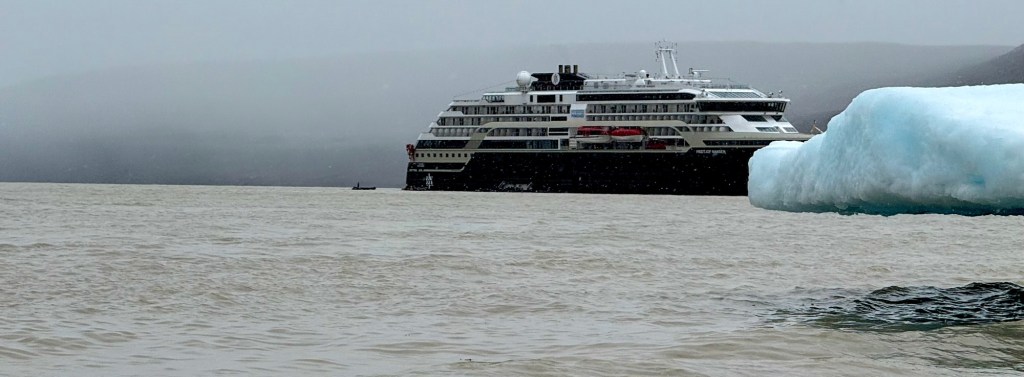
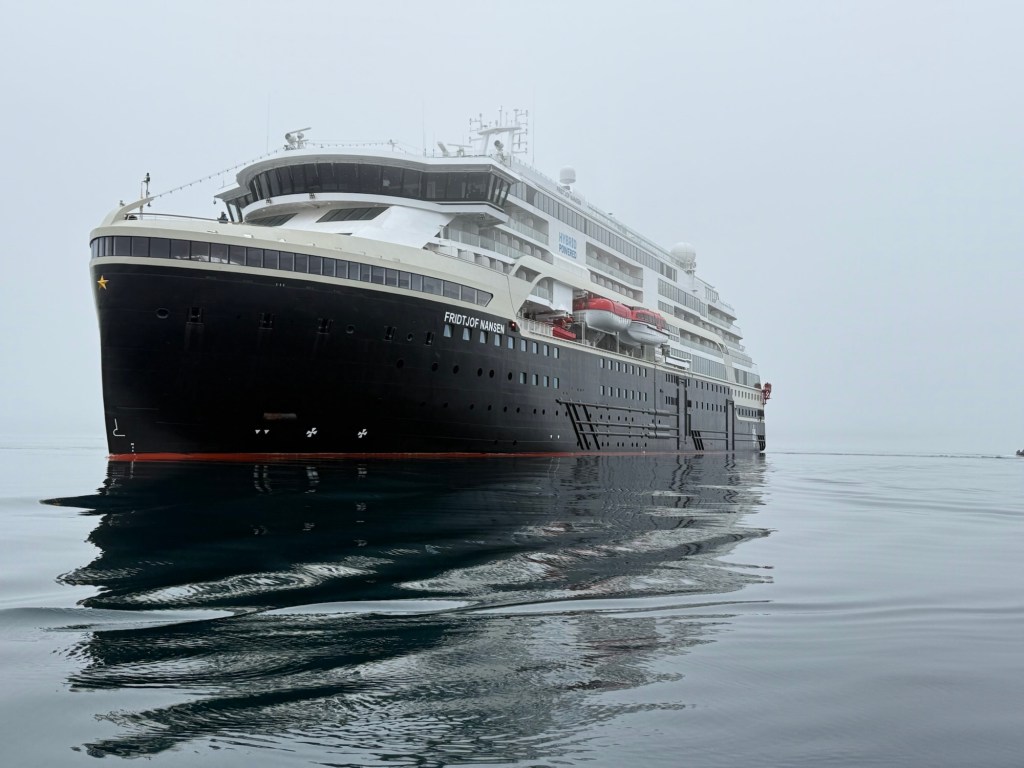
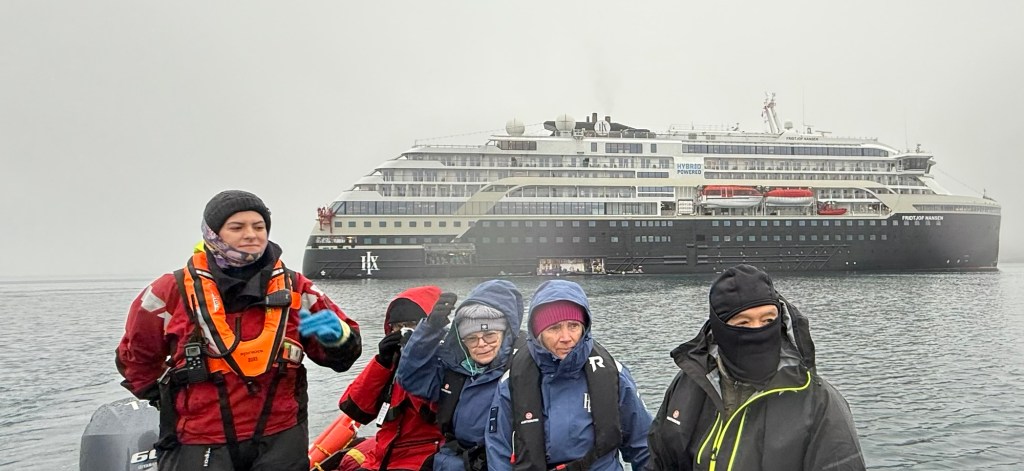
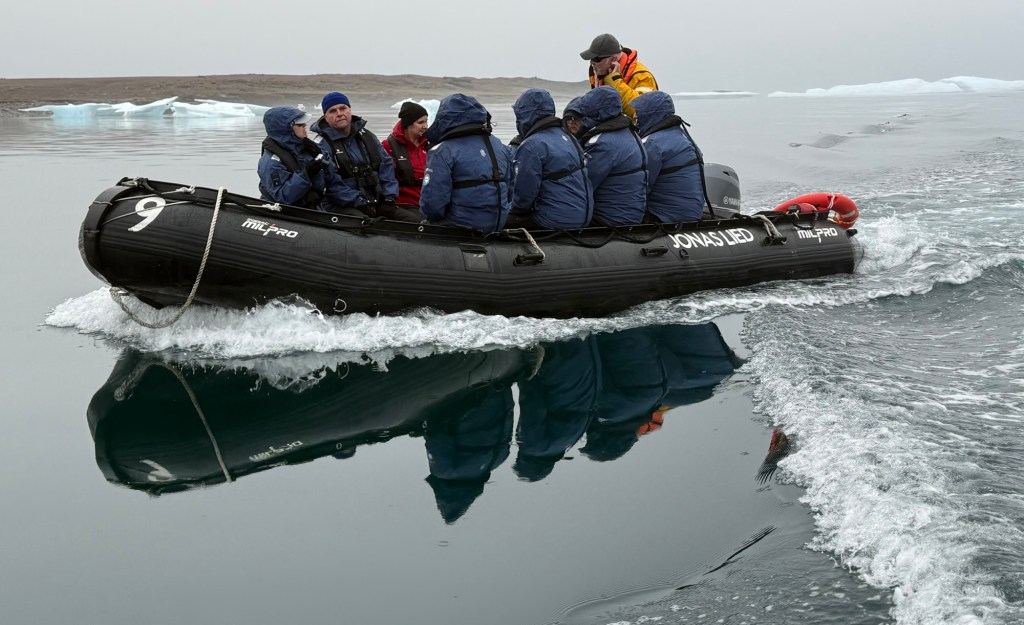
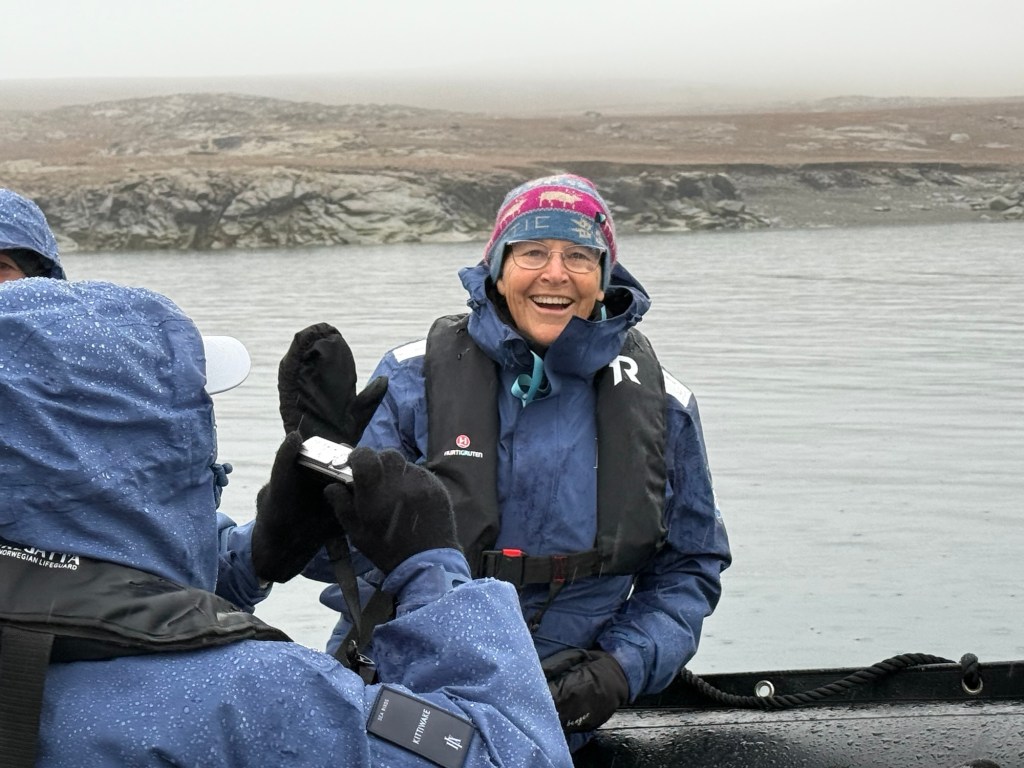
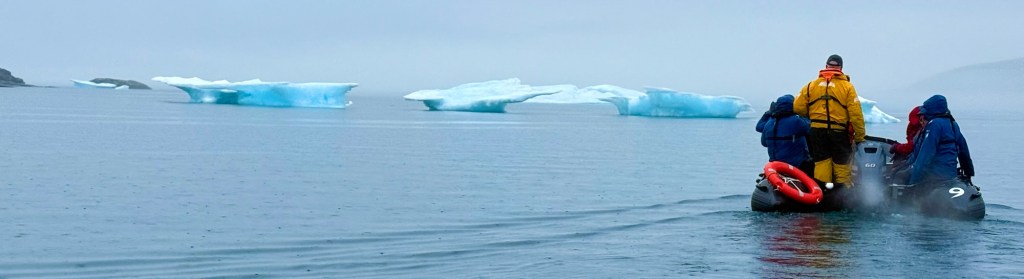
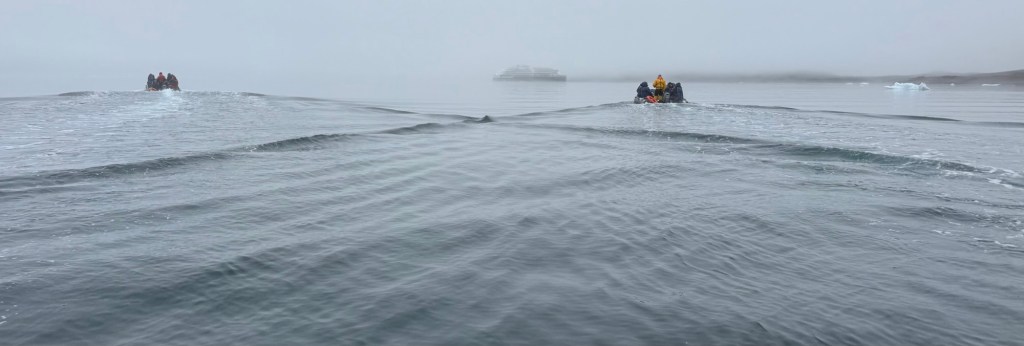
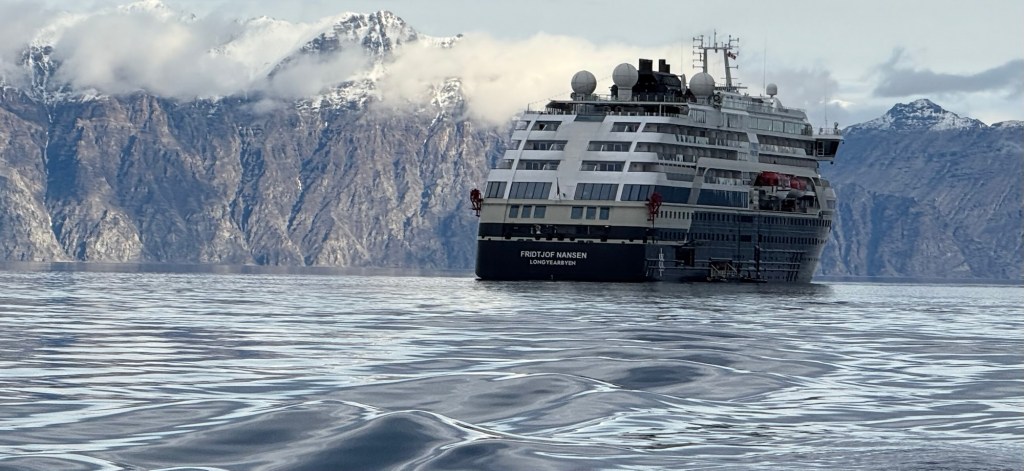
Despite the misty, wet, and cold conditions, we boarded our Zodiacs, taking in the views of our vessel, HX’s MV Fridtjof Nansen, as well as playing silly buggers with other Zodiacs.

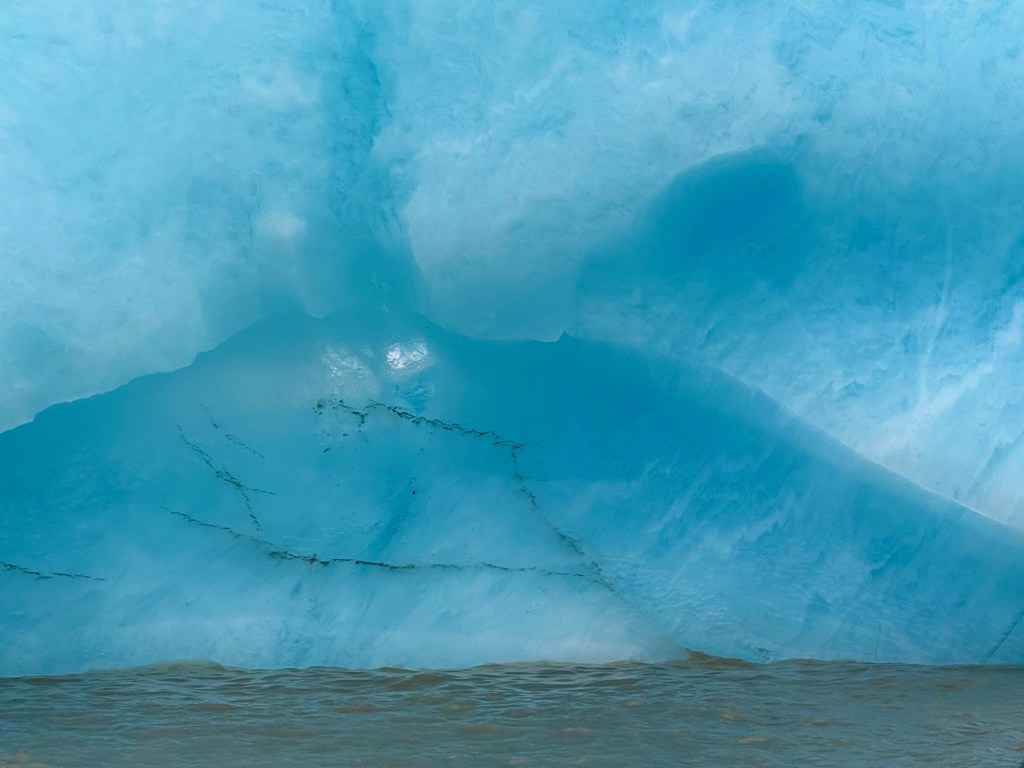
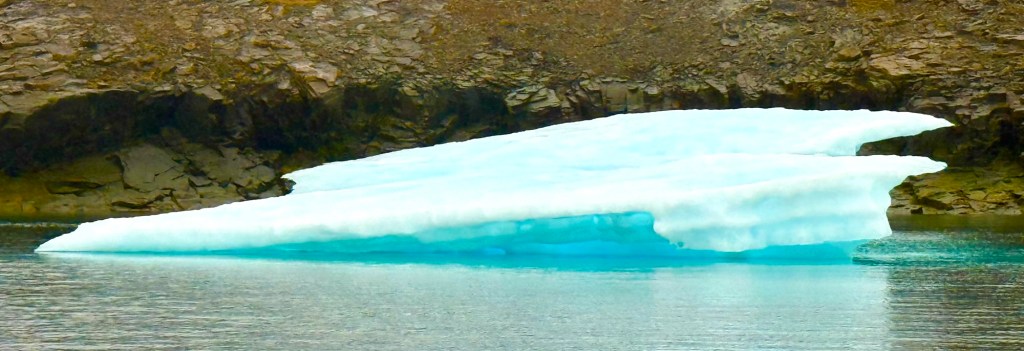
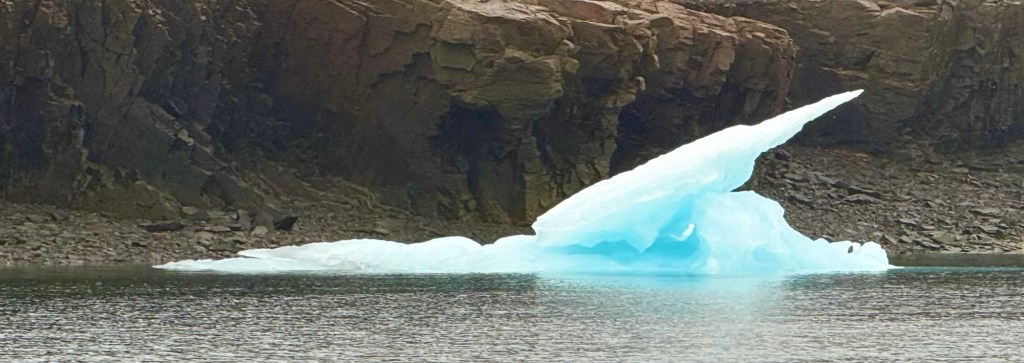
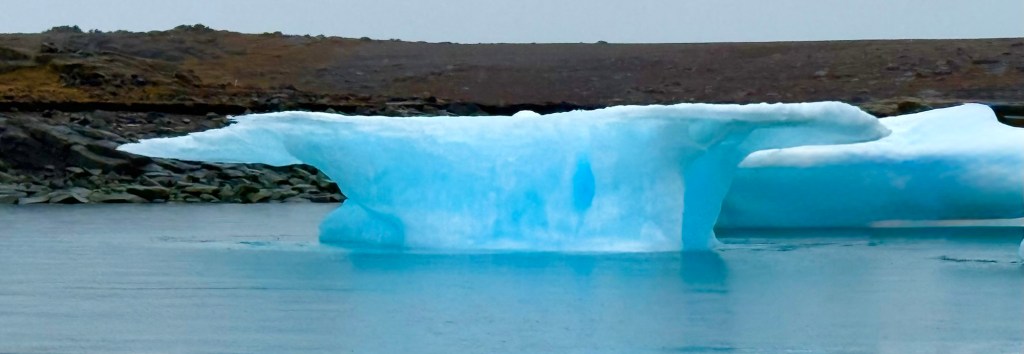
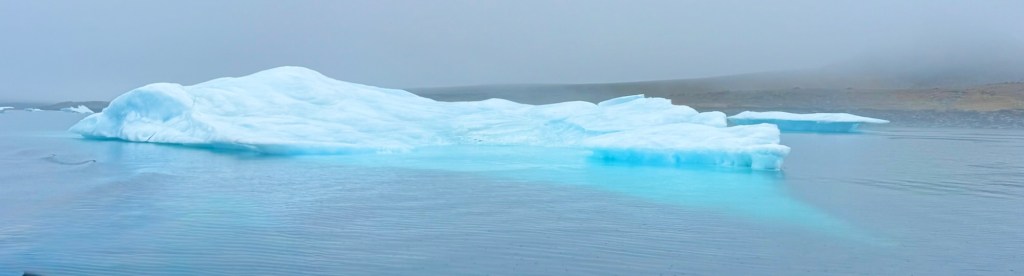
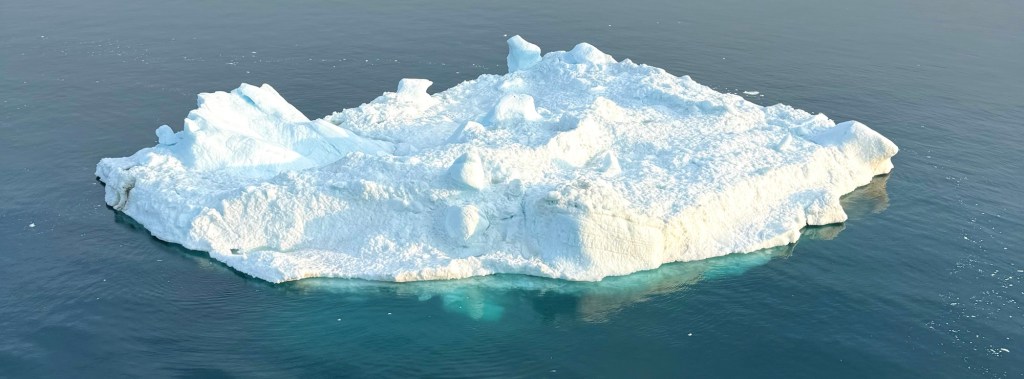
We then proceeded to closer investigate icebergs sculpted into intricate shapes by the lapping seawater.

For our entertainment, the rain created surreal patterns on the calm seawater.

We did not spot any polar bears, which was perhaps fortunate, as the presence of bears would have necessitated an immediate return to the ship.

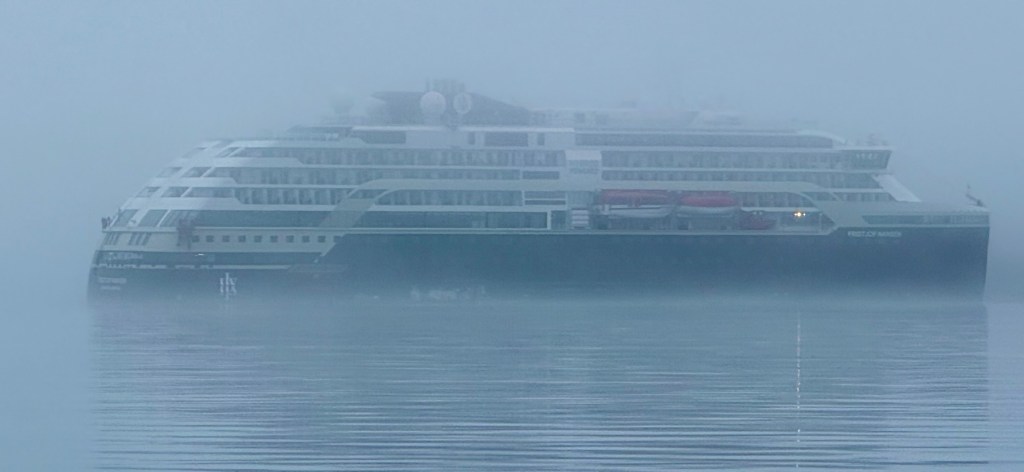
Instead, we were treated to odd waves and stunning views of the vessel amidst the swirling fog.

While returning to the ship, we passed a group of kayakers embarking on a paddle, a commendable endeavor.

Days 7: North West Passage Expedition on HX’s MV Fridjtof Nansen, August/September 2025

Days 7: Pond Inlet, Nunavut, Artic Canada

From Paul Bryers, August 23, 2025

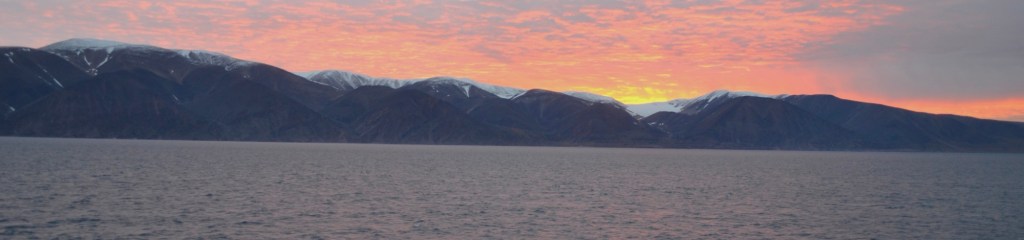
A stunning sunrise welcomed us as we completed our crossing of Baffin Bay, arriving at Pond Inlet around 7 am.

The inlet’s surrounding mountains were magnificent with many white capped ranges and glaciers ploughing their way down to their tidal termini and releasing icebergs.

The town itself, Pond Inlet, is part of Nunavut, the largest and northernmost territory of Canada.  It was separated officially from the NW Territories via varies Acts in April 1999. These Acts, provided the Nunavut territory to the Inuit for self-government.

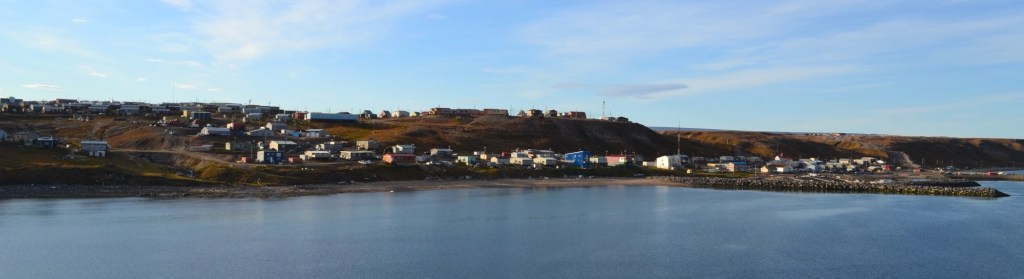
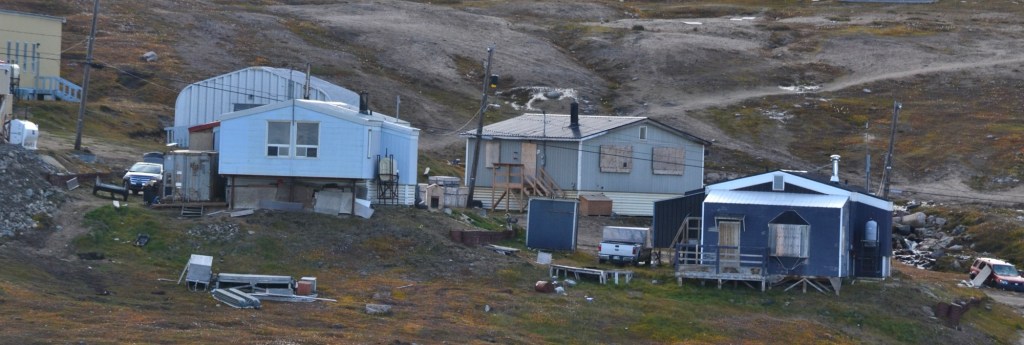
The town is small with a population of around 1550. The buildings are predominantly cabins with additional community structures.

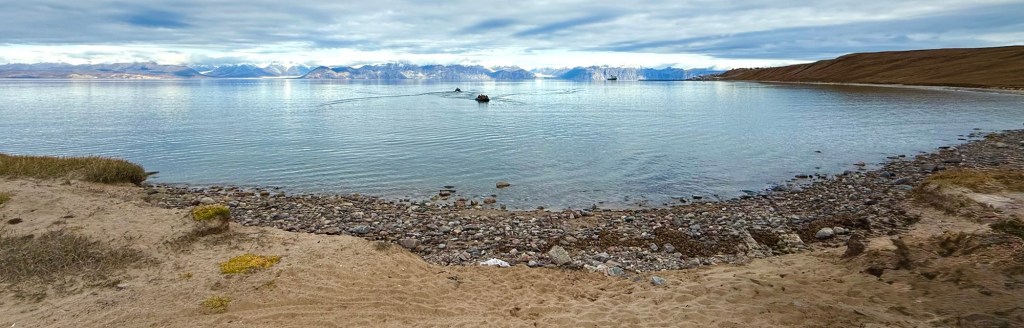
In the afternoon, some of us embarked on the Zodiacs to land away from the town and walk along a beach to the Salmon River.

The best part of this excursion was the view towards the mountains.

The hike itself was quite disappointing as it just involved trudging along a smelly sea weed beach to the outlet of the Salmon River. To be fair to HX, these excursions are new and very difficult to organize with the locals – it takes a lot of time and patience. There is clearly an opportunity for improvement.

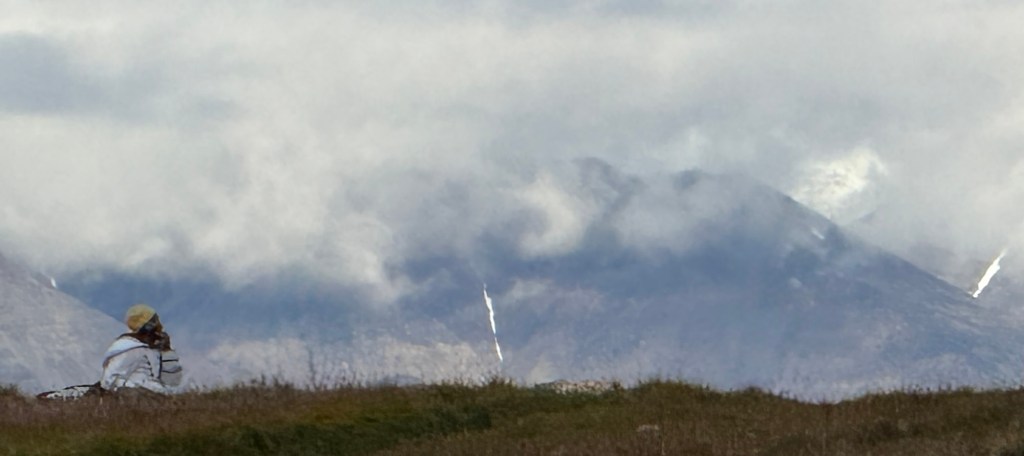
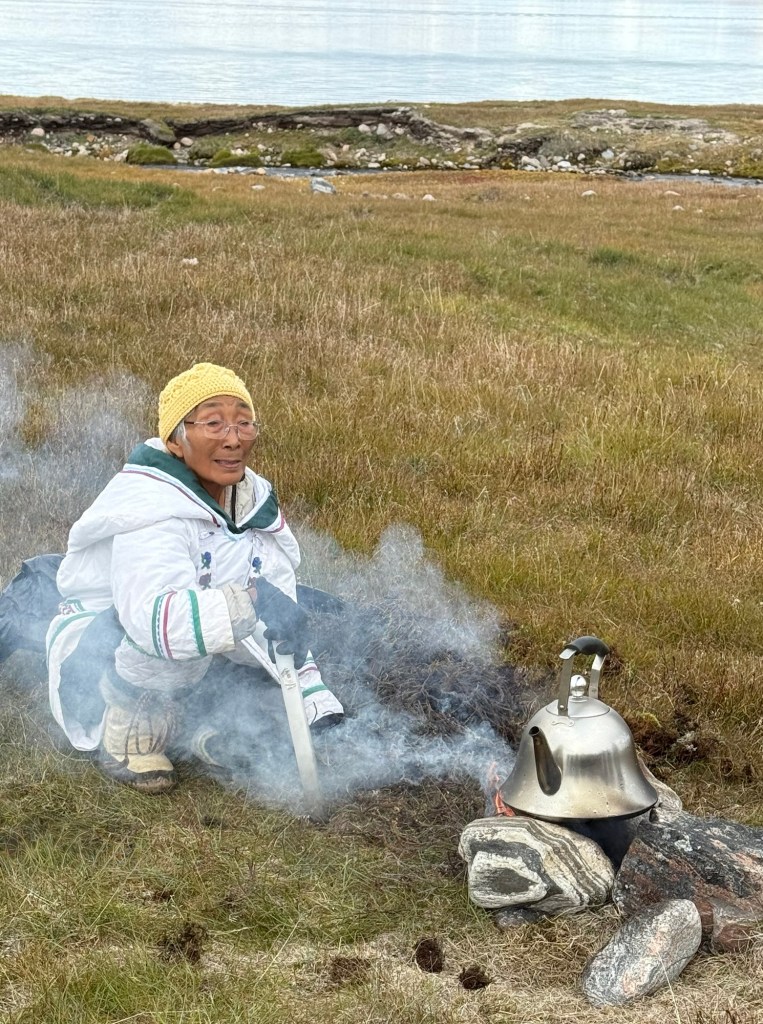
Nevertheless, the Salmon Creek was pretty and we were offered tea by a woman who just happened to be sitting in the Arctic Tundra – unfortunately she had only boiling water, no tea or cups; it’s the thought that counts.

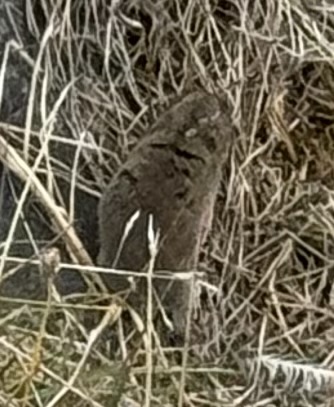
We spotted a lemming…

…some loons…

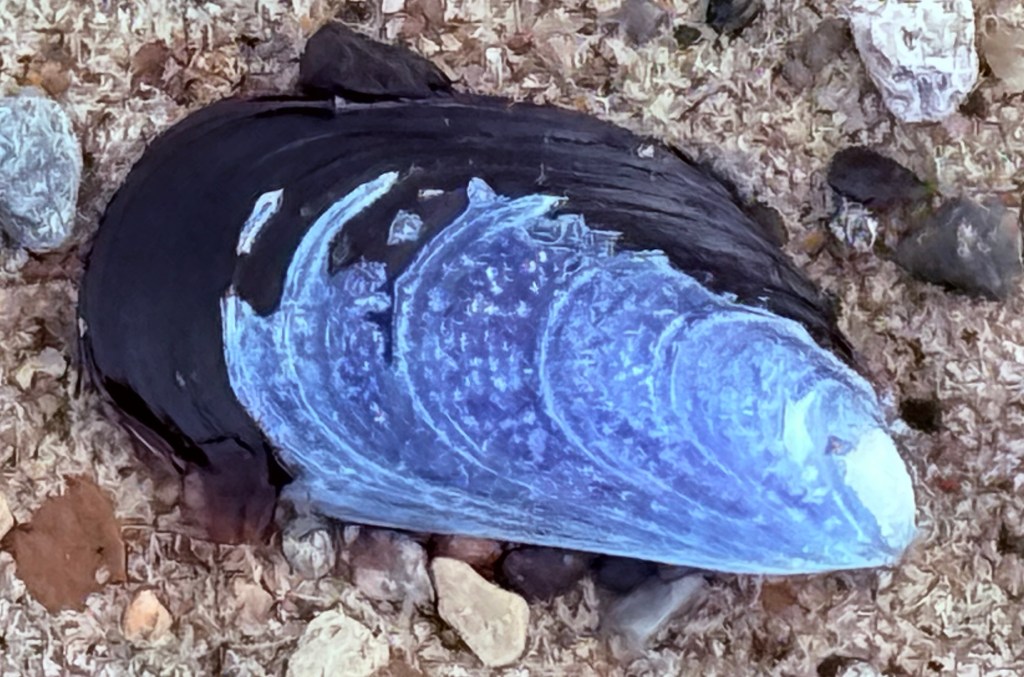
…..some nice shells….

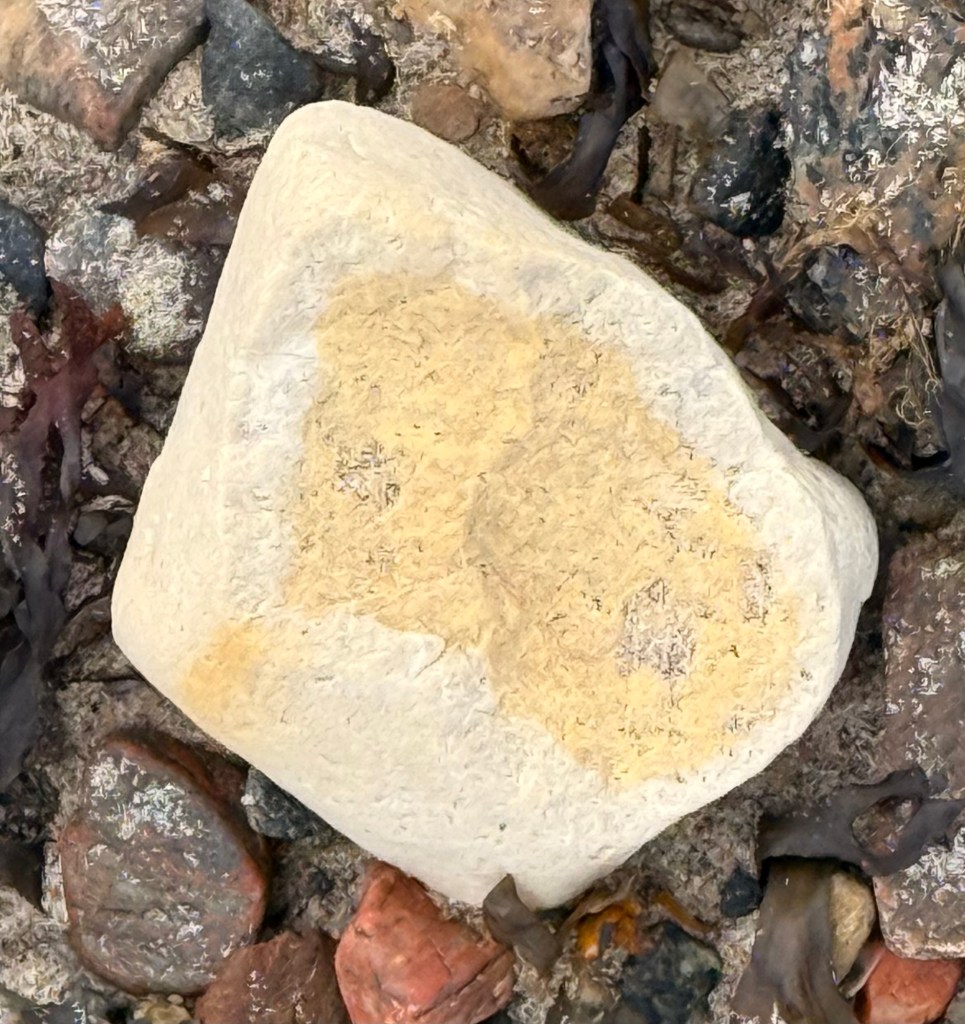
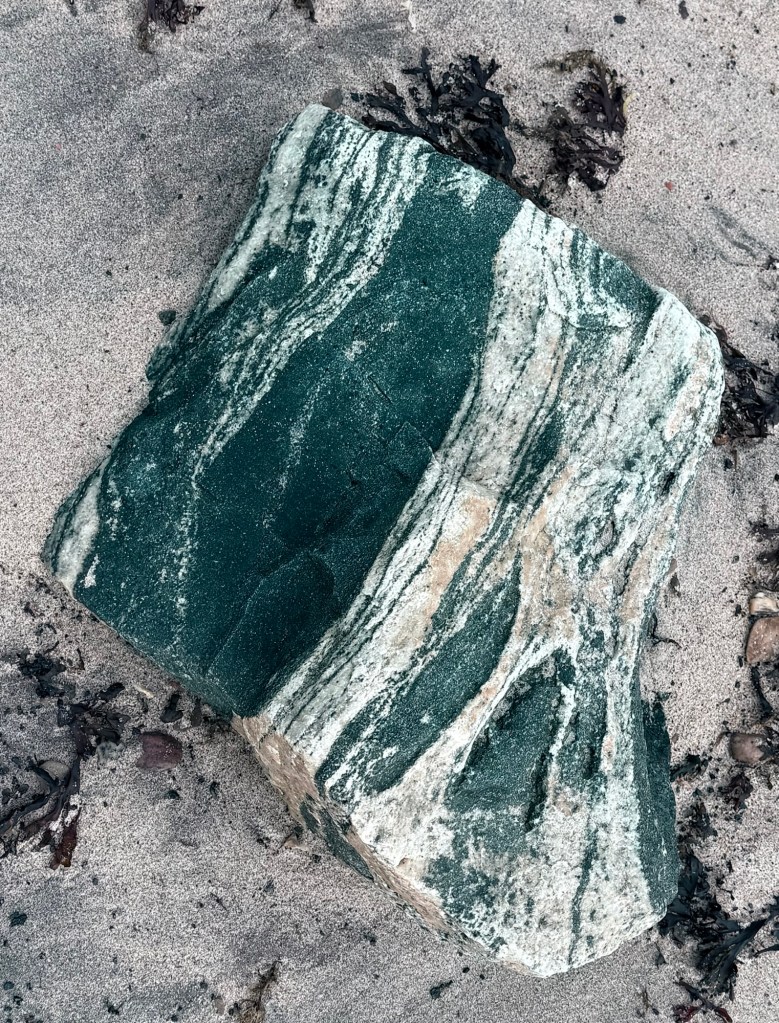
….some nice stones…

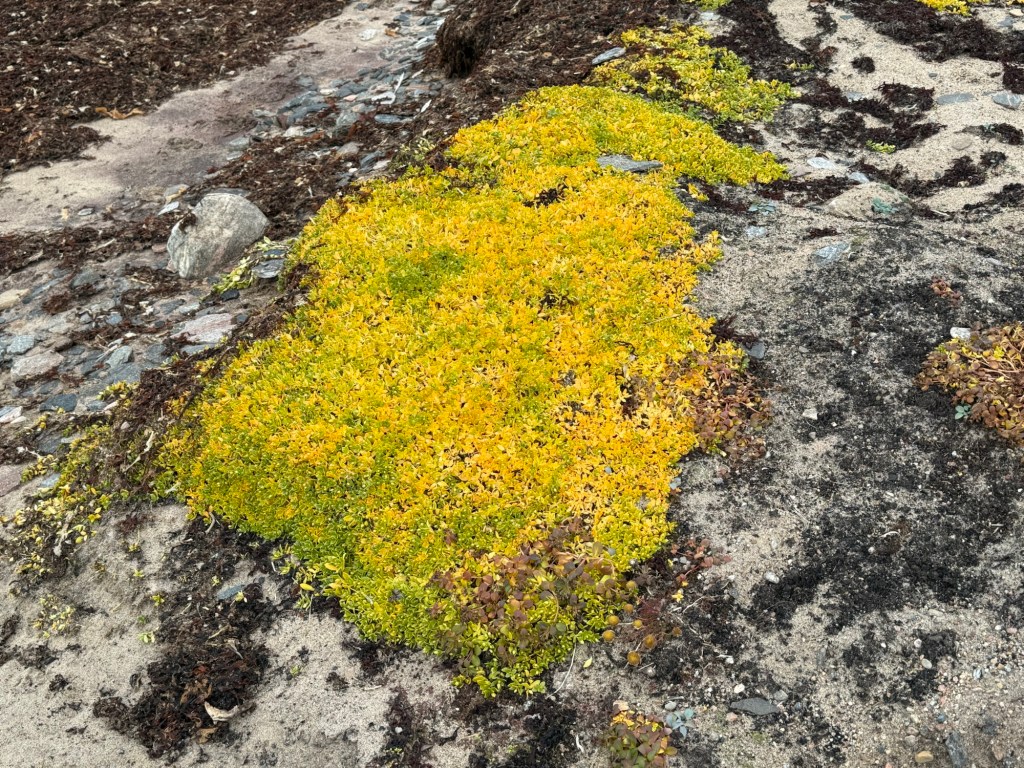
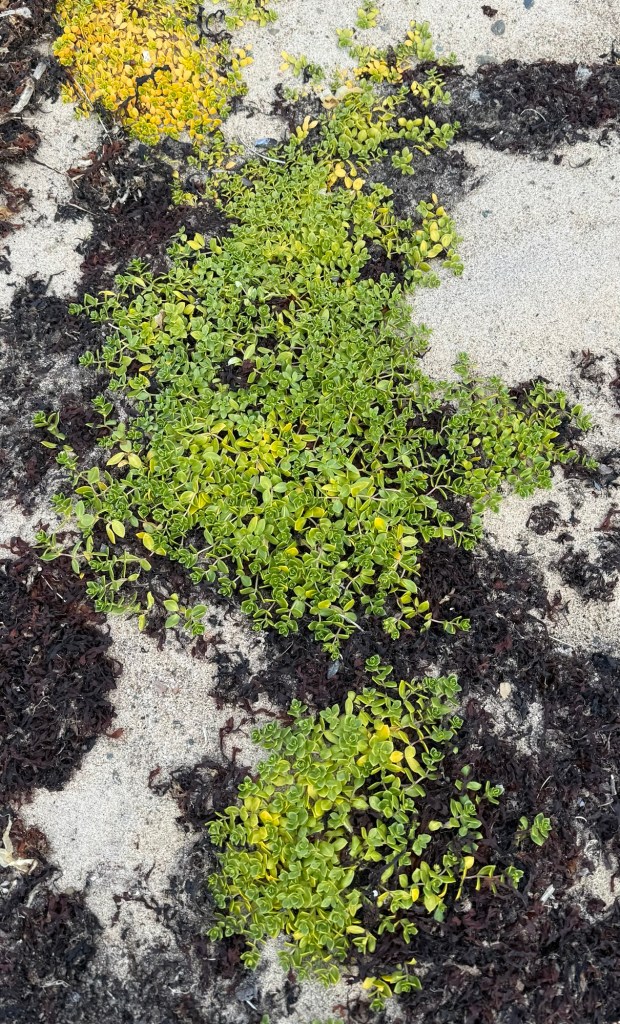
….and some pretty lichens and ground plants…

All in all, another great day in the Arctic.

Days 5-6: North West Passage Expedition on HX’s MV Fridjtof Nansen, August/September 2025

Days 5-6: Cruising from Ilulissat, Greenland to Pond Inlet, Canadian Arctic

From Paul Bryers, August 21-22, 2025

We spent the last 2 days cruising from Ilulissat, Greenland to Pond Inlet in the Canadian Arctic.

We encountered a mix of weather with regards to sun but the whole crossing has been boringly calm. One moment complete fog then we burst out of the fog like a naughty Haggis on a hot date.

Fog!!
Escaping the fog bank!
Sunlight!
Dating Haggi

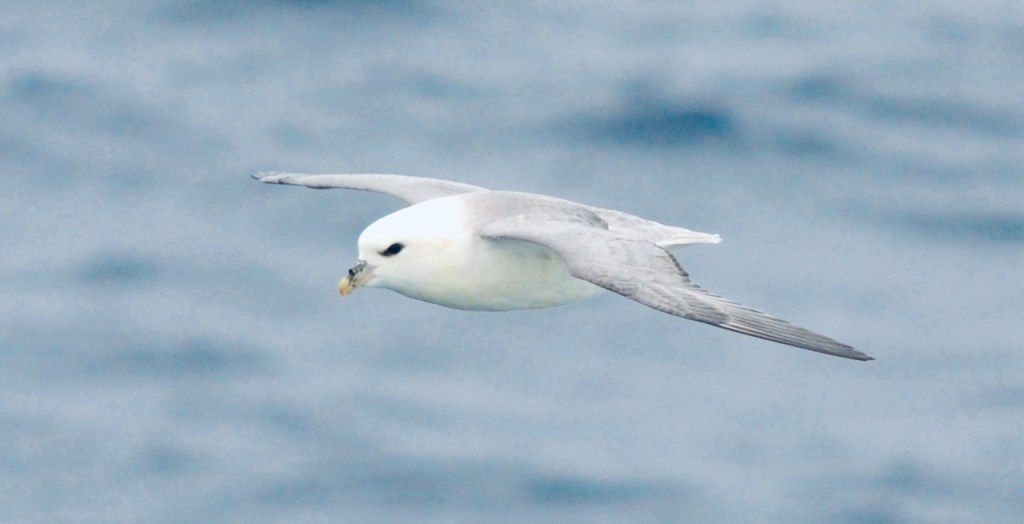
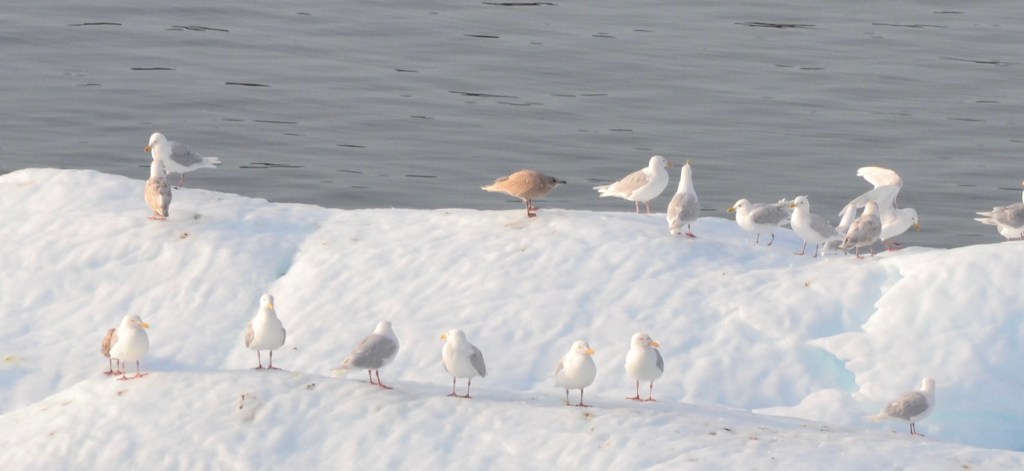
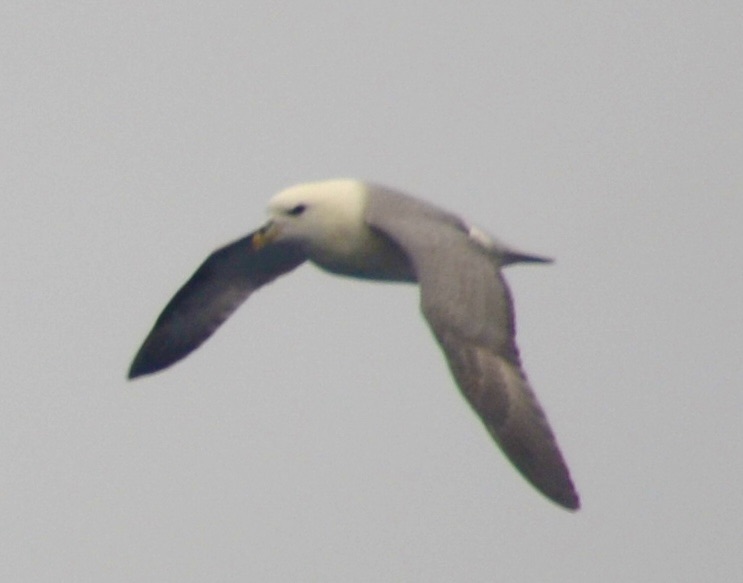
A few sea birds accompanied our voyage – notably the Glaucous Gull and Northern Fulmar with his stubby, yellow beak..

Glaucous Gulls
Robust Northern Fulmars

Day 4: North West Passage Expedition on HX’s MV Fridjtof Nansen, August/September 2025

Day 4: Ilulissat Town, Disko Island, Flyover of Greenland Ice Cap and Jakobshavn Glacier/Icefjord and Hike along the Icefjord

From Paul Bryers, August 20, 2025

This day was dedicated to exploring glaciers and ice formations near Ilulissat, Greenland.

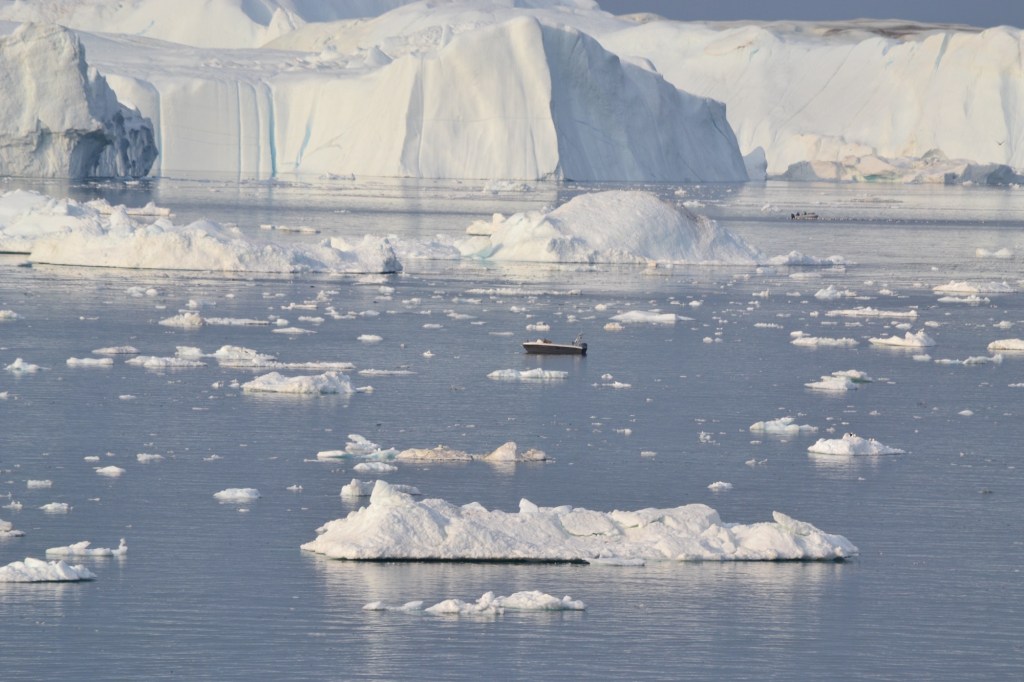
We started early in the morning, entering the calm waters near Ilulissat and Disko Island, which were adorned with icebergs of various shapes and sizes.

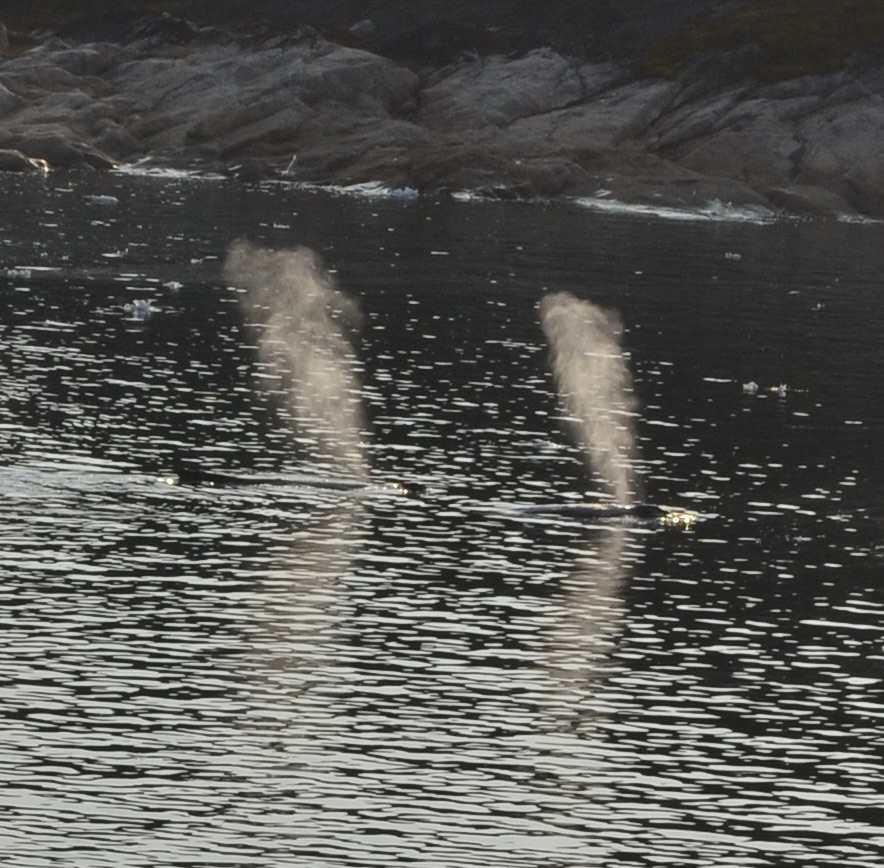
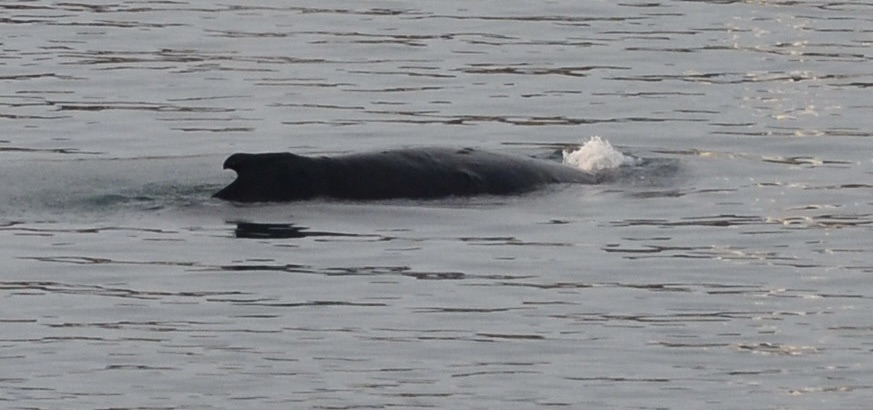
Some whales quietly passed by..

And these guys cast judgement on us….

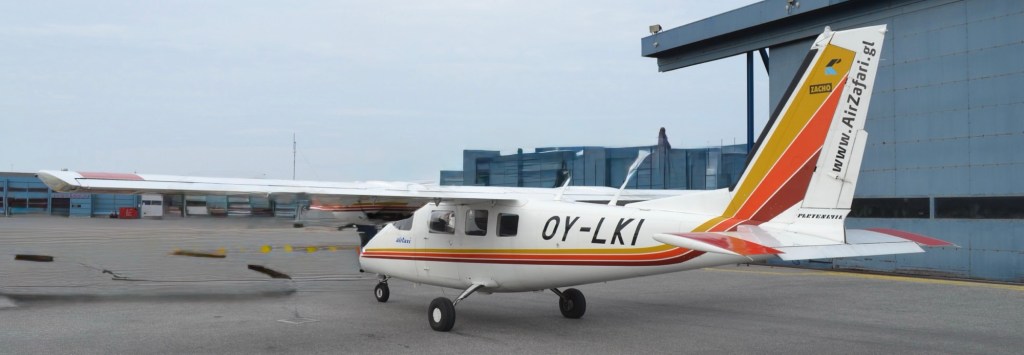
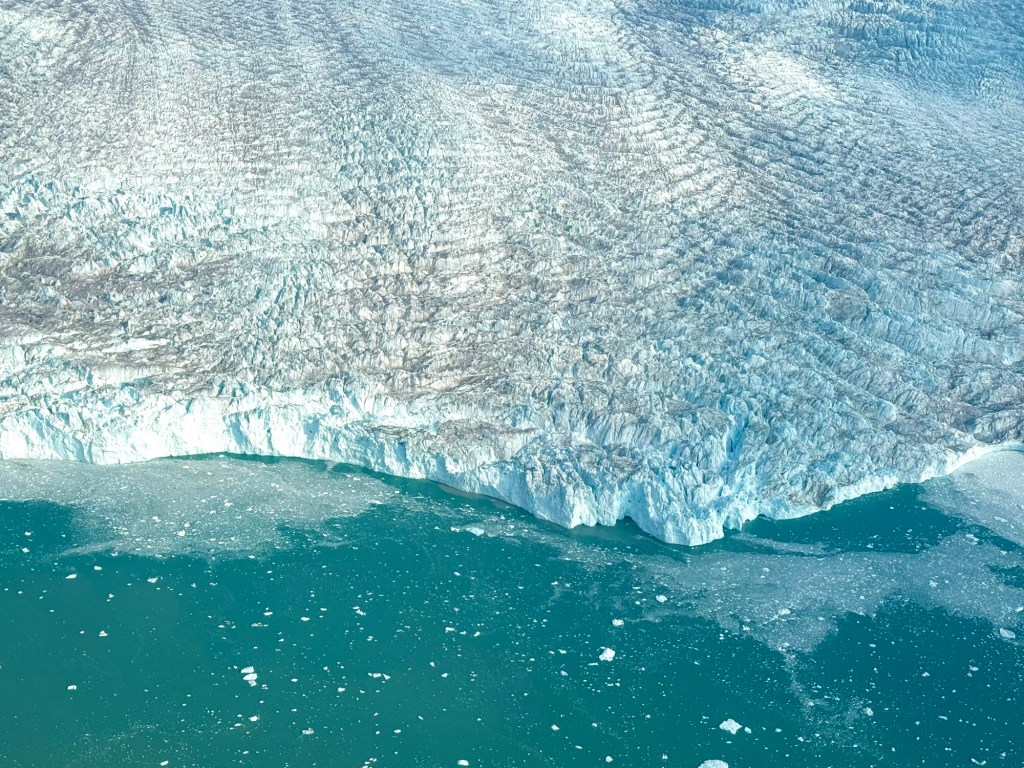
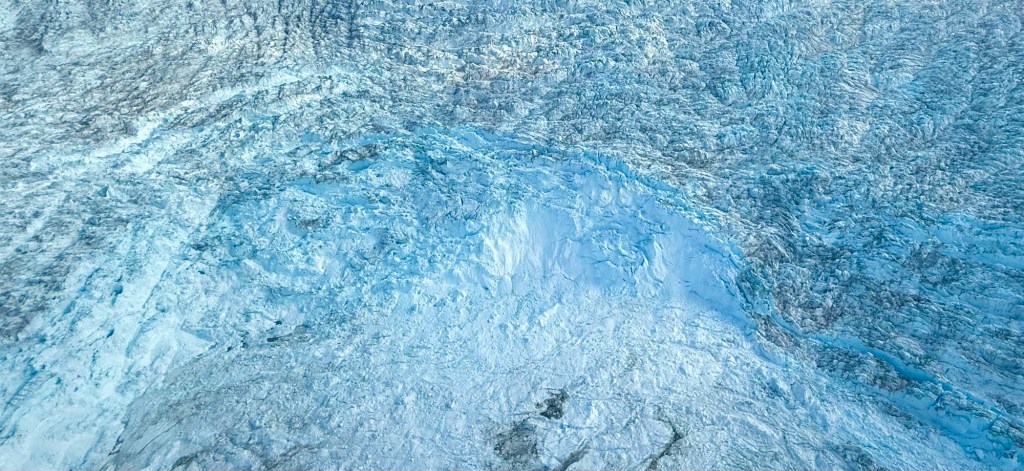
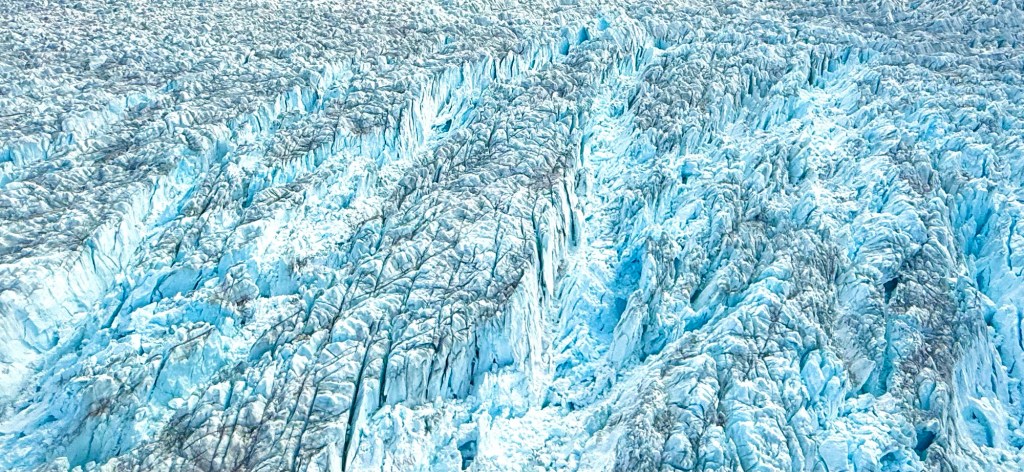
A select group of us, including myself, then embarked on a 60-minute fixed wing flight.

We witnessed:

– The tidal terminus of the Northern Glacier, measuring 17 km ( 11 miles) in width.

– The vast and seemingly endless Greenland Ice Cap. This cap goes from the West to the East Coast and the South to the North Coast. The Greenland ice cap or sheet is an ice sheet which forms the second largest body of ice in the world. It is an average of 1.67 km (1.0 mies) thick and over 3 km (1.9 miles) thick at its maximum. It is almost 2,900 km (1,800 miles) long in a north–south direction, with a maximum width of 1,100 km (680 miles) at a latitude of 77°N, near its northern edge.

Monstrous!

– The terminus of the Jakobshavn Glacier

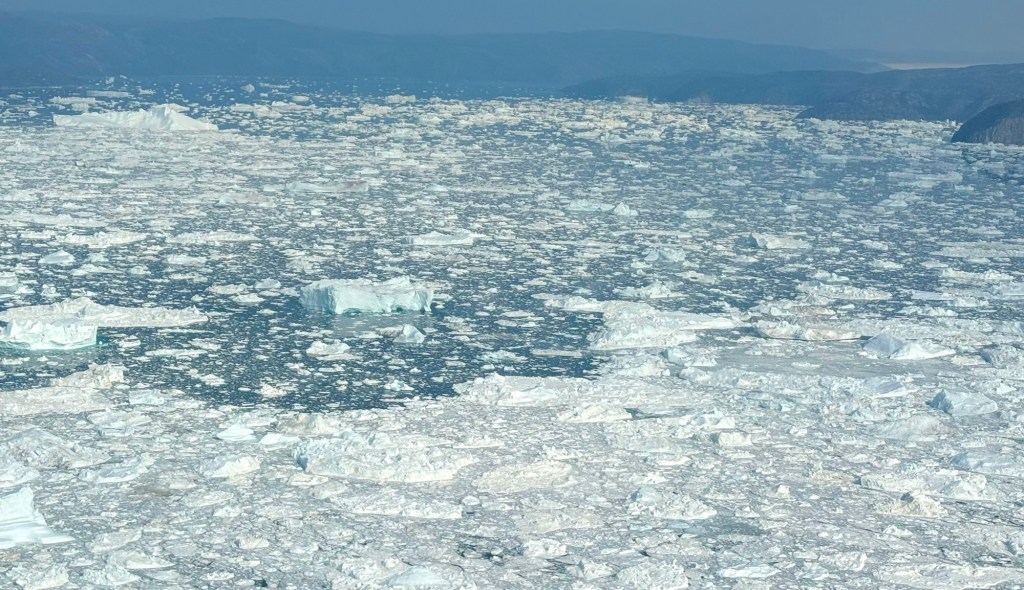
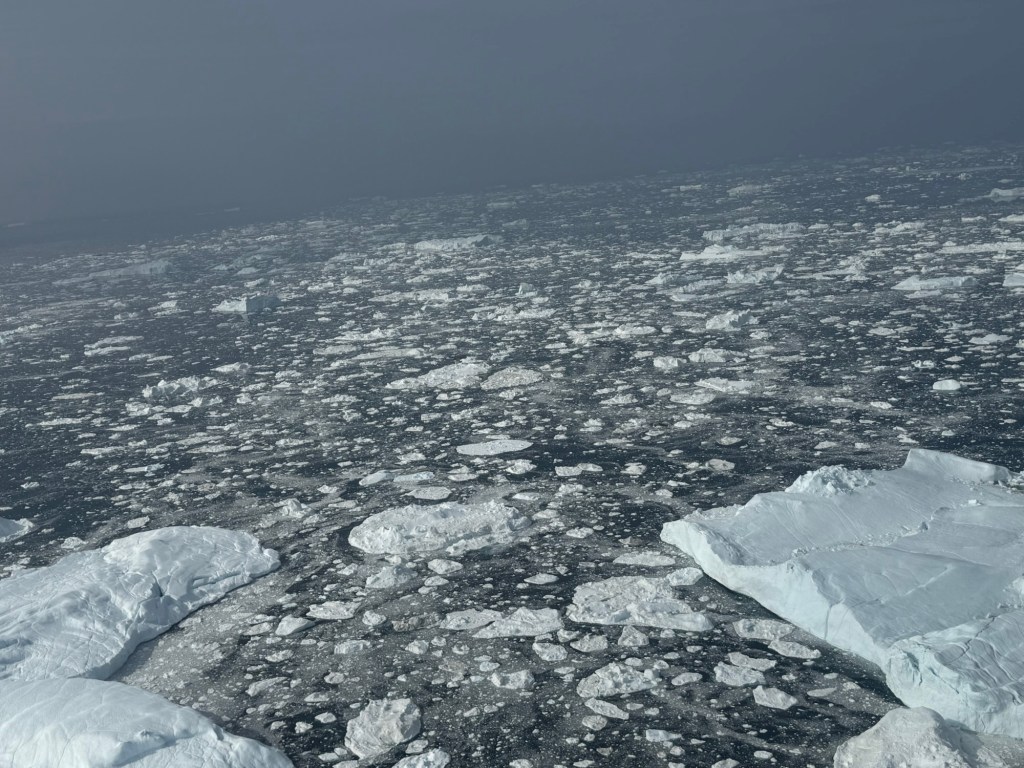
– The Icefjord and open sea

It was an awe-inspiring experience.

The Jakobshavn Glacier holds the distinction of being the fastest-flowing glacier in Greenland. It terminates in the Icefjord. The glacier significantly contributes to global sea level rise, and its rapid speed, thinning, and retreat have made it a subject of intense scientific research. The fjord itself is a deep, glacially carved trough where enormous icebergs calve from the glacier’s terminus.

After the flight, a fellow guest and I embarked on a humble 6-mile hike along the Icefjord.

Day 3: North West Passage Expedition on HX’s MV Fridjtof Nansen, August/September 2025

Day 3: Sisimiut, Greenland

From Paul Bryers, August 19, 2025

What a spectacular location. The houses remind me of the West Coast of Scotland; Tobermory, Tarbert, Barra….

Quite incredible…..esp. liked Dog Town where all the town dogs and their pups stay as they are worker dogs and not pets..

The town is impressive. While steeped in history it is very progressive. Schools for neurodivergent and Down’s, etc…no one left behind.

Our hike up the mountain was fun but the wee insects were as bad as midges. Still, we got great views ….