Day 14 (#1): North West Passage Expedition on HX’s MV Fridjtof Nansen, August/September 2025

By Paul Bryers, August 30, 2025

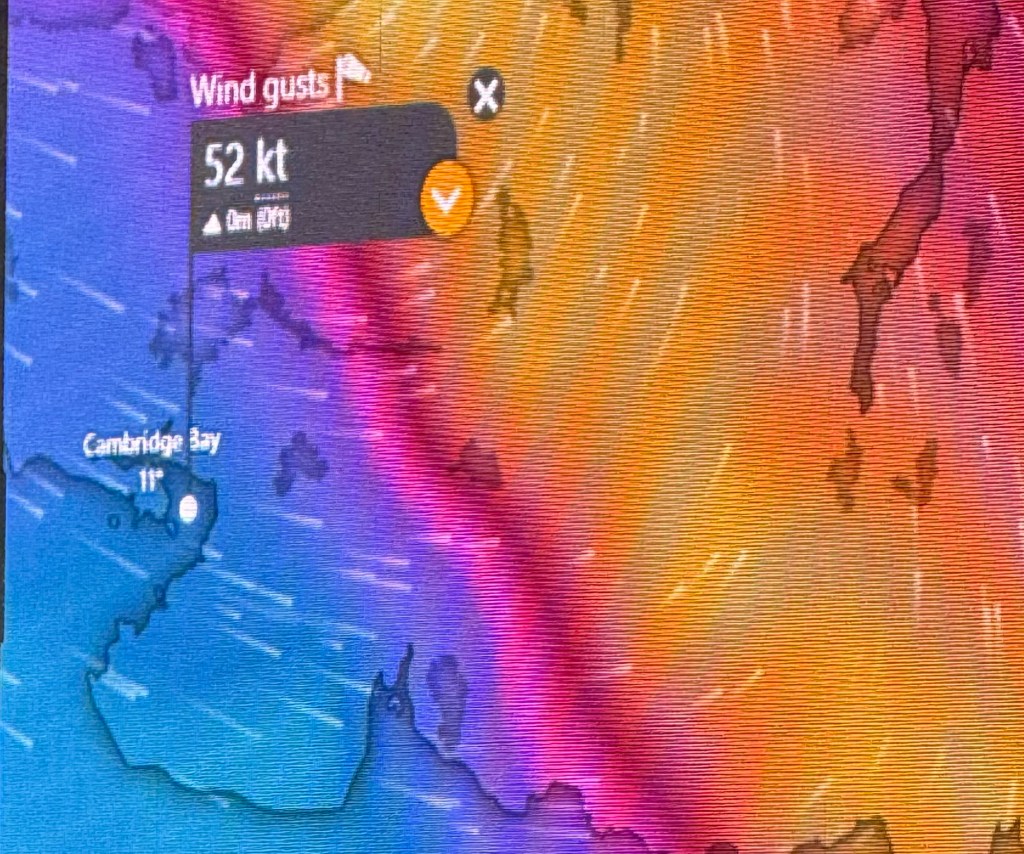
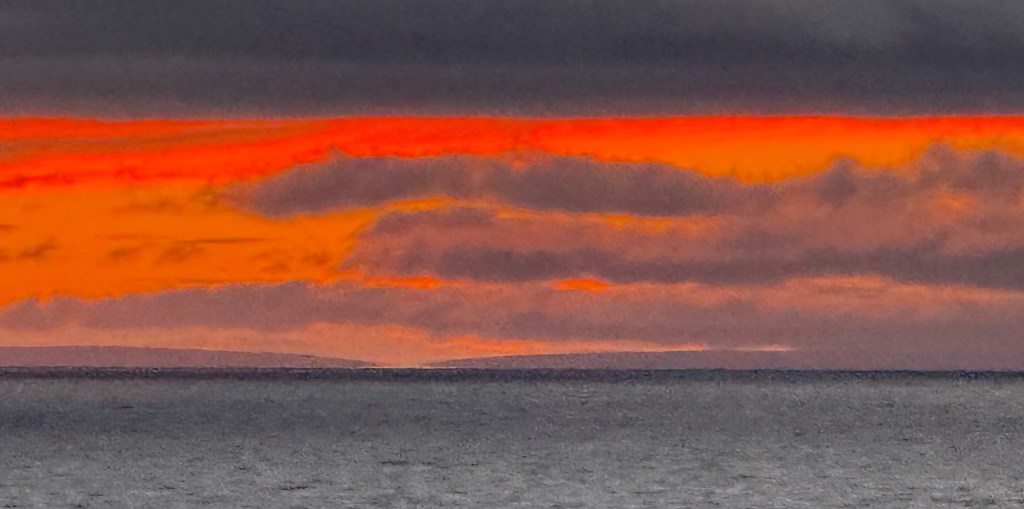
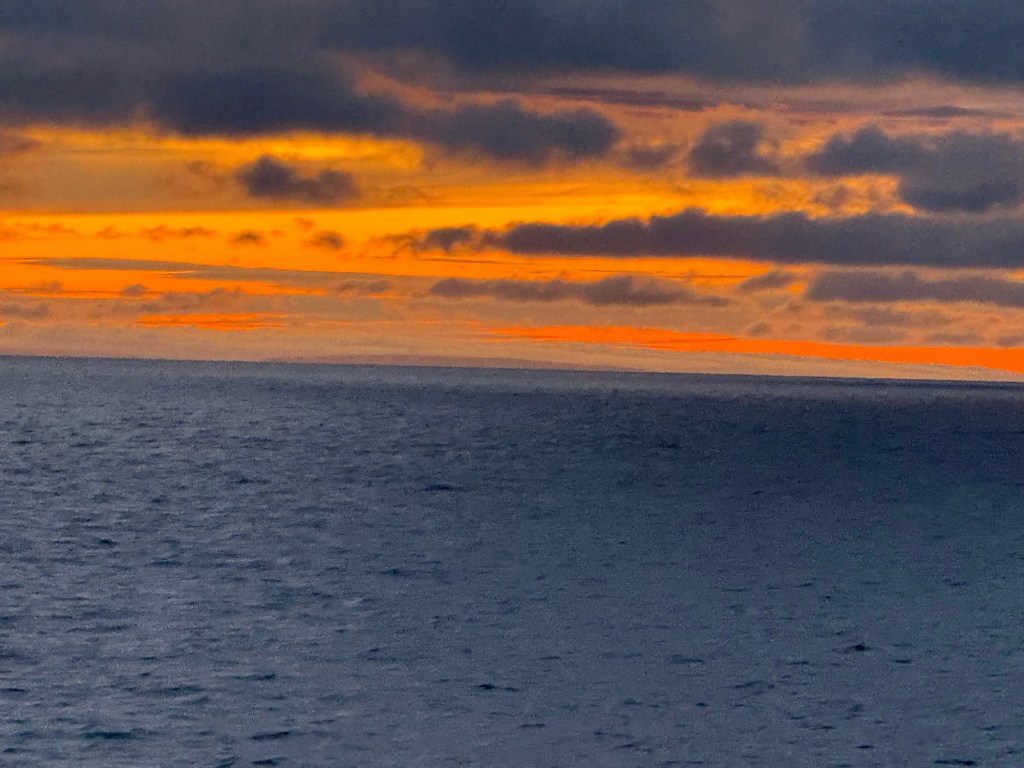
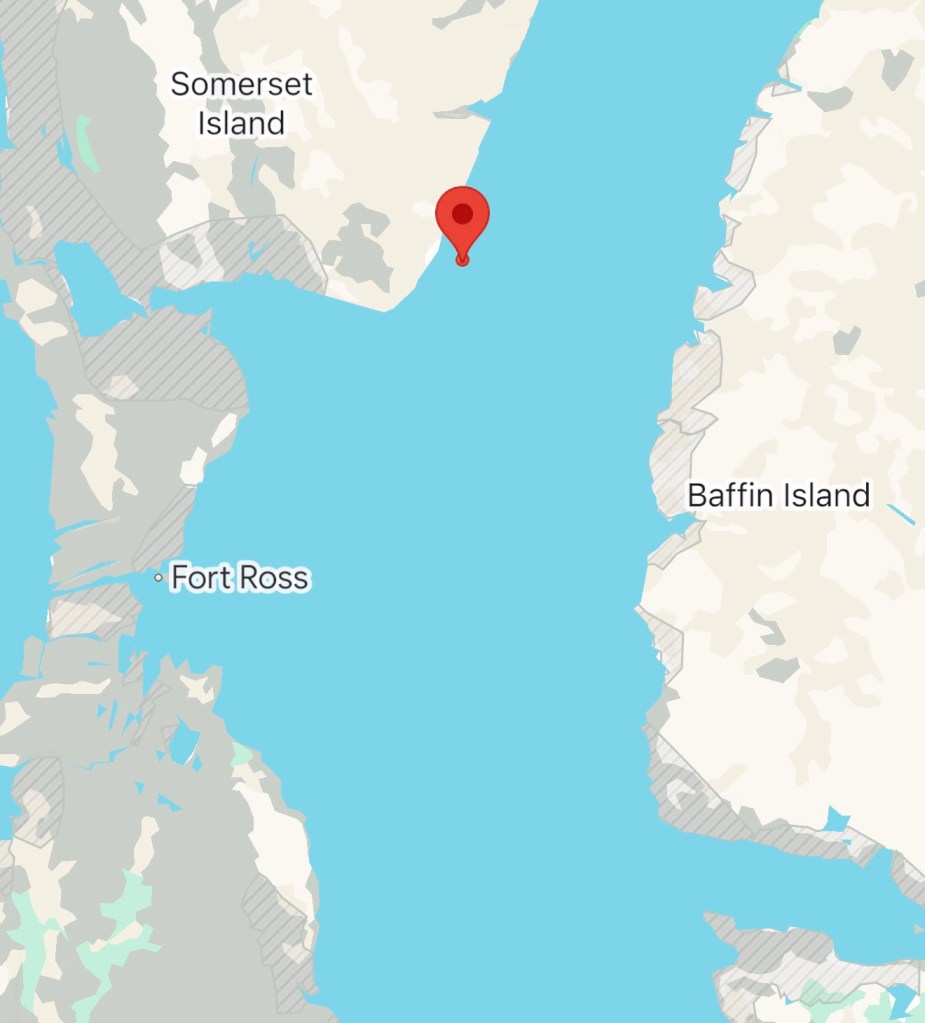
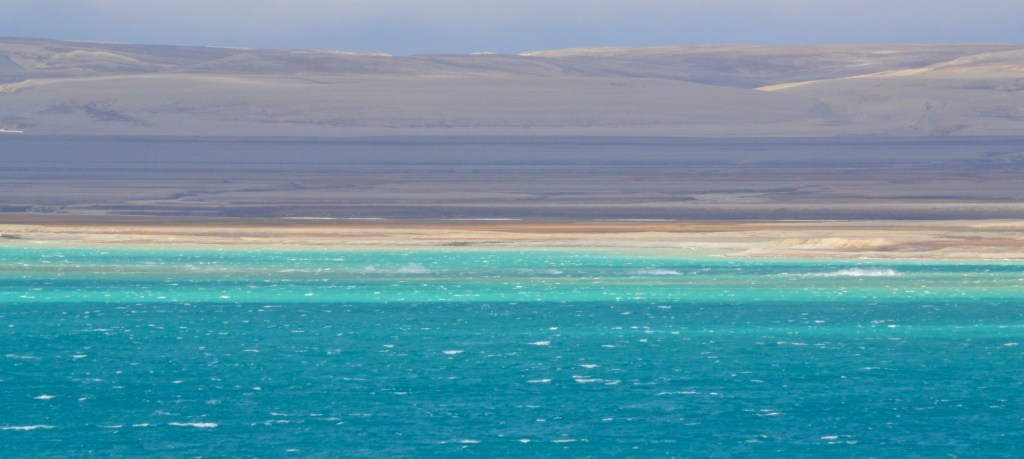
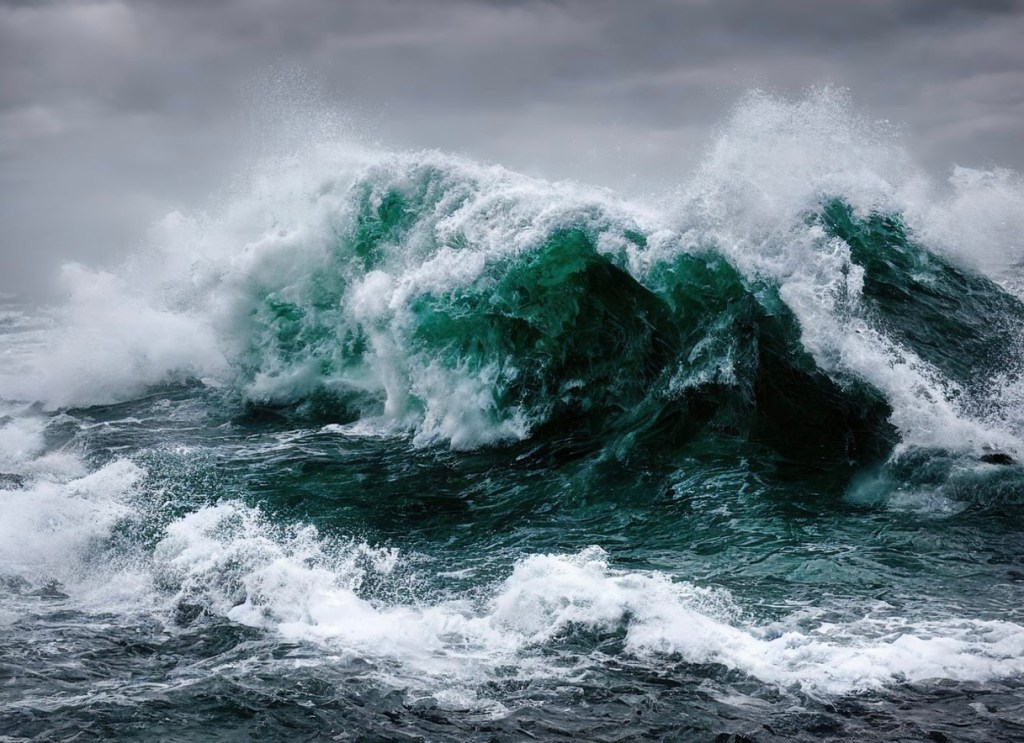
  • Storm!! Cruising past Jenny Lind Island towards Cambridge Bay, Nunavut, Arctic Canada
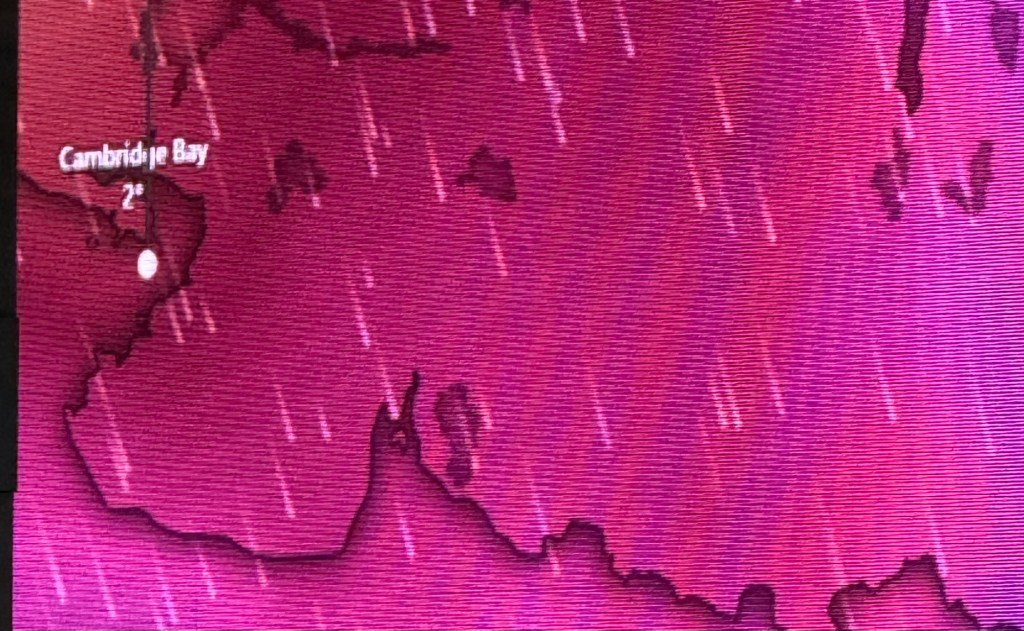
We were meant to stop and do landings/hike at Jenny Lind Island, named for the Swedish born opera singer, Jenny Lind. You may recall that the character Jenny Lind featured in the movie The Greatest Showman, where she sang the beautiful song “Never Enough” (https://youtu.be/kUkRoIMyqFo?si=YUHFZeT9h4ssaK53)

However, due to approaching severe weather (Force 10 gale) we are now racing straight for the shelter of Cambridge Bay.

Winds:

– 48–55 knots
– 55–63 mph
– 89–102 km/h
– 24.5–28.4 m/s

Waves:

– 29–41 ft

– 9–12.5 m

The problem with Cambridge Bay is the entry is very narrow and it’s difficult to get in esp. in a storm. So we have a small window to gain entry to the safety of the port.

How exciting! Hopefully a more interesting post for you guys later today.
Unknown

Day 13: North West Passage Expedition on HX’s MV Fridjtof Nansen, August/September 2025

By Paul Bryers, August 29, 2025

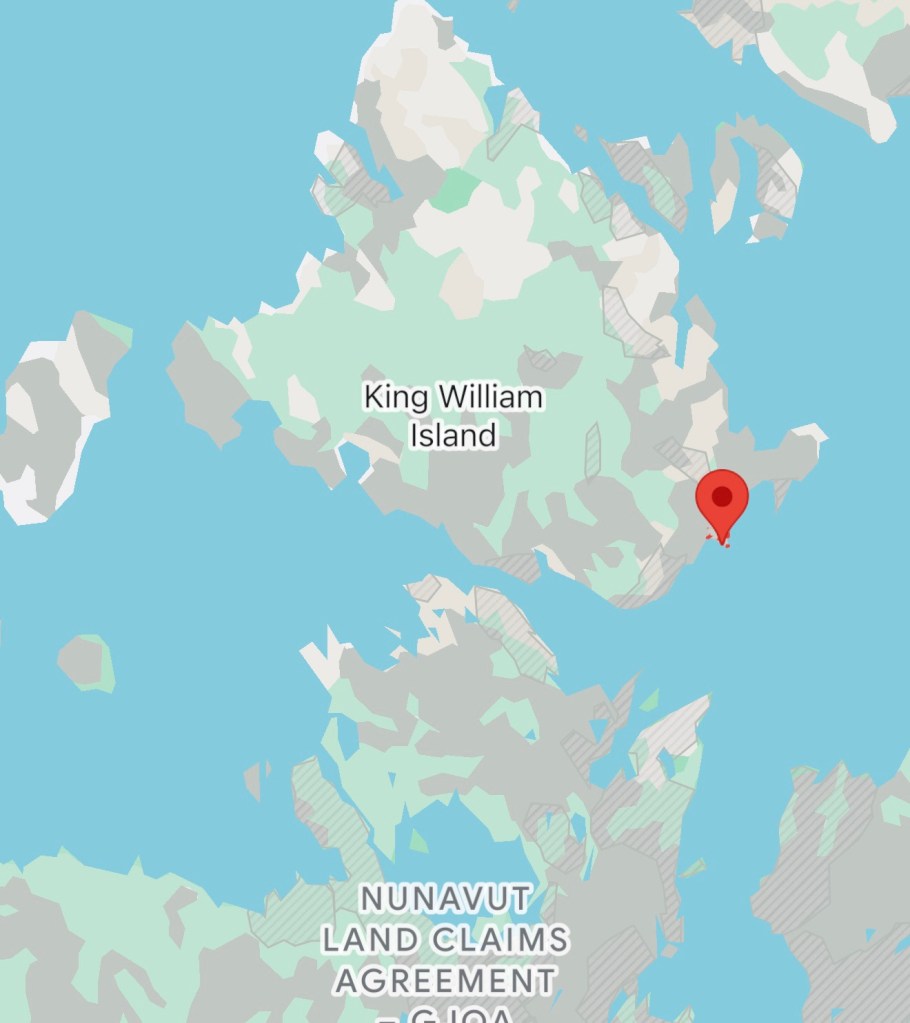
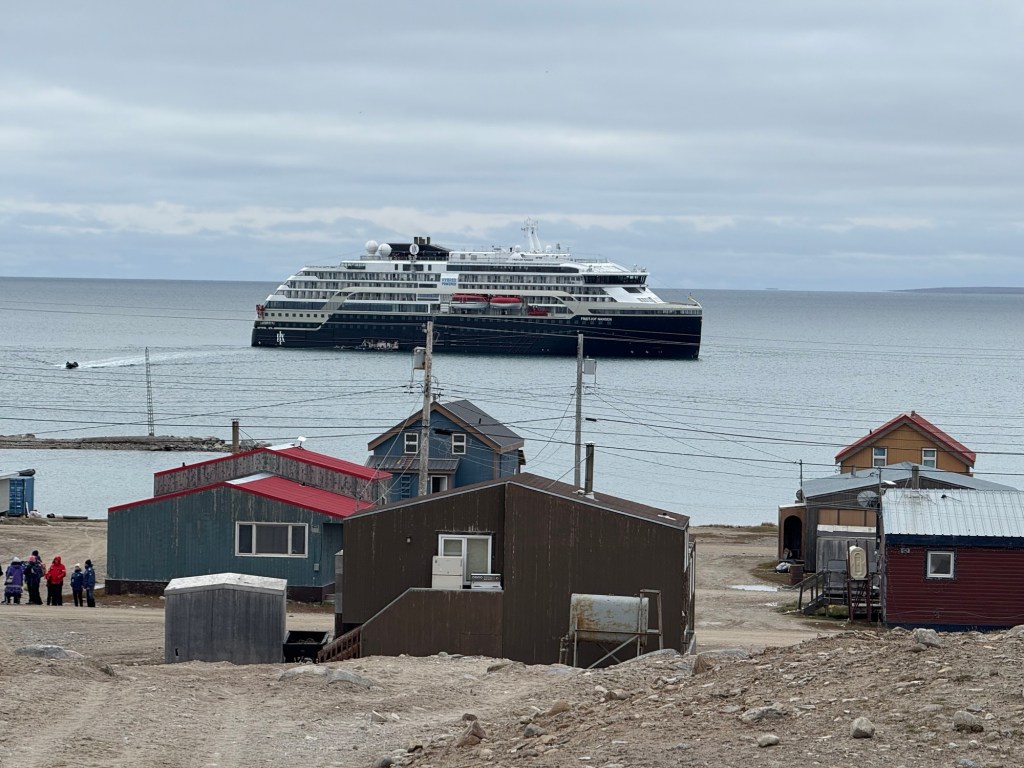
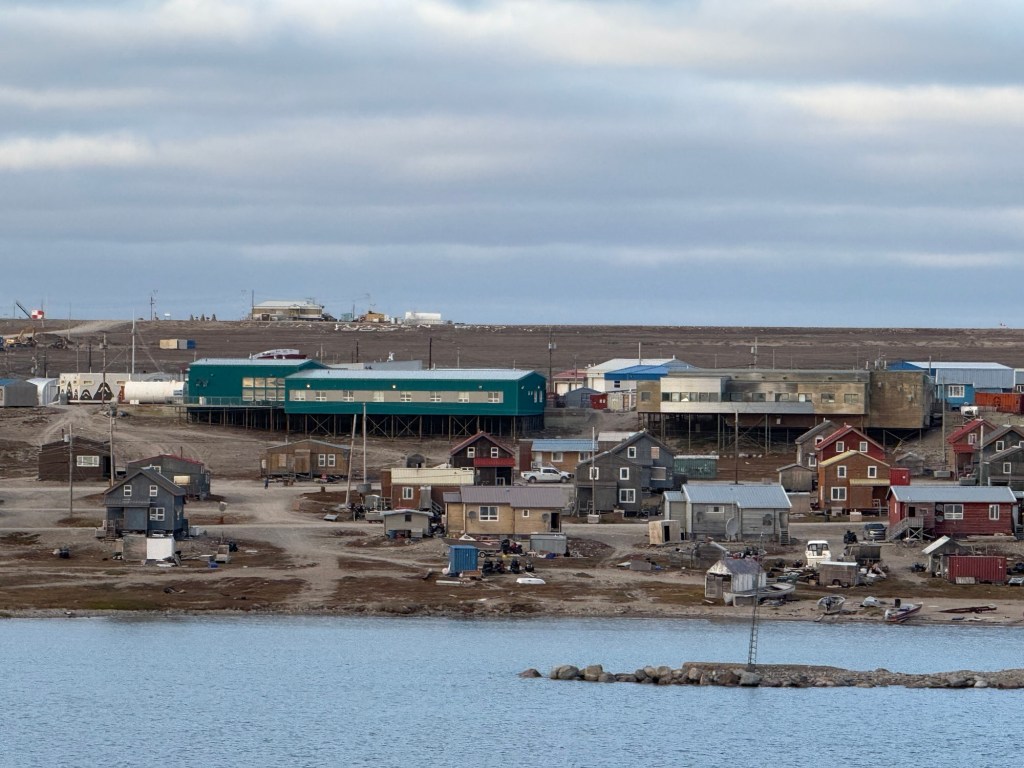
  • Gjøa Haven, Nunavut, Arctic Canada.

Upon arrival by zodiac, we registered and met some of the friendly locals.

Gjøa Haven, also known as Uqsuqtuuq in Inuktitut, translates to “place of plenty blubber,” referring to the abundance of sea mammals in the area. Alternatively, it could also refer to some of us guests on MV Fridjtof Nansen who have been indulging in the Arctic cuisine. One guest even remarked that my t-shirts were too tight, a comment that was both shockingly rude and potentially true.

Gjoa Haven is renowned for its excellent dog sledding opportunities and diverse wildlife, including caribou, muskox, polar bear, geese, swans, falcons, and ducks. During our visit, we spotted some dogs. Crickets…

Historically, the town’s population has grown significantly, from 110 residents in 1961 to 1,349 in 2021, according to the census, as many Inuit have relocated from traditional camps to access healthcare and educational facilities.

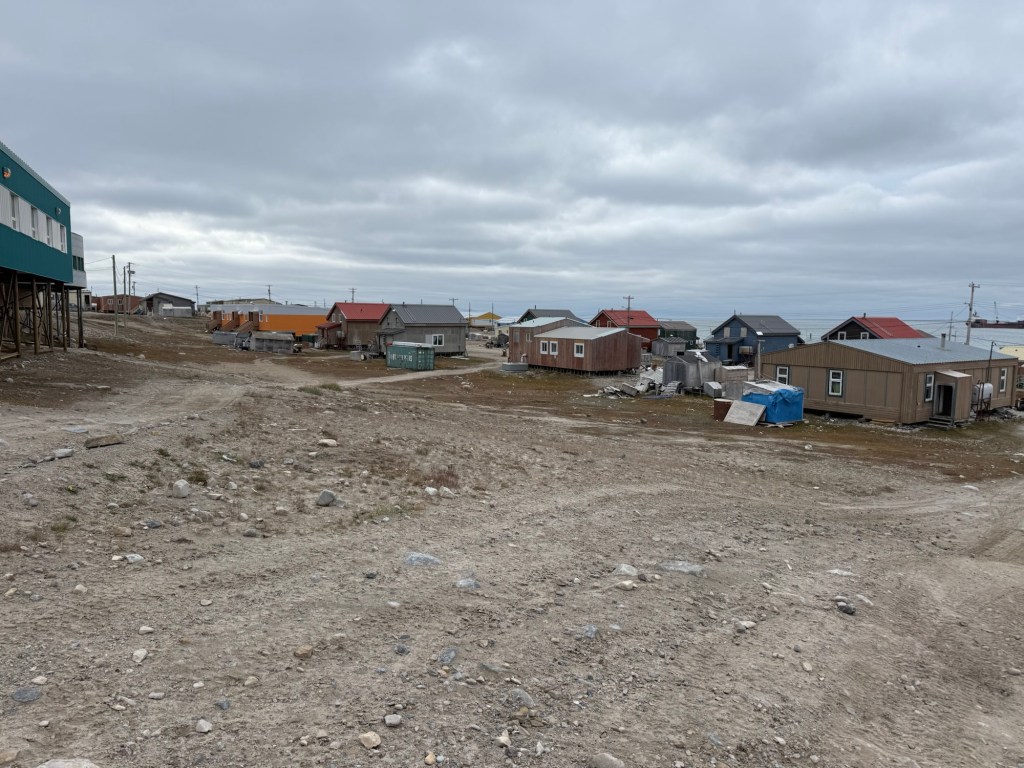
The town comprises numerous cabins, each with its unique appearance.

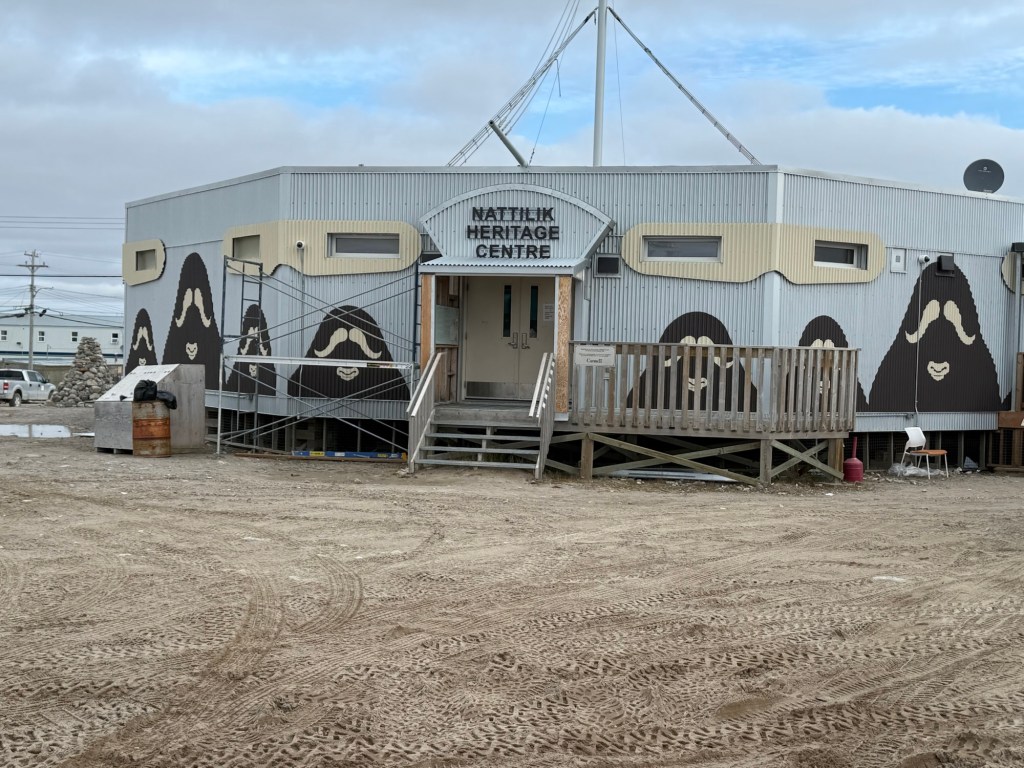
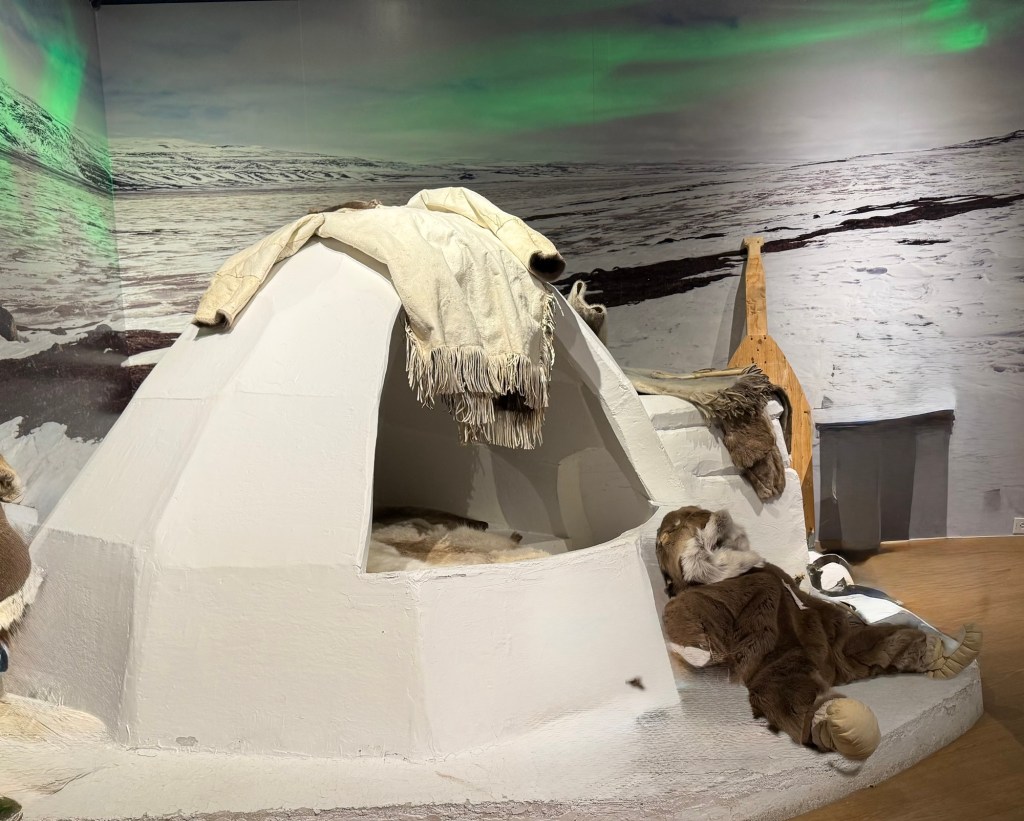
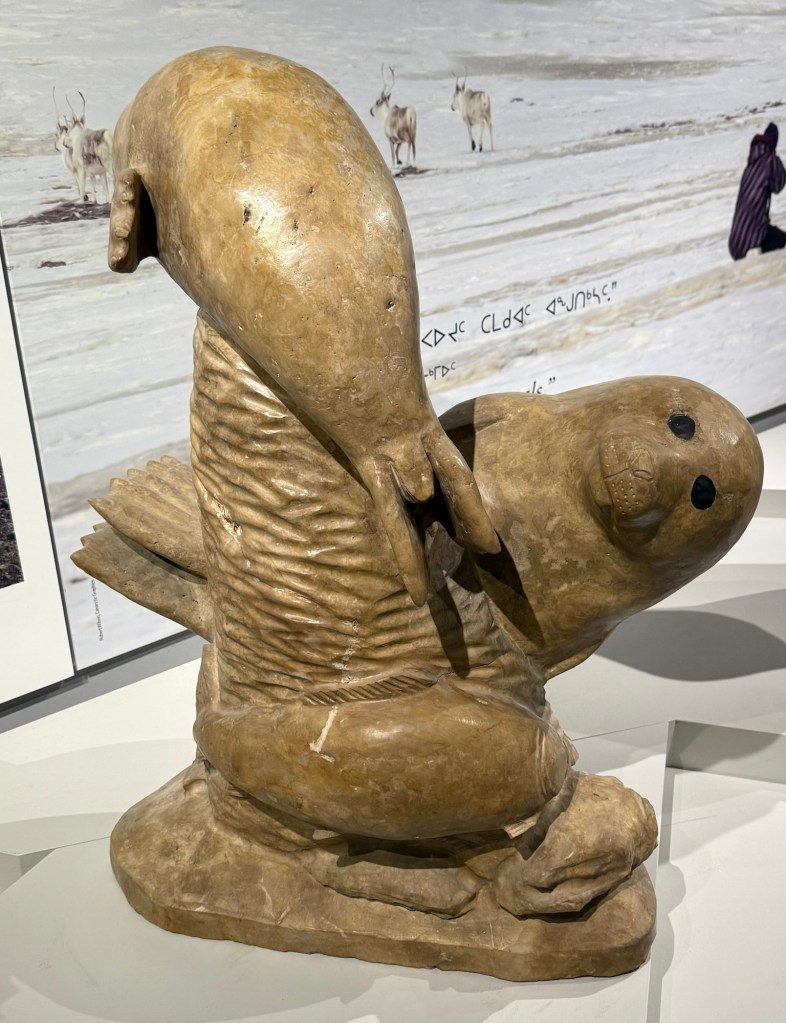
The Naeselik Heritage Centre showcases various artifacts from the Inuit past, although it was extremely hot inside during our visit.

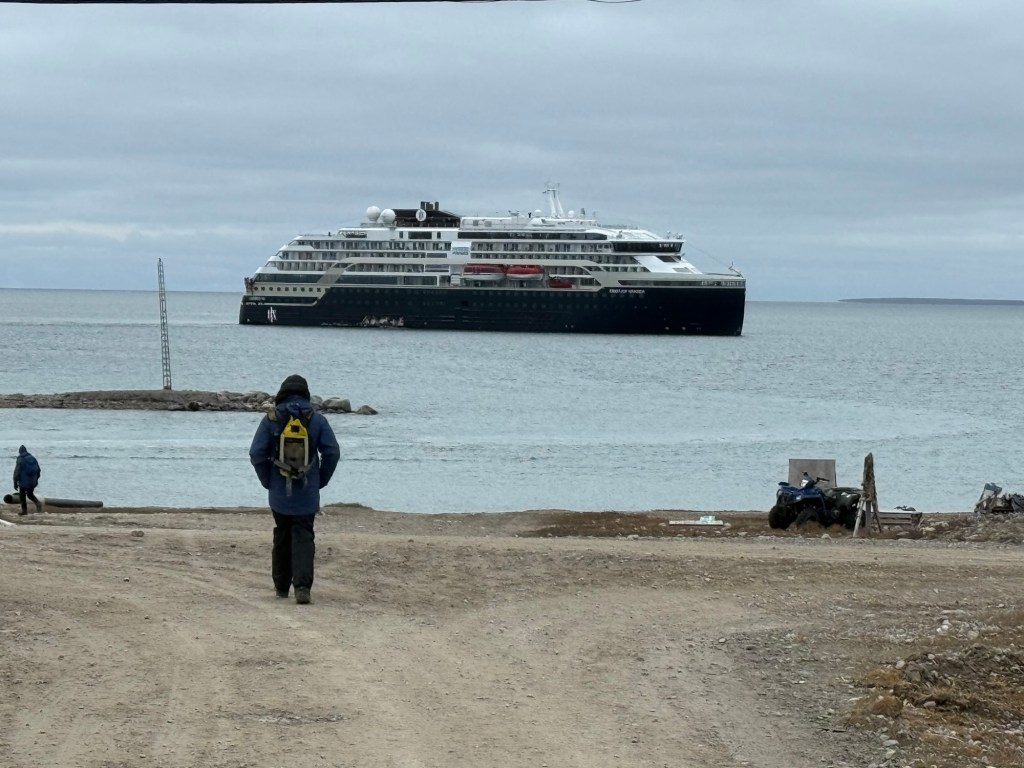
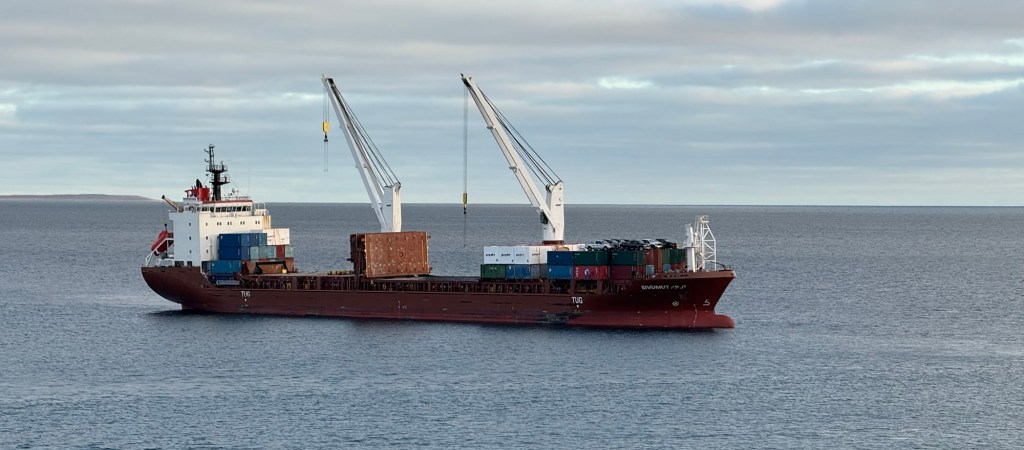
The community is served by the Gjoa Haven Airport and an annual supply sealift; this ship was in during our visit.

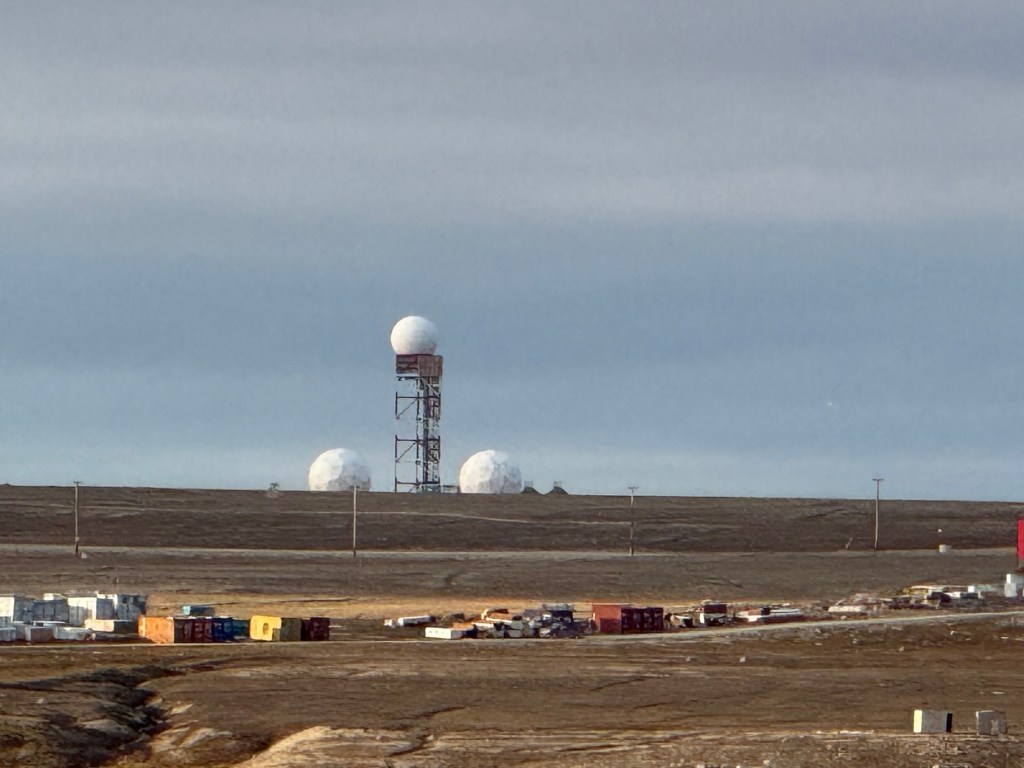
The area is home to CAM-CB, a North Warning System site for incoming missiles. Comforting.

Day 12 (#3): North West Passage Expedition on HX’s MV Fridjtof Nansen, August/September 2025

By Paul Bryers, August 28, 2025


When the Ice Weeps

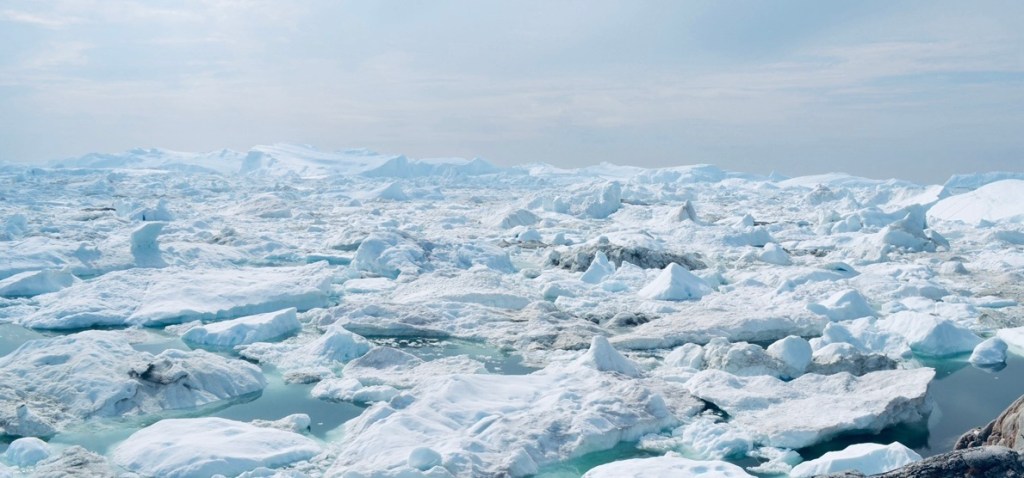
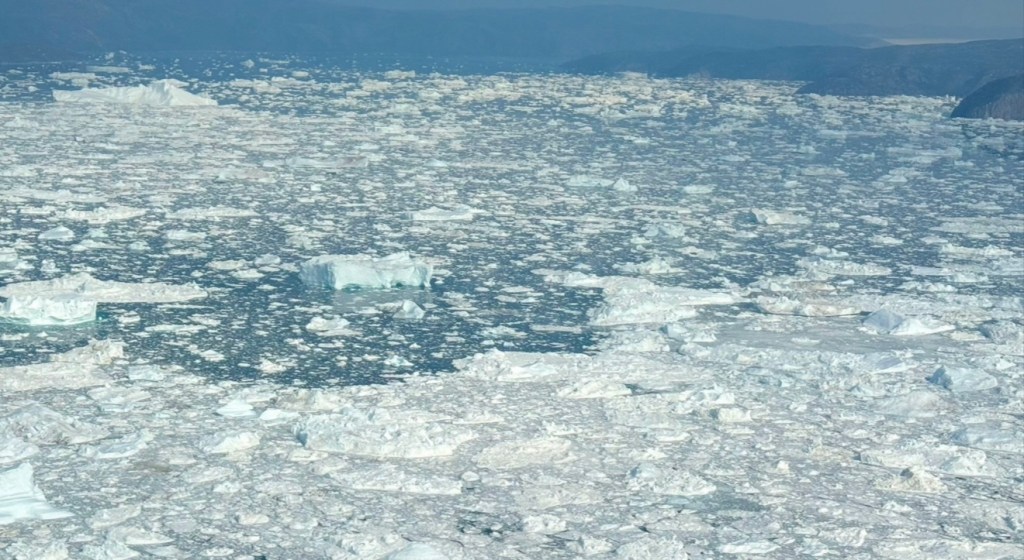
The Arctic weeps in silence, its frozen crown undone.

White sheets that held the ages melt beneath the sun.

A polar bear drifts, hollow-eyed, on a raft too small to save, while shadows of the walrus fall into a rising grave.

Courtesy LSA

The sea drinks what is vanishing, blue swallowing the white, and children yet unborn will ask why we did not fight.

The North once sang of stillness,
of cold eternal night – now it cries with breaking voices, slipping out of sight.

And well they might. In shame we hang our heads.

There is no second chance, there is only desolation.

Day 12 (#2): North West Passage Expedition on HX’s MV Fridjtof Nansen, August/September 2025

By Paul Bryers, August 28, 2025

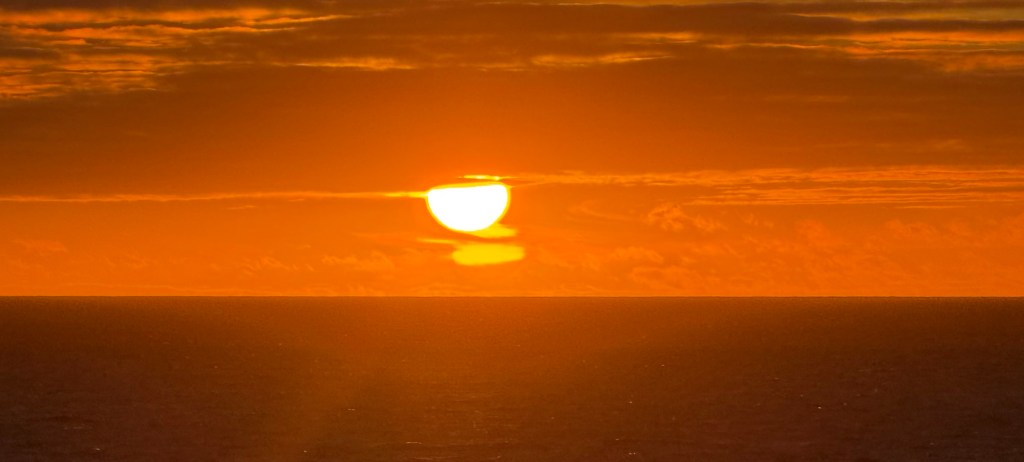
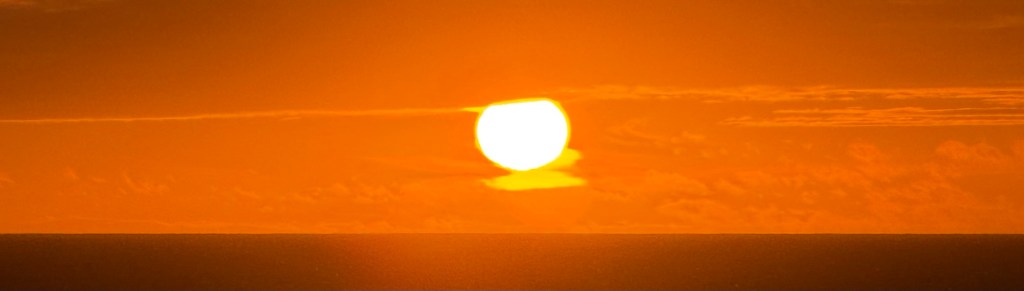
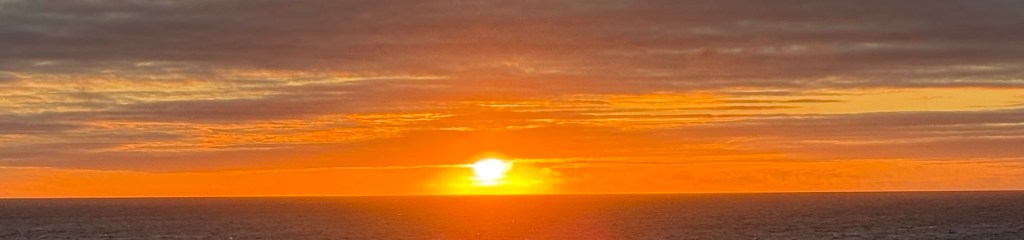
  • Sunset, Nunavut, Arctic Canada

Another lovely sunset…

Day 12 (#1): North West Passage Expedition on HX’s MV Fridjtof Nansen, August/September 2025

By Paul Bryers, August 28, 2025

  • Pasley Bay, Nunavut, Arctic Canada

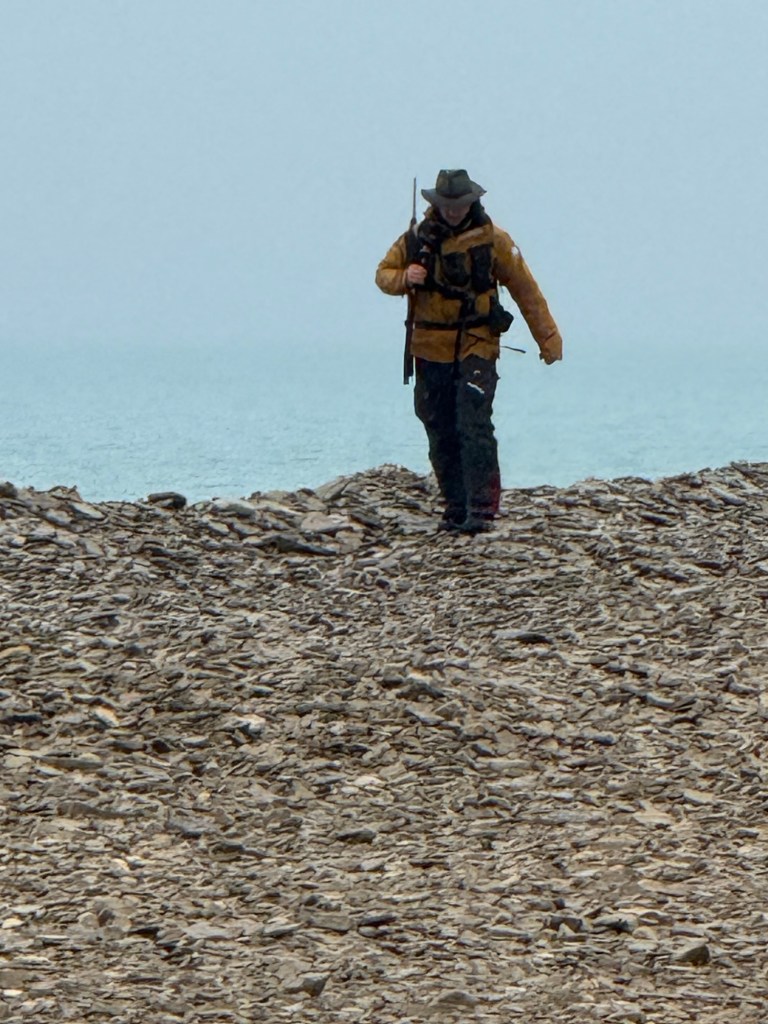
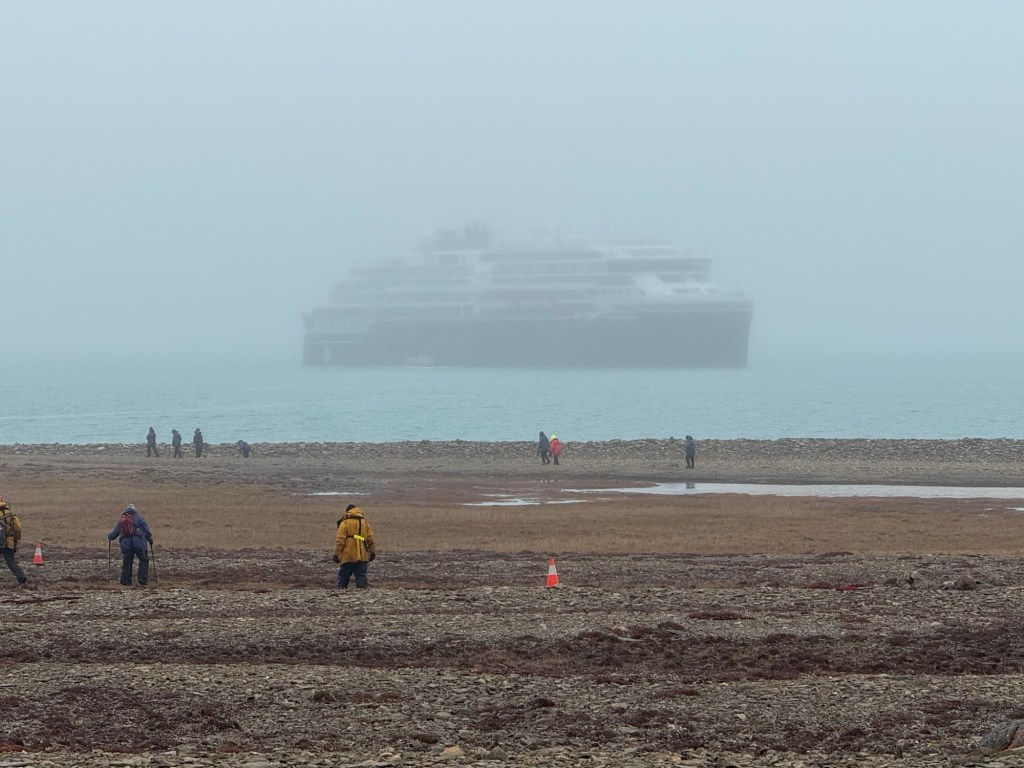
Today’s excursion was characterized by inclement weather, with persistent rain and mist. Despite these conditions, our scheduled landing at Pasley Bay proceeded as planned, although the long hike was cancelled due to safety concerns, specifically limited visibility for armed guards to spot approaching bears.

The waters exhibited a striking powder turquoise hue.

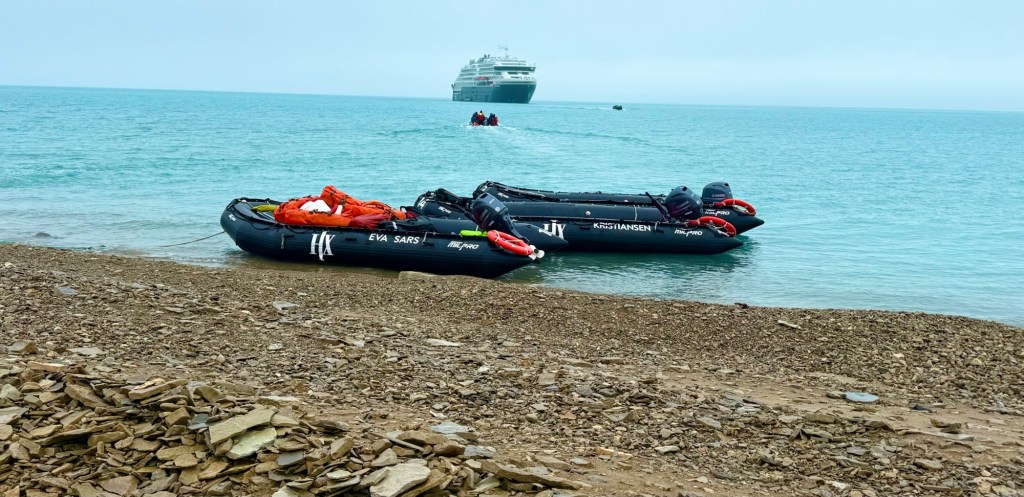
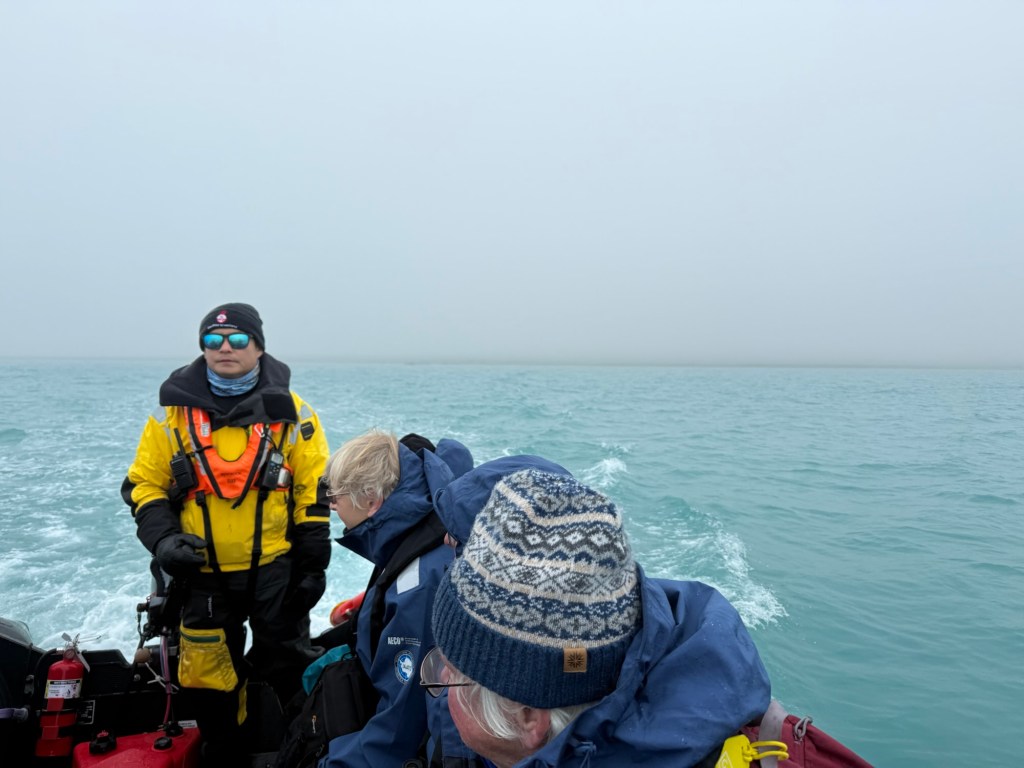
Leaving HX’s MV Fridjtof Nansen on Zodiac

Zodiacs on beach

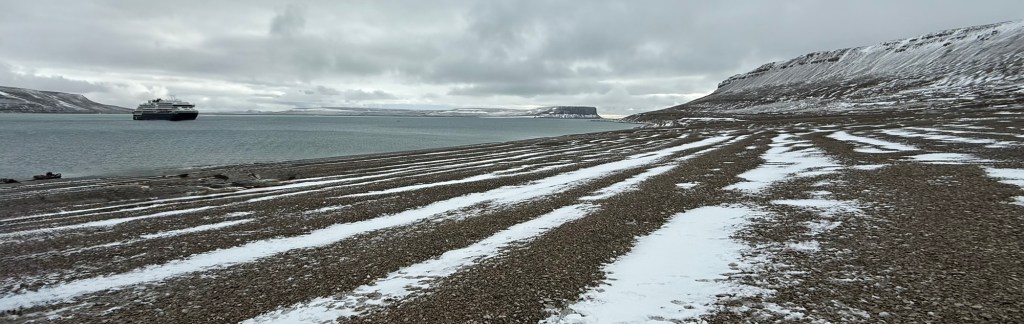
The shoreline comprised multiple raised beaches of flint, fractured by the frozen seas. The island was very bleak and sad; ghosts lingered in the thick mist.

Raised beach of flint

Armed Polar Bear Guard (PBG)

Author standing in desolation

HX’s MV Fridjtof Nansen

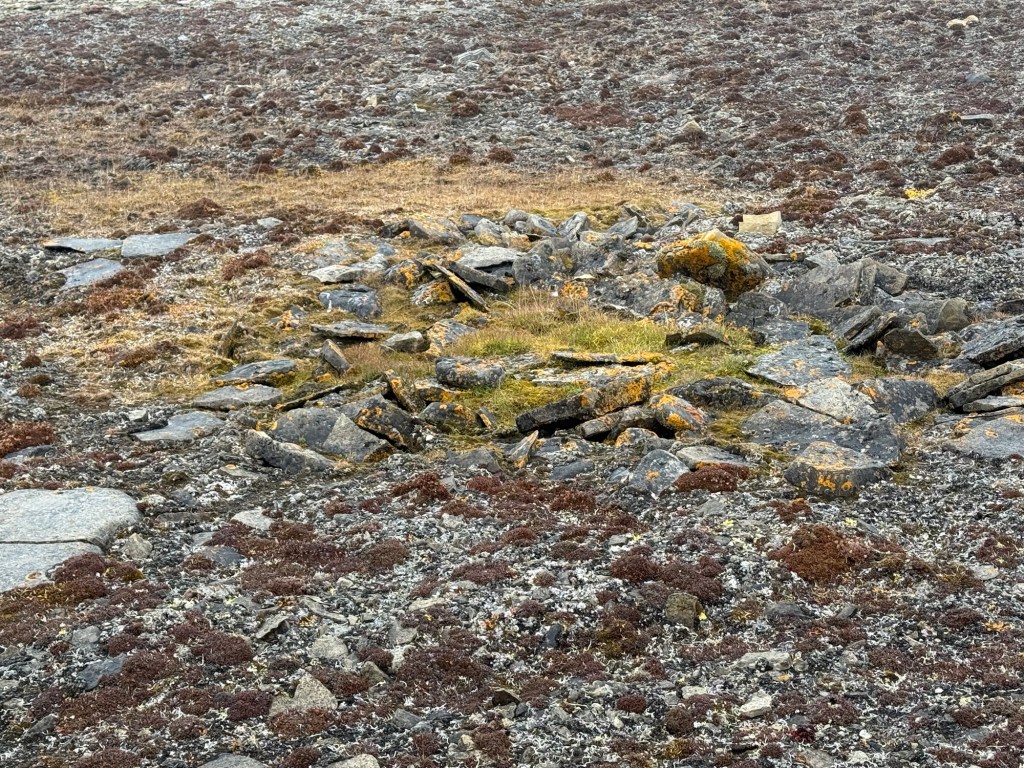
The island had human settlement dating back thousands of years, with only stone ruins remaining today.

Settlement remains
Settlement remains
Potential grave?

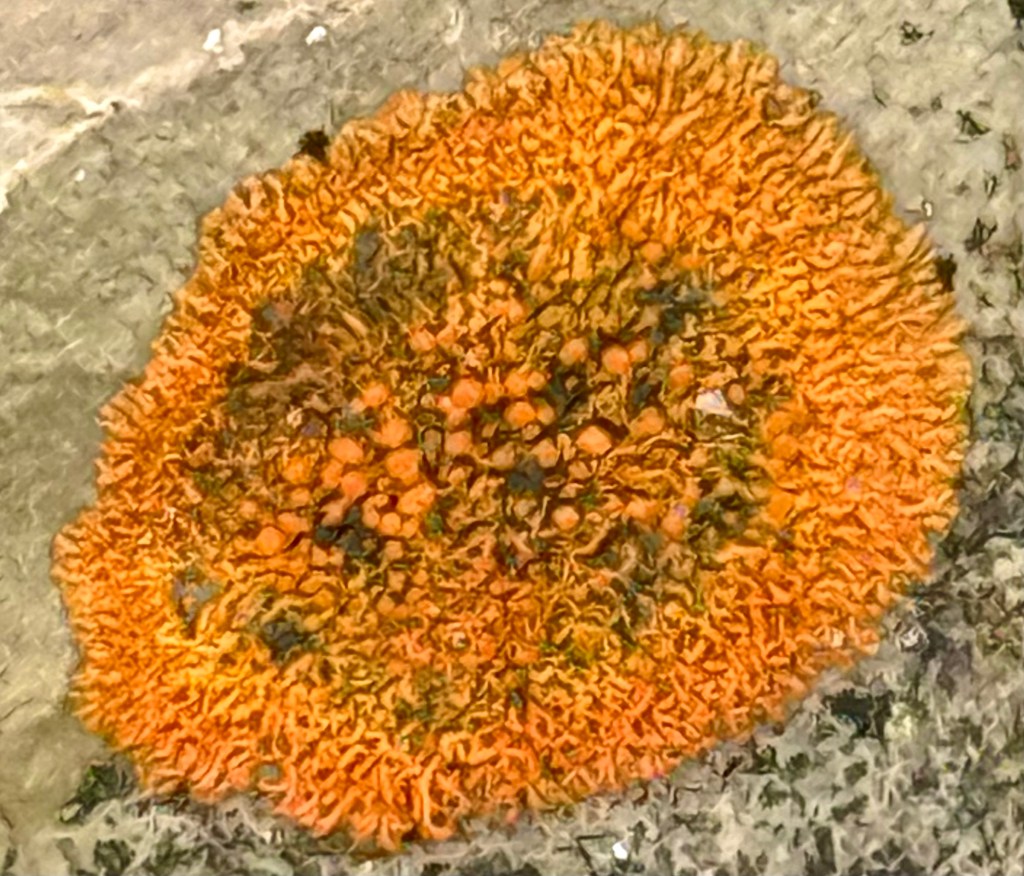
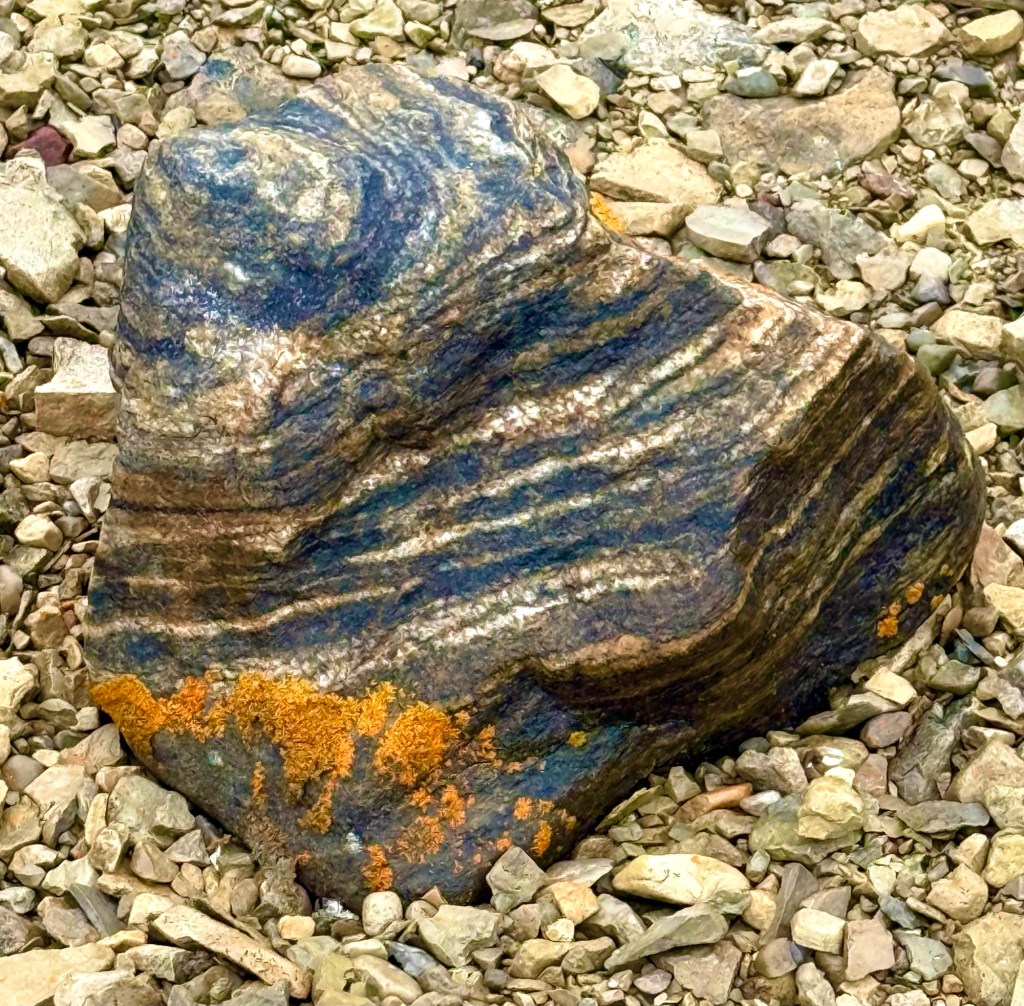
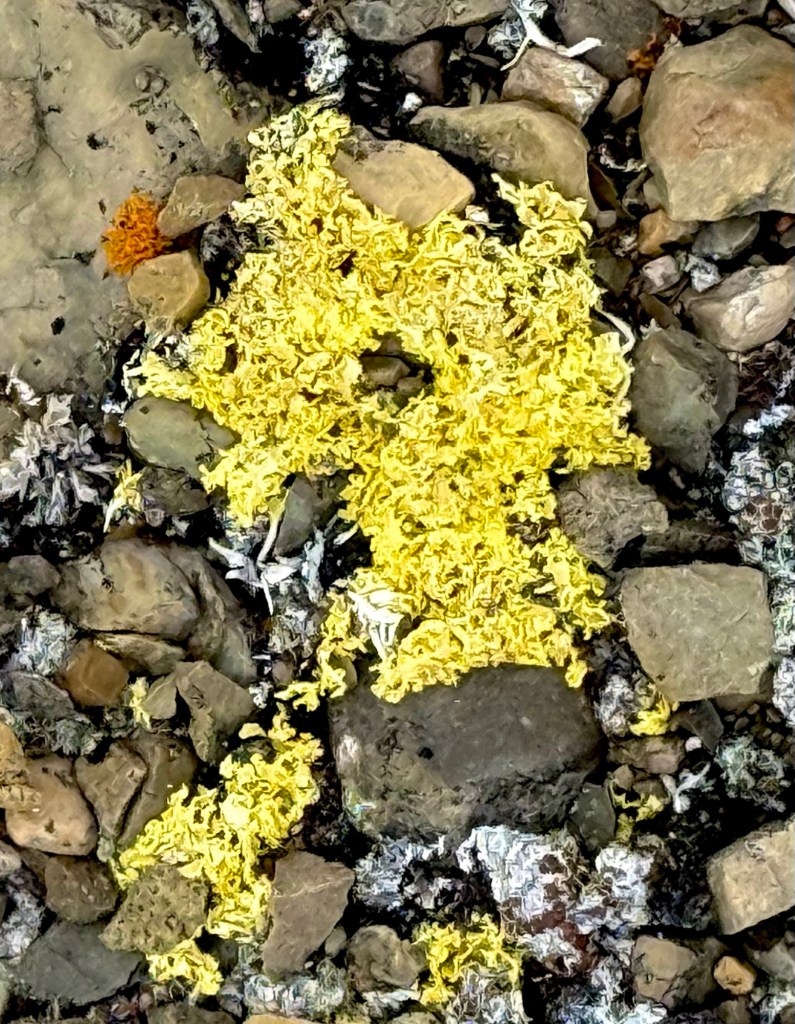
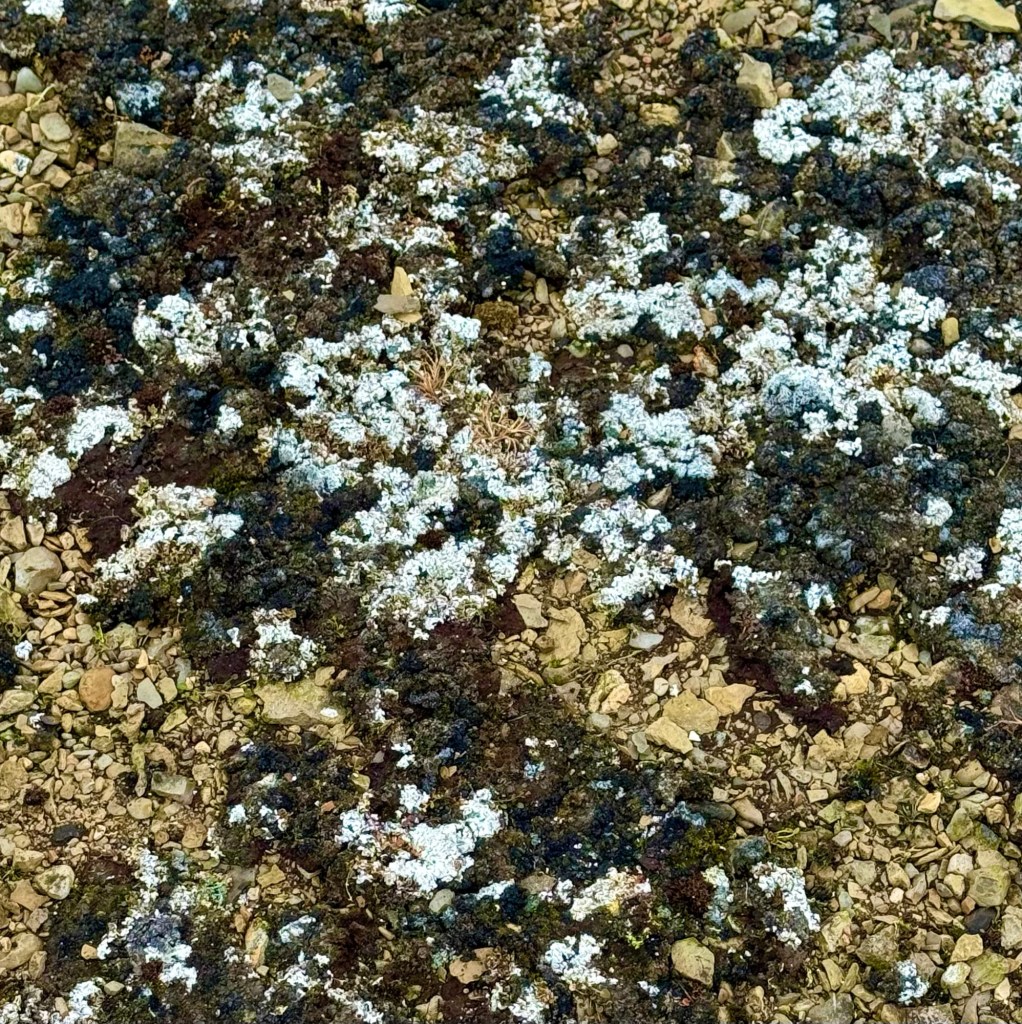
The island’s stones and rocks were adorned with vibrant, mustard-yellow “sunburst” lichens, as well as white and black varieties, creating a spectacular visual display.
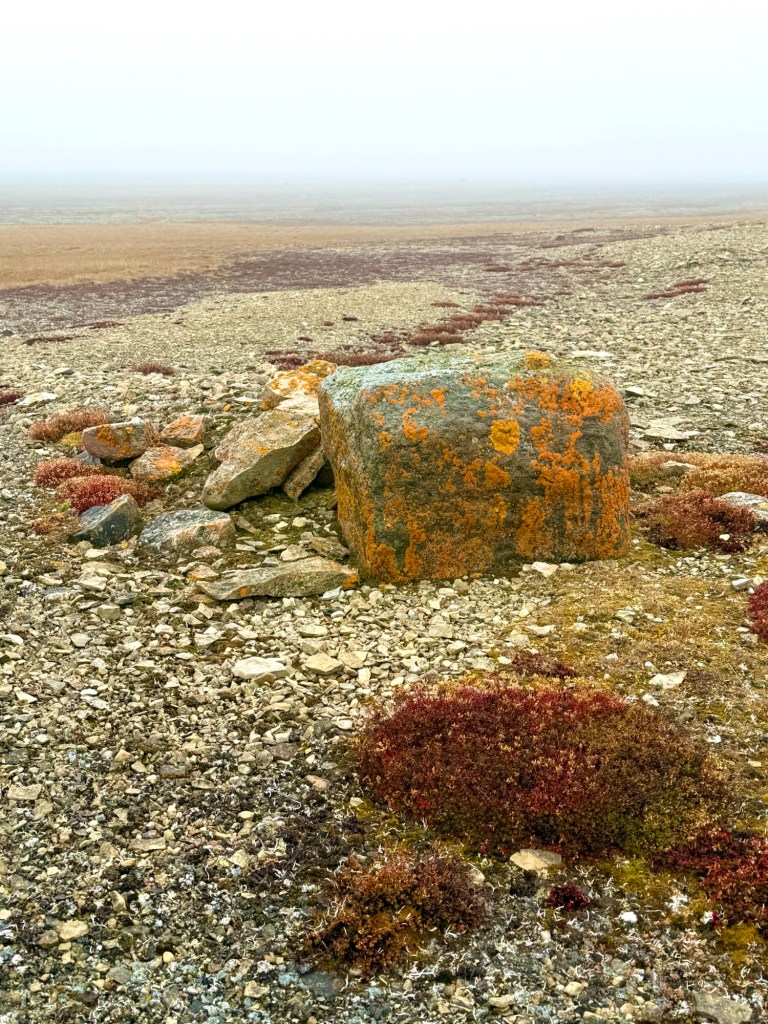
Sunburst lichen

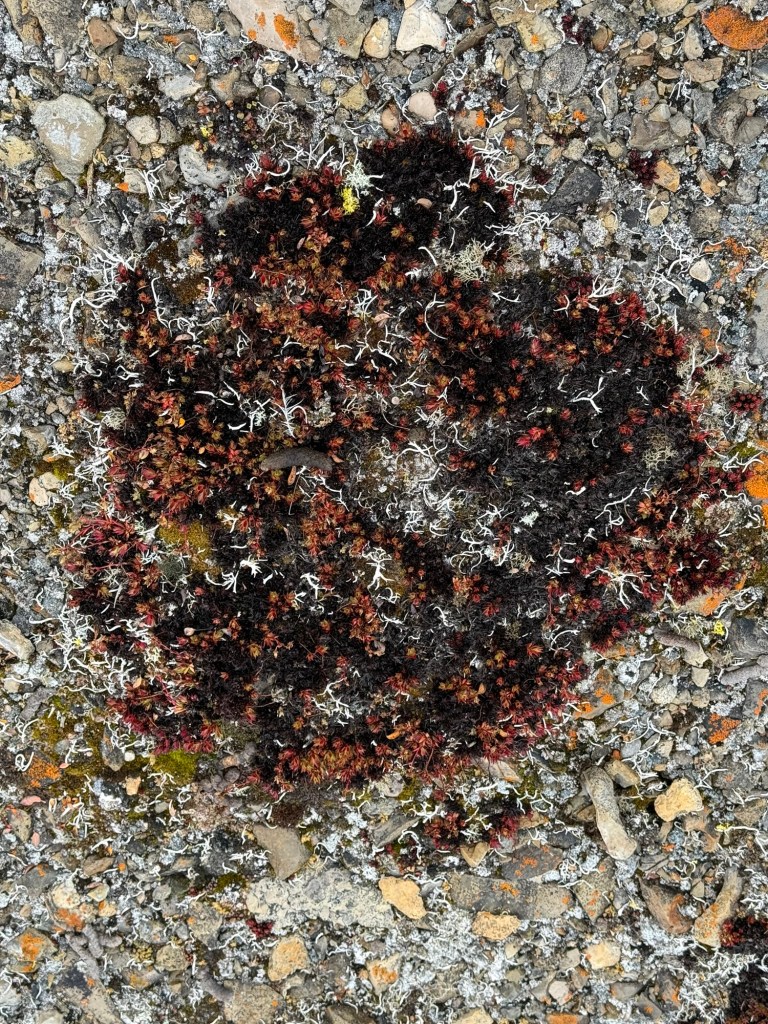
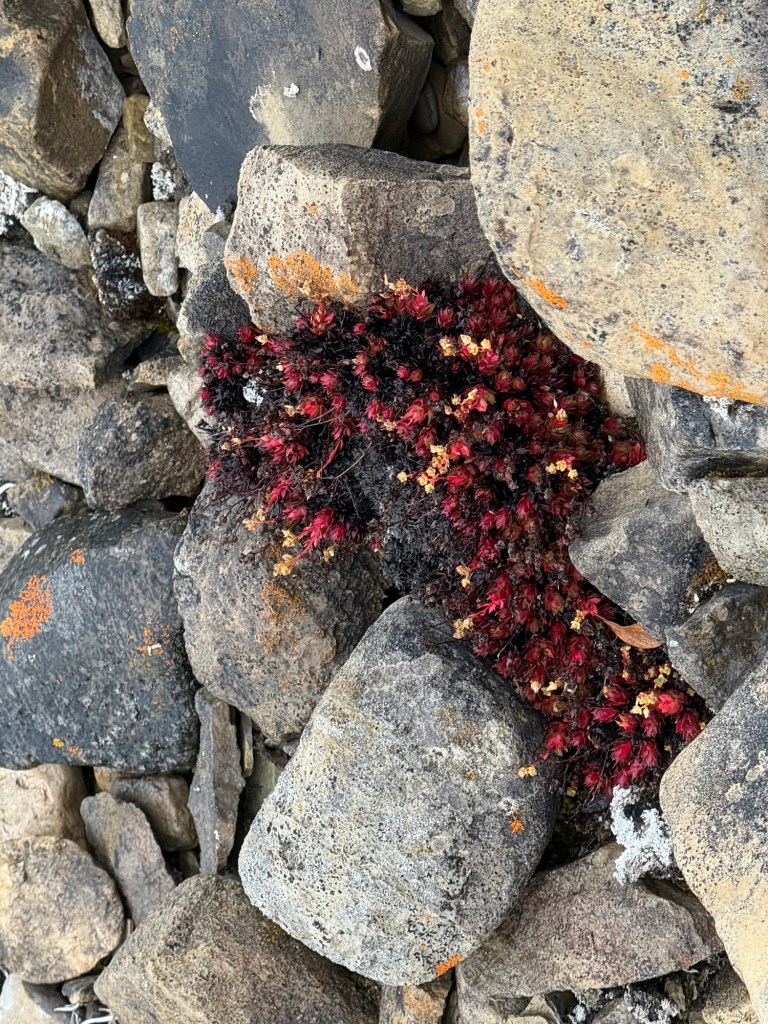
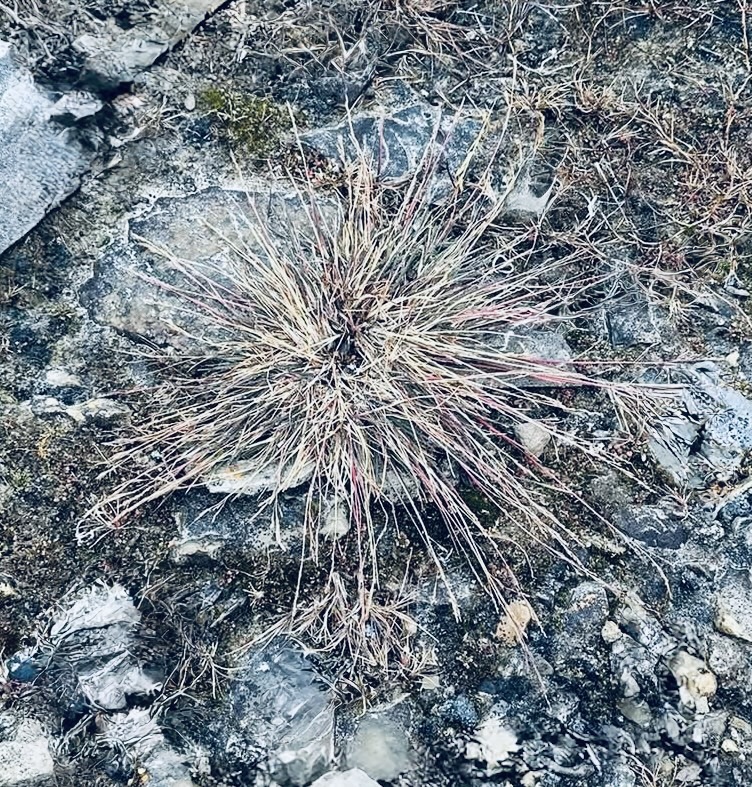
The terrain featured a diverse array of ground plants in various hues.

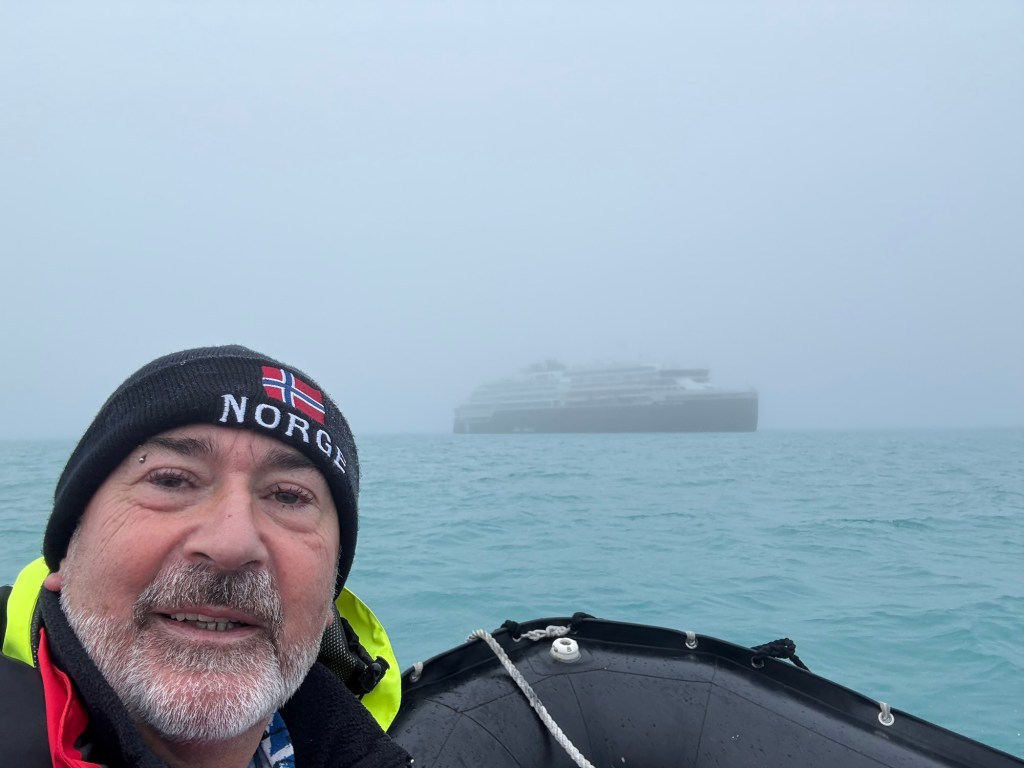
The return zodiac trip started without a visual of the ship, but then it appeared and we all lived another day in the Northwest Passage!

Day 11 (#3): North West Passage Expedition on HX’s MV Fridjtof Nansen, August/September 2025

By Paul Bryers, August 27, 2025

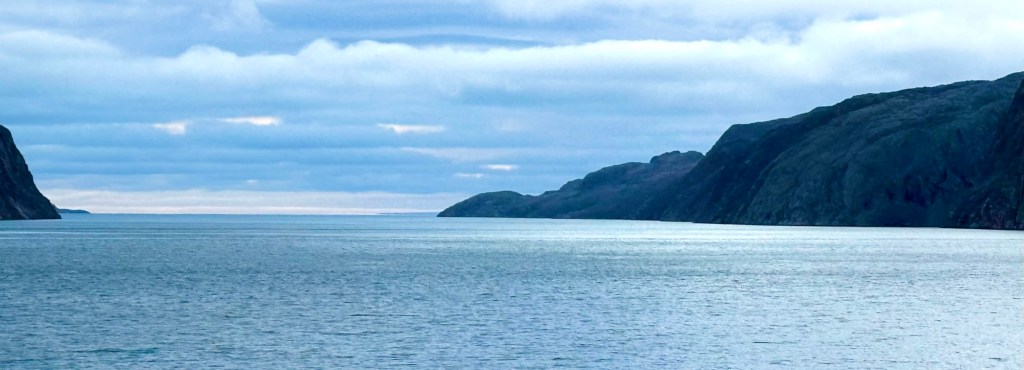
  • Cruising through Bellot Strait.

The Bellot Strait, separating Somerset Island from the Boothia Peninsula, is notable for its narrow width of approximately 1 km (~ 0.6 miles) at its narrowest point, and potential patches of hazardous ice.

The Strait is also known for strong currents and whirlpools resulting from the narrow passage and tidal level differences on either side. This is considered one of the best Straits in the world.

We entered carefully, with a slight swagger, a little arrogance but assured in our hull.

Yikey! An alert was issued for a polar bear and our hardy guides set out on the zodiacs.

The image of the bear is out of focus; however, I believe it was indeed a bear.

The rest of the transit was uneventful……

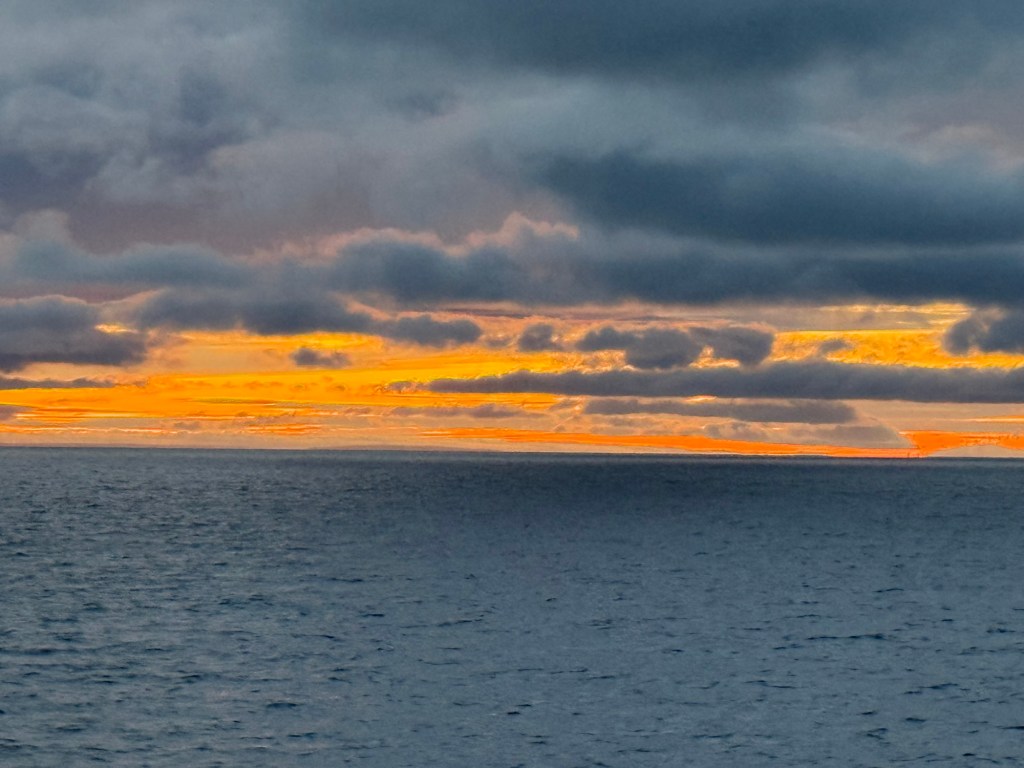
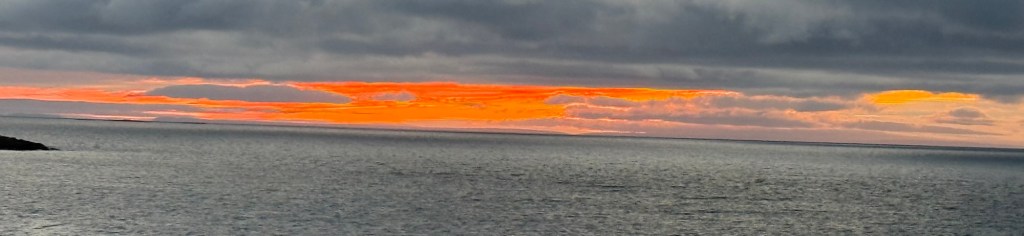
…. but finished in a glorious and intense sunset.

Day 11 (#2): North West Passage Expedition on HX’s MV Fridjtof Nansen, August/September 2025

Cruising South on Price Regent Inlet, Arctic Canada

By Paul Bryers, August 27, 2025

A moderate to rough sea was experienced overnight and early this morning, with wave heights reaching 3-4 meters (~10-13 feet). Outlook, fair.
Do I sound like the BBC Radio Fishing Forecast?

The stability of HX’s vessels in adverse sea conditions is consistently impressive.

In the early hours, it was fascinating to observe icebergs being tossed about and fragmented by the swell.

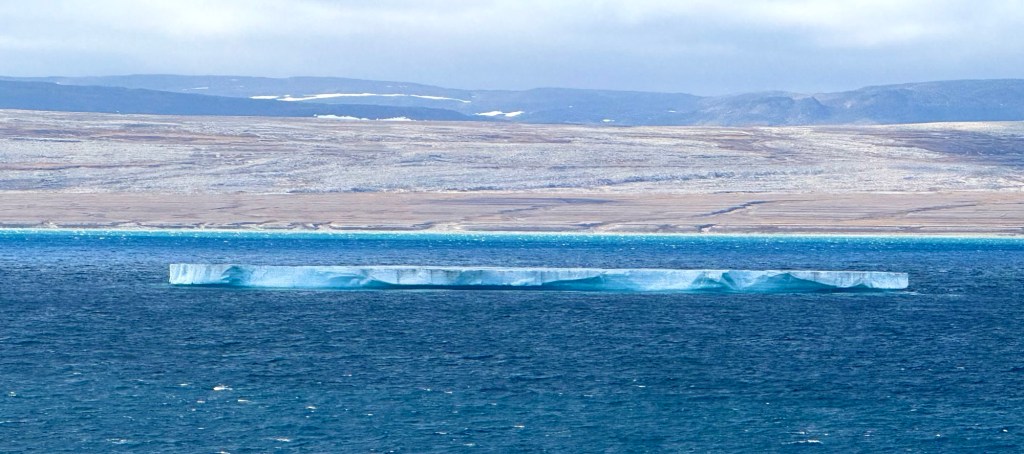
Current conditions are calmer, with the few remaining icebergs relatively stable. One iceberg appeared as just a thin line on the horizon, although it was probably severnal if not 10’s of meters high.

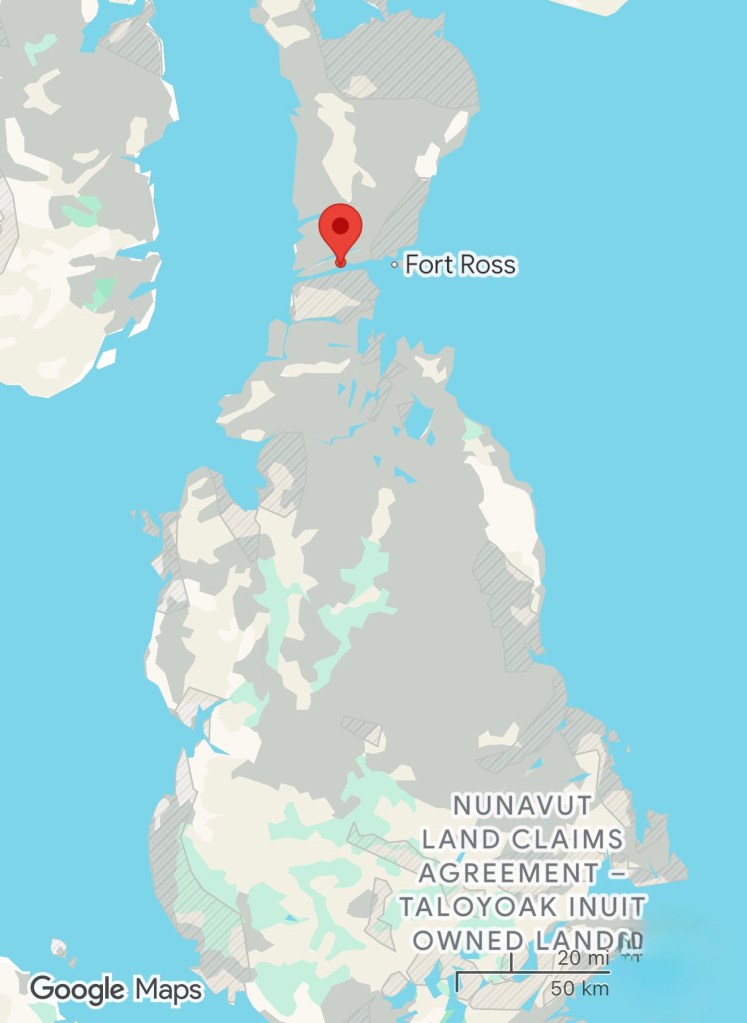
As we approached Fort Ross, there was an alert for a Musk Ox and another polar bear. While dots could be observed through bins, they were, I think, just rocks.

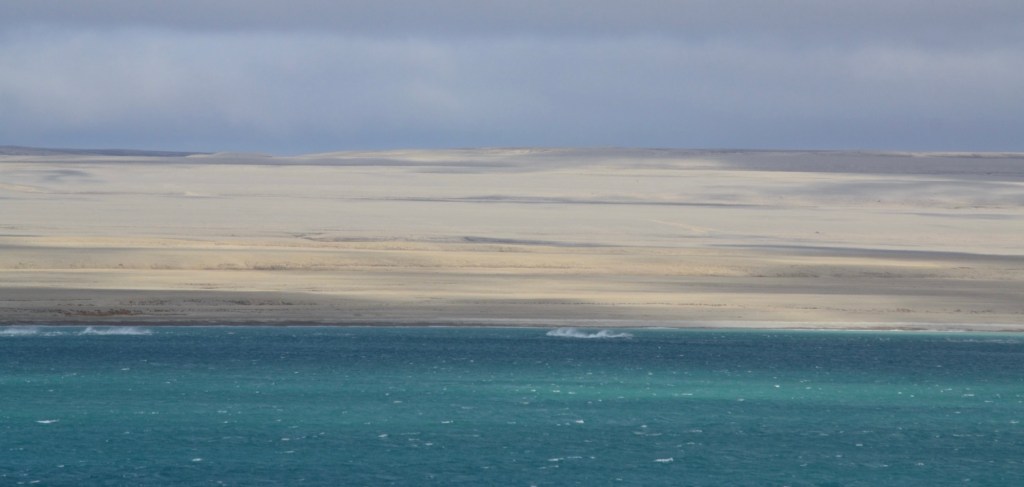
The land has now flattened out considerably and looks a bit like sand dunes. The water is turquoise, similar to the color of the waters off the West Coast of Scotland but even colder. Which reminds me, an Arctic Plunge is still ahead of us! Yikes!

Day 11 (#1): North West Passage Expedition on HX’s MV Fridjtof Nansen, August/September 2025

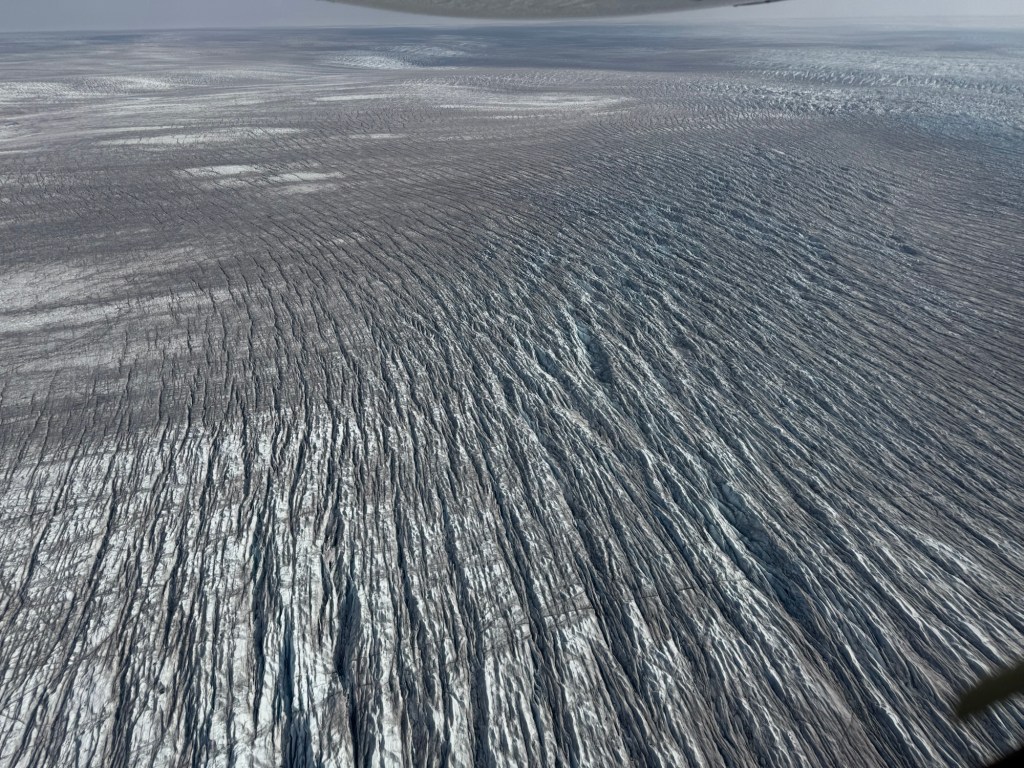
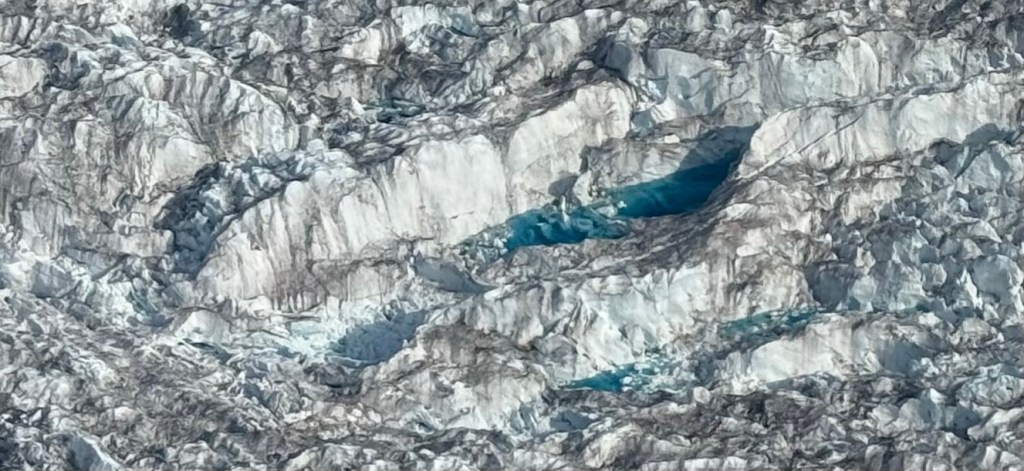
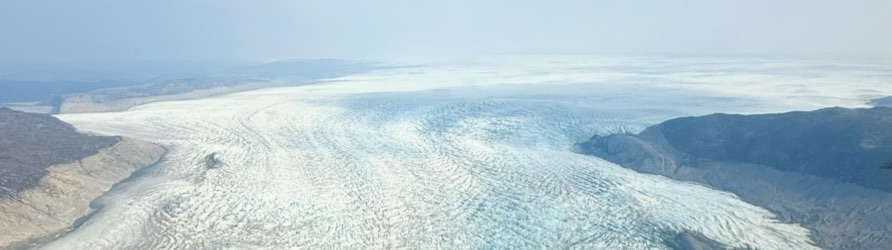
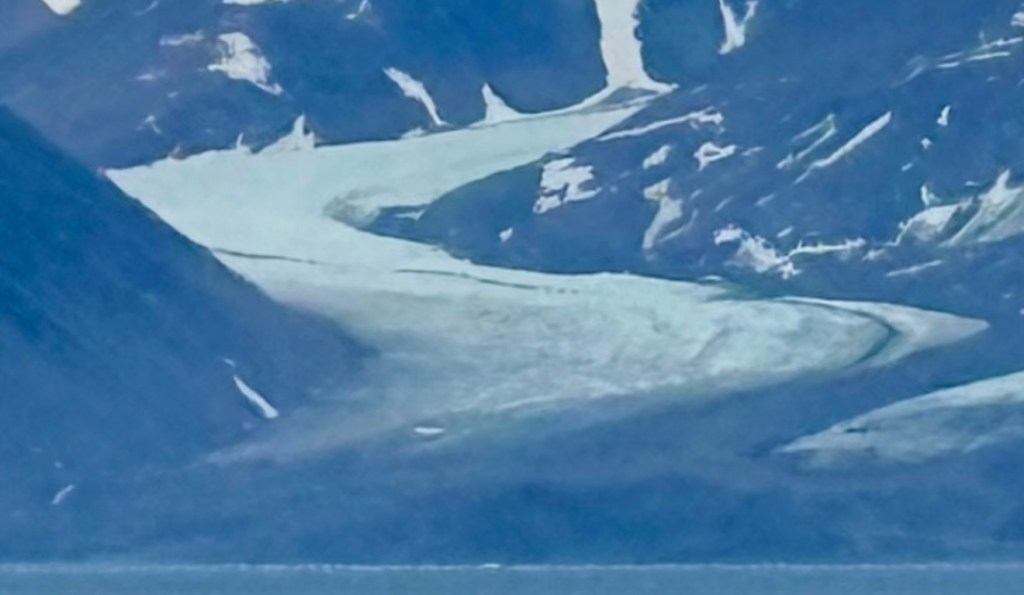
Sadness of Glaciers in North West Passage

By P Bryers & SAM

O solemn sentinels of ice, you once rose like cathedrals against the Northern sky, your spires gleaming in the eternal cold, your silence deeper than prayer.

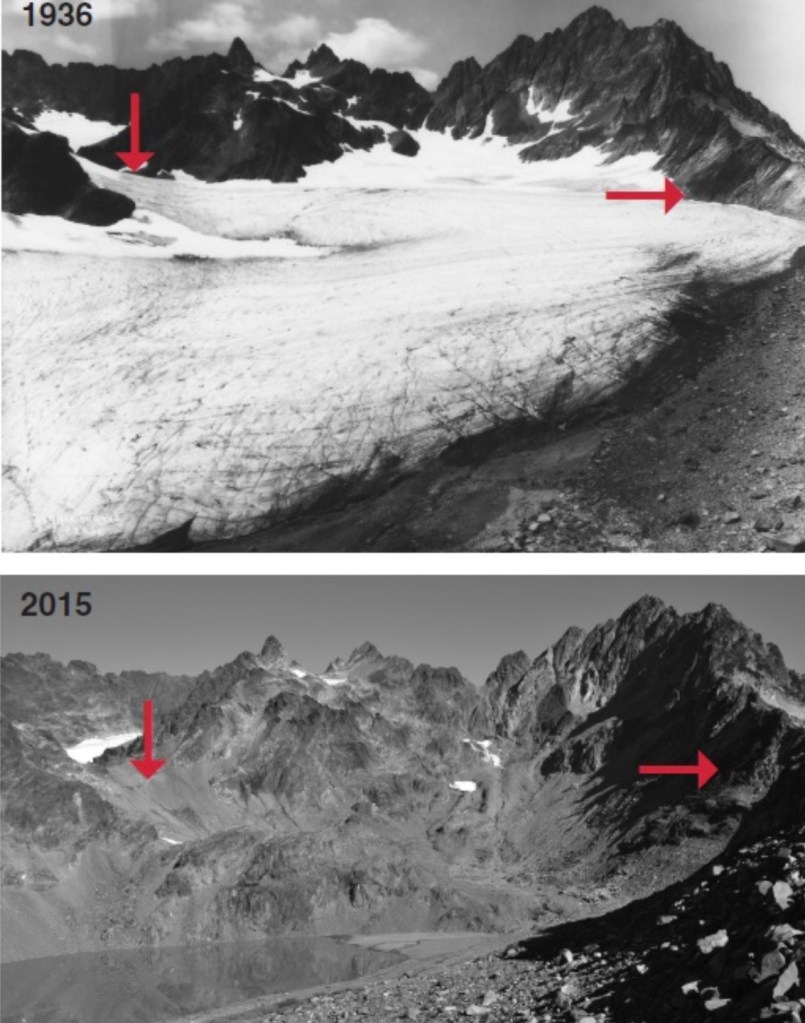
How quiet the melt – not with the drama of thunder or flame, but with the slow grief of centuries undone, a thousand winters dissolving into one tepid tide.

You were meant for wonder – for the aurora’s dance reflected in your glassy skin.

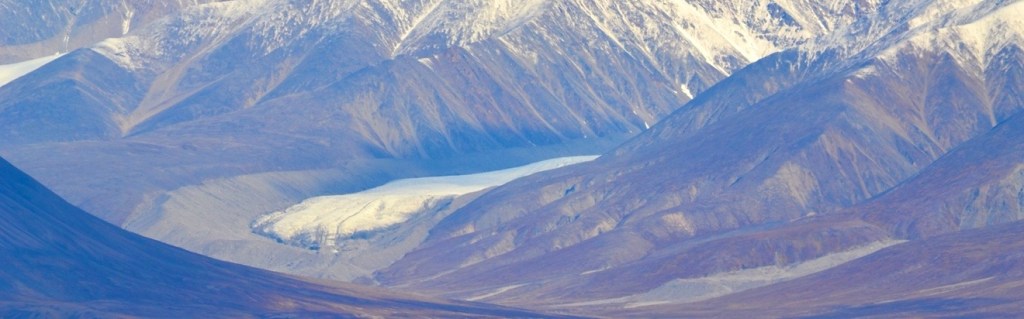
Glaciers, I mourn your retreat.

You are the weeping of the Earth itself,
the tears of millennia flowing back to the sea.

Still, in your waning light, may we find not triumph but humility, and kneel before your sorrow as pilgrims kneel before a fading saint – belated, reverent, and aching for redemption.

Day 10 (#3): North West Passage Expedition on HX’s MV Fridjtof Nansen, August/September 2025

  • POLAR BEAR!! Prince Leopold Island

From Paul Bryers, August 26, 2025

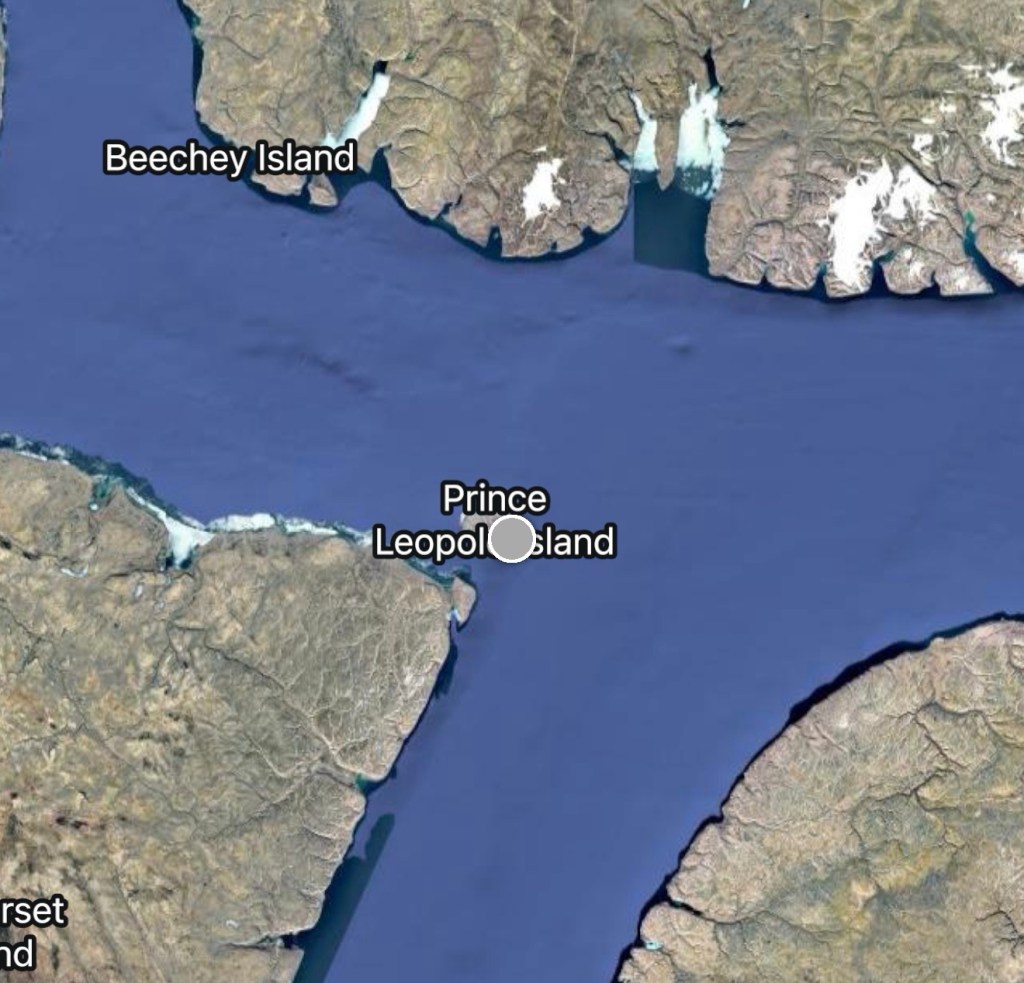
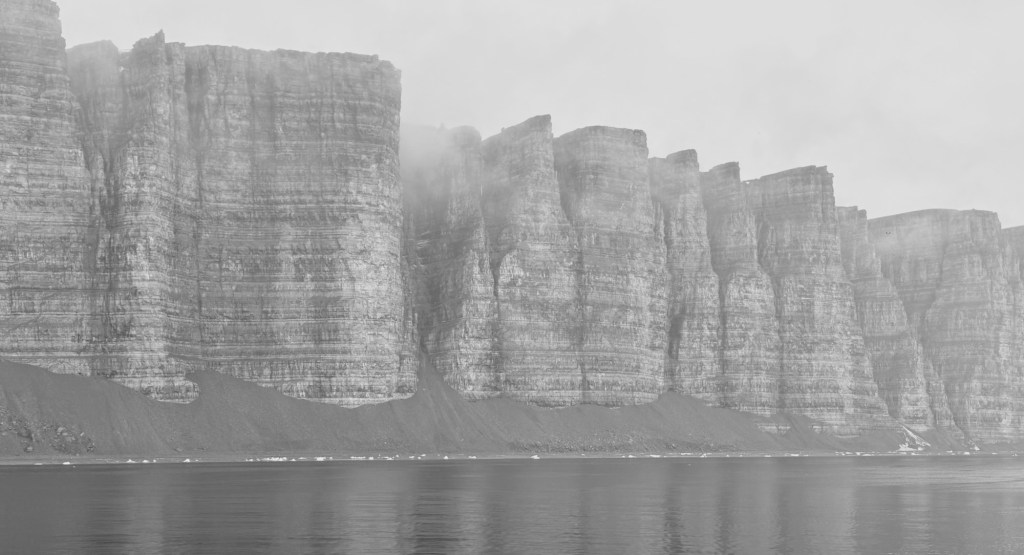
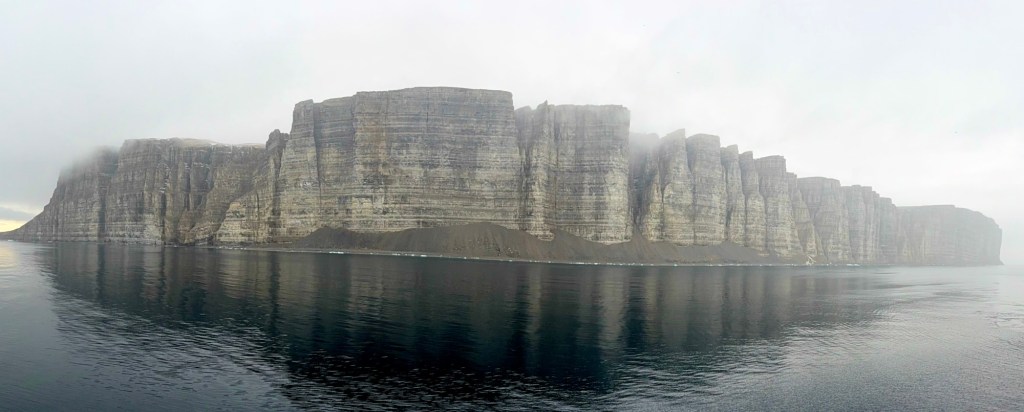
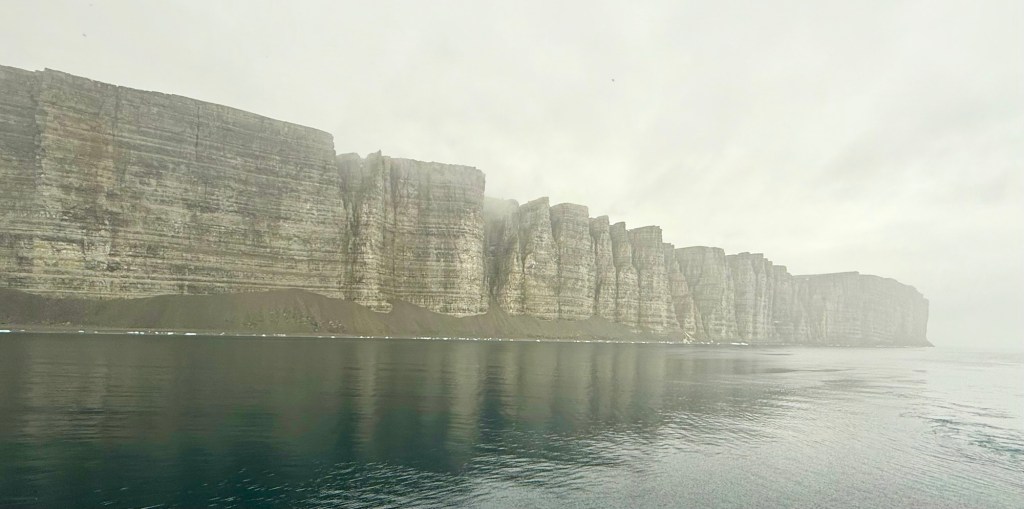
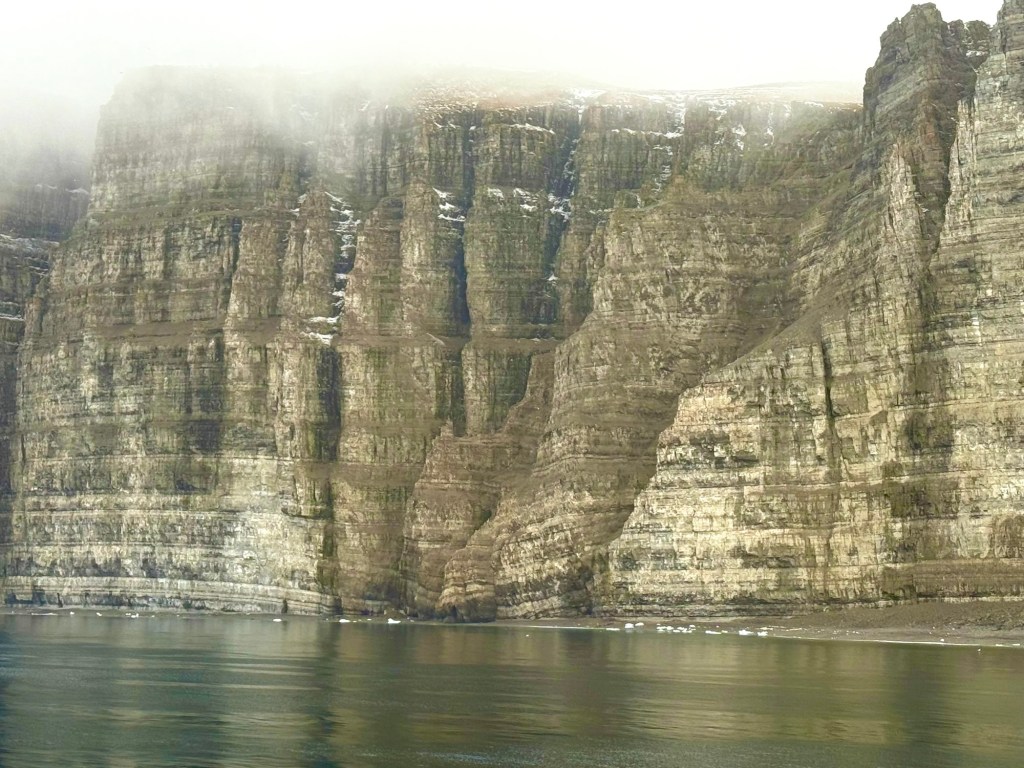
Prince Leopold Island is an uninhabited island located in the Arctic Archipelago of Canada. It is situated in the Queen Elizabeth Islands, off the northwestern coast of Baffin Island. It is famous for its towering, close 300 meters (~1000 feet) cliffs.

The Island was named after Prince Leopold of Saxe-Coburg-Gotha, who was Queen Victoria’s youngest son.

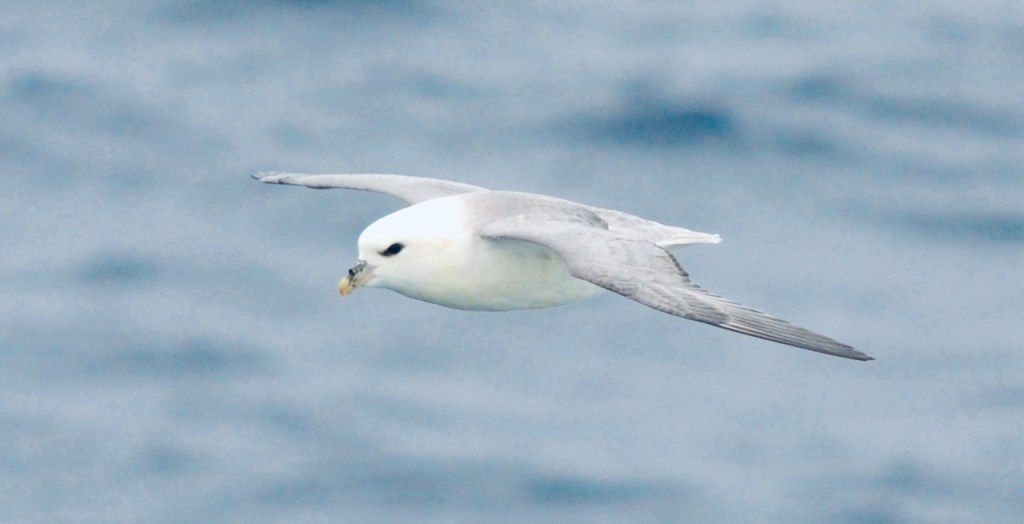
The island is home to a variety of wildlife, including polar bears, arctic foxes, and various species of seabirds. It is also an important breeding ground for seabirds, including the common eider, black guillemot, and northern fulmar.

Guillemot
Northern Fulmar

Speaking of polar bears, we saw yet another one on the shoreline tonight. He seemed to pick something up and eat it.

We are being so lucky with wildlife and we are only a third of the way through the cruise!

It’s worth mentioning once again the very impressive cliffs of the Island – reminiscent of The Lost World and Jurassic Park…

Day 10 (#2): North West Passage Expedition on HX’s MV Fridjtof Nansen, August/September 2025

Beechey Island, Arctic Canada

From Paul Bryers, August 26, 2025

After the Polar Bear was finally 5 km away from us, zodiac landings resumed with haste and valor.

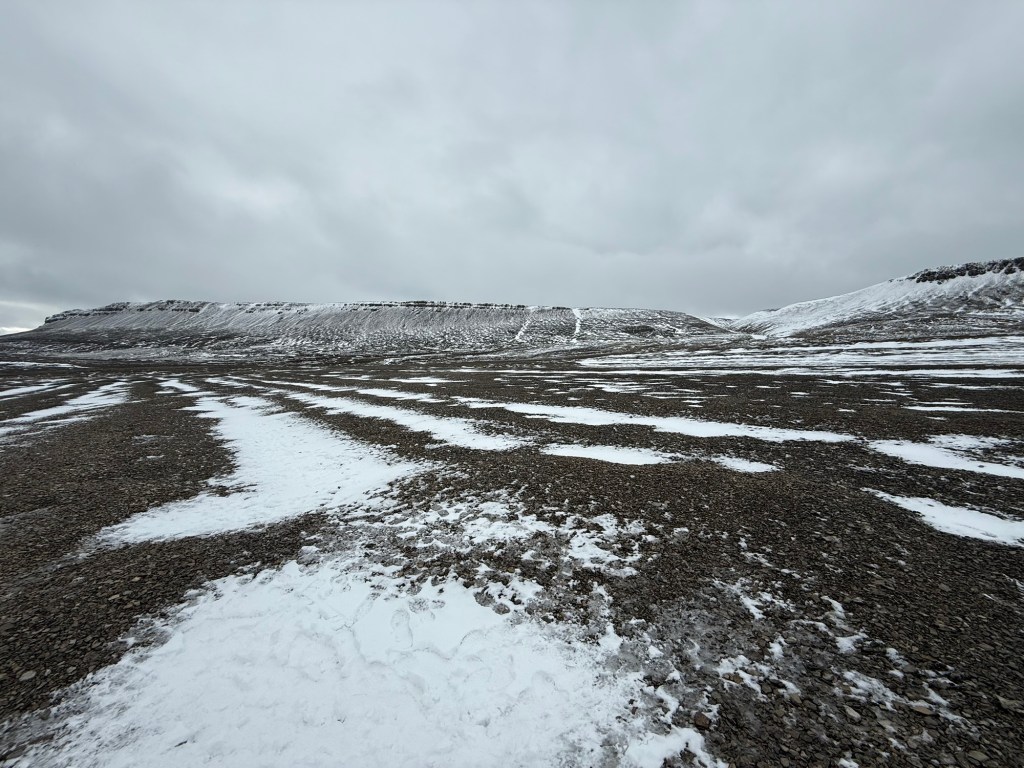
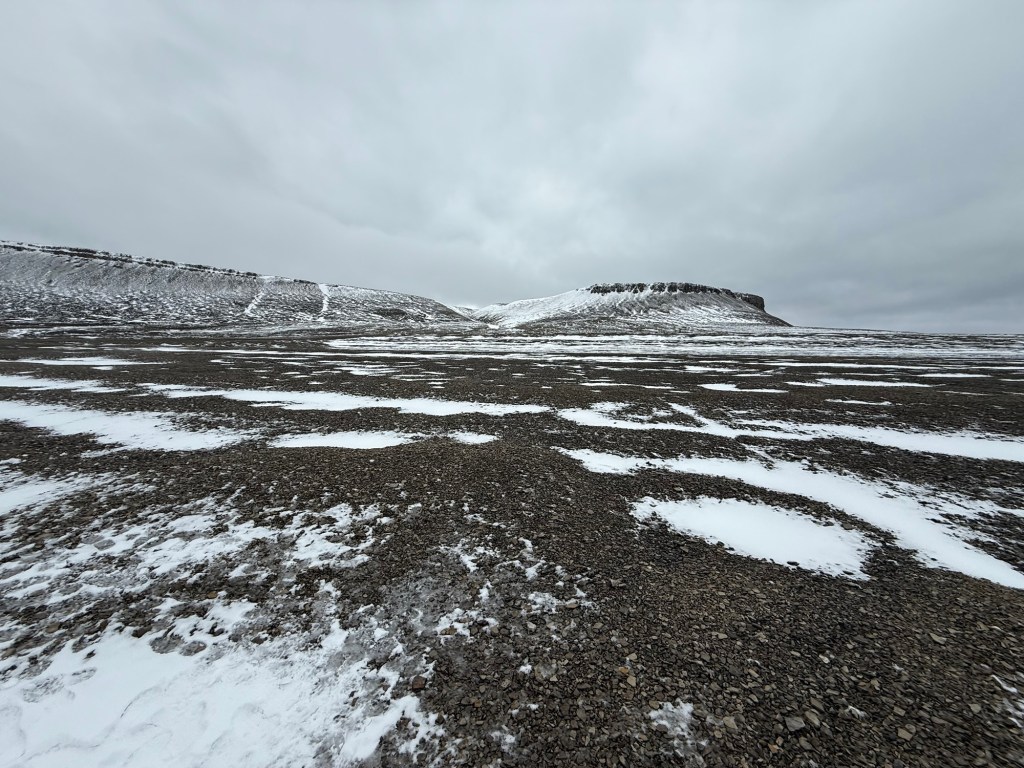
Now that some of the snow had melted, the barren and rugged nature of this isolated and desolate corner of Earth became even more apparent.

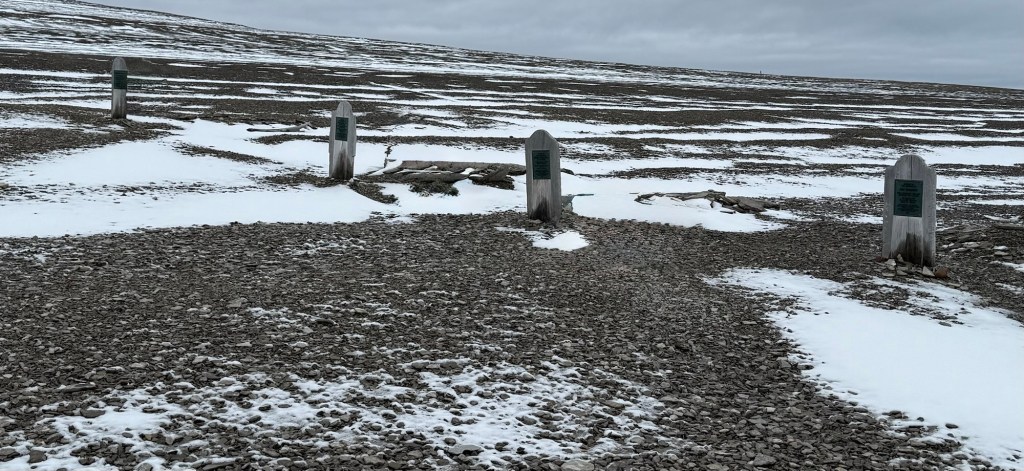
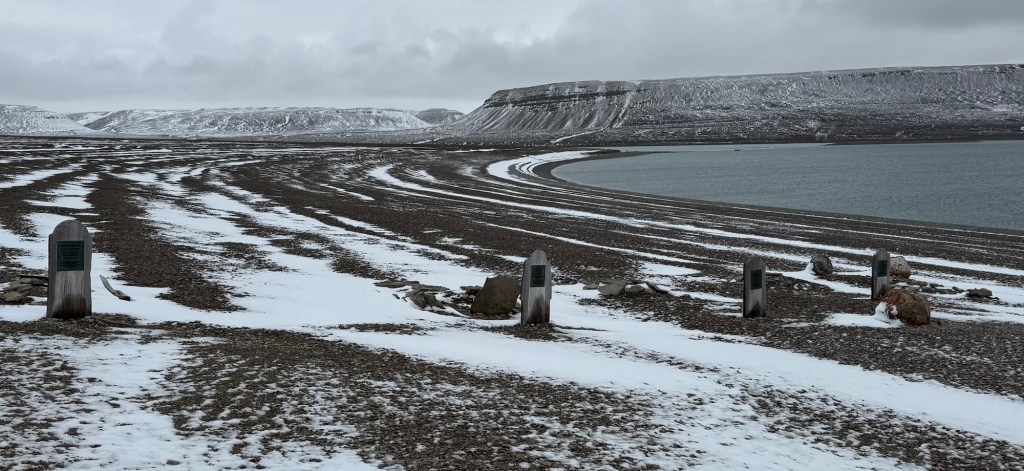
Beechey Island is best known for containing three graves of Franklin expedition members, which were first discovered in 1850 by searchers for the lost Franklin Expedition. The searchers found a large stone cairn, along with the graves of three of Franklin’s crewmen – Petty Officer John Torrington, Royal Marine Private William Braine, and Able Seaman John Harrell – but no written record nor indication of where Franklin planned to sail the next season.

During a later expedition, a searcher named Thomas Morgan died aboard the vessel North Star on May 22, 1854, and was buried alongside the three original Franklin crew members.

One can only glimmer what it must have been like for Franklin and his colleagues to have wintered in this area, starved and, for at least these three, died. And all the rest of the expedition died to.