I have returned to Rome for a four-night stay, following my cooking classes at Casa Gregoria.
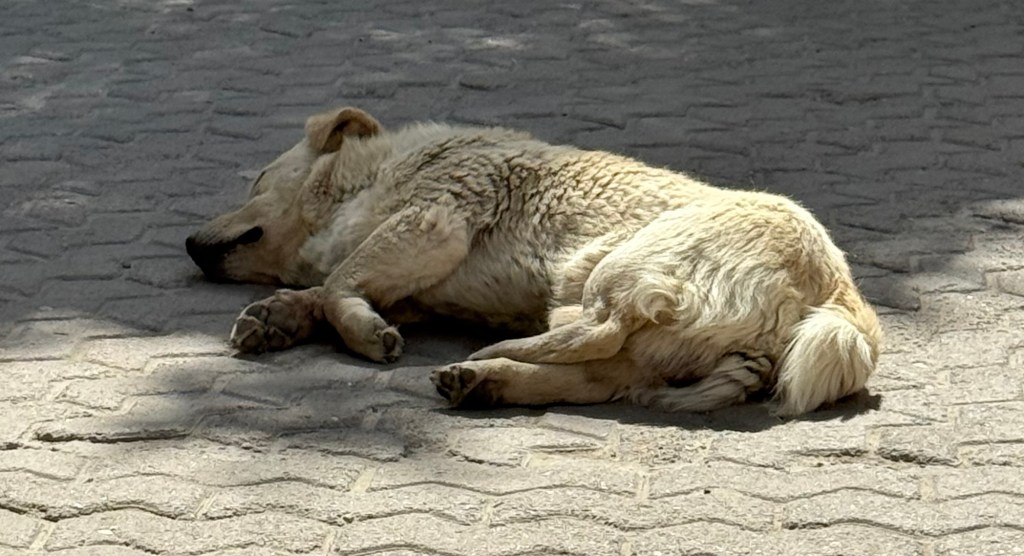
My plan is to take it easy, recharge, enjoy coffees, visit the occasional ruin, and engage with the local canine population, many of whom seem to comprehend English, while I possess a basic understanding of Italian. Ciao Cucciolo!
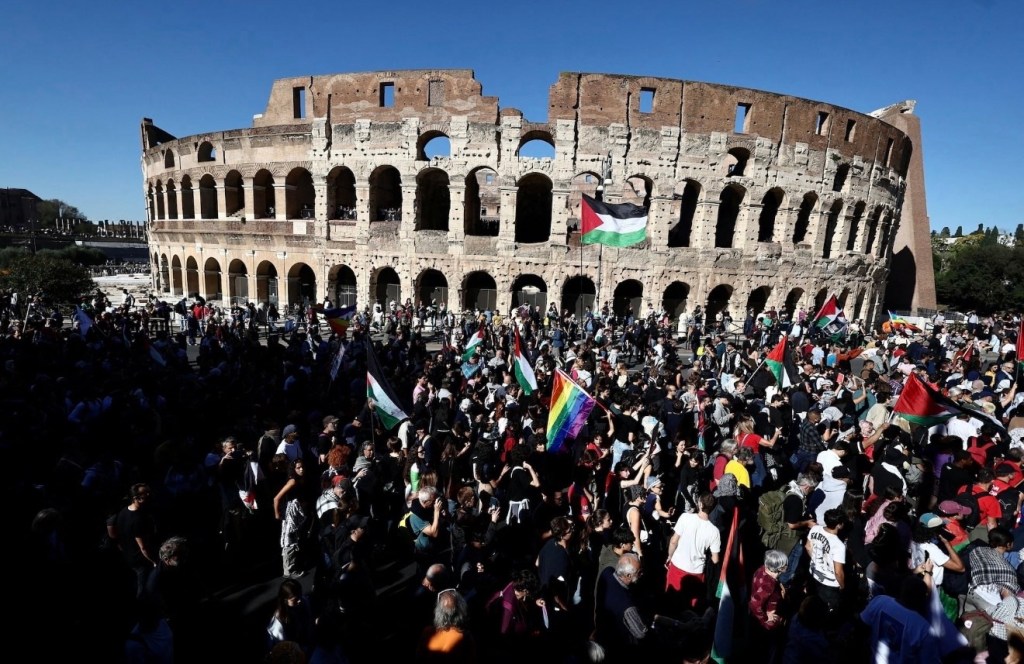
A large Pro-Palestine march and rally is currently underway near the Coliseum, which is conveniently located near my hotel.
Although the atmosphere appears peaceful, the noise level is notably high, even by Italian standards.
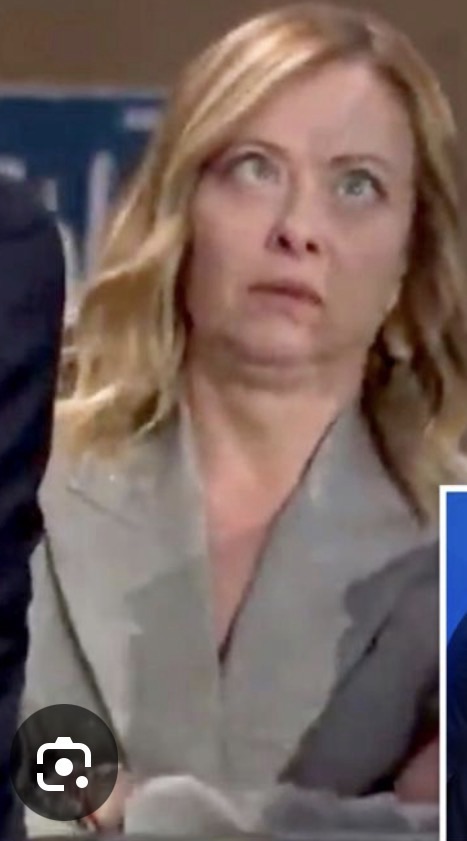
I suspect that Prime Minister Meloni may be displeased with these developments. I can see her rolling her eyes from my Palazzo.
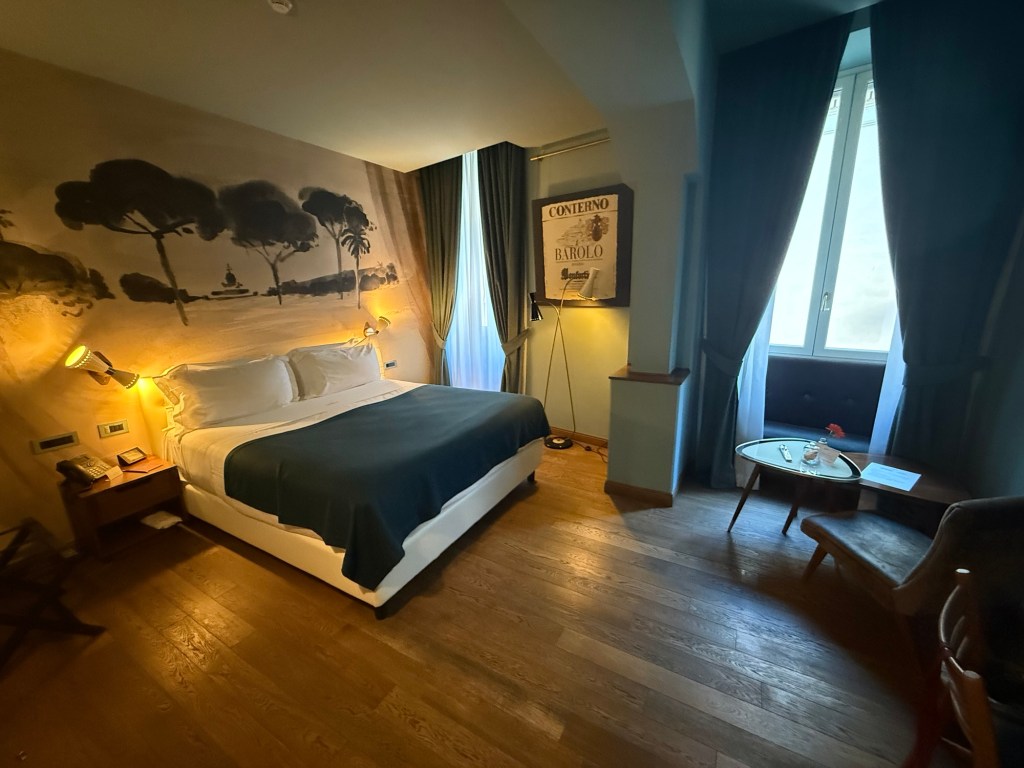
I have enjoyed the Palazzo Manfredi’s complimentary nuts, fruit, and chamers, but I intend to venture out for dinner later. It would be a shame to be in Rome and not indulge in the local cuisine.
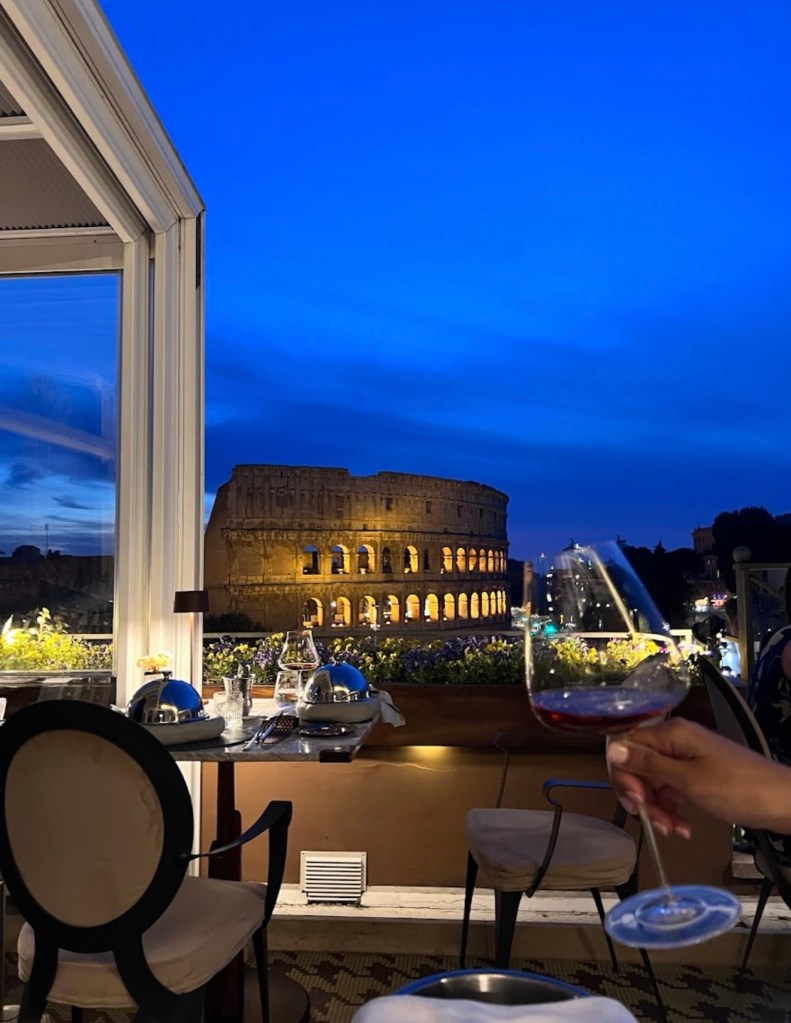
I’ve also just discovered that the Palazzo’s restaurant, Aroma, overlooks the Coliseum and is Michelin Star-rated; I have requested a table for one night I’m here and, although it is fully booked until November, they are going to try. We shall see if my charm is effective.
Rome – St Peter’s Basilica Popes’ Tombs and the Dome
By Paul Bryers
The construction of the Tomb of St Peter, the Basilica, commenced in 1506 and took approximately 100 years to complete.
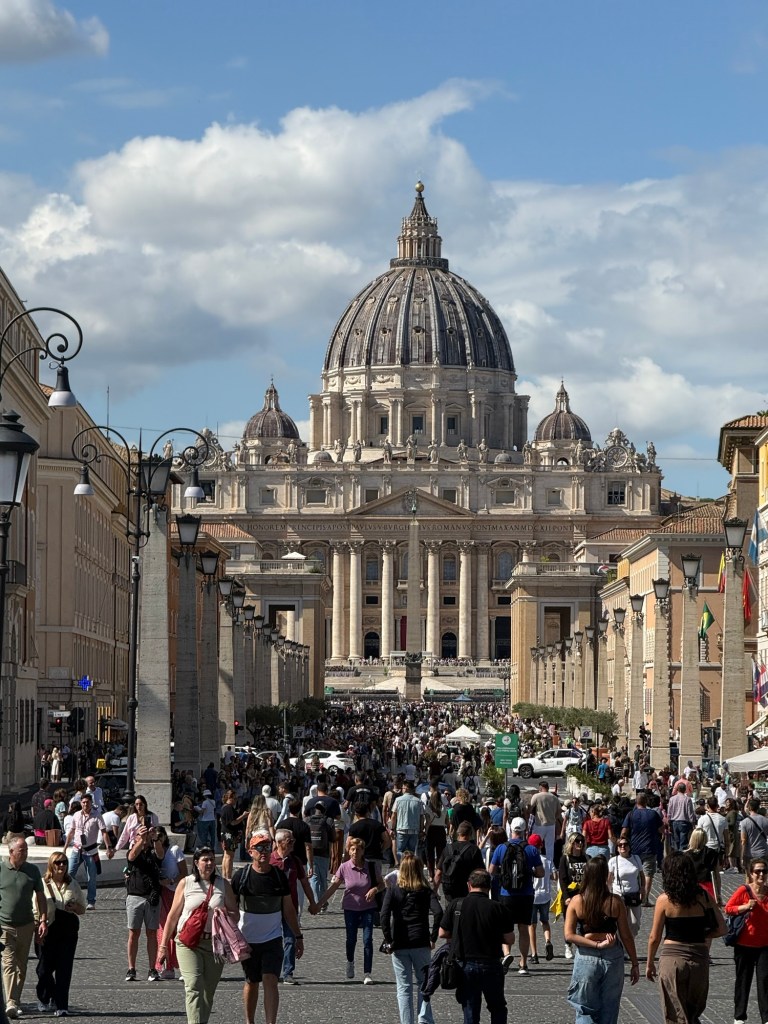
The basilica is profoundly impressive, both externally and internally.
A Swiss Guard was present to maintain order, dressed in distinctive attire.
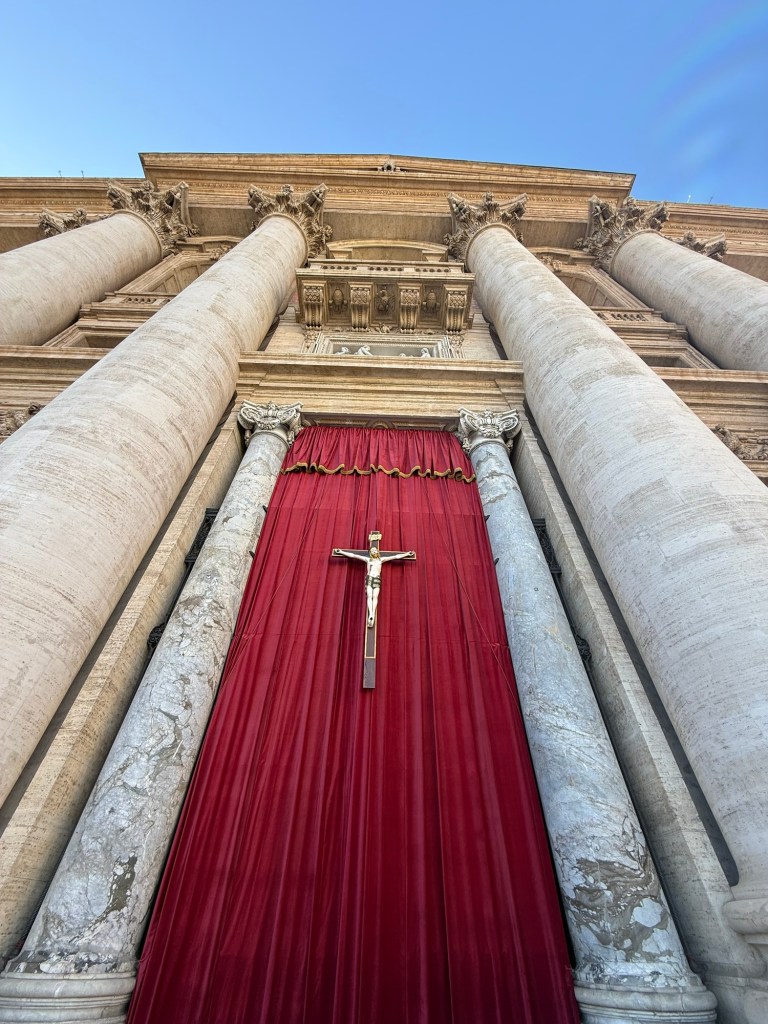
I entered through the Holy Door, a unique experience as it is only open for a short period every 25 years. According to tradition, passing through this door grants forgiveness for all sins. Mmmhhh….
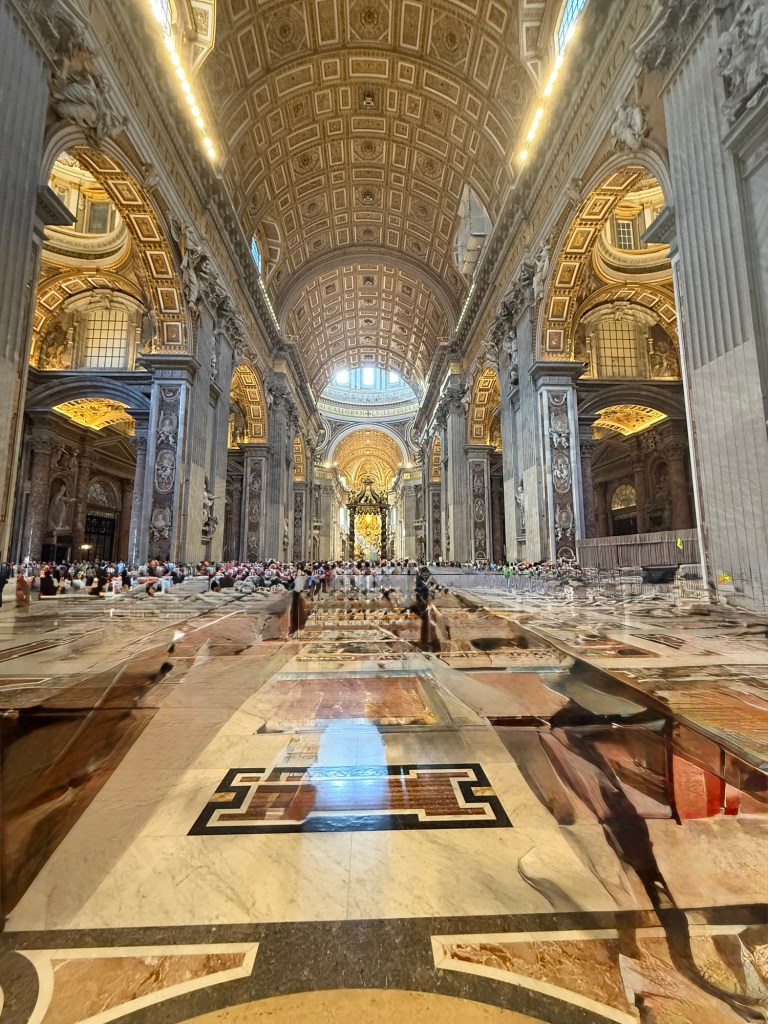
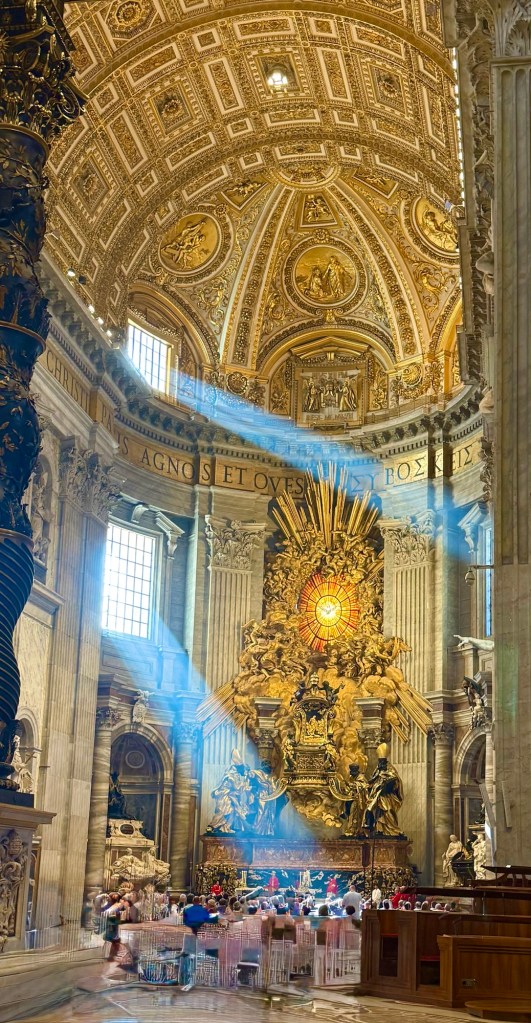
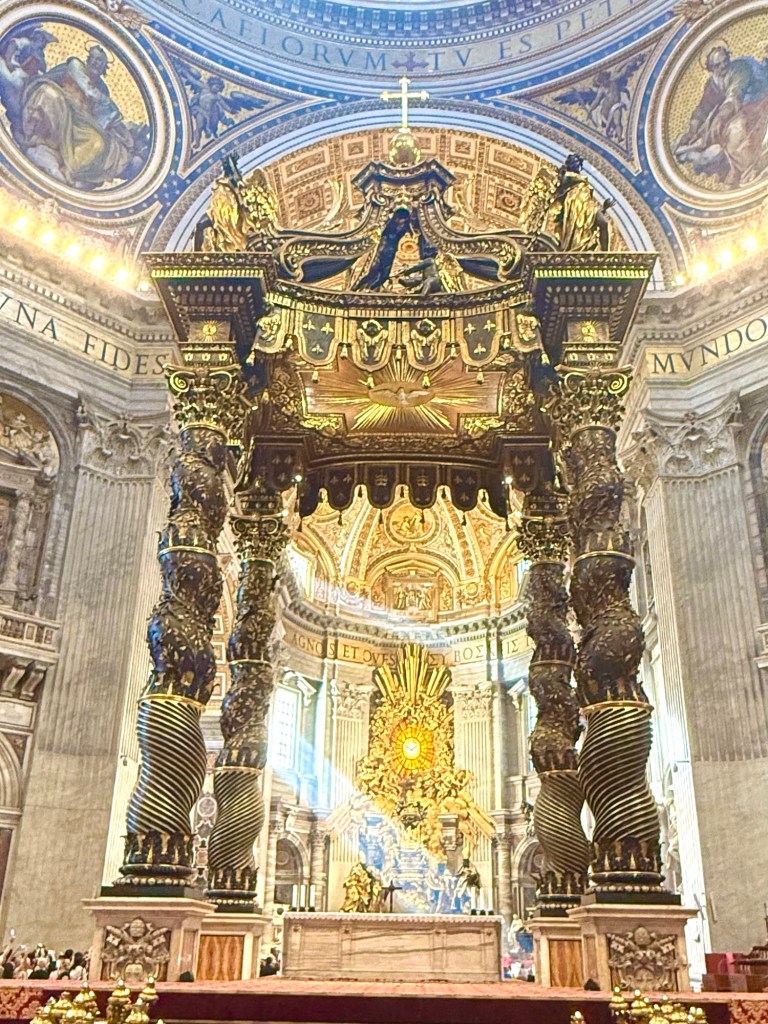
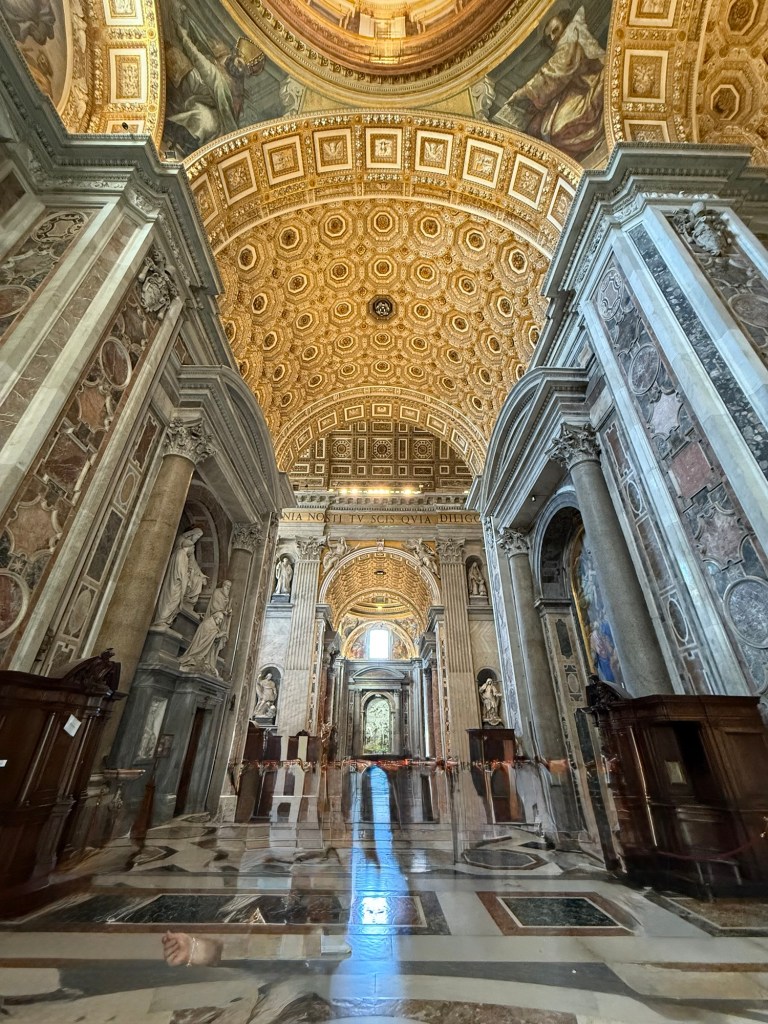
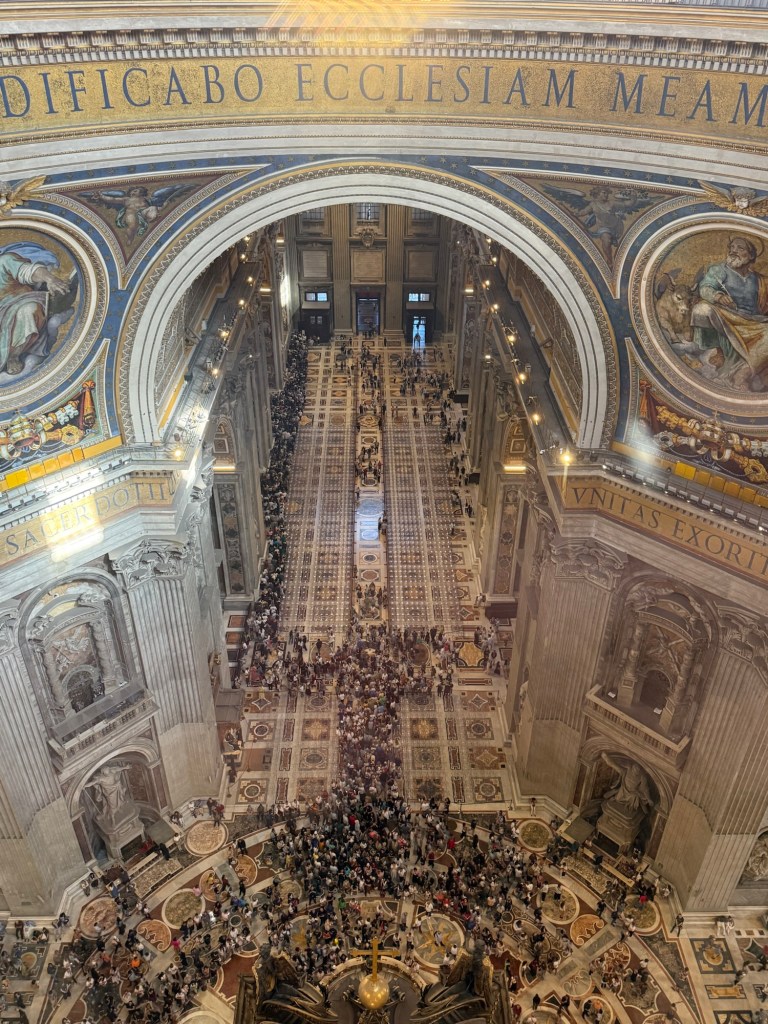
Upon entering, the main aisle provides a stunning view towards the central altar and the second altar.
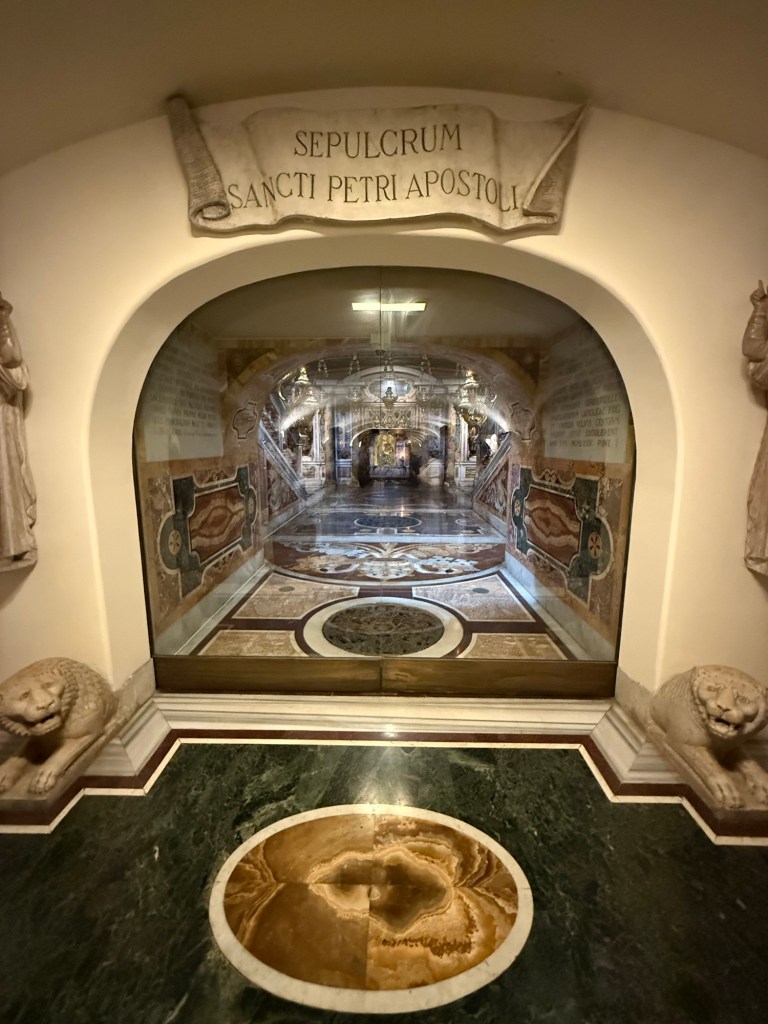
Beneath the main altar lies the tomb of St Peter, accompanied by the crypt of Pope Benedict XVI in the nearby catacombs.
Back up on the ground floor of the Basilica, early evening light streamed through windows into the second alter – a moving illumination reminding me of the fabled Illuminati.
Numerous sculptures, paintings and mosaics depict Biblical history.
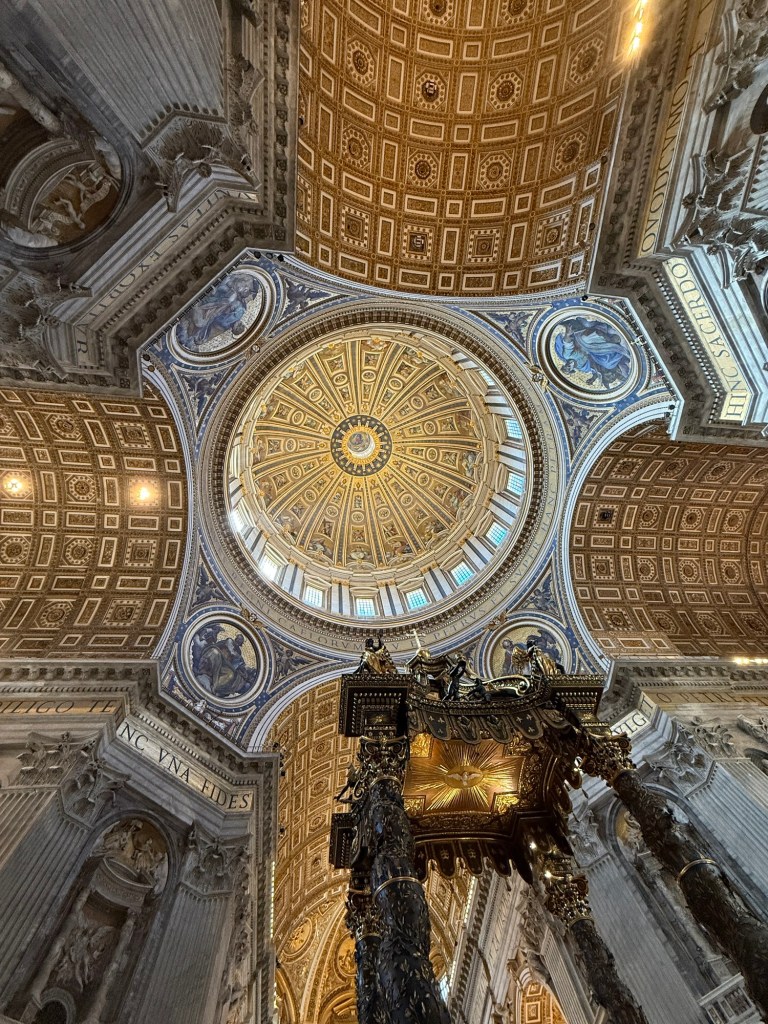
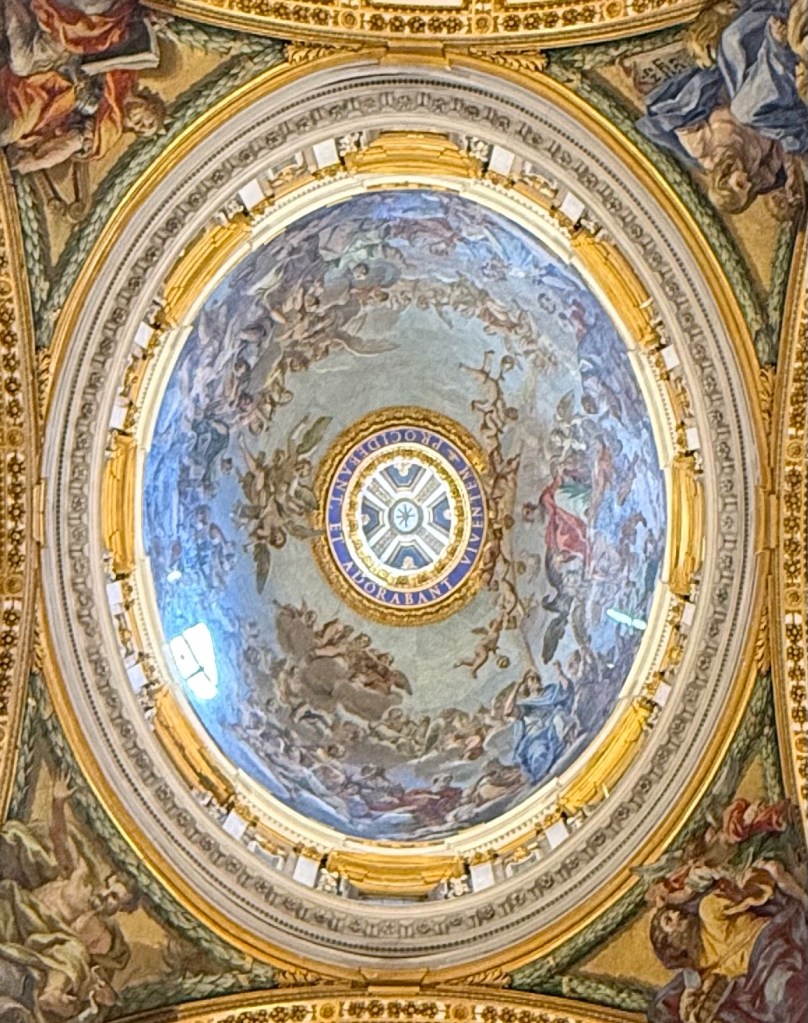
The intricate and ornate ceilings are my favorite artistic features, shining down on the masses below.
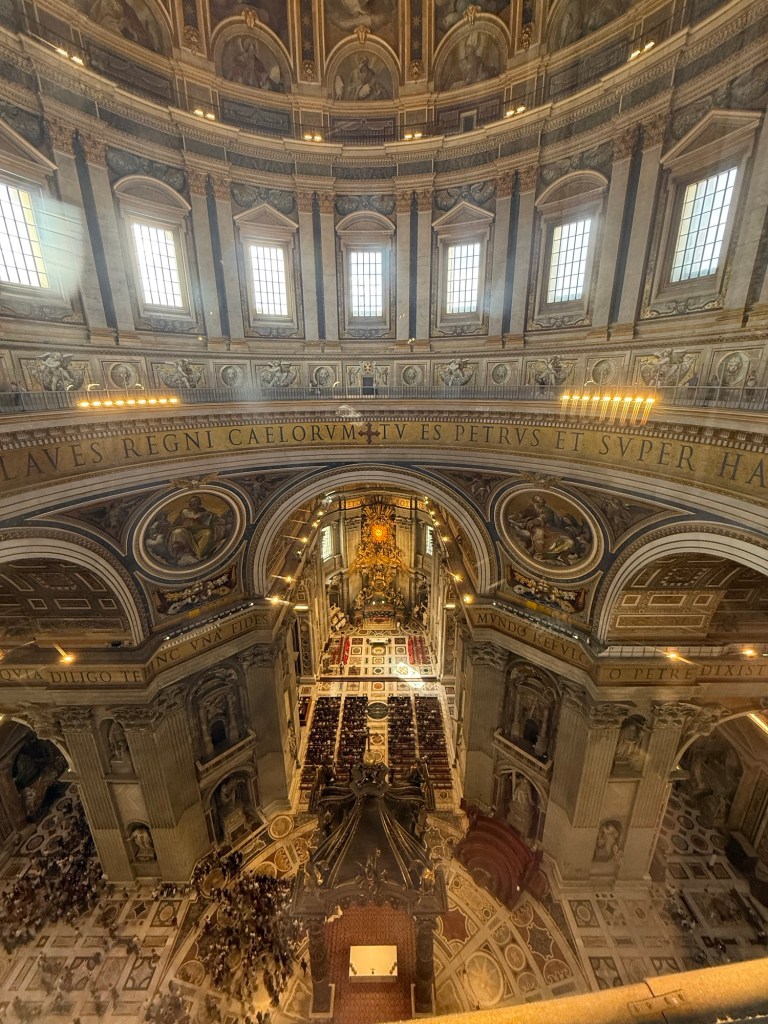
To gain a new perspective, I climbed to the base of the dome, observing the crowds below.
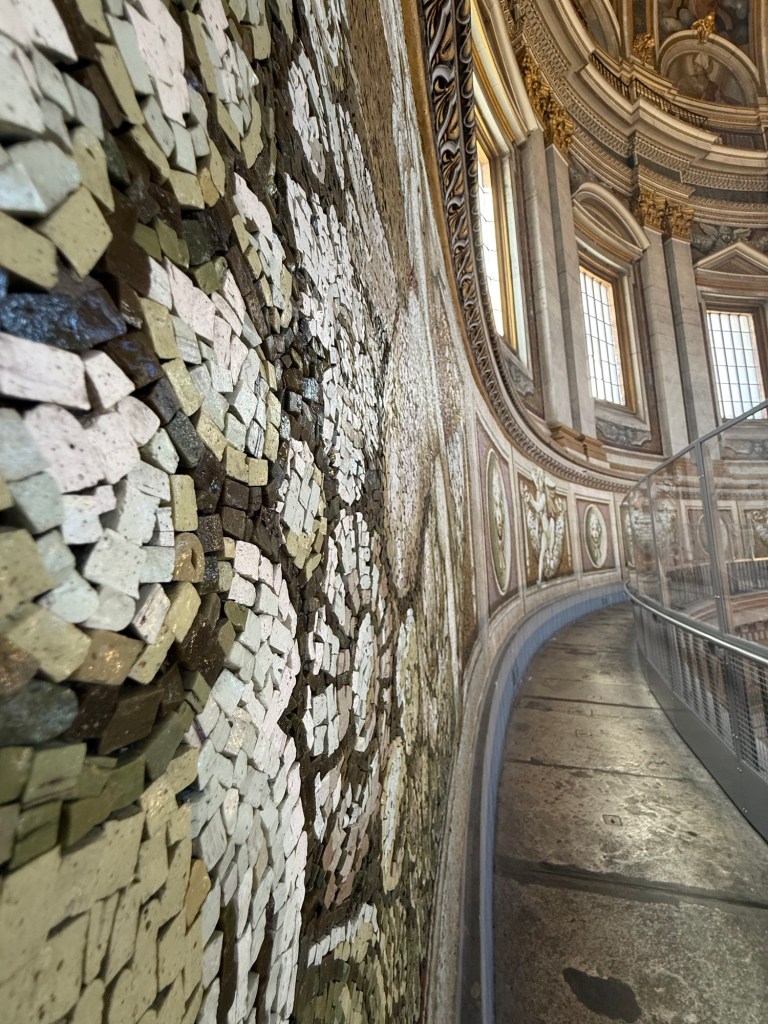
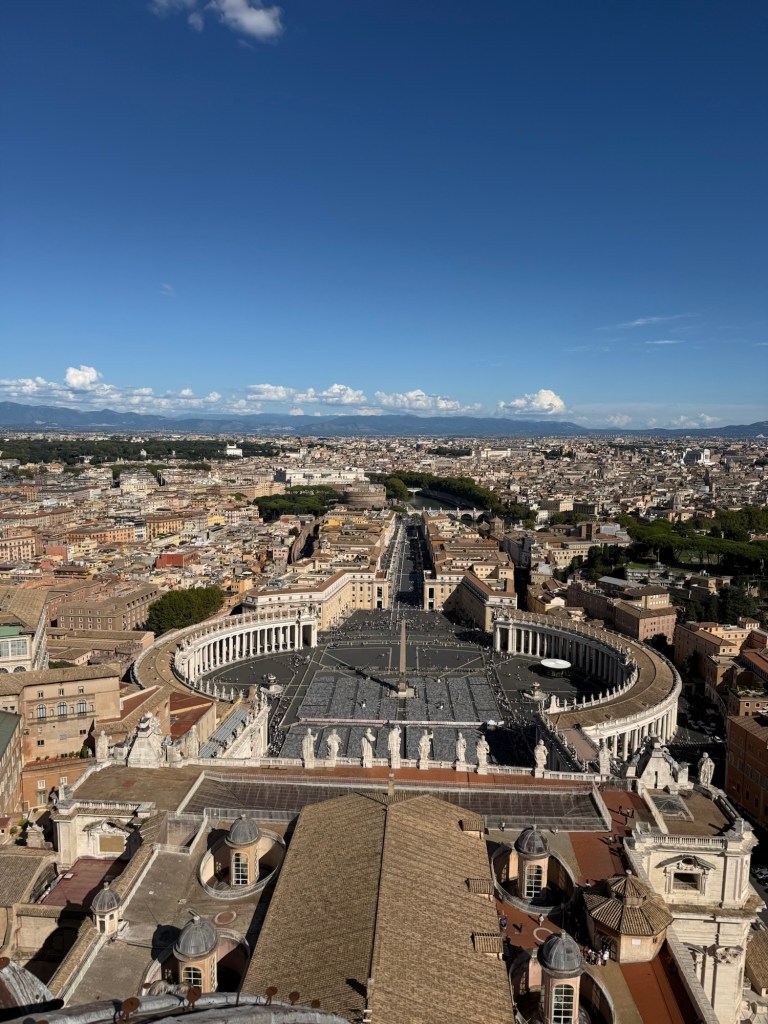
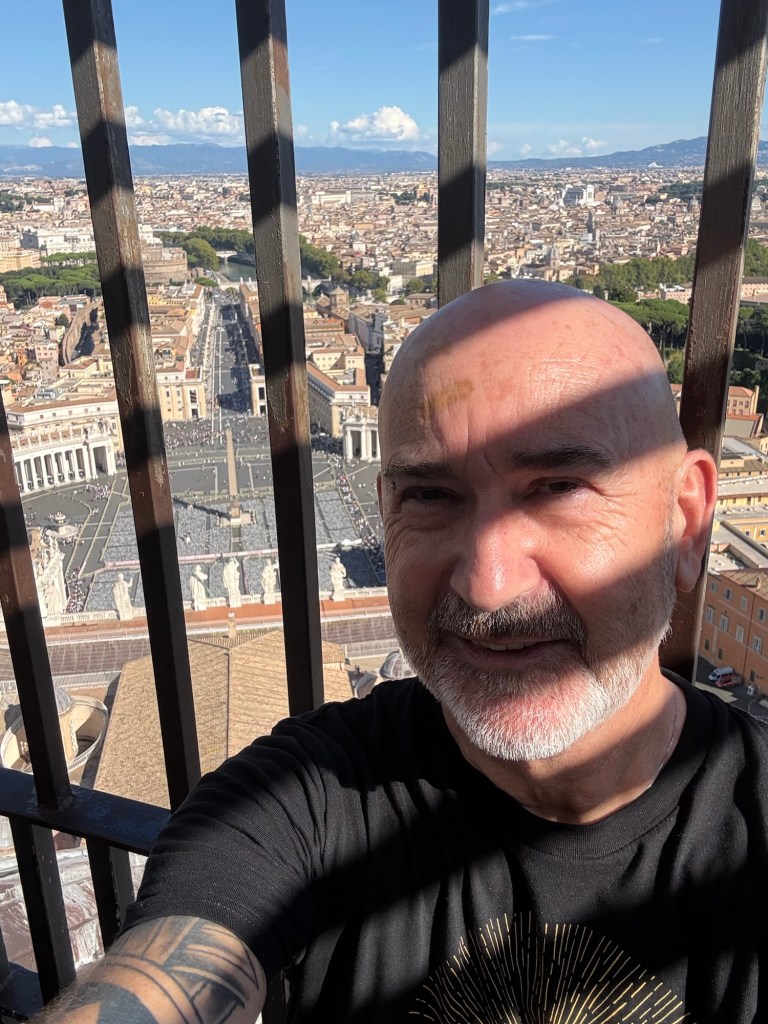
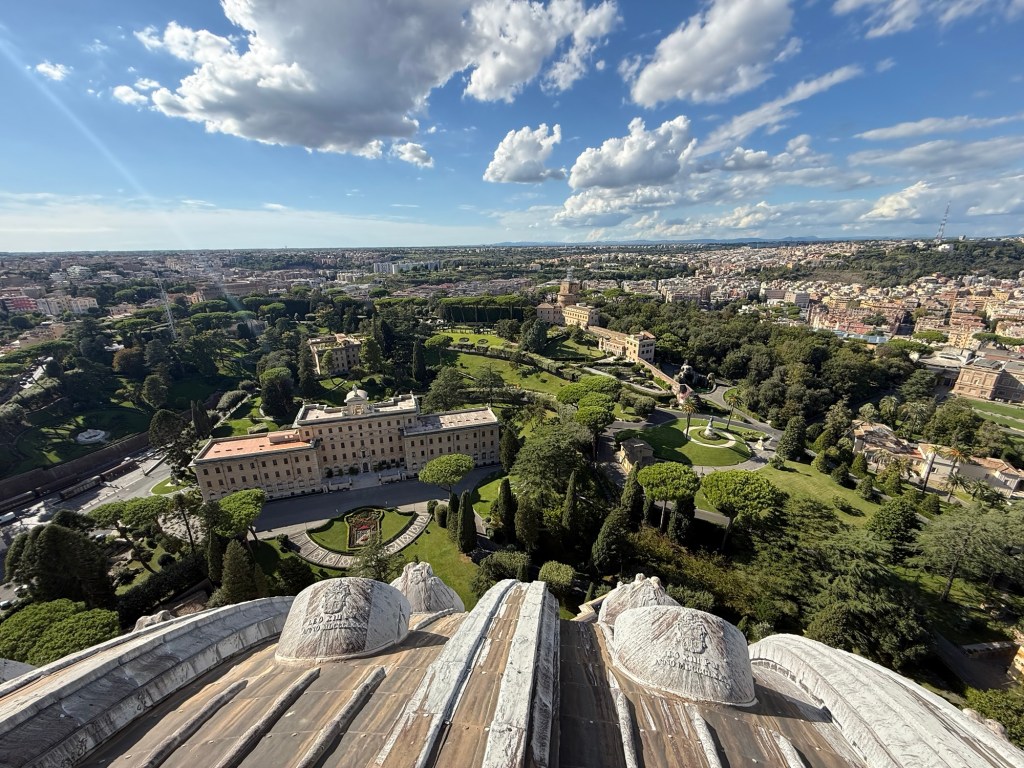
I then ascended within the dome, an unsettling experience due to the angled walkway, to reach the top for breathtaking views of St Peter’s Square and the Vatican Gardens.
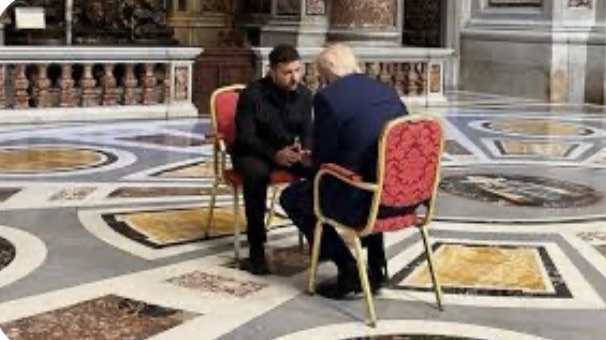
Political Note: I recognized the flooring as the location where Presidents Zelenskyy and Trump recently met to discuss the situation involving Putin.
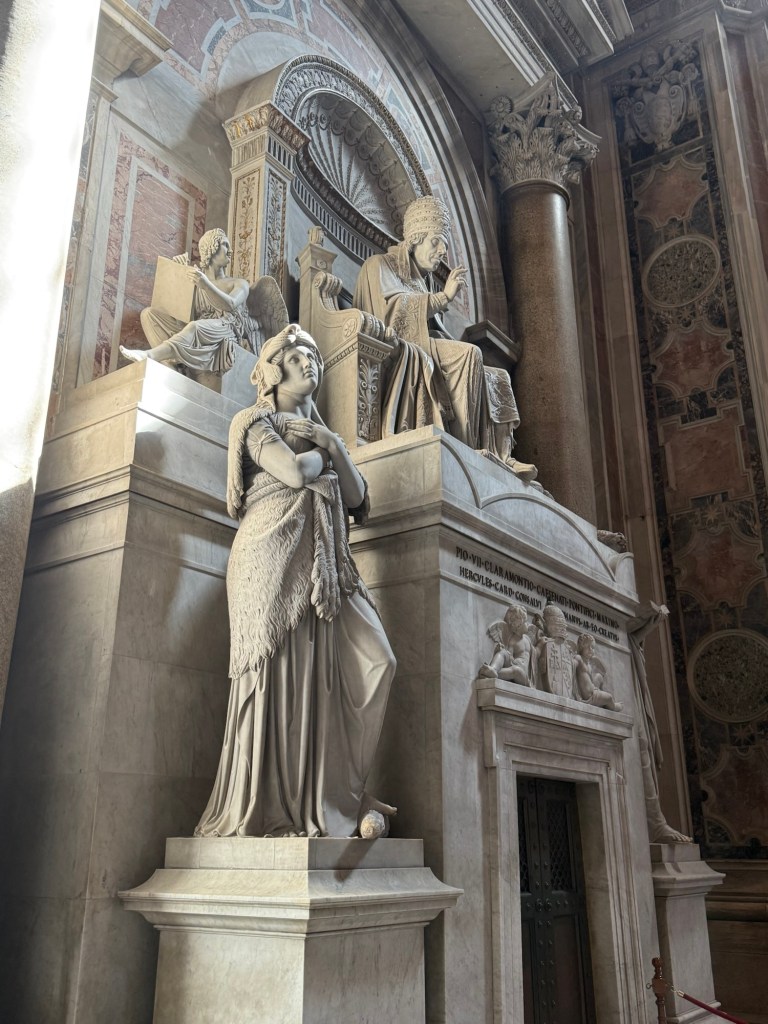
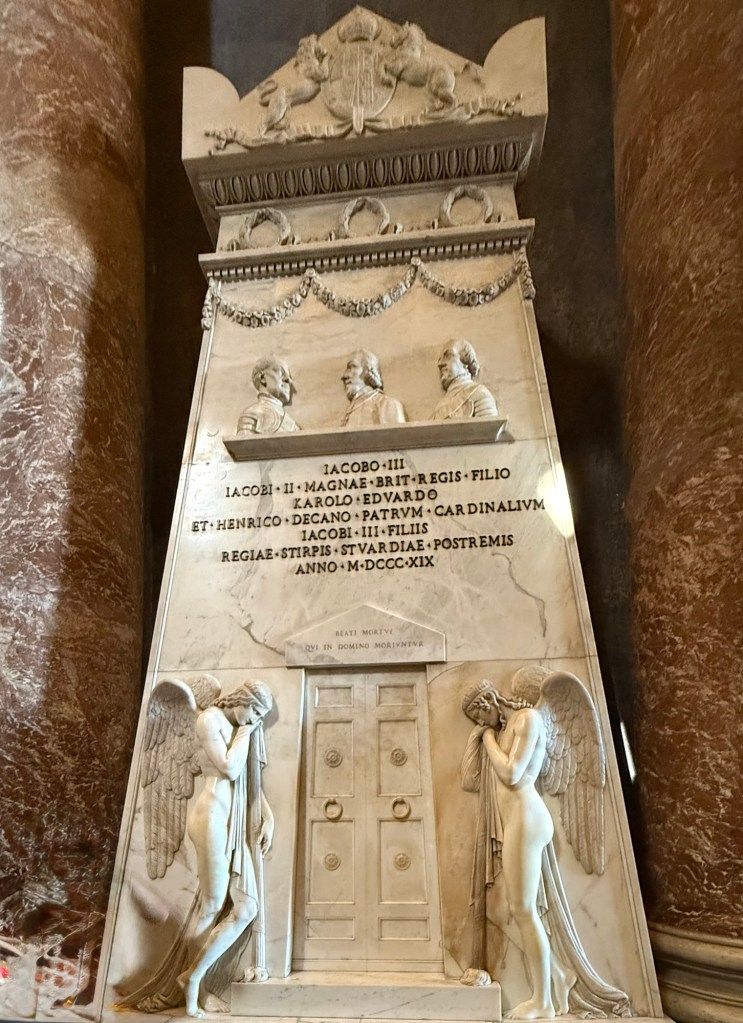
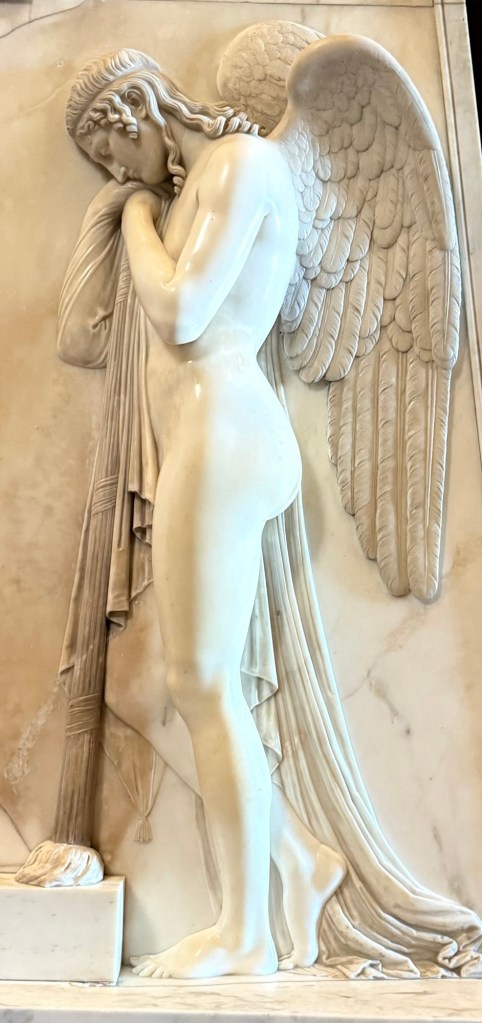
Scottish Connection: The tombs of three Jacobite pretenders—James Stewart (the Old Pretender), Charles Edward Stewart (Bonnie Prince Charlie), and Henry Benedict Stewart—are located here, serving as their final resting place.
Rome – St Peter’s Square, Vatican Museums and Sistine Chapel
By Paul Bryers
Today commenced with an 8 am (first) entry to St Peter’s Square, the Vatican Museums, and the Sistine Chapel, lead by Headcount’s English Guided Tour.
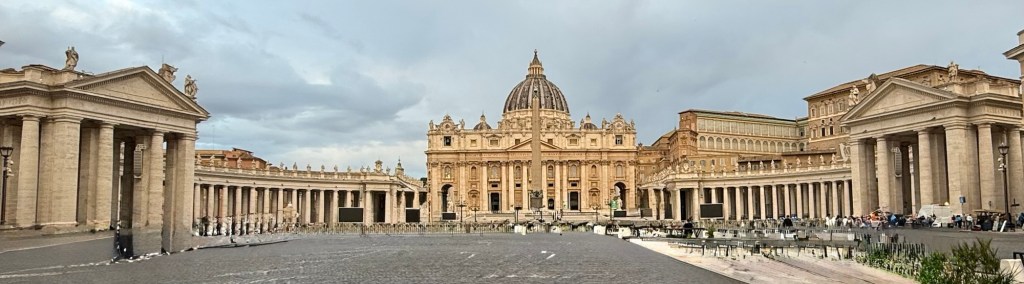
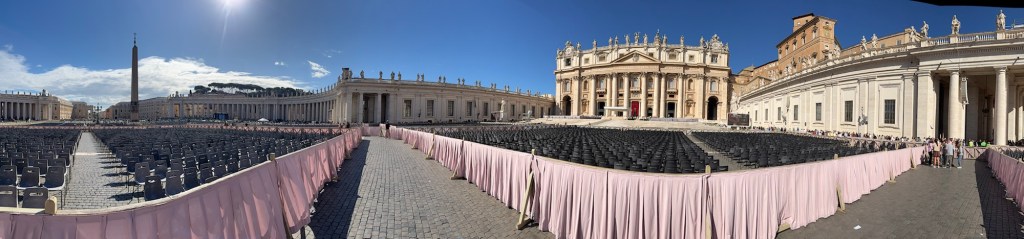
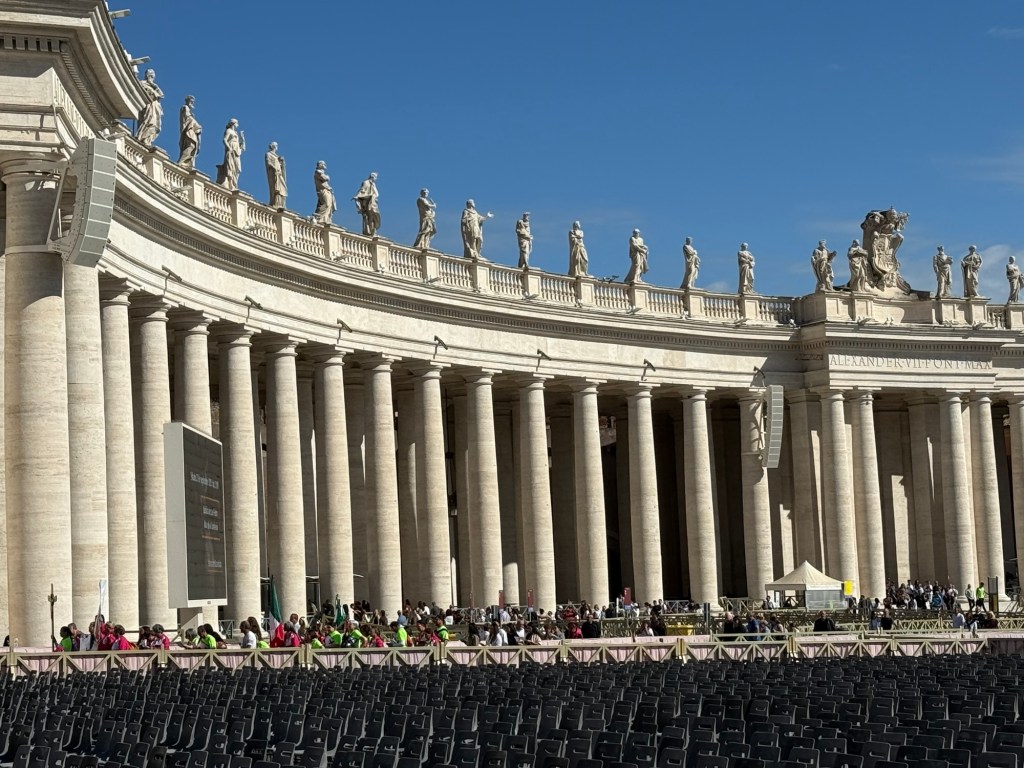
Prior to our entry, the square was relatively quiet, allowing for a profound appreciation of the Basilica’s symmetrical arched colonnades, topped with 140 judging Saints, which encircle one in the embracing arms of the Catholic Church. The design is indeed ingenious.
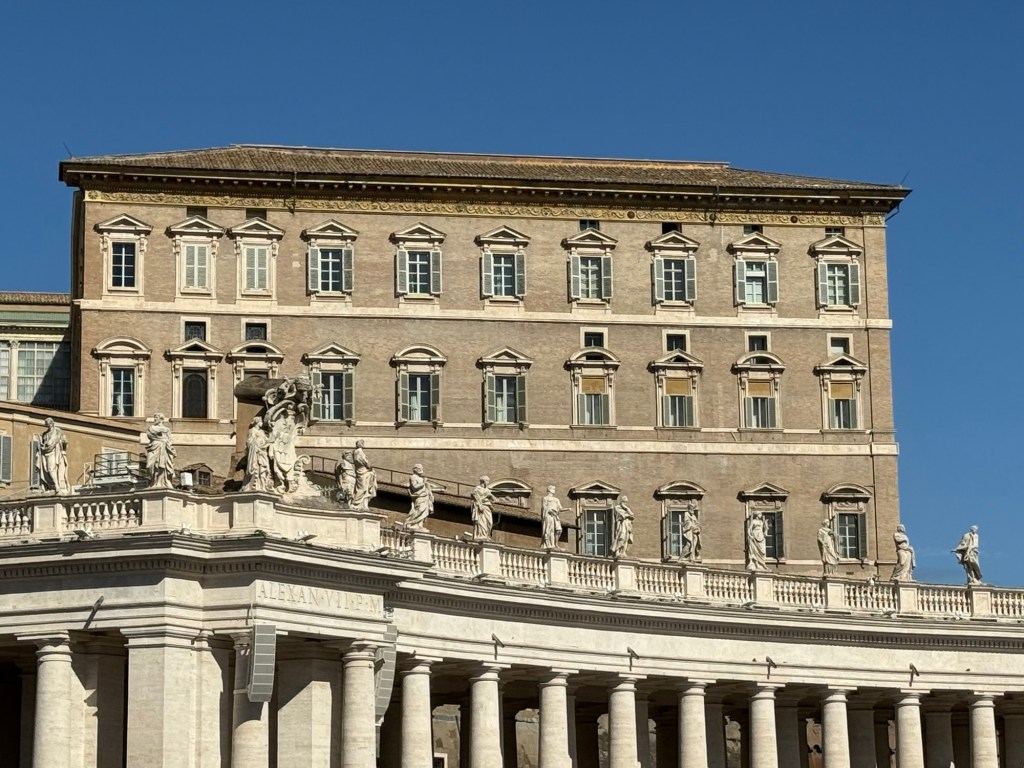
The Pope’s Official residence is depicted below. The window on the right, top floor, is the Pope’s bedroom and on its left is the Pope’s Office where he often greets visitors and offers them tea or coffee and perhaps a chocolate biscuit, if you’re lucky.
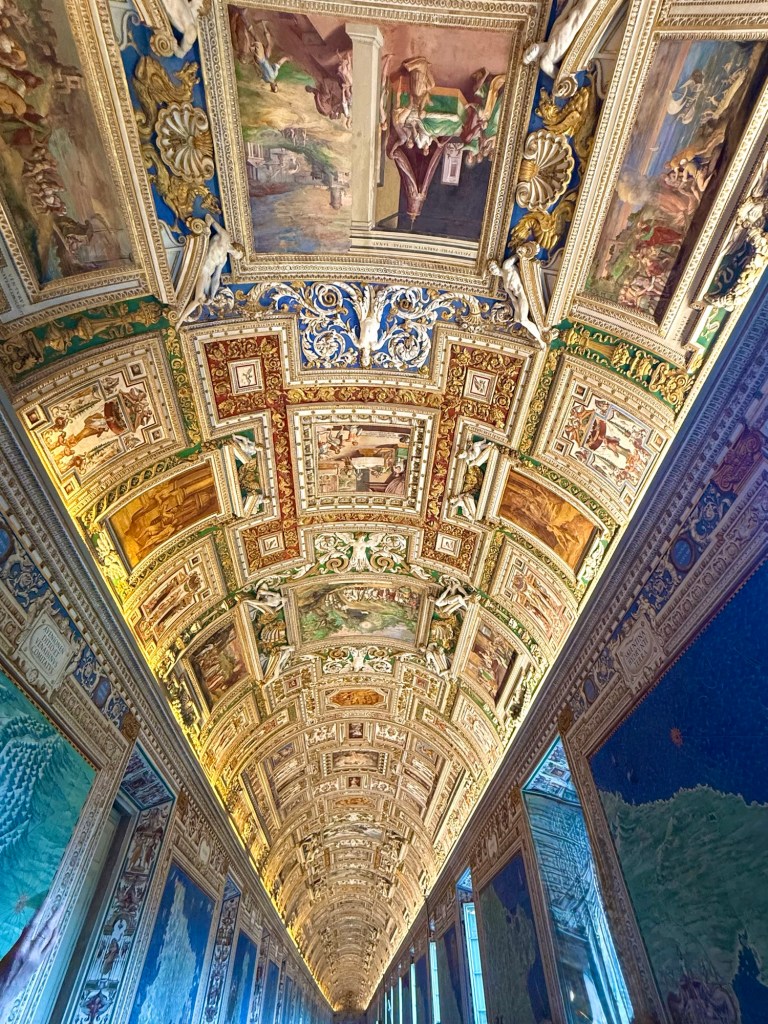
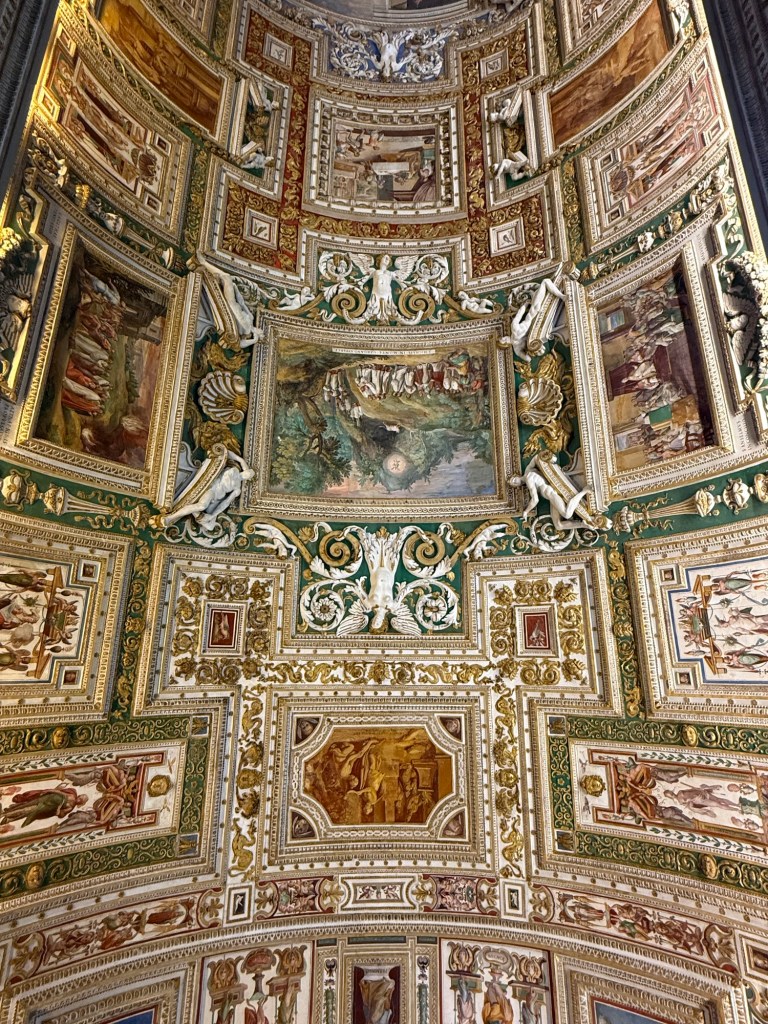
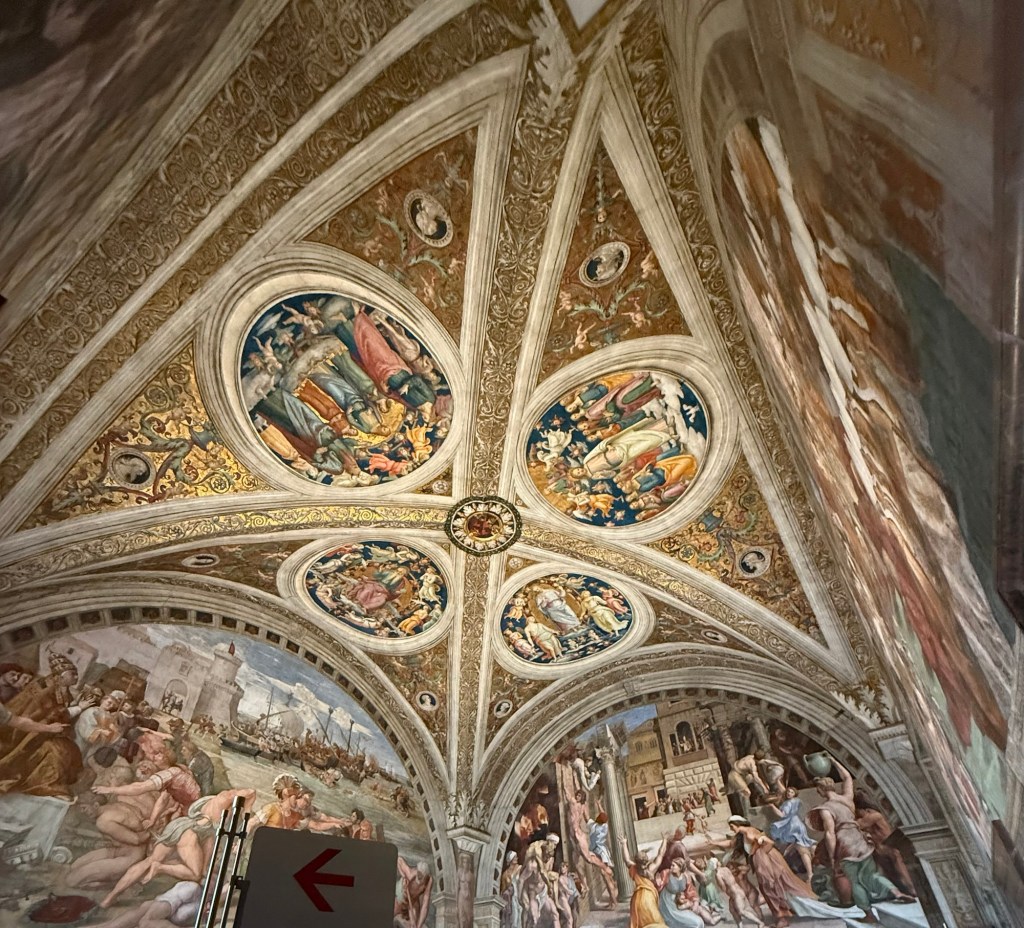
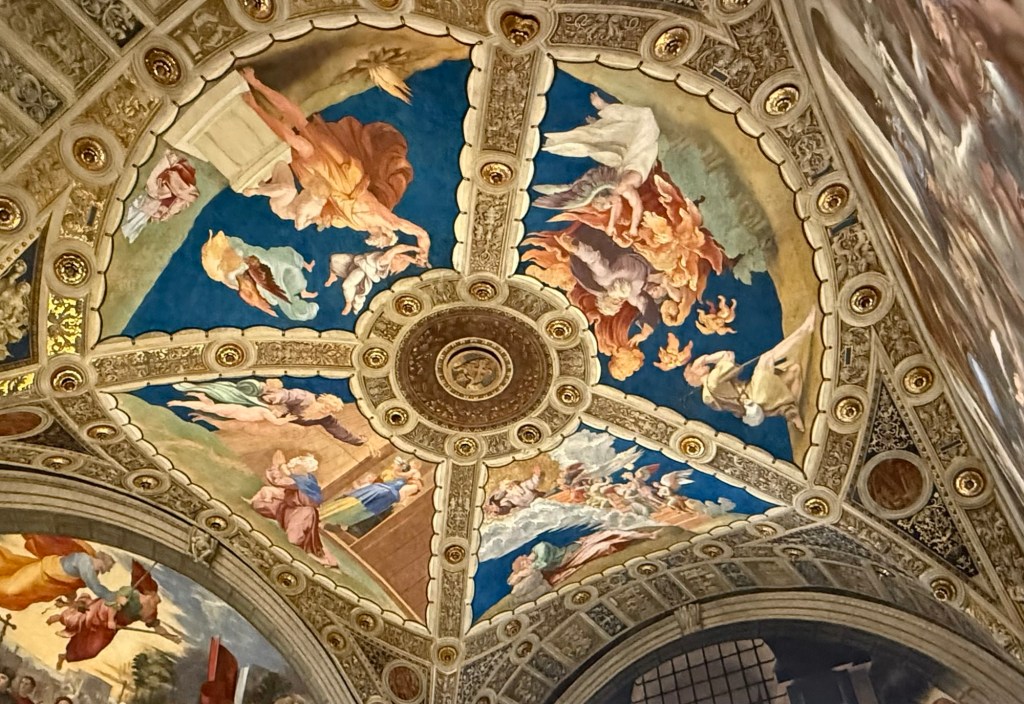
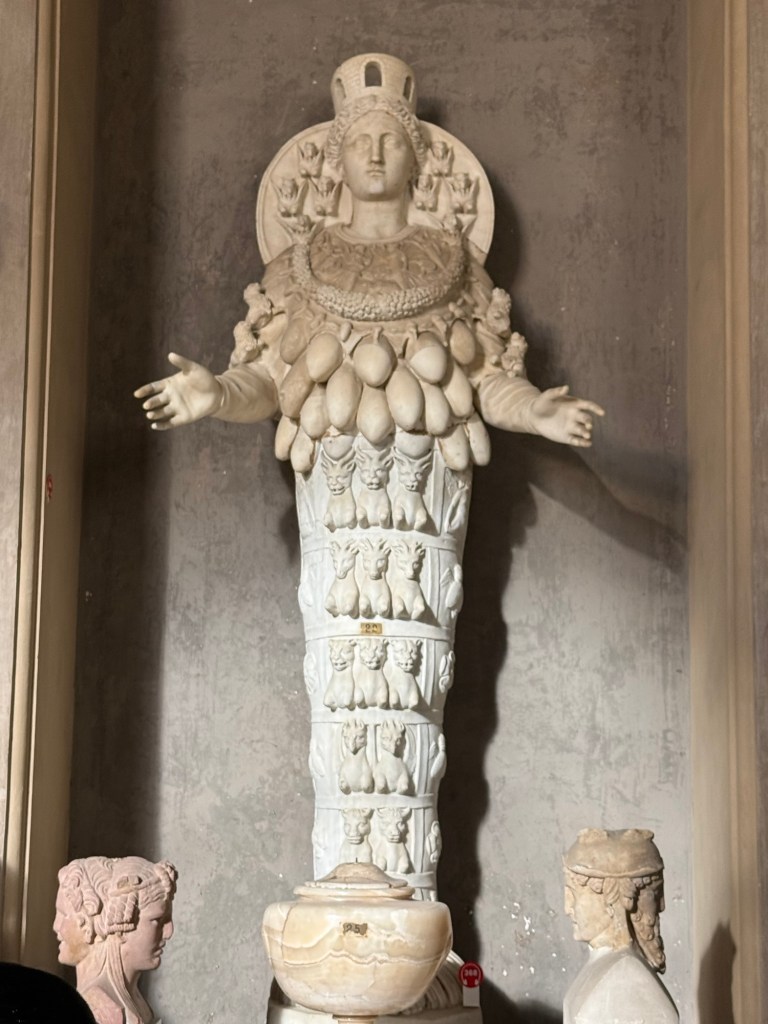
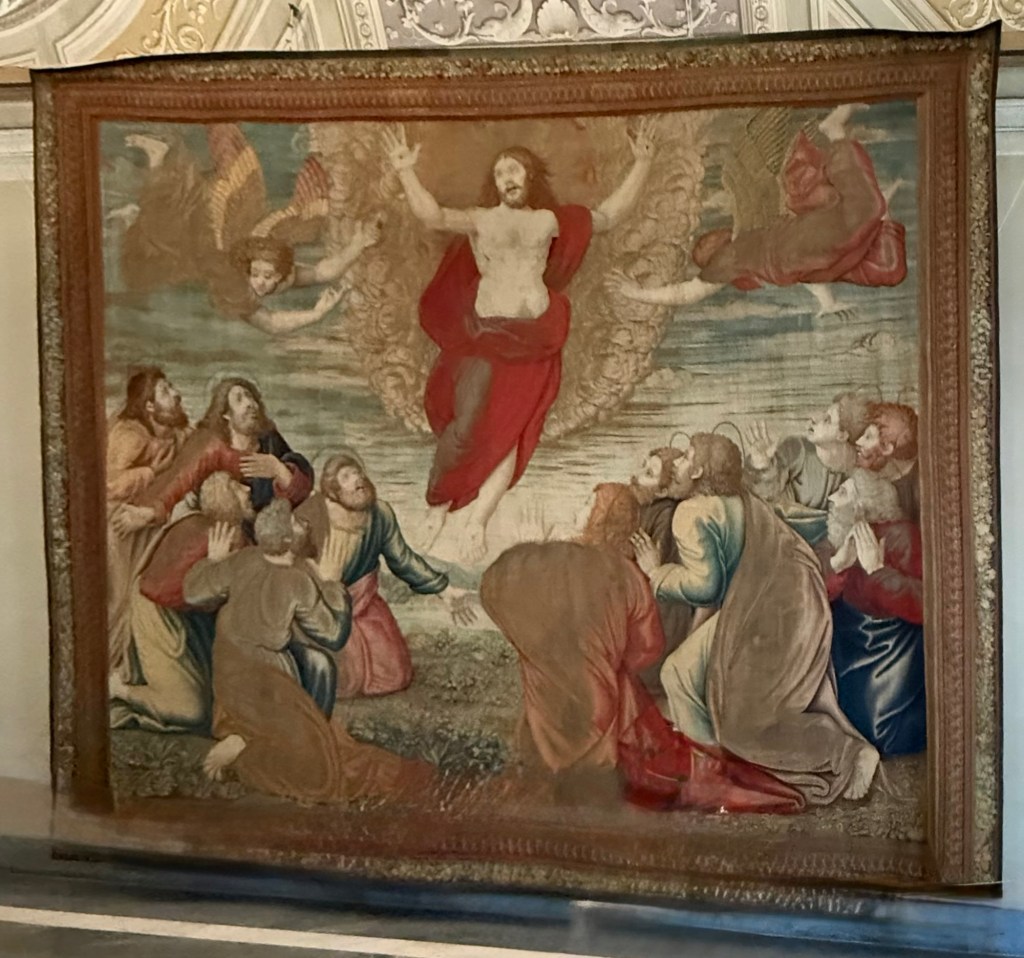
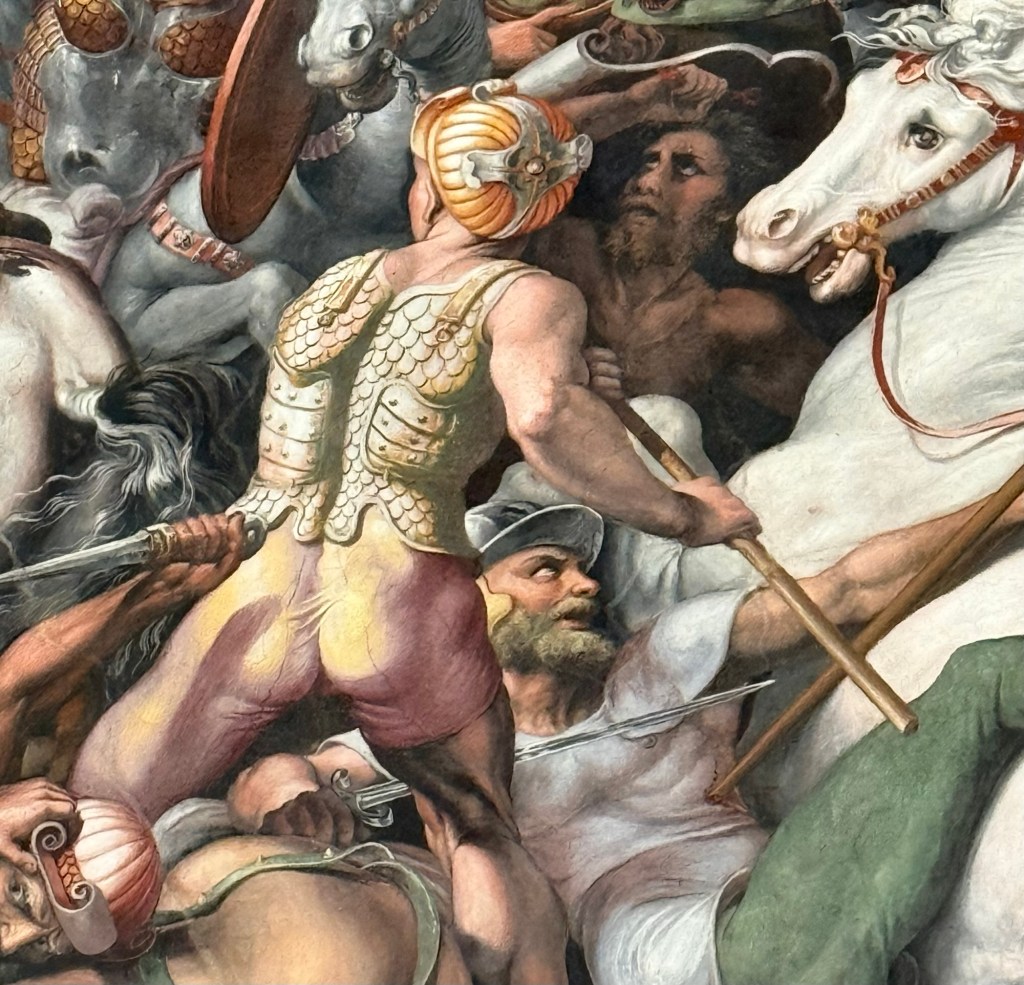
The Vatican Museums comprise a collection of intricately designed rooms, depicting biblical stories painted by 15th and 16th Century artists such as Angelo and Raphael.
The stunning architecture is breathtaking, particularly the way light filters through the stained glass.
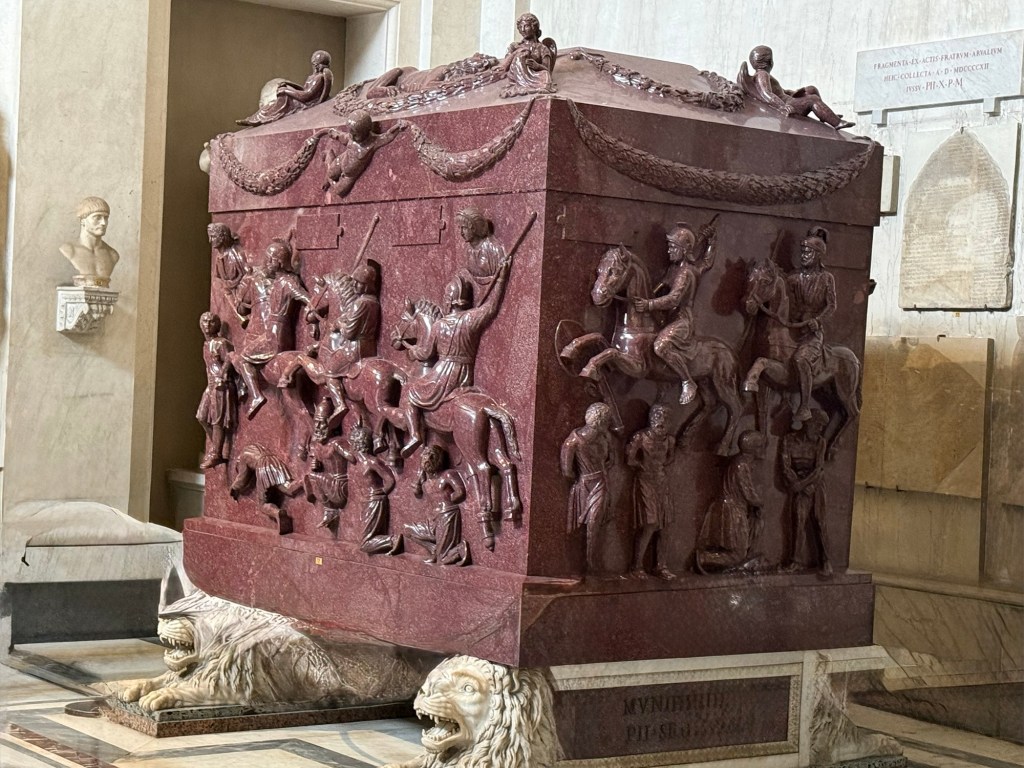
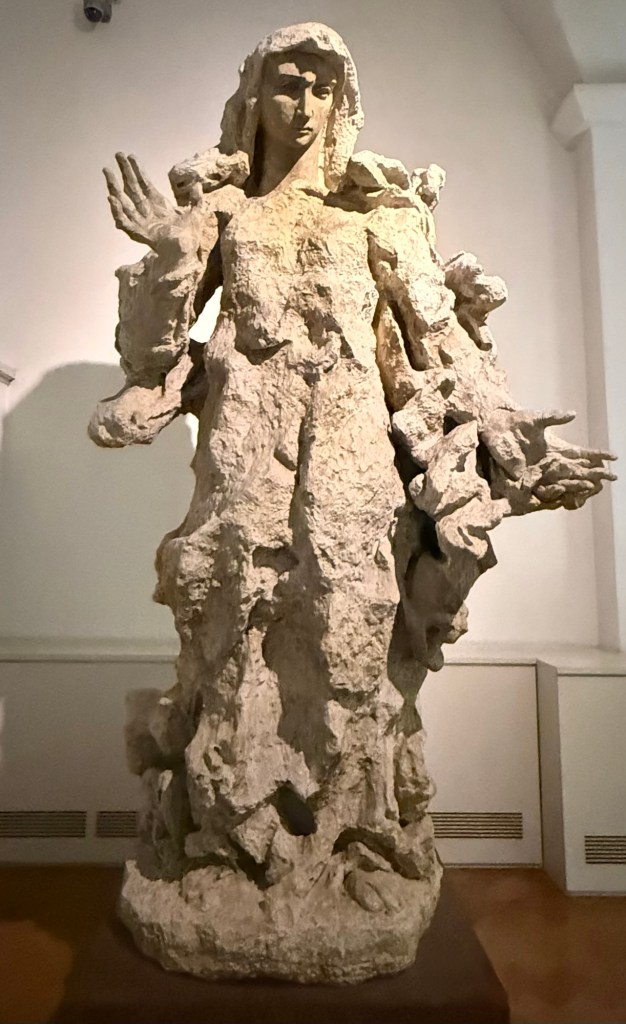
The museums feature numerous remarkable paintings, tapestries, and sculptures.
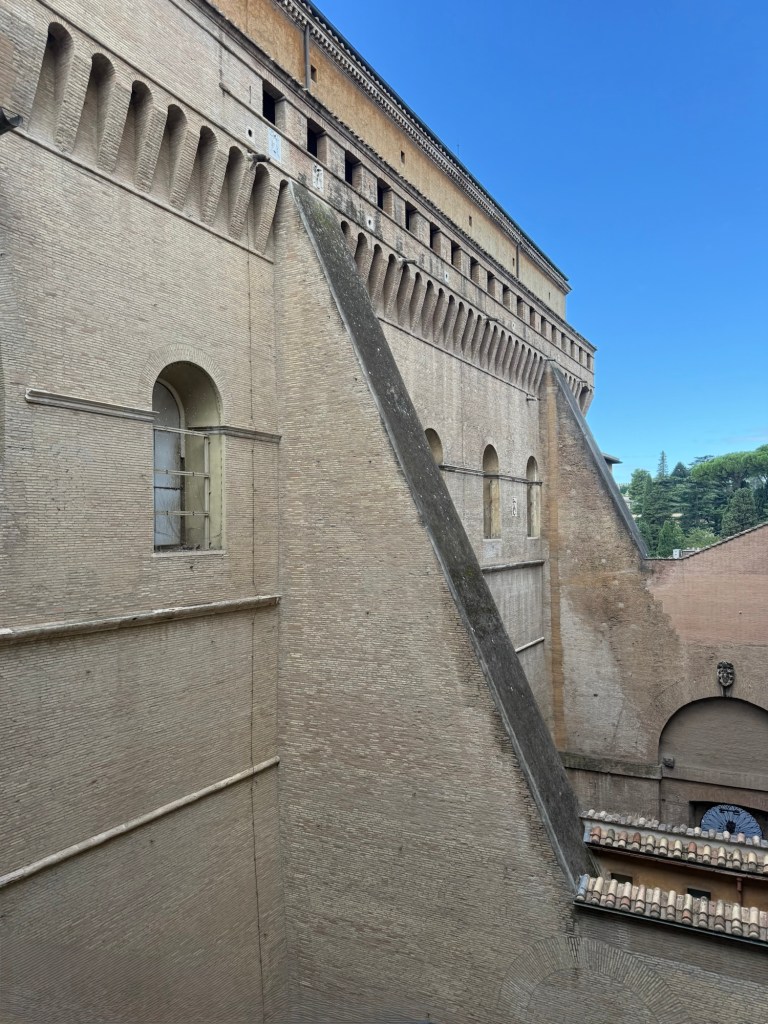
The Sistine Chapel is, of course, a highlight. Here is depicted an outside wall of this huge Chapel where Popes are chosen behind closed doors. The second photo shows where the temporary chimney is erected during Papal Elections – just below the black lightning rod.
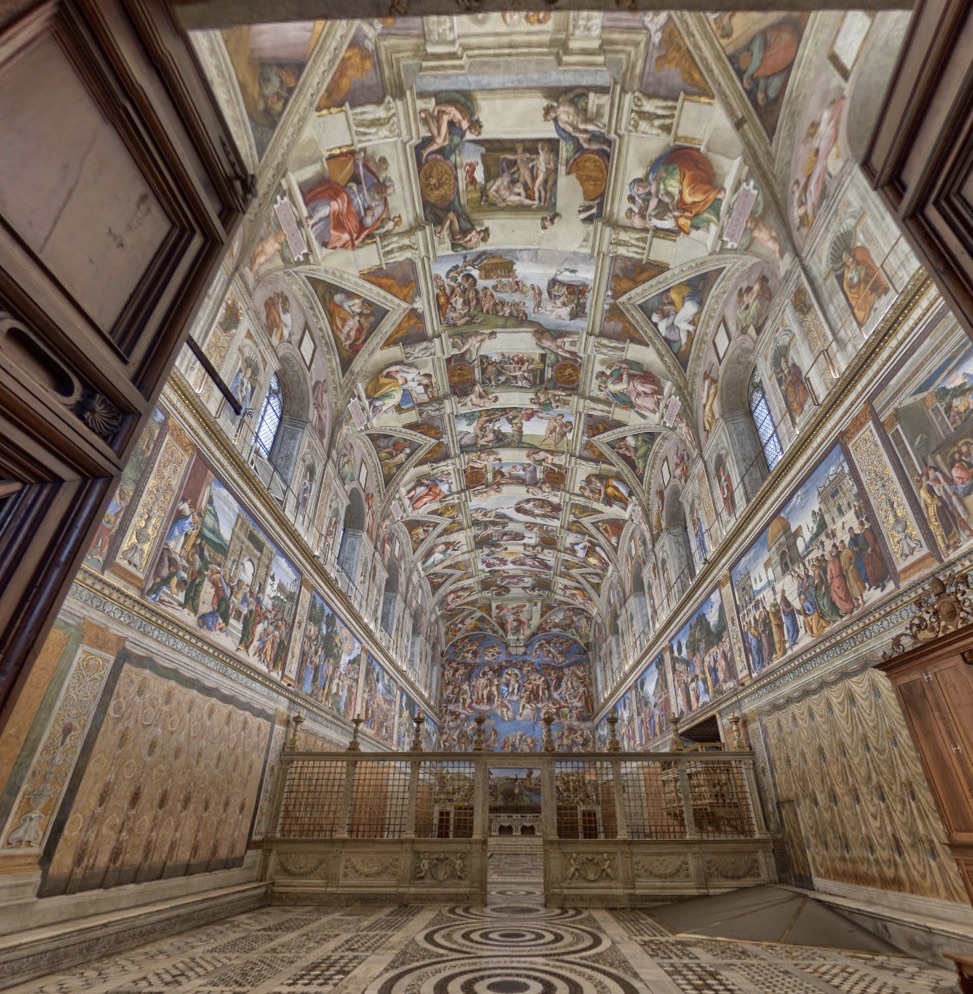
Please note that none of the photos from within the Chapel are mine, as photography is forbidden. Notwithstanding this prohibition, some visitors take photos and all commit the cardinal sin of talking in unhushed voices.
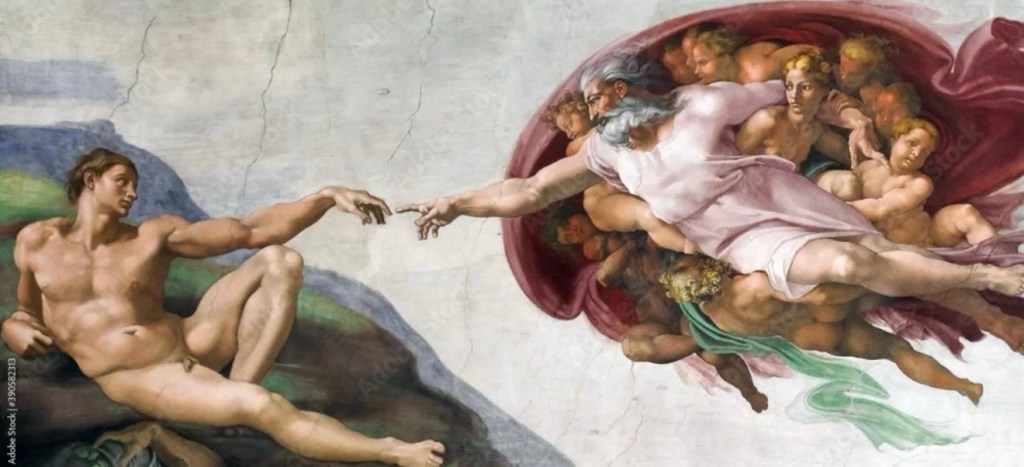
Michelangelo’s ceiling is a masterpiece of divine creativity, with his depiction of the Creation of Adam perfect. There is something mesmerizing about His portrayal of God reaching out to touch Adam’s hand, humanity not quite being touched by divinity. But it is, is it not? Is there a Big Bang between those fingers? Who knows?
My Scottish Bit: The Book of Kells was mentioned during the tour. Although this beautiful tome was written prior to the existence of the Catholic Church as we know it today, it is a distinctly Catholic book, likely written in Portmahomack, Northeast of Inverness, Scotland, and now housed in Trinity College, Dublin.
Arrived Rome today – only 15 hours after leaving Miami via Heathrow.
This trip will include:
– 3 days in Rome at Hotel de Ricci
– 7 days of Classic Italian Cooking Classes at Casa Gregoria in the hilltop town of Castro dei Volsci
– 4 days in Rome at Hotel Palazzo Manfredi
So, Rome……
I’m staying in the heart of Rome, at Hotel de Ricci. It’s a very pleasant boutique hotel with only eight rooms and I’m only here because Hilton has an arrangement with them so I reserved it on HH Points.
In this area, ancient basilicas shadow bustling piazzas, and centuries of faith and power breathe through marble, mortar and a lot of hot dust.
Currently, two versions of the Eternal City are quietly warring for its soul.
One Rome wears white robes and speaks softly to the World from the balconies of the Vatican.
The other wears the tricolor sash of a nationalistic government, moving decisively between the palaces of Italian political power and flirting with other Global right-wing leaders.
Between them stands the tension of two institutions – the newly elected Pope Leo XIV and Prime Minister Giorgia Meloni’s government – each rooted in tradition, but increasingly divided in vision.
The election of Pope Leo XIV marked a historic turning point. As the first, in birth at least, American pope, and a figure shaped by missionary work and social outreach, Leo XIV has emerged not only as a spiritual leader but as a forceful moral voice in global and domestic affairs.
From the moment he stepped onto the papal balcony in his little red ruby slippers, his message was clear: mercy, justice, and inclusion.
He has called for ceasefires in Global conflict zones, demanded compassion for refugees, and challenged the world’s powerful to “open their hearts to the suffering.” In a city long defined by imperial legacies, Pope Leo’s Rome is one of margins and mercy.
In sharp contrast, Prime Minister Giorgia Meloni, the leader of the right-wing, nationalist Brothers of Italy party, is charting a course rooted in tradition, identity, and state sovereignty. Her government has successfully cracked down on irregular migration, proposed sweeping judicial reforms, and doubled down on cultural legislation that emphasizes Italy’s Christian heritage.
There has been a string of flashpoints around irregular immigration:
– migrant boats turned away by the Italian coast guard but welcomed by Catholic organizations;
– Church shelters defying government policy by offering aid to undocumented refugees; and
– papal statements that – without naming names – appear to challenge the government’s hardline approach.
Beyond immigration, the Meloni government is pursuing institutional reforms that would give the executive greater control over public prosecutors – a move critics say undermines judicial independence. The Vatican, wary of authoritarian tendencies in post-democratic Europe, is watching closely.
Though the Holy See does not intervene directly in political affairs, it is certainly not neutral. From climate change to civil liberties, the Church under Leo XIV has signaled a willingness to confront power, even when it resides just across the Tiber.
Today, Rome is a city split between two moral centers – one spiritual, one political. One calls for national pride, order, and heritage. The other for compassion, humility, and global solidarity.
It is not the first time these forces have collided. Rome has survived emperors, fascists, and reformers. But this new standoff – between altar and state, between Pope and Prime Minister – is playing out in subtler, yet no less consequential ways.
Whether these “two Romes” can coexist – or whether the rift will widen – remains to be seen. But in a city where power has always had a sacred shadow, even a whisper from the Vatican can still shake a palace wall.
Don’t worry, tomorrow’s and subsequent posts will be back to the usual narrative of sights seen and accompanying photos….
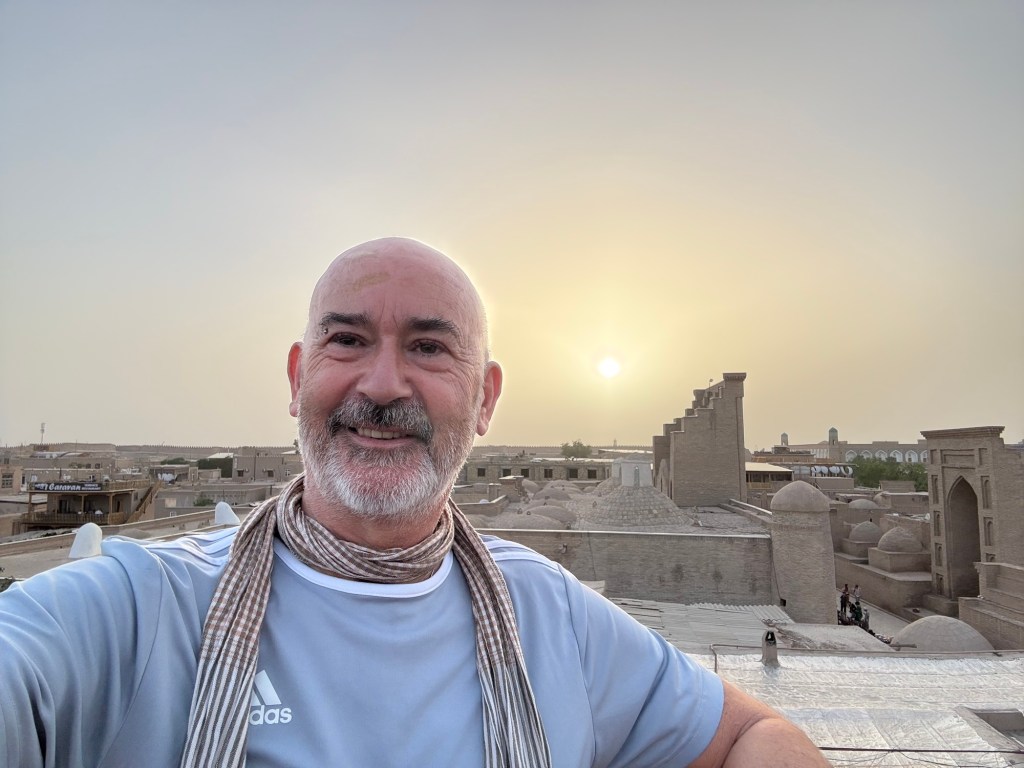
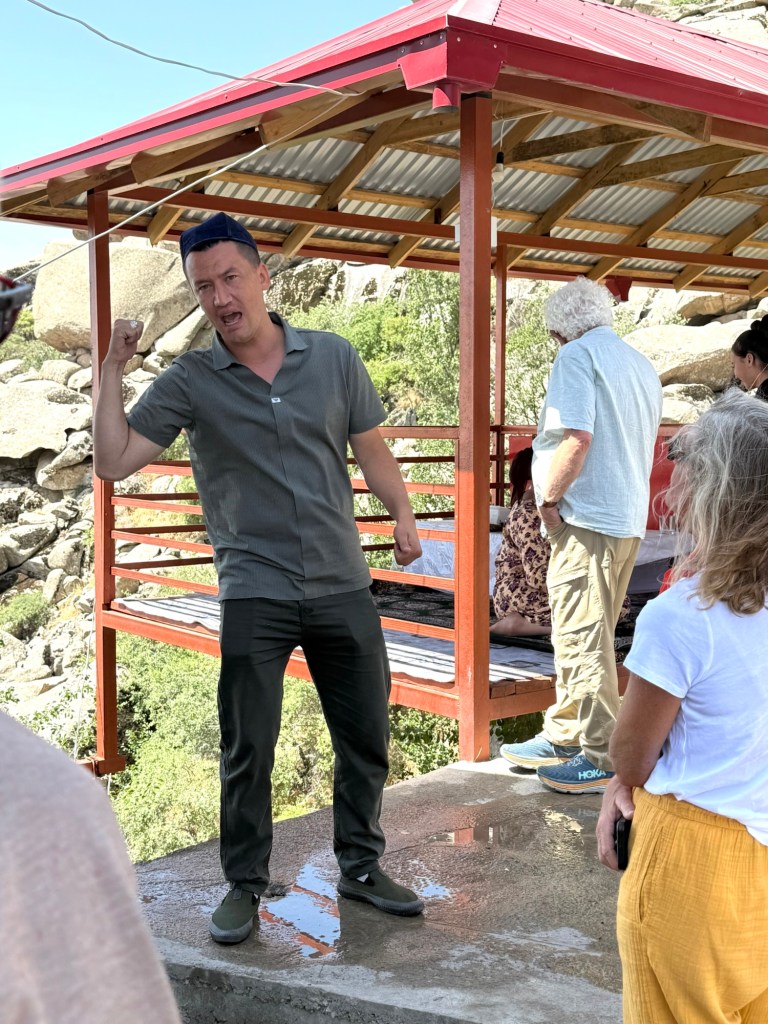
As our tour sadly raps up, many thanks go to Olim our main guide. Excellent knowledge and story teller, very funny and all round nice guy. Here he is doing a wee dance.
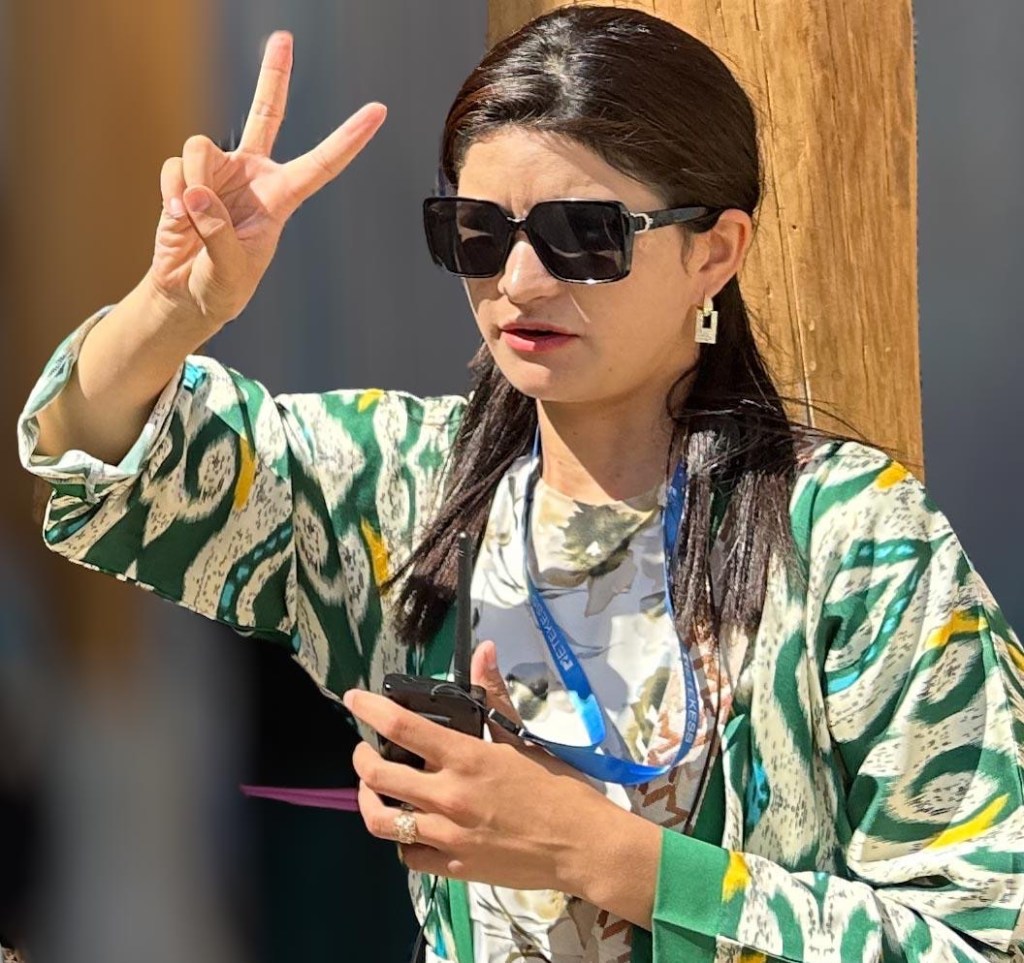
All the local guides were great to….
Mejdi owner/reps were wonderful….
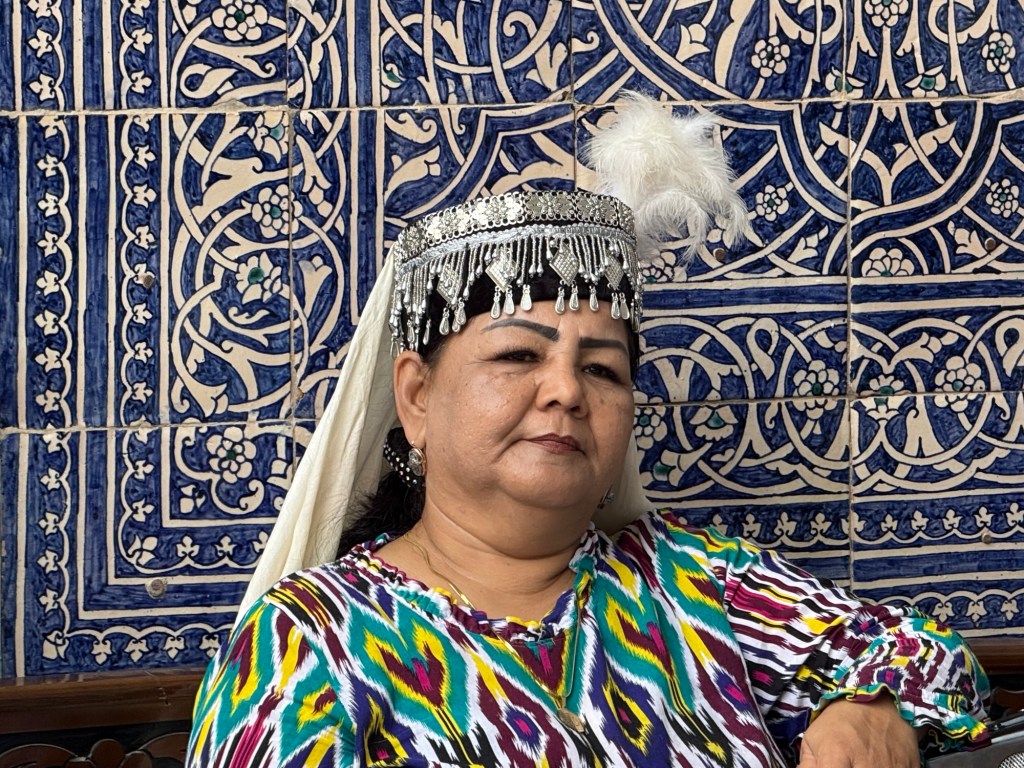
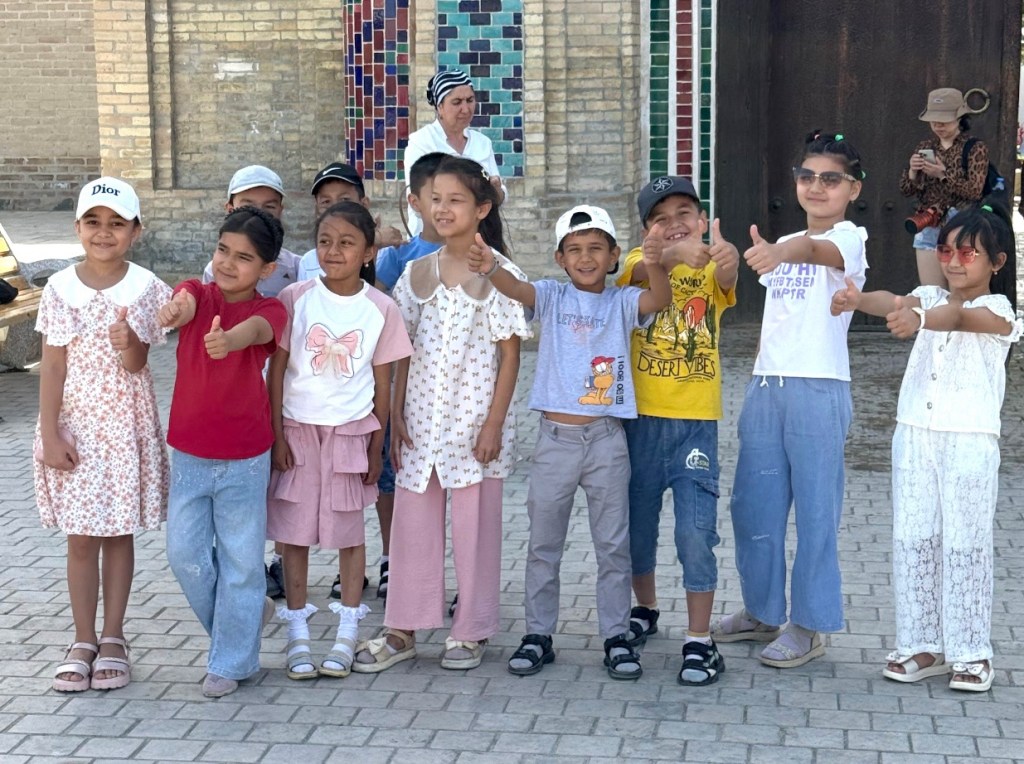
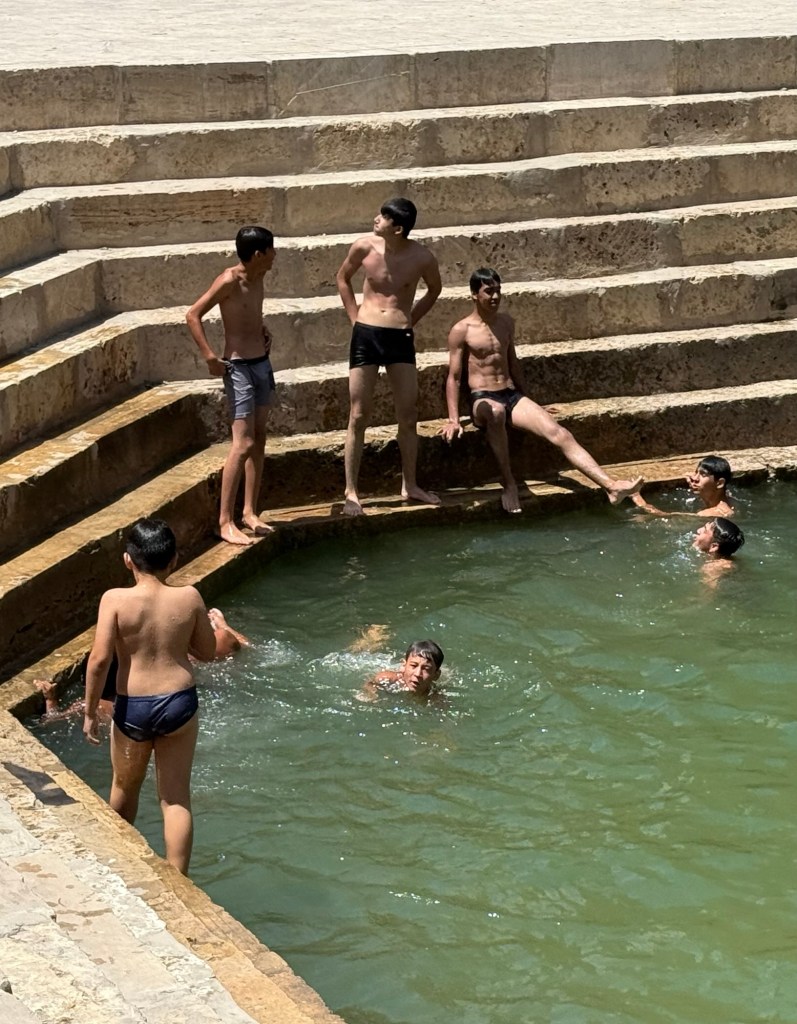
Local folks were all very friendly, especially of course the wee kids.
I got a wink later – lol
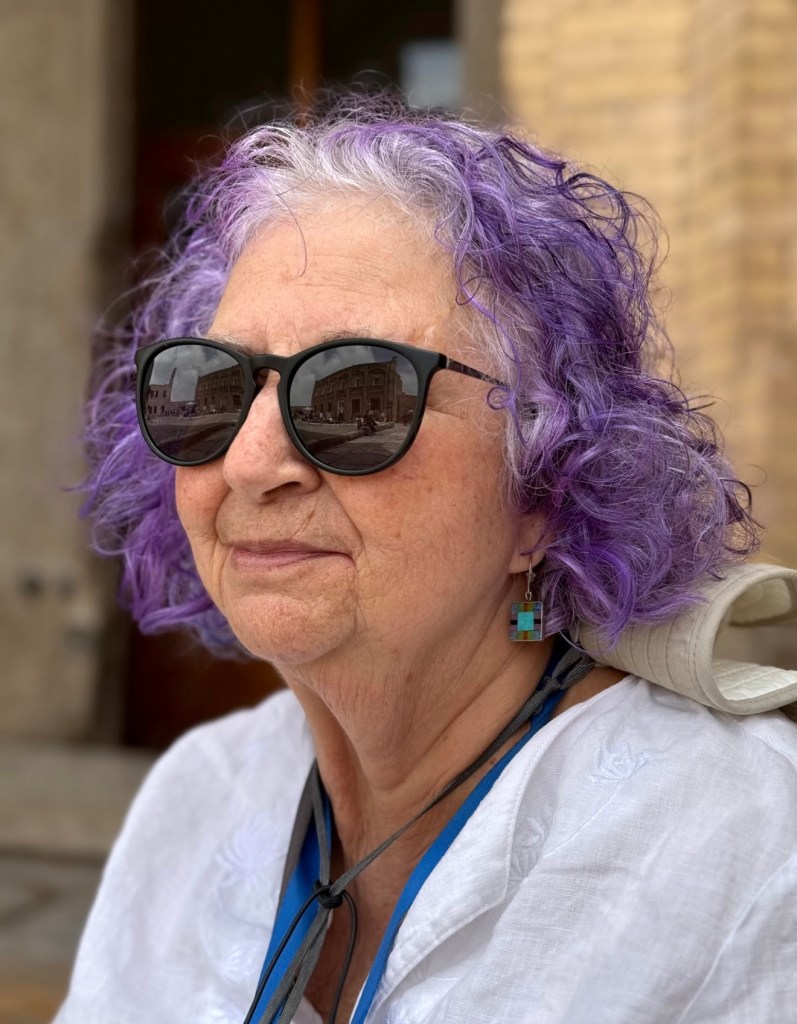
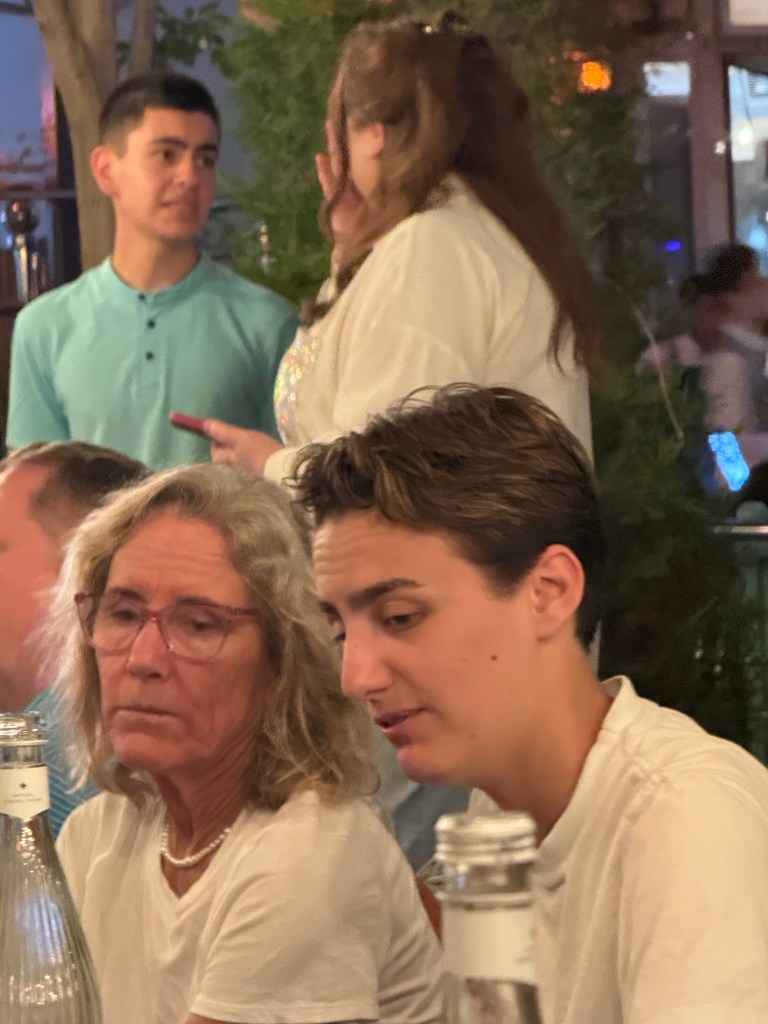
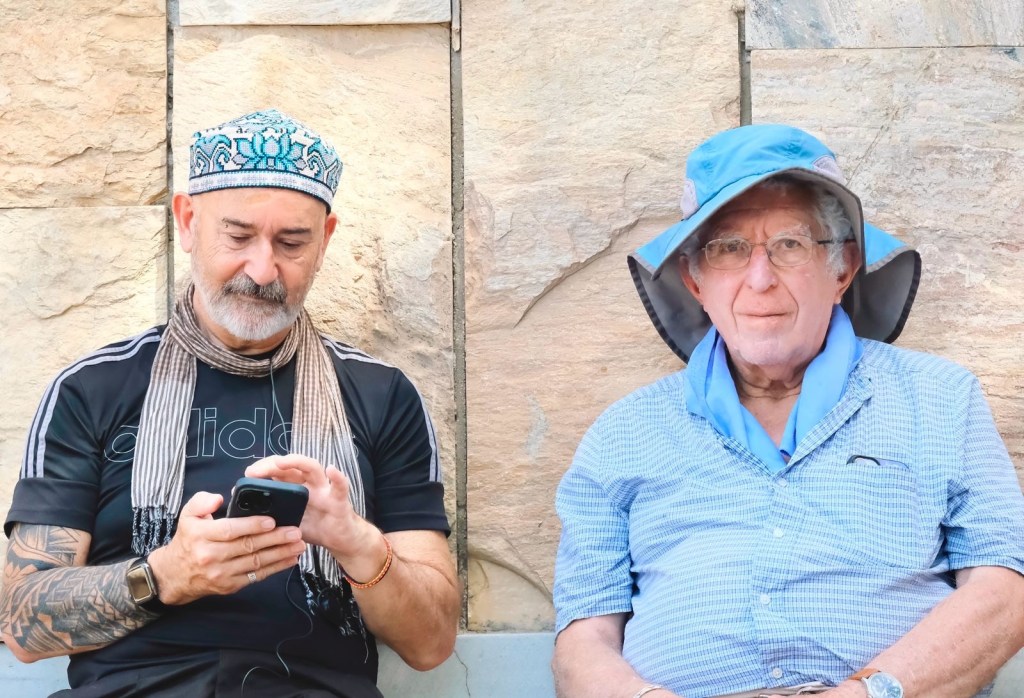
Fellow travelers intelligent, wise and very kind and supportive to an at times over excited Scotsman. Bless you all!
And so bye to Uzbekistan ….
NEXT UP ON MY TRAVEL BLOG:
September 24-October 8, 2025 – Quickie in Rome and a Week of Cooking Classes in Castro Dei Volsci, Italy
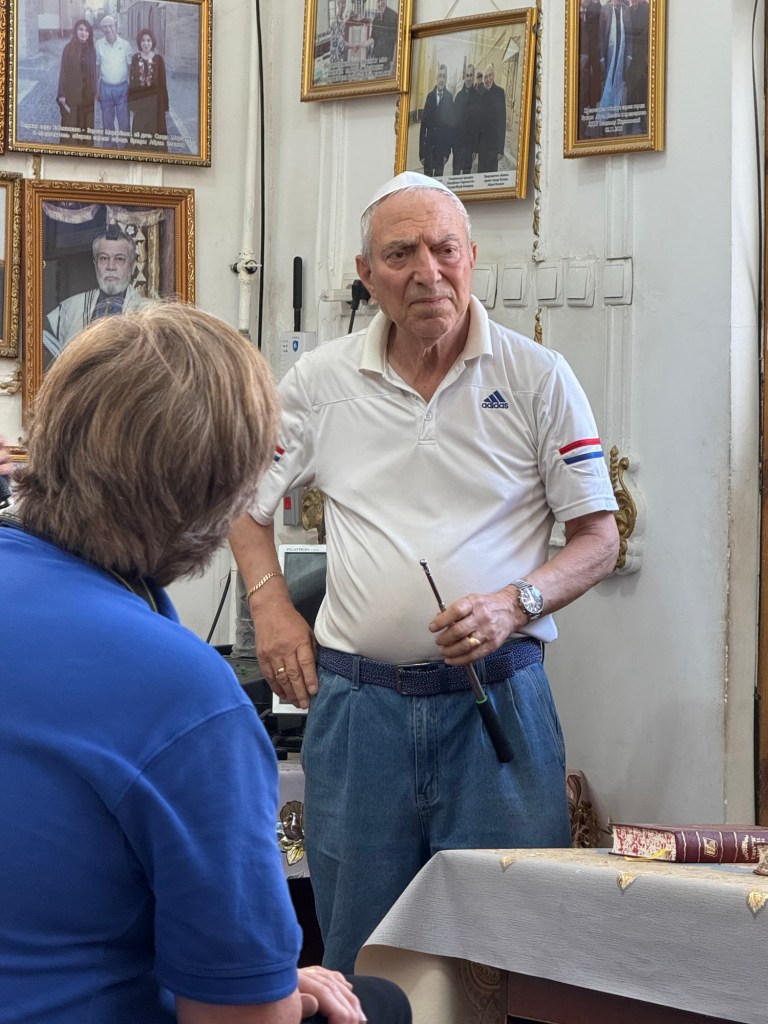
Old synagogue in Bukhara. Fiery leader. Only about 200 Jews left in Bukhara with most have diaspored to Israel, Europe and the US.
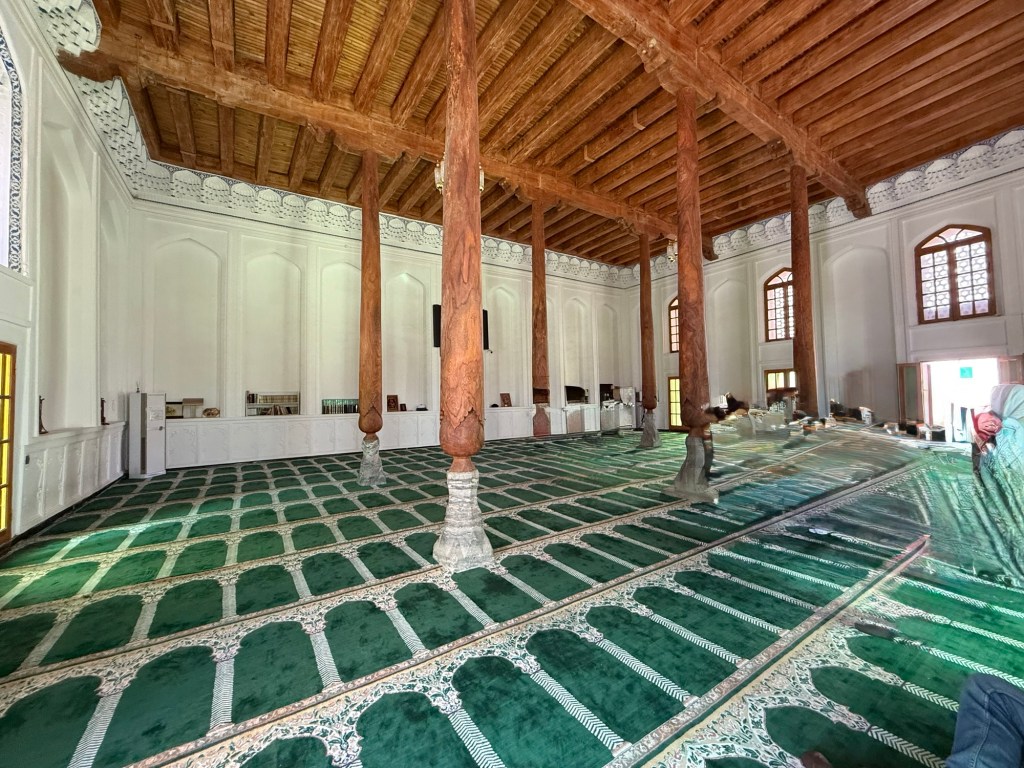
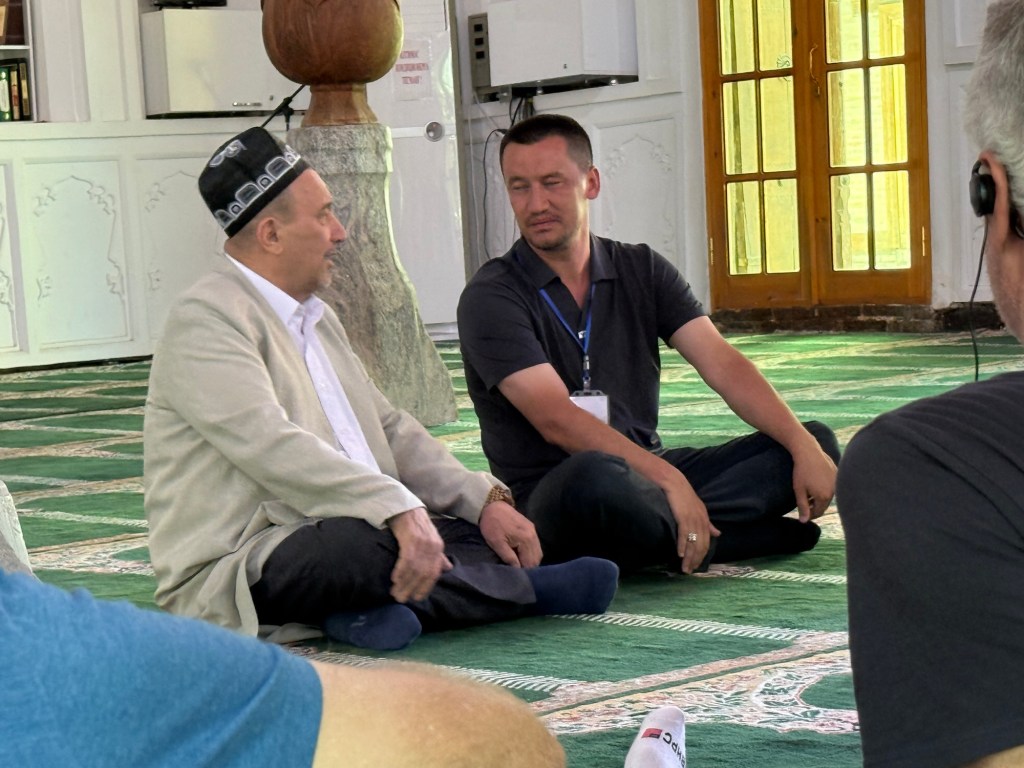
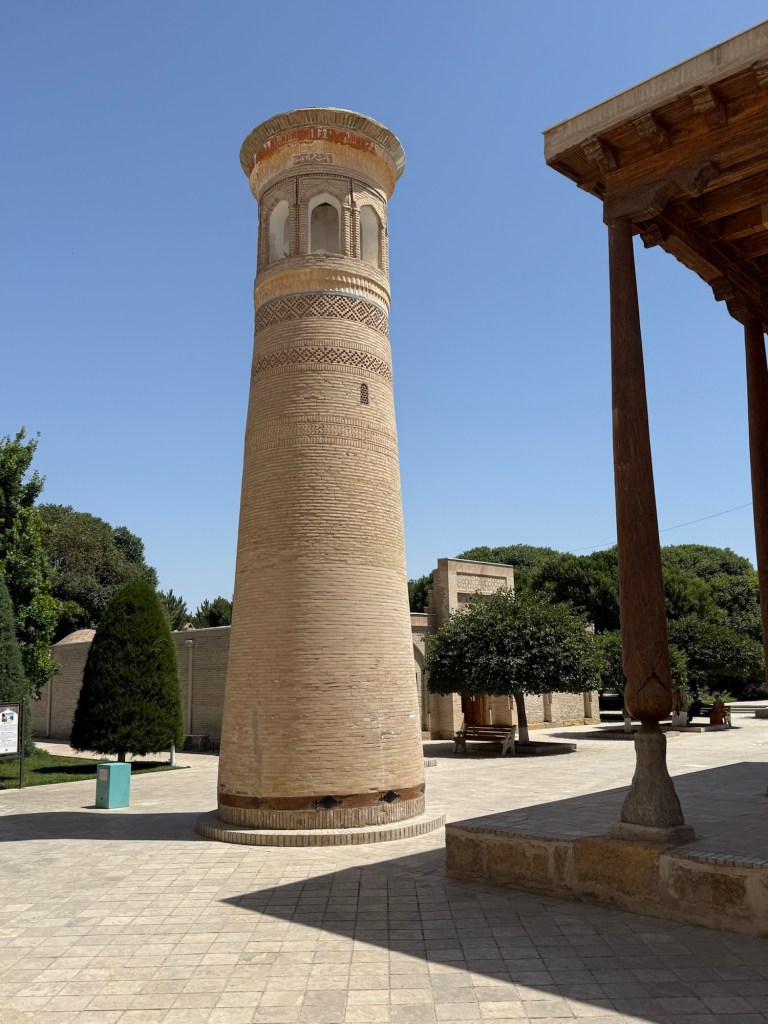
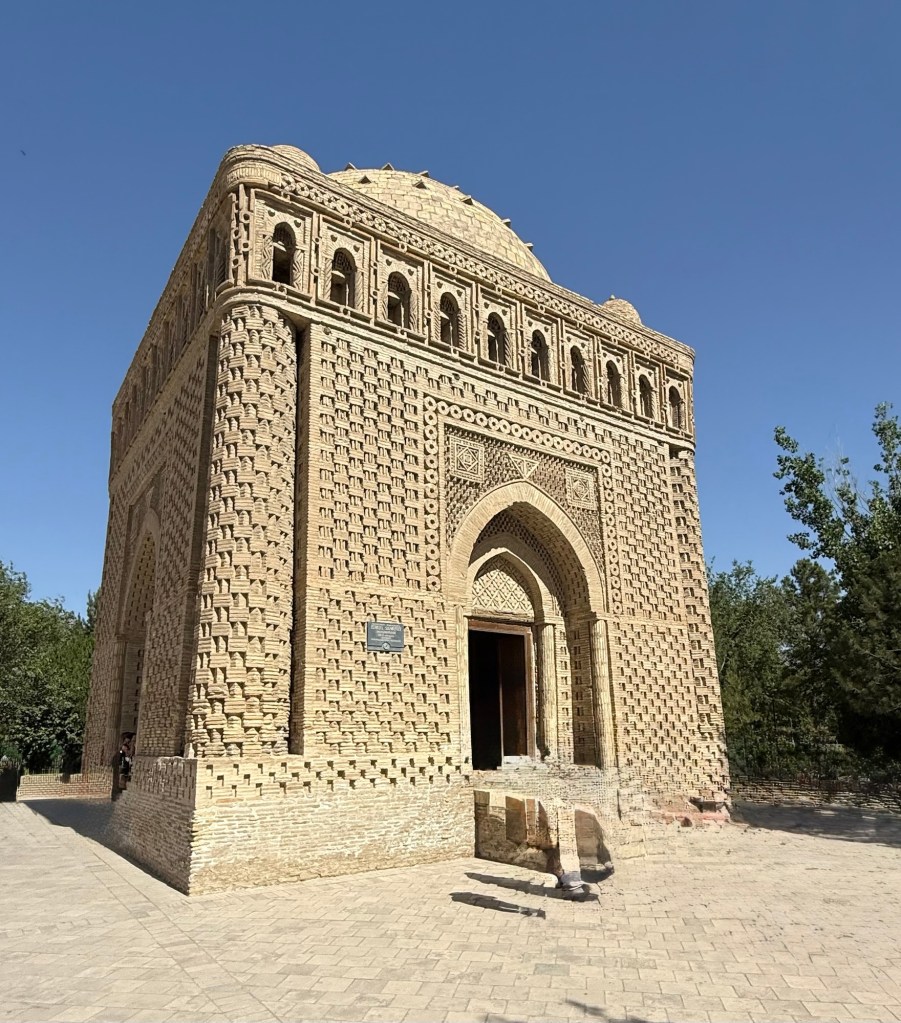
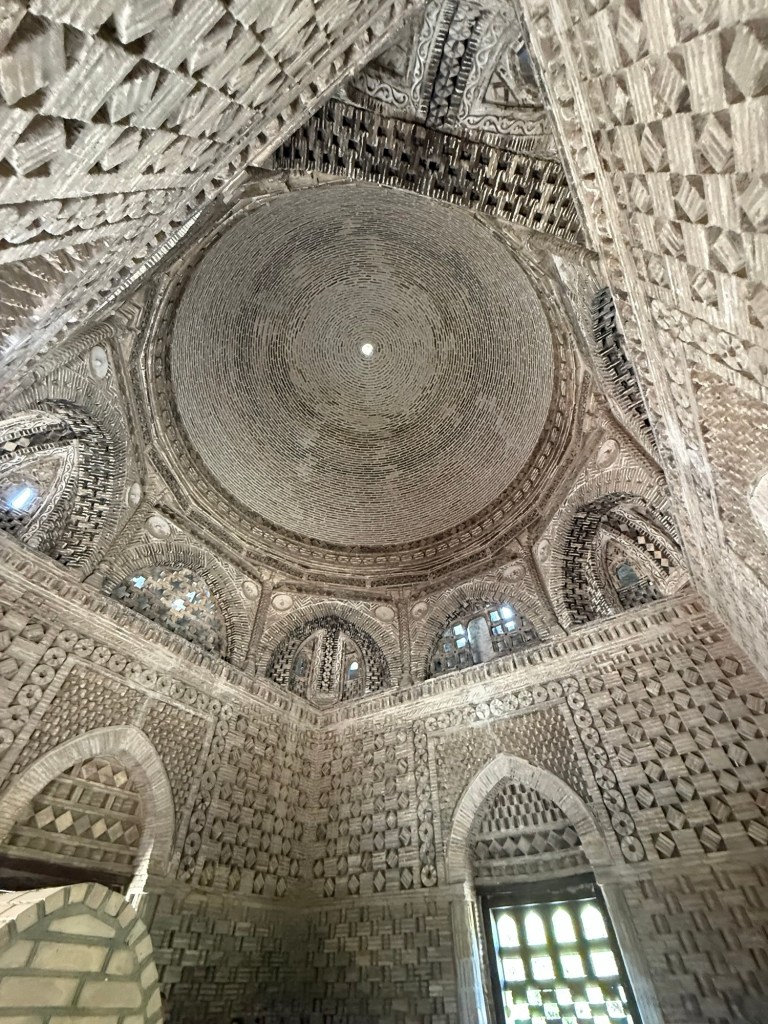
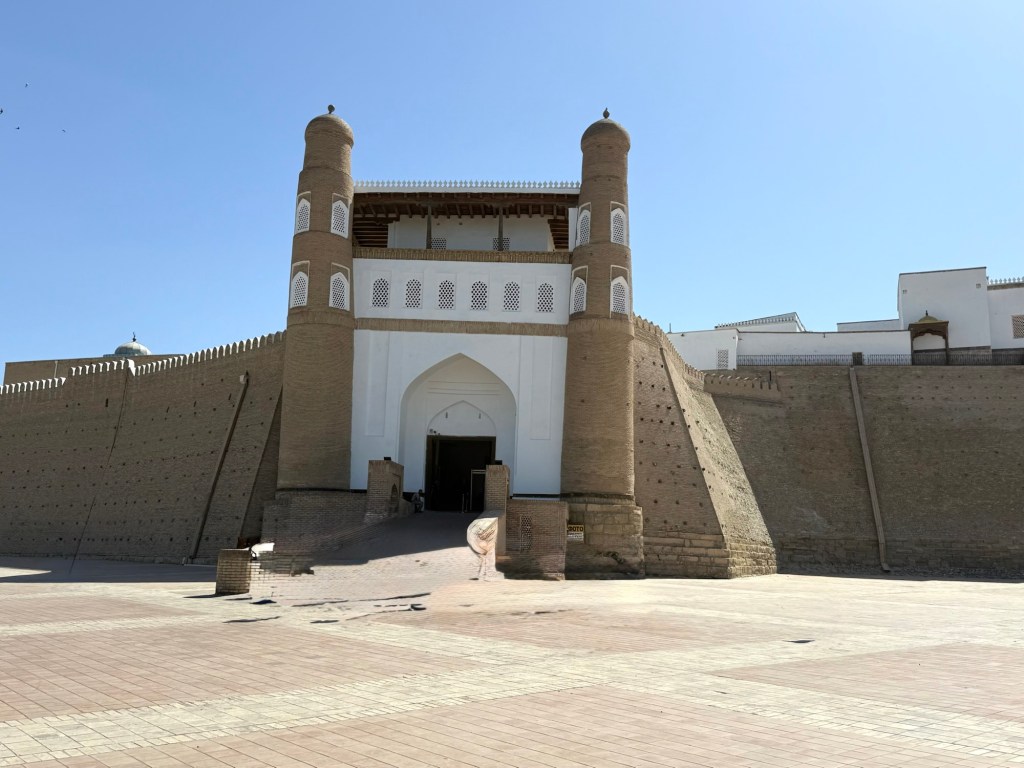
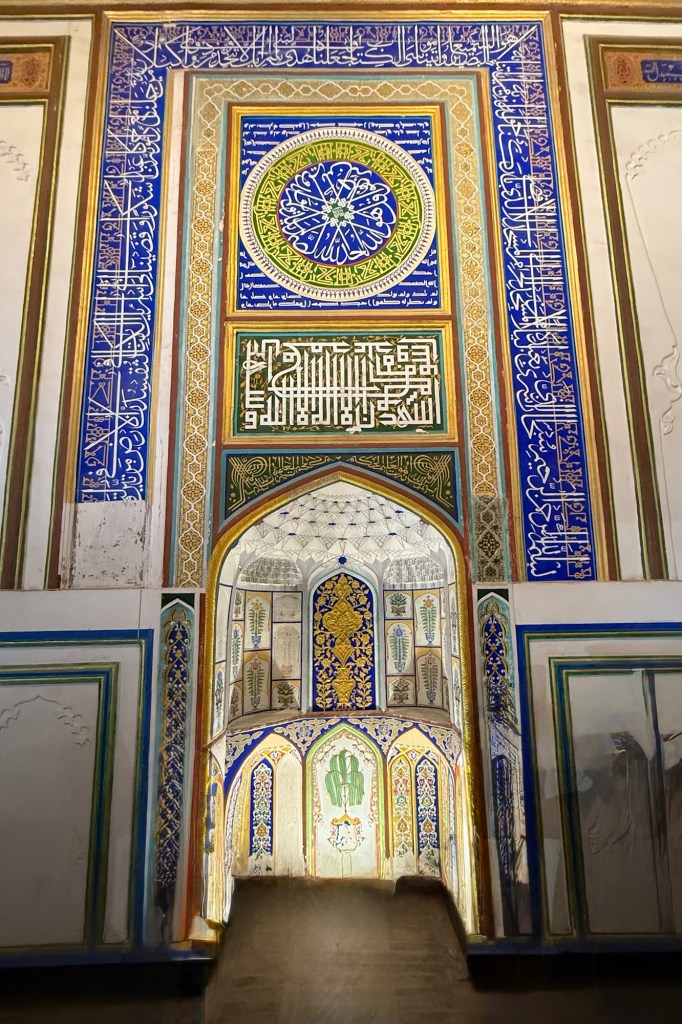
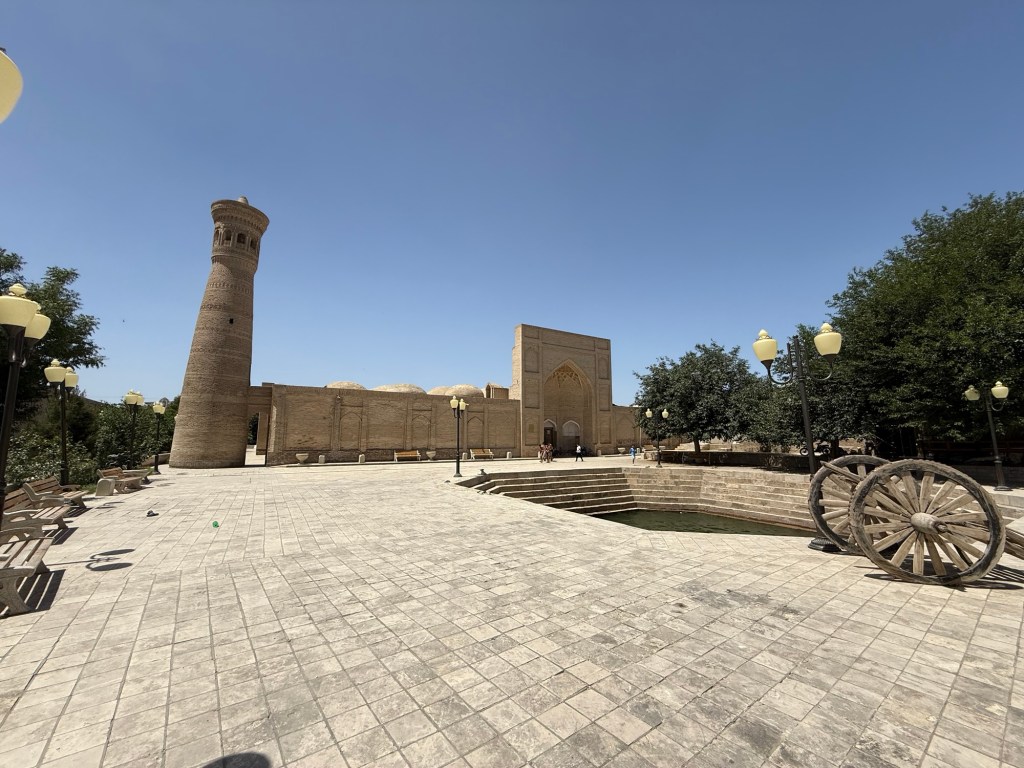
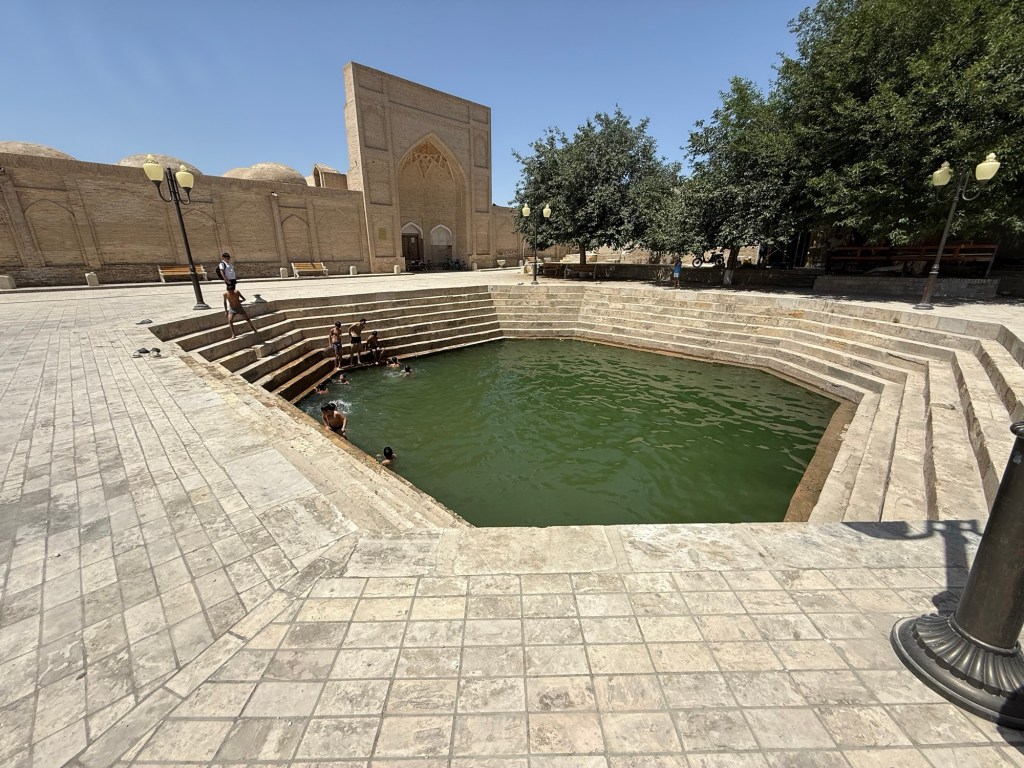
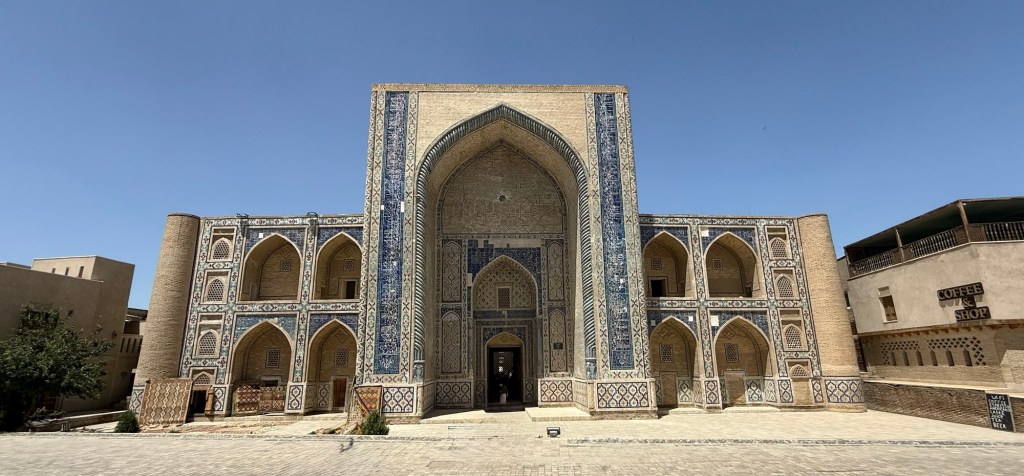
Visited fortress and palaces and very interesting Mosque and its Sufi Imam who told us about some differences between Sufi and other Muslims. Sufi are know for there intense silent chants which he demonstrated.
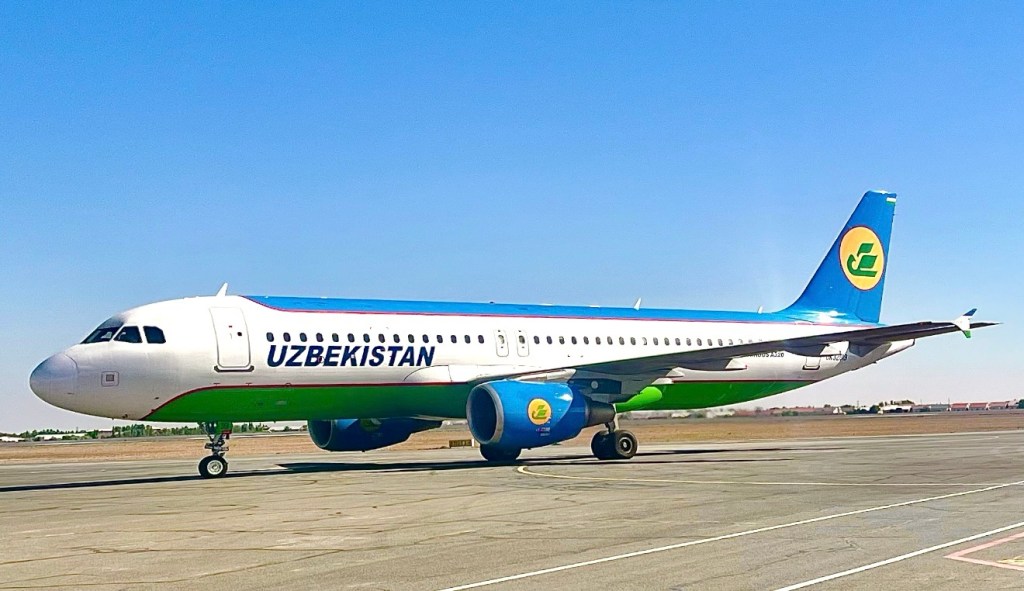
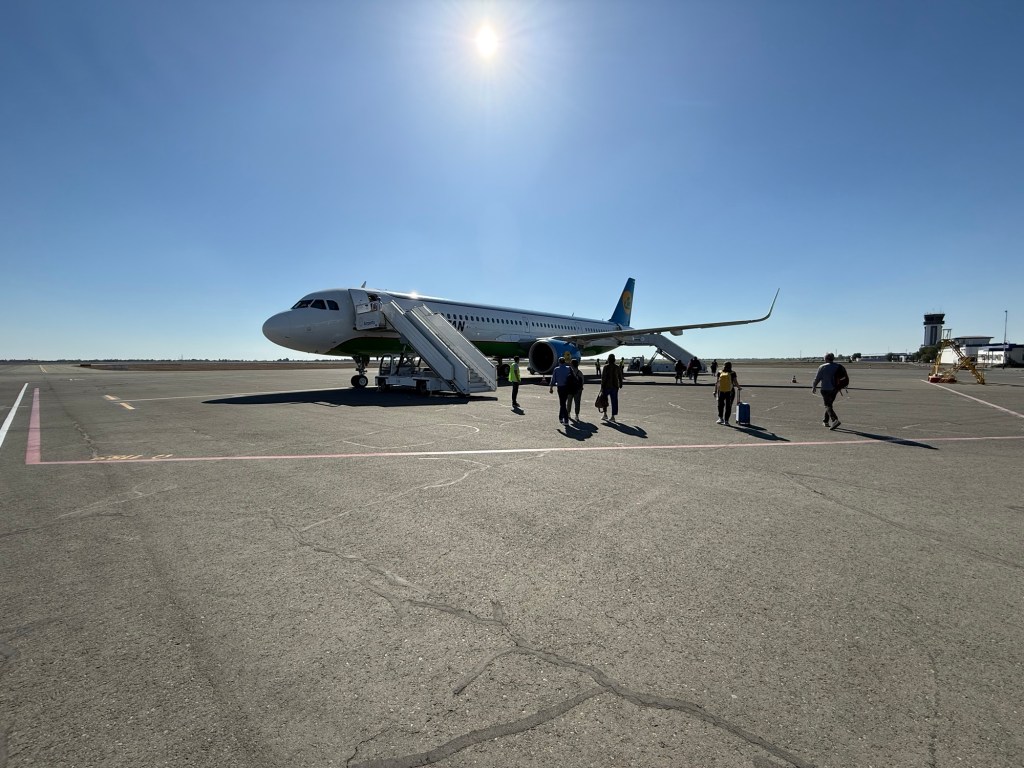
We arrived in Bukhara after an early flight from Khiva on Uzbekistan Airways.
We toured the Old City’s artsy district and enjoyed the work of Uzbek/Iranian artists and photographers.
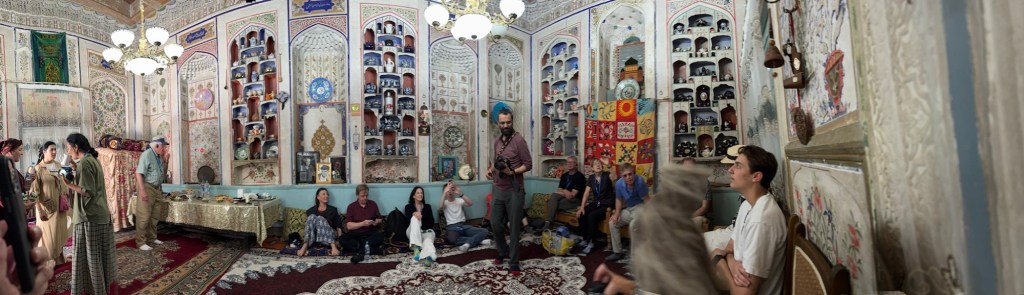
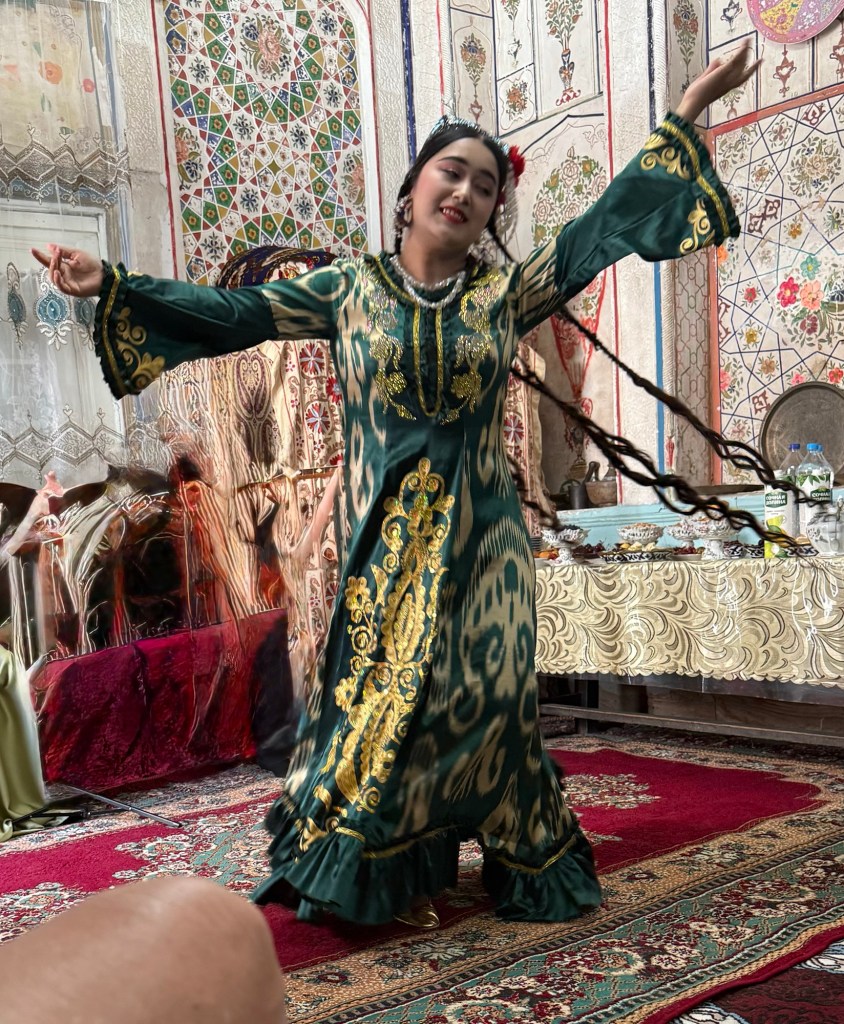
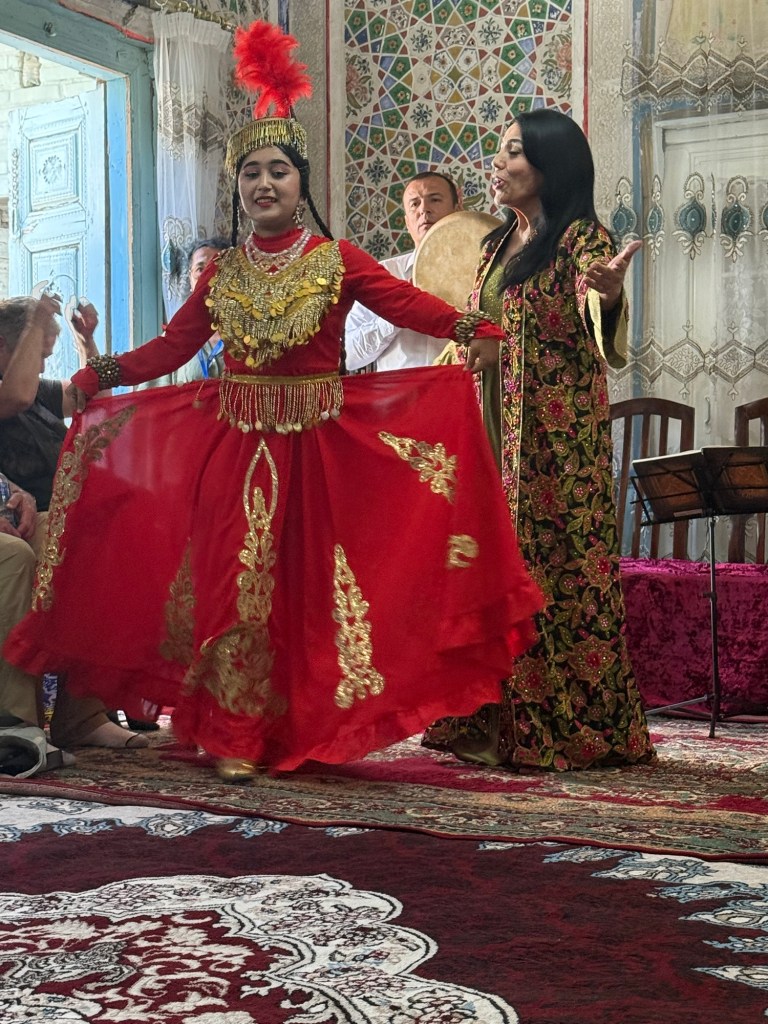
Then we went to the house of a gallery owner for Uzbek and Iranian come Persian entertainment and tea. The party got out of hand with very bad Persian dancing going on inc. me – good fun though.
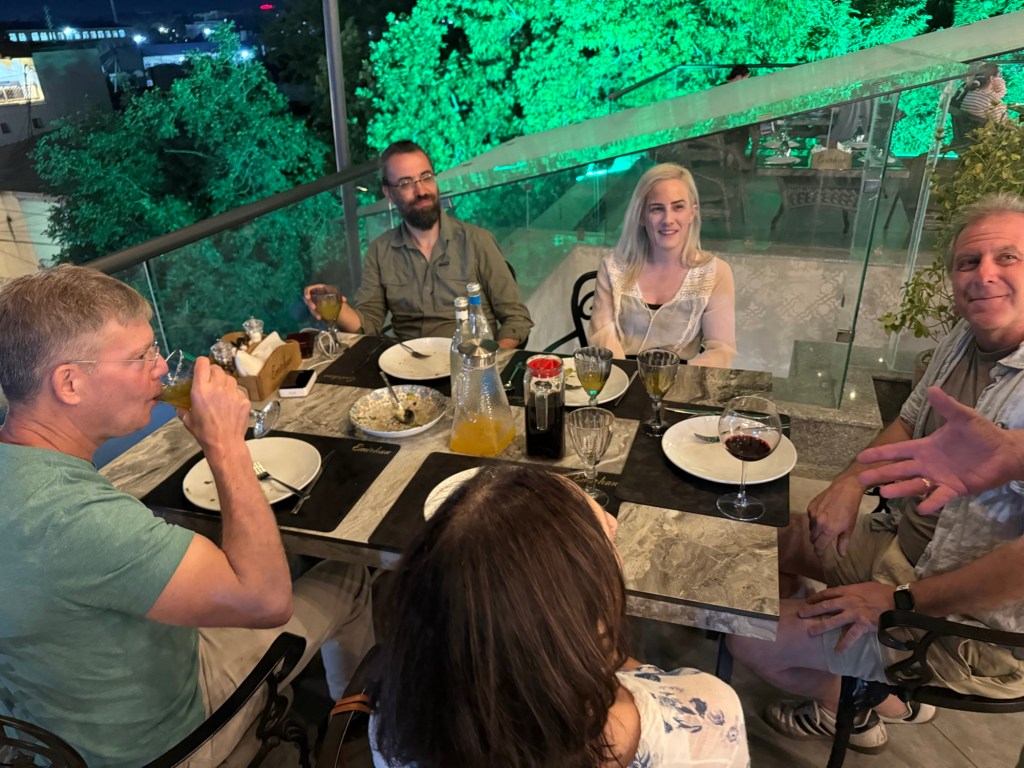
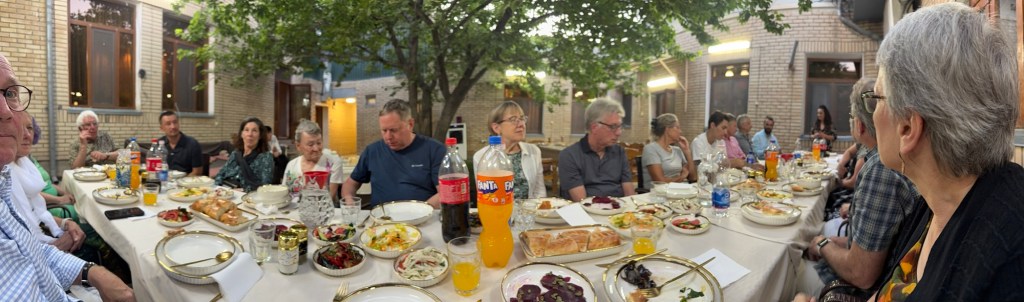
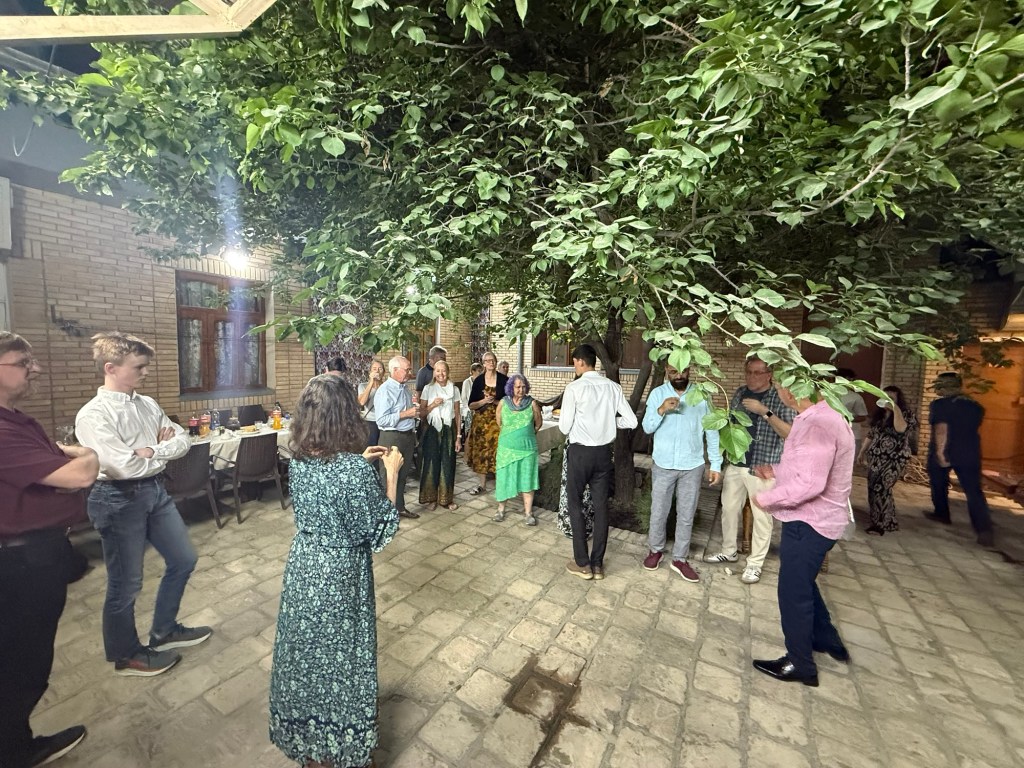
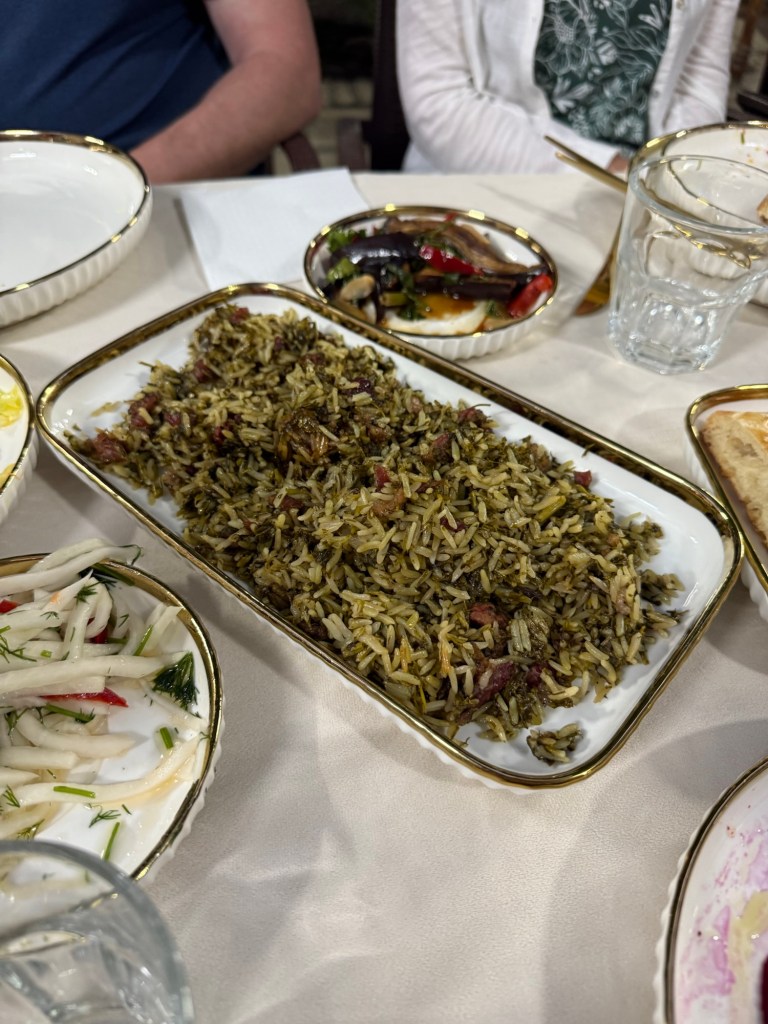
Bukhara evening activity was a visit to a prominent Jewish household where we listened to stories and had an extravagant meal featuring green Plov followed by dancing and of course wodka.
Plov is Uzbekistan’s signature dish; it is a fragrant pilaf cooked with tender lamb, carrots, onions, and aromatic spices, often served at celebrations. I preferred to add fresh chilies or peppers. Uzbekistan food is not spicy hot as the people like the natural flavors to be obvious. This is a country where tomatoes taste like my father’s homegrown (and of course, now, sister Helen’s).




























 seetheworldtravelblog