Nuns
By Paul Bryers
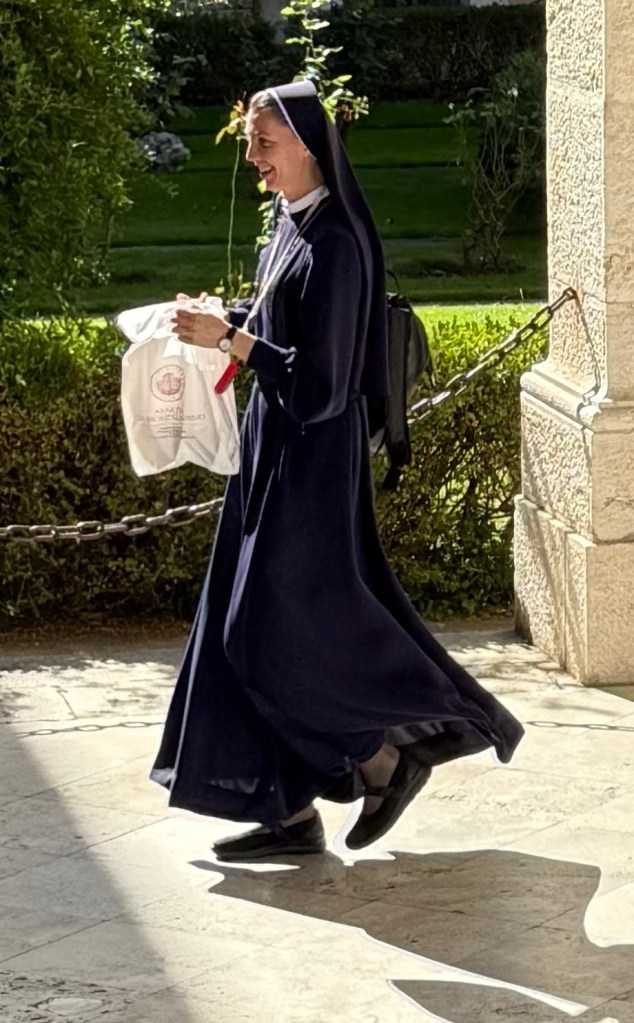
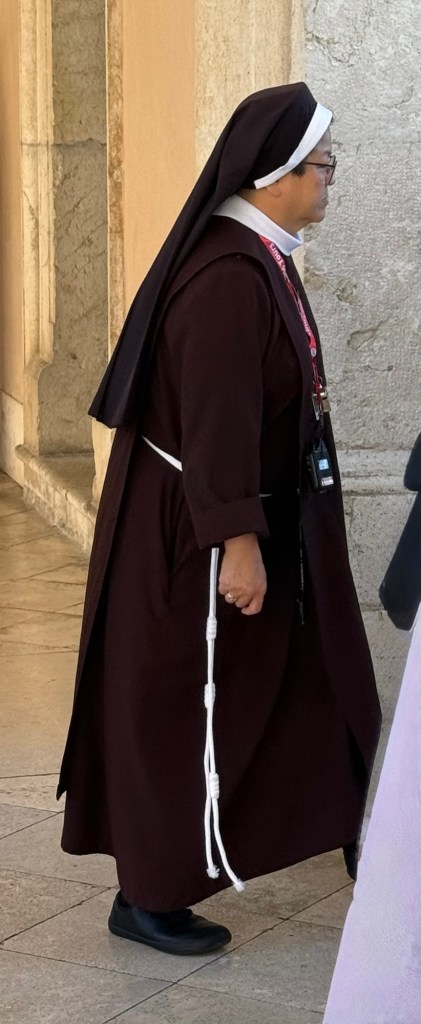
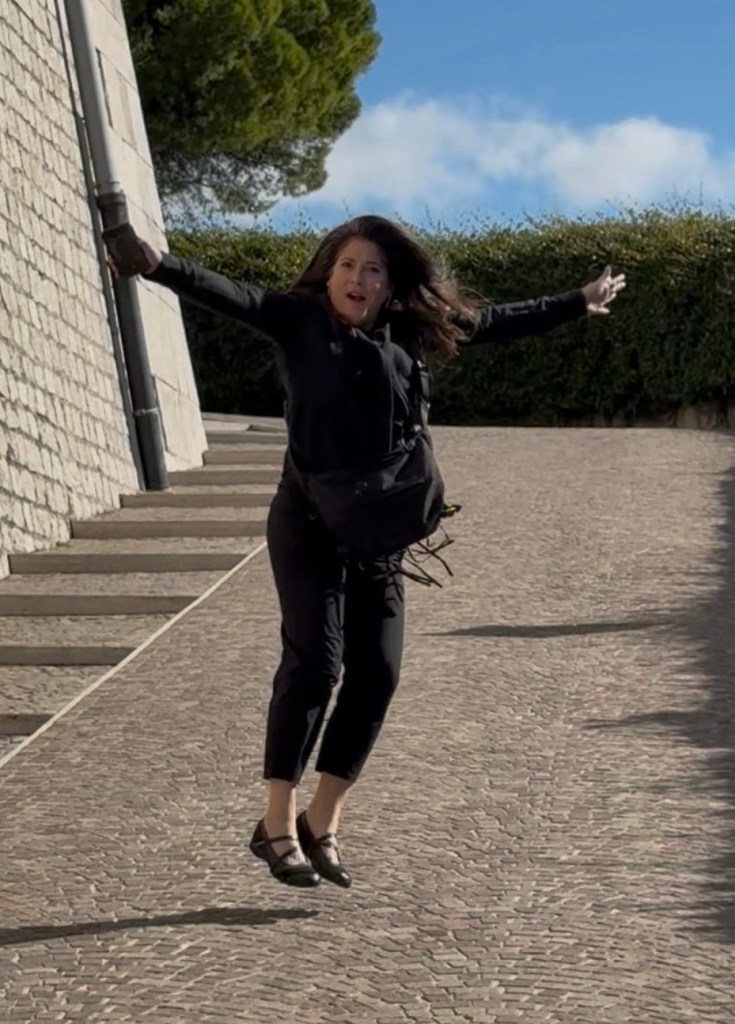
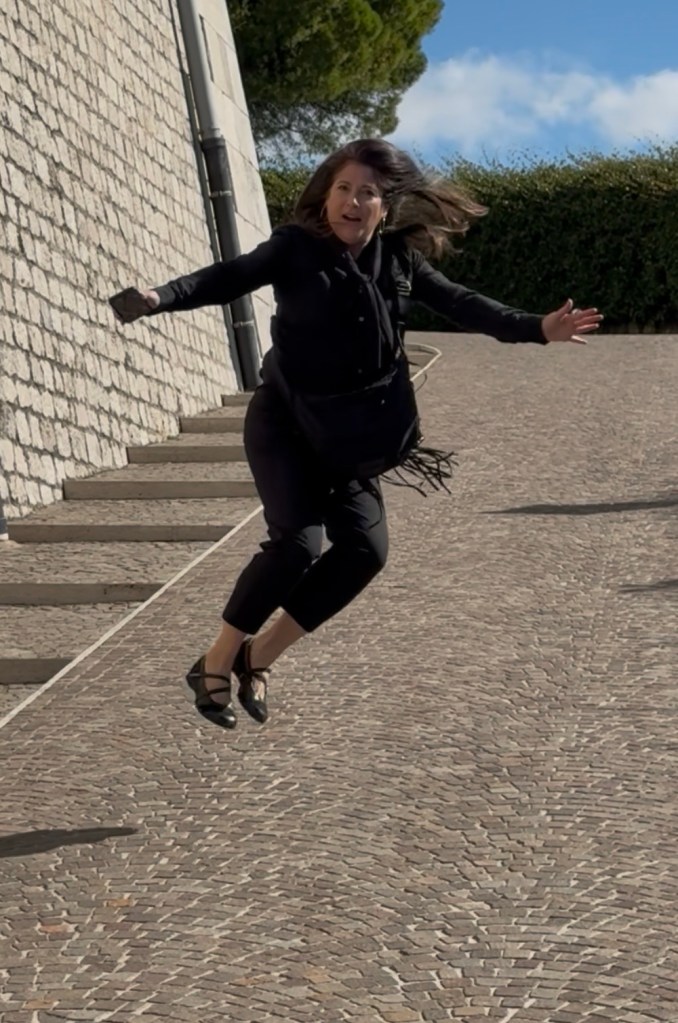
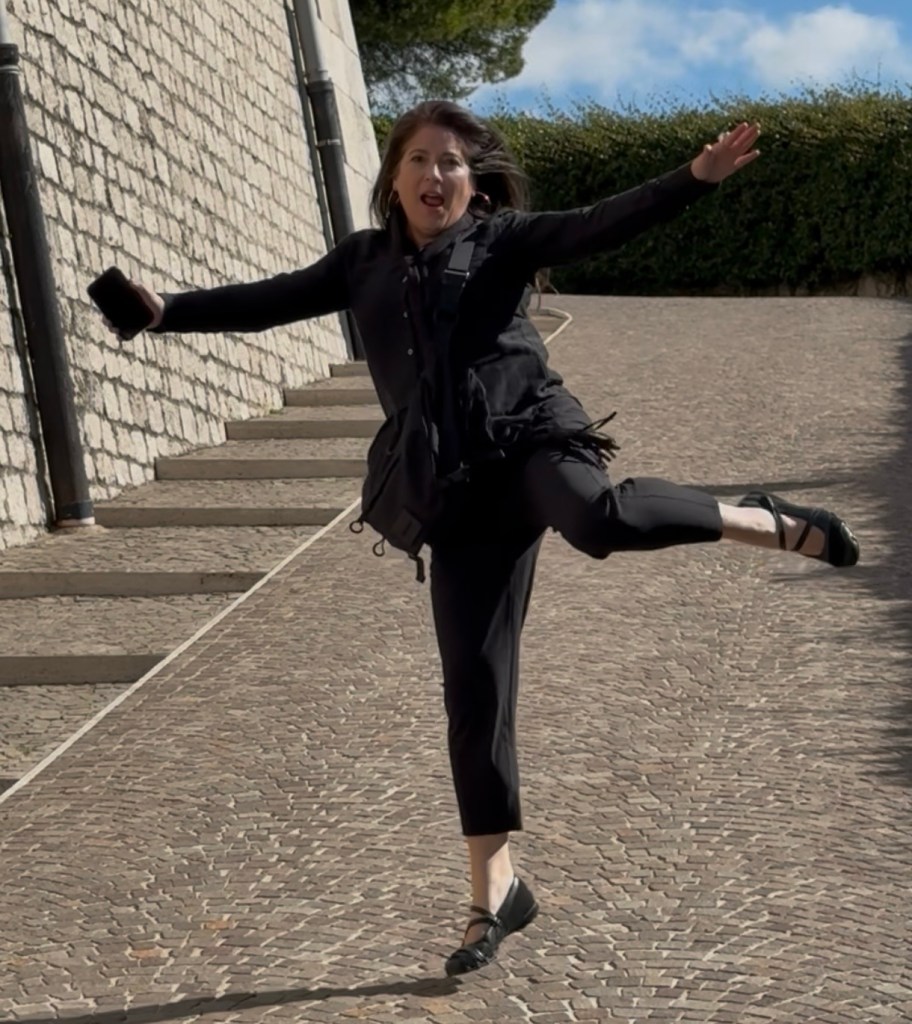
There are Nuns, and then there is the Flying Nun….Lisa la suora volante…
Nuns
By Paul Bryers
There are Nuns, and then there is the Flying Nun….Lisa la suora volante…
Visit to Montecassino Abbey
By Paul Bryers
It was an arduous, winding journey up the mountain on treacherous roads to the abbey.
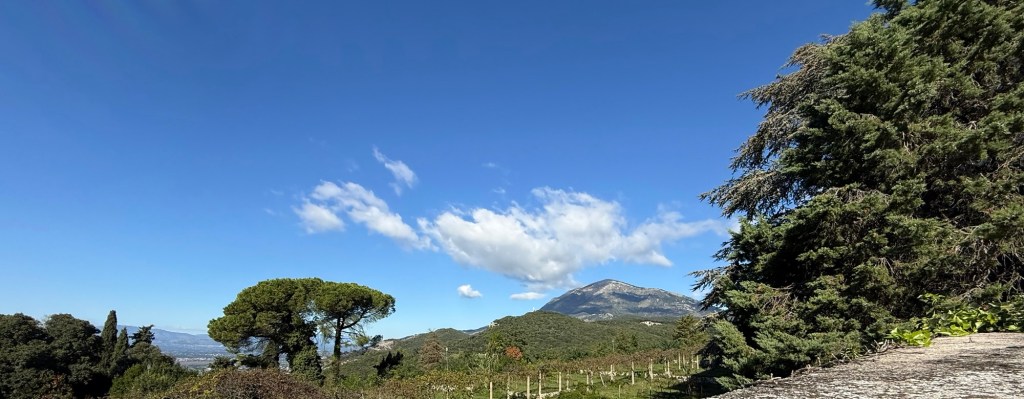
The drive was particularly daunting due to the narrow, serpentine roads and steep inclines, which were further complicated by the presence of occasional reckless bus drivers. The Grim Repear backoned a few times. As someone who is not fond of heights, I found the experience particularly unnerving and I may not recover.
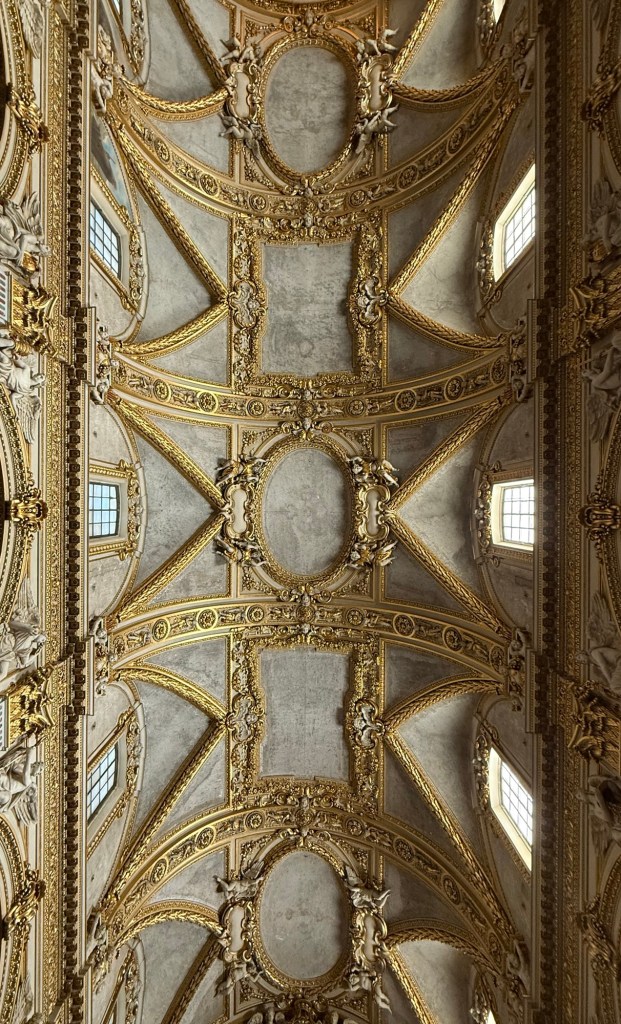
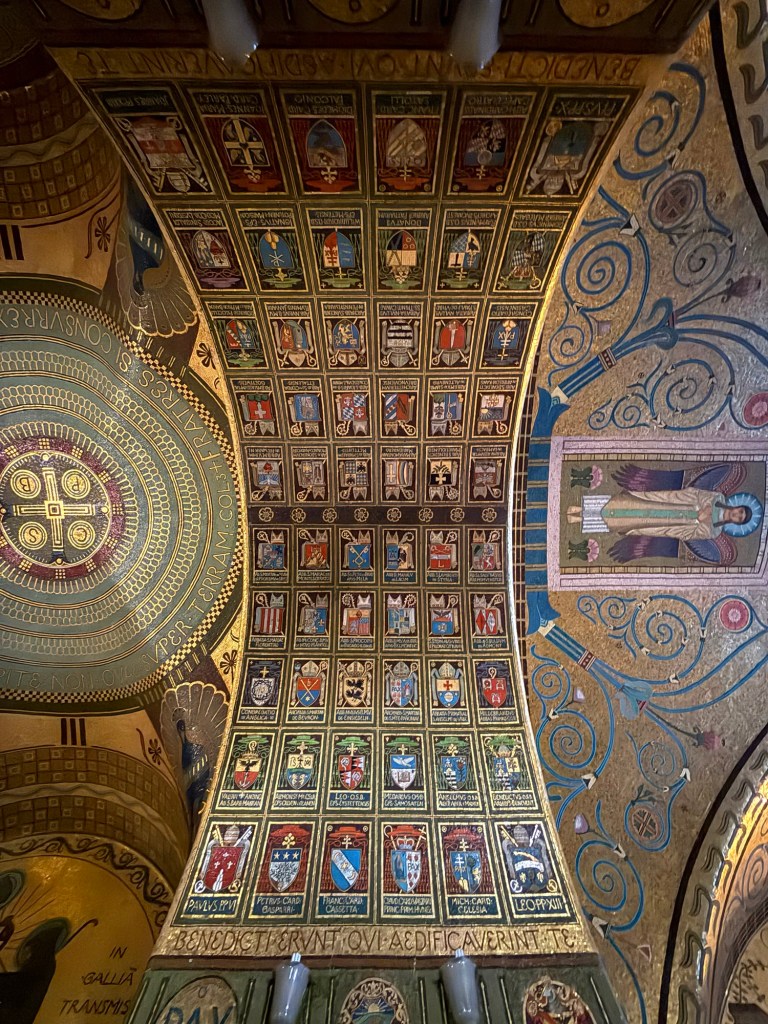
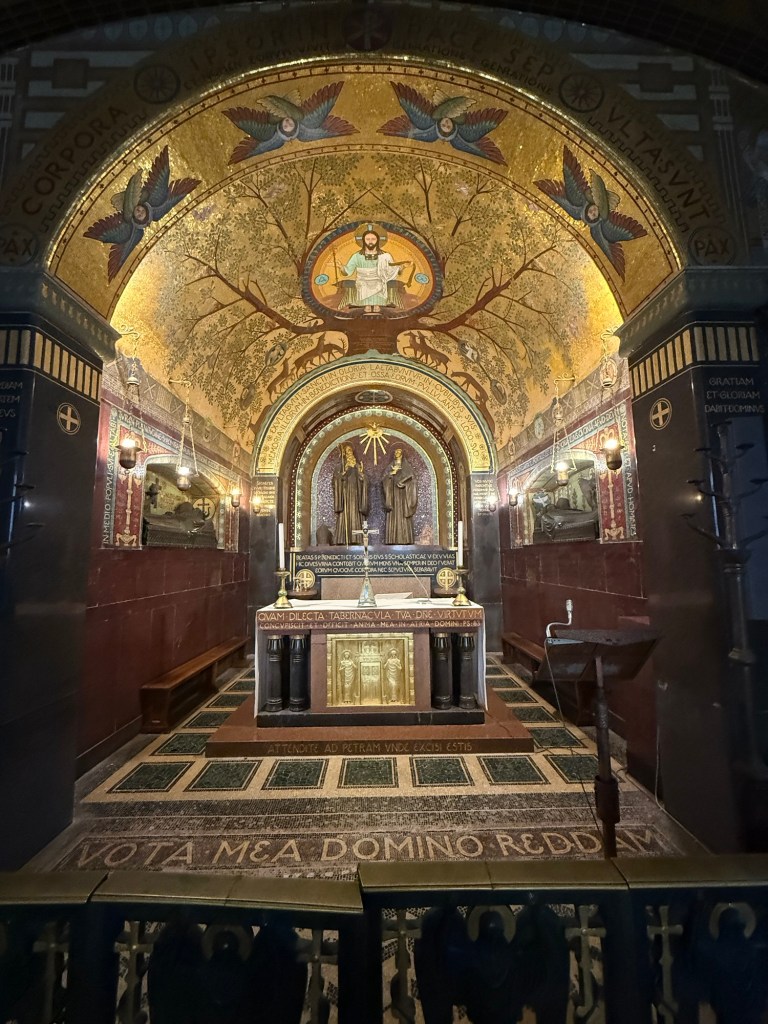
However, the Abbey of Montecassino provided a tranquil respite for our pilgrimage. It is exceptionally beautiful, boasting a splendor that is impressive yet restrained. No
No wonder the Popes visit frequently.





Casa Gregoria – Visit to Prosciuttiera and Full Menu Night
https://www.facebook.com/share/161zJ1HWHq/?mibextid=wwXIfr
By Paul Bryers
We commenced the day with an extensive journey over varied terrain, through alternating sun and rain.
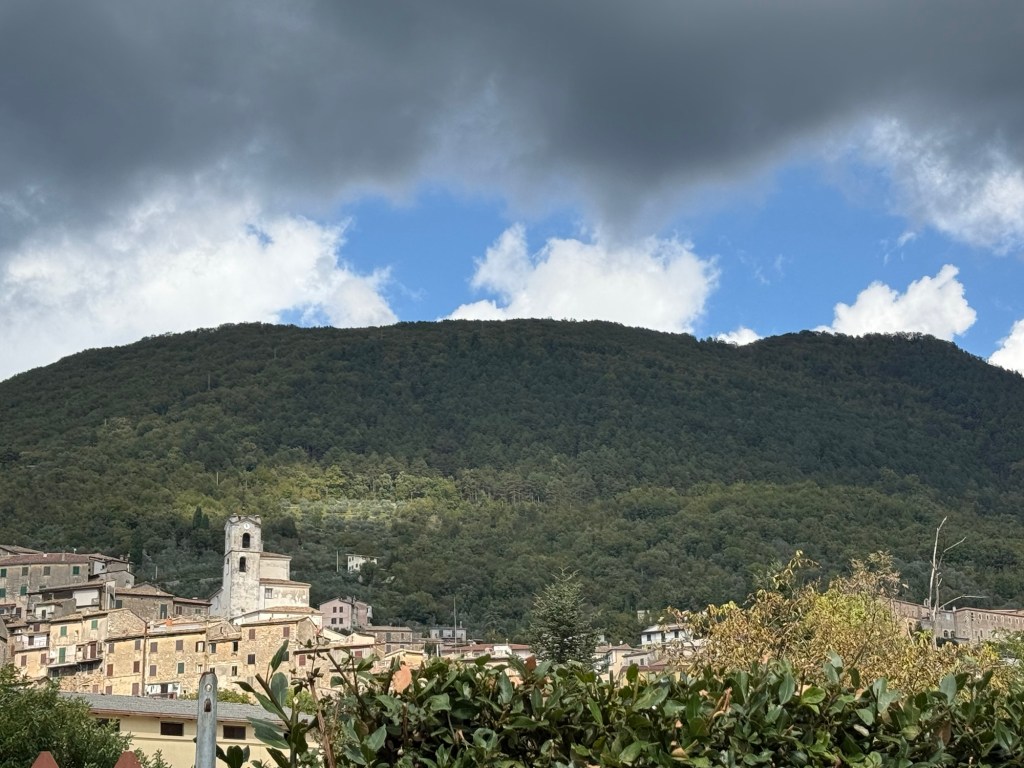
Eventually, we reached a renowned prosciuttiera, where we gained insight into the process of transforming porky piggies into prosciutto.
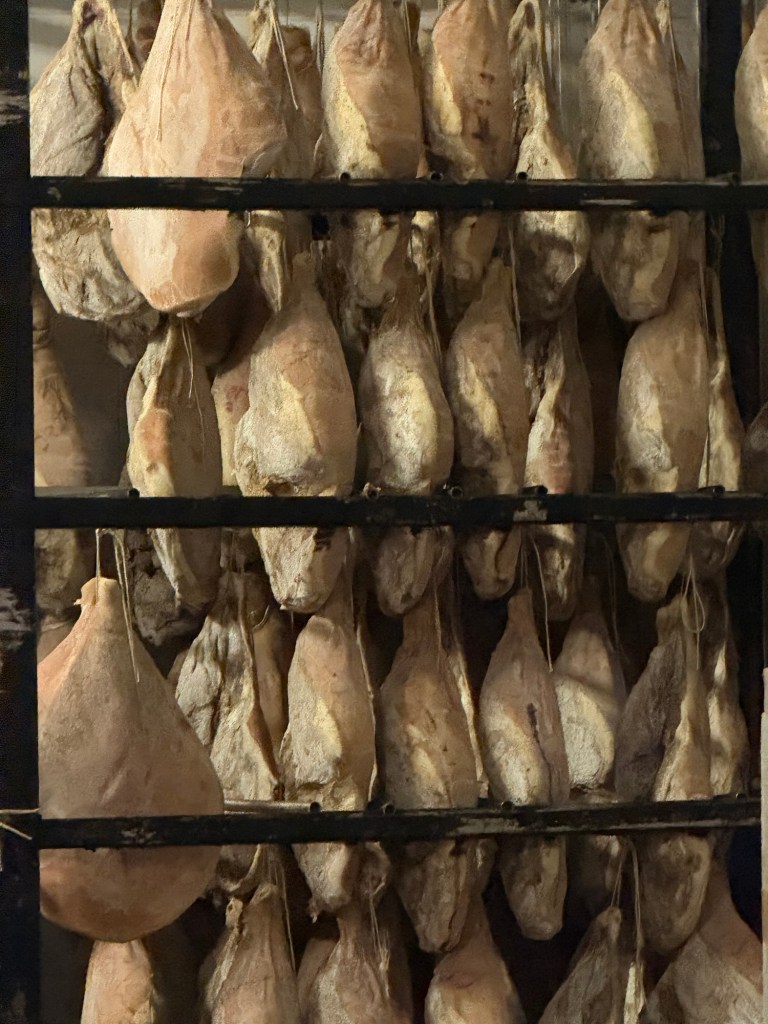
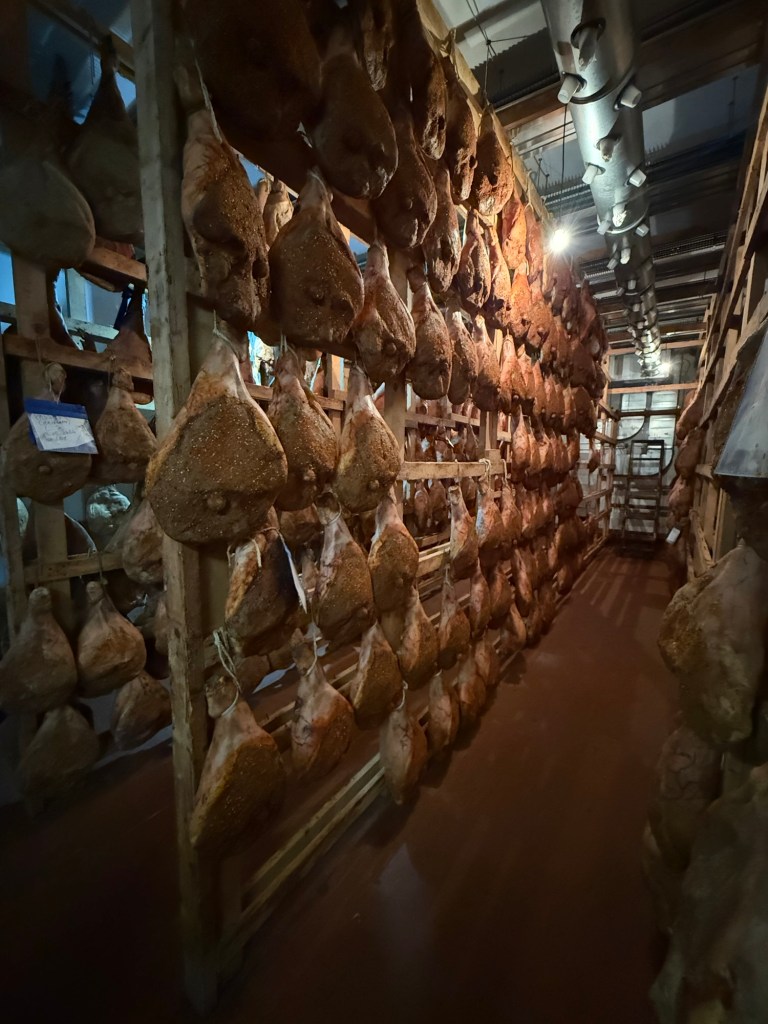
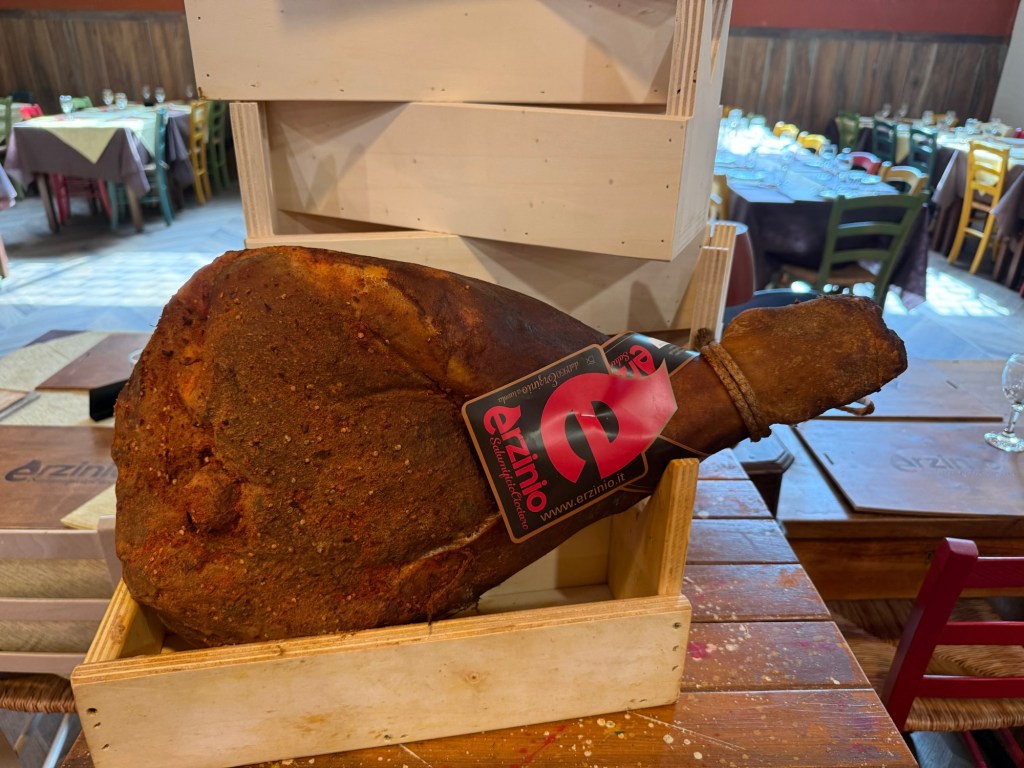
The establishment specializes in smoked and spiced cured meats. I loved the smokey smell of the smoking rooms.
Following our return to Casa Gregoria and a brief repose, we prepared a full dinner.
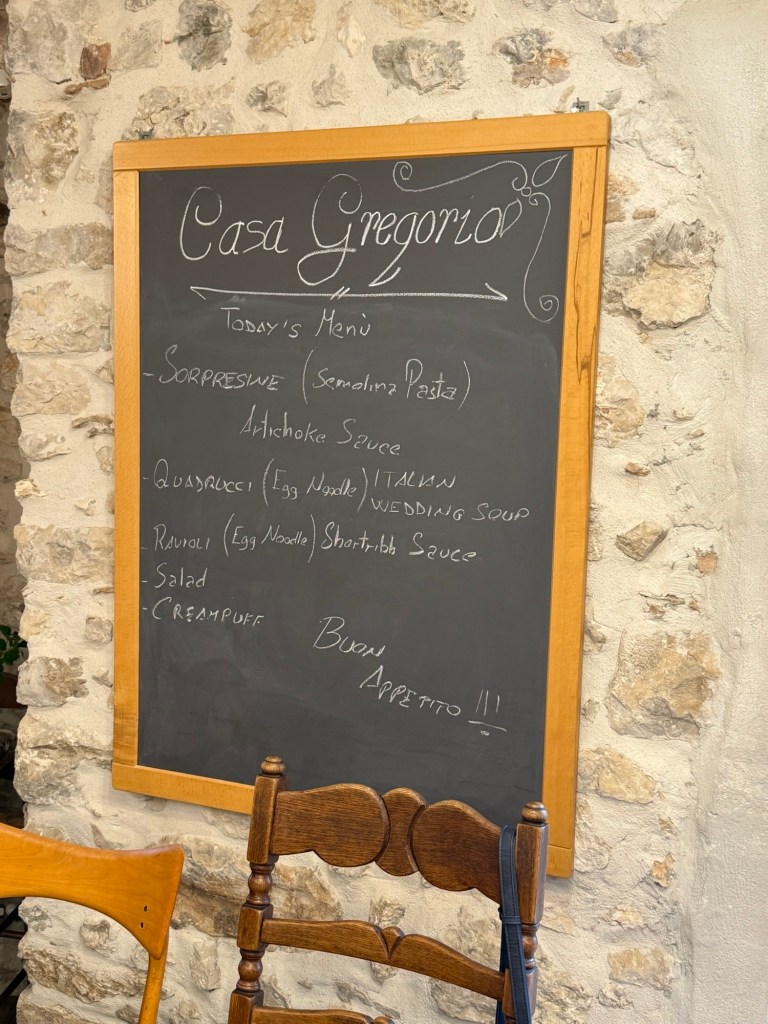
Our culinary skills were indeed impressive as we prepared and cooked our way through the enticing menu.
The fishing touches to the Italian wedding soup were the little meat balls and the small pasta squares.
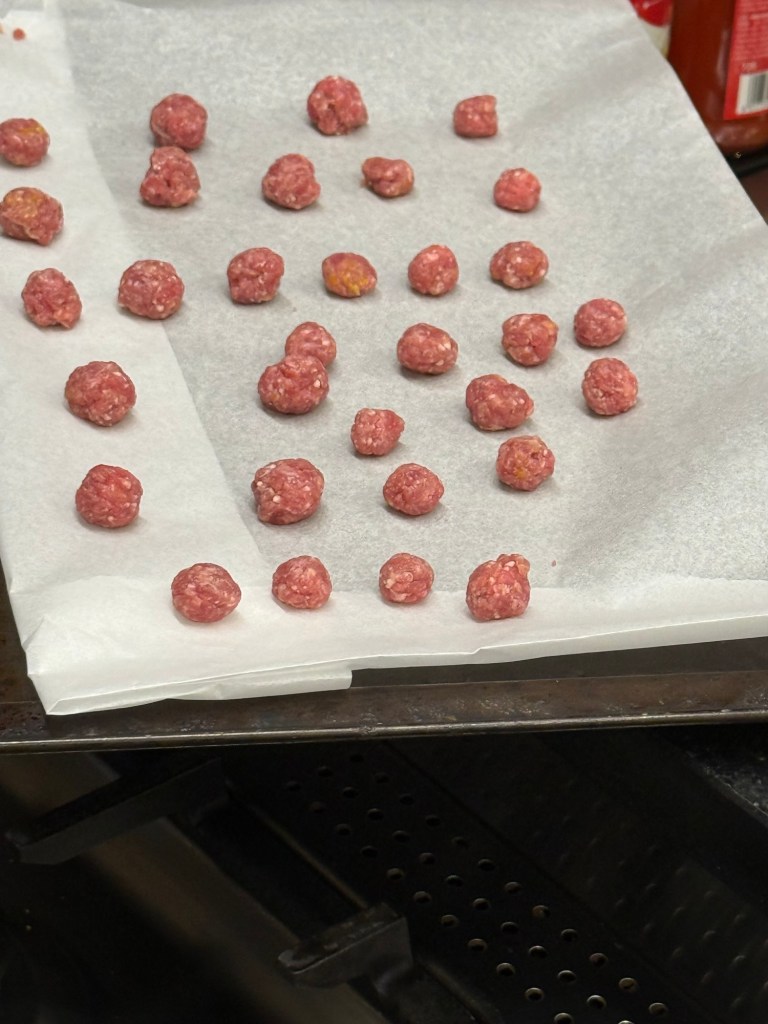
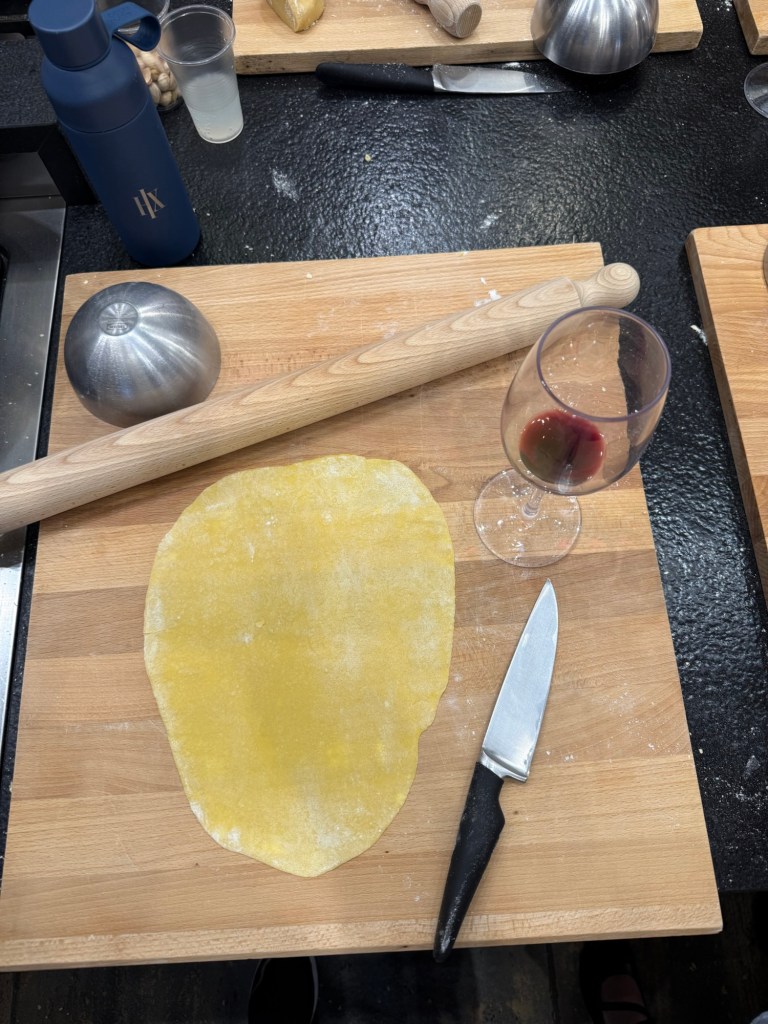
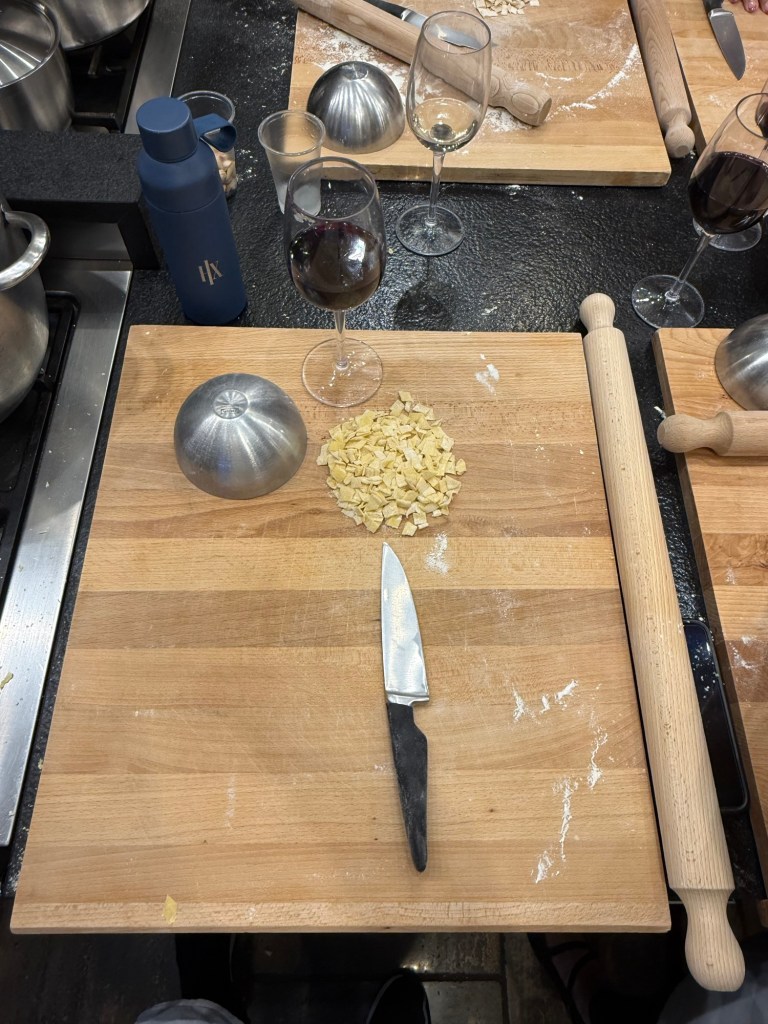
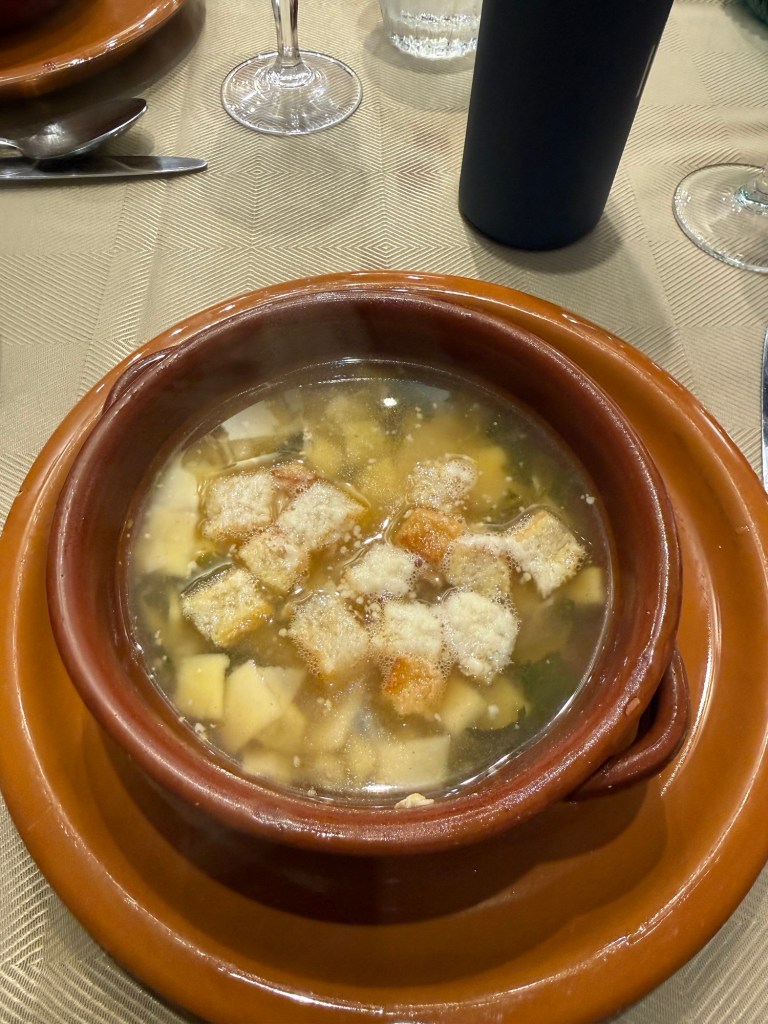
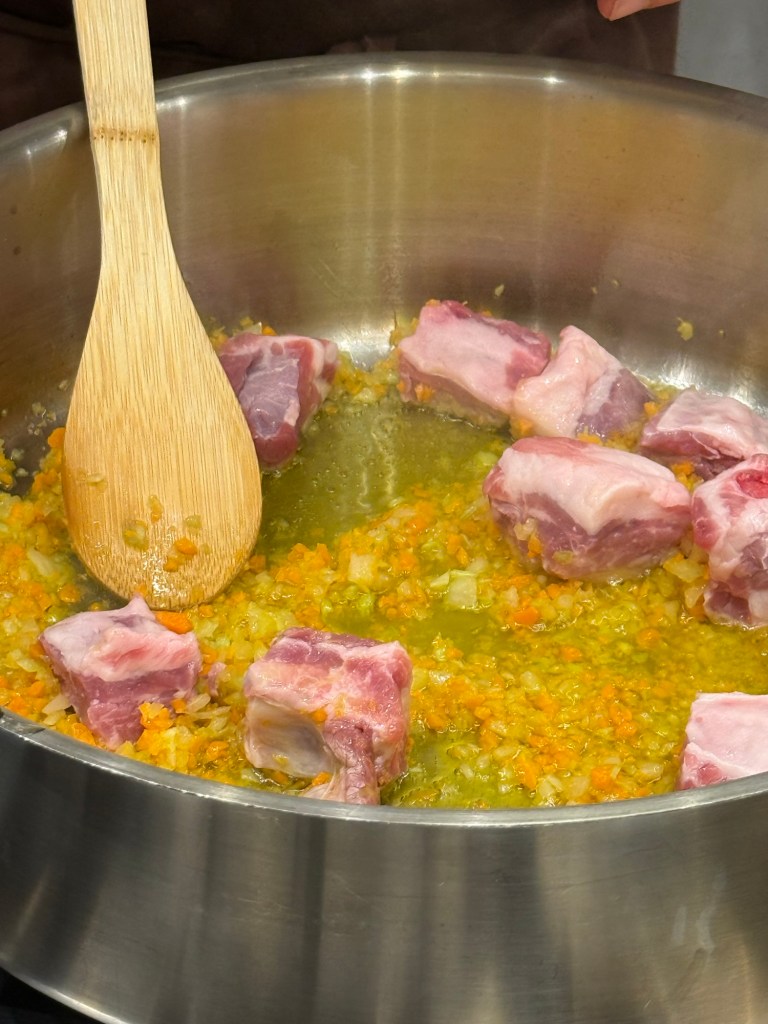
Preparing the carrot, onion and garlic sauce for the first pasta…
And then the pasta itself….
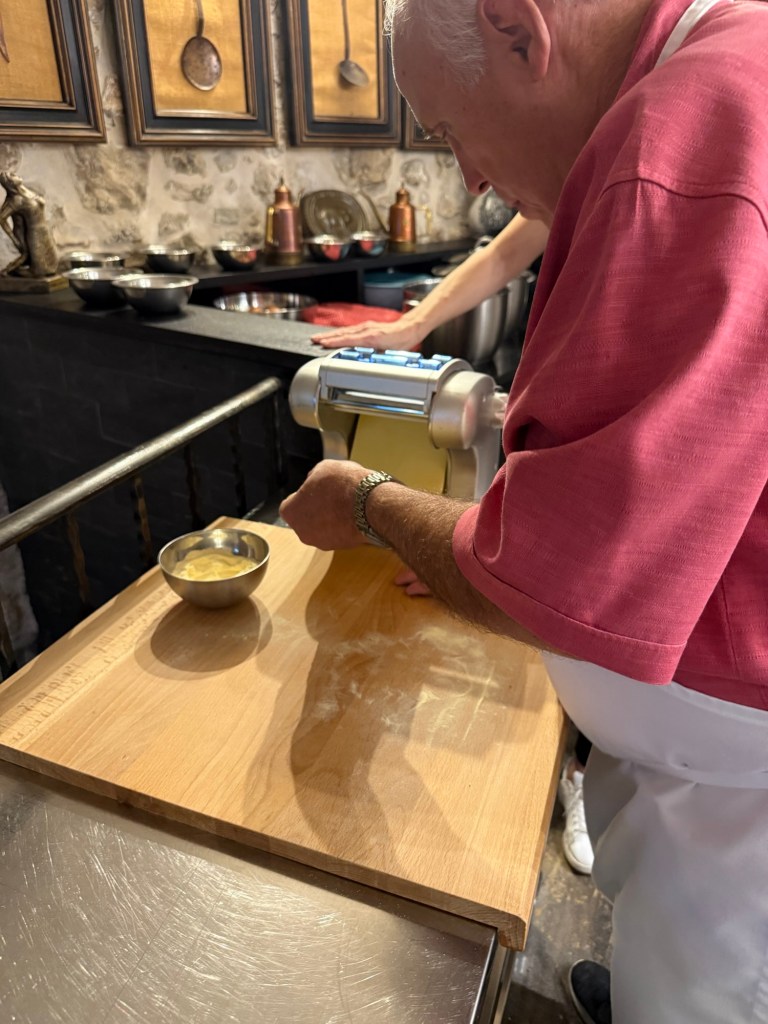
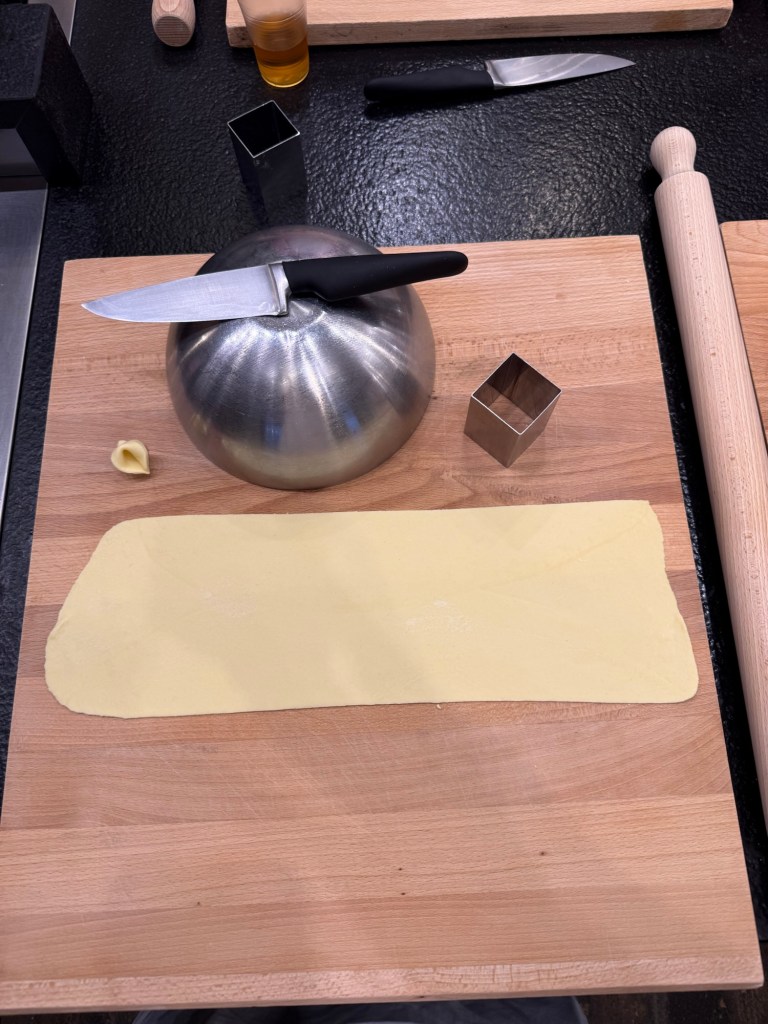

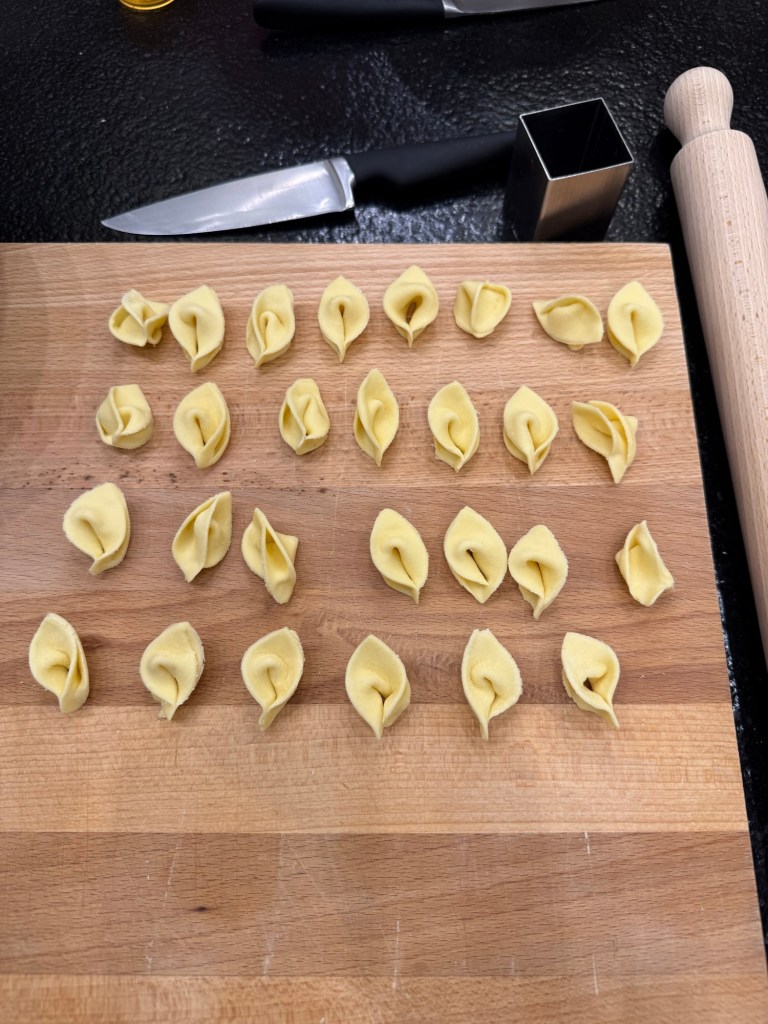
Super yummy!
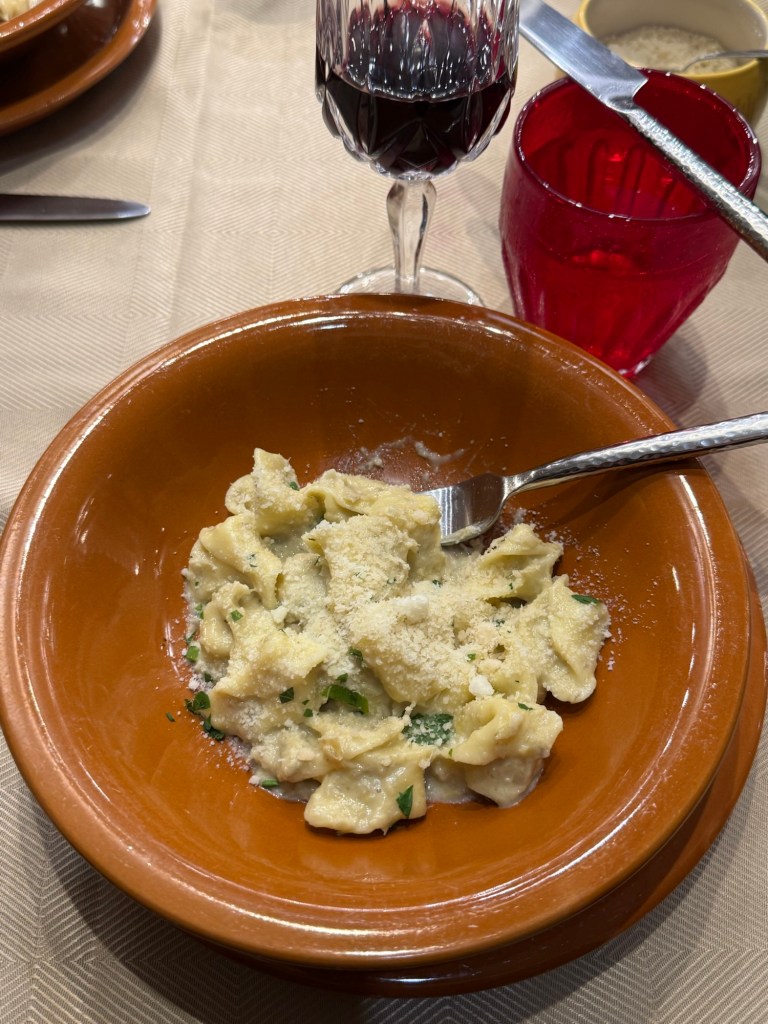
Chef Paulo smiles…
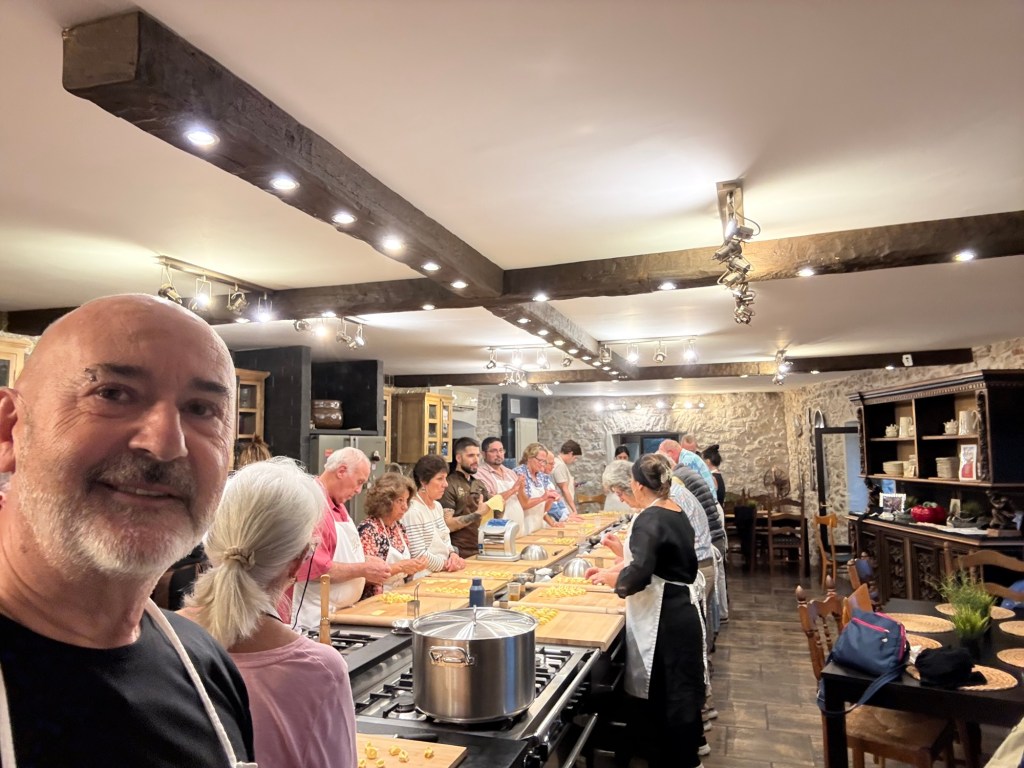
And then smiles again…
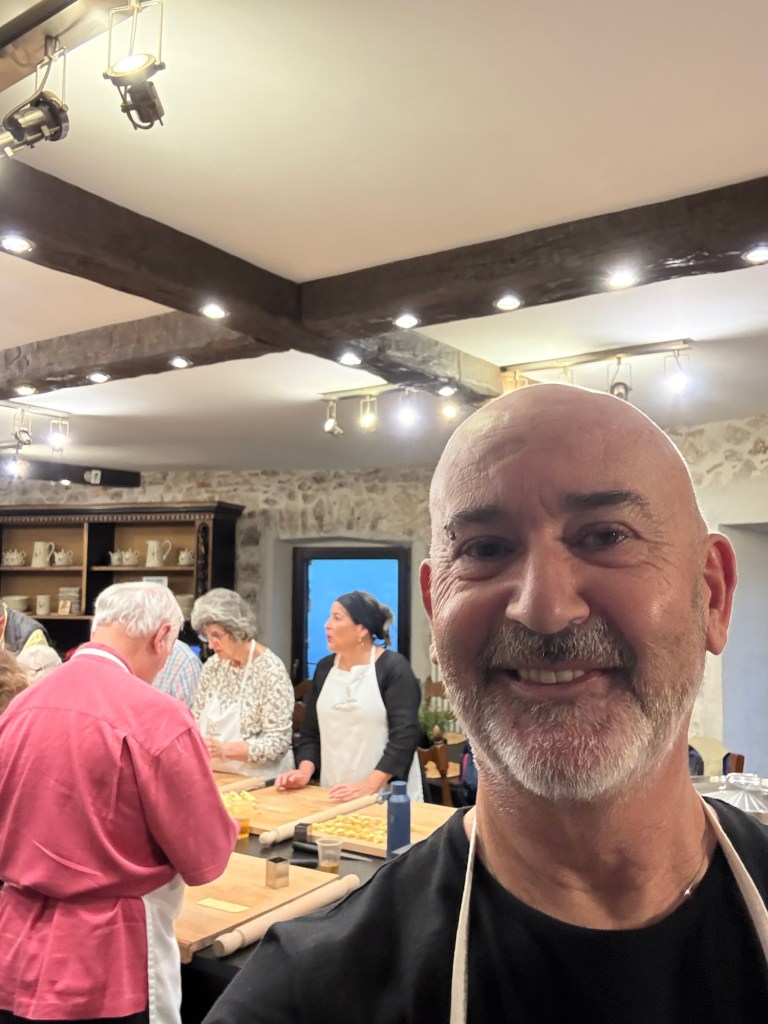
And then the second pasta…
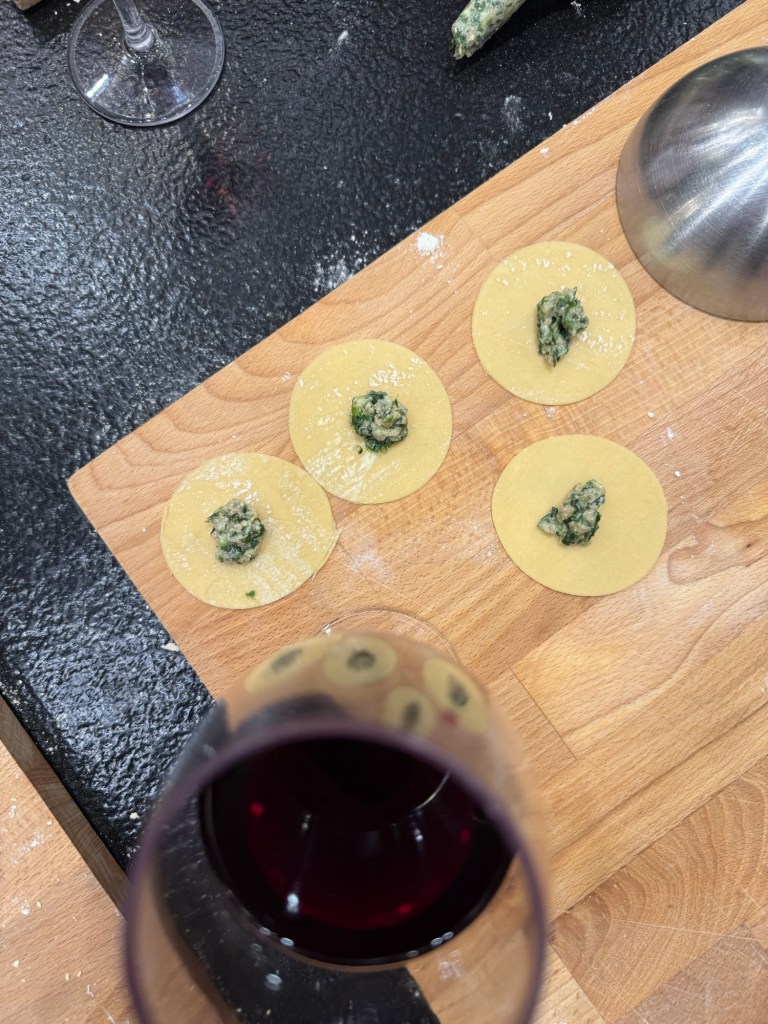
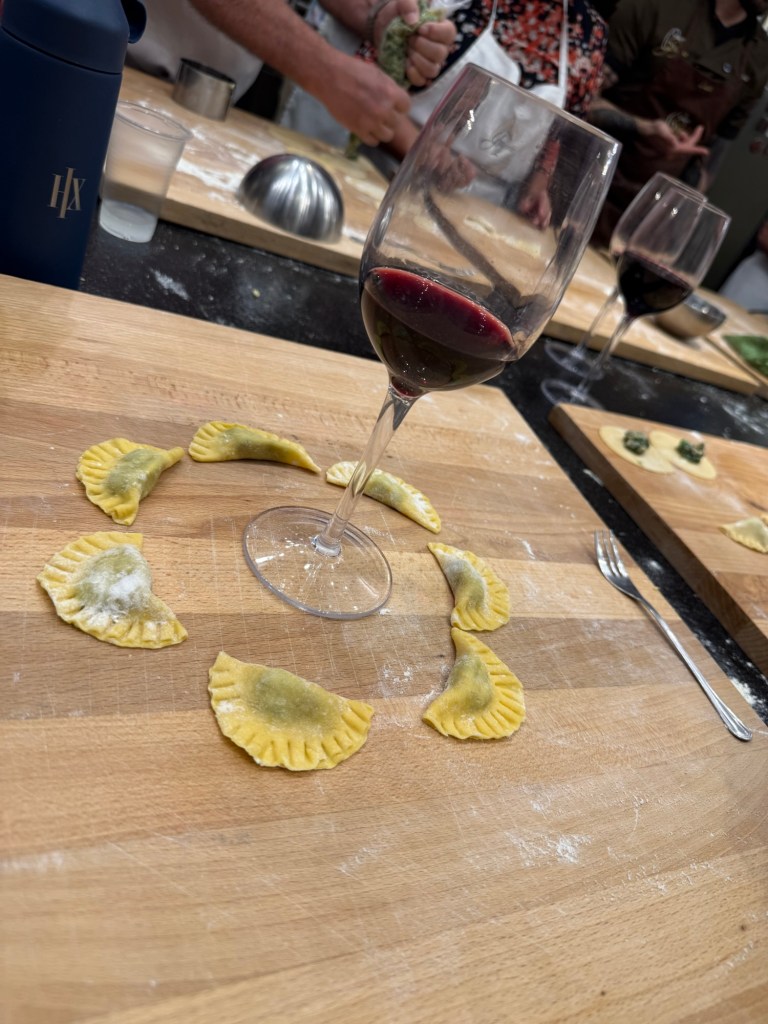
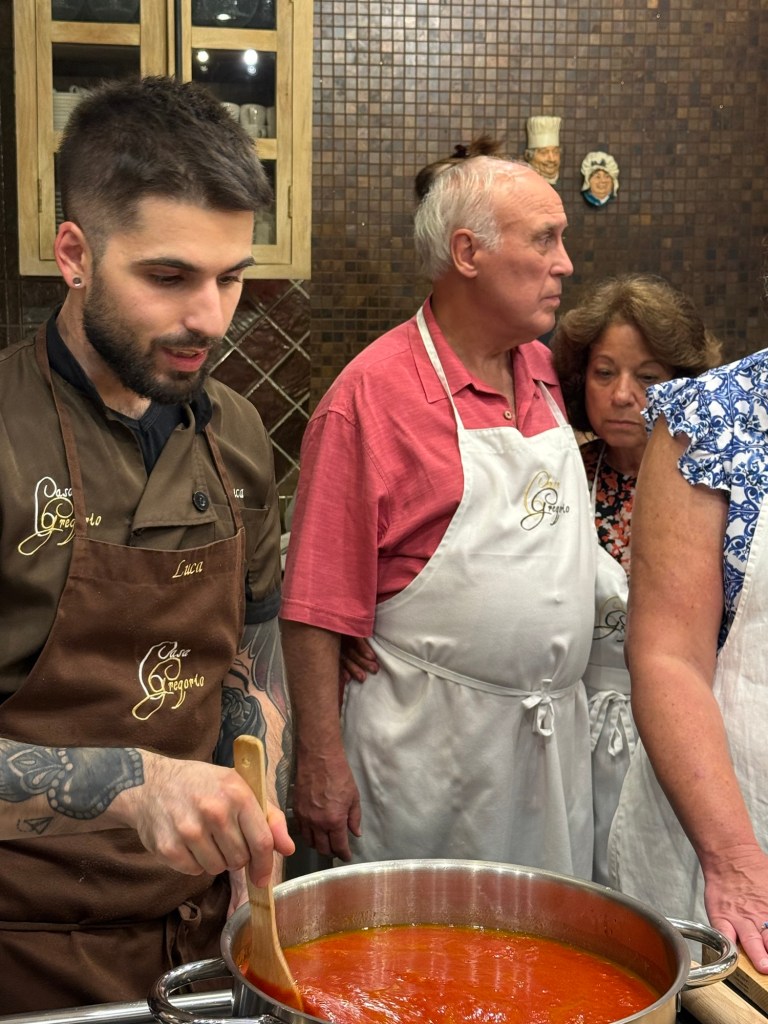
And sauce from Chef Luca…
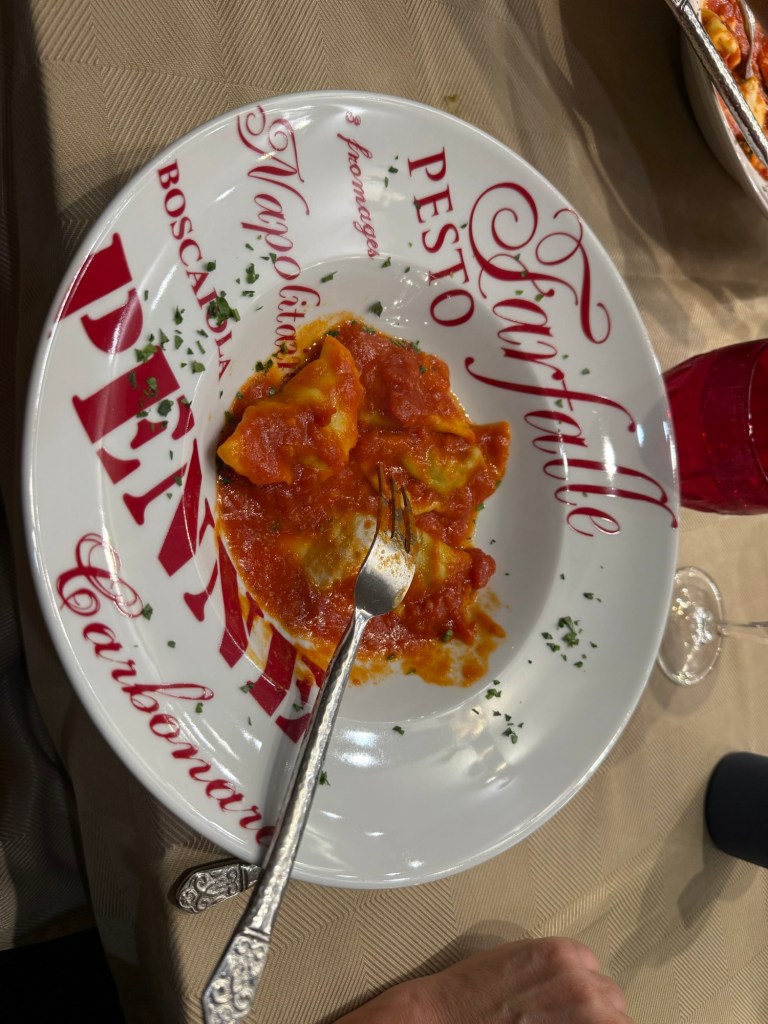
Yummy again!
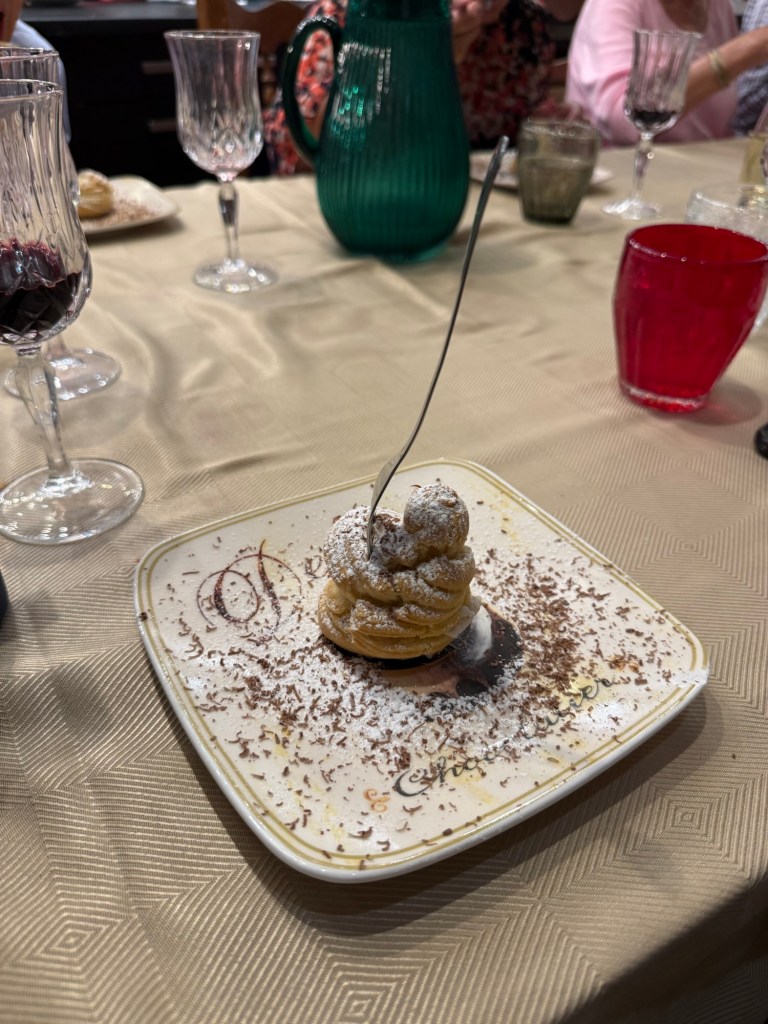
And finally – puffs with cream.
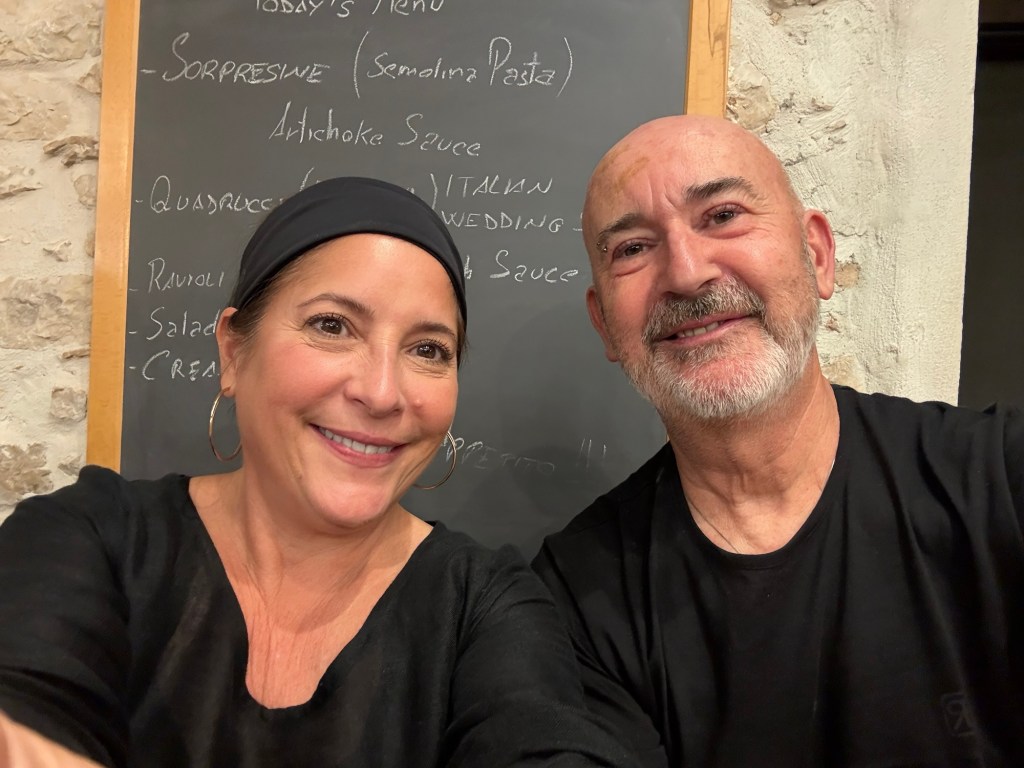
Lisa and I are happy with our culinary arts
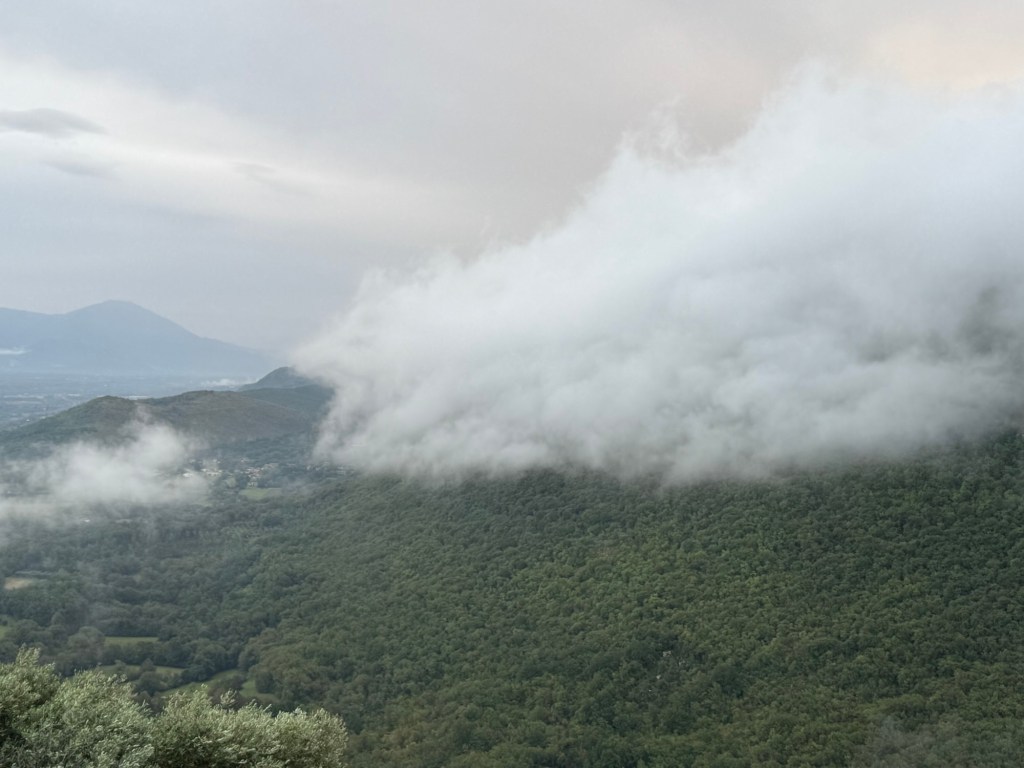
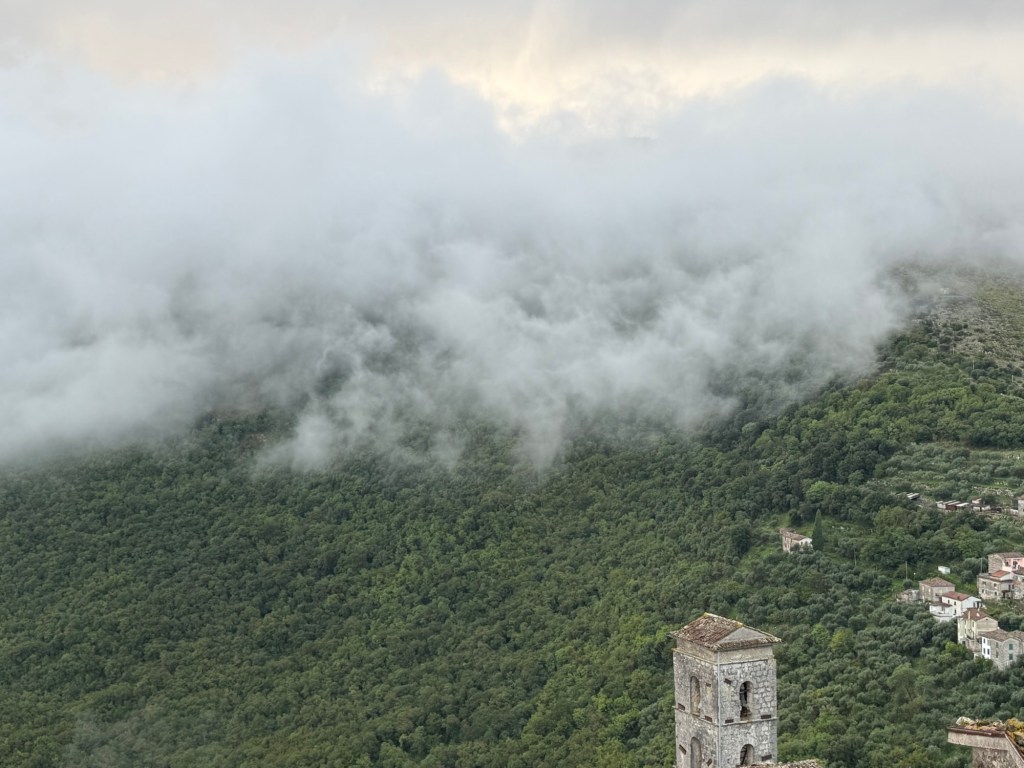
Meanwhile, the weather outside has changed for the worse….
Casa Gregoria – Anti-Pasta Night
https://italyculinaryholiday.com/
By Paul Bryers
Our cooking class commenced at 4:30 pm, and I arose at 4:50 pm. FFS!
Cosí, following a swift application of makeup, I rushed downstairs to a warm reception.
Unfortunately, I missed the opportunity to stuff some mushrooms, prompting the instructor to jokingly remark, “Per favore non schiacciare i miei funghi!”
We prepared an array of anti-pasta dishes, in addition to the stuffed mushers, all of which were exquisite. See the blackboard.
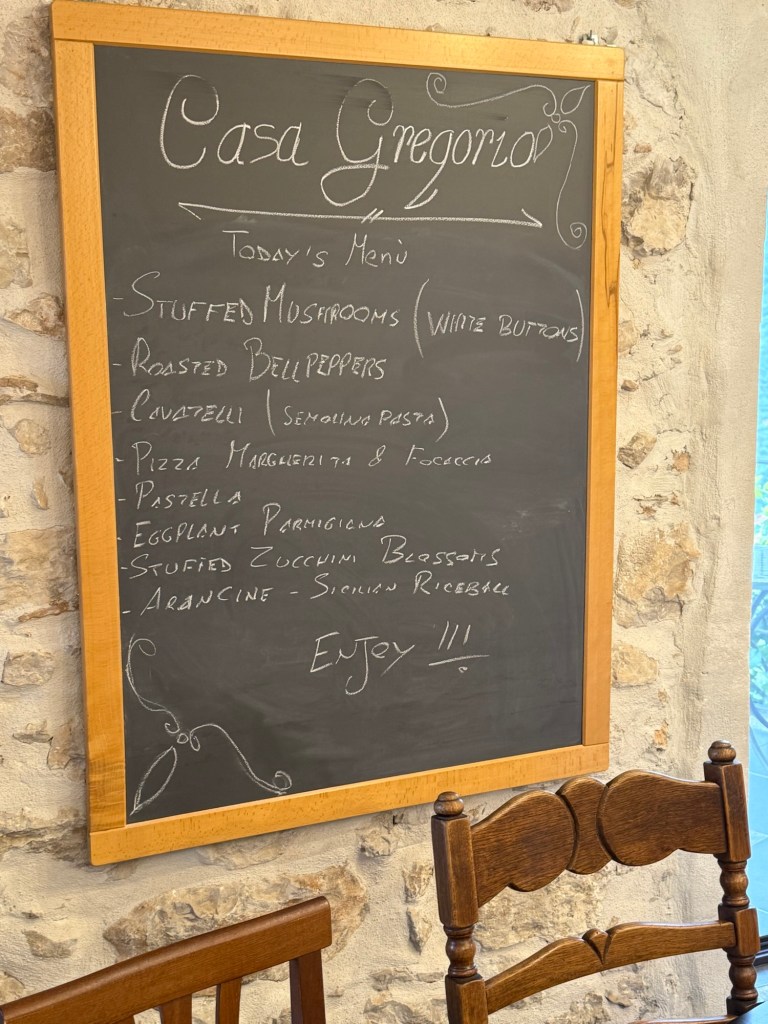
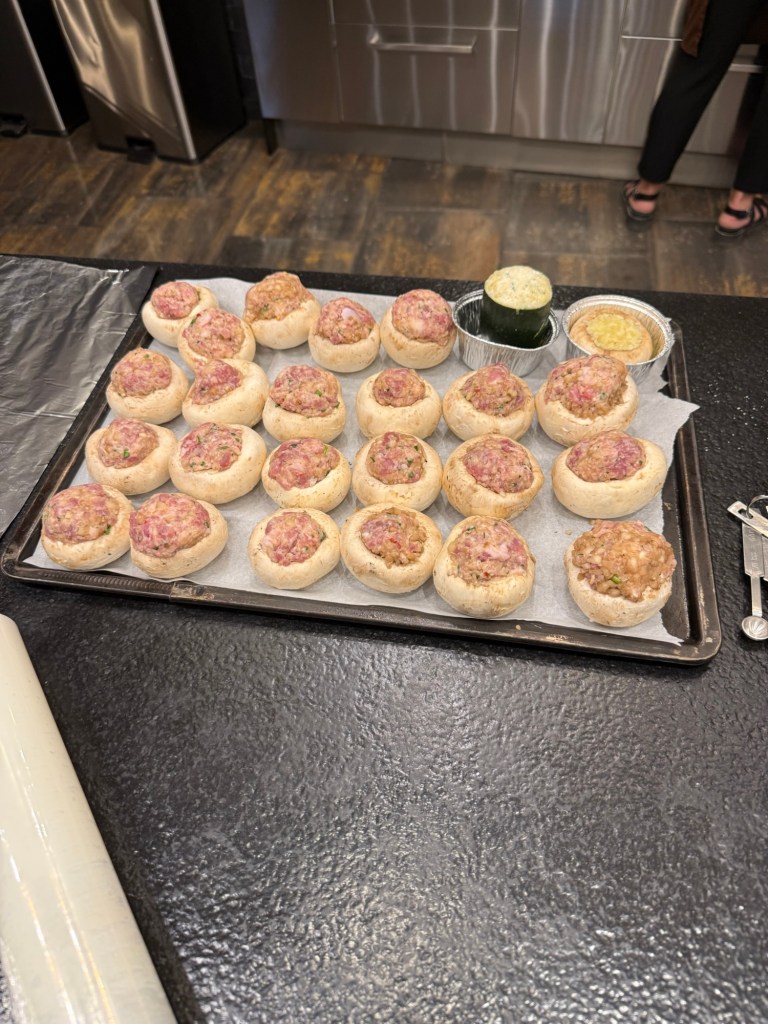
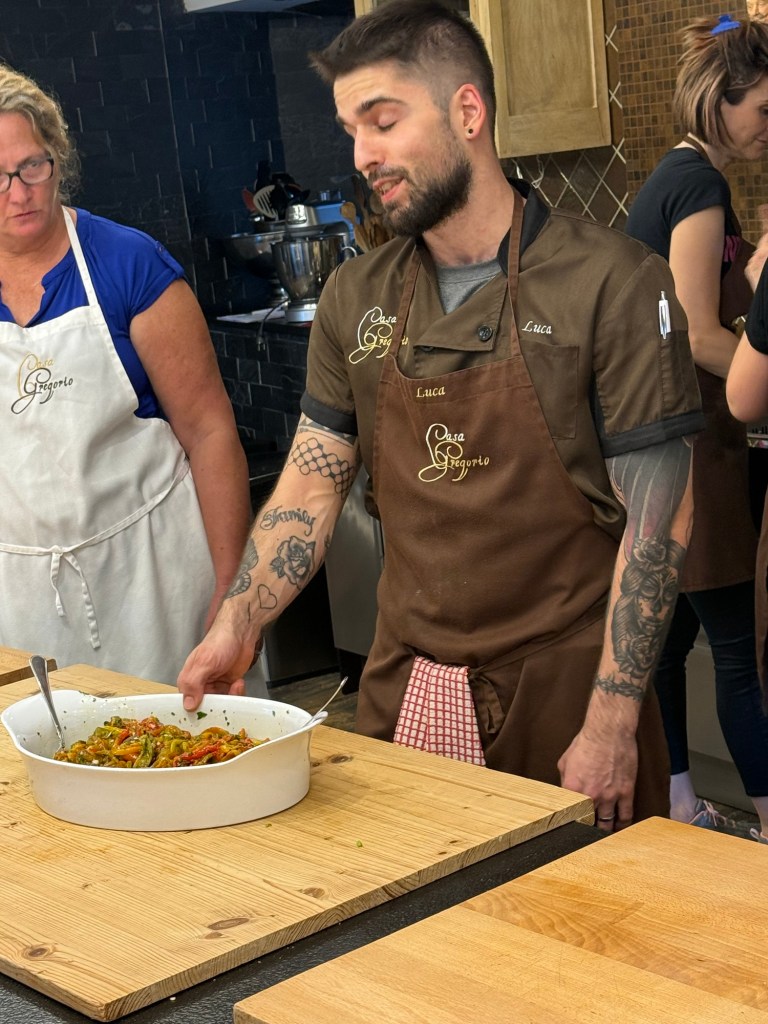
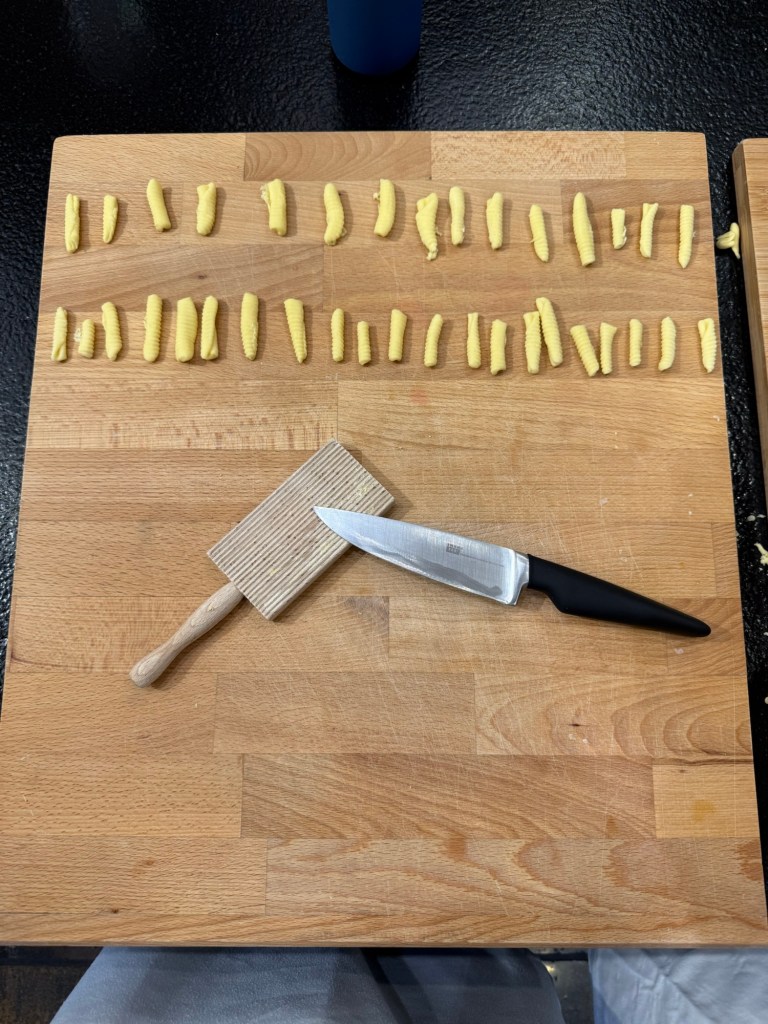
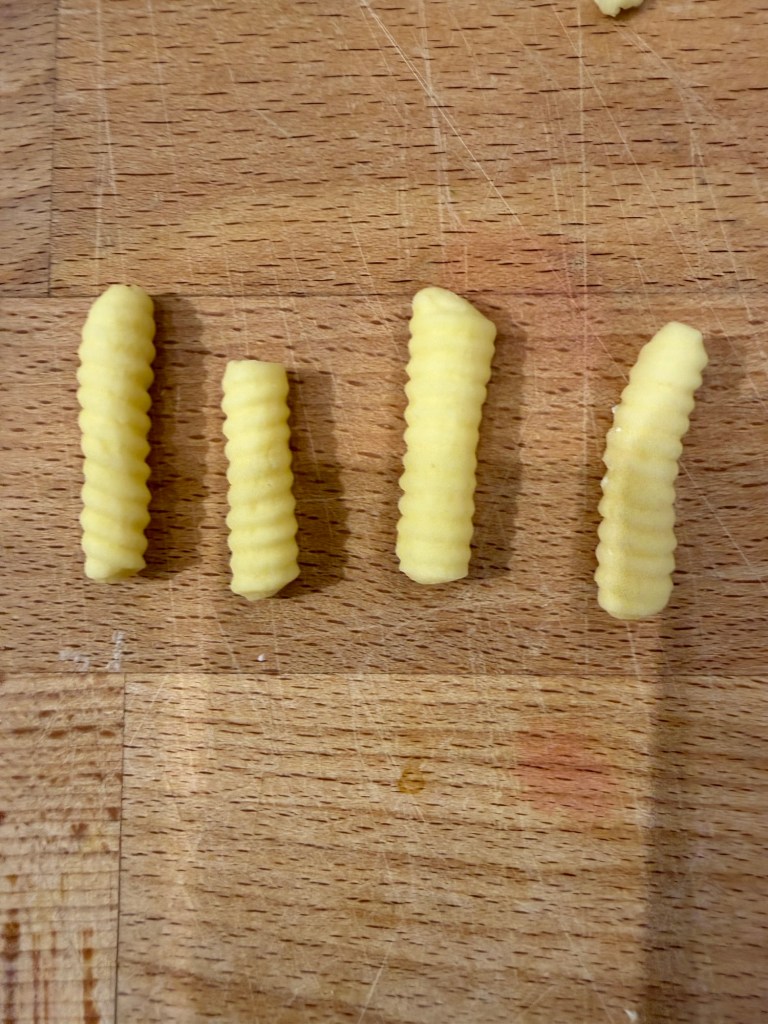
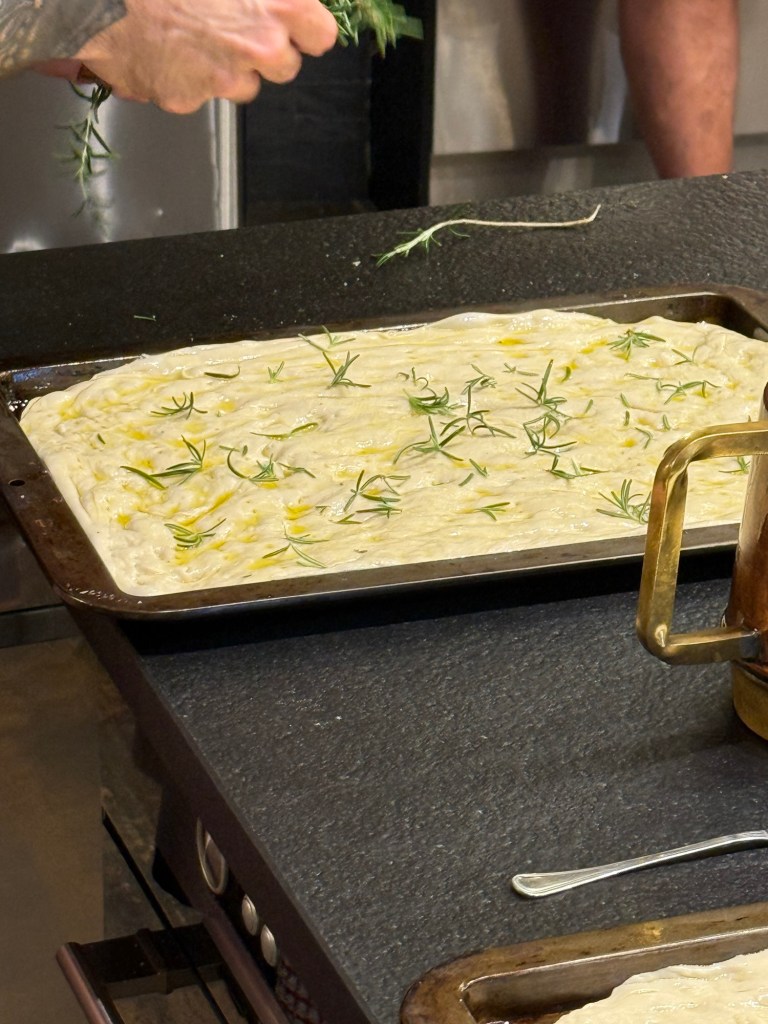
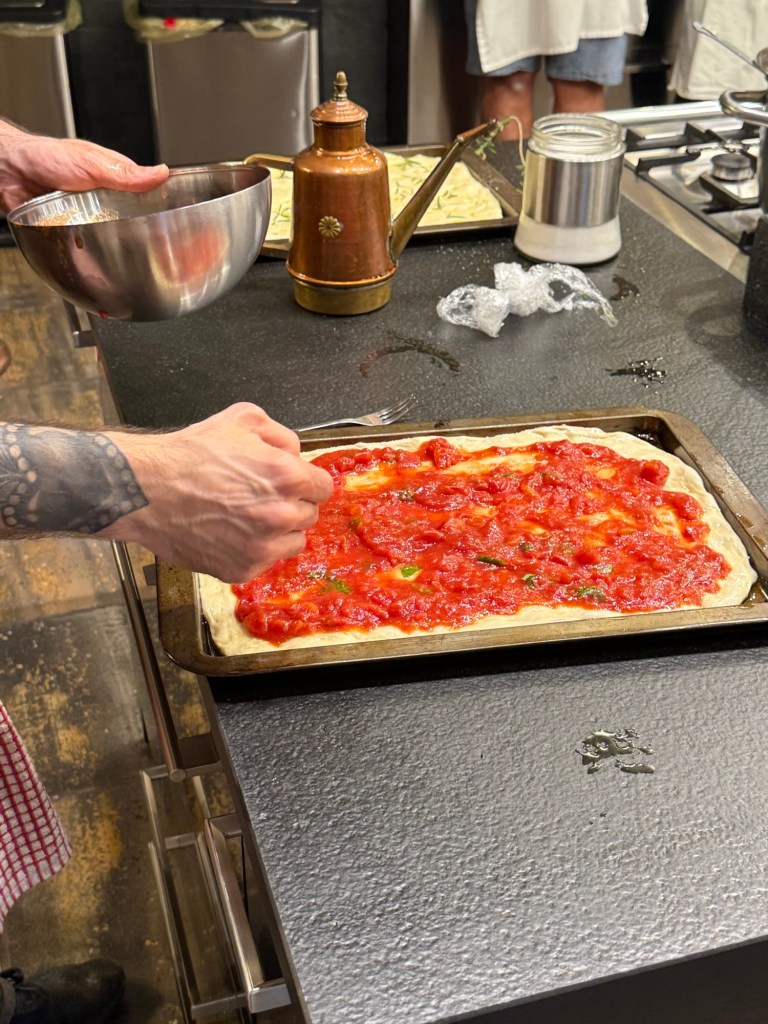

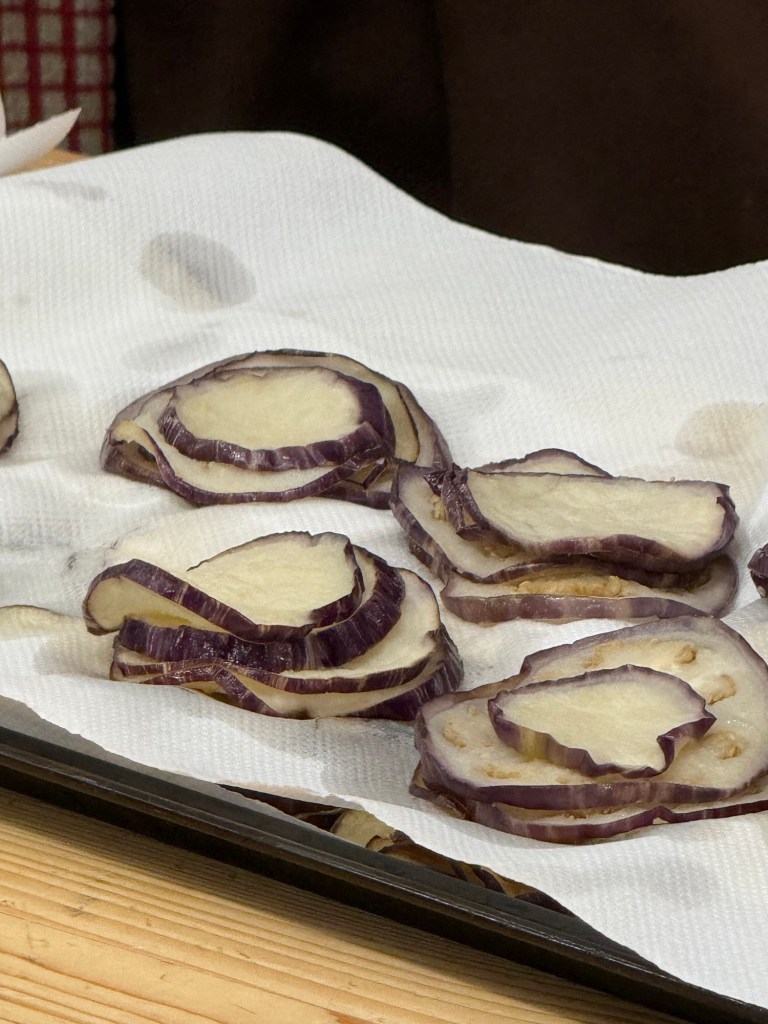
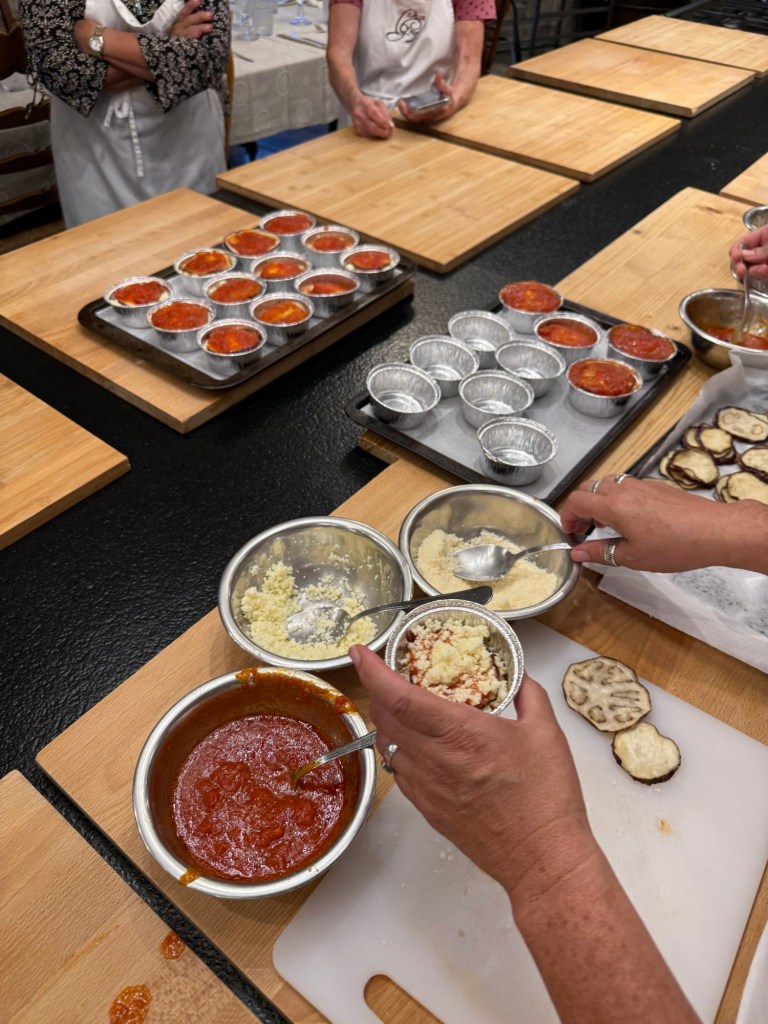
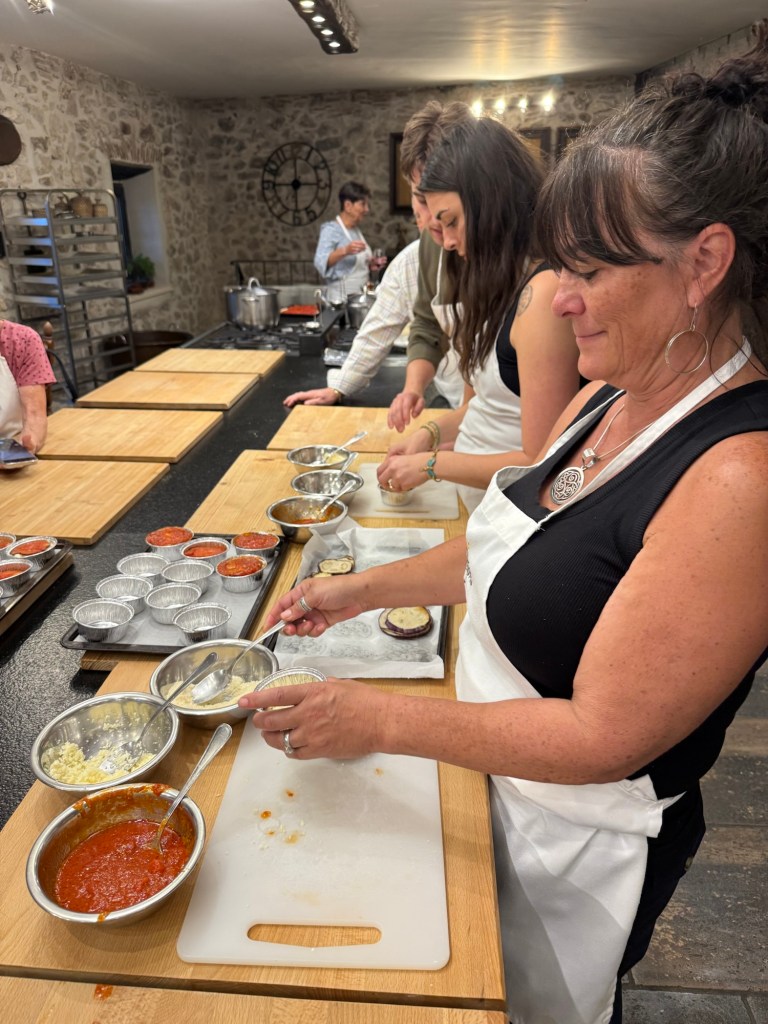
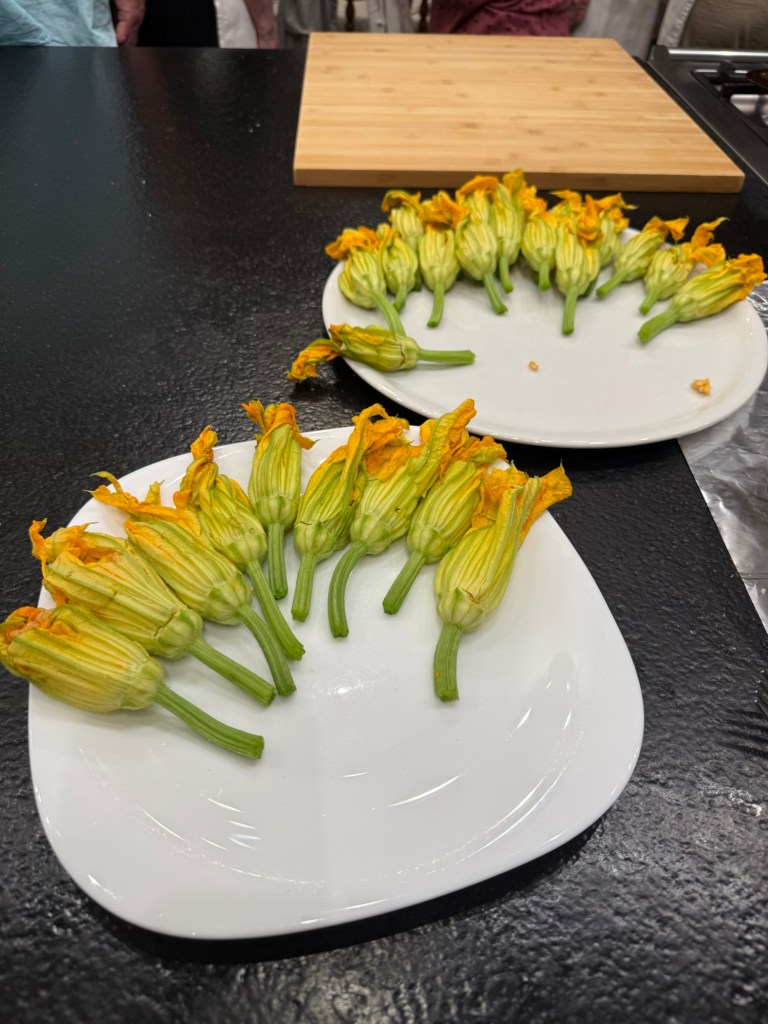
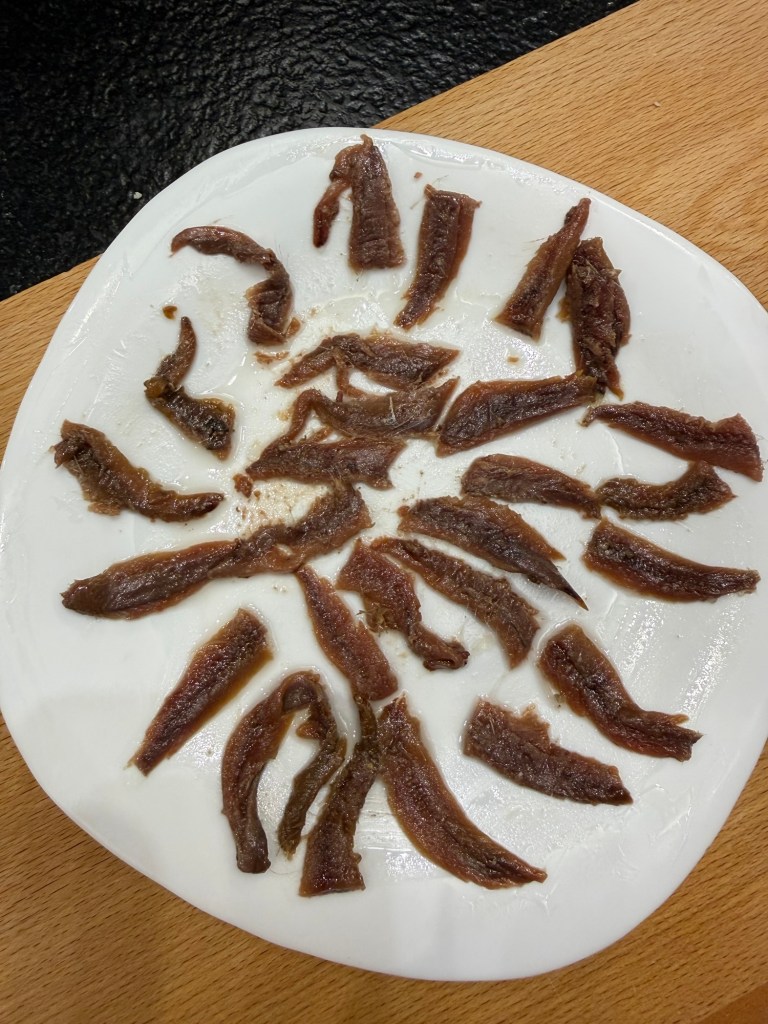
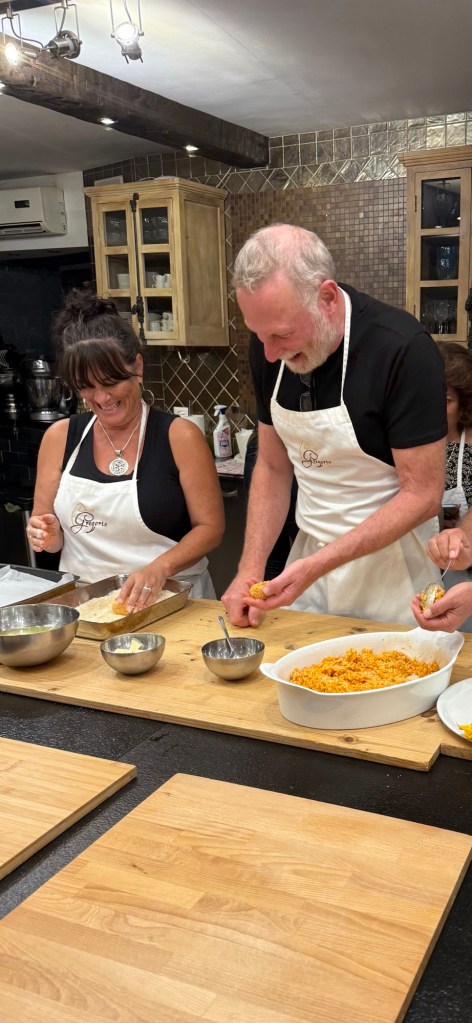
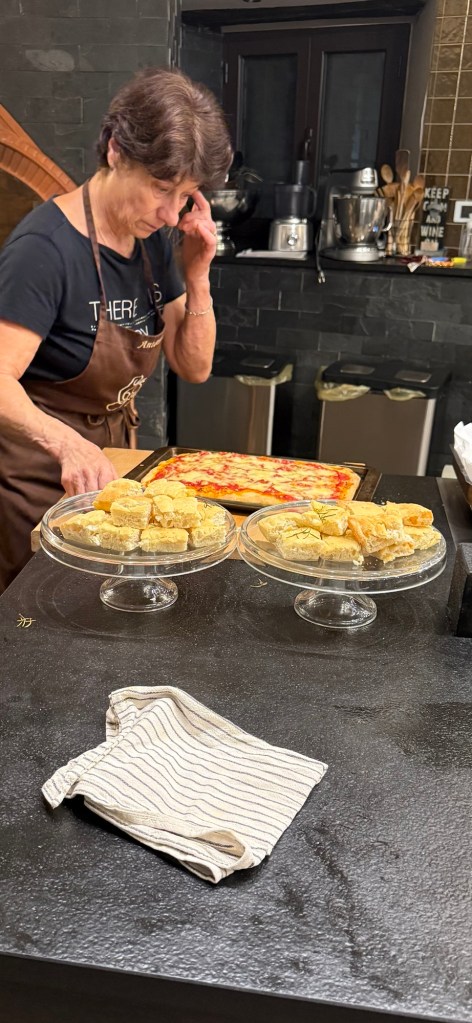

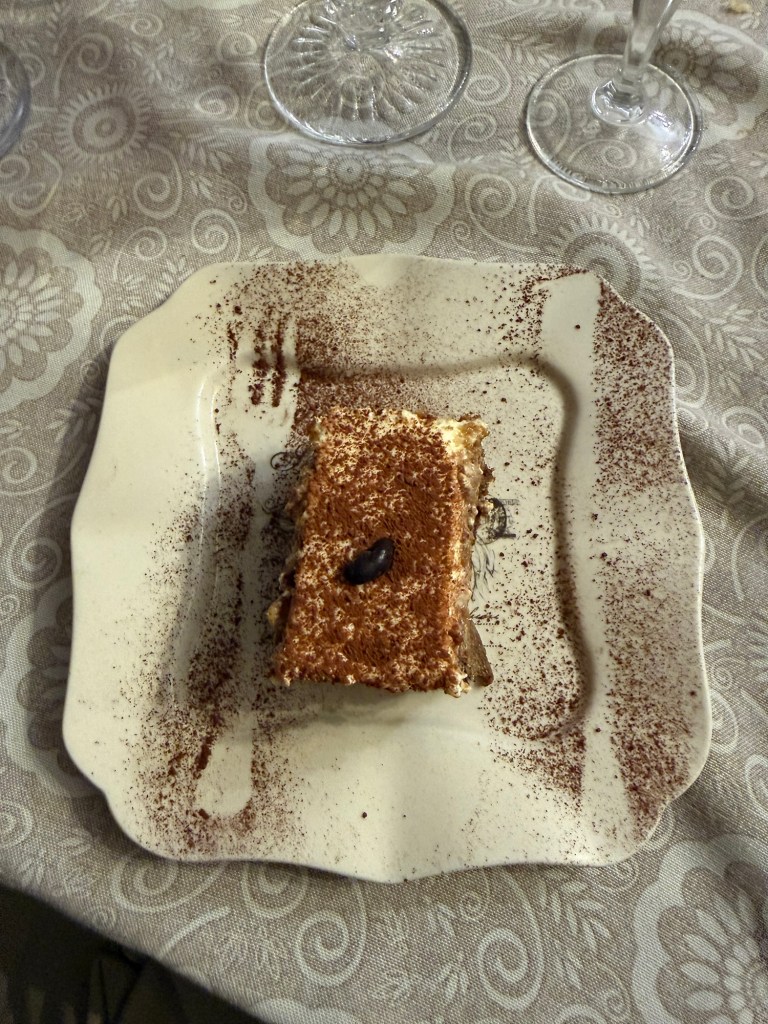
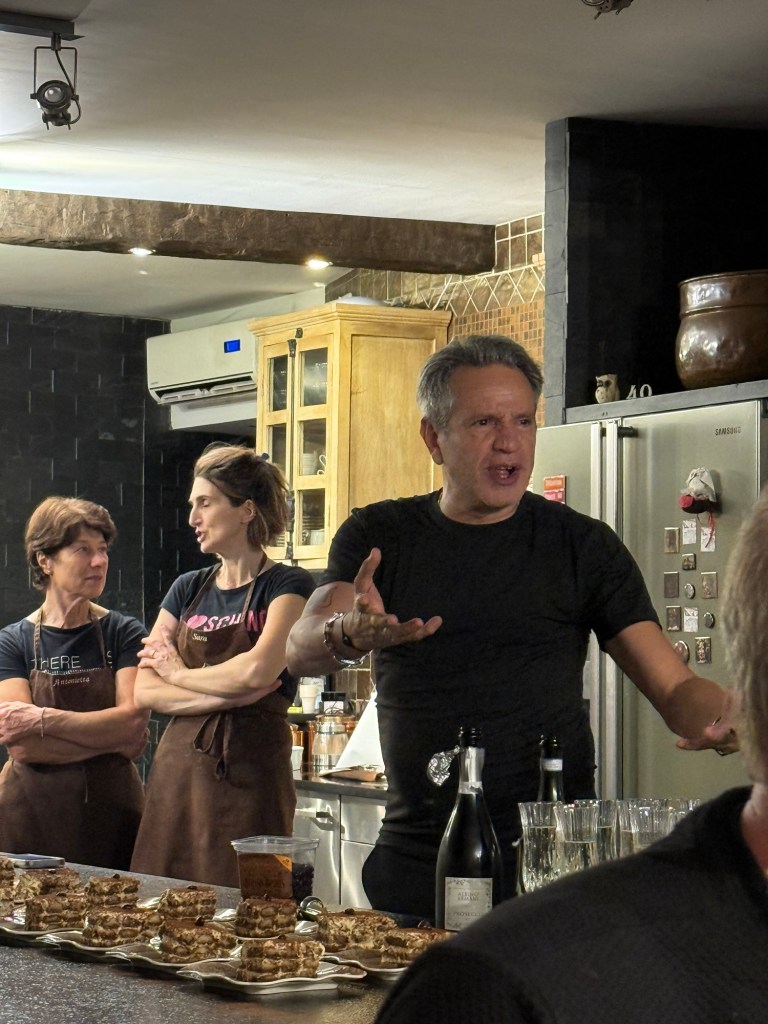
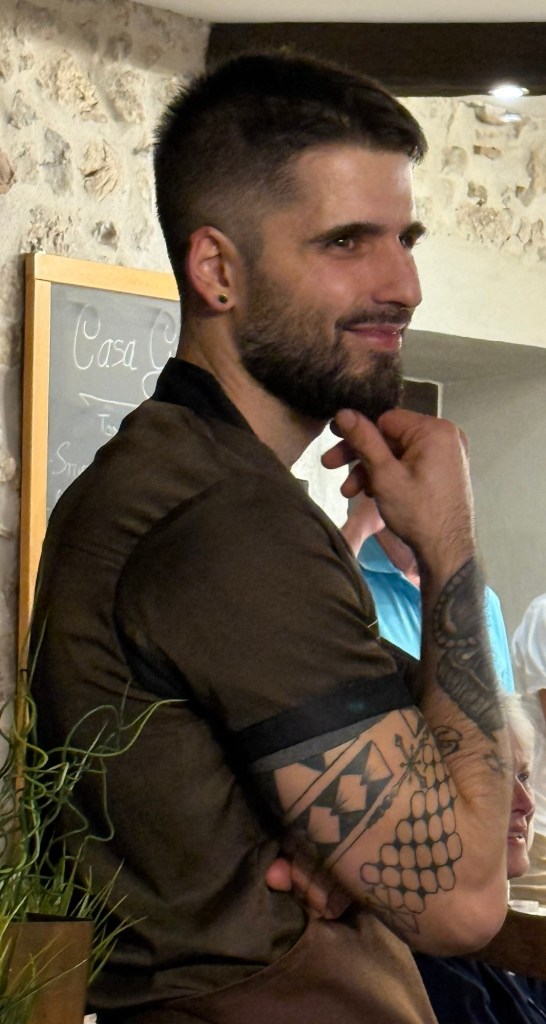
Given the substantial amount of food we consumed, I am now retiring to bed, feeling quite satiated and fat as a very fat thing at 8:30 pm…
Buffalo Mozzarella, Fassonova Abbey, and Terracina
By Paul Bryers
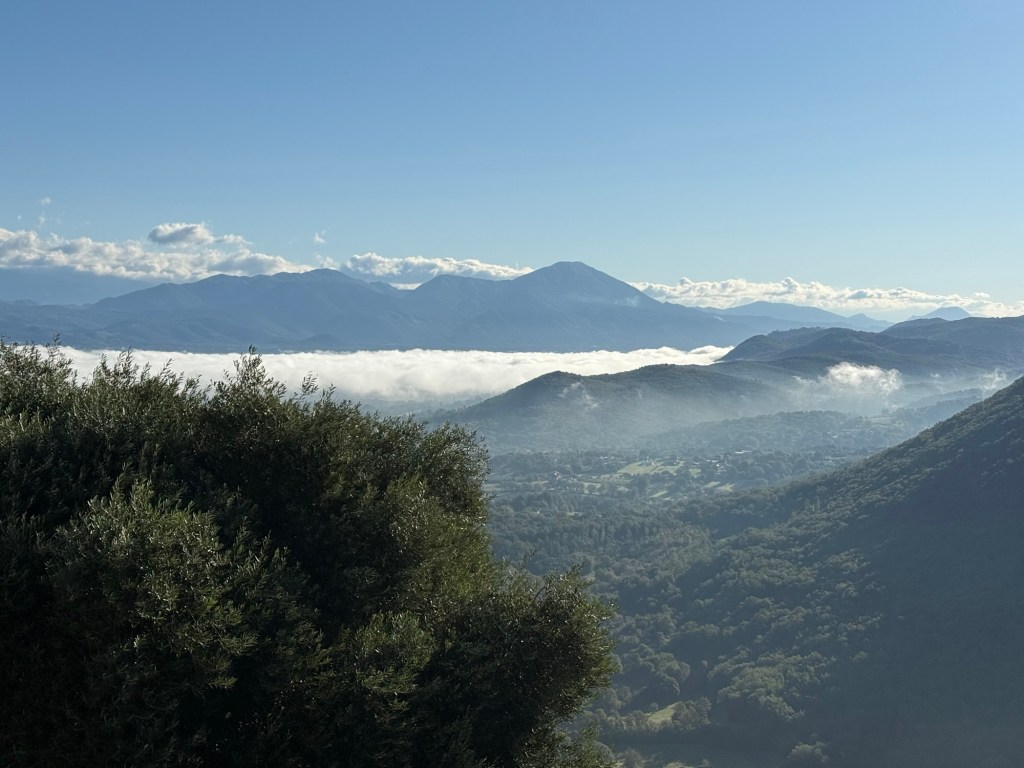
Following breakfast on the verandah, surrounded by the mists swirling in the valley below…..
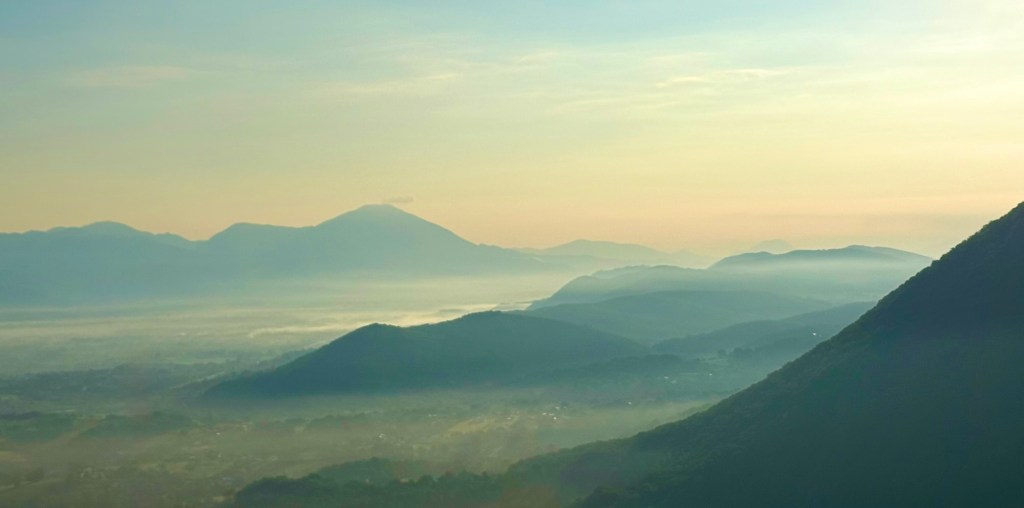
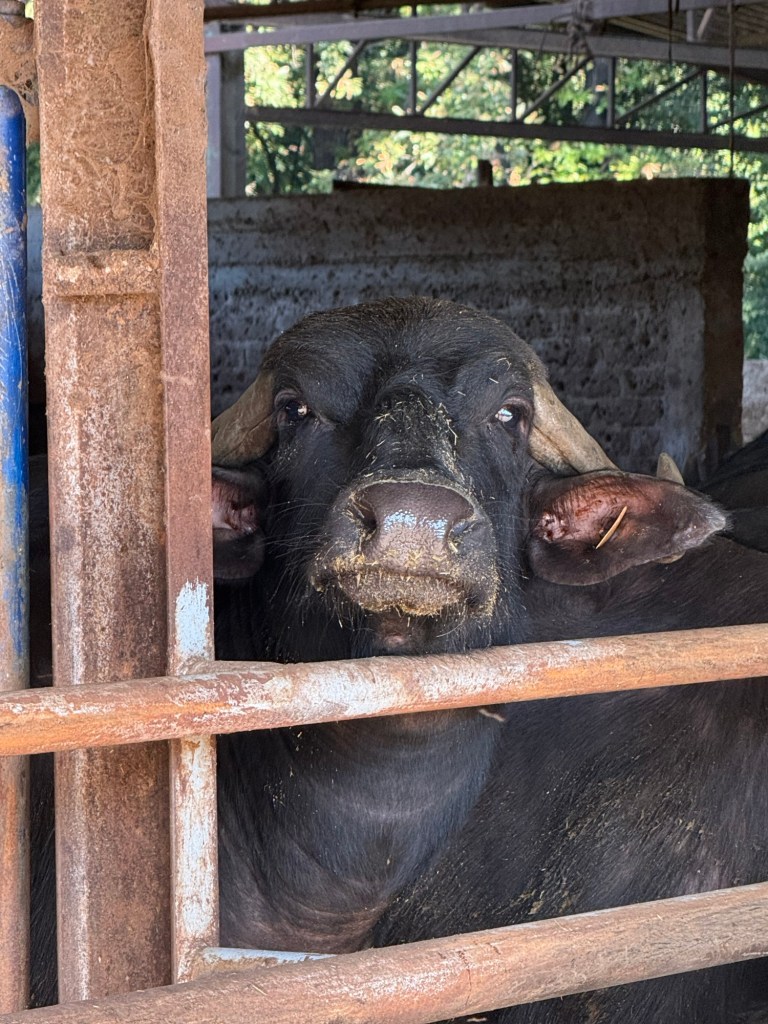
…..we proceeded to sample Water Buffalo Milk Mozzarella. The buffalo appeared content while chewing, whereas the youngsters seemed somewhat anxious. The cheese was exquisite.
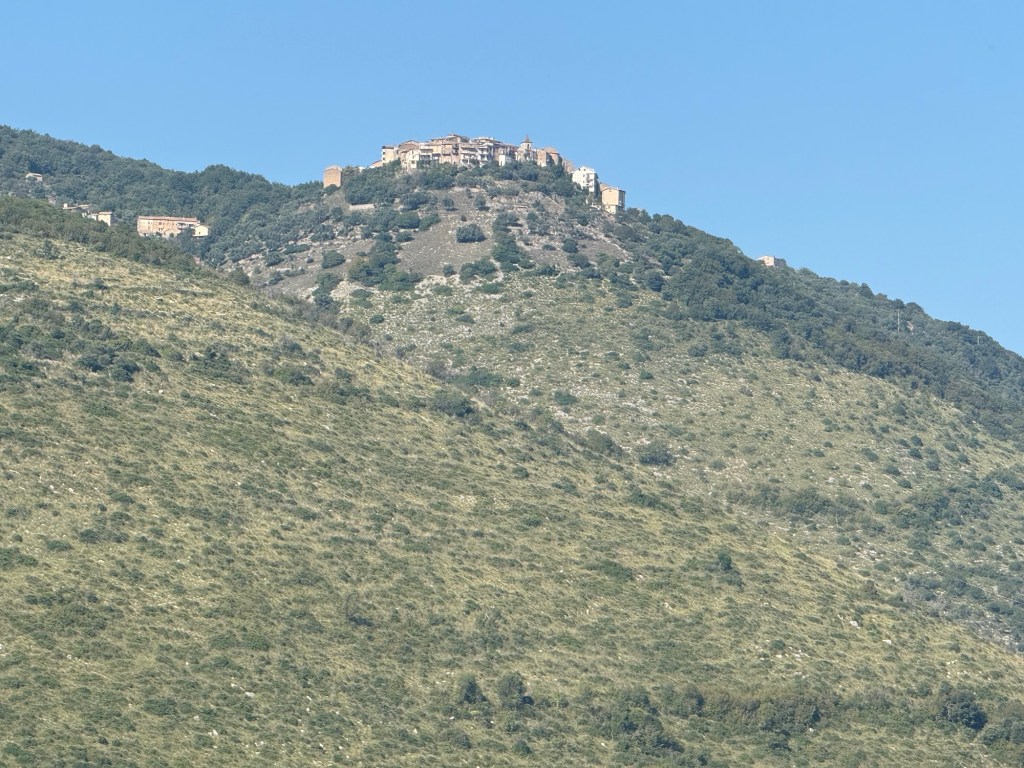

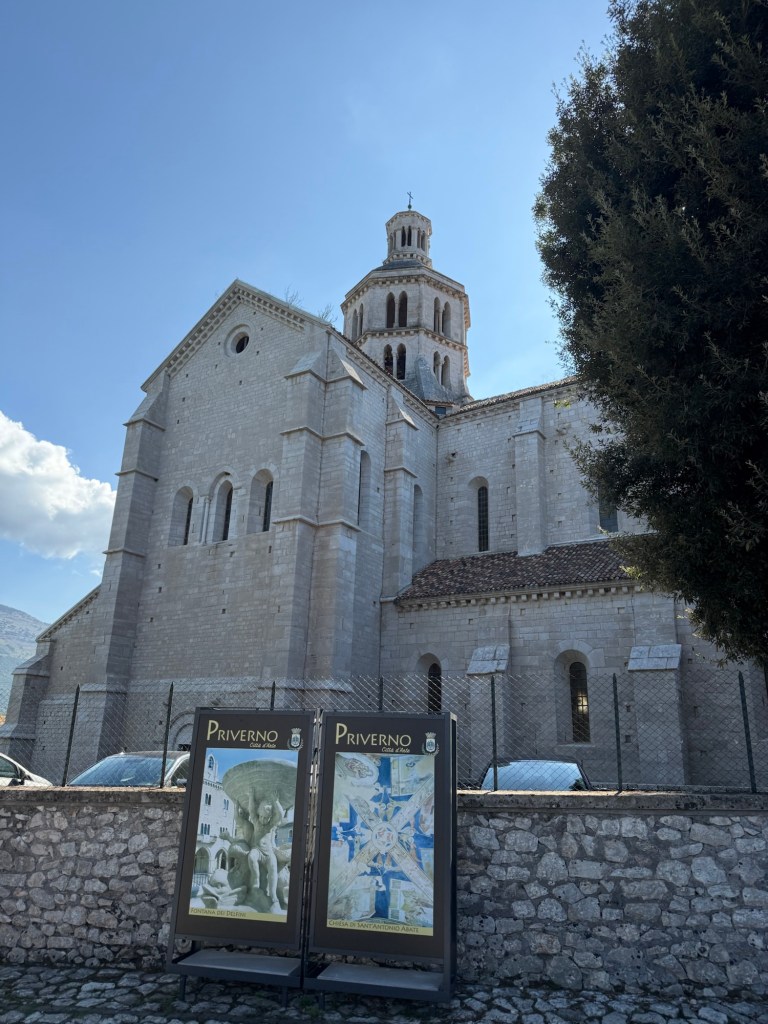
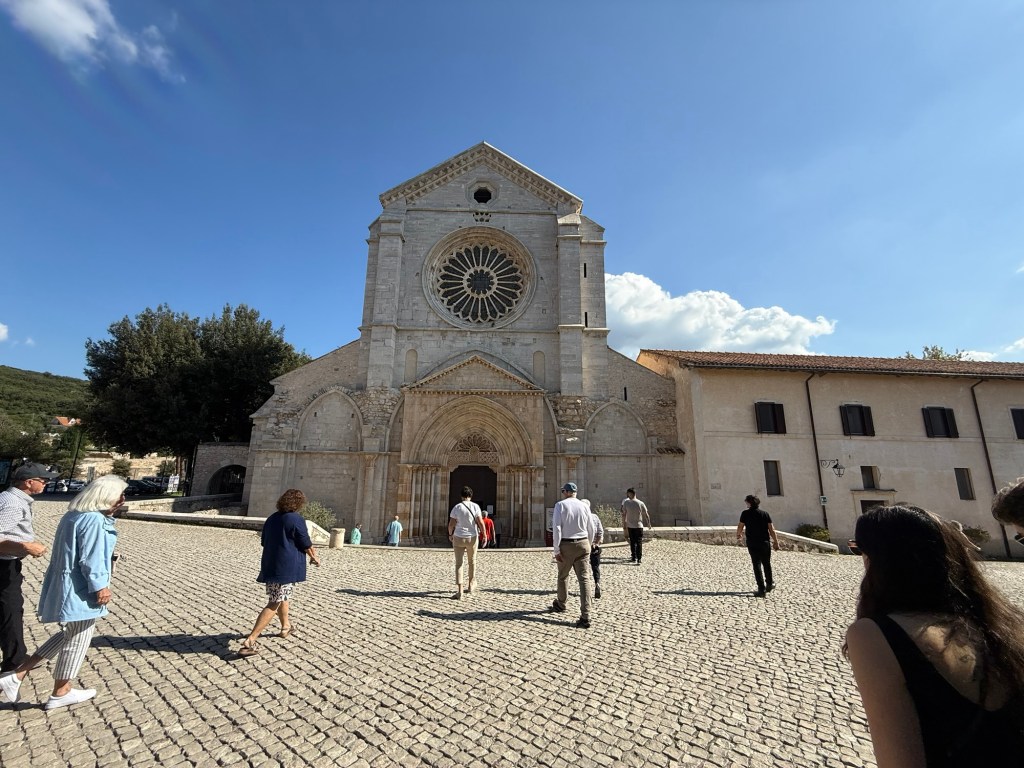
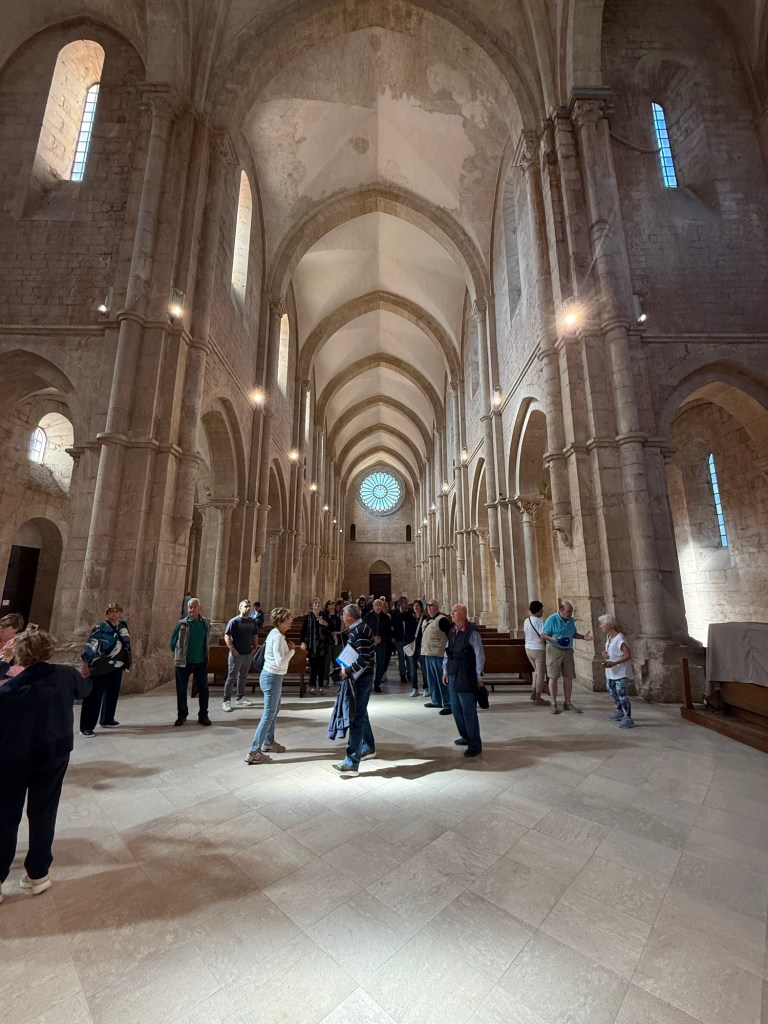
Next, we visited Fossanova Abbey, renowned for its association with St. Thomas Aquinas.
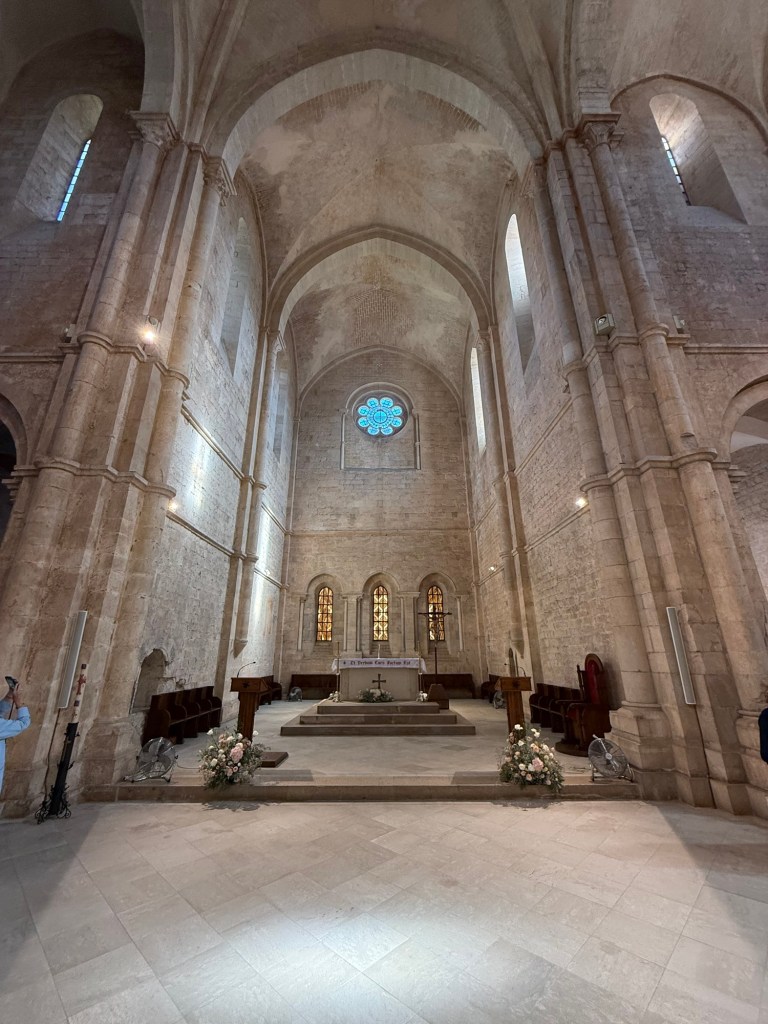
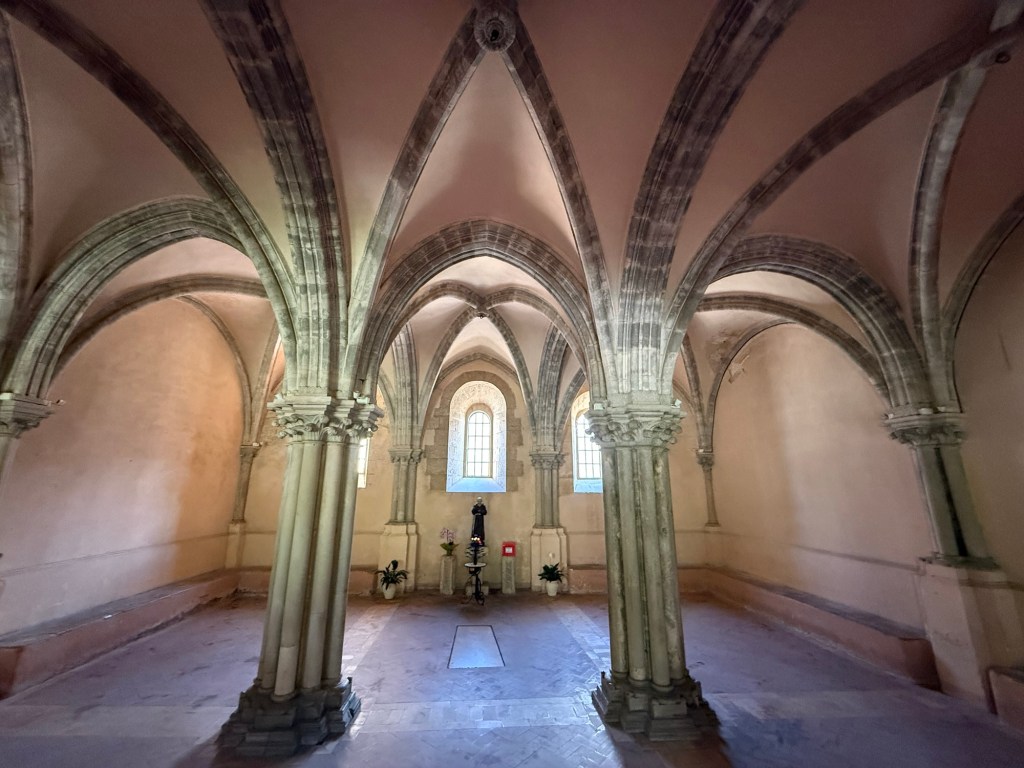
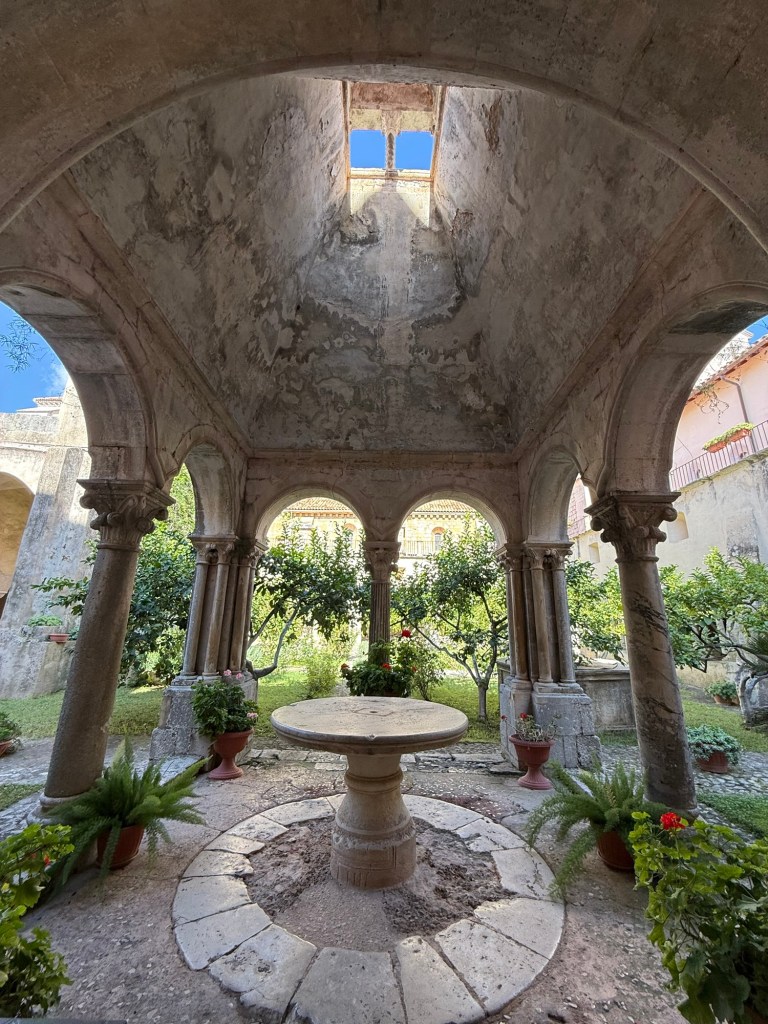

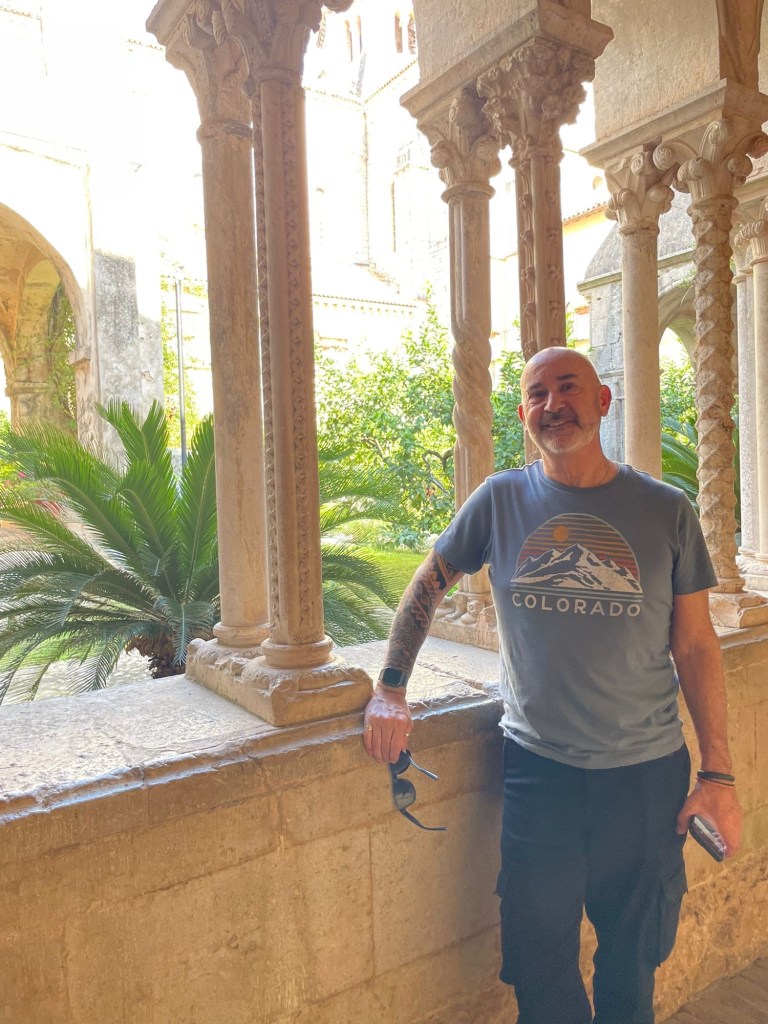
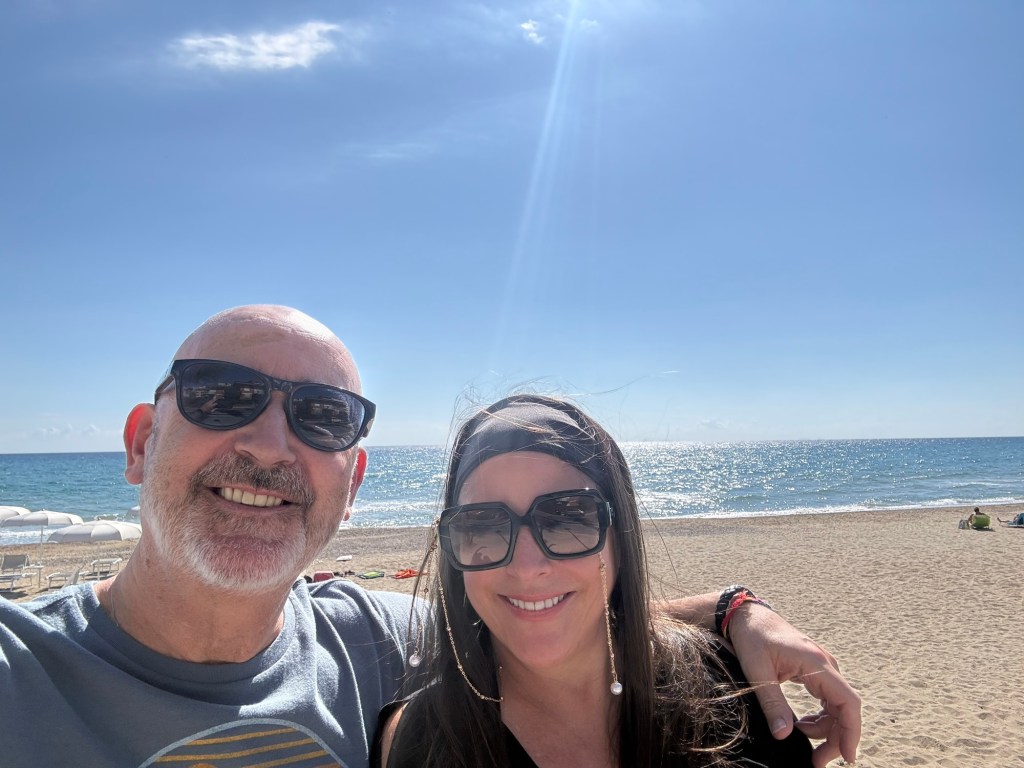
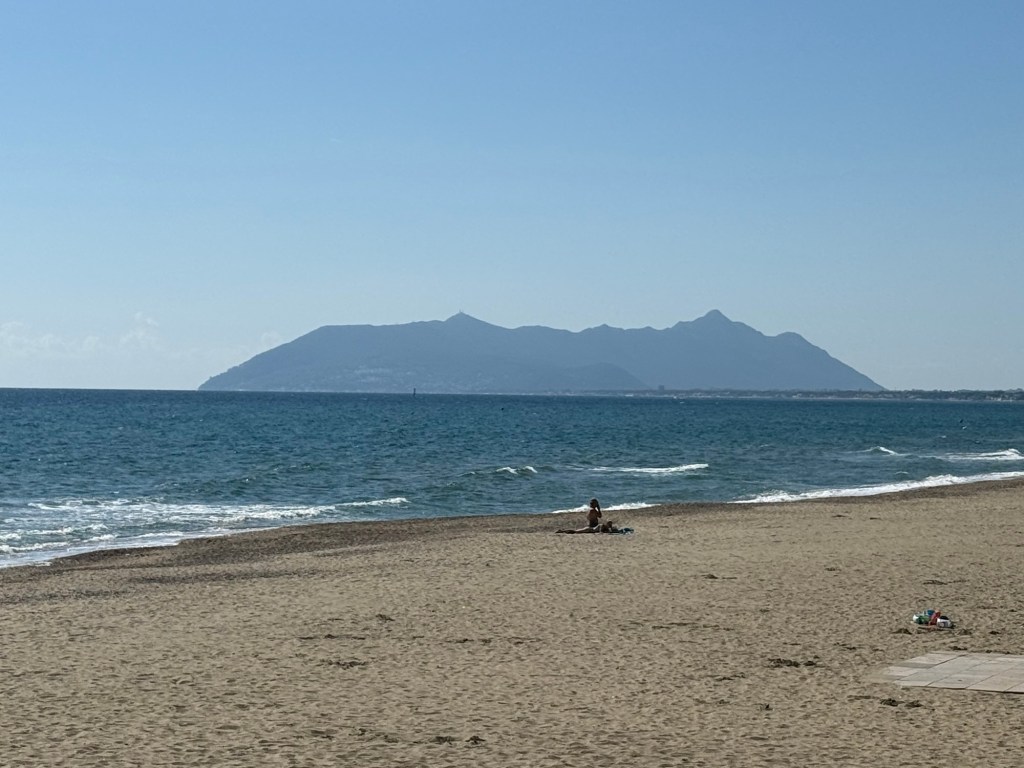
We then headed to Terracina for lunch on the beach.
https://www.facebook.com/share/161zJ1HWHq/?mibextid=wwXIfr
Casa Gregoria – Pastry night
By Paul Bryers
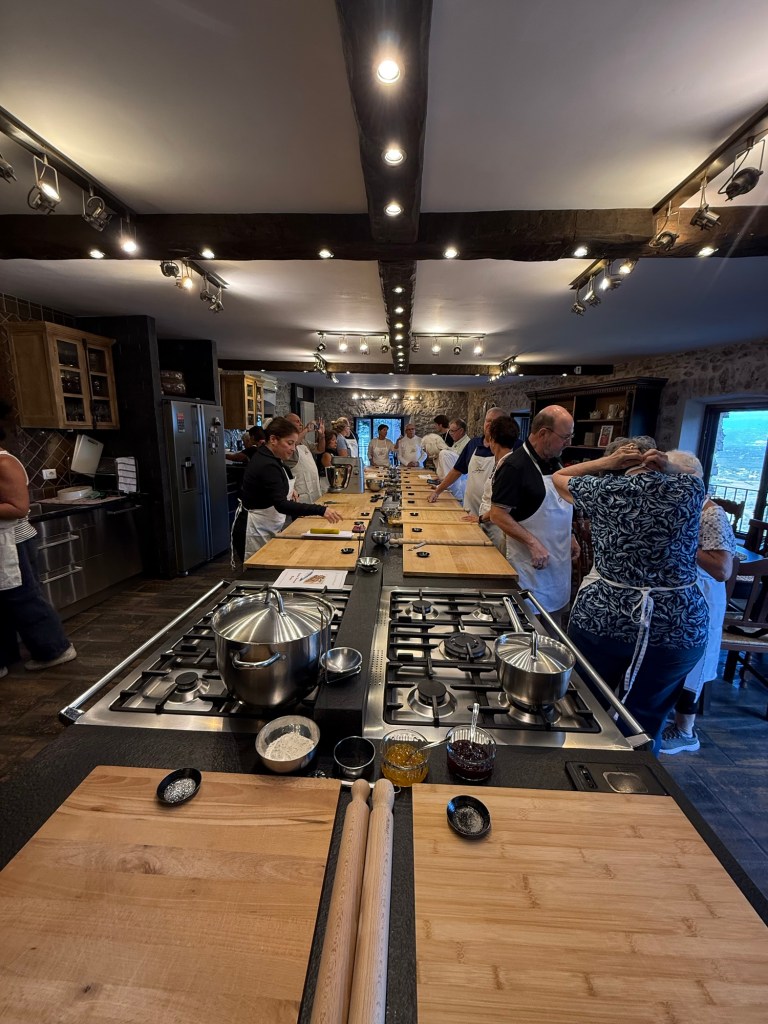
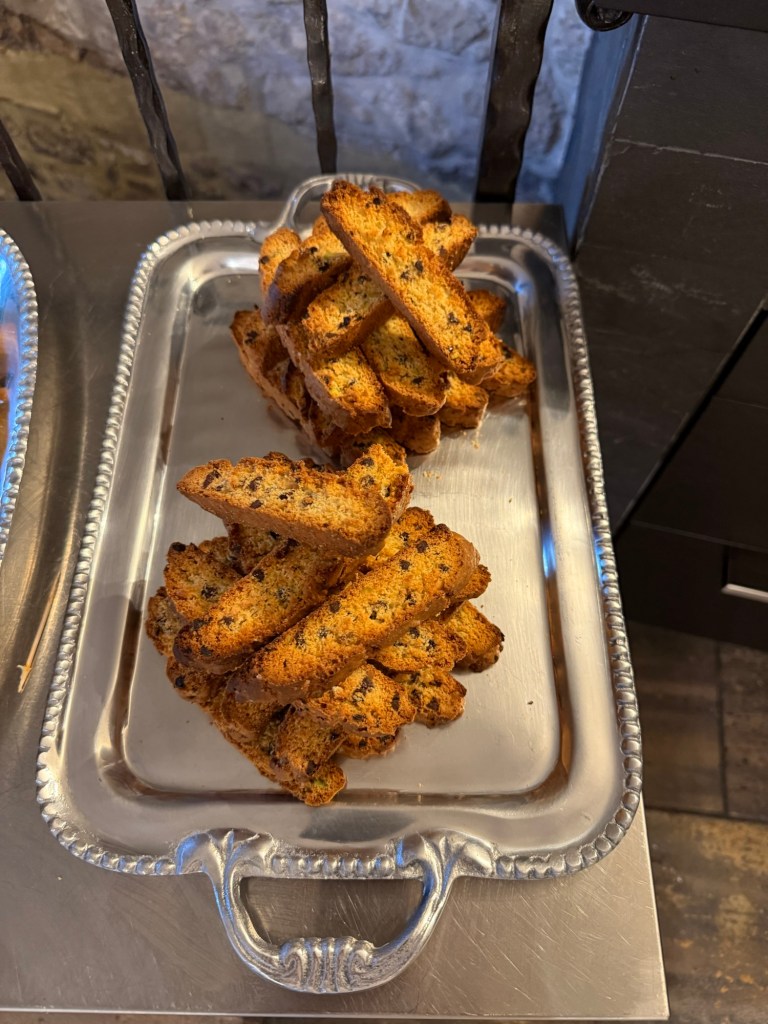
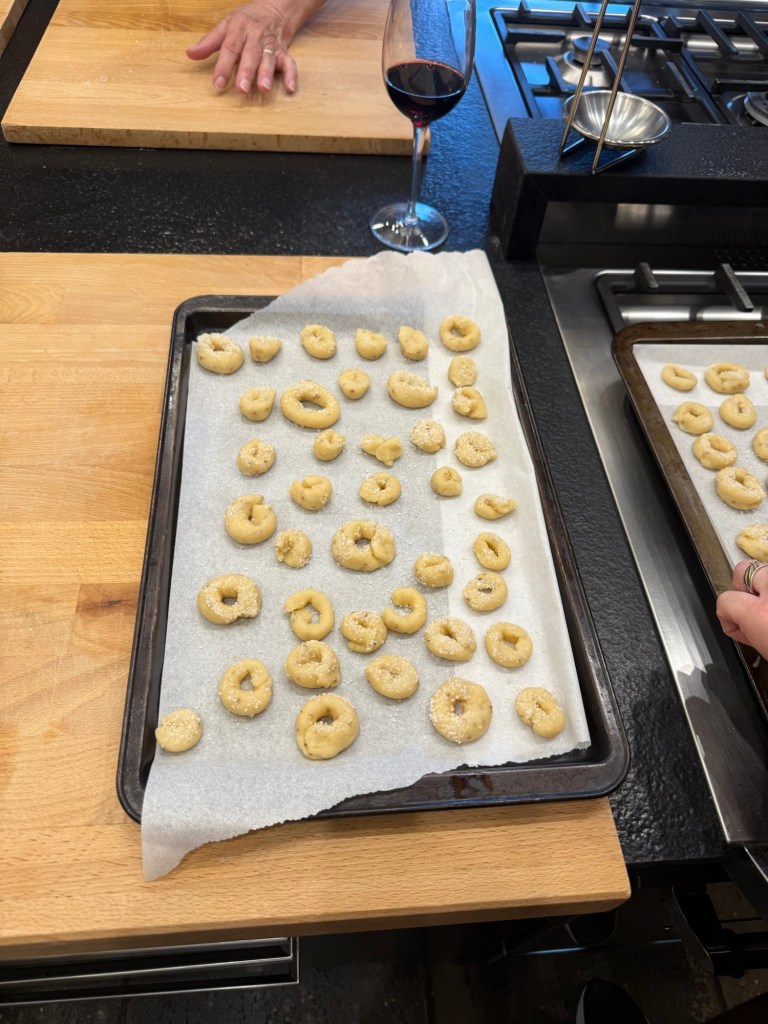
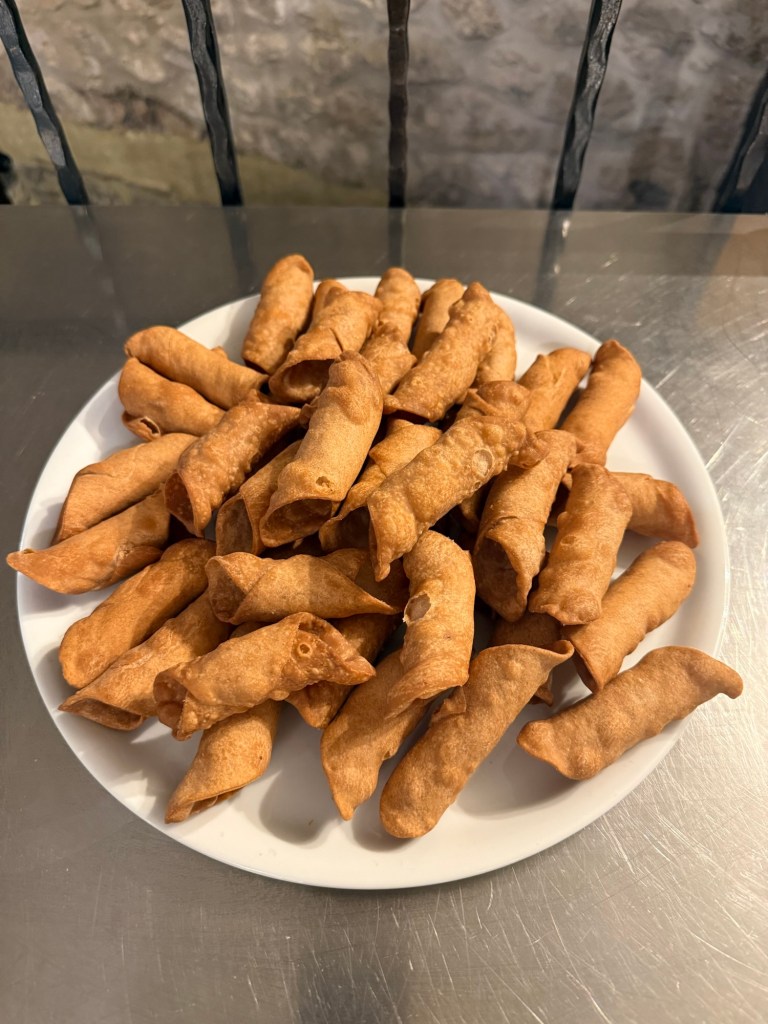
The photographs tell it all.

We prepared a number of delicious pastries ……
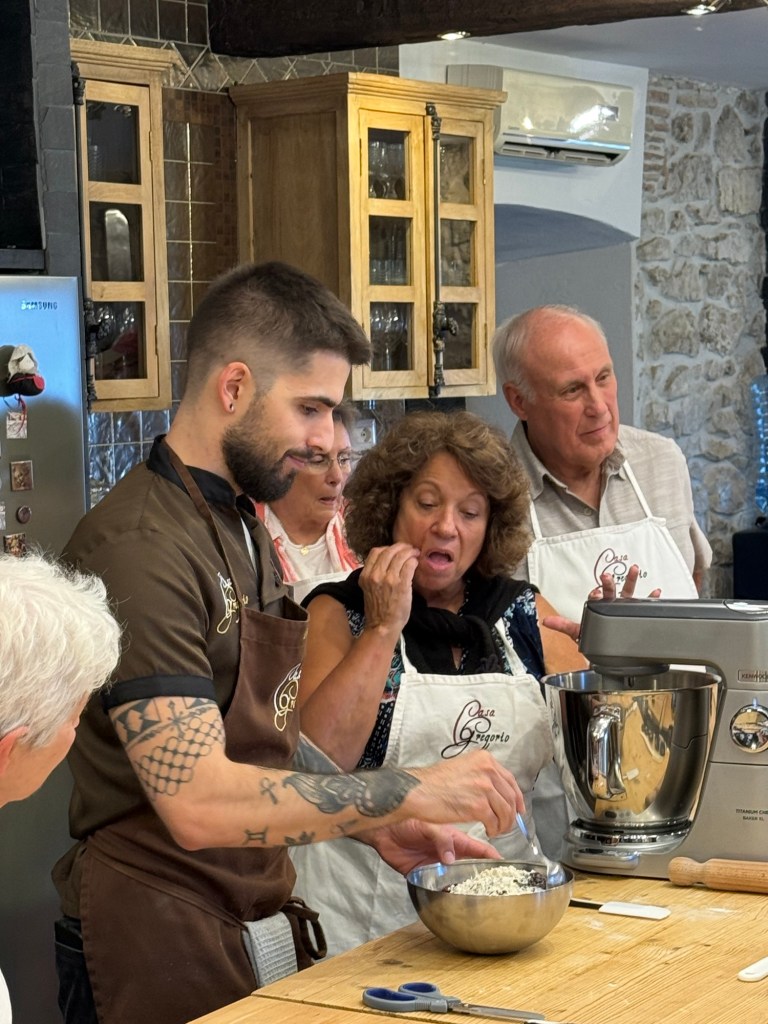


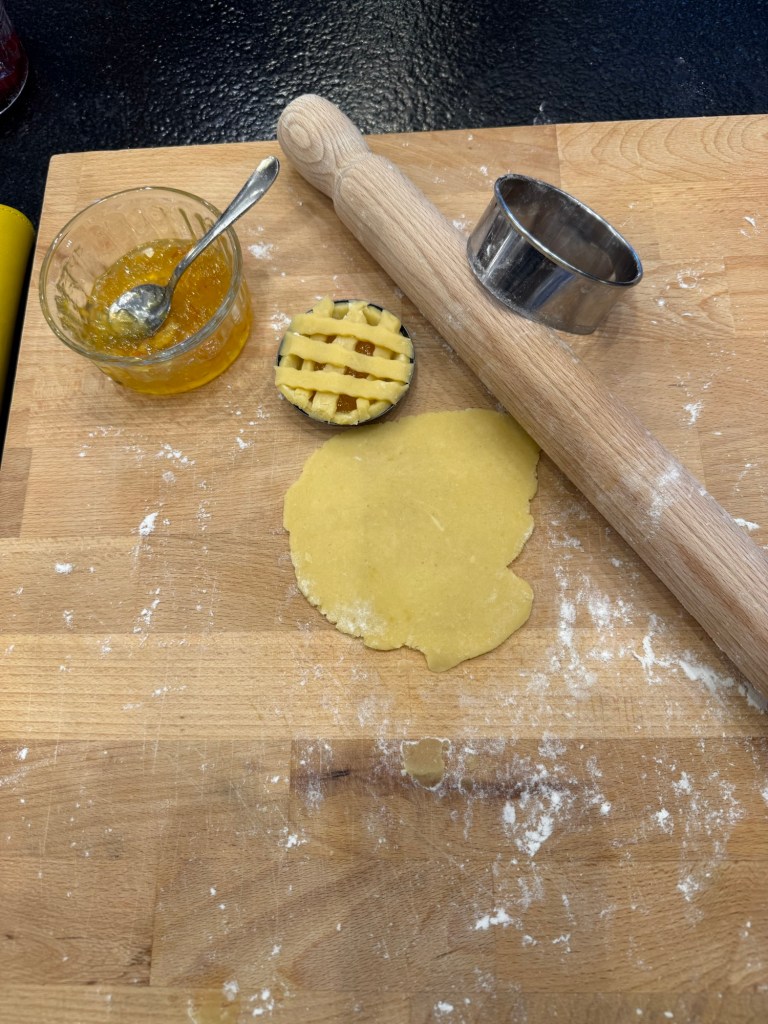
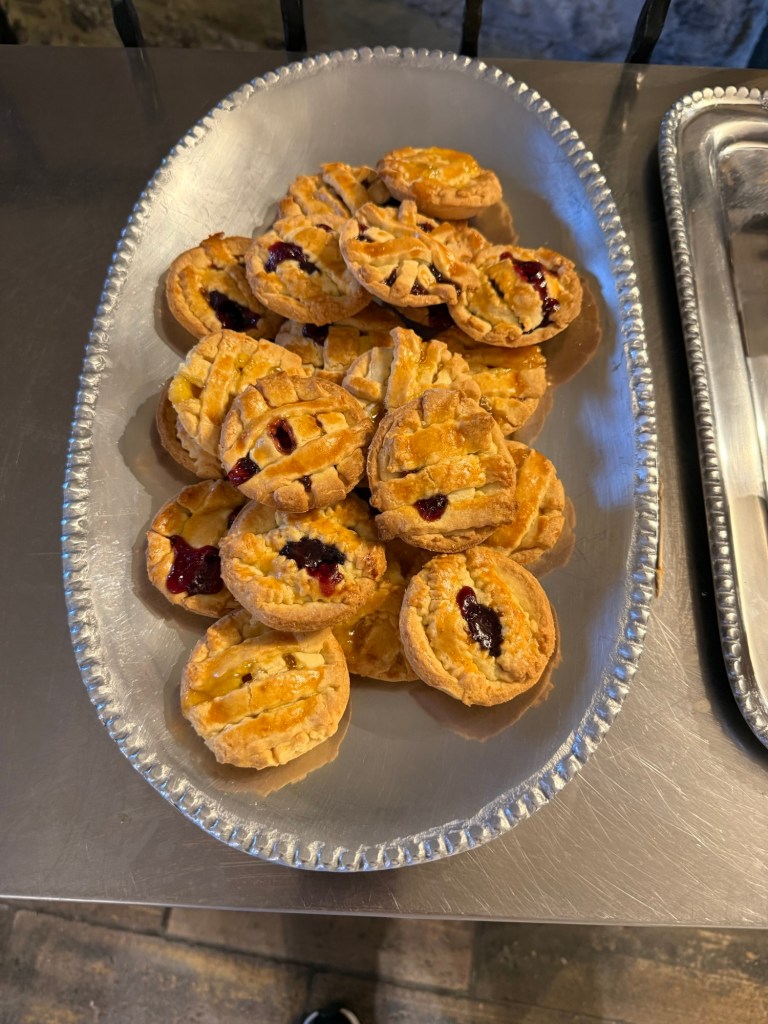
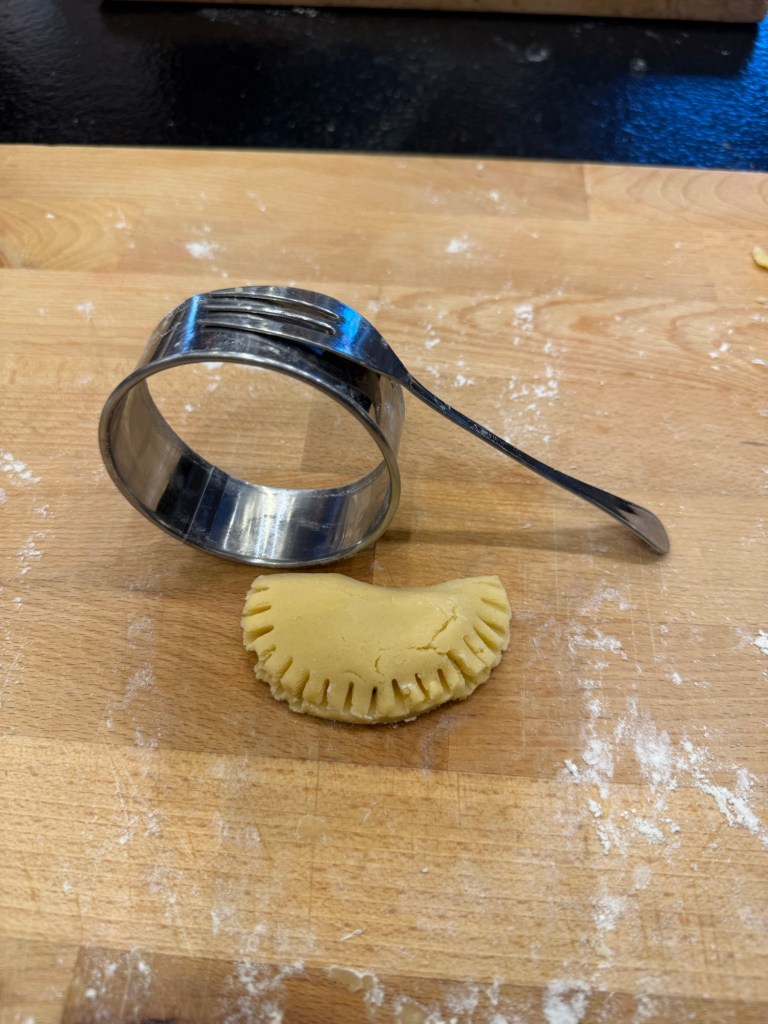
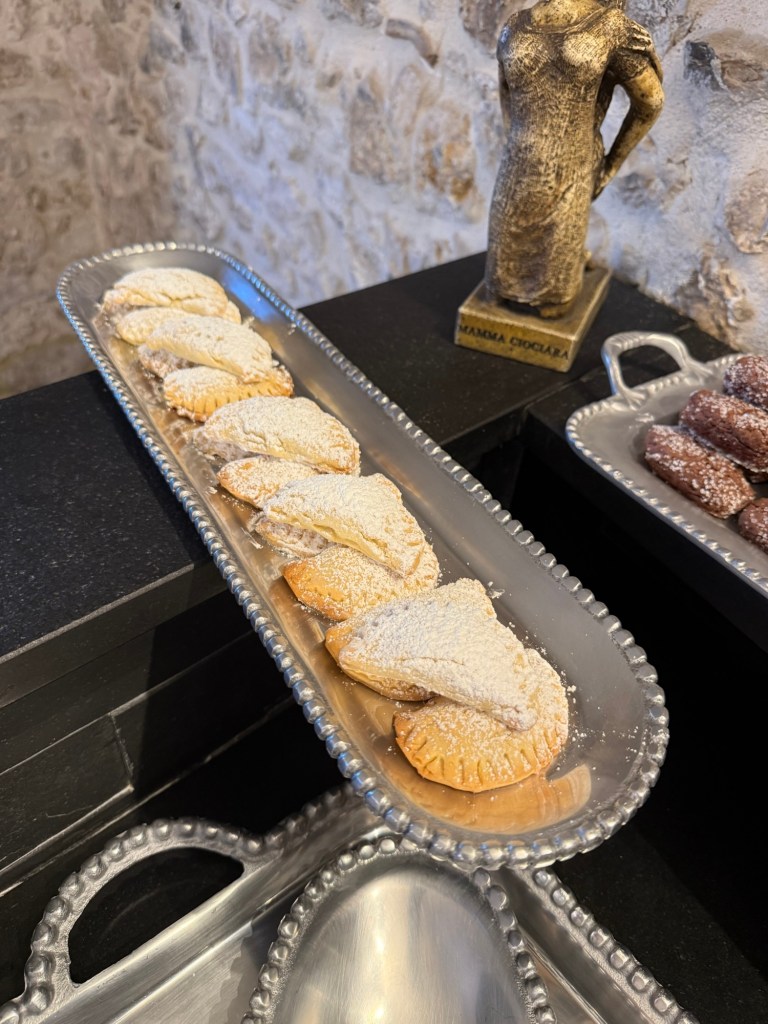


….and then helped Chef Luca with the spinach and porcini risotto.
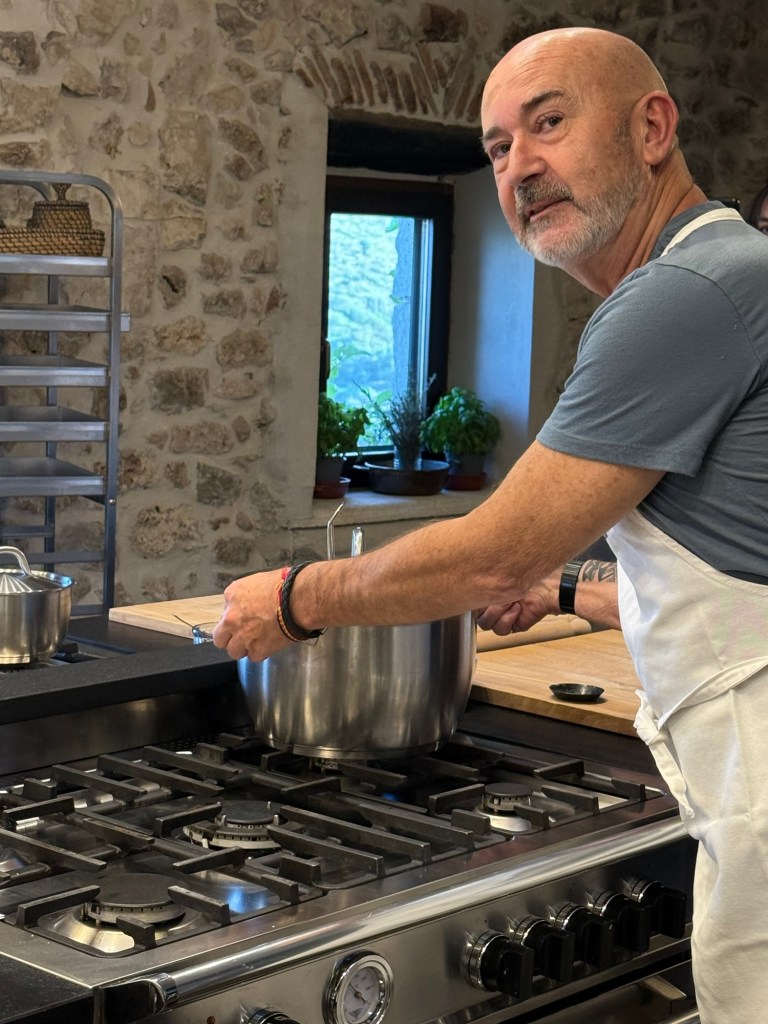
Great fun! And then we ate..
https://www.facebook.com/share/161zJ1HWHq/?mibextid=wwXIfr

Municipality of Arpino
By Paul Bryers
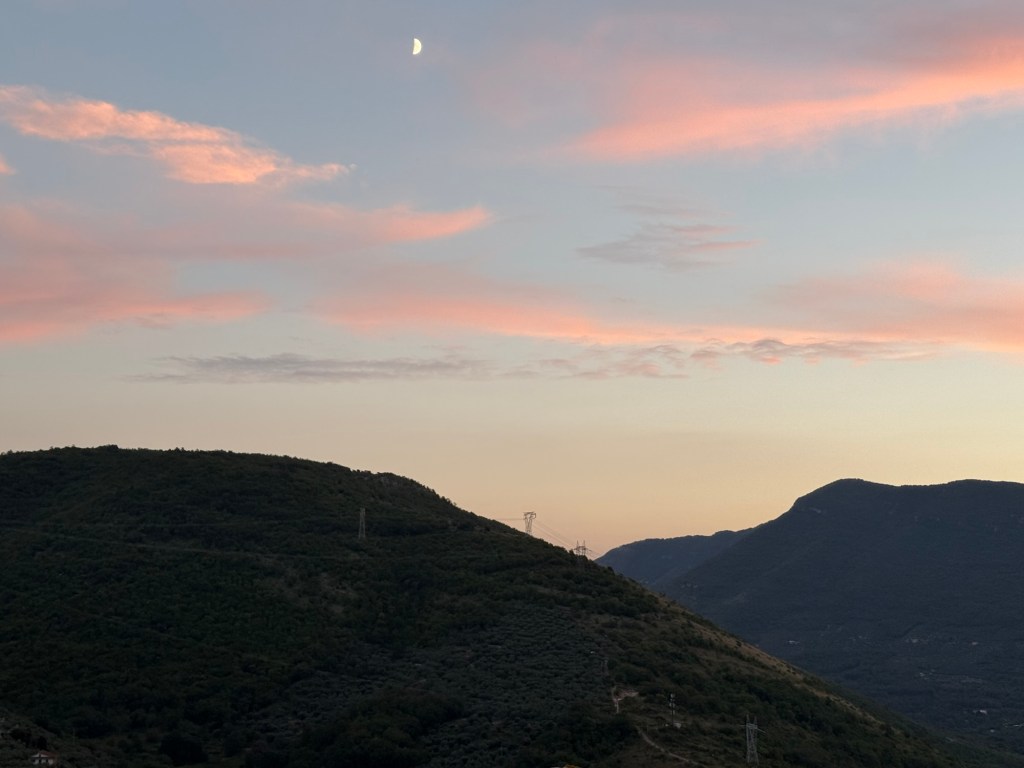
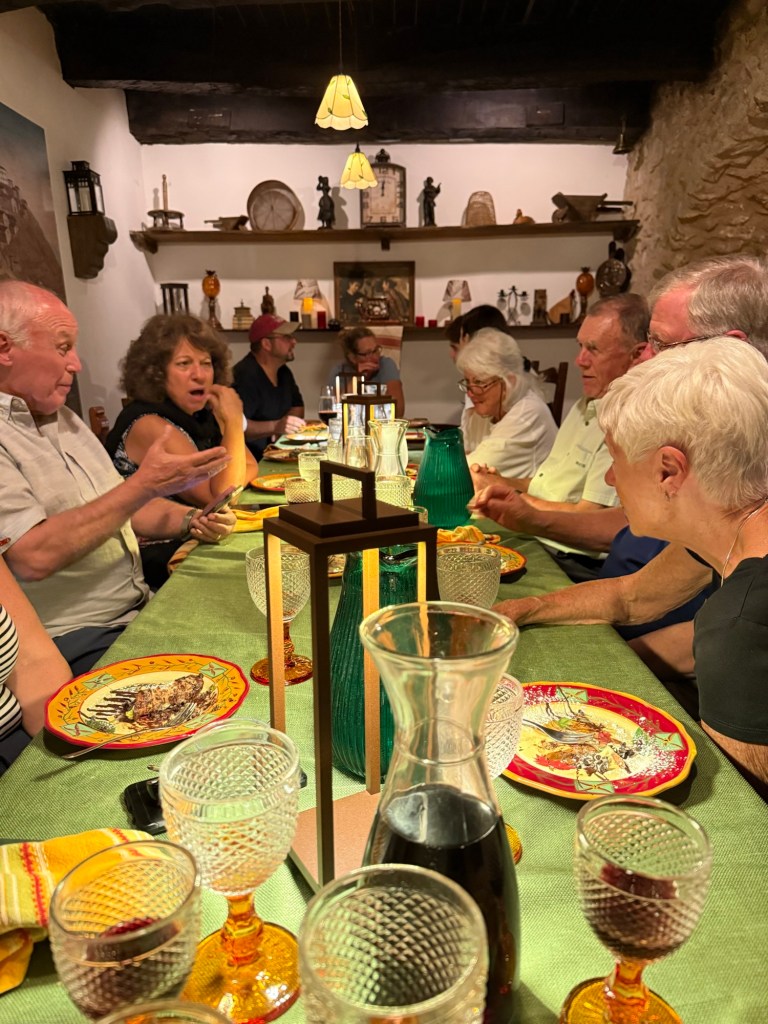
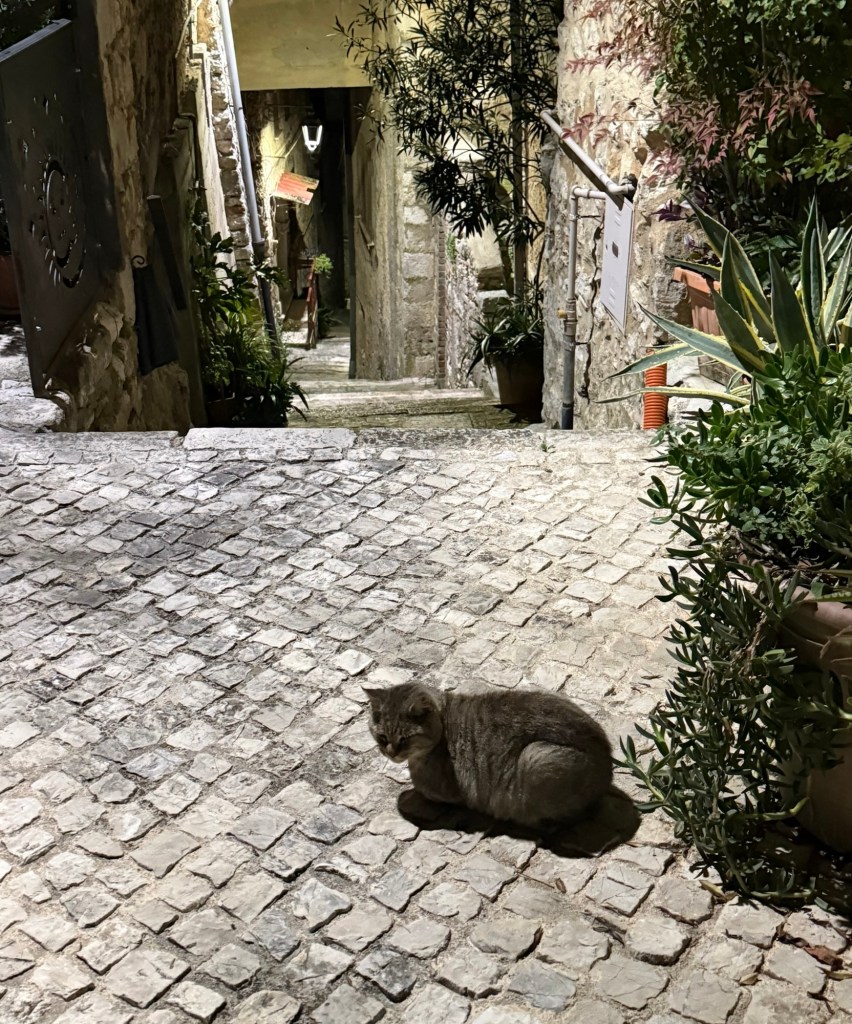
Following an early breakfast on the veranda……

…we embarked on a visit to the Municipality of Arpino to explore the cultivation, harvesting, and production of Extra Virgin Olive Oil, Cold Press.
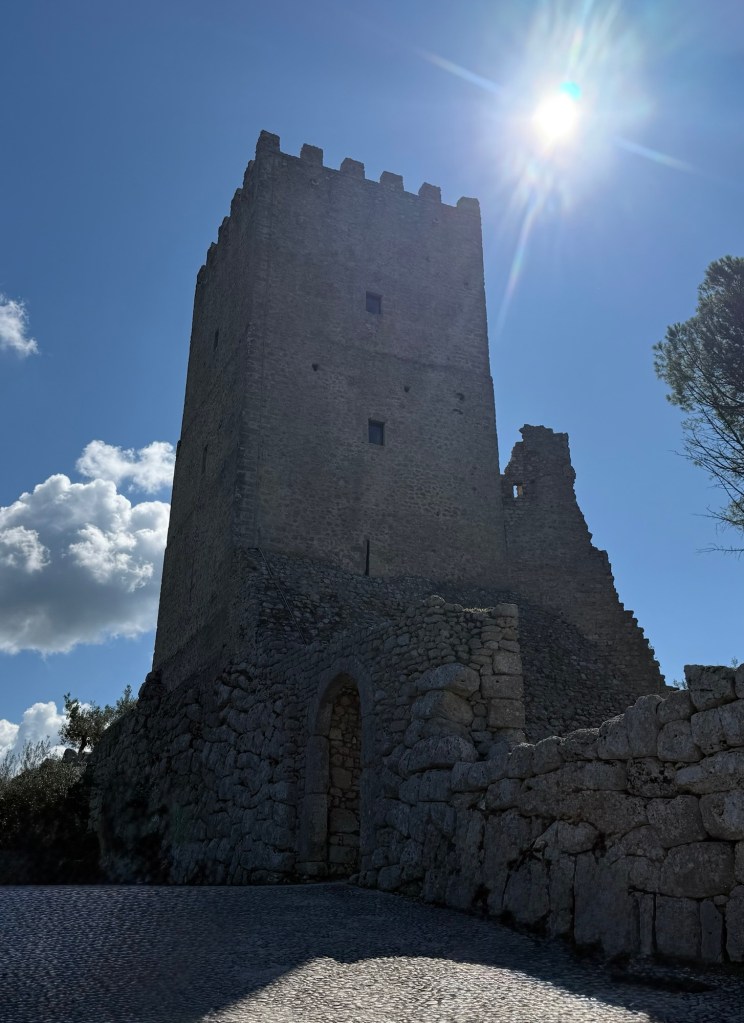
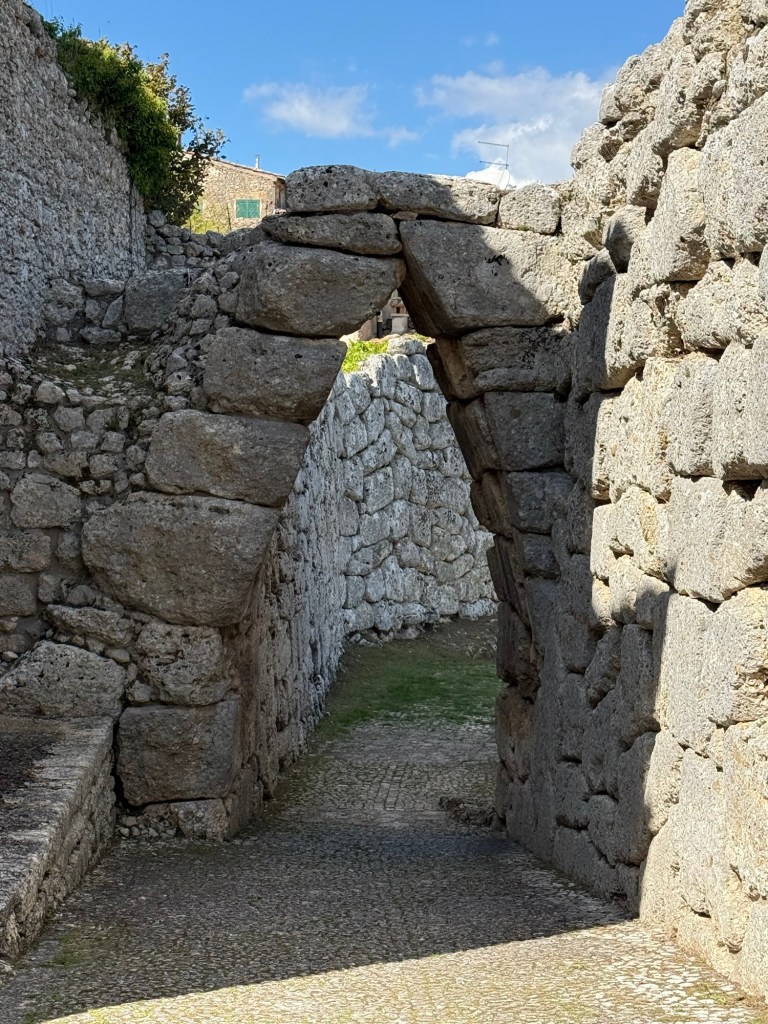
Arpino is a charming small hilltop town. We had the opportunity to view it from the elevated Acropolis di Civitavecchia….
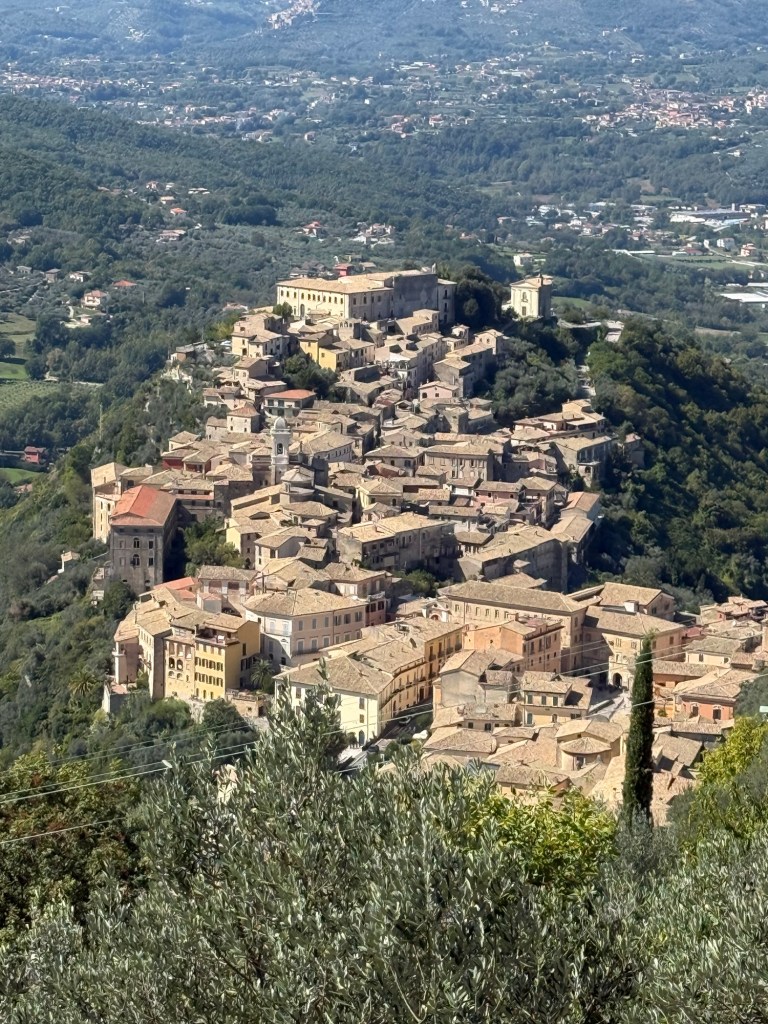
…And then from ground level….
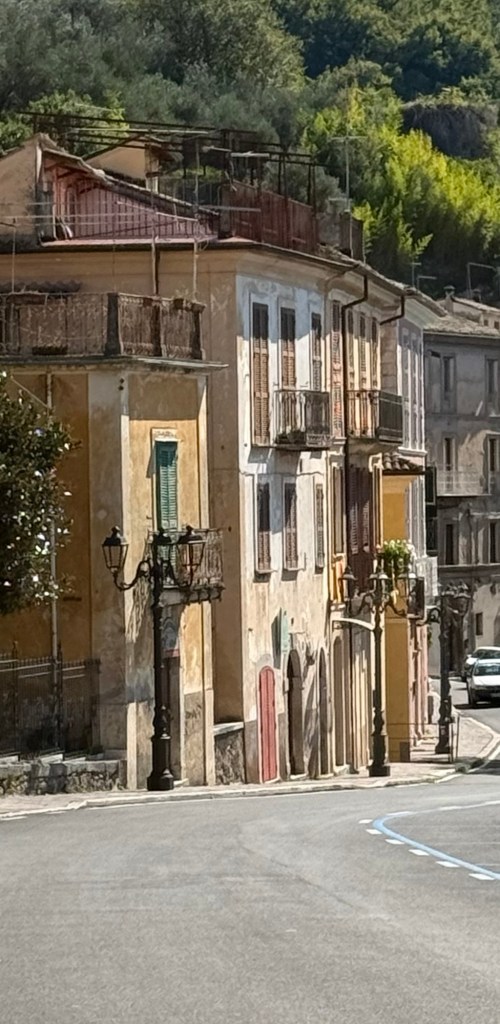

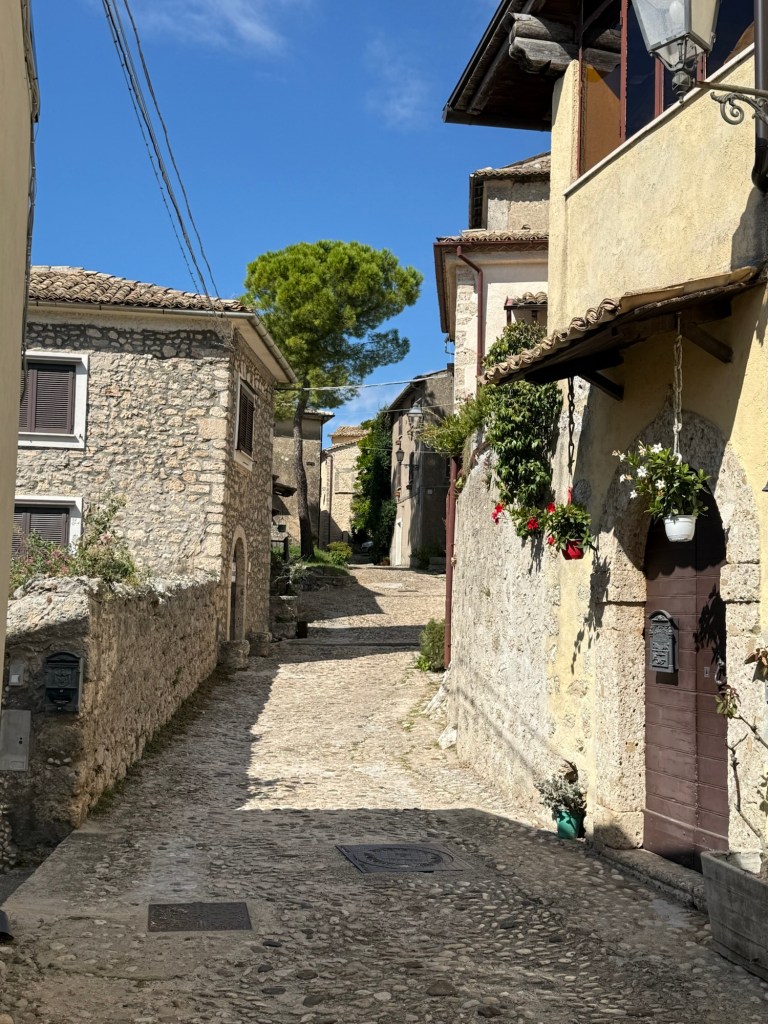
The Acripolis is a historic site featuring a castle, walls constructed from massive boulders, intriguing arches, and breathtaking views.
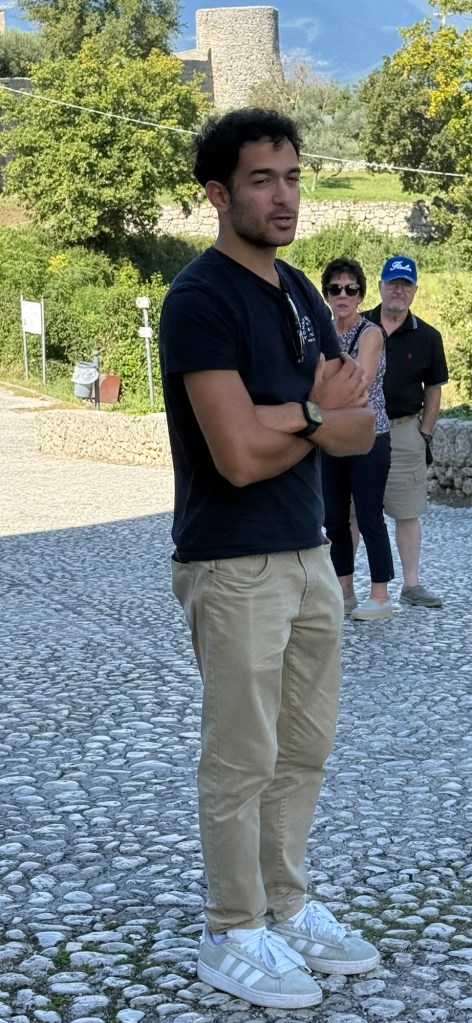
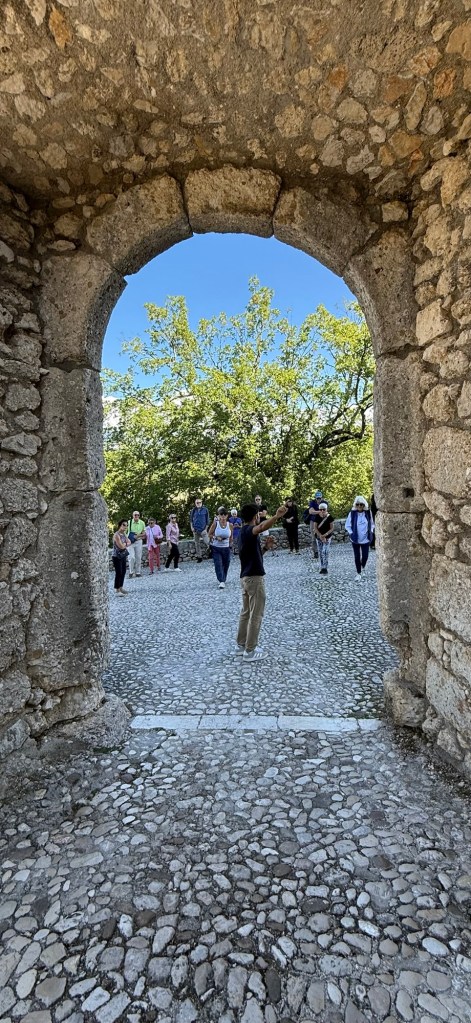
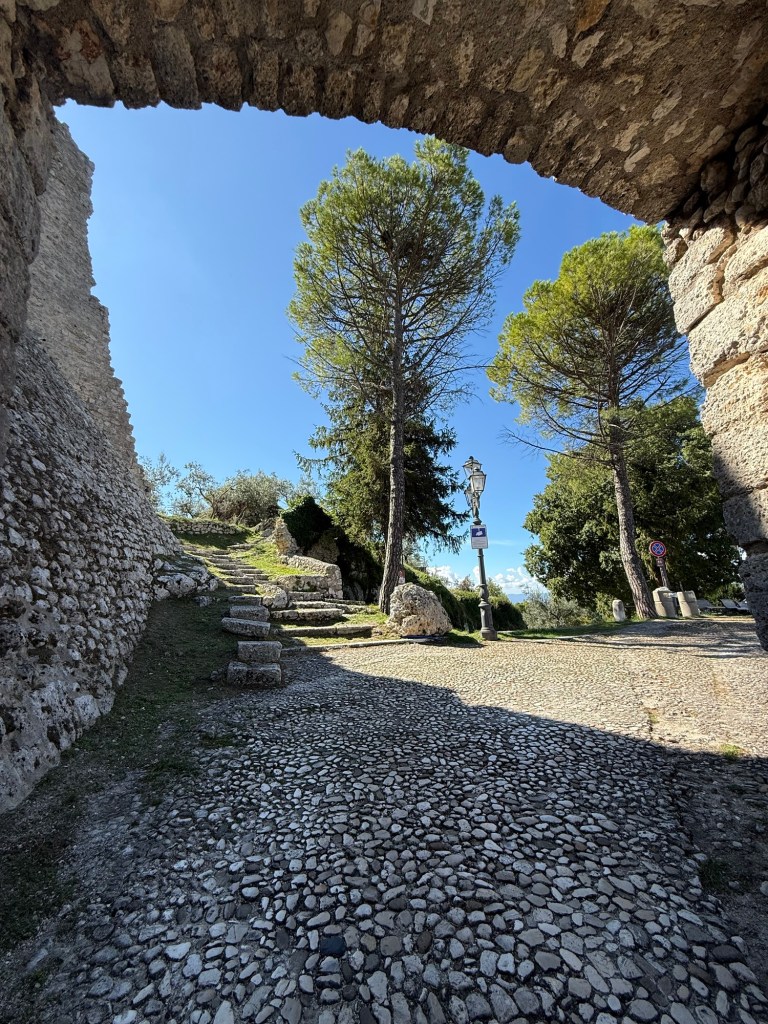
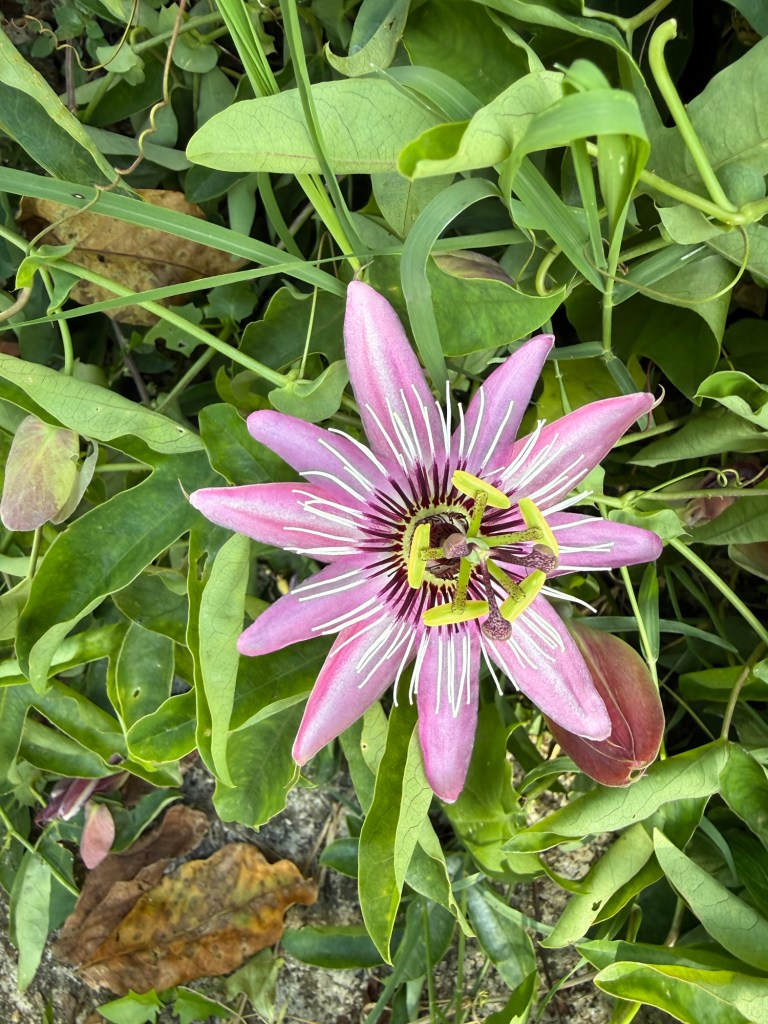
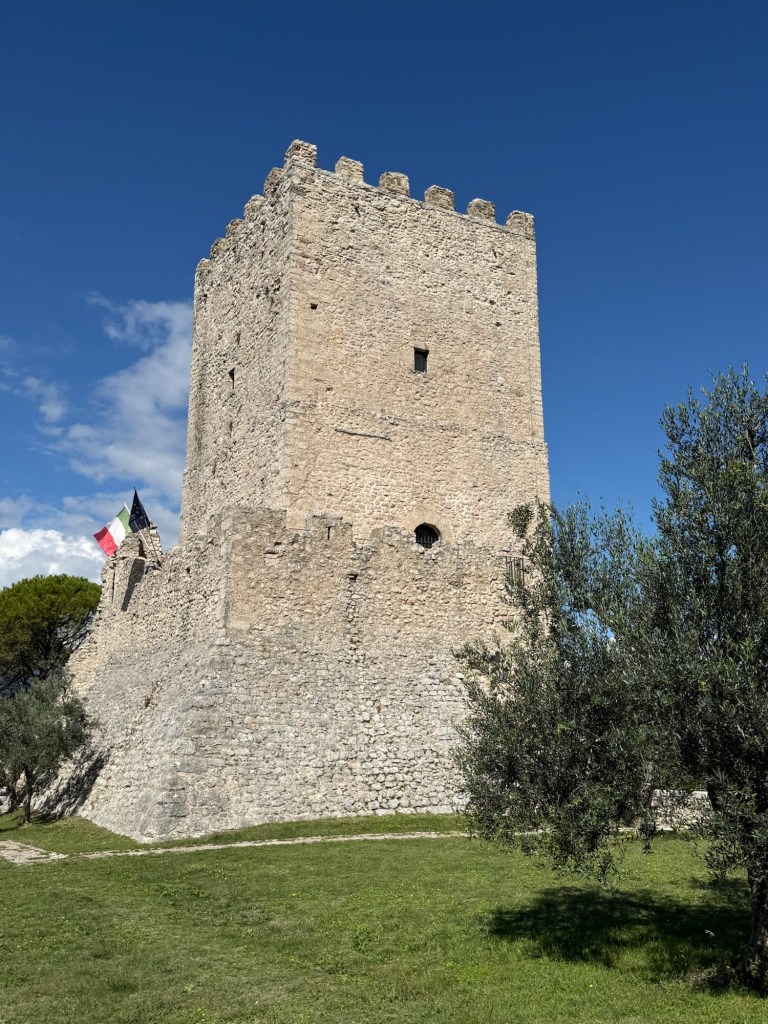

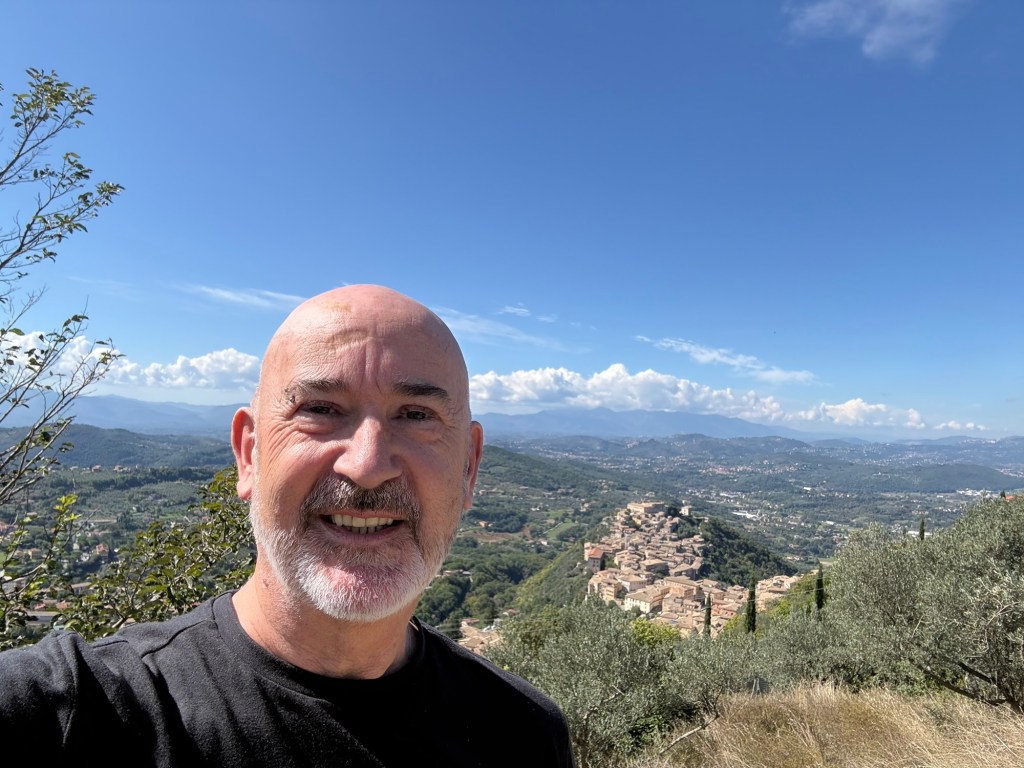
The olive bushes on this particular farm are several hundred years old, necessitating the use of specialized tools for harvesting. The oil exhibited the characteristic just-cut-lawn aroma and a distinct peppery flavor.
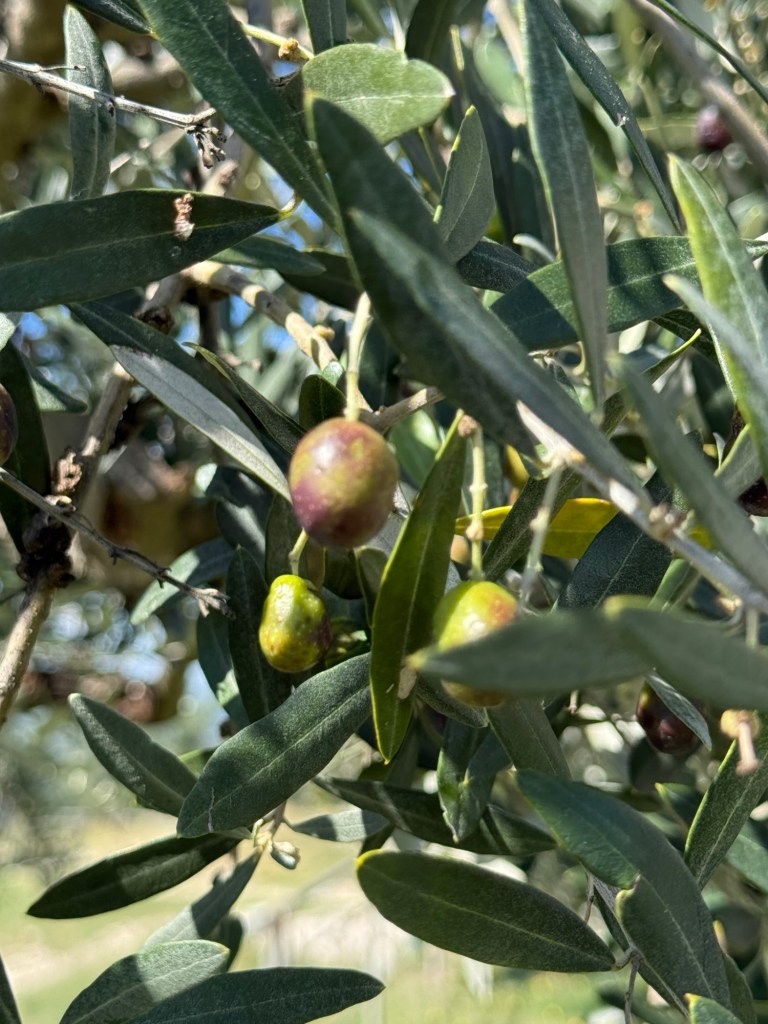
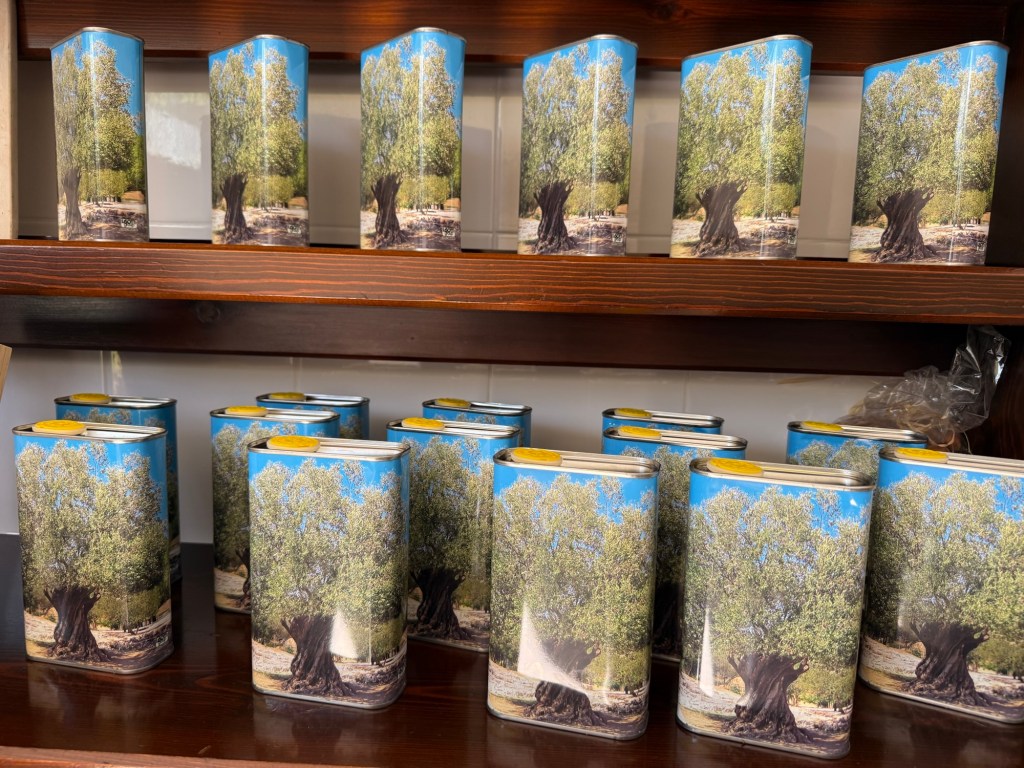
Generally, oil of this quality can be stored in dark glass bottles at room temperature for approximately 20 months before it begins to degrade. I bought a tin for Glasgow – to go with my Deep Fried Mars Bars.
https://www.facebook.com/share/161zJ1HWHq/?mibextid=wwXIfr
Castro dei Volsci
By Paul Bryers
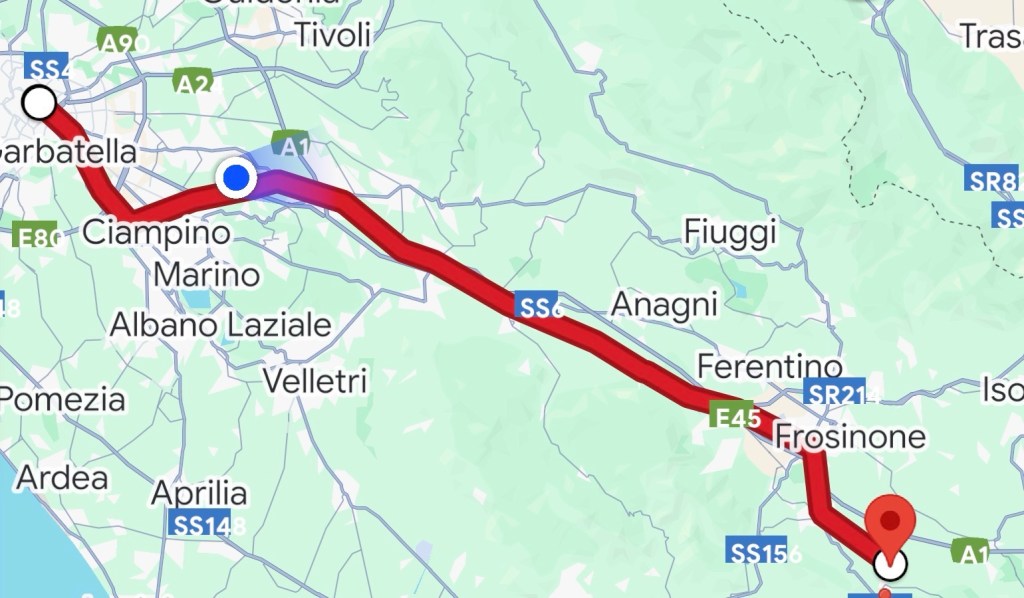
The 12.42 pm Trentalia 12613 from Roma Termini to Castro-Pofi-Vallecorsa was a picturesque 1.5 hr journey, through the base of little hill towns backed by high mountains.
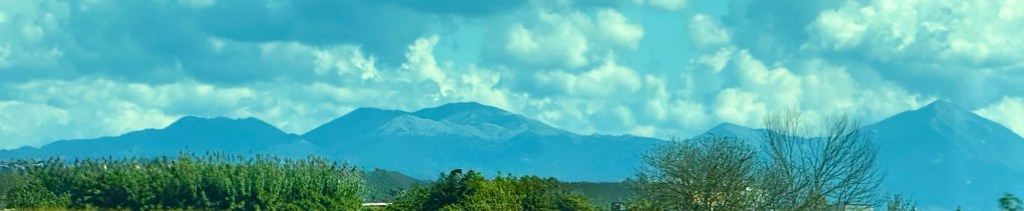
A short car journey then took me to Casa Gregoria where my friend Lisa DeMars and I shall be cooking up a storm over the next week.
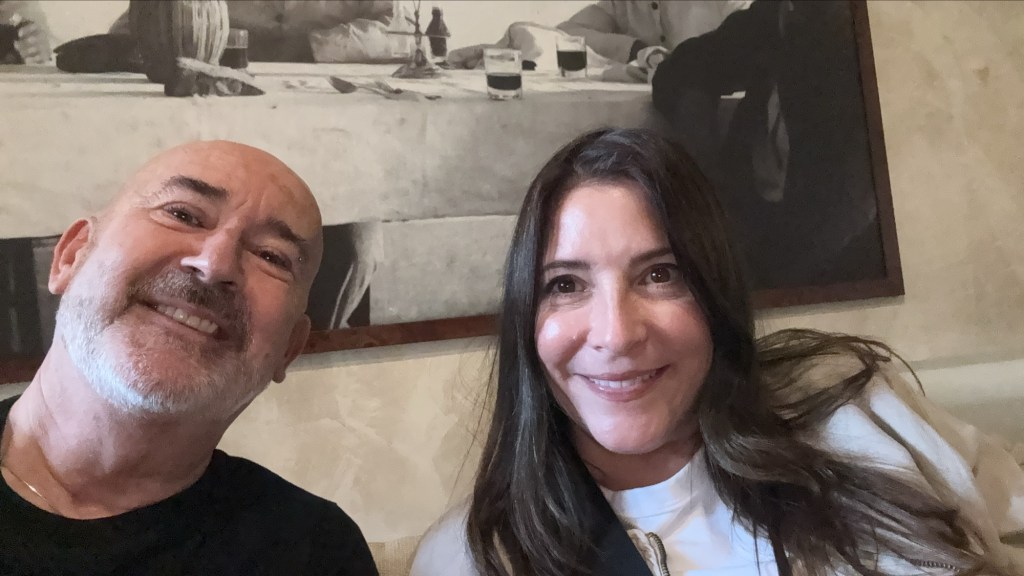
Casa Gregorio is a culinary school located in a 17th-century palazzo offering hands-on cooking classes focused on authentic Ciociara cuisine, cultural tours, and accommodations in the countryside: https://www.facebook.com/share/161zJ1HWHq/?mibextid=wwXIfr
The school and accommodations are within the elegant and historic Palazzo Gregorio which is located in the charming hilltop town of Castro dei Volsci.
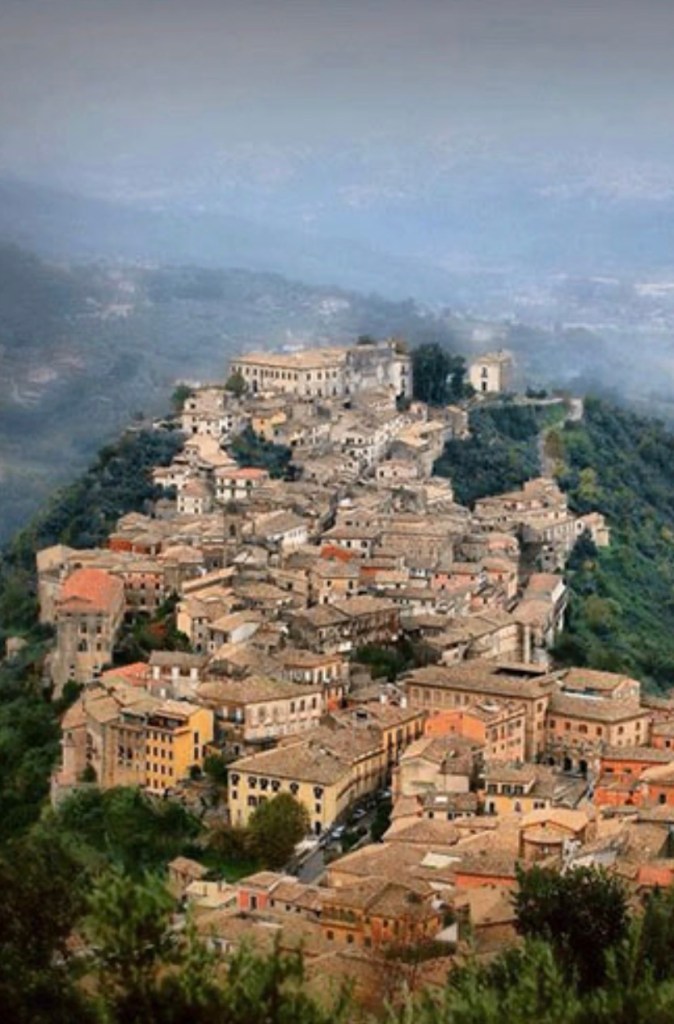
The town offers spectacular views of the surrounding valleys and mountains from its 300 meters (~1000 feet) elevation.
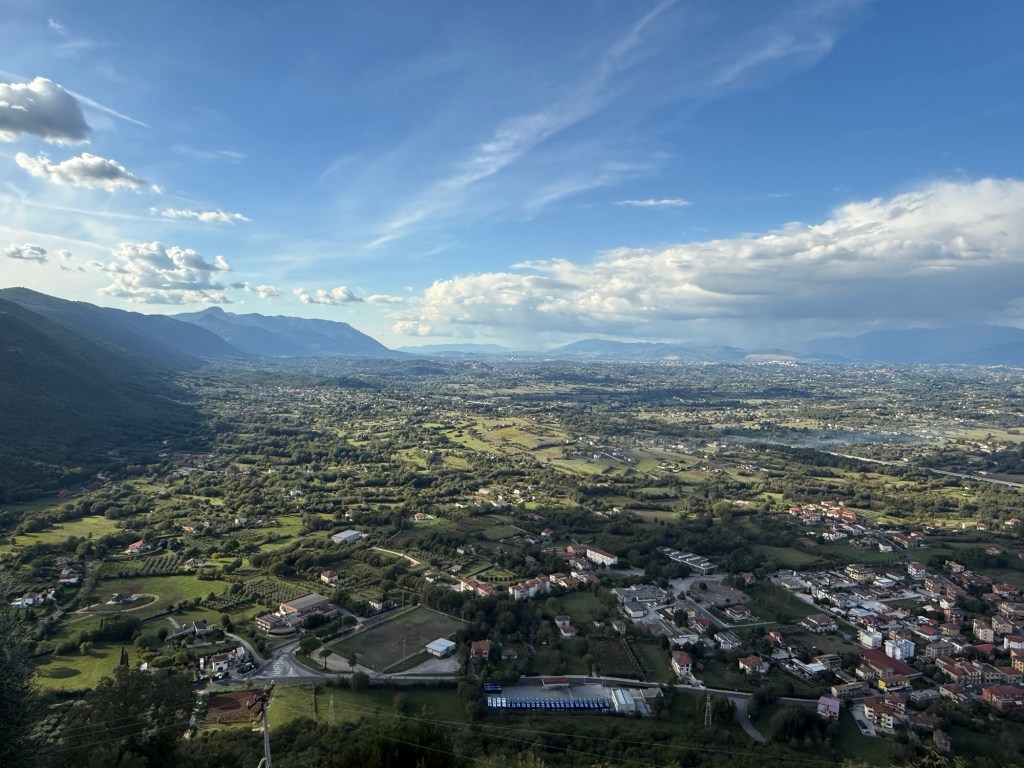
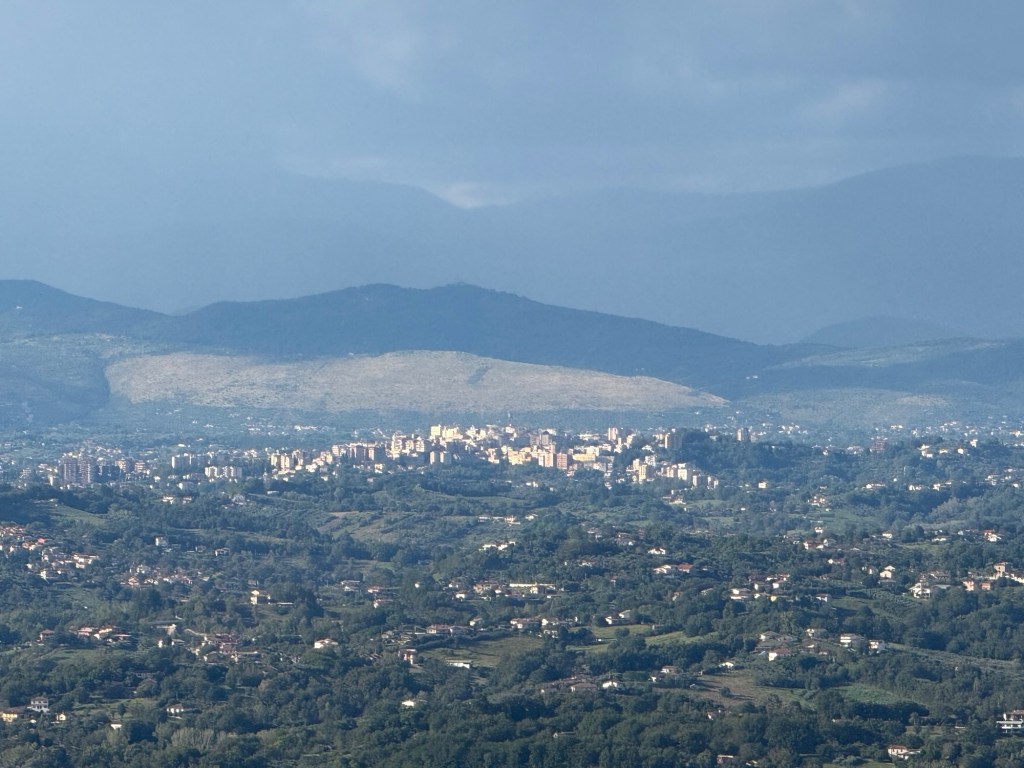
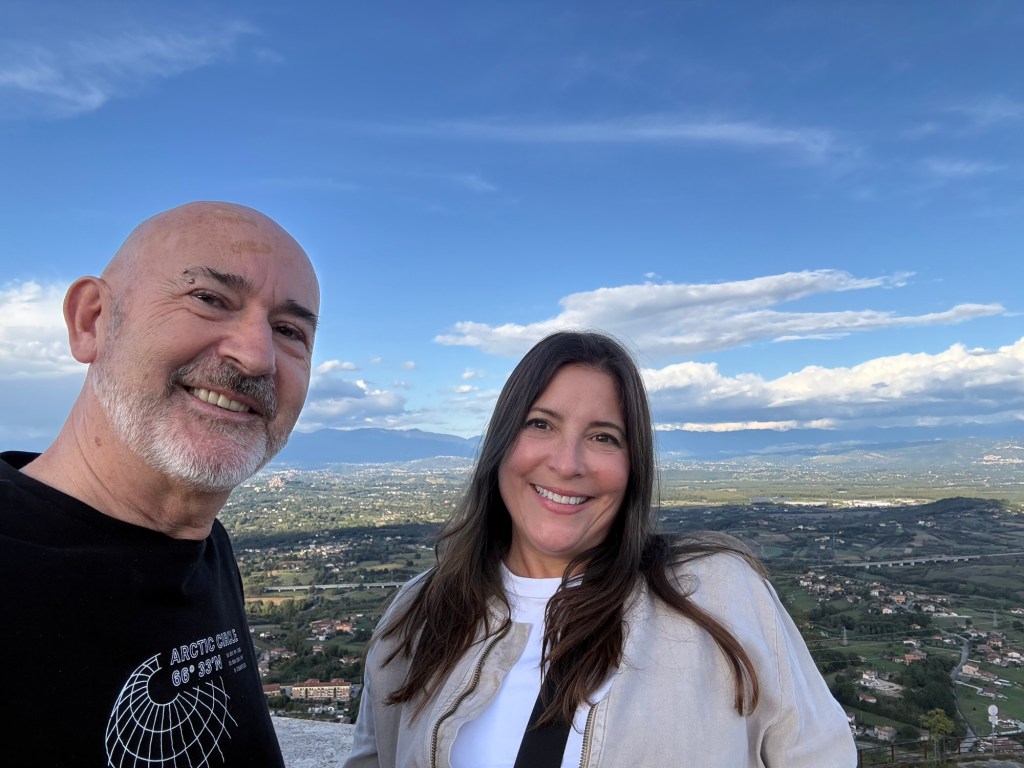
The culinary school is a beautifully regenerated piece of architecture.
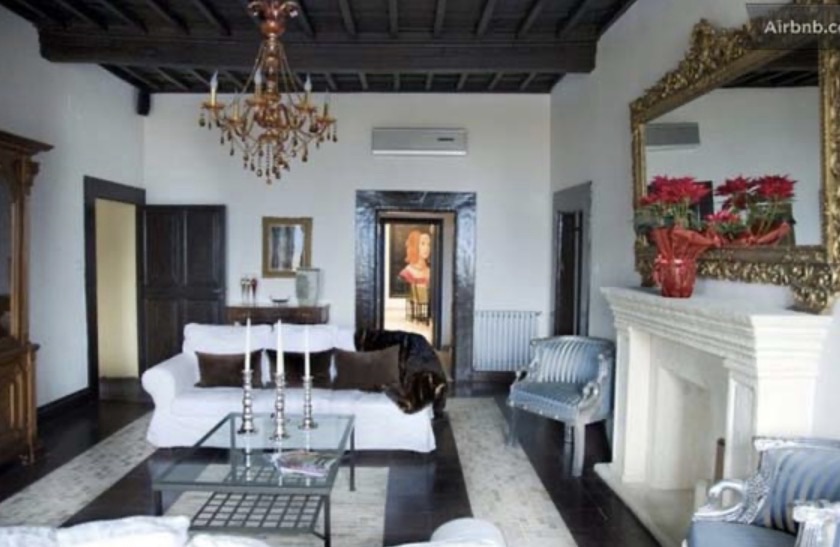
The living areas….
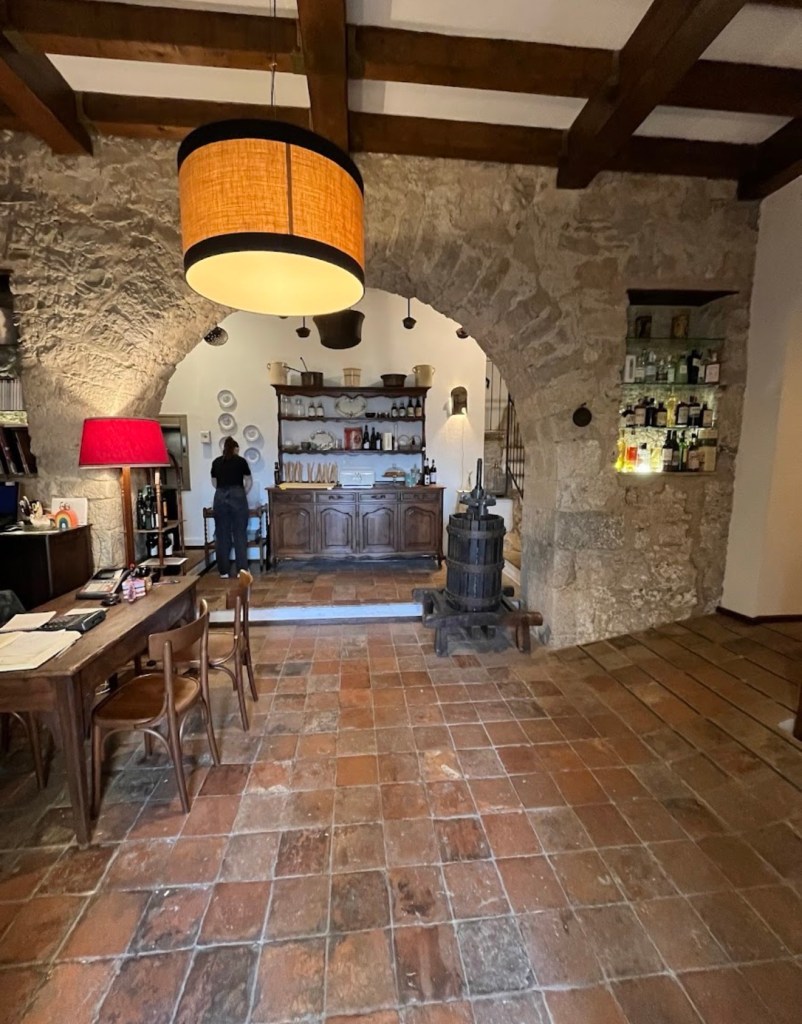
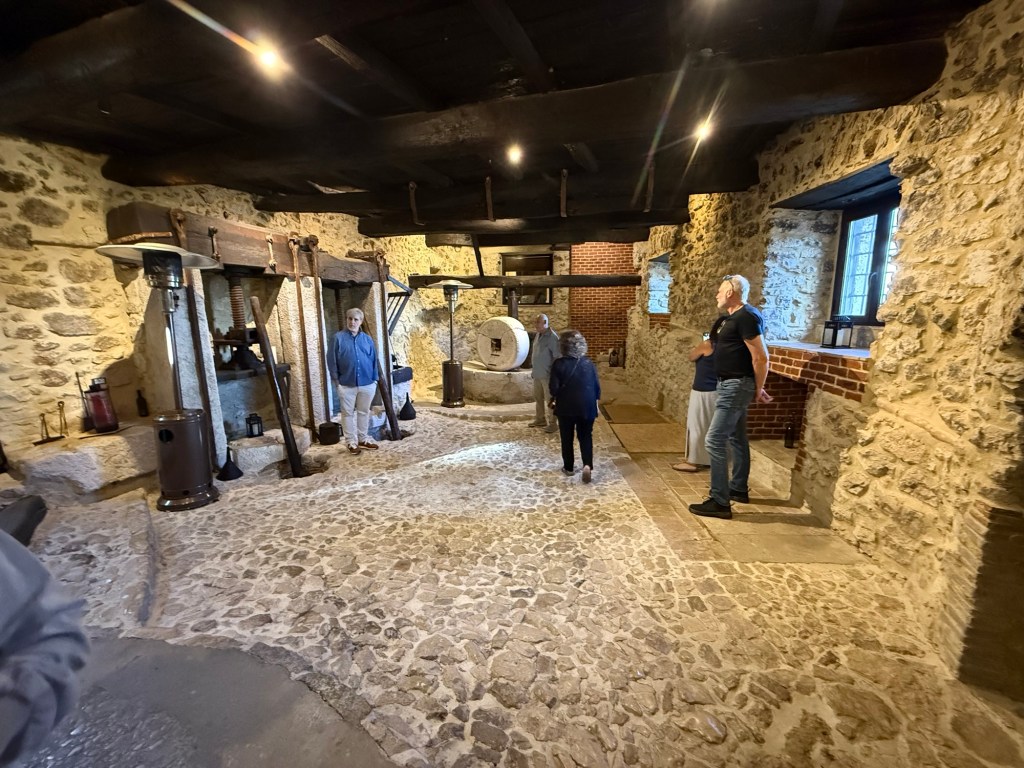
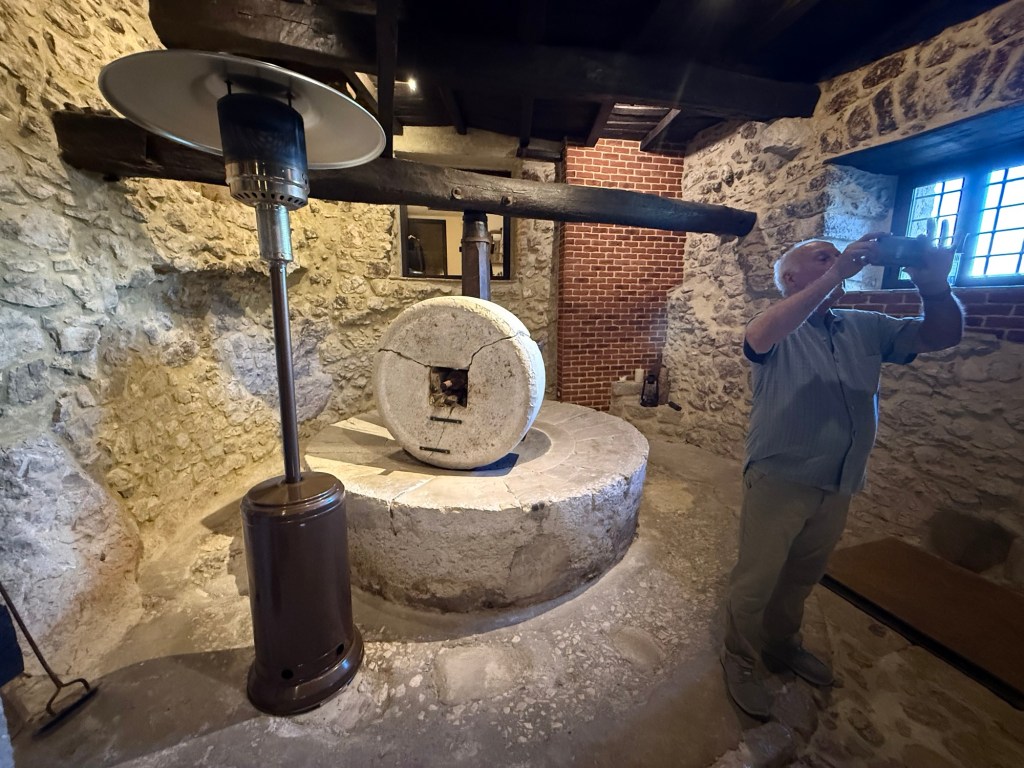
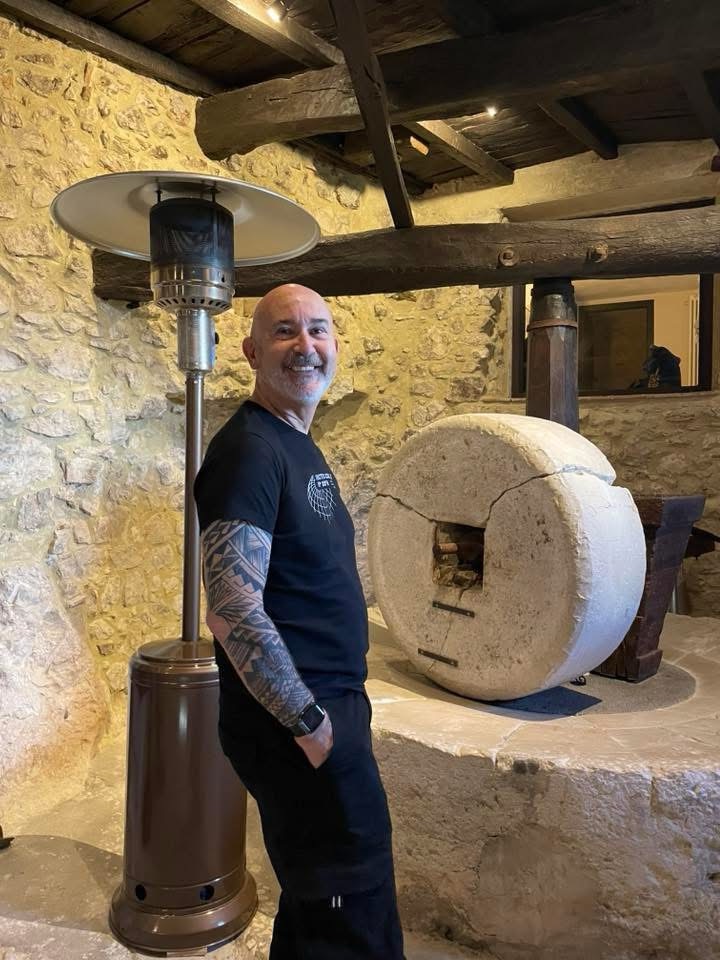
….the Olive oil production basement…
…….the bedrooms; my accommodation – Juniper – offering views of the hills……

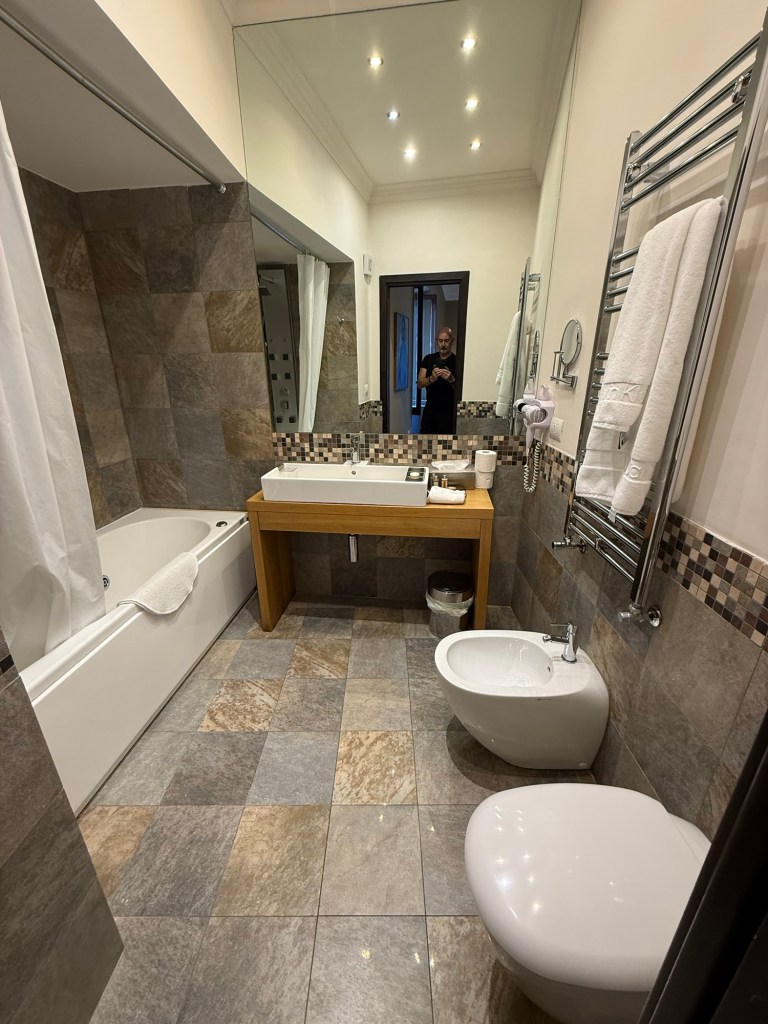

….and of course, the kitchen, where will learn to make traditional dishes, are all wonderful.
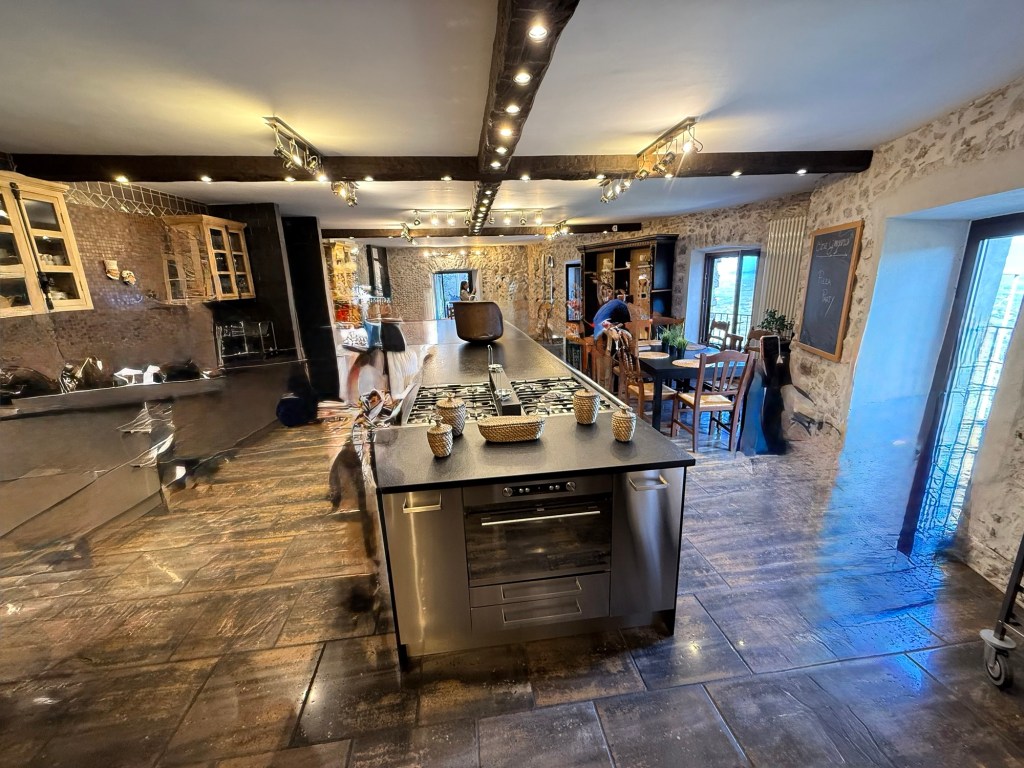
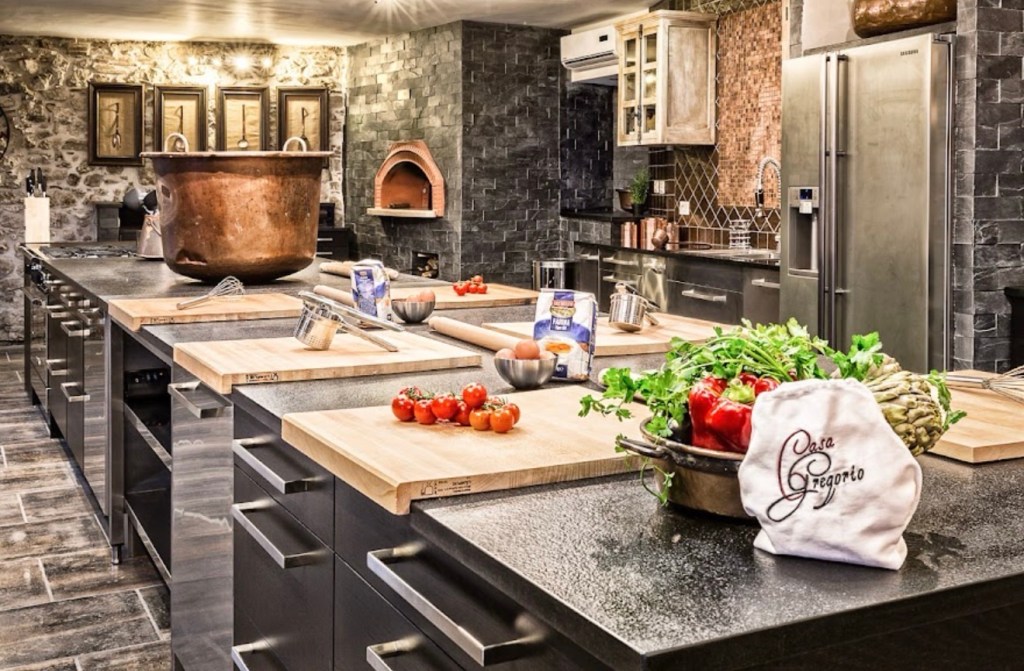
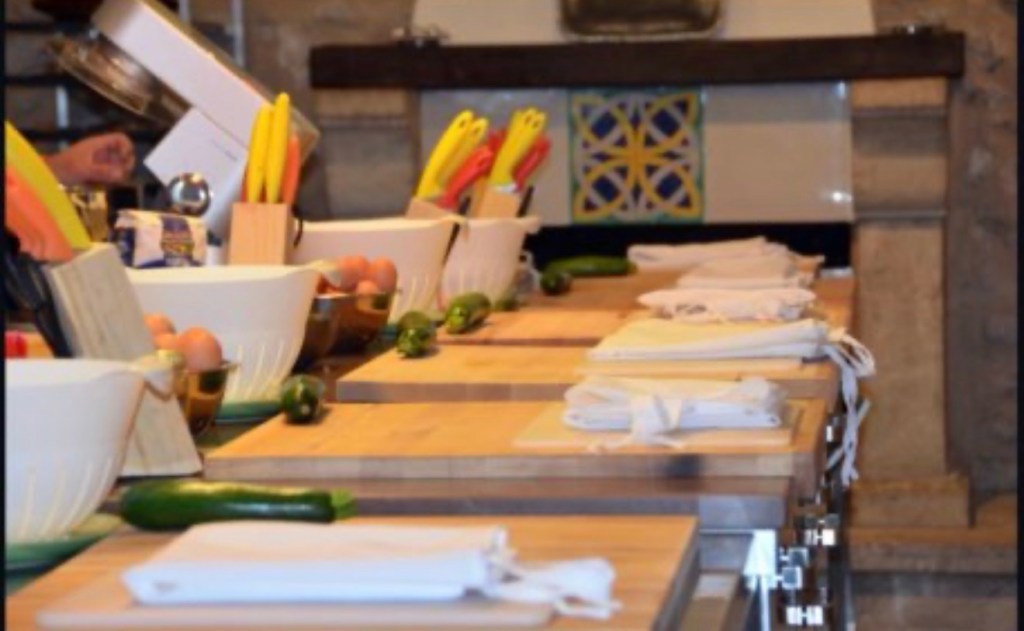
Before we had dinner, we took a wee swish up to the local Church – Santa Olivia. Simple by Catholic standards.
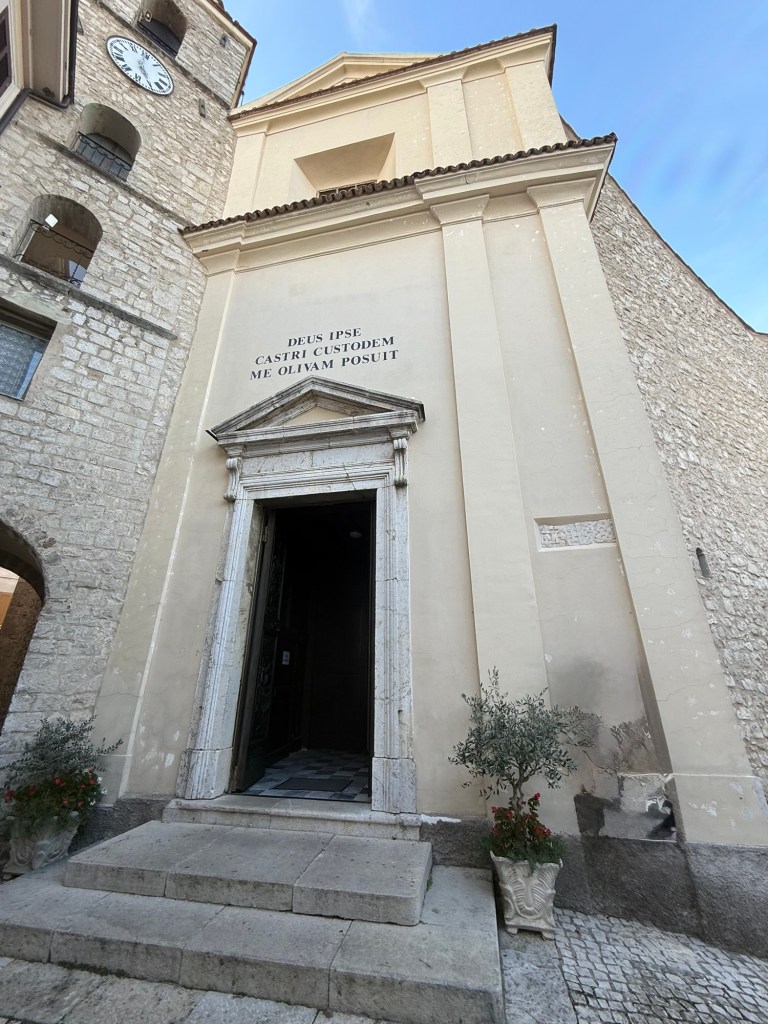
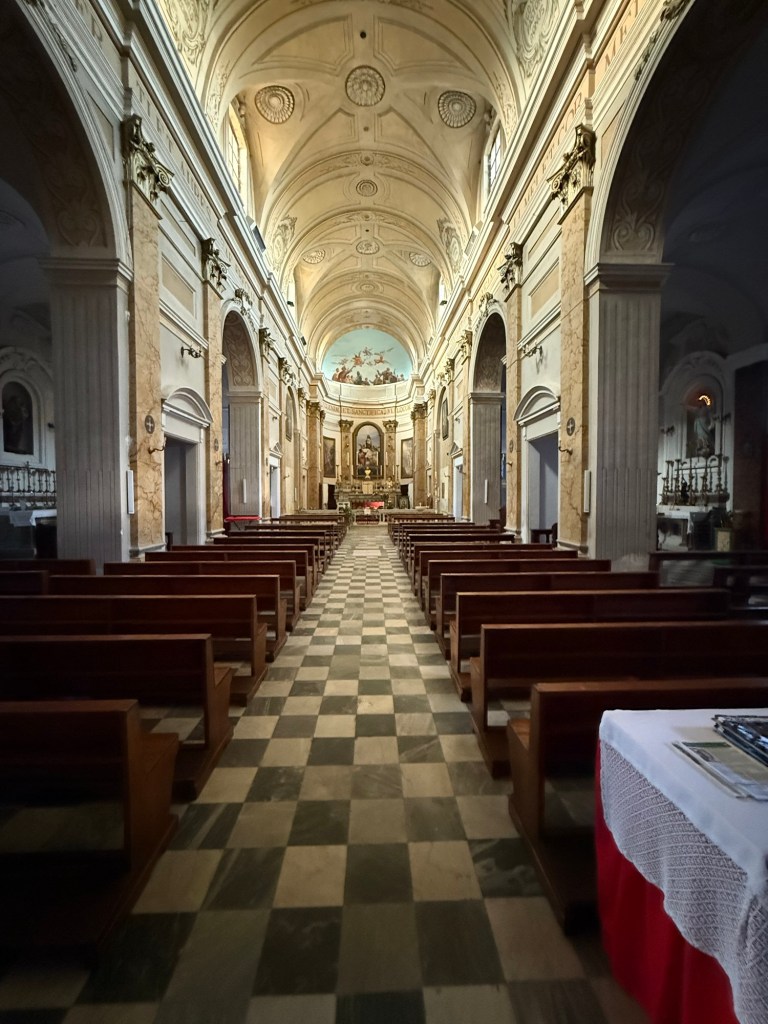
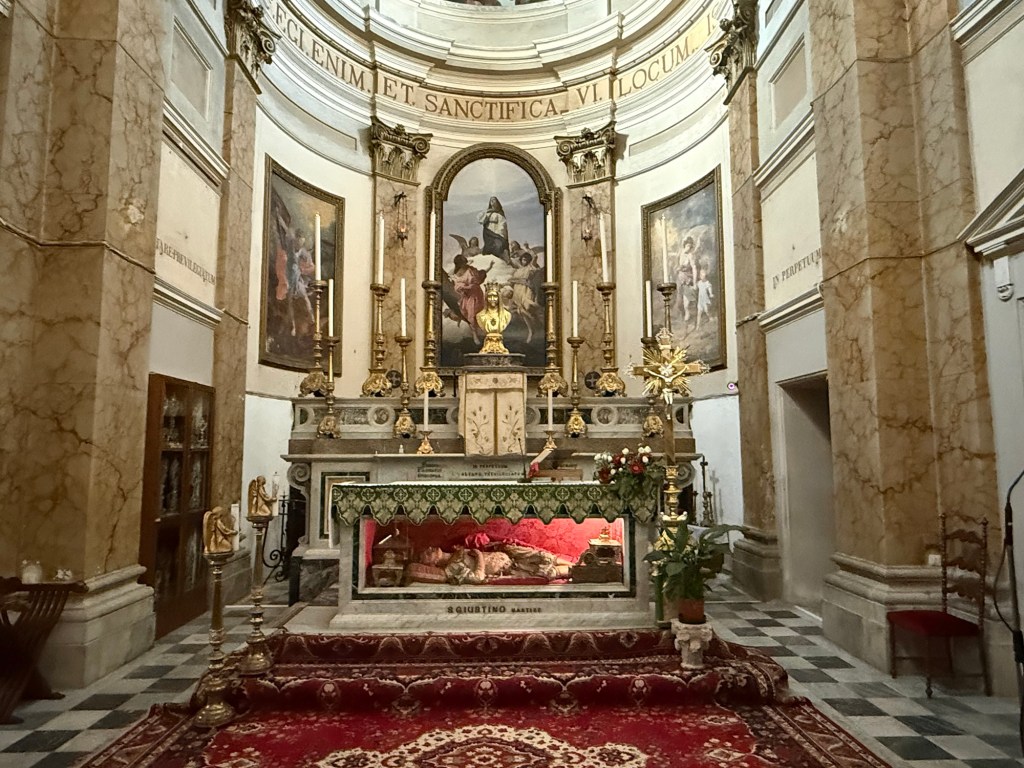
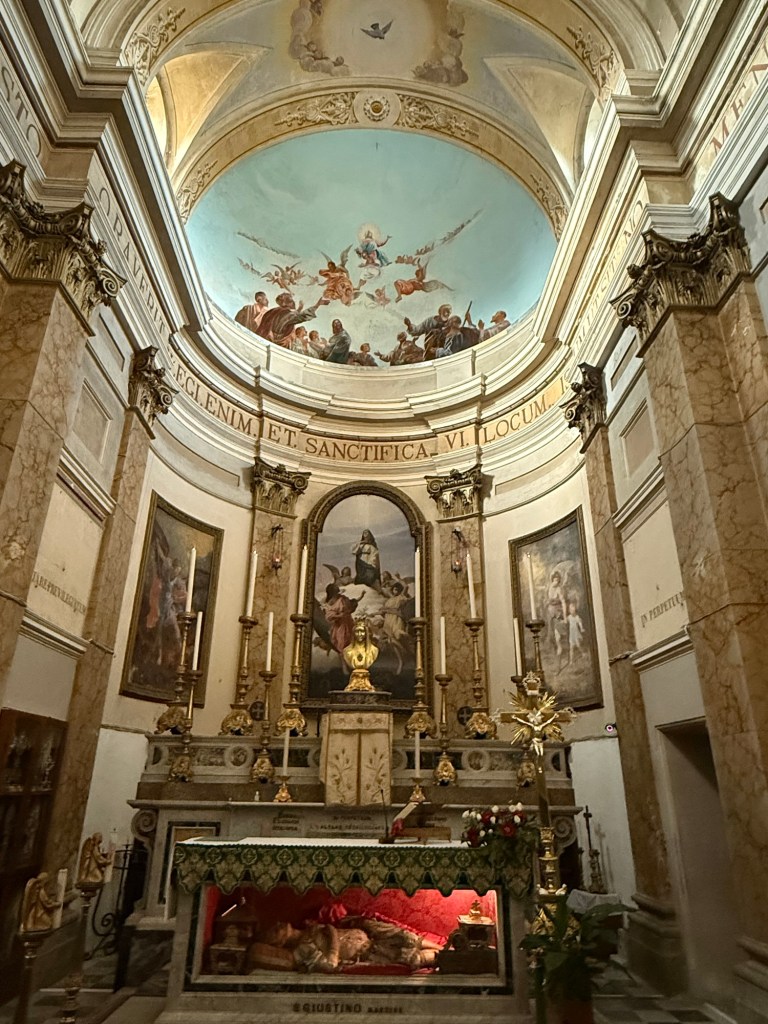
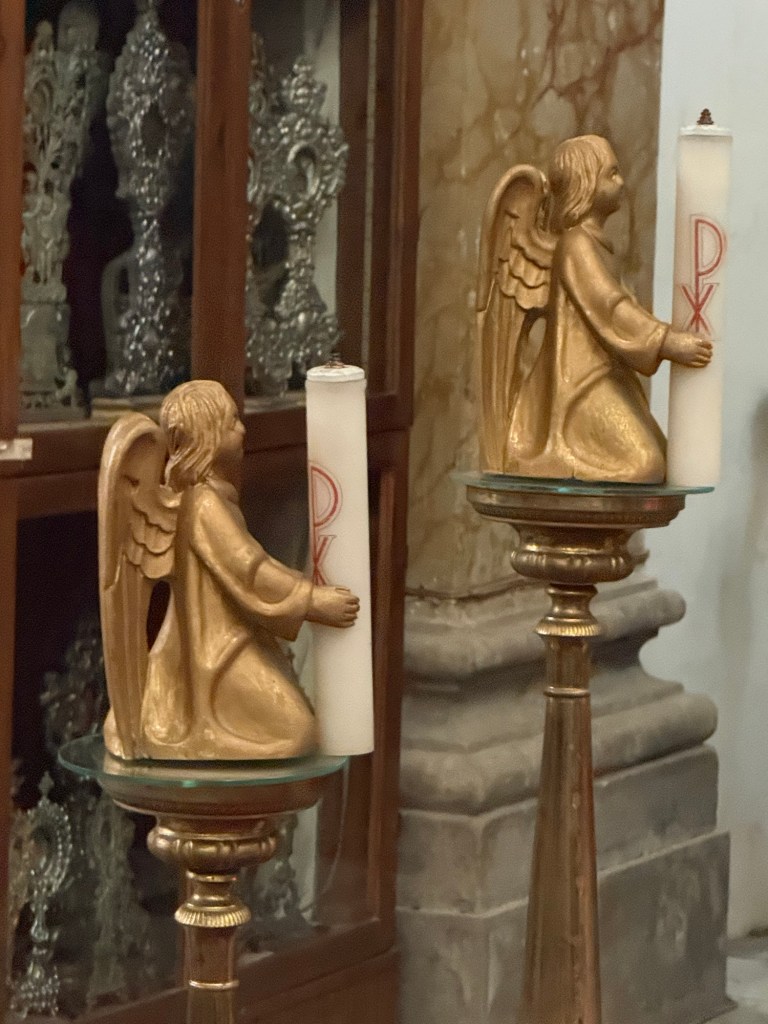

We then sauntered up to the top of the town.
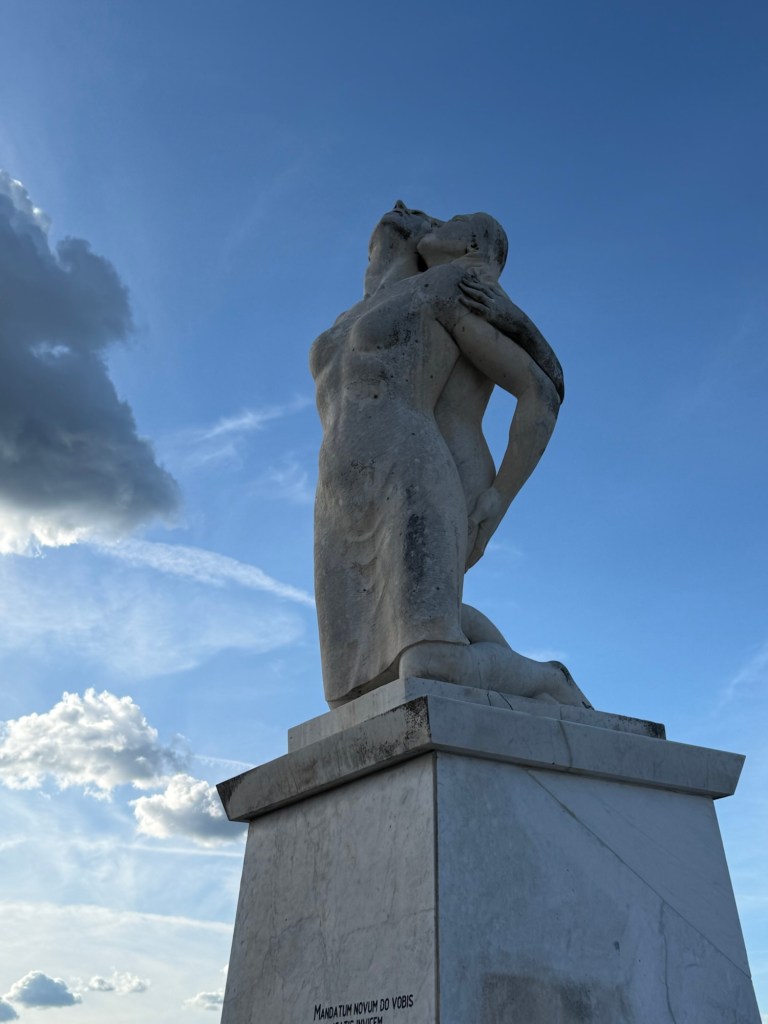
You may recall the famous Italian actress, Sophie Loren. She starred in a 1960 movie called La Ciociara (Two Women) in which she played an Italian woman protecting her daughter from aggressive soldiers during WW2.
This highly evocative sculpture below is in memory of all those mothers that have tried to protect their daughters from sexual violence.

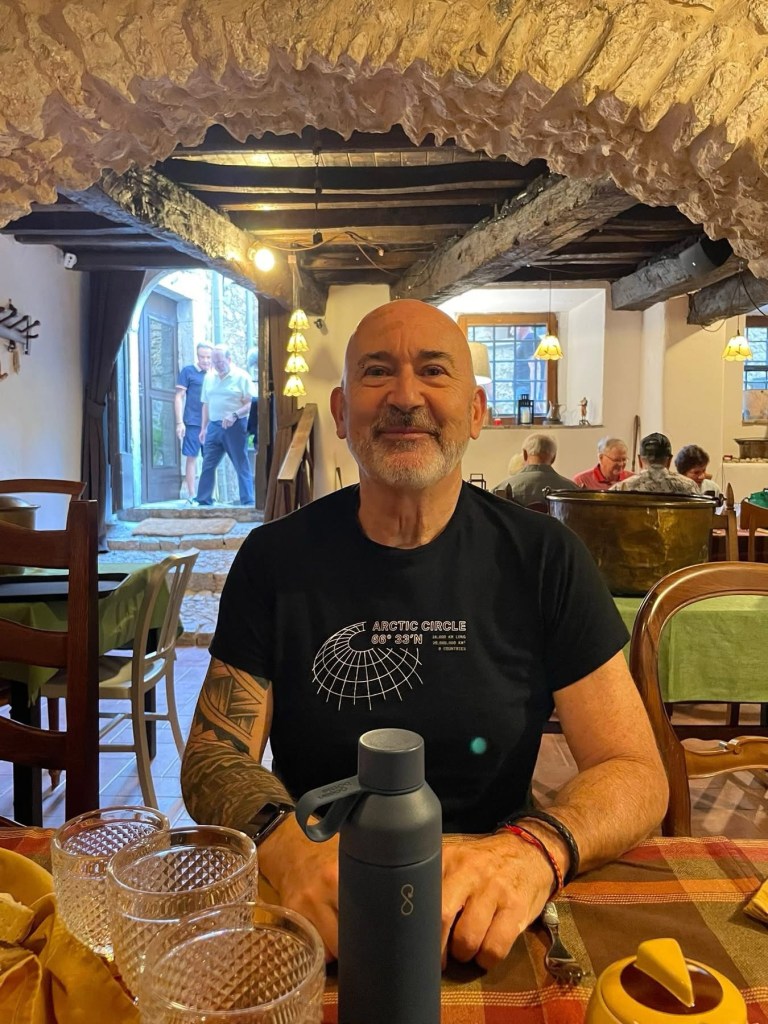
After our swish, we went back to our Casa for an early dinner. We met lovely folk and had a good time and good food, ending with a nice Grappa.
Rome – St Peter’s Basilica Popes’ Tombs and the Dome
By Paul Bryers
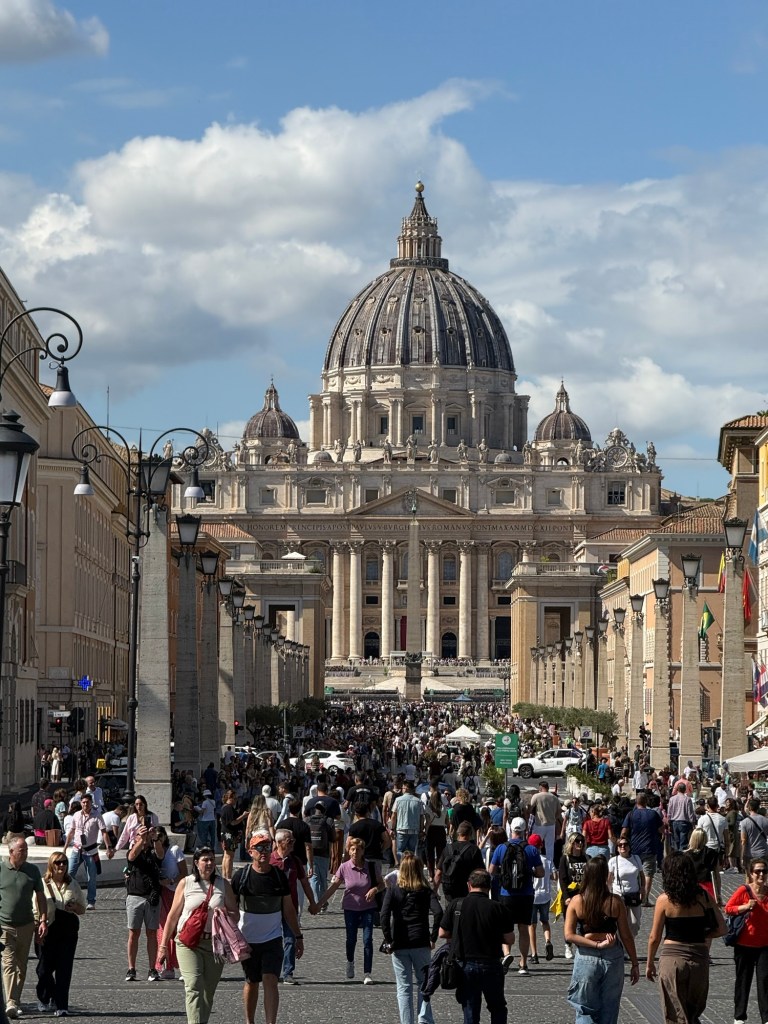
The construction of the Tomb of St Peter, the Basilica, commenced in 1506 and took approximately 100 years to complete.
The basilica is profoundly impressive, both externally and internally.
A Swiss Guard was present to maintain order, dressed in distinctive attire.

I entered through the Holy Door, a unique experience as it is only open for a short period every 25 years. According to tradition, passing through this door grants forgiveness for all sins. Mmmhhh….
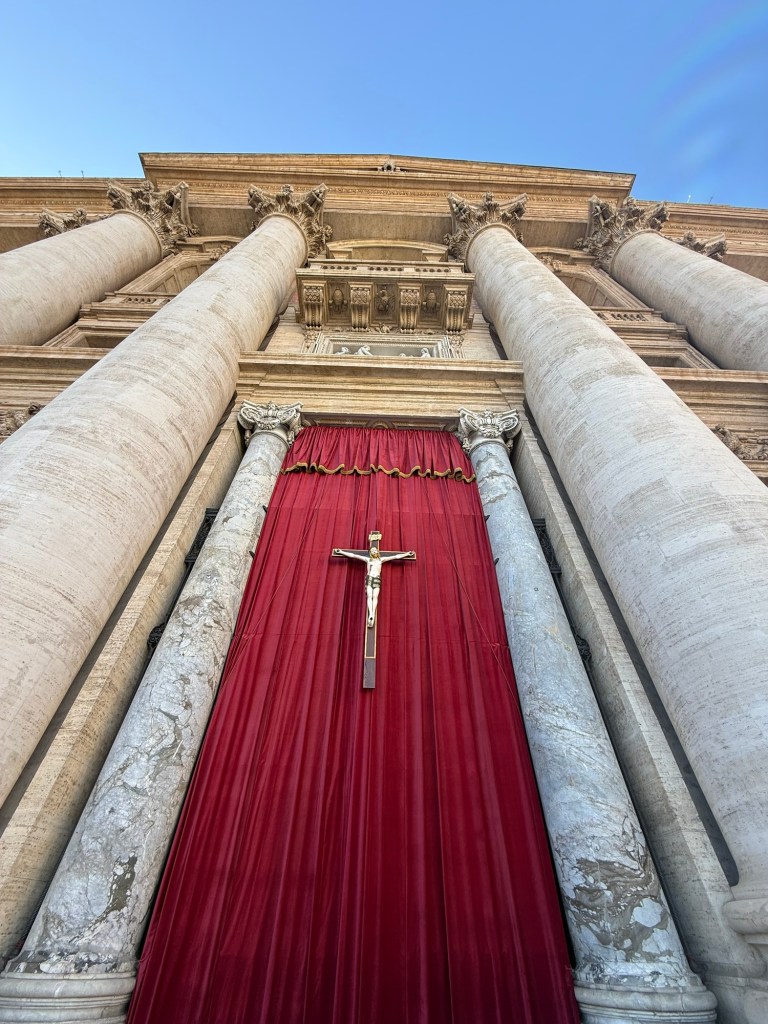


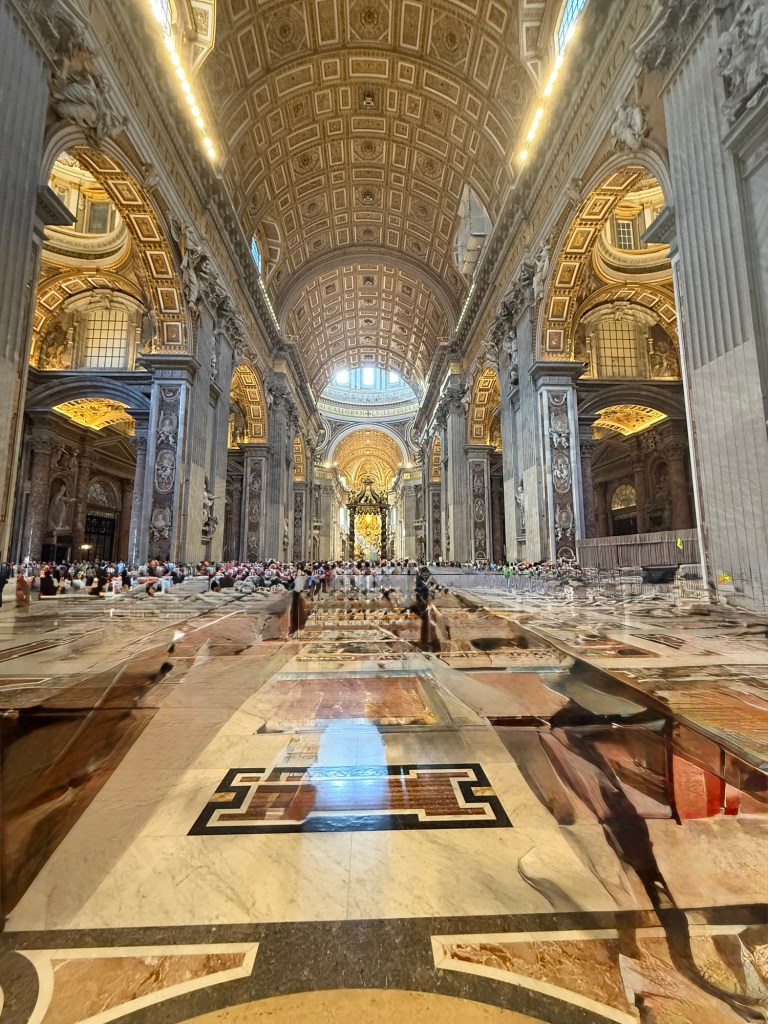
Upon entering, the main aisle provides a stunning view towards the central altar and the second altar.

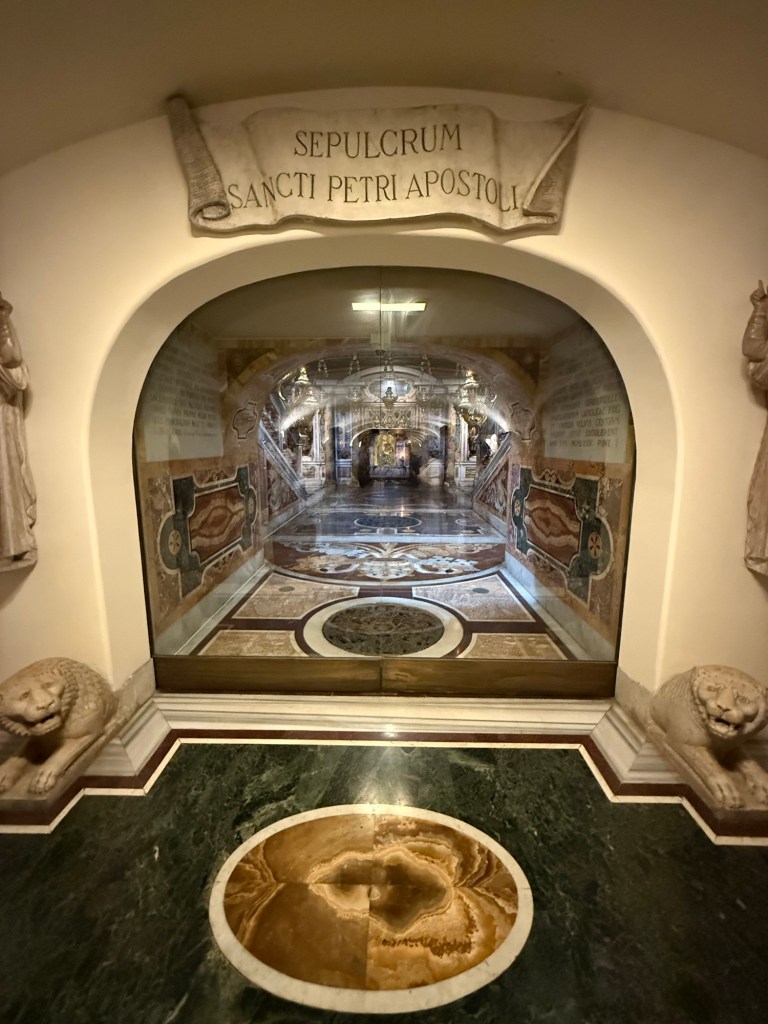
Beneath the main altar lies the tomb of St Peter, accompanied by the crypt of Pope Benedict XVI in the nearby catacombs.

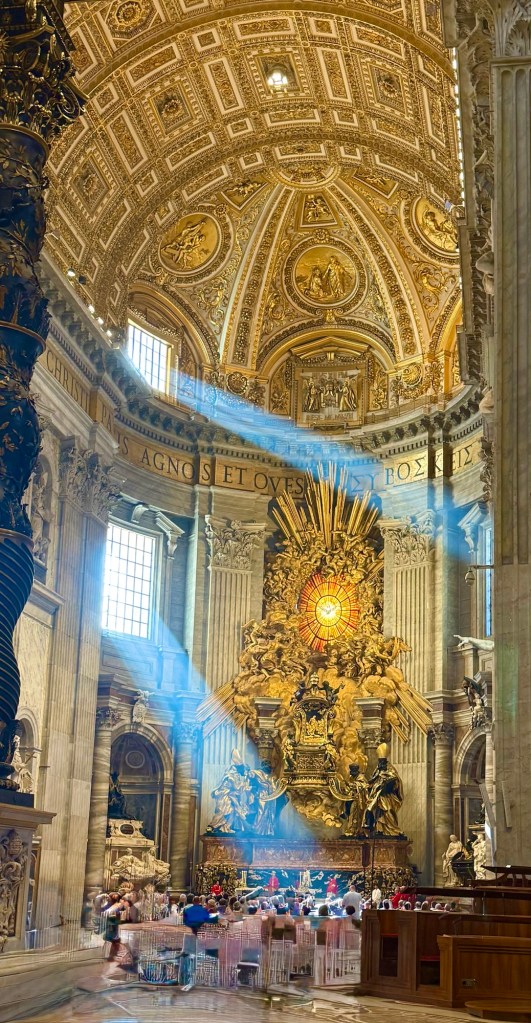
Back up on the ground floor of the Basilica, early evening light streamed through windows into the second alter – a moving illumination reminding me of the fabled Illuminati.
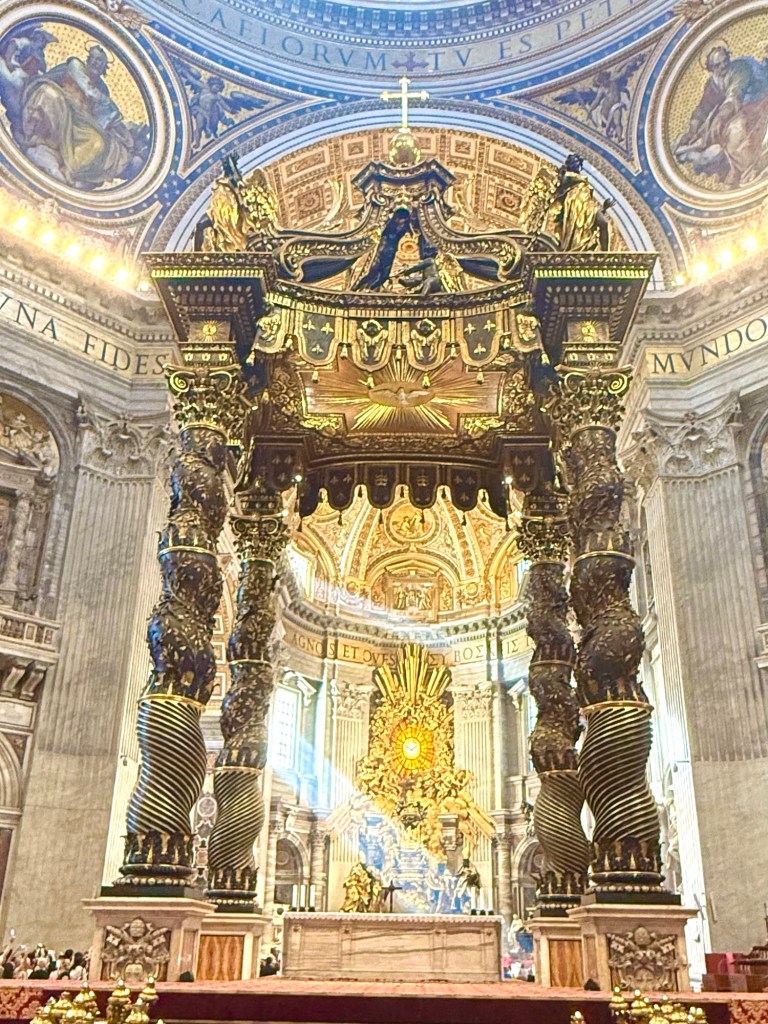
Numerous sculptures, paintings and mosaics depict Biblical history.

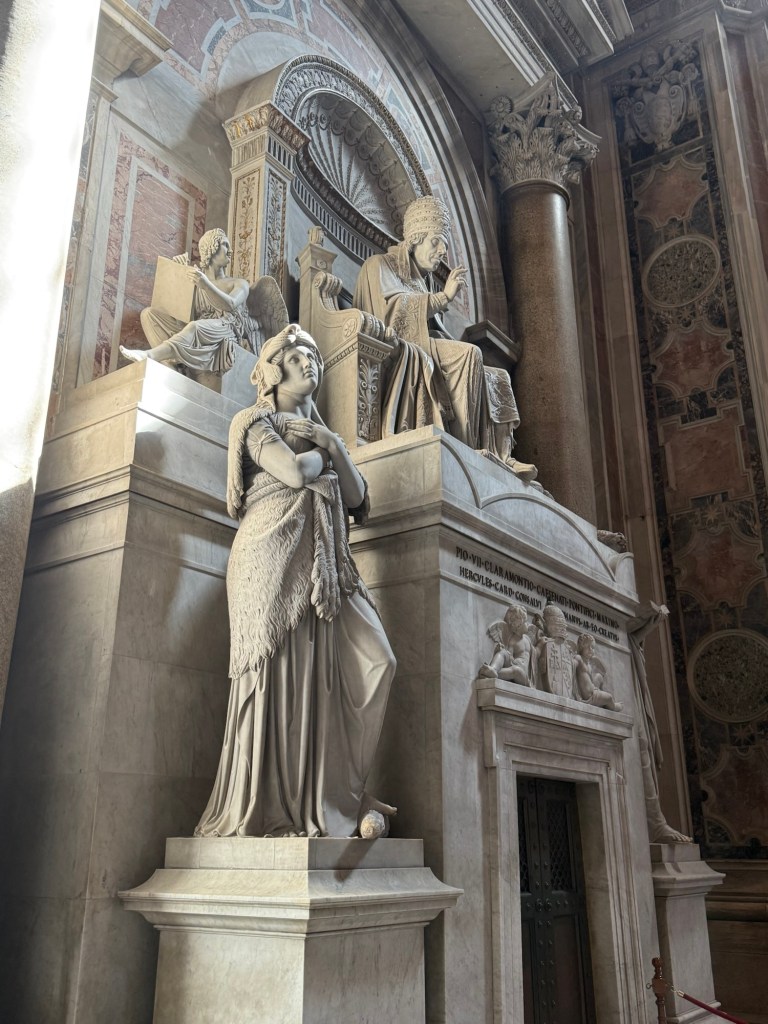

The intricate and ornate ceilings are my favorite artistic features, shining down on the masses below.
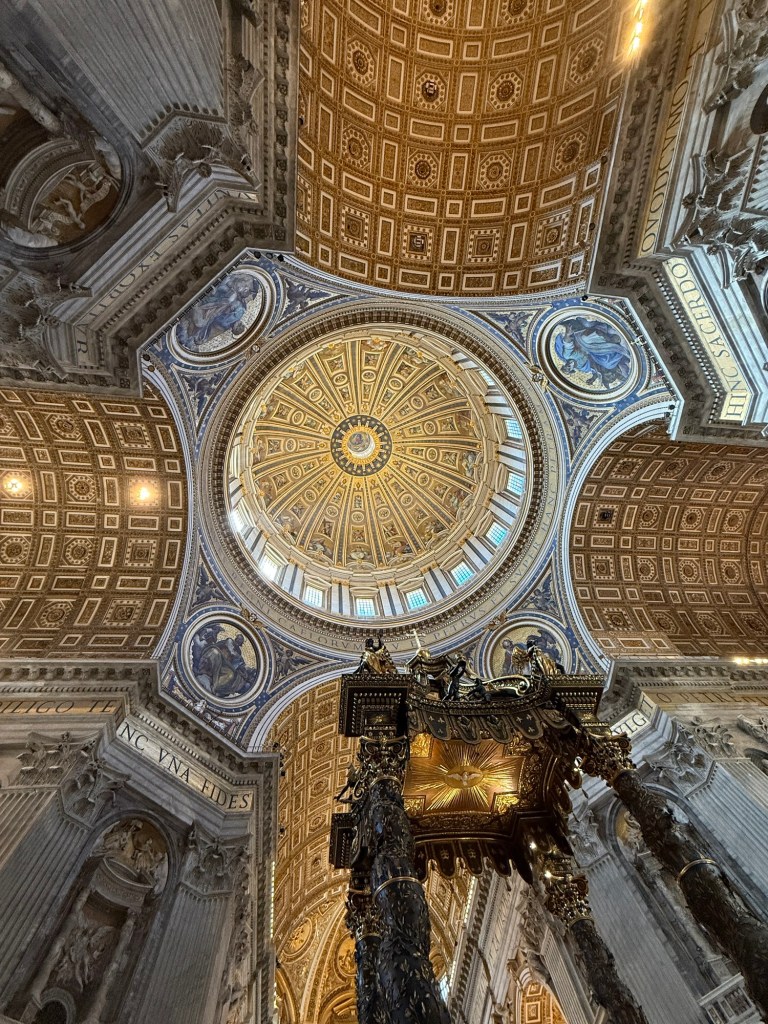

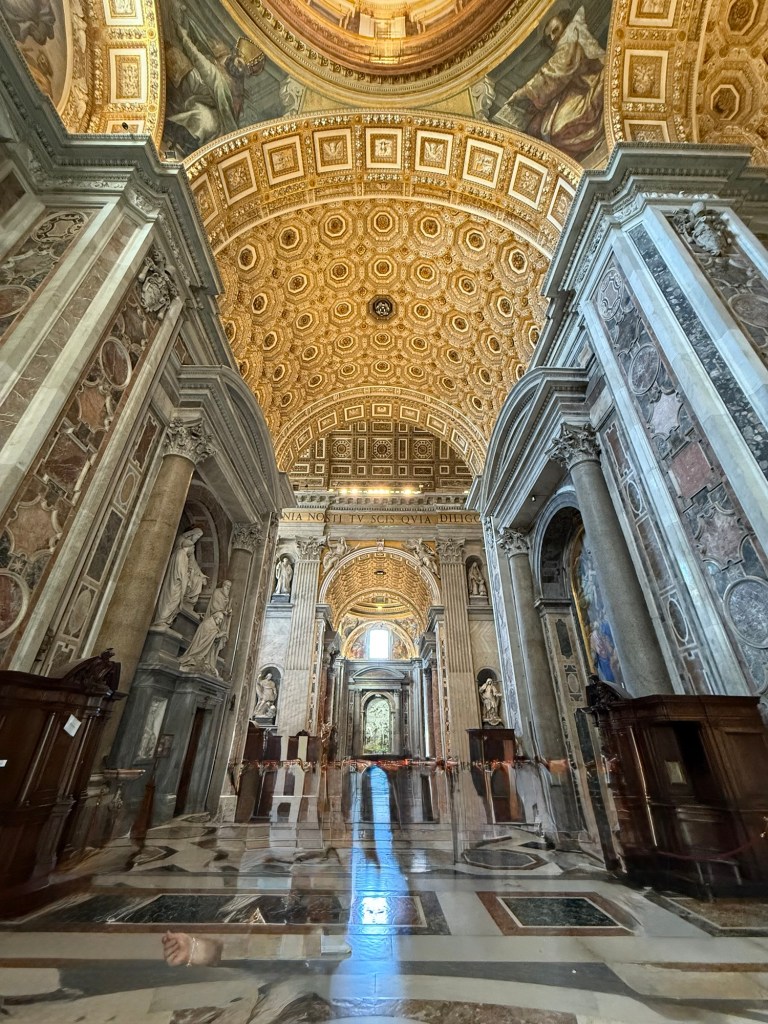
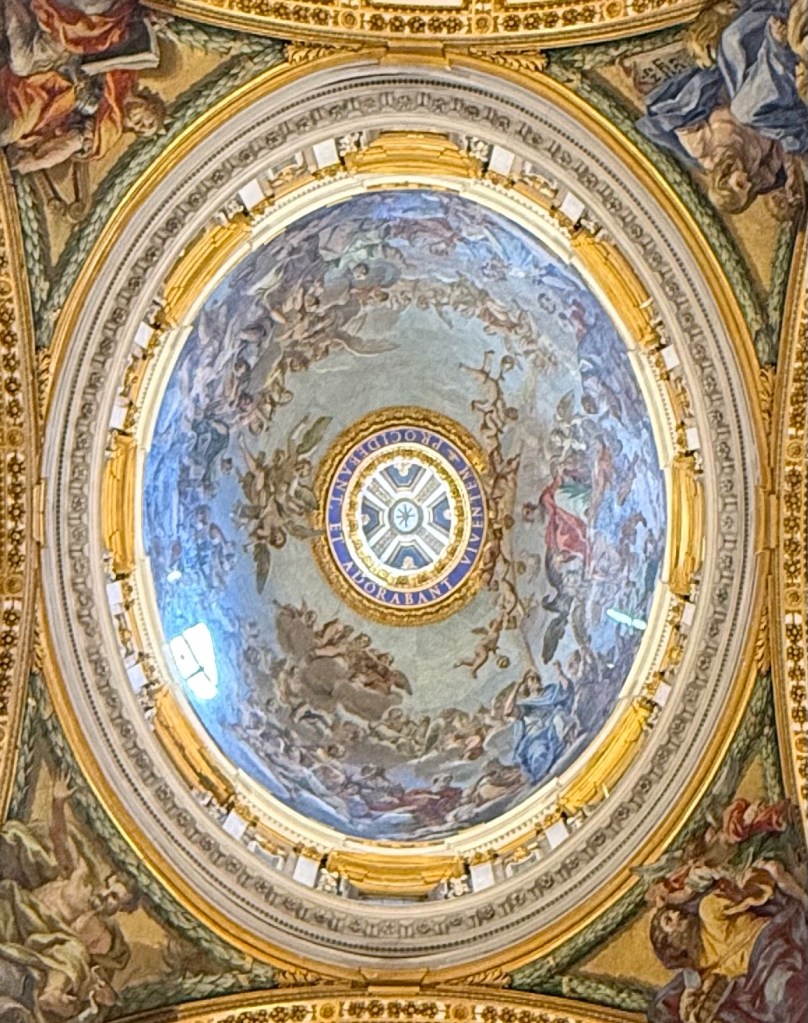
To gain a new perspective, I climbed to the base of the dome, observing the crowds below.
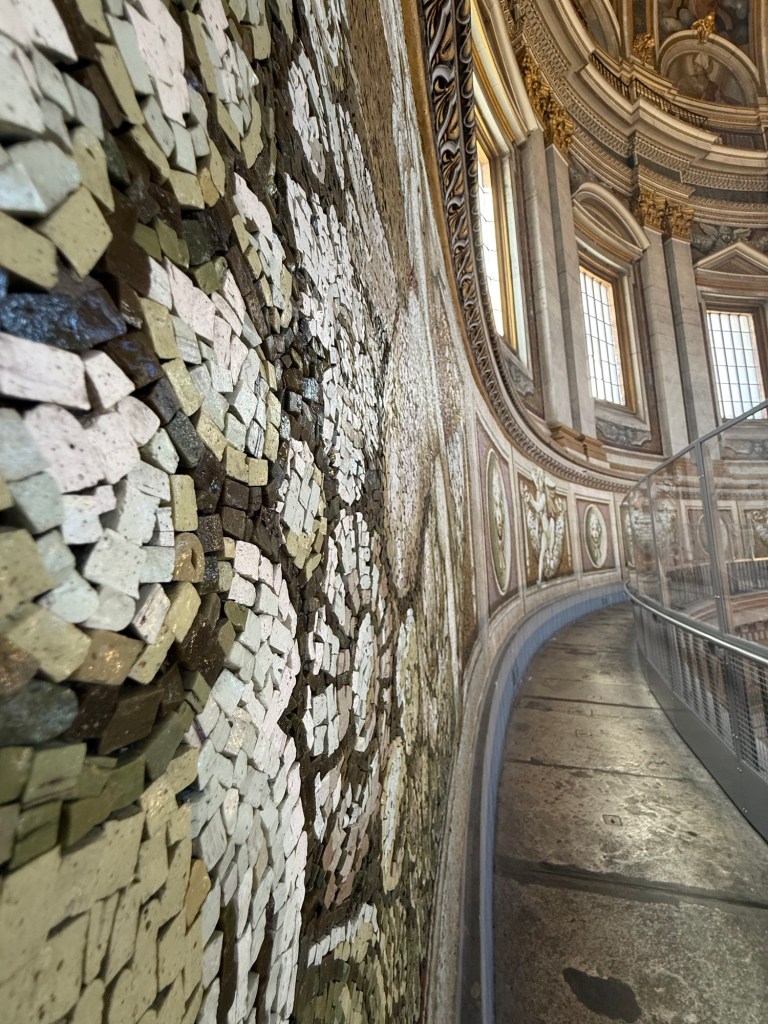
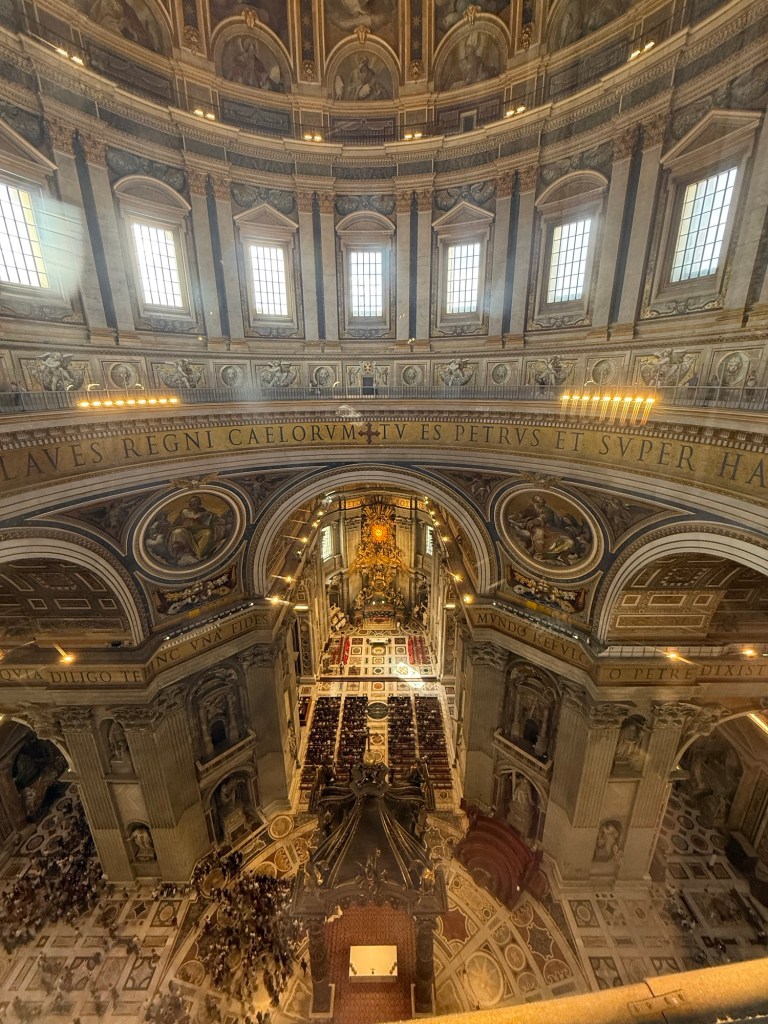
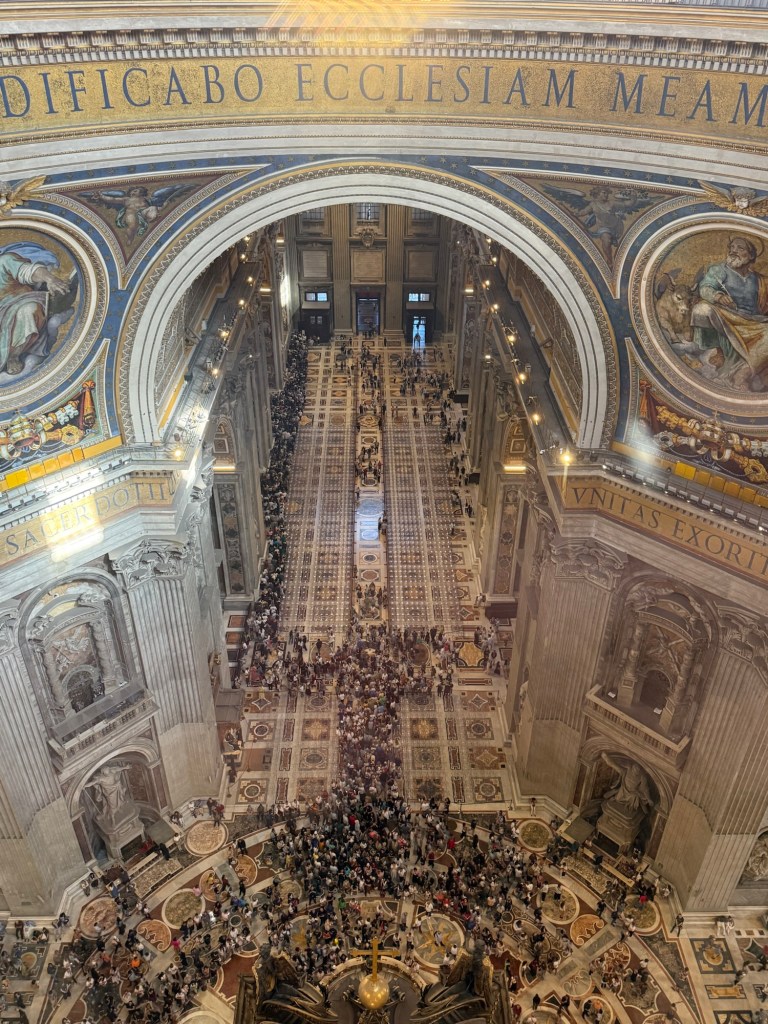
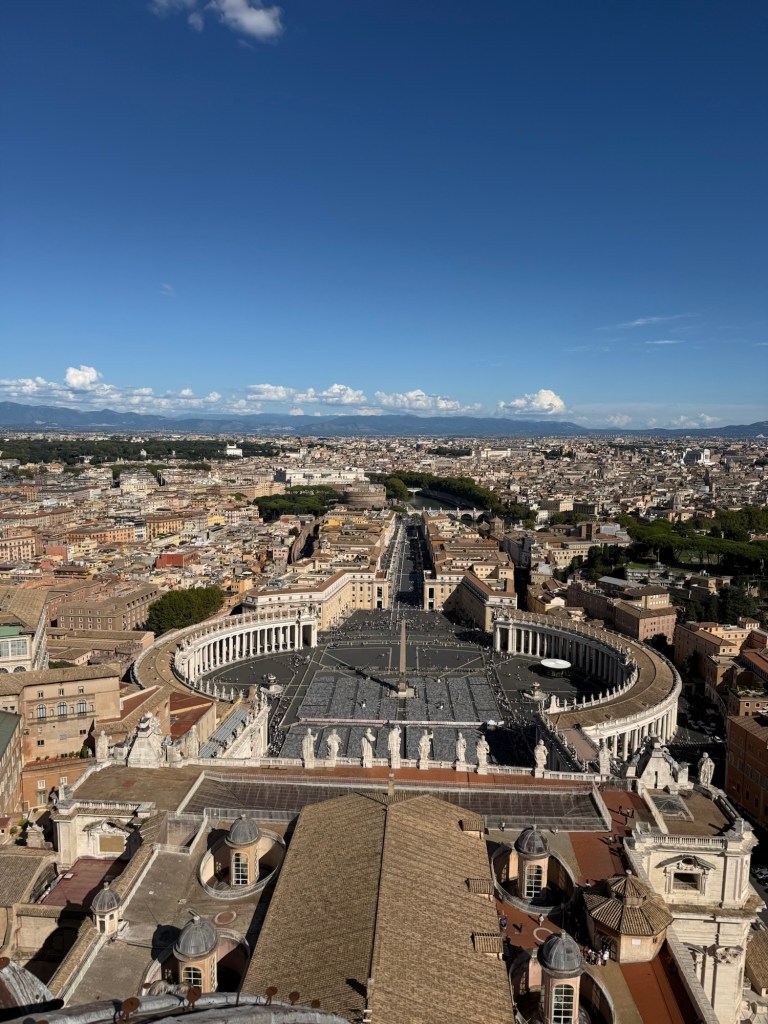
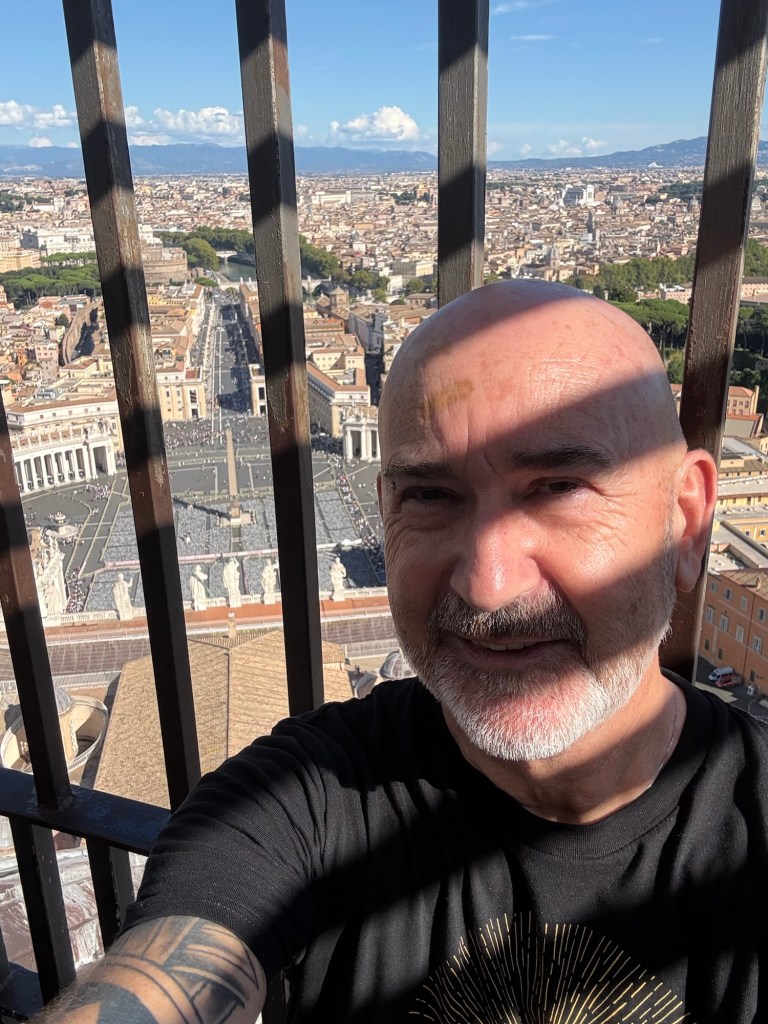
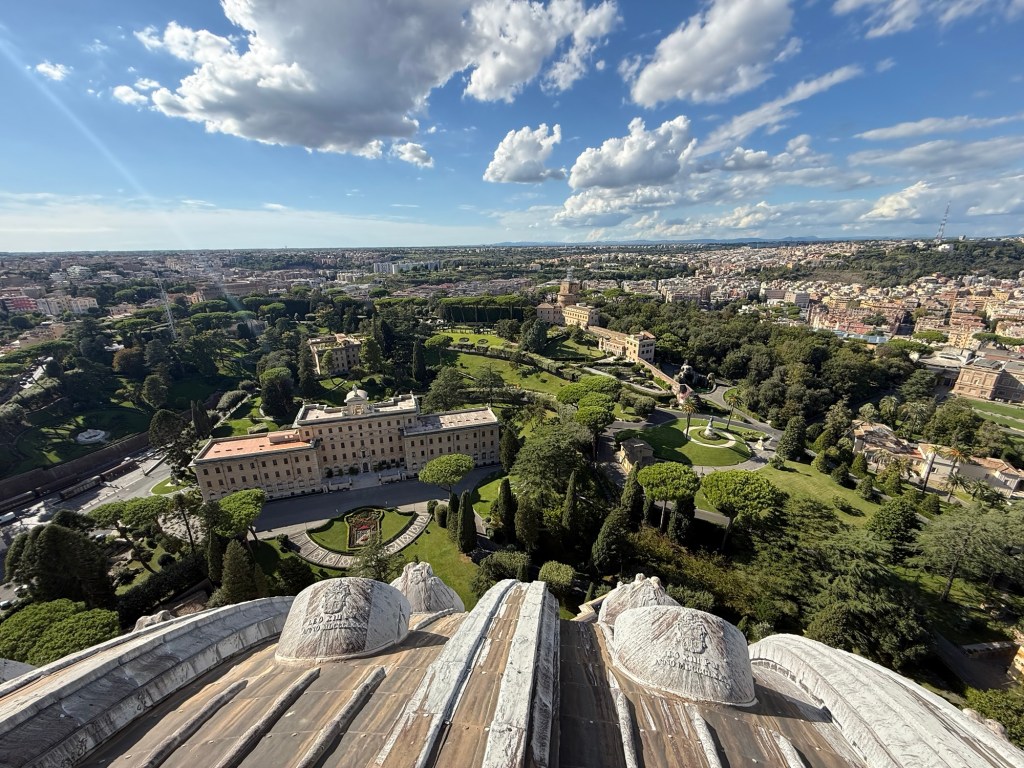
I then ascended within the dome, an unsettling experience due to the angled walkway, to reach the top for breathtaking views of St Peter’s Square and the Vatican Gardens.

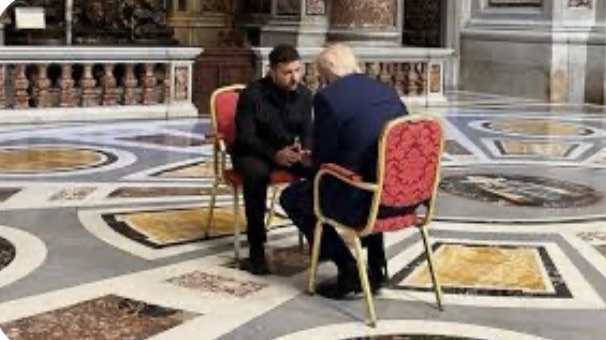
Political Note: I recognized the flooring as the location where Presidents Zelenskyy and Trump recently met to discuss the situation involving Putin.

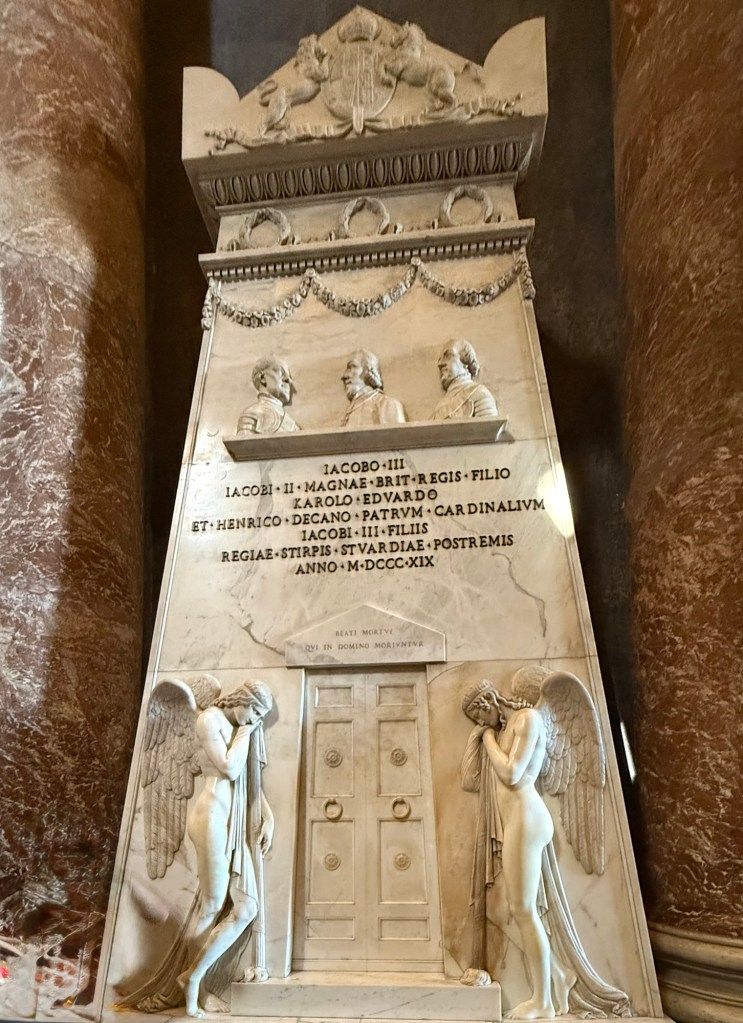
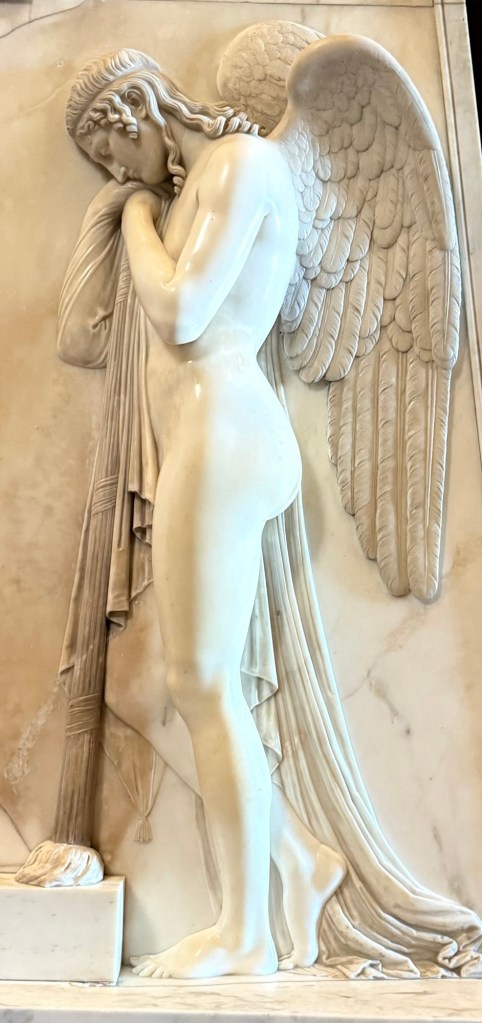
Scottish Connection: The tombs of three Jacobite pretenders—James Stewart (the Old Pretender), Charles Edward Stewart (Bonnie Prince Charlie), and Henry Benedict Stewart—are located here, serving as their final resting place.
Rome – St Peter’s Square, Vatican Museums and Sistine Chapel
By Paul Bryers
Today commenced with an 8 am (first) entry to St Peter’s Square, the Vatican Museums, and the Sistine Chapel, lead by Headcount’s English Guided Tour.
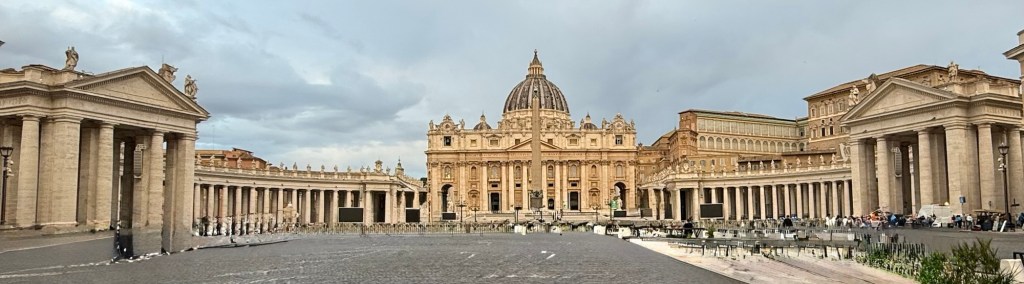
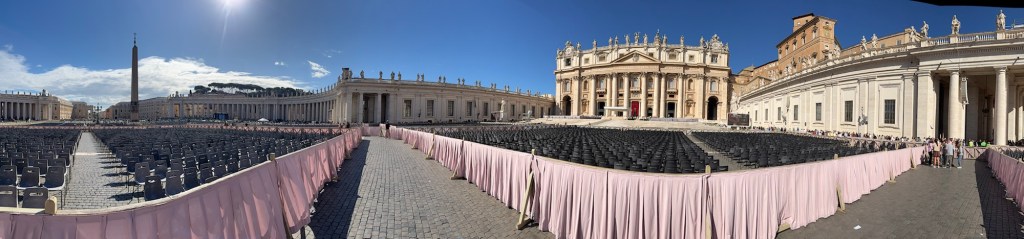
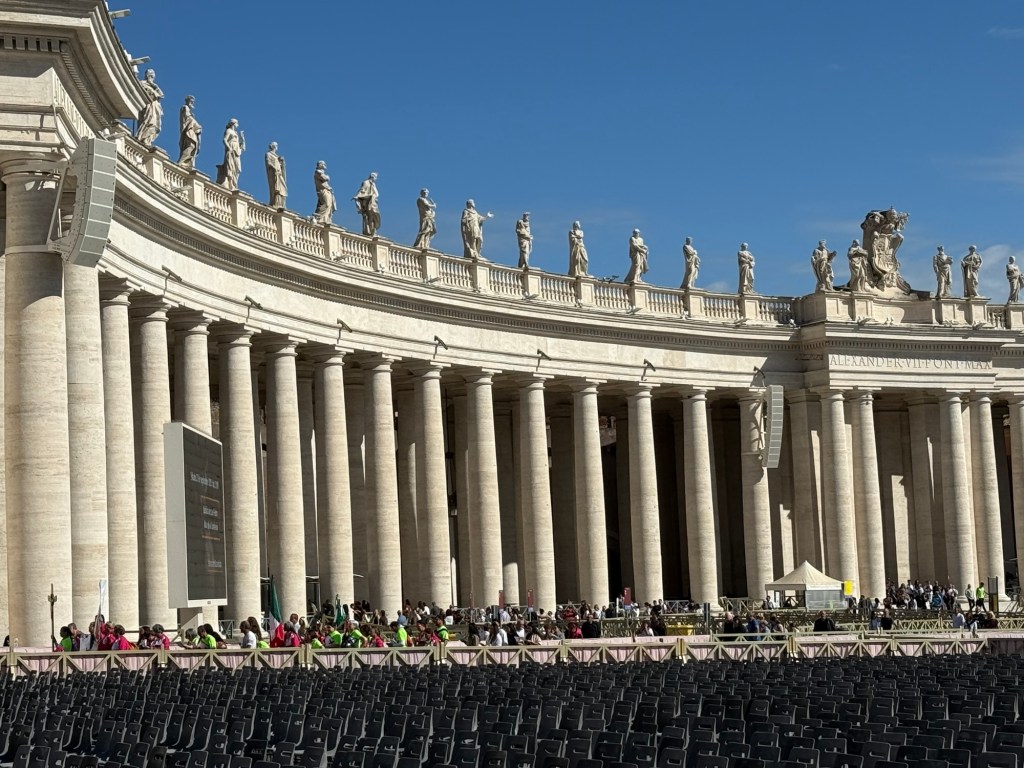
Prior to our entry, the square was relatively quiet, allowing for a profound appreciation of the Basilica’s symmetrical arched colonnades, topped with 140 judging Saints, which encircle one in the embracing arms of the Catholic Church. The design is indeed ingenious.

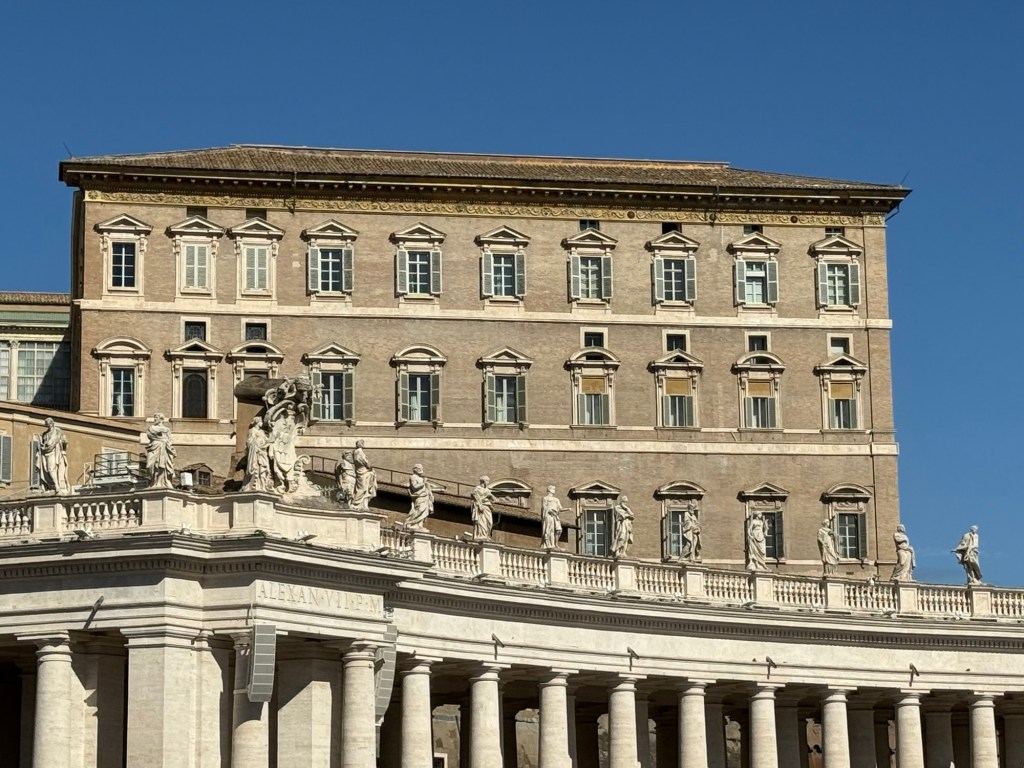
The Pope’s Official residence is depicted below. The window on the right, top floor, is the Pope’s bedroom and on its left is the Pope’s Office where he often greets visitors and offers them tea or coffee and perhaps a chocolate biscuit, if you’re lucky.
The Vatican Museums comprise a collection of intricately designed rooms, depicting biblical stories painted by 15th and 16th Century artists such as Angelo and Raphael.
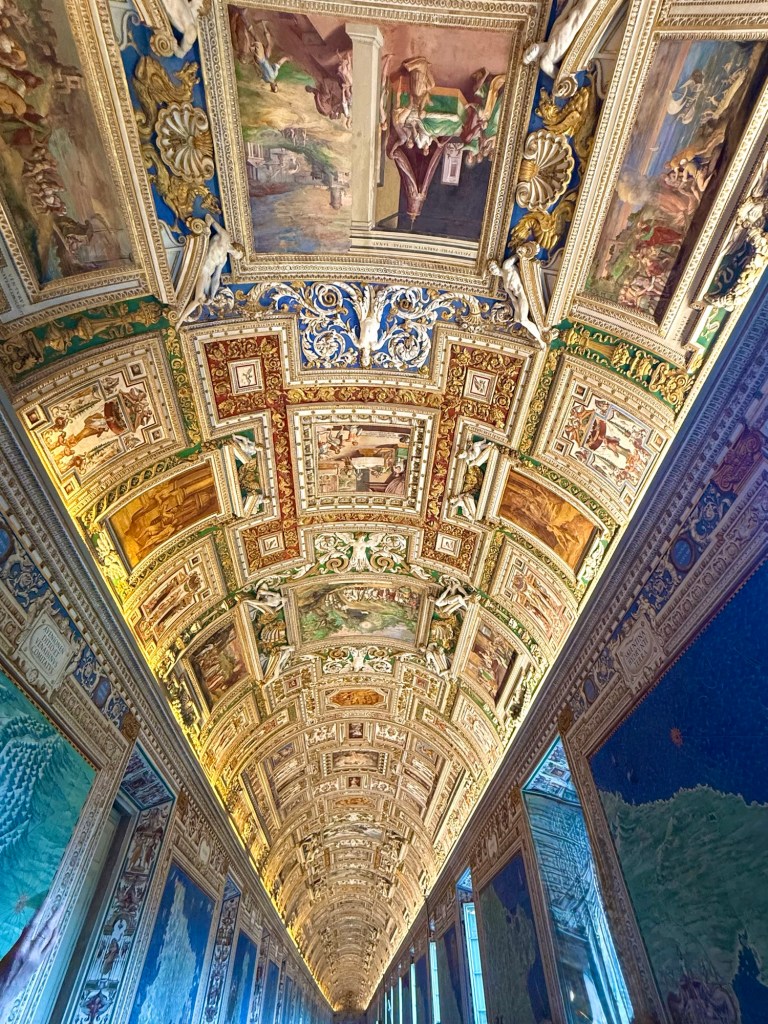
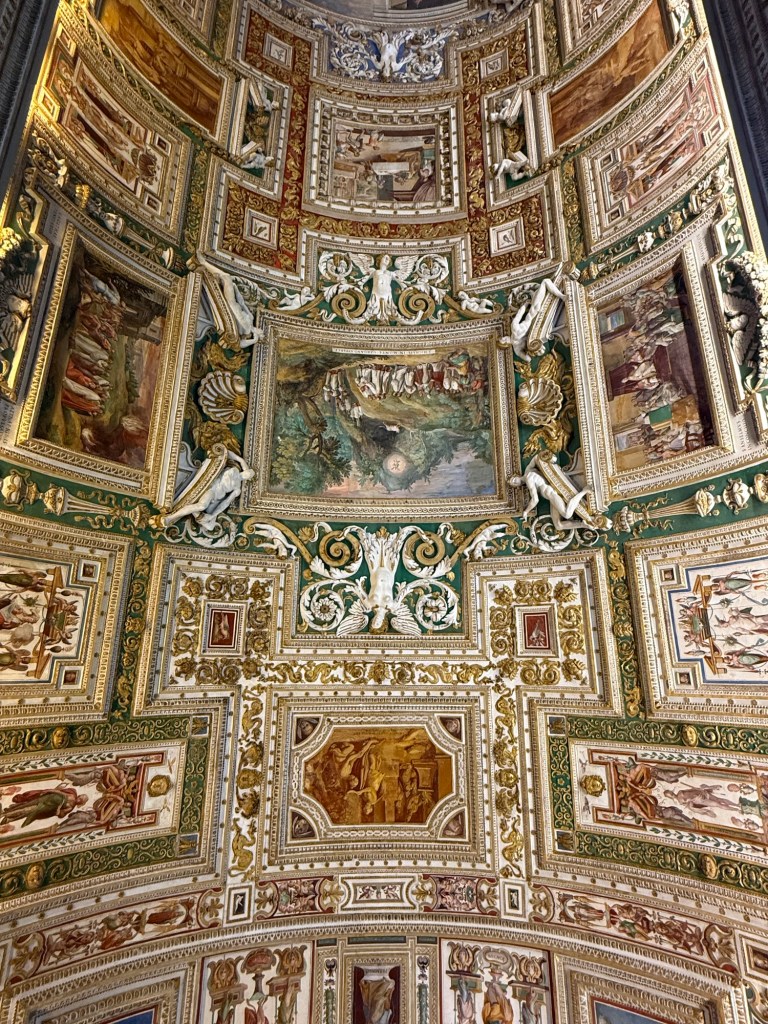

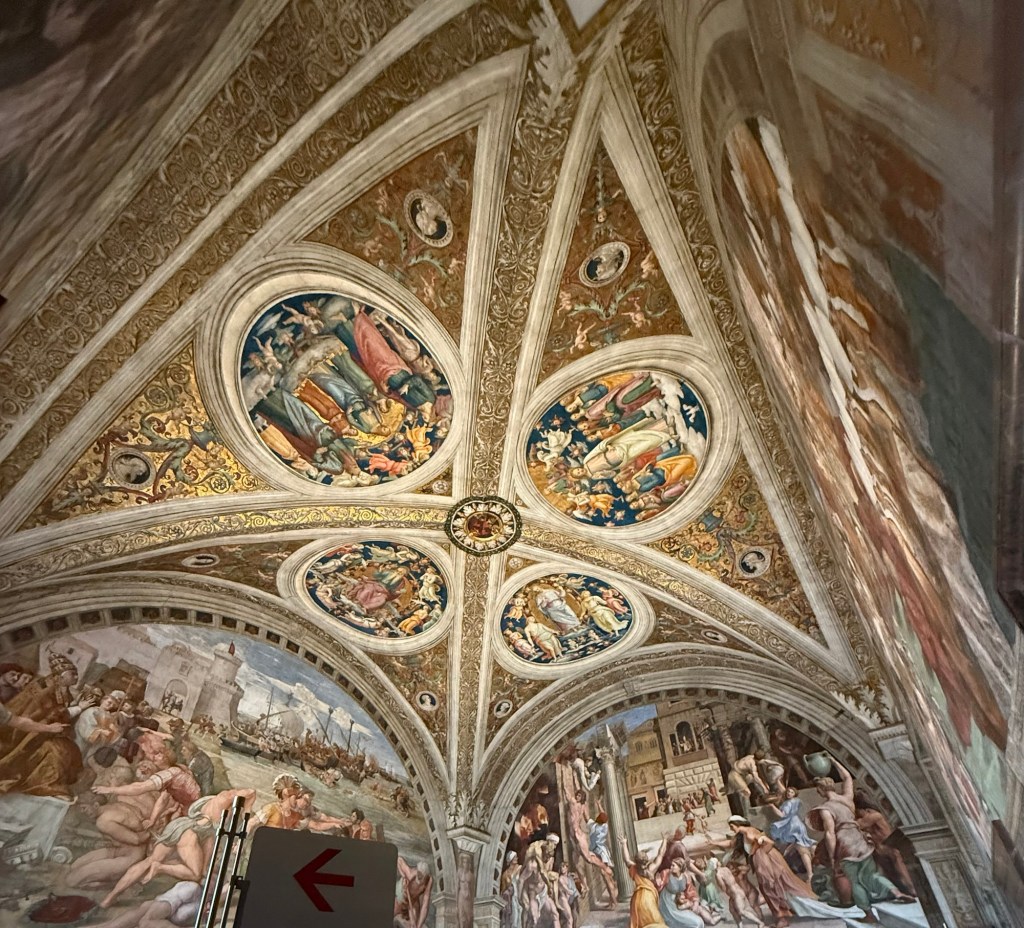
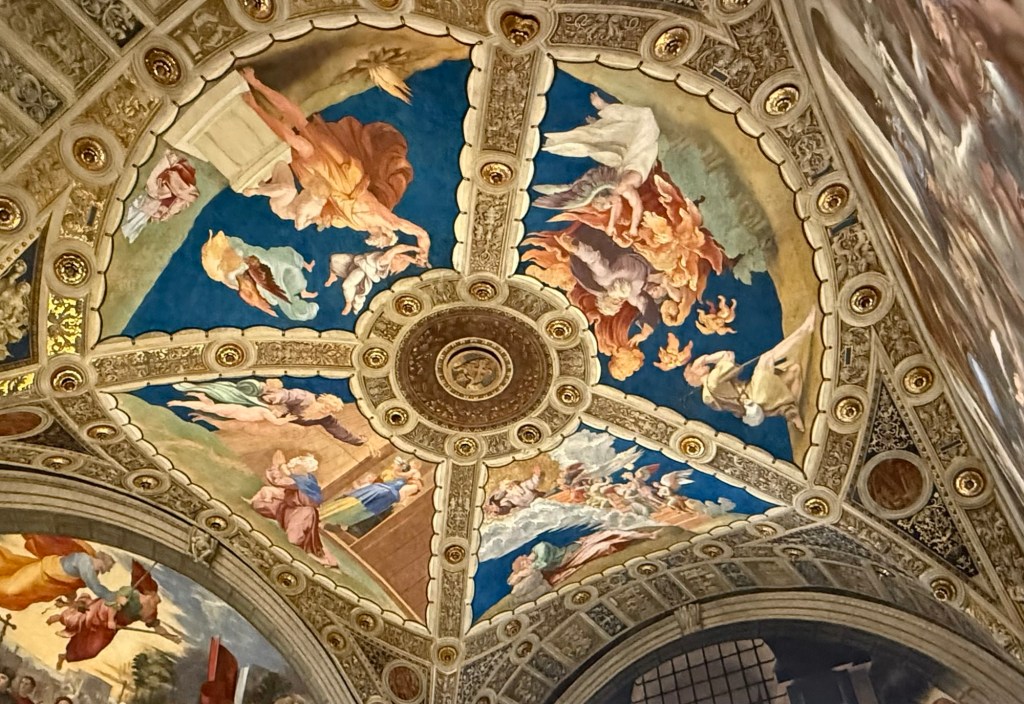
The stunning architecture is breathtaking, particularly the way light filters through the stained glass.
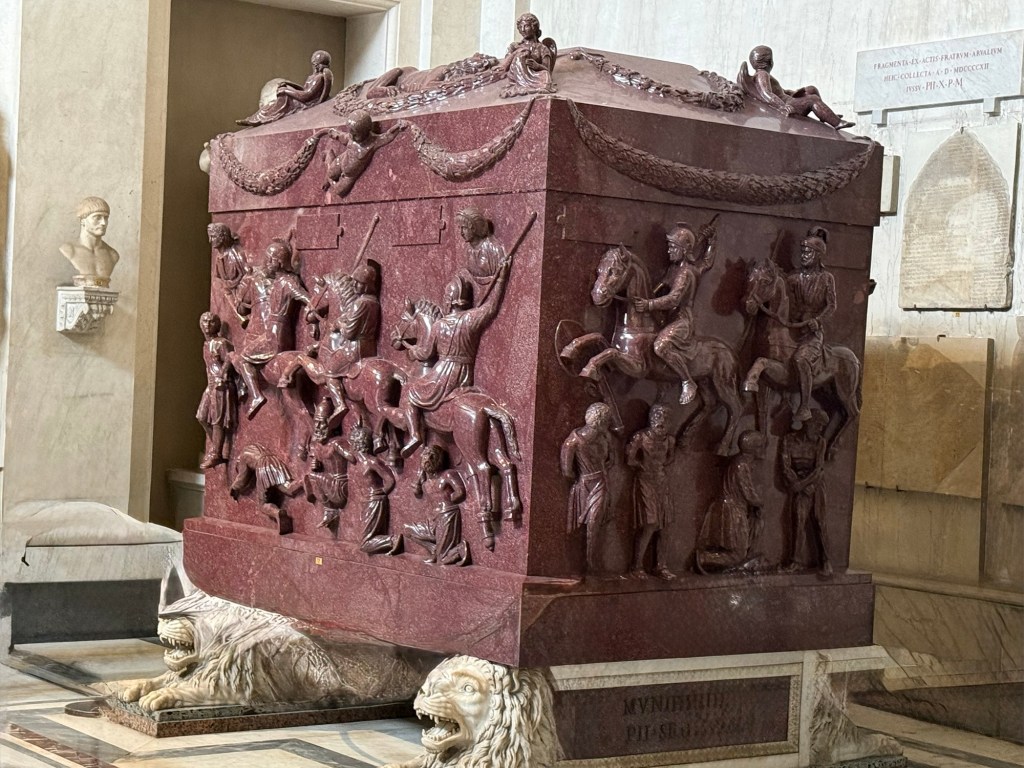
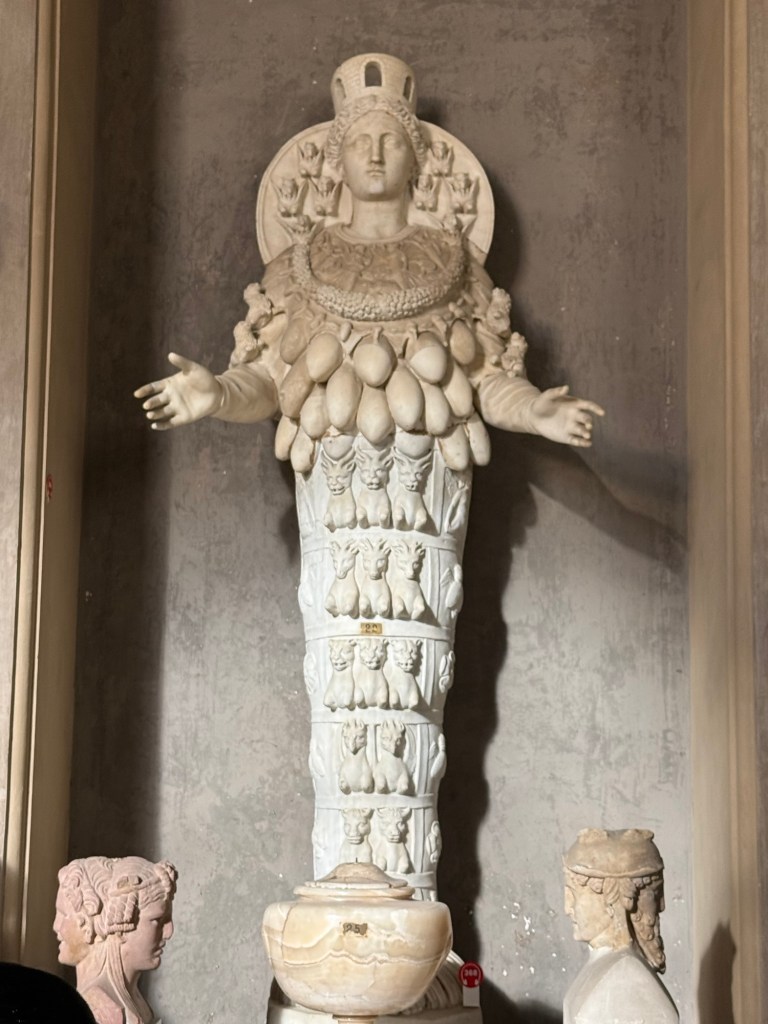
The museums feature numerous remarkable paintings, tapestries, and sculptures.
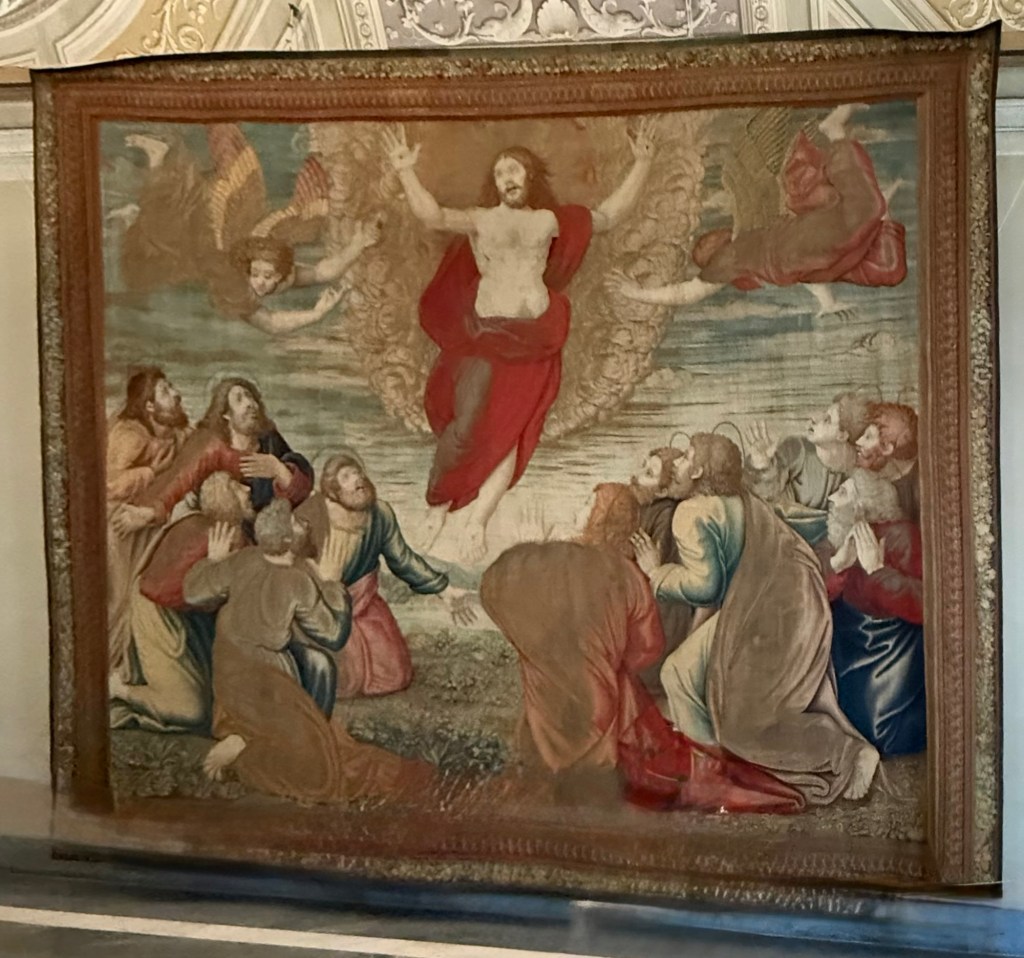

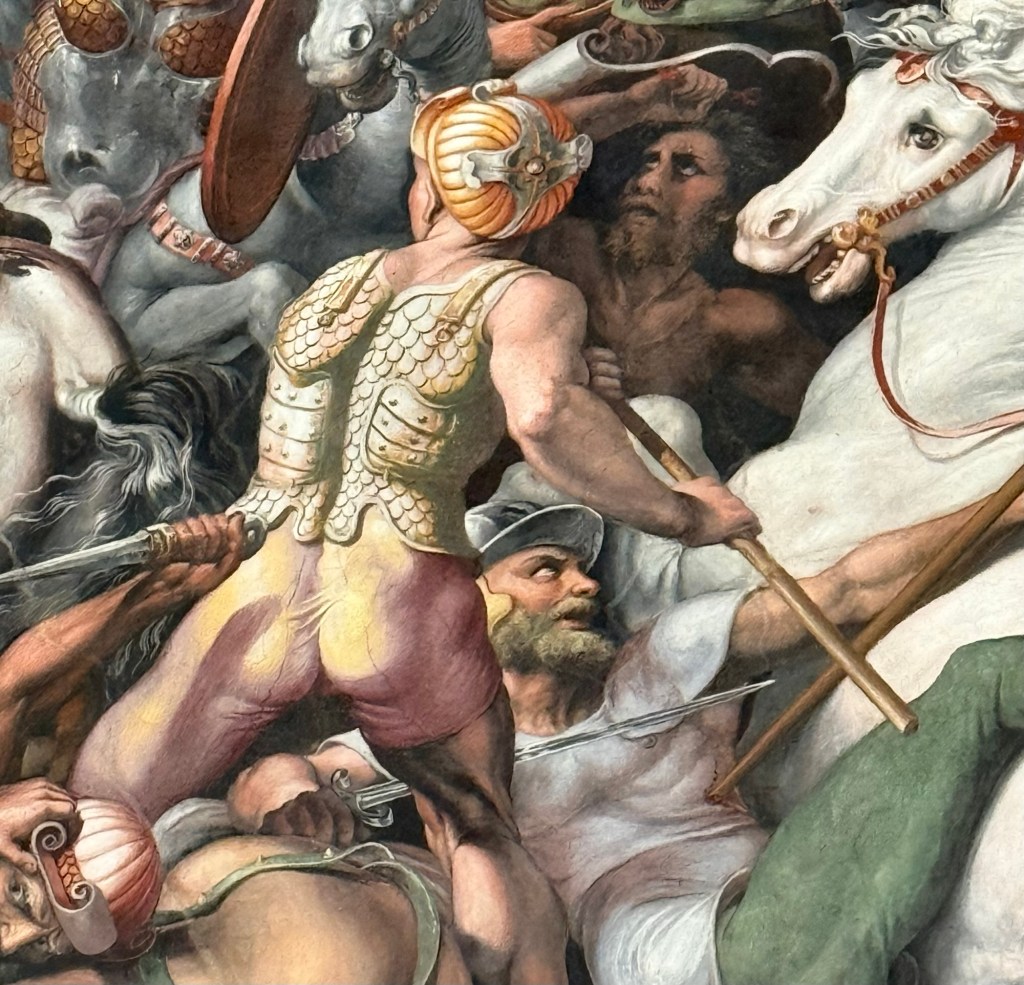
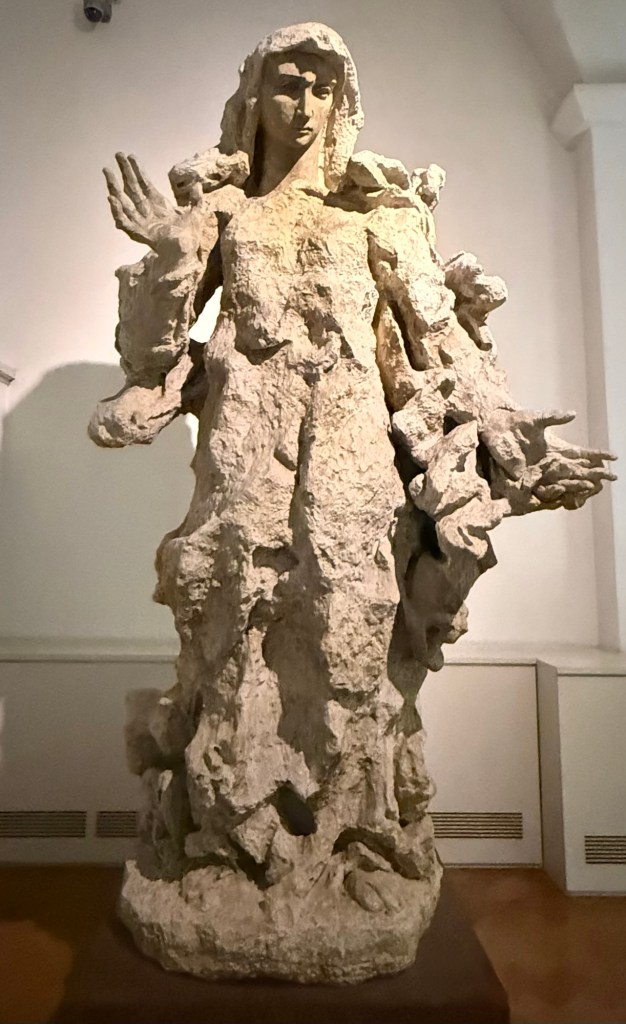
The Sistine Chapel is, of course, a highlight. Here is depicted an outside wall of this huge Chapel where Popes are chosen behind closed doors. The second photo shows where the temporary chimney is erected during Papal Elections – just below the black lightning rod.
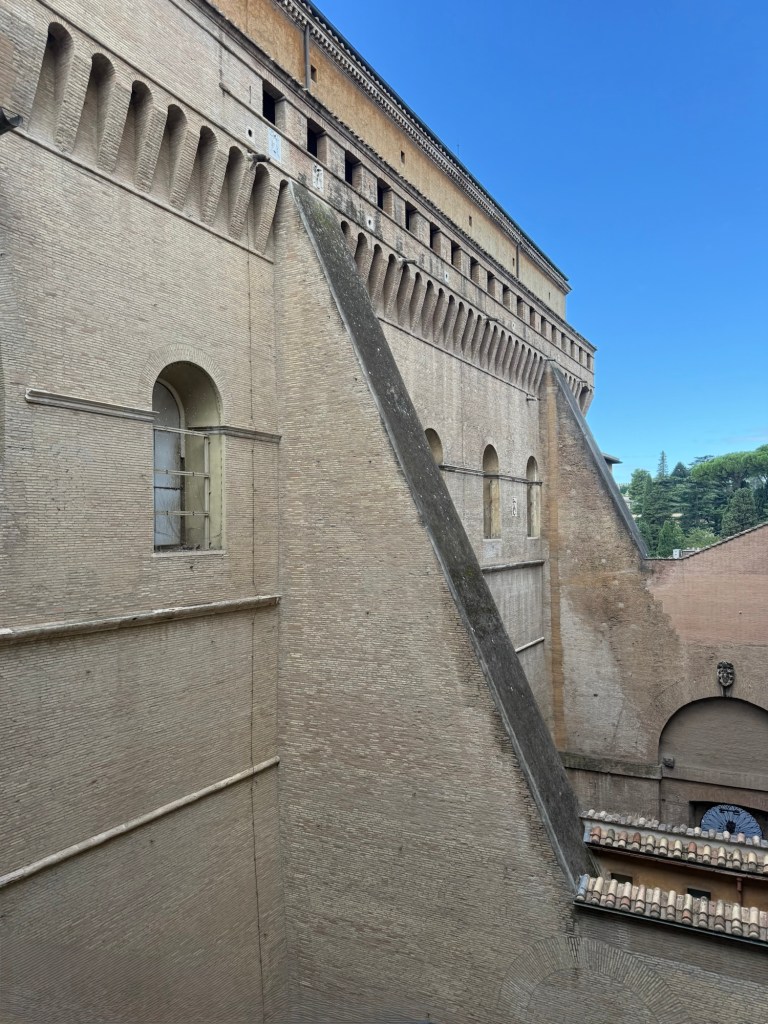

Please note that none of the photos from within the Chapel are mine, as photography is forbidden. Notwithstanding this prohibition, some visitors take photos and all commit the cardinal sin of talking in unhushed voices.
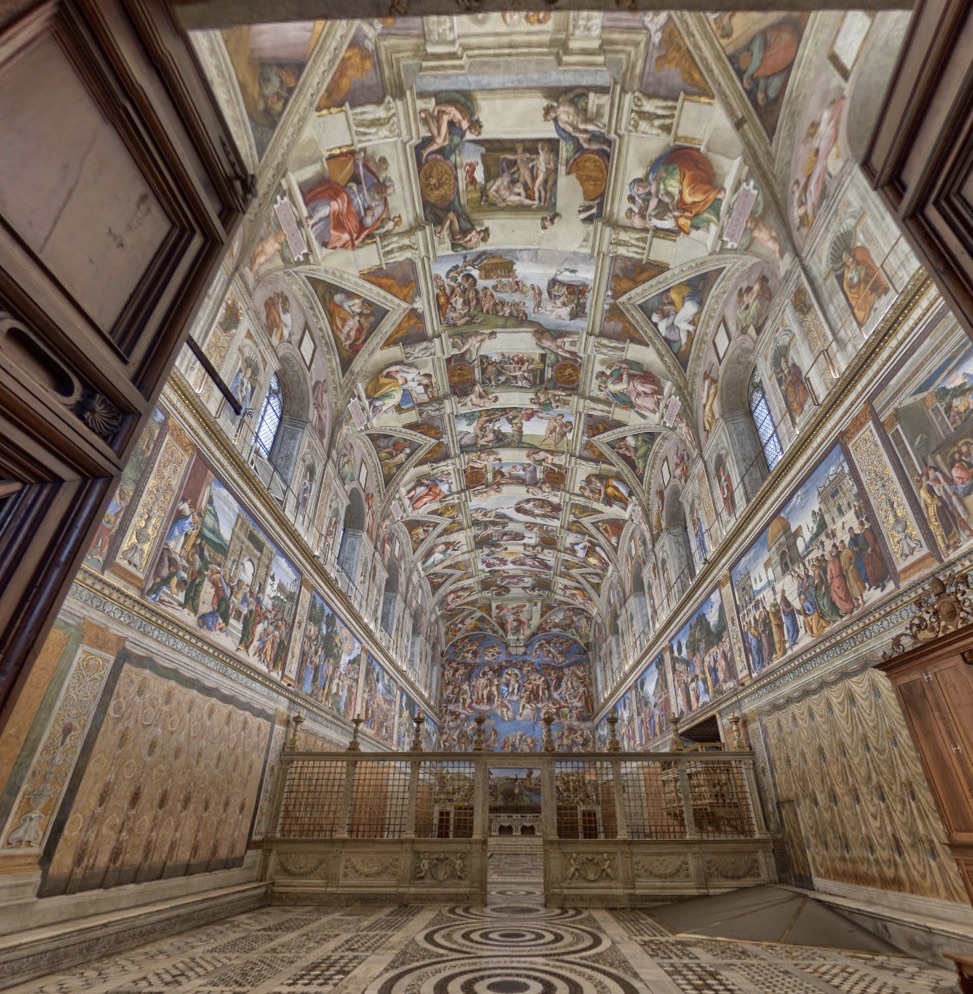
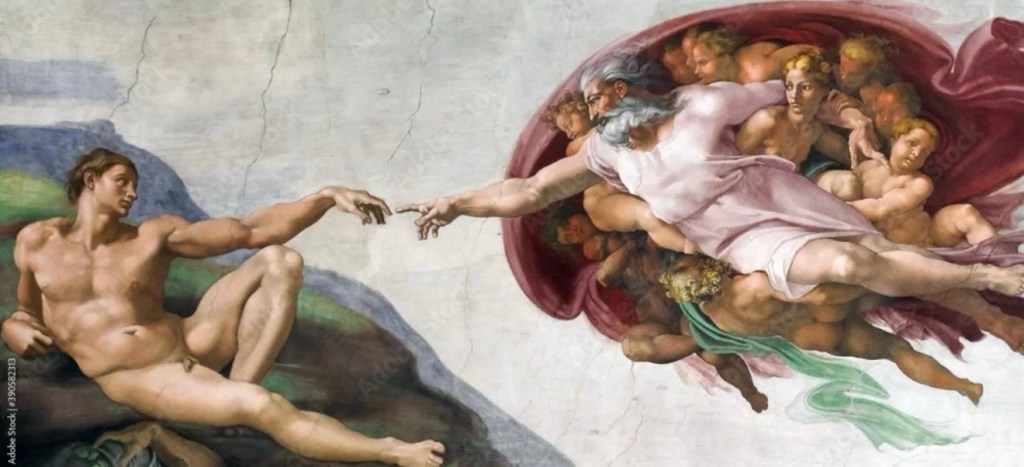
Michelangelo’s ceiling is a masterpiece of divine creativity, with his depiction of the Creation of Adam perfect. There is something mesmerizing about His portrayal of God reaching out to touch Adam’s hand, humanity not quite being touched by divinity. But it is, is it not? Is there a Big Bang between those fingers? Who knows?
My Scottish Bit: The Book of Kells was mentioned during the tour. Although this beautiful tome was written prior to the existence of the Catholic Church as we know it today, it is a distinctly Catholic book, likely written in Portmahomack, Northeast of Inverness, Scotland, and now housed in Trinity College, Dublin.
 seetheworldtravelblog