Day 3: Exploring Rome and Participating in Traditional Italian Cooking Classes in Castro Dei Volsci, September/October 2025

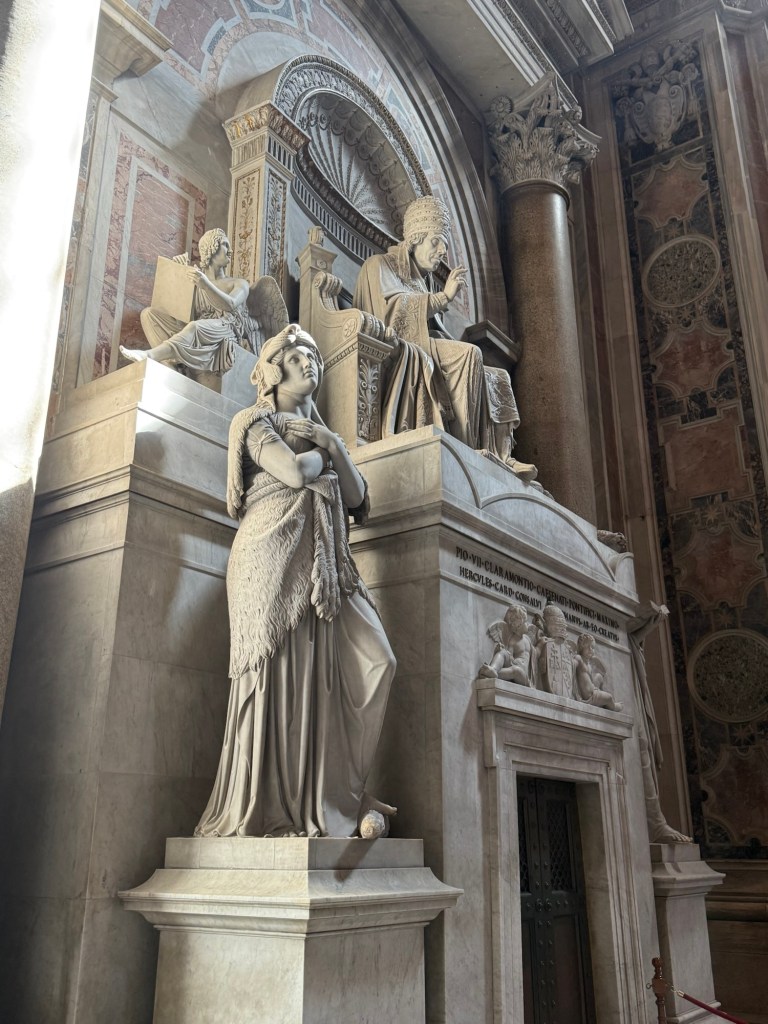
Rome – St Peter’s Basilica Popes’ Tombs and the Dome

By Paul Bryers

The construction of the Tomb of St Peter, the Basilica, commenced in 1506 and took approximately 100 years to complete.

The basilica is profoundly impressive, both externally and internally.
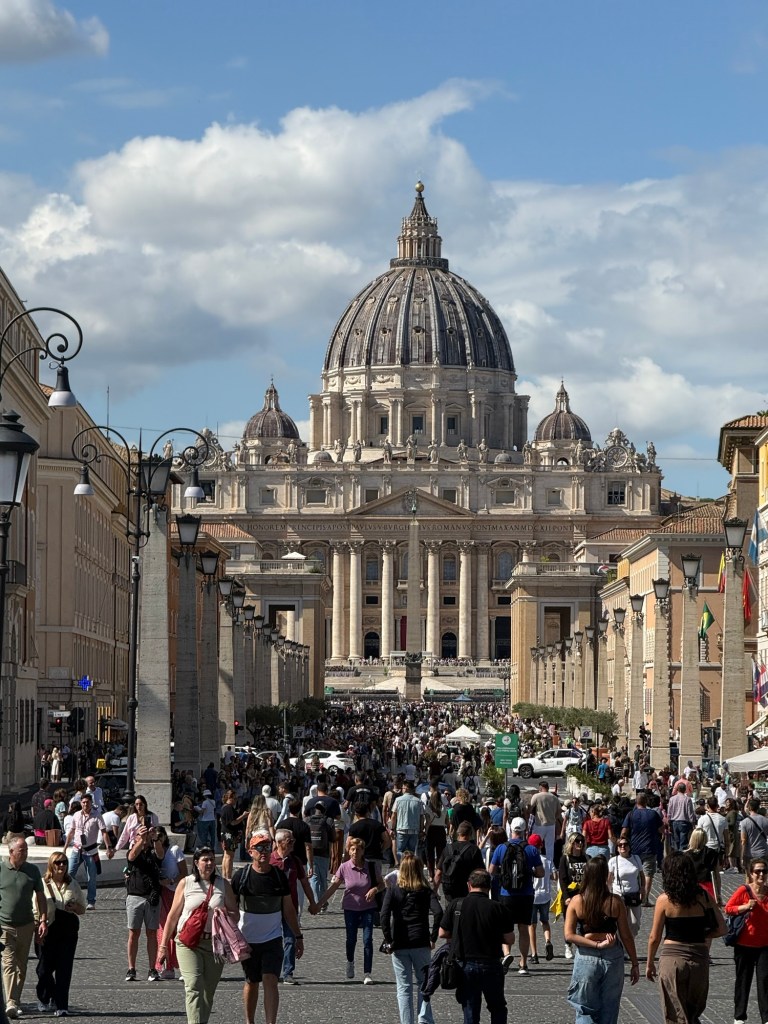
A Swiss Guard was present to maintain order, dressed in distinctive attire.

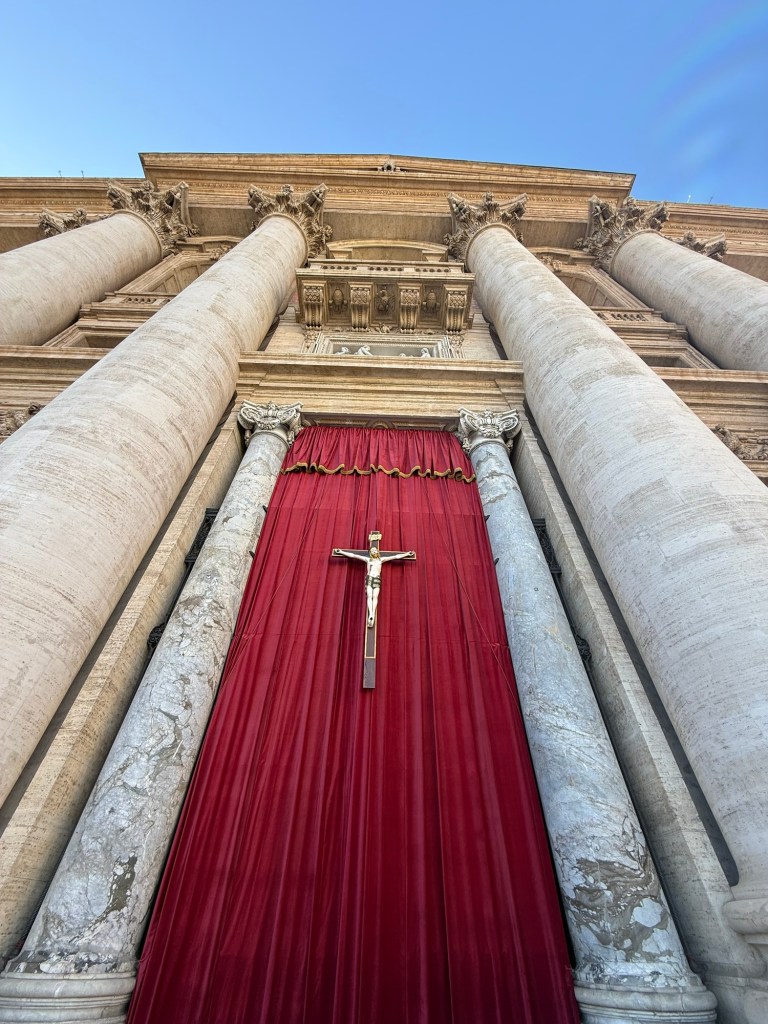
I entered through the Holy Door, a unique experience as it is only open for a short period every 25 years. According to tradition, passing through this door grants forgiveness for all sins. Mmmhhh….
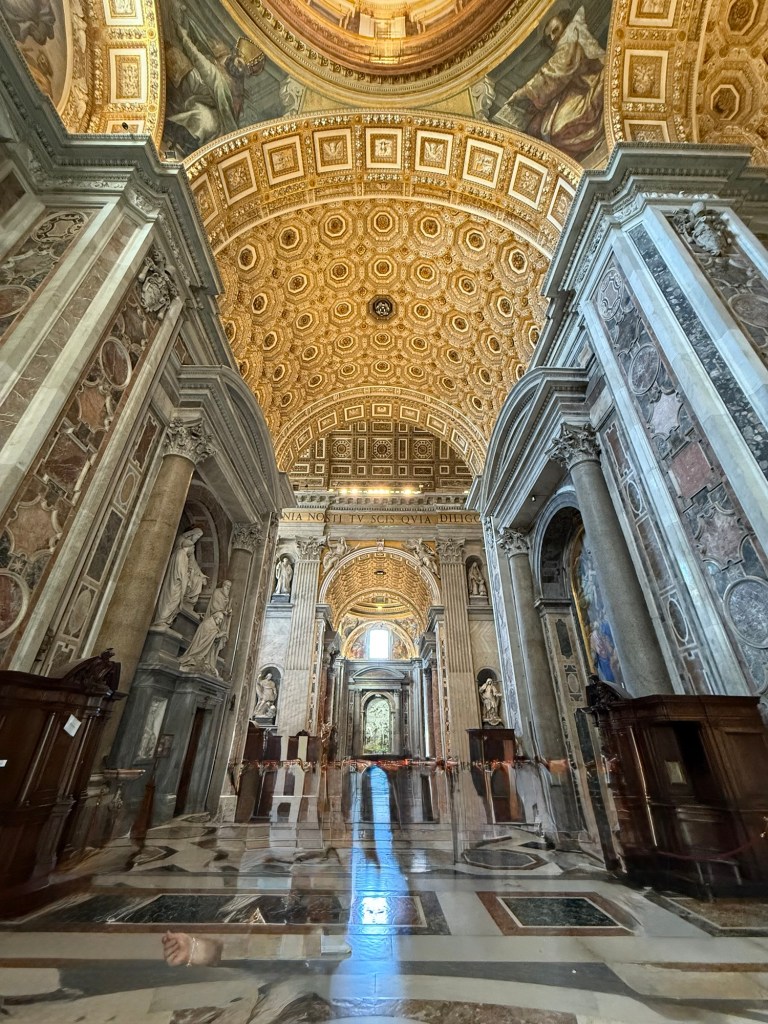
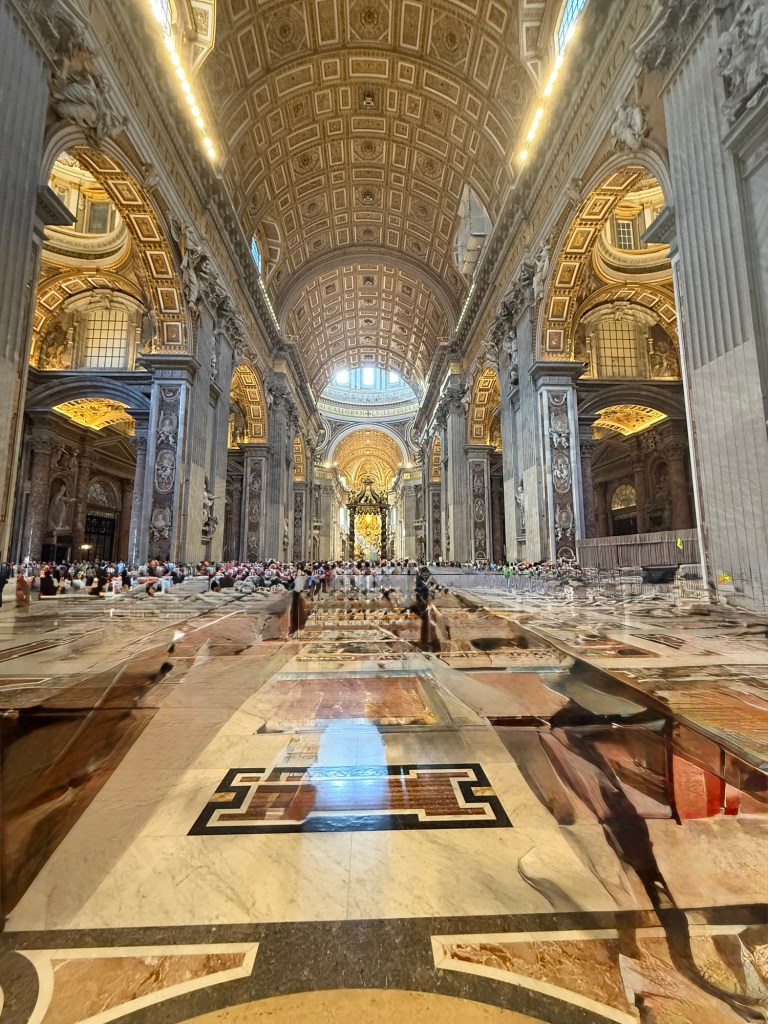
Upon entering, the main aisle provides a stunning view towards the central altar and the second altar.
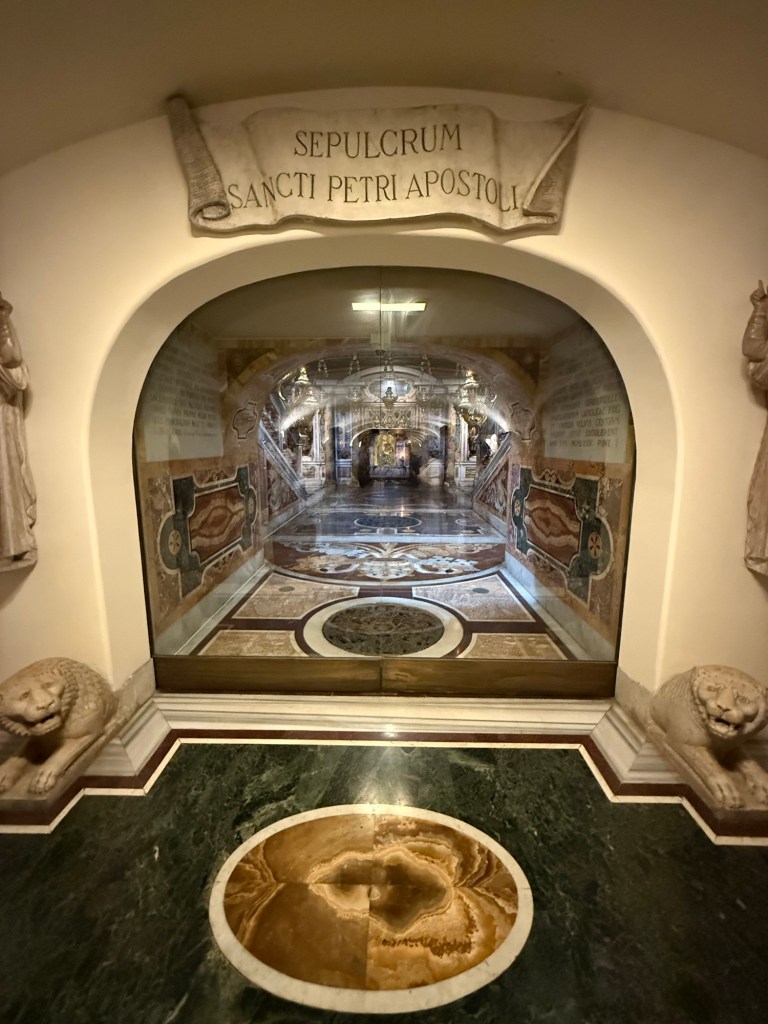
Beneath the main altar lies the tomb of St Peter, accompanied by the crypt of Pope Benedict XVI in the nearby catacombs.
Back up on the ground floor of the Basilica, early evening light streamed through windows into the second alter – a moving illumination reminding me of the fabled Illuminati.
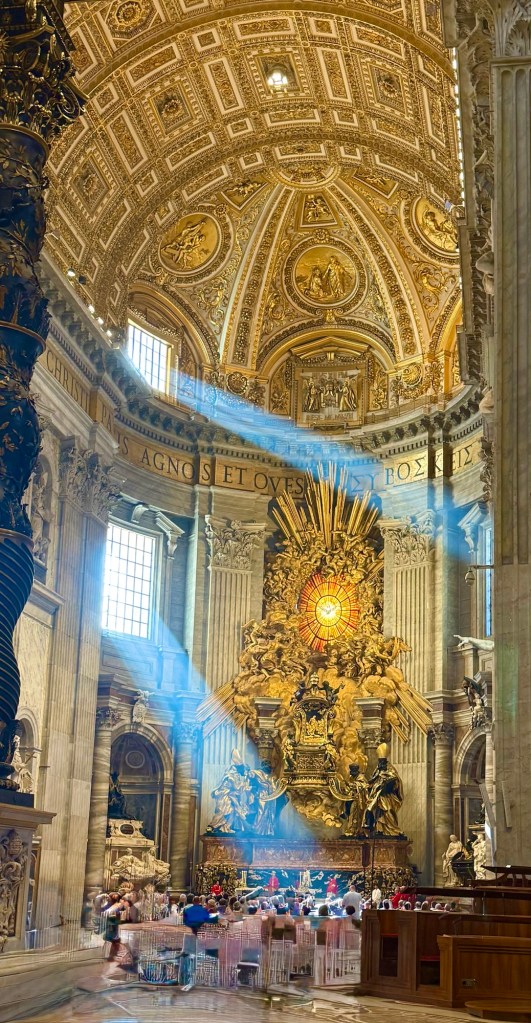
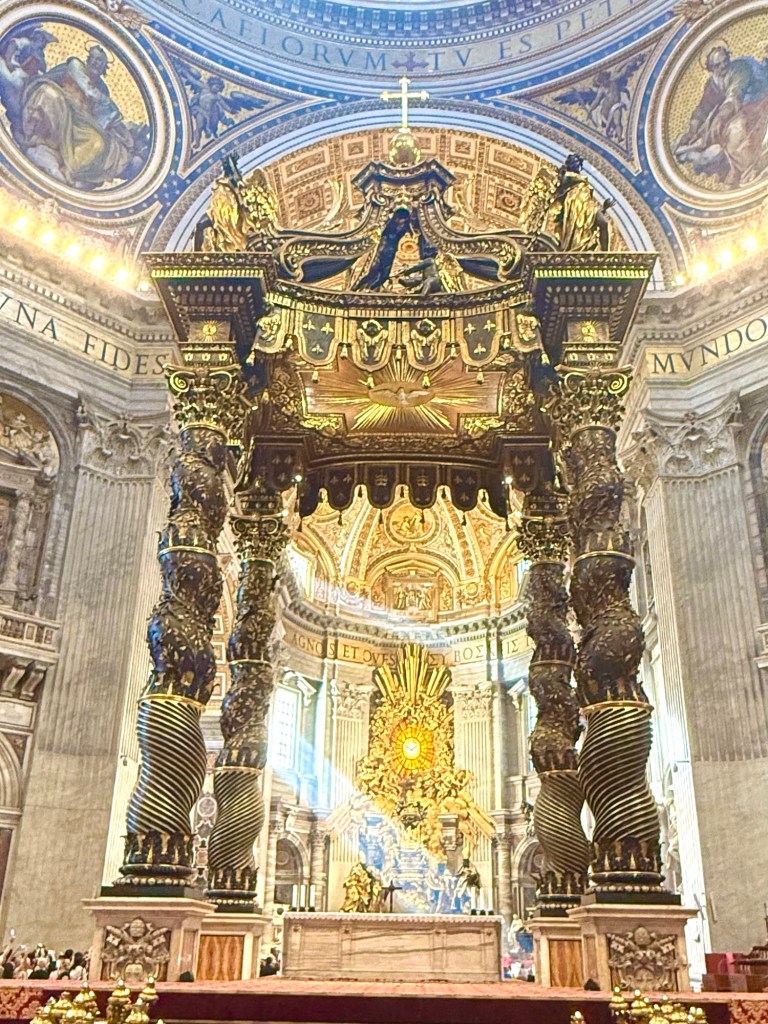
Numerous sculptures, paintings and mosaics depict Biblical history.

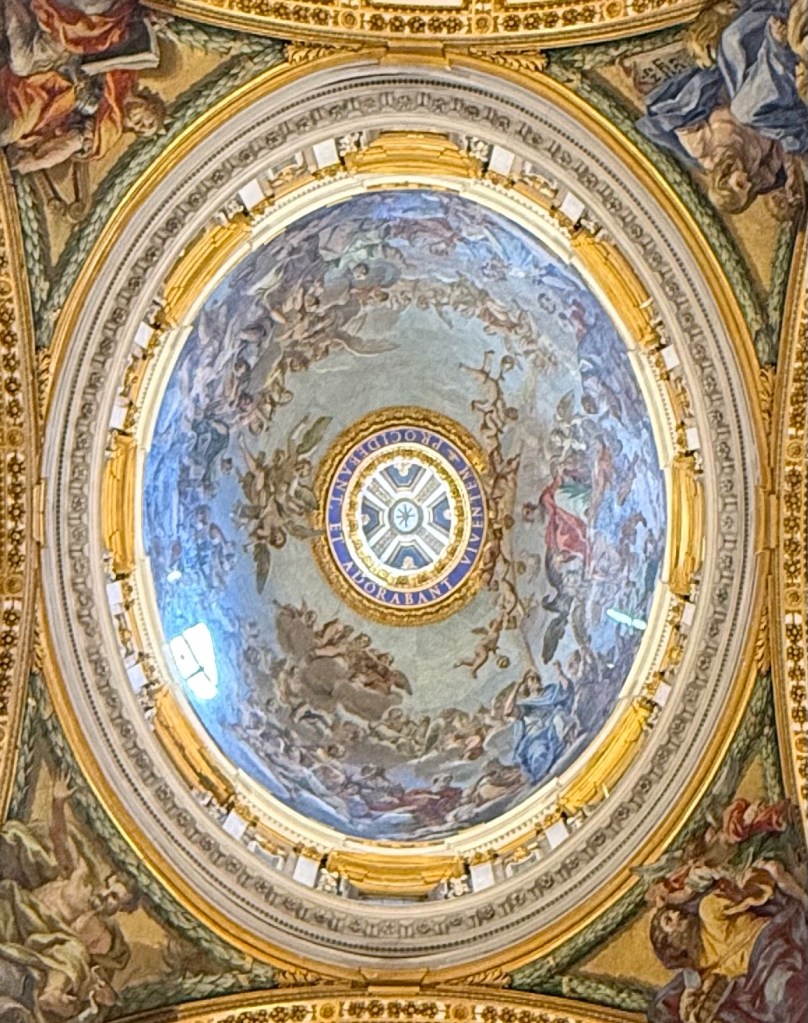
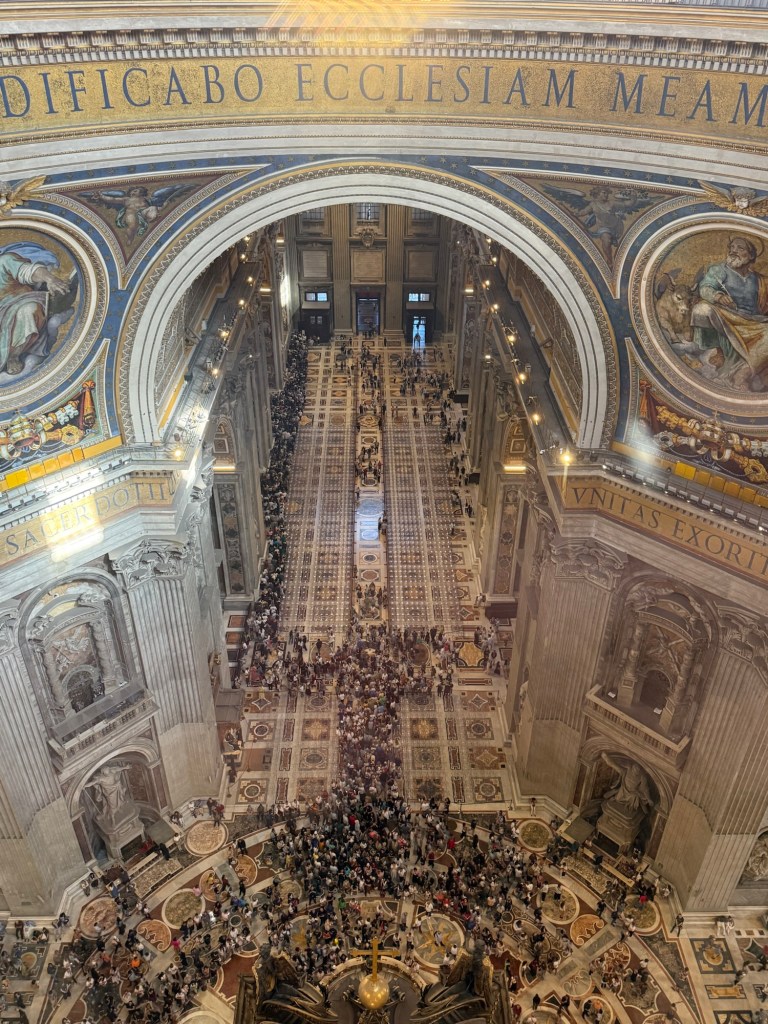
The intricate and ornate ceilings are my favorite artistic features, shining down on the masses below.
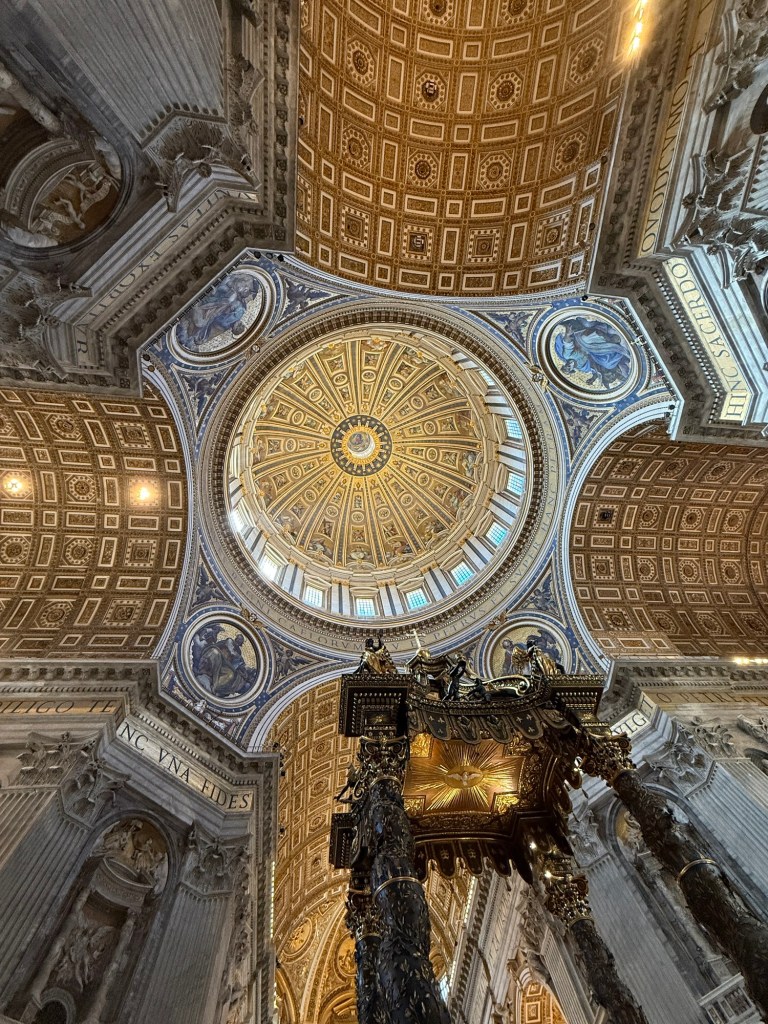
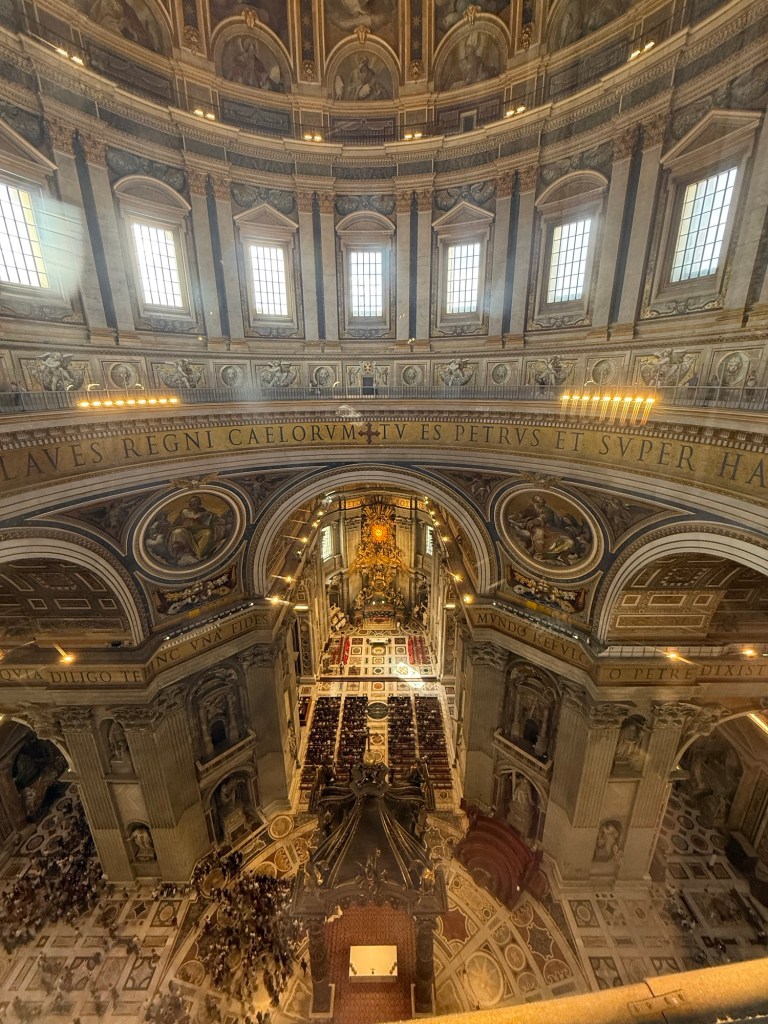
To gain a new perspective, I climbed to the base of the dome, observing the crowds below.
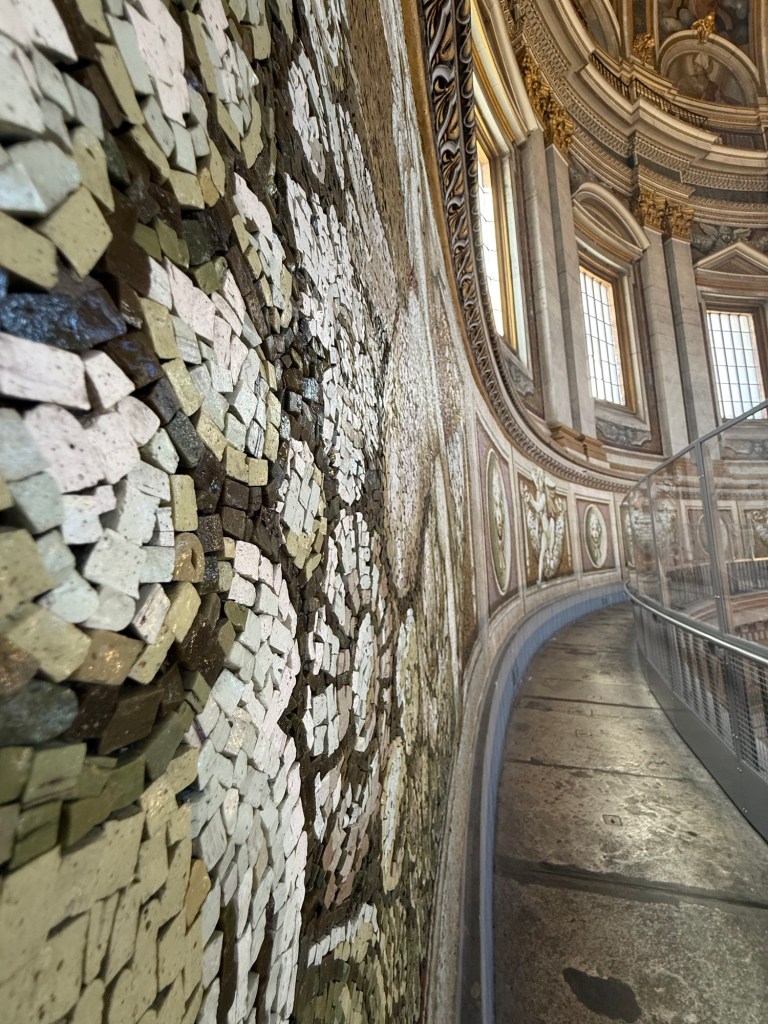
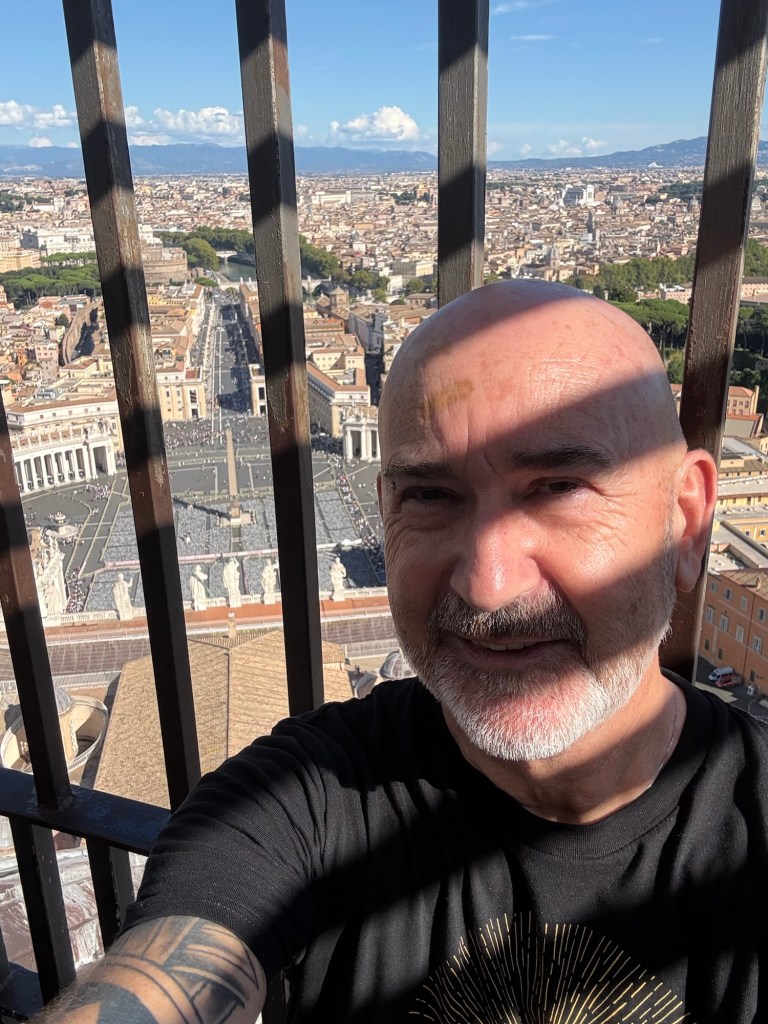
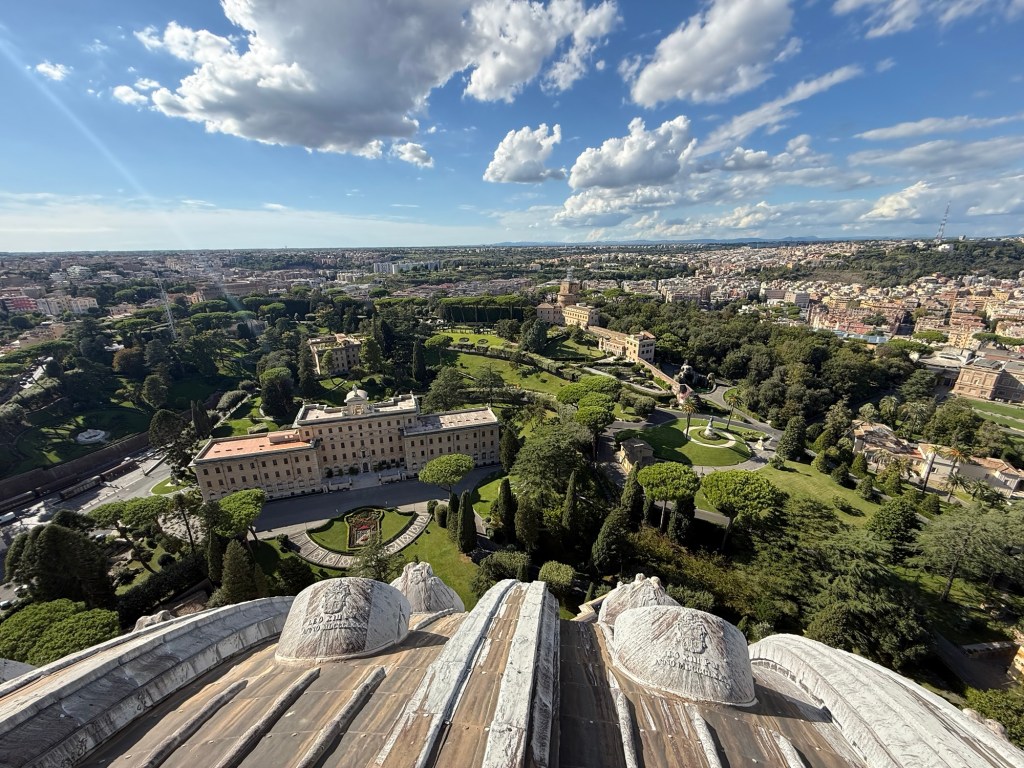
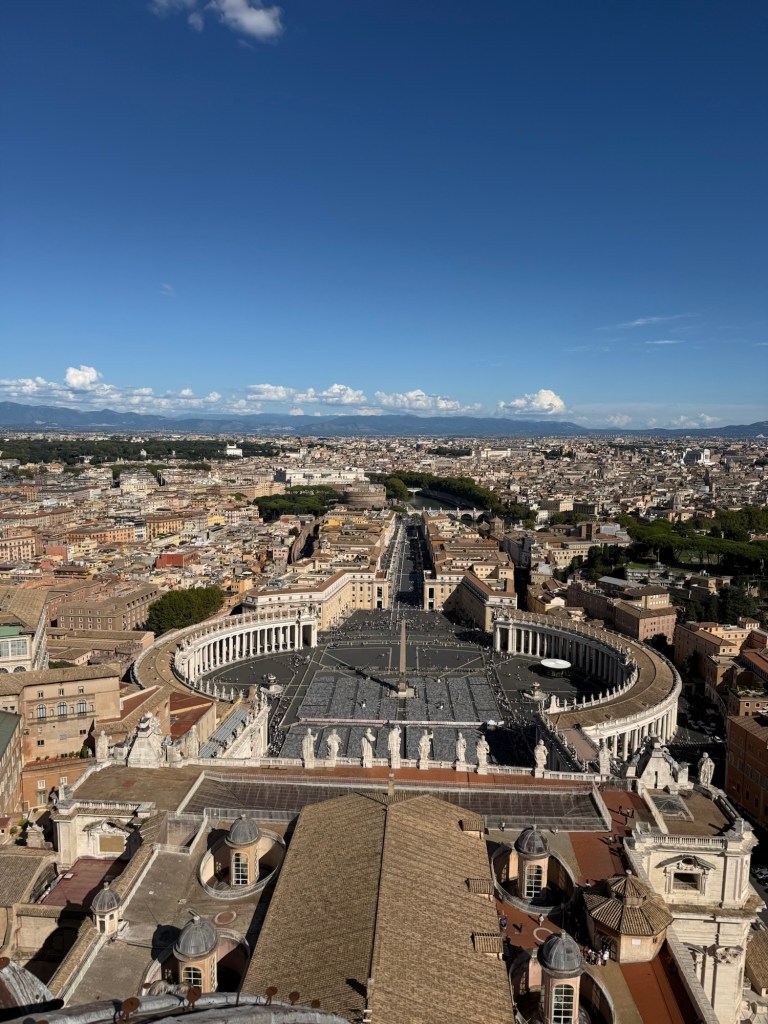
I then ascended within the dome, an unsettling experience due to the angled walkway, to reach the top for breathtaking views of St Peter’s Square and the Vatican Gardens.

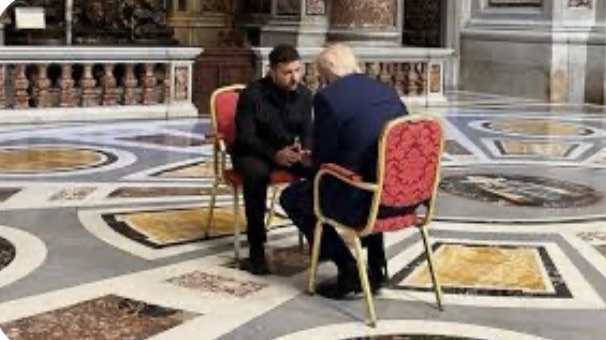
Political Note: I recognized the flooring as the location where Presidents Zelenskyy and Trump recently met to discuss the situation involving Putin.

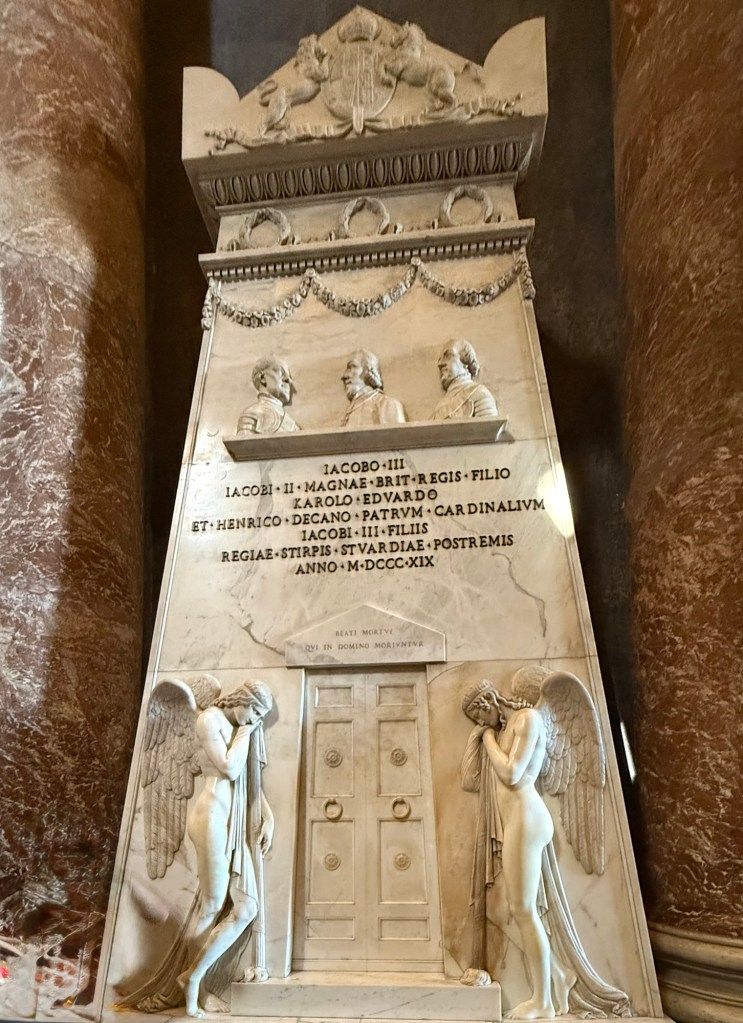
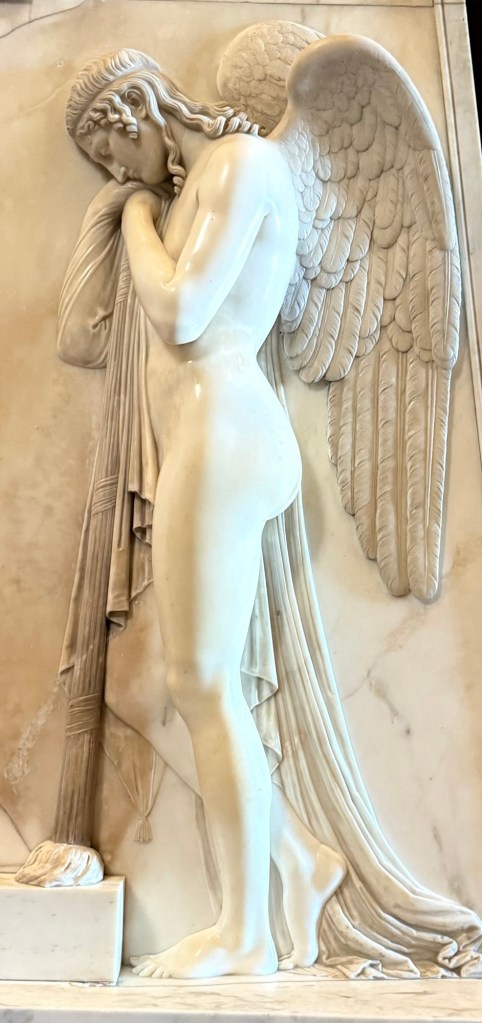
Scottish Connection: The tombs of three Jacobite pretenders—James Stewart (the Old Pretender), Charles Edward Stewart (Bonnie Prince Charlie), and Henry Benedict Stewart—are located here, serving as their final resting place.
Day 2 (#1) : Rolling Around in Rome and Traditional Italian Cooking Classes in Castro Dei Volsci, September/October 2025

Rome – St Peter’s Square, Vatican Museums and Sistine Chapel

By Paul Bryers

Today commenced with an 8 am (first) entry to St Peter’s Square, the Vatican Museums, and the Sistine Chapel, lead by Headcount’s English Guided Tour.

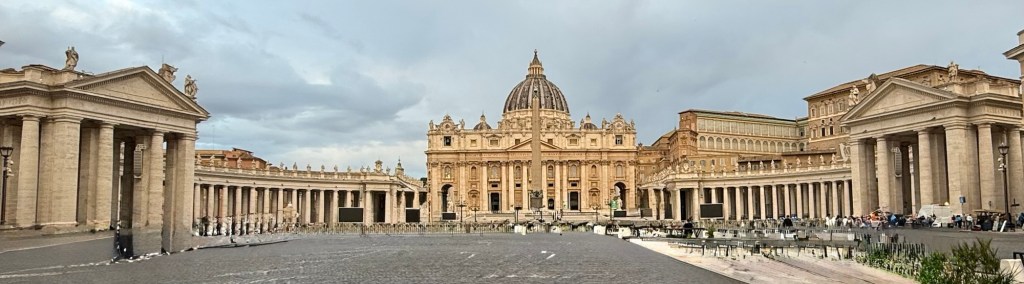
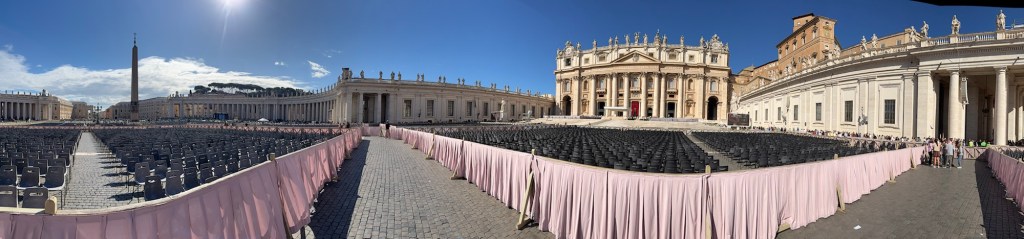
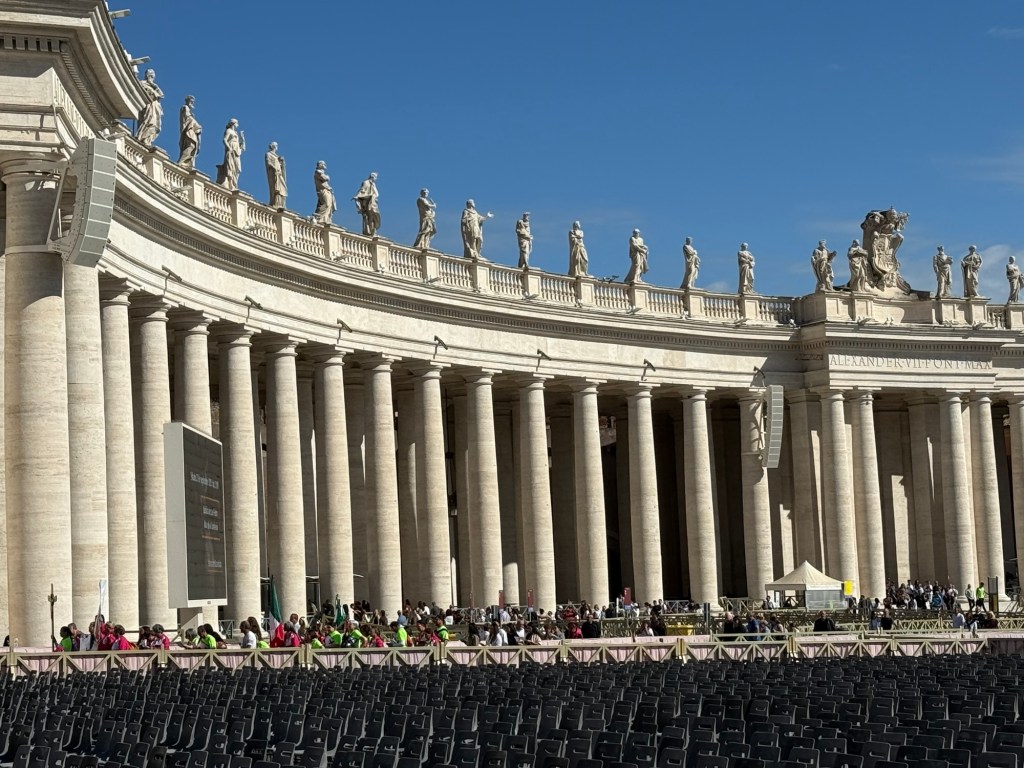
Prior to our entry, the square was relatively quiet, allowing for a profound appreciation of the Basilica’s symmetrical arched colonnades, topped with 140 judging Saints, which encircle one in the embracing arms of the Catholic Church. The design is indeed ingenious.

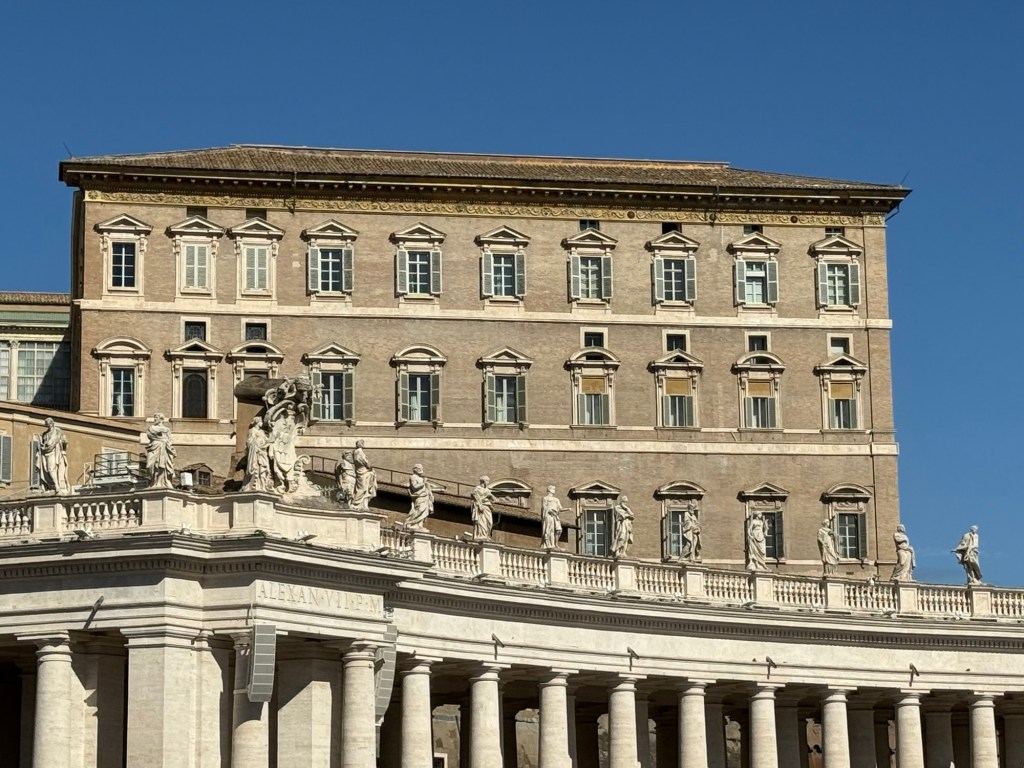
The Pope’s Official residence is depicted below. The window on the right, top floor, is the Pope’s bedroom and on its left is the Pope’s Office where he often greets visitors and offers them tea or coffee and perhaps a chocolate biscuit, if you’re lucky.

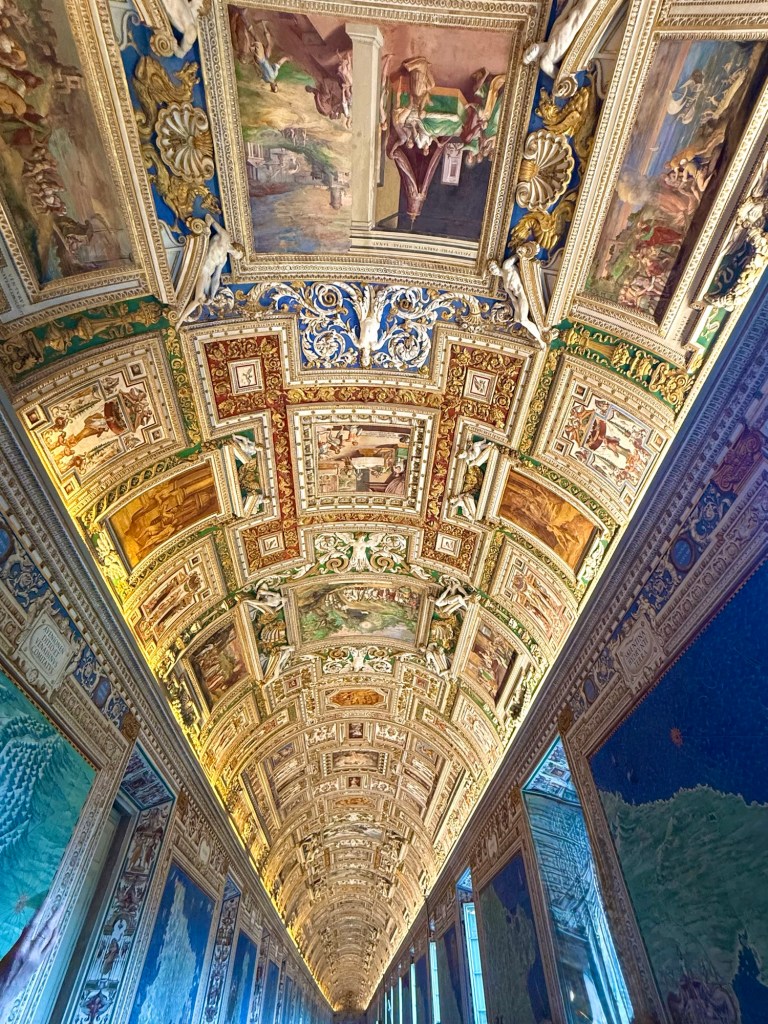
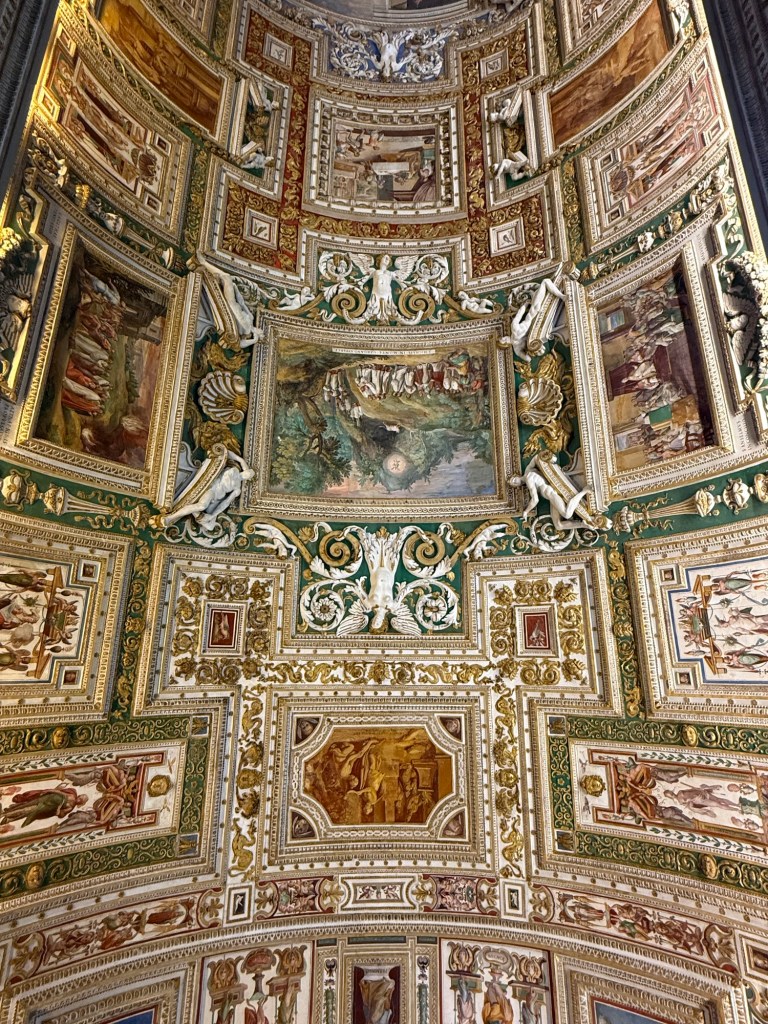
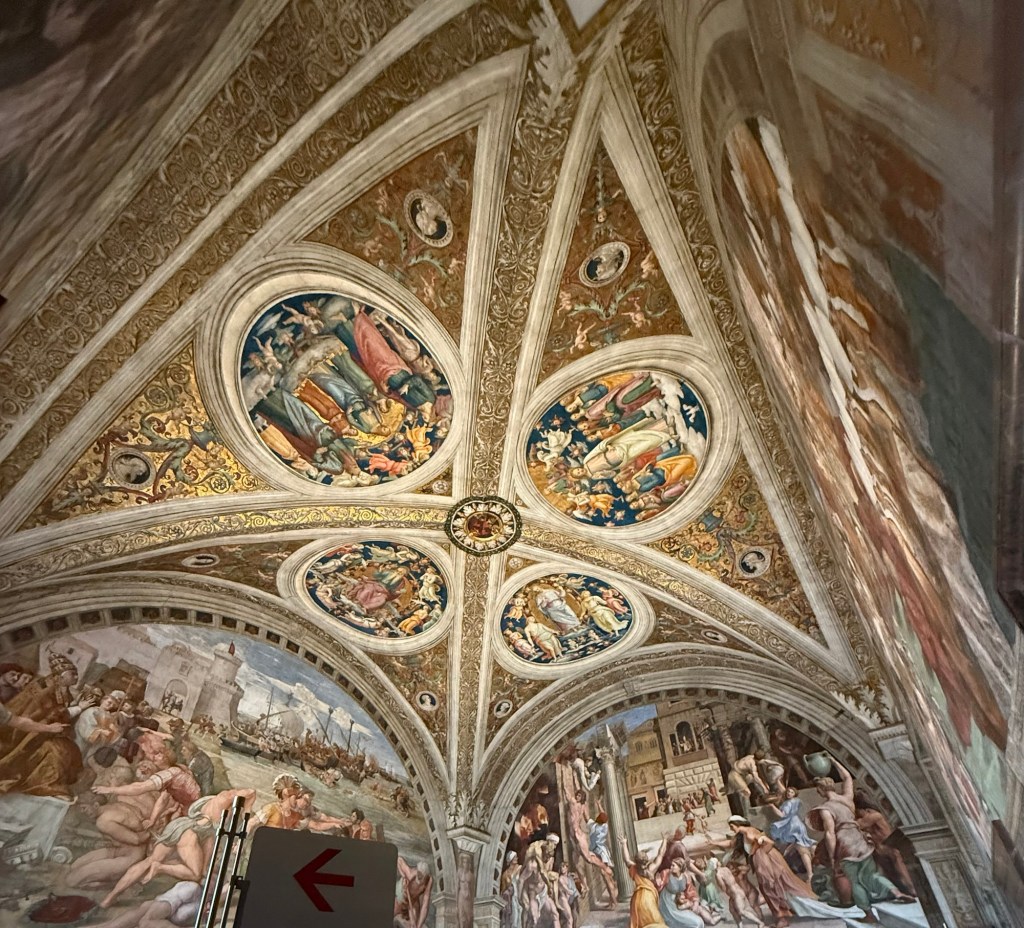
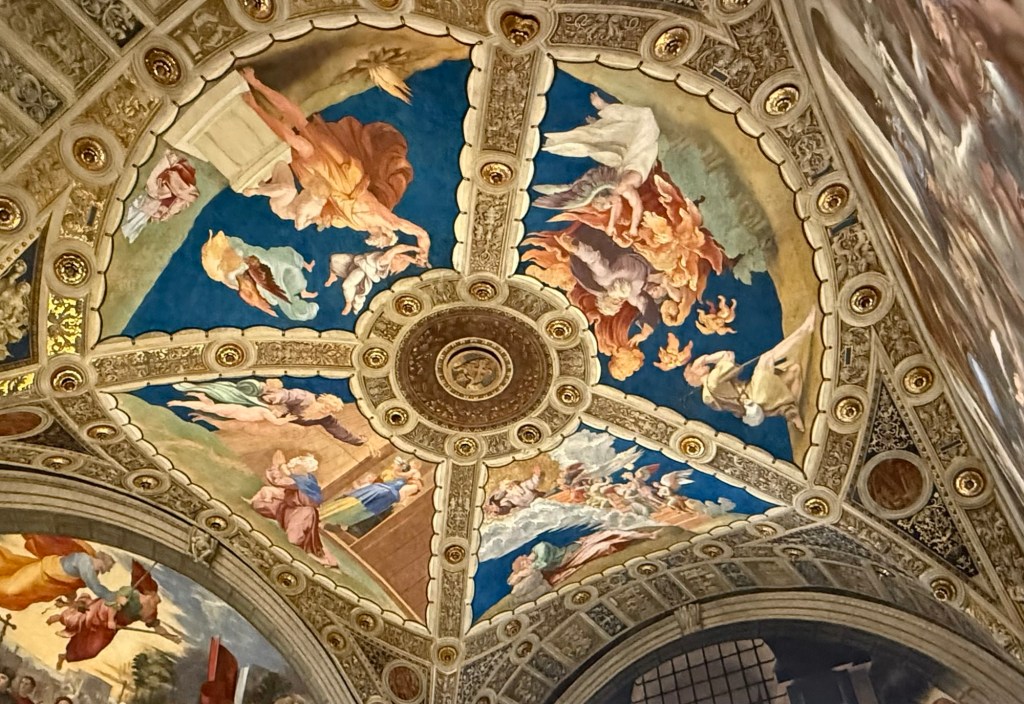
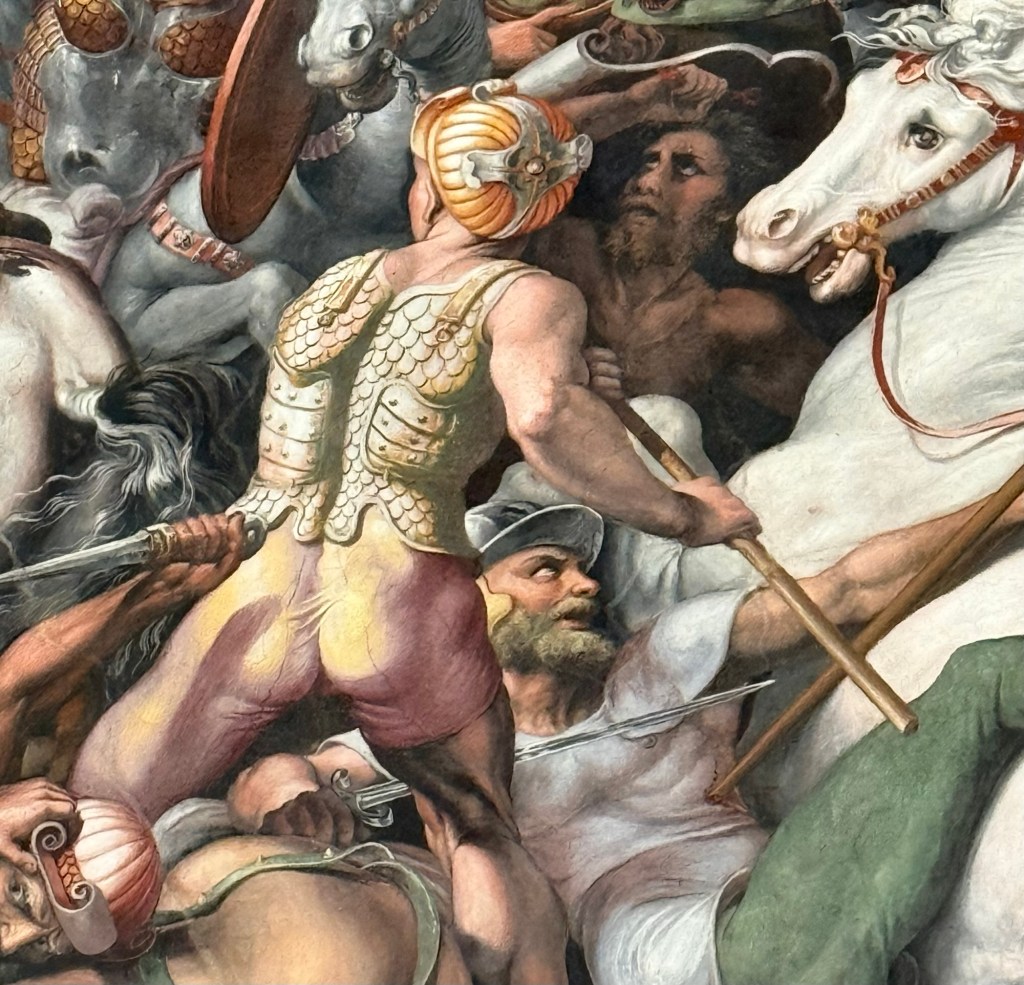
The Vatican Museums comprise a collection of intricately designed rooms, depicting biblical stories painted by 15th and 16th Century artists such as Angelo and Raphael.

The stunning architecture is breathtaking, particularly the way light filters through the stained glass.

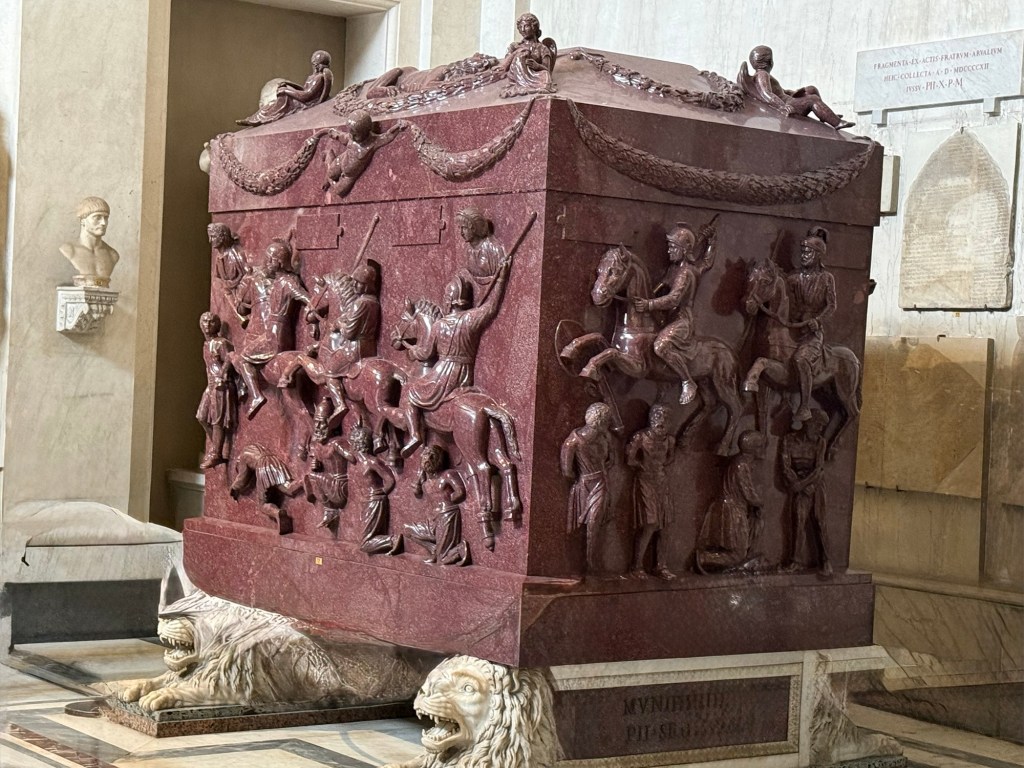
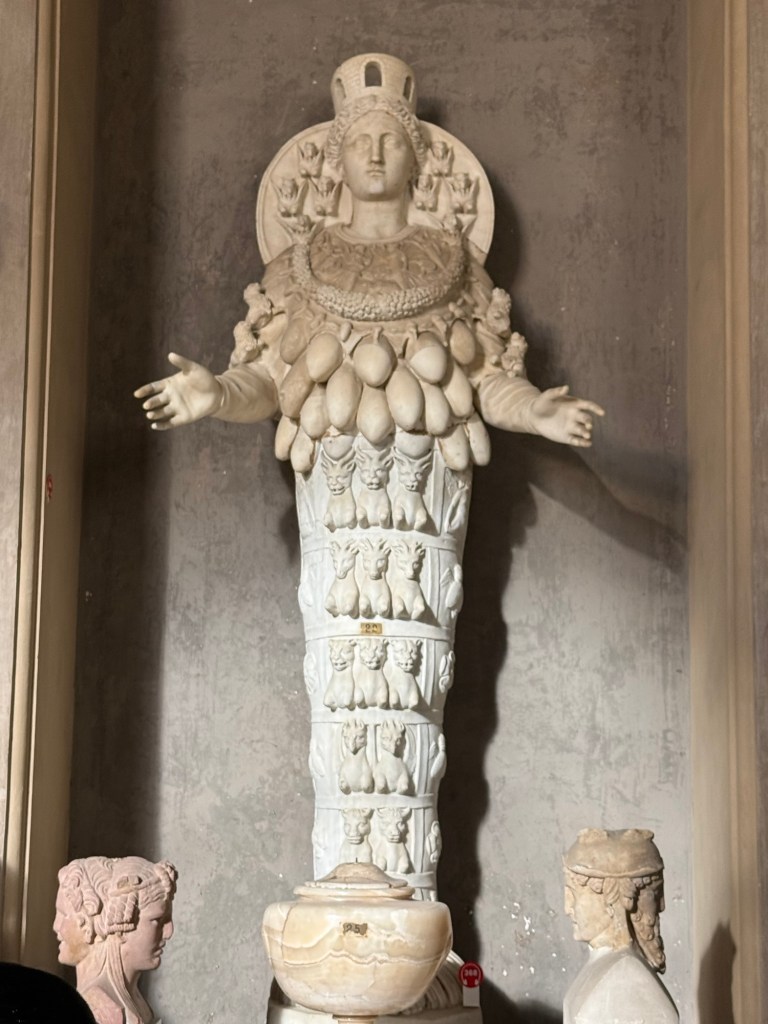
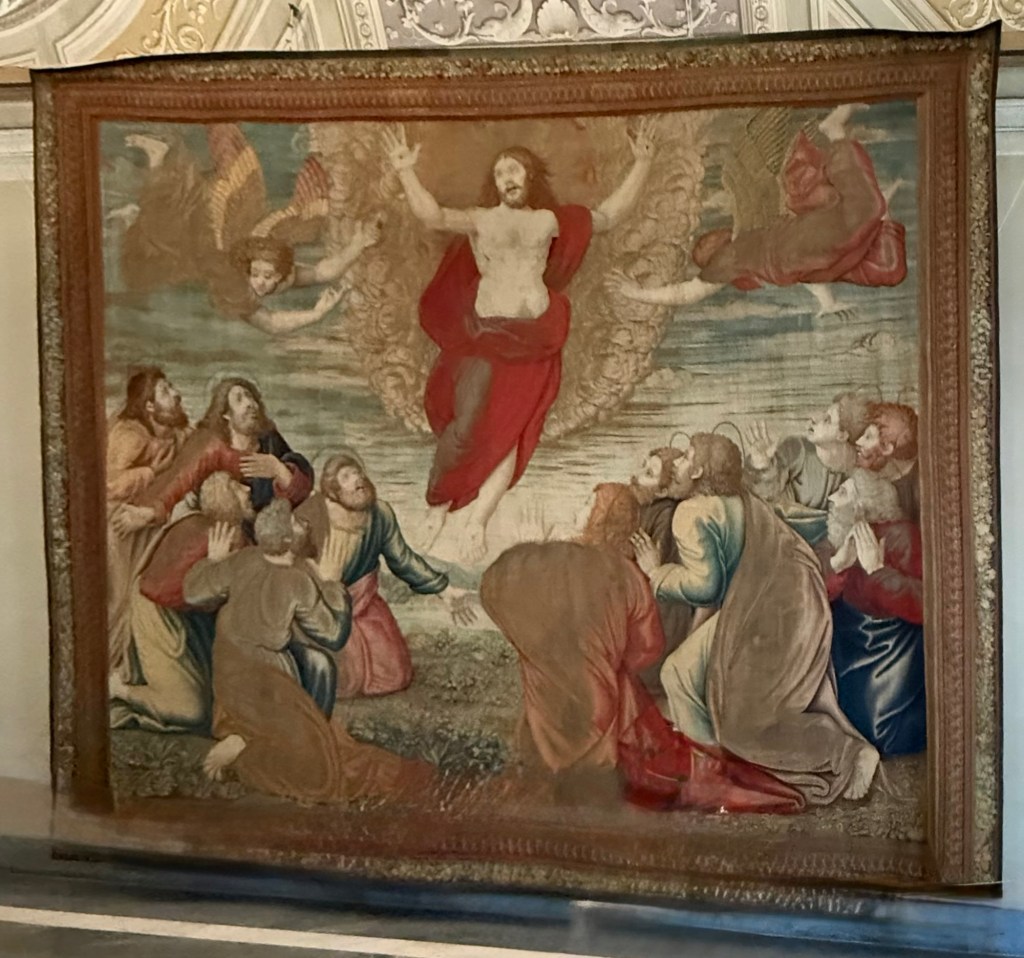
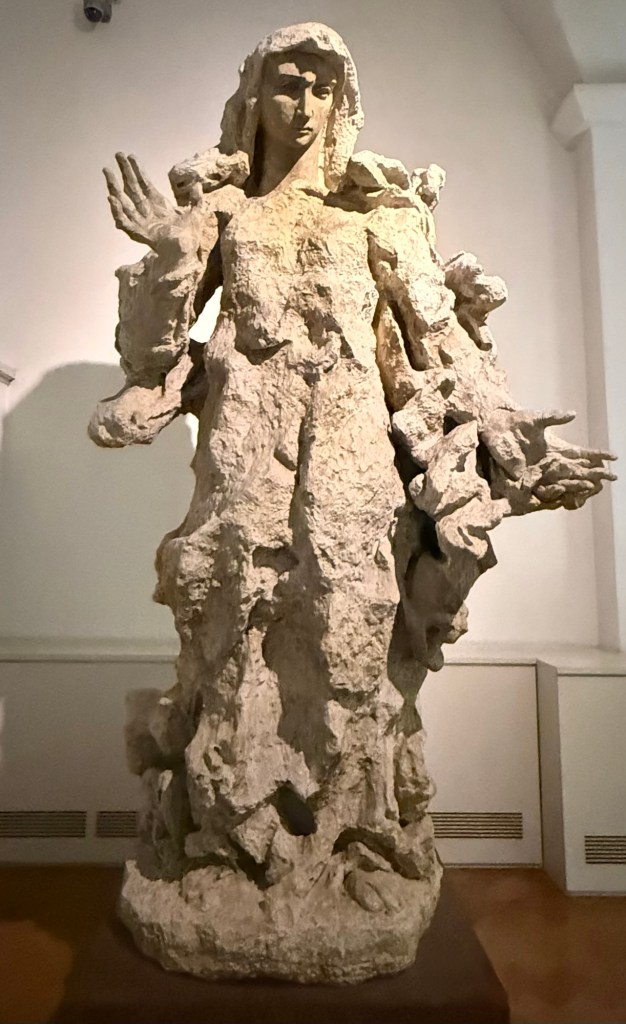
The museums feature numerous remarkable paintings, tapestries, and sculptures.

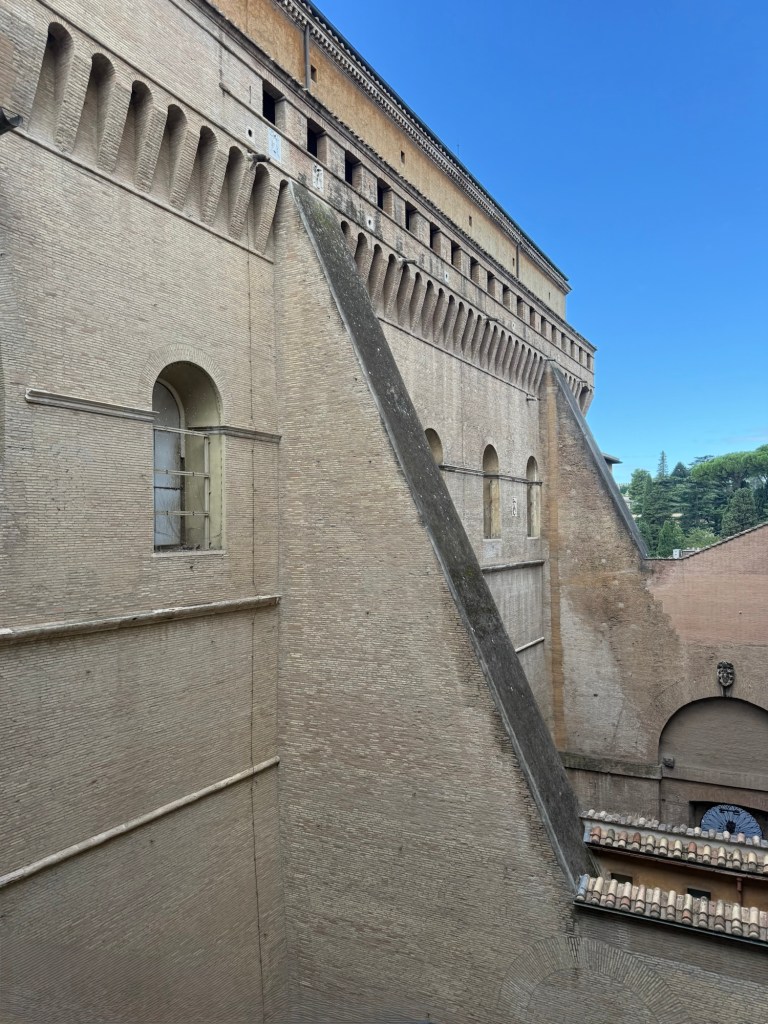
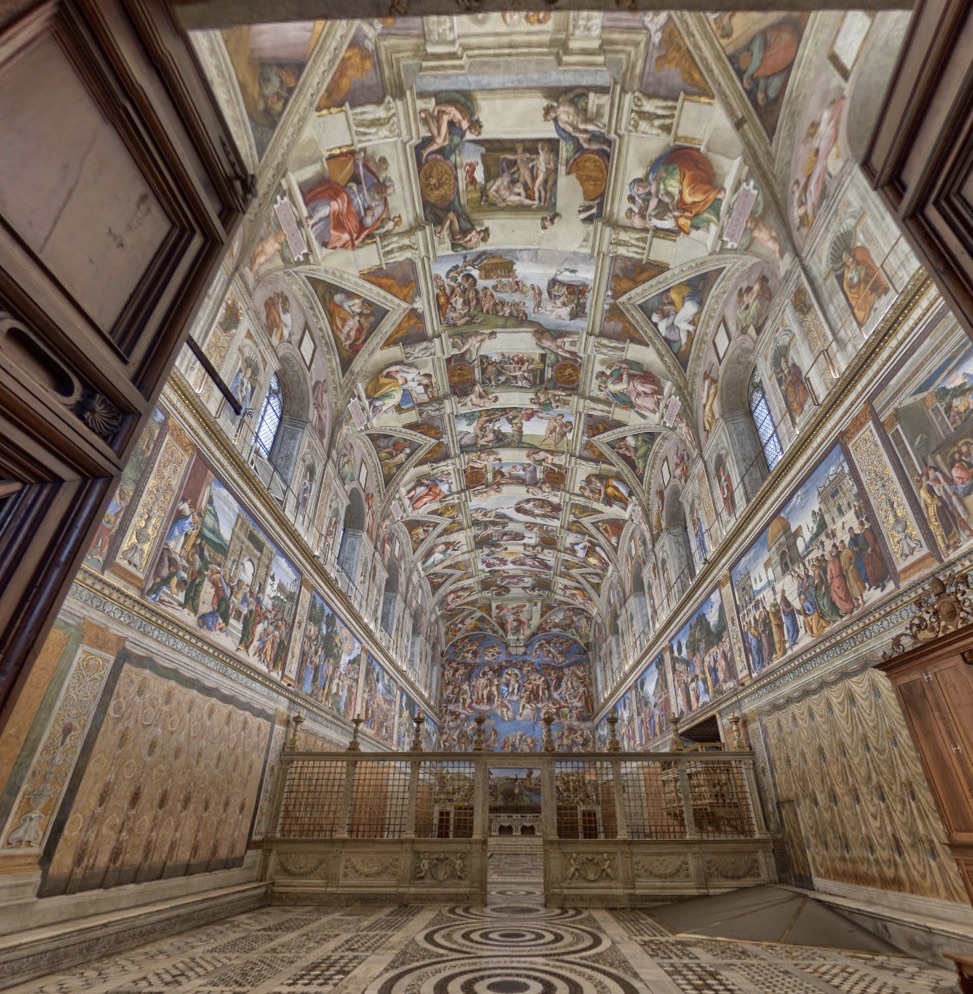
The Sistine Chapel is, of course, a highlight. Here is depicted an outside wall of this huge Chapel where Popes are chosen behind closed doors. The second photo shows where the temporary chimney is erected during Papal Elections – just below the black lightning rod.

Please note that none of the photos from within the Chapel are mine, as photography is forbidden. Notwithstanding this prohibition, some visitors take photos and all commit the cardinal sin of talking in unhushed voices.

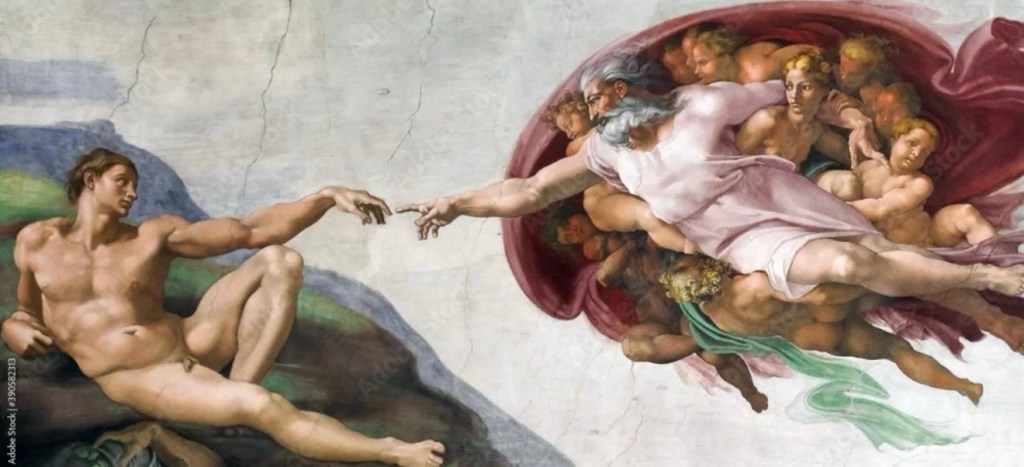
Michelangelo’s ceiling is a masterpiece of divine creativity, with his depiction of the Creation of Adam perfect. There is something mesmerizing about His portrayal of God reaching out to touch Adam’s hand, humanity not quite being touched by divinity. But it is, is it not? Is there a Big Bang between those fingers? Who knows?

My Scottish Bit: The Book of Kells was mentioned during the tour. Although this beautiful tome was written prior to the existence of the Catholic Church as we know it today, it is a distinctly Catholic book, likely written in Portmahomack, Northeast of Inverness, Scotland, and now housed in Trinity College, Dublin.