Mashu-ko, Mashu-dake and Io-zan

By Paul S Bryers, September 2016

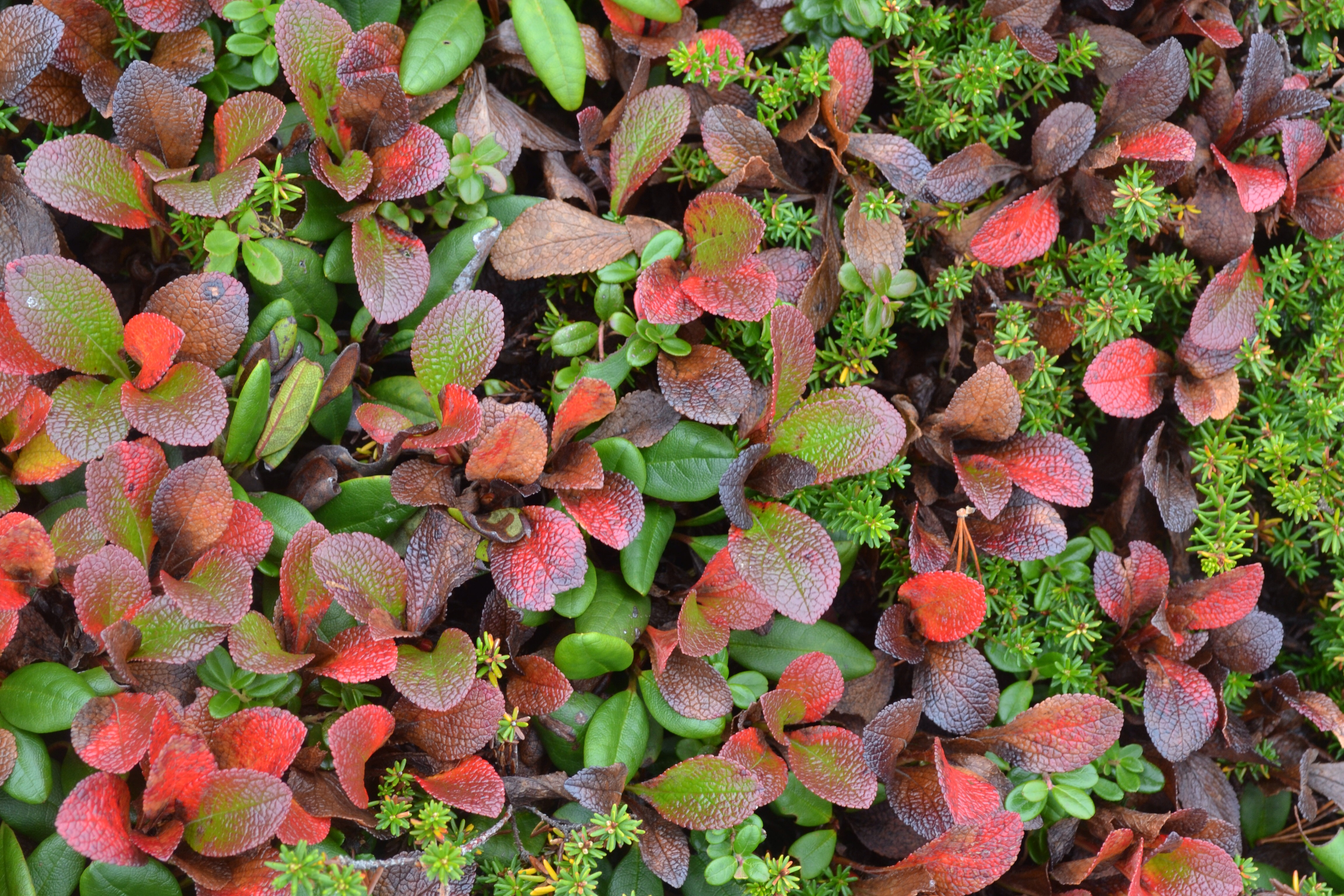
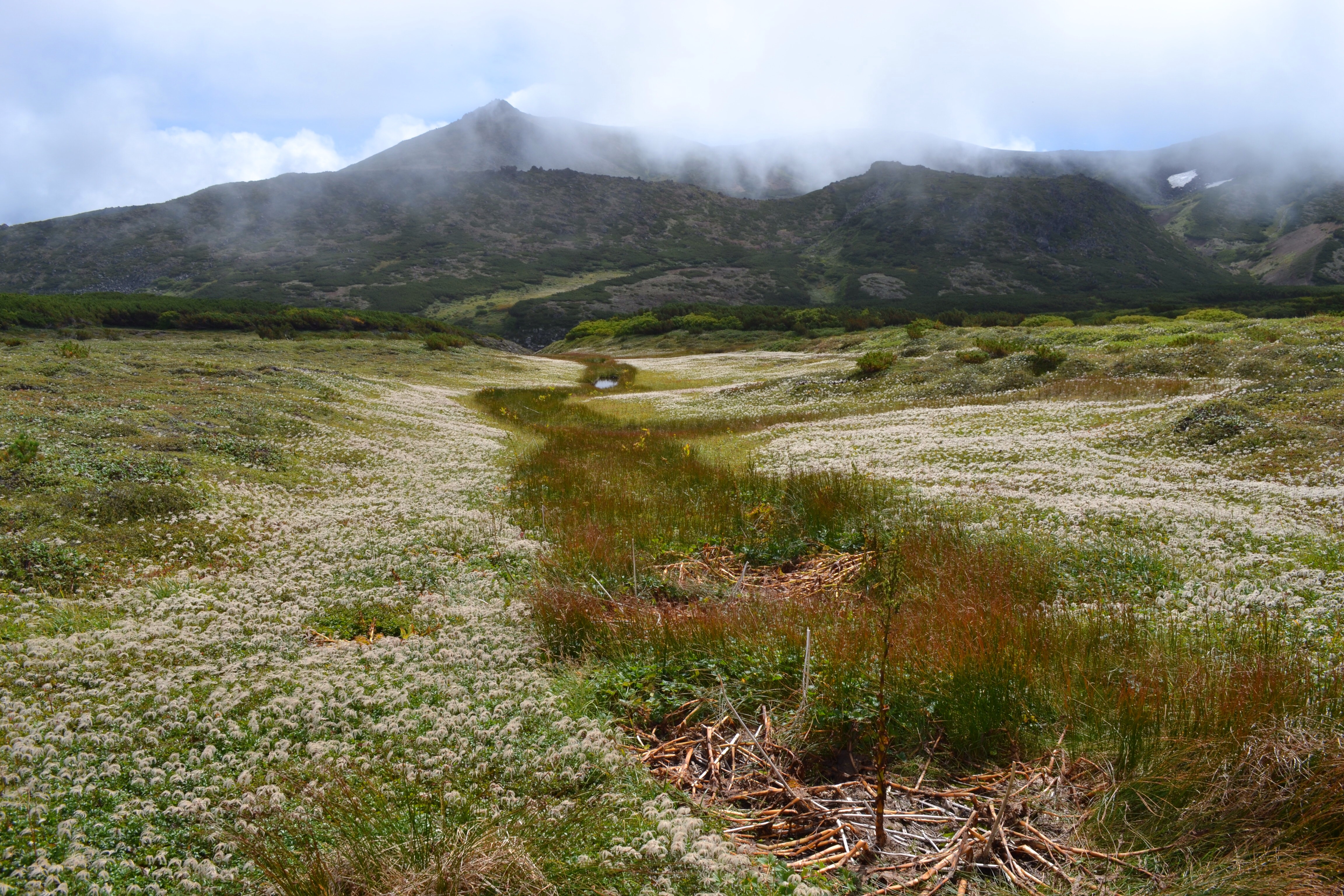
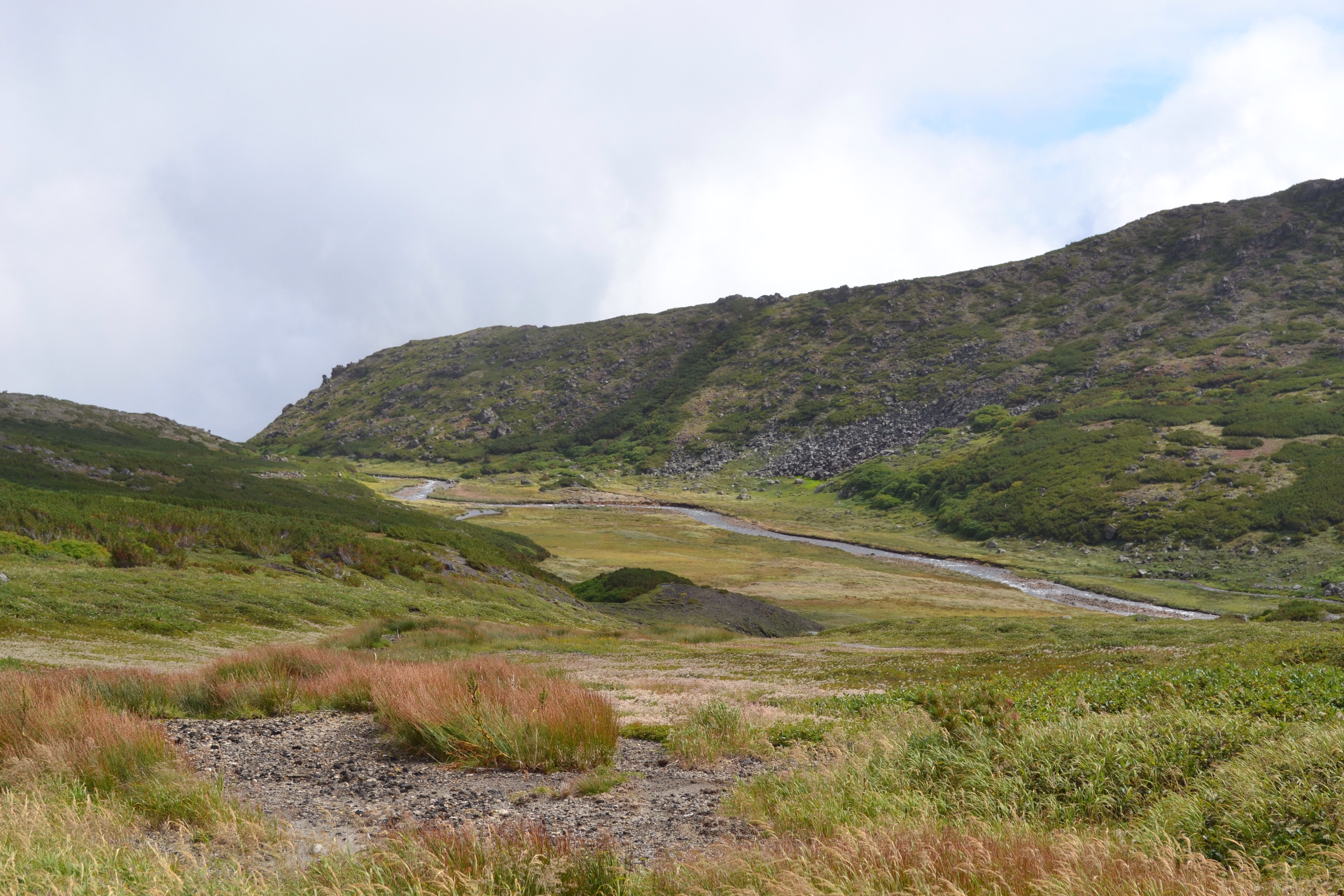
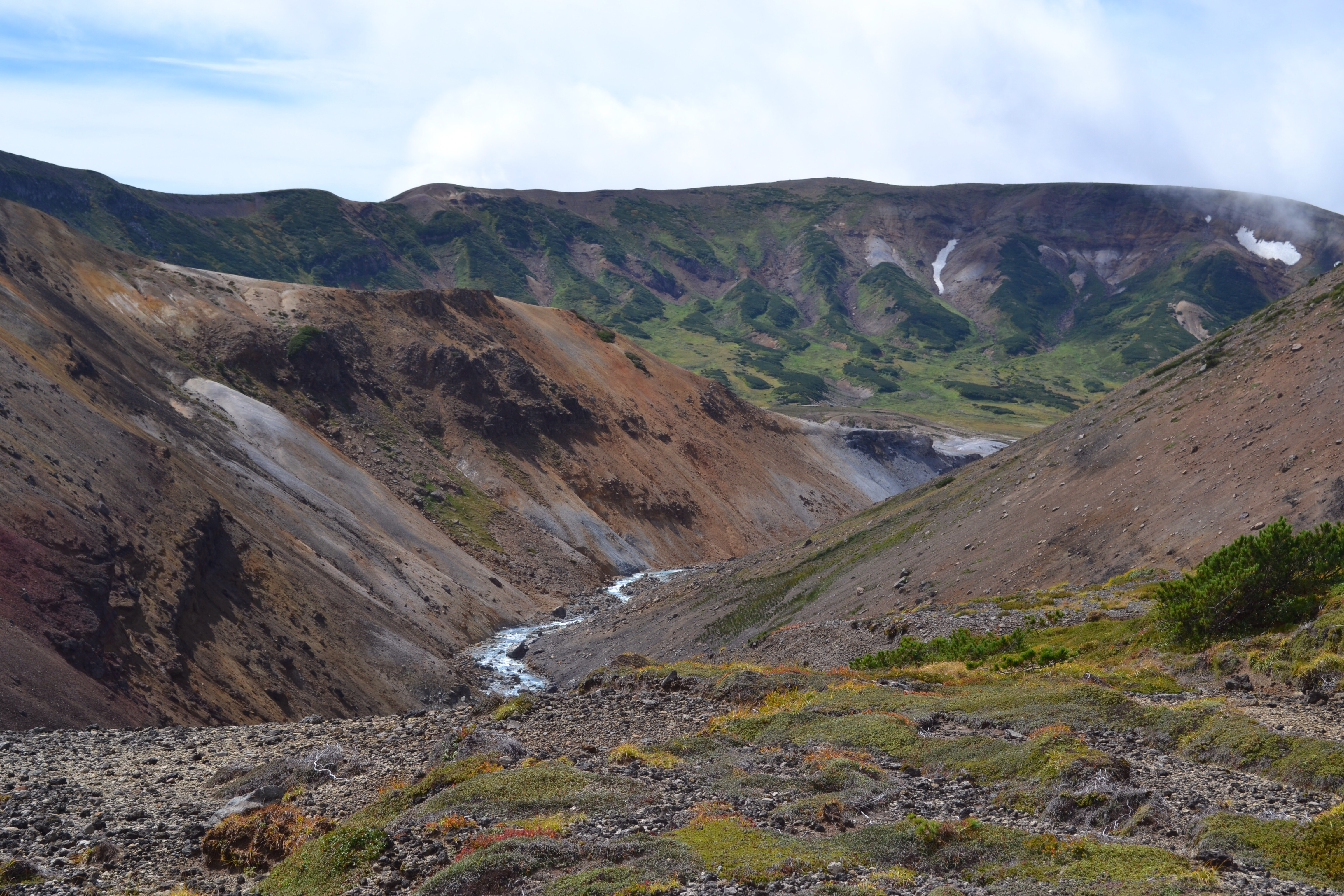
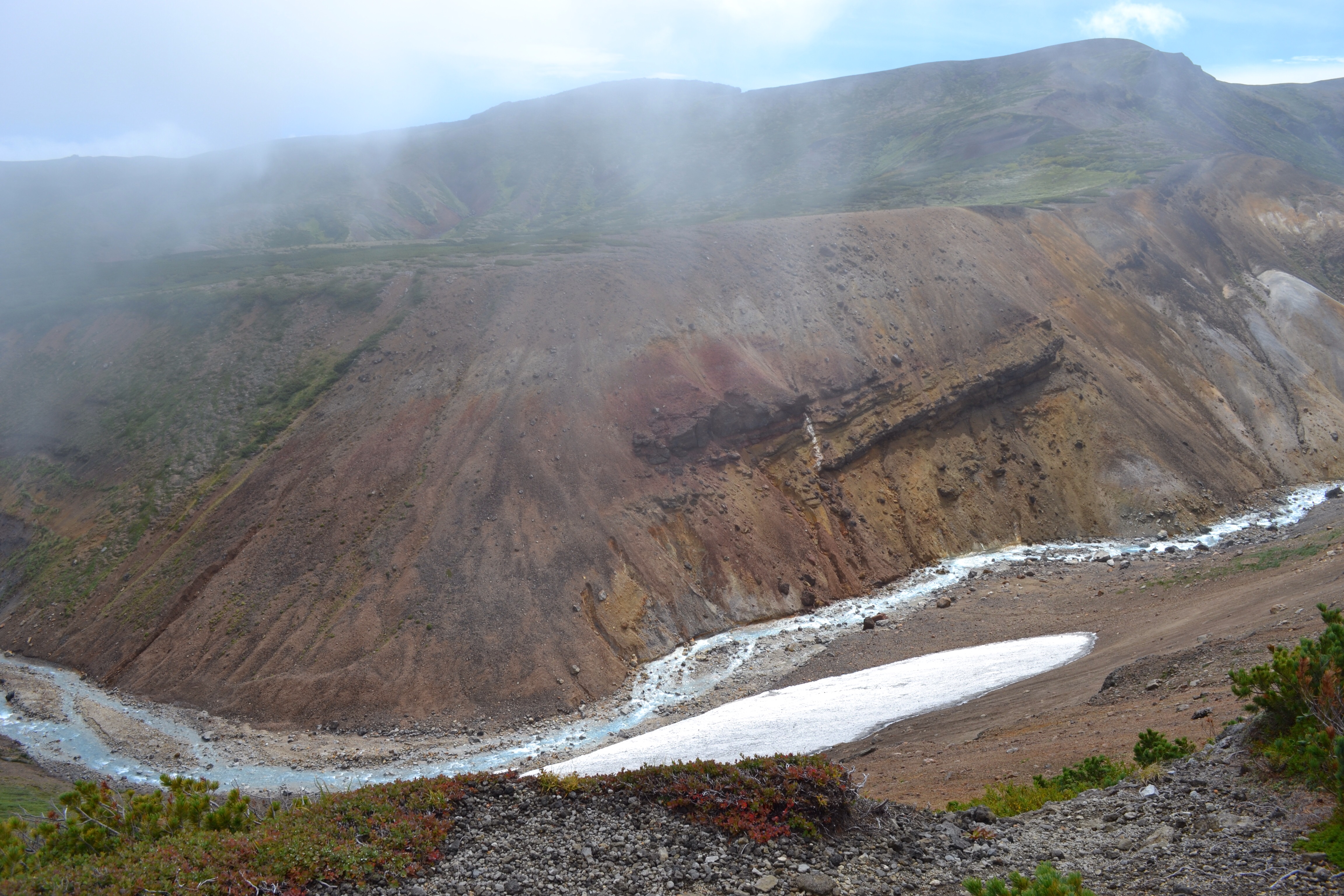
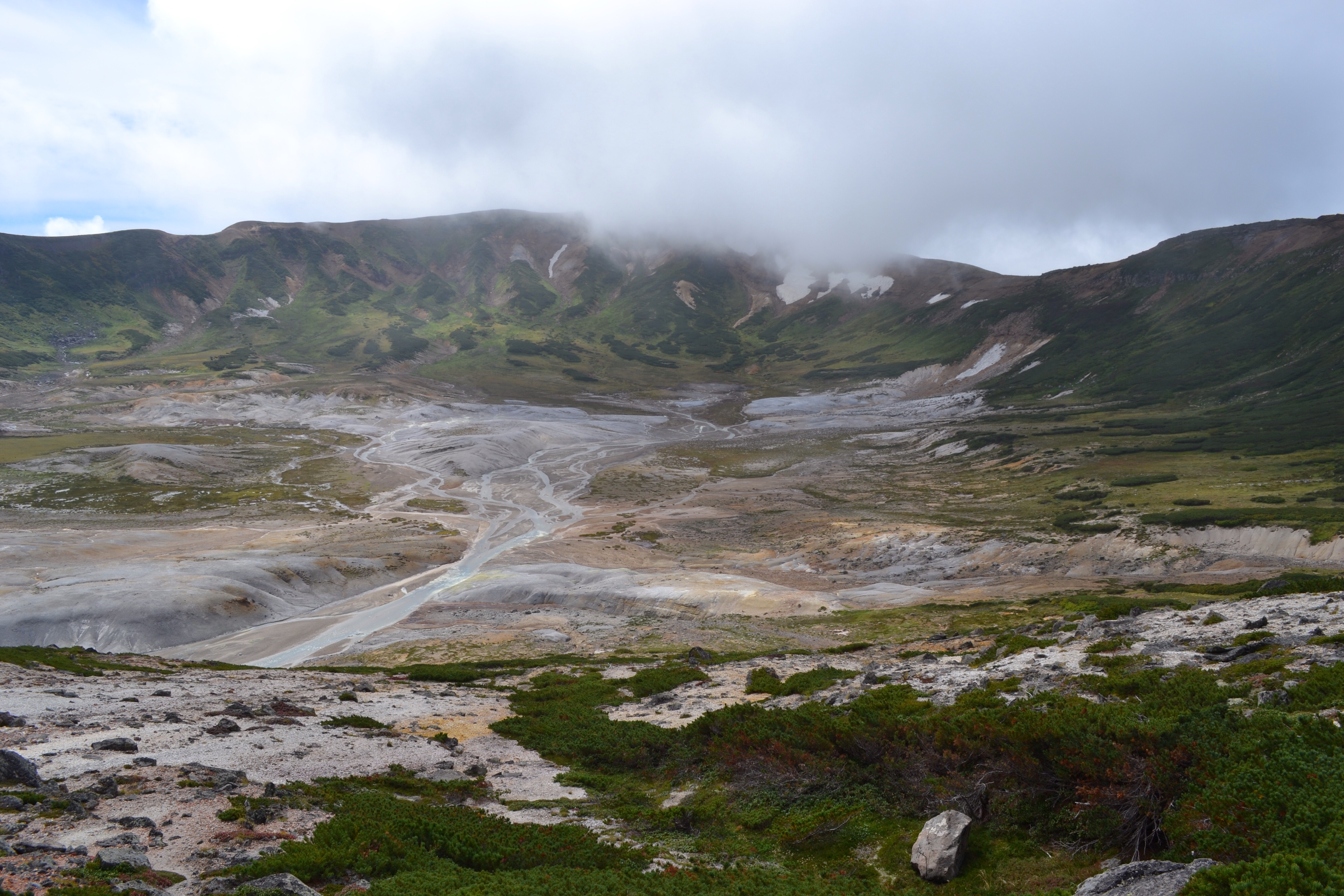
If you are based in Lake Kussharo or Teshikaga area you can spend a very rewarding day viewing Lake Mashu, climbing Mount Mashu and visiting sulphurous Mount Io. 

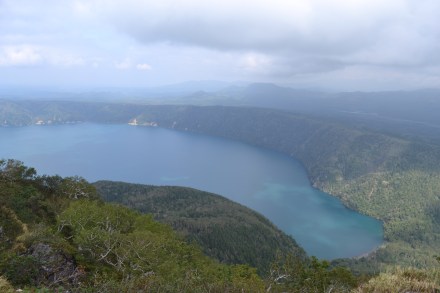
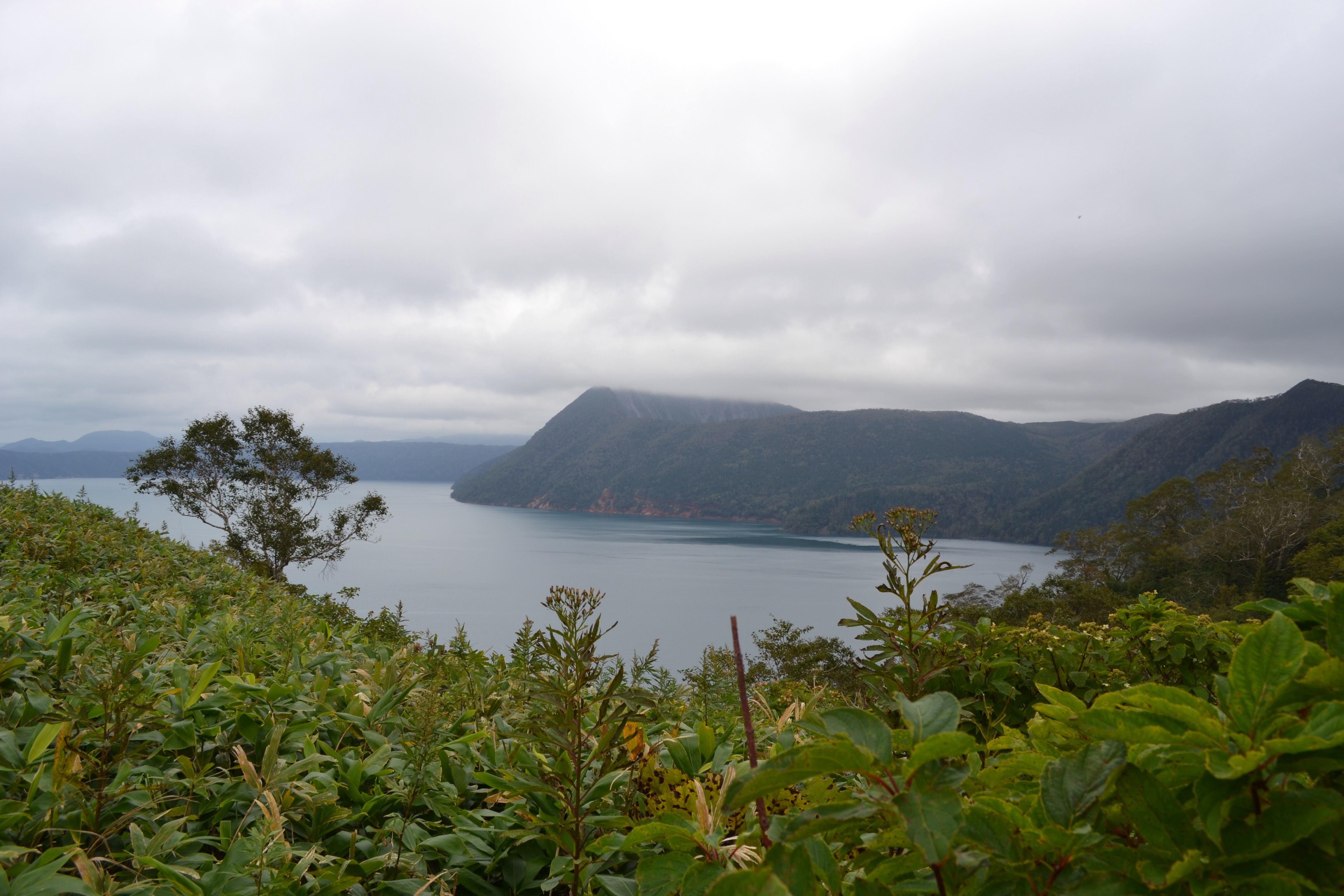
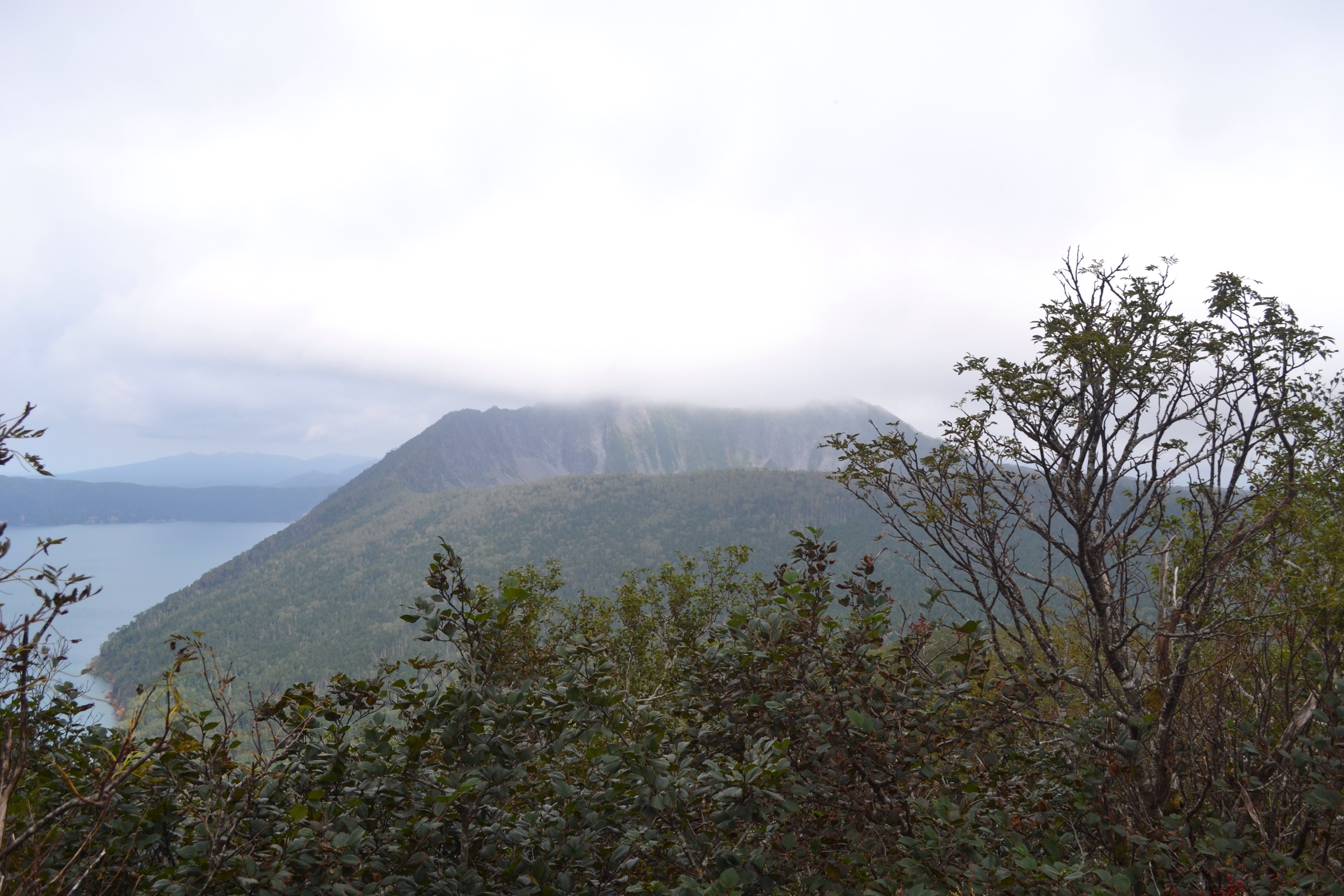
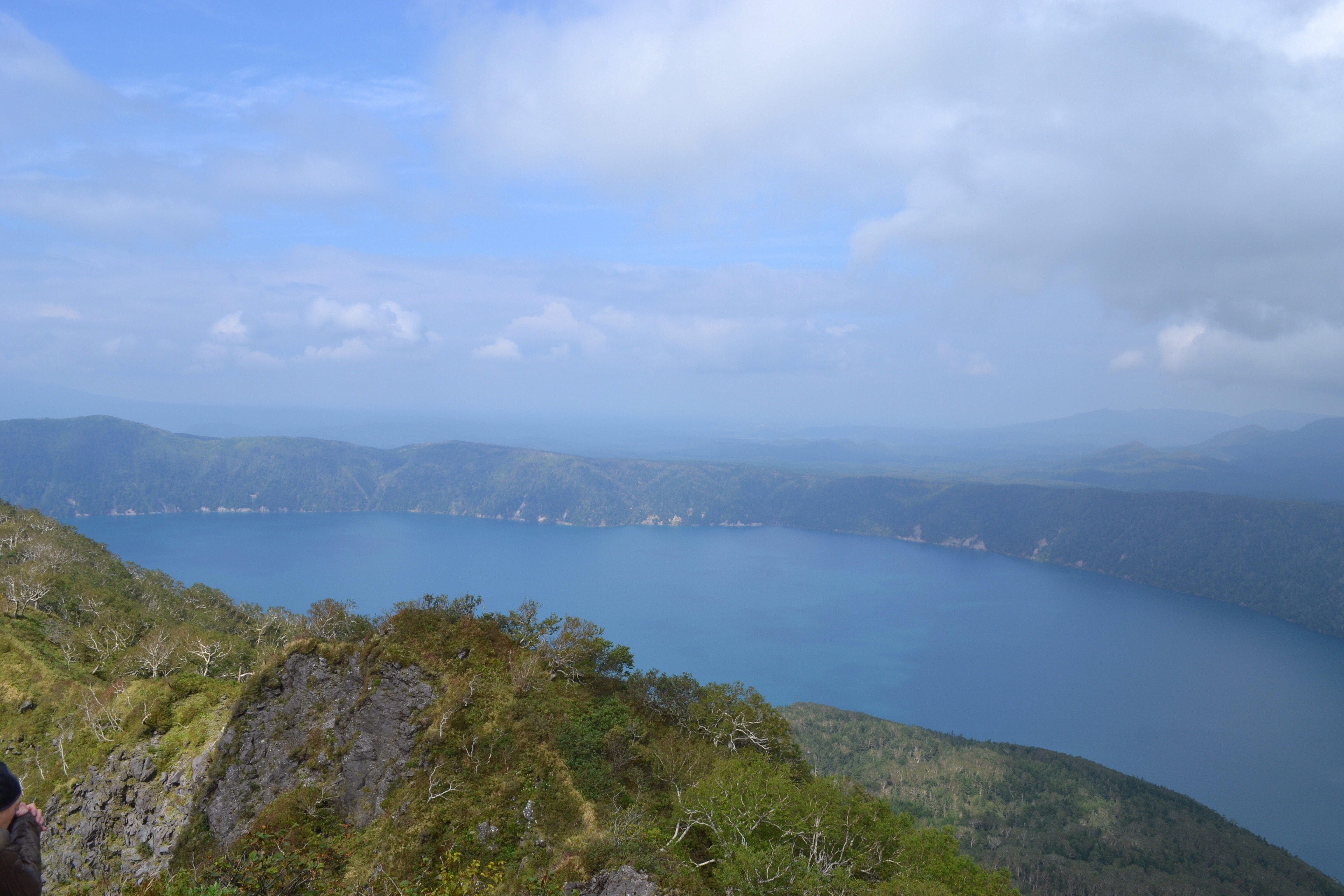
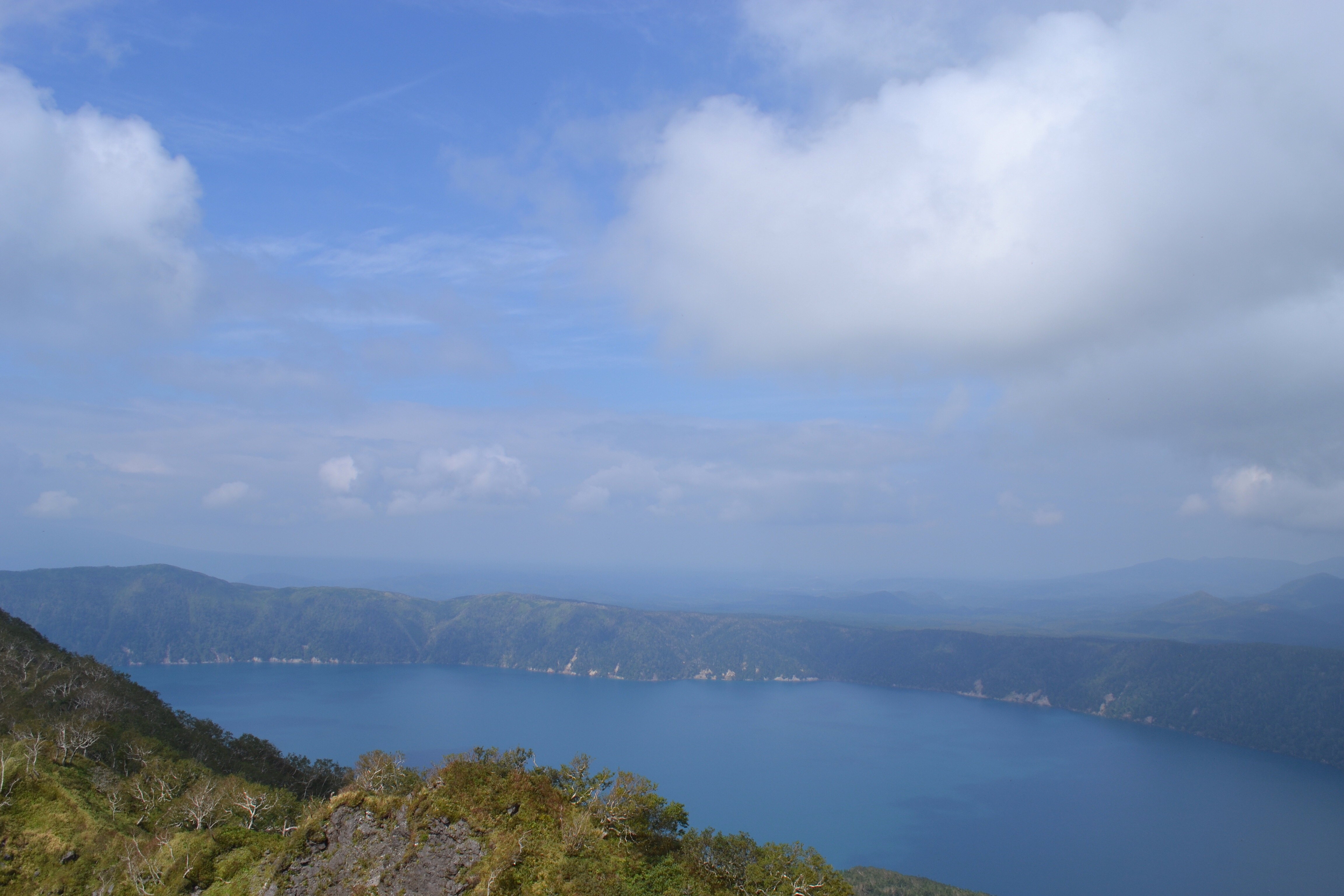
Lake Mashu is one of Japan’s most beautiful lakes. Formed following an enormous eruption that resulted in a huge caldera, Lake Mashu has precipitous sides and is towered over on the East side by Mount Mashu. In the center of the lake is the tiny Isle of Gods, the result of a volcanic plug within the caldera.

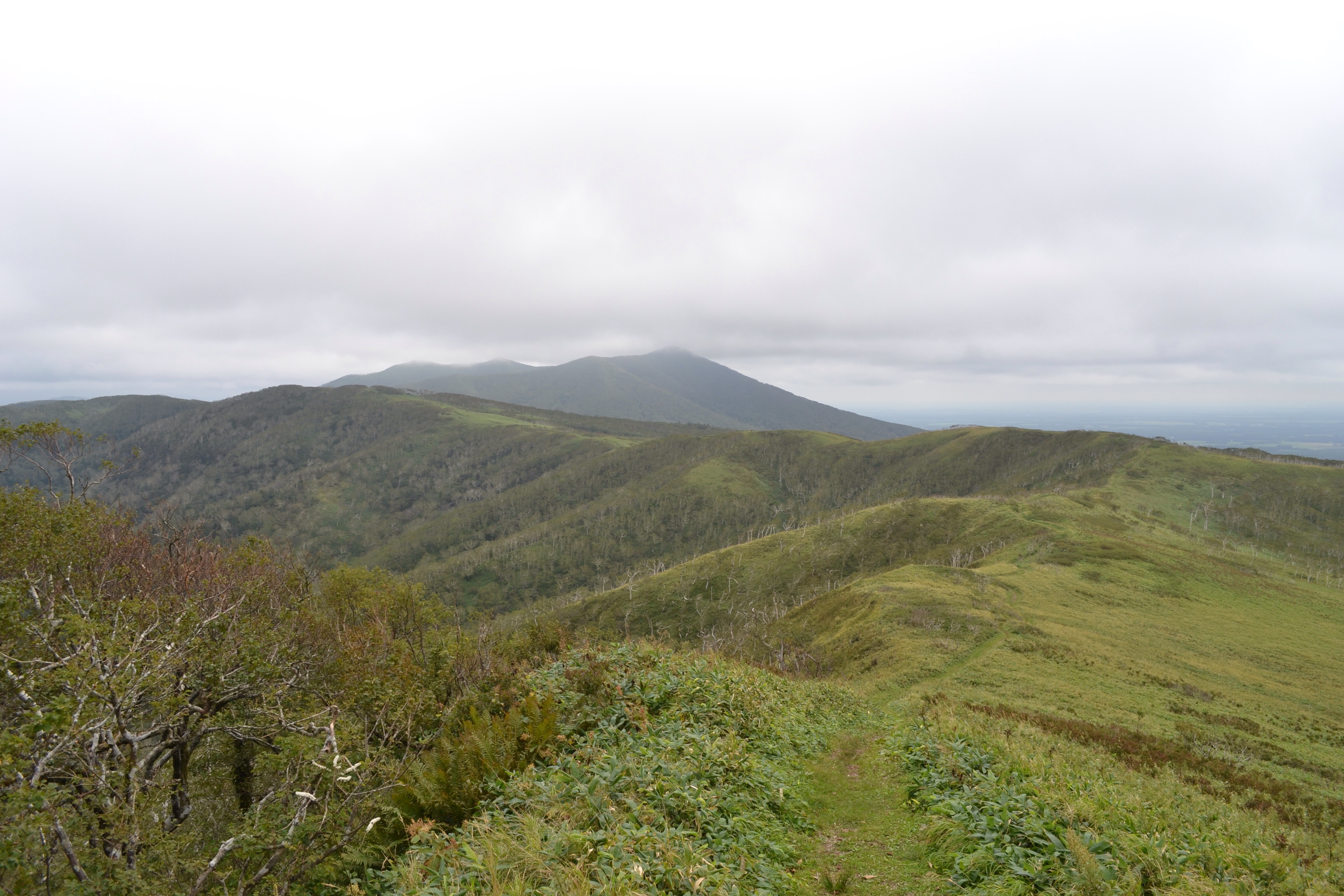
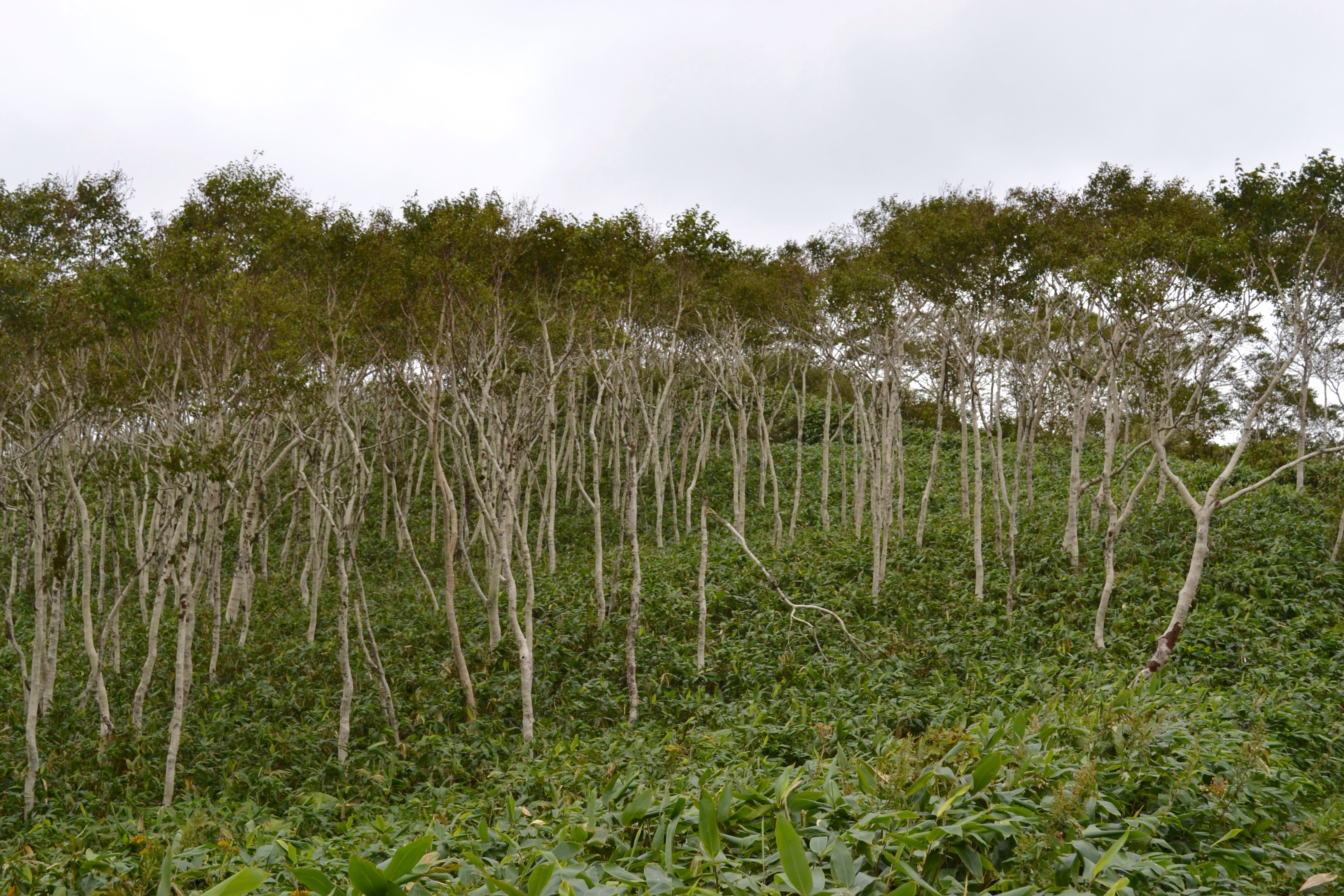
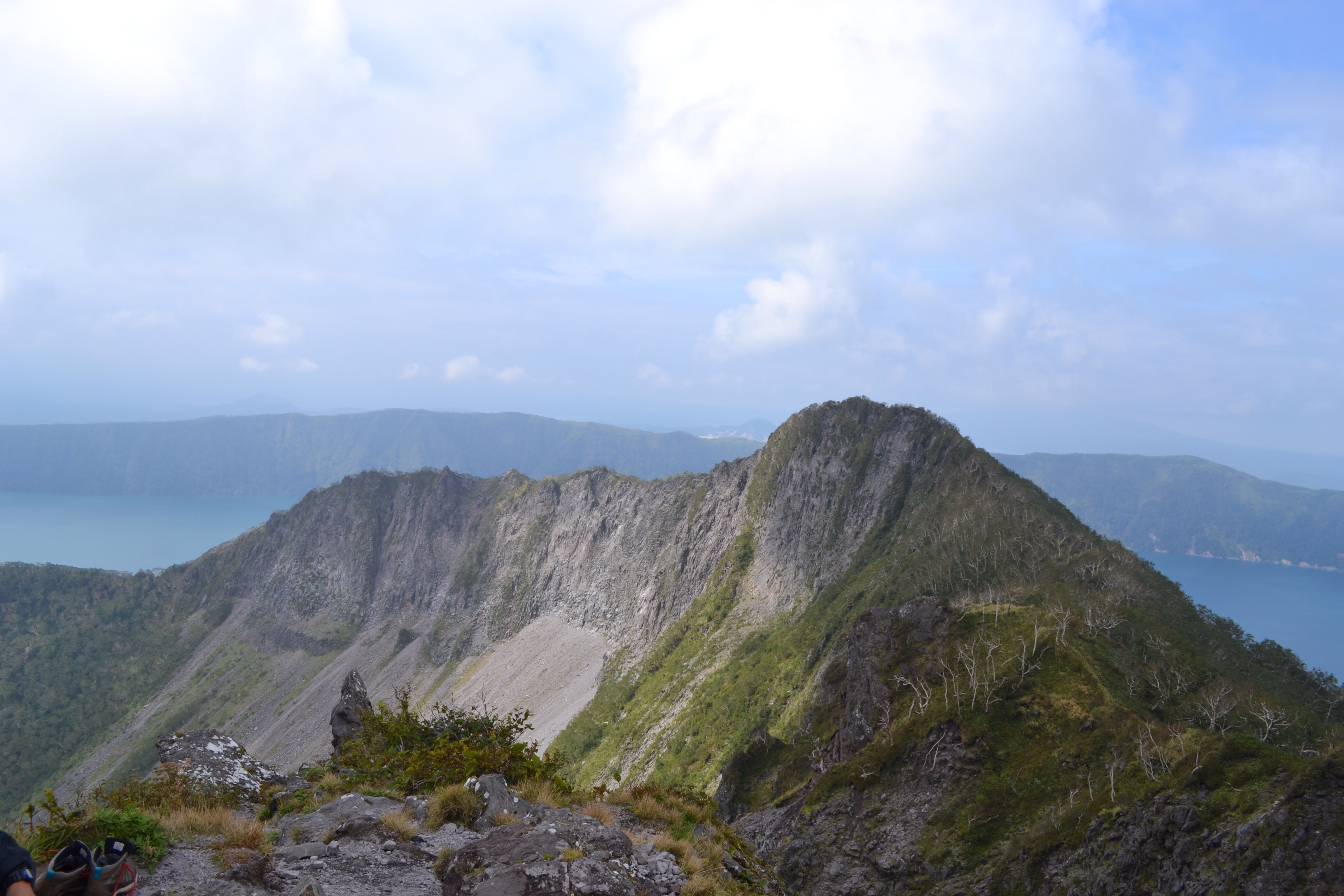
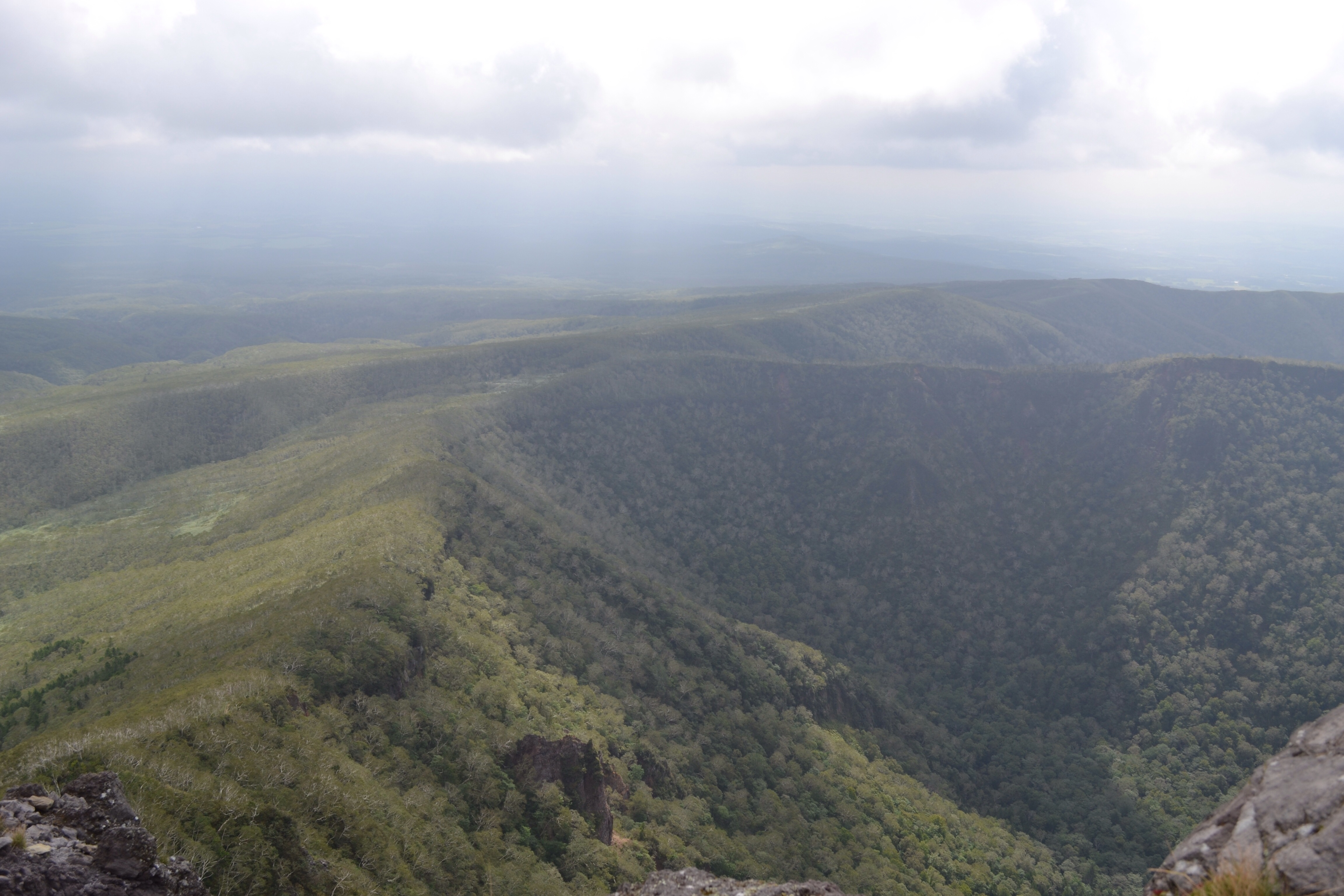
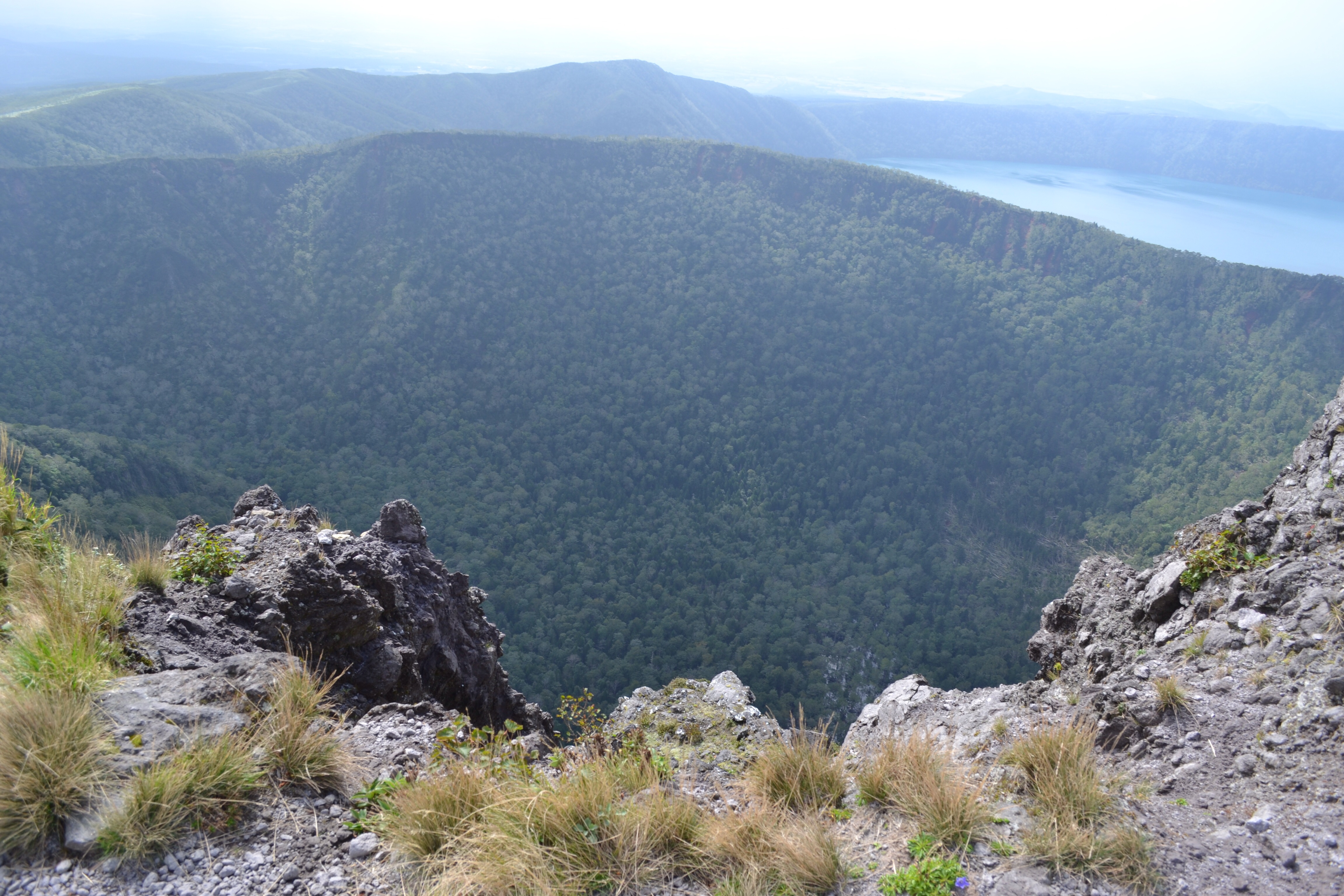
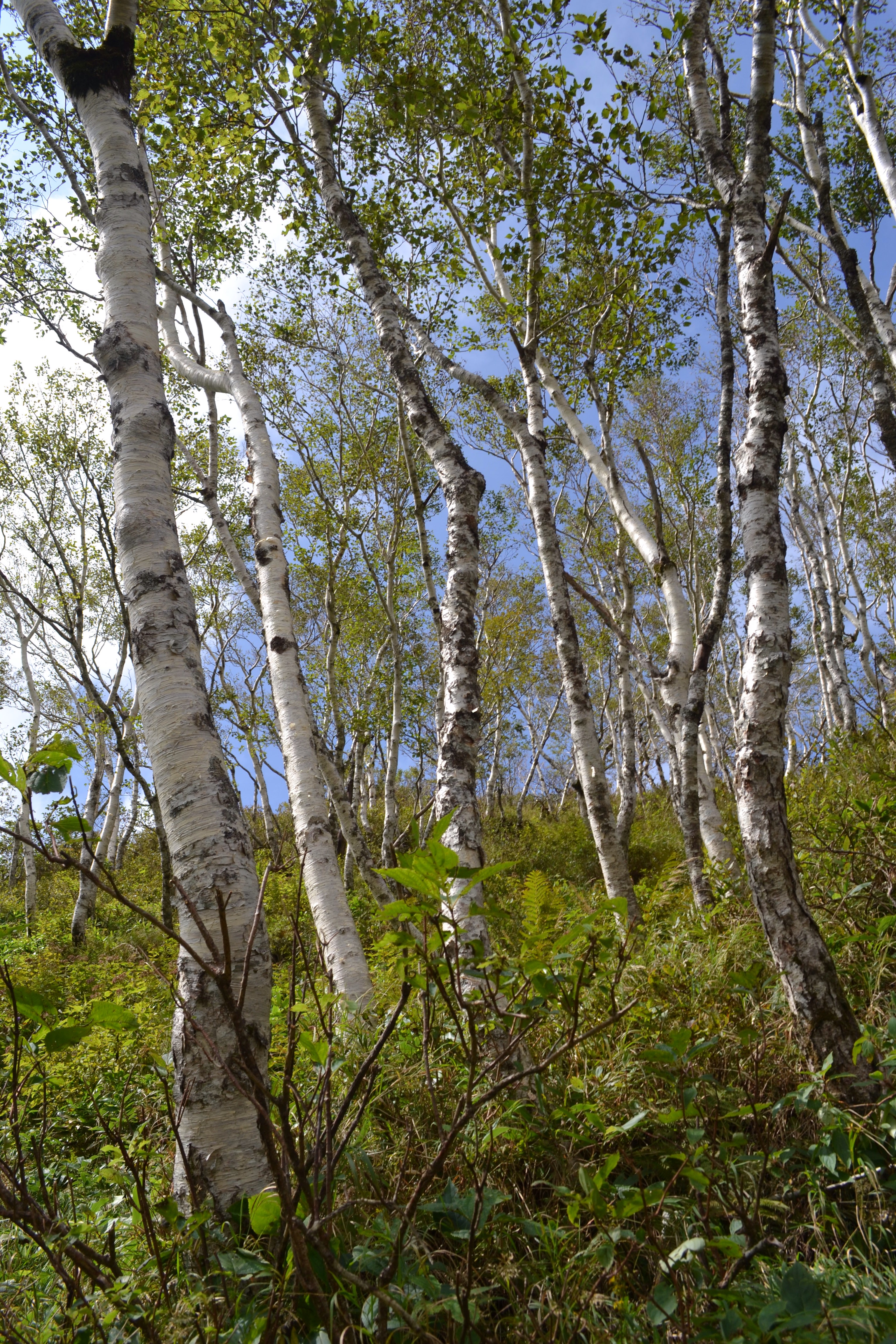
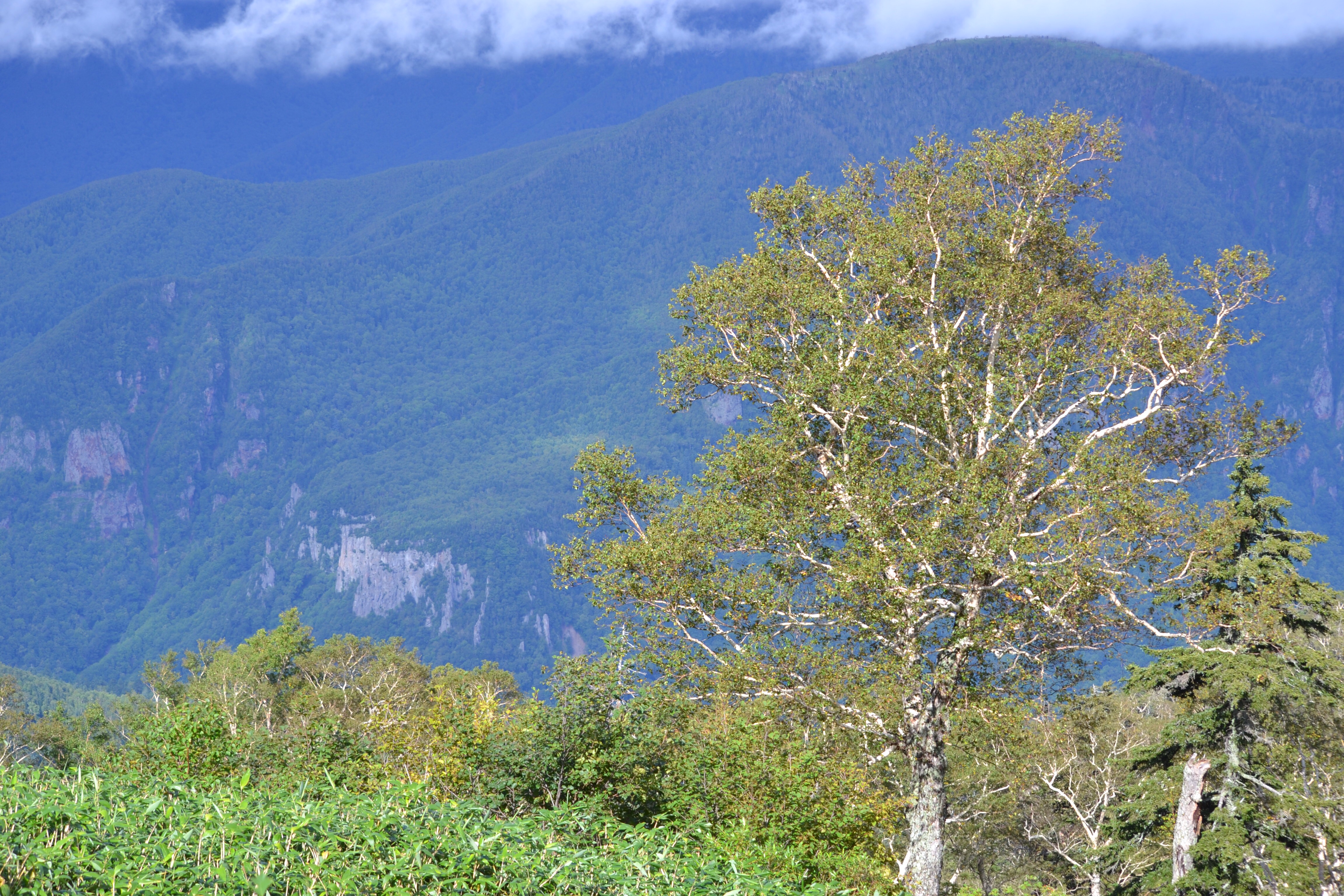
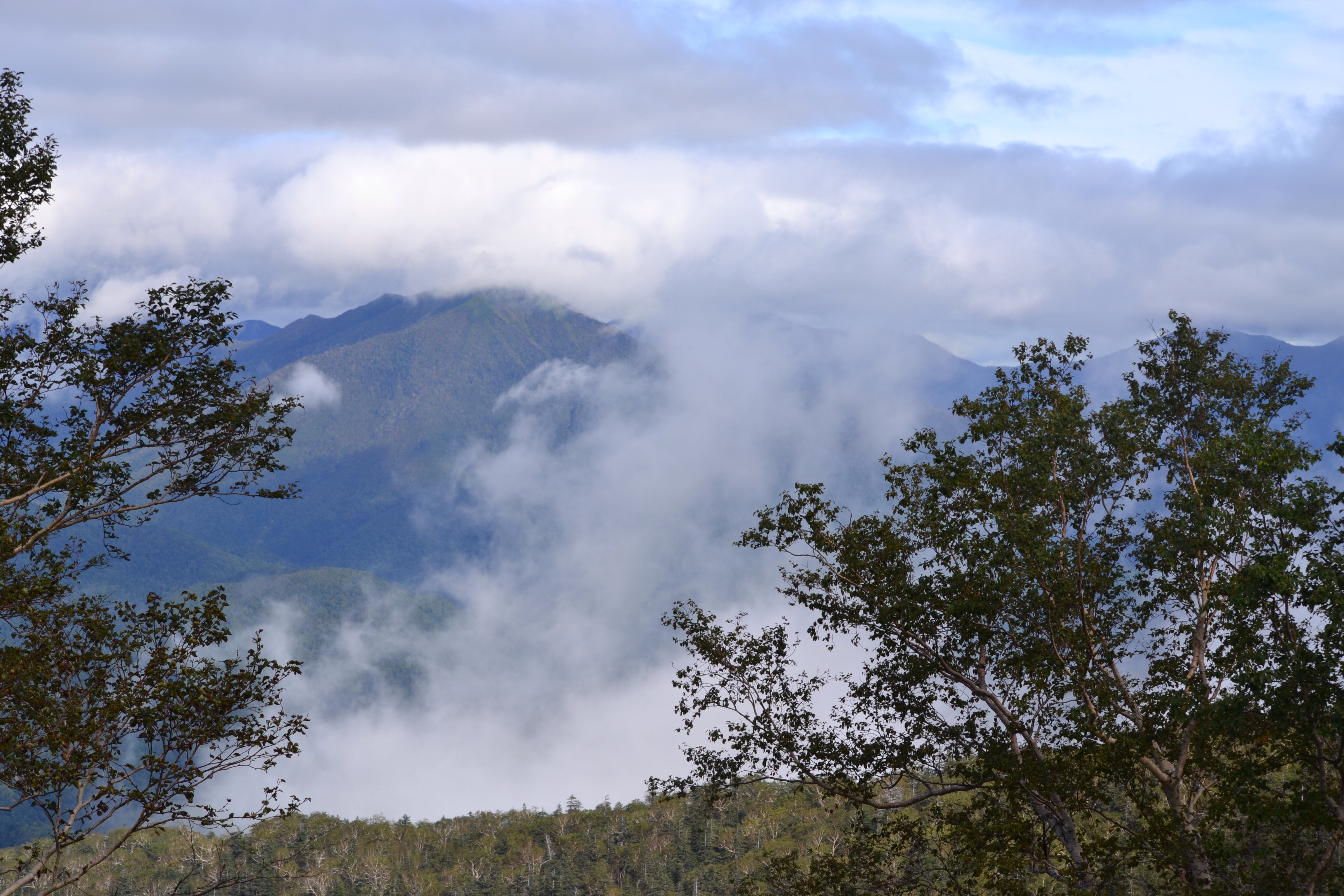
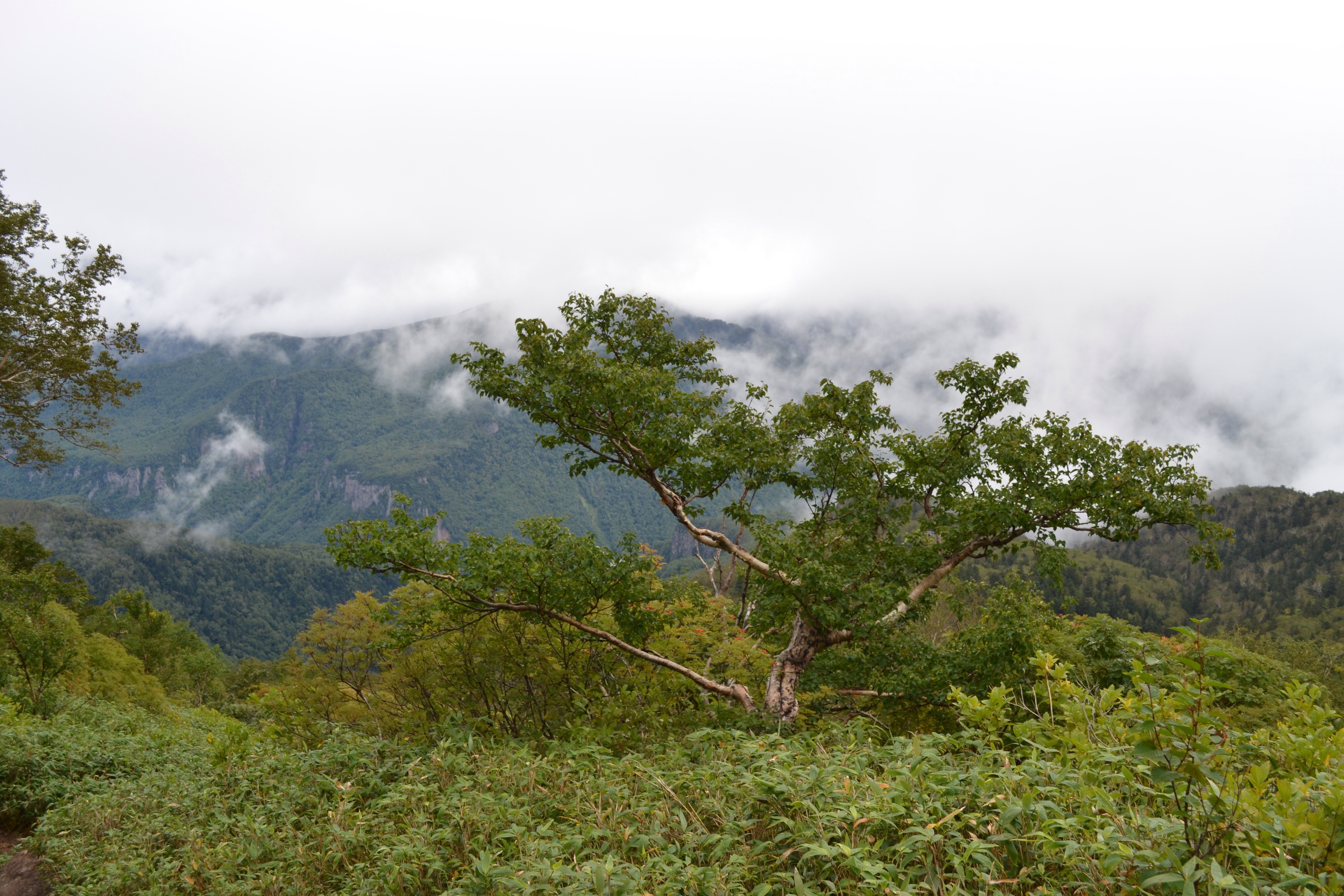
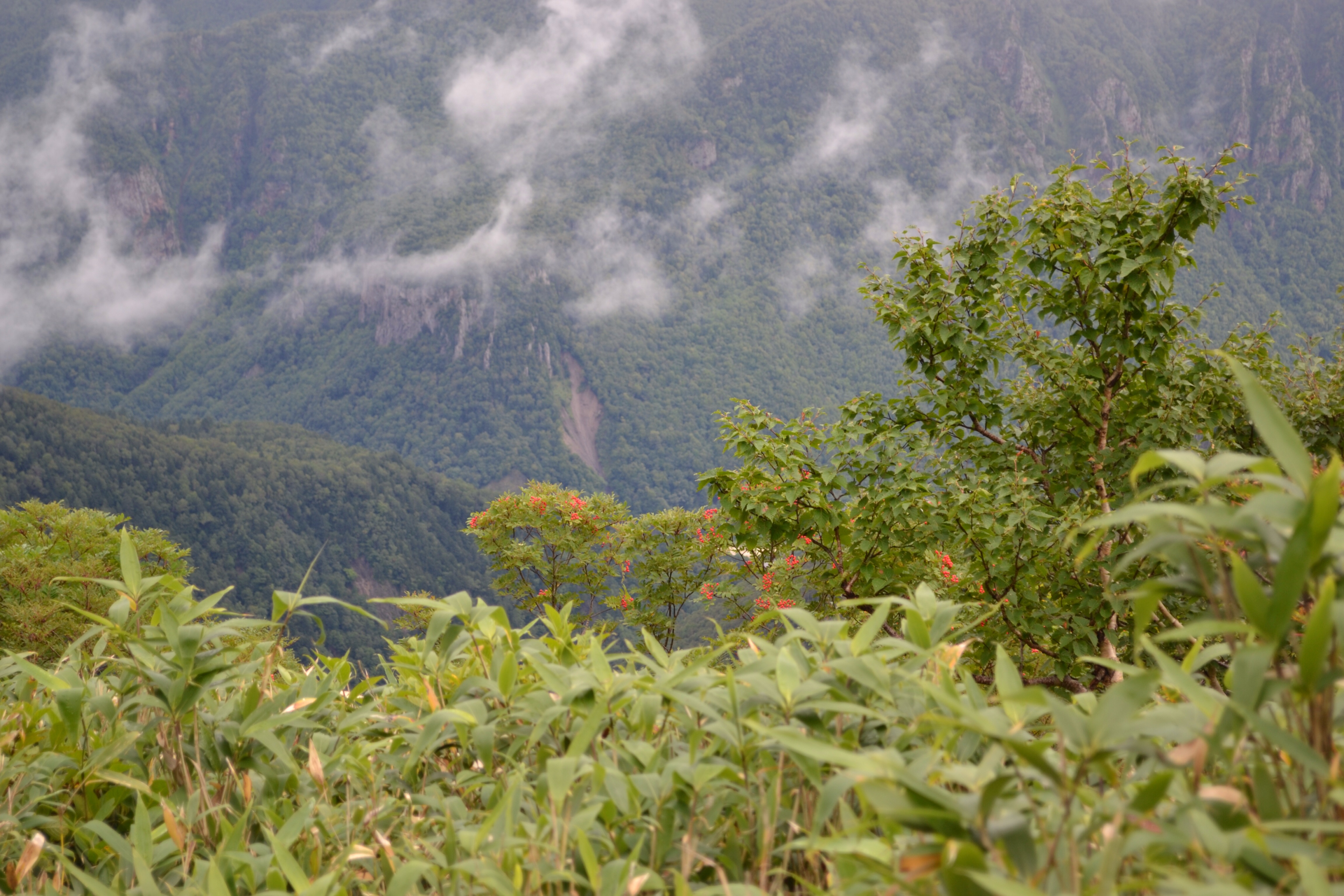
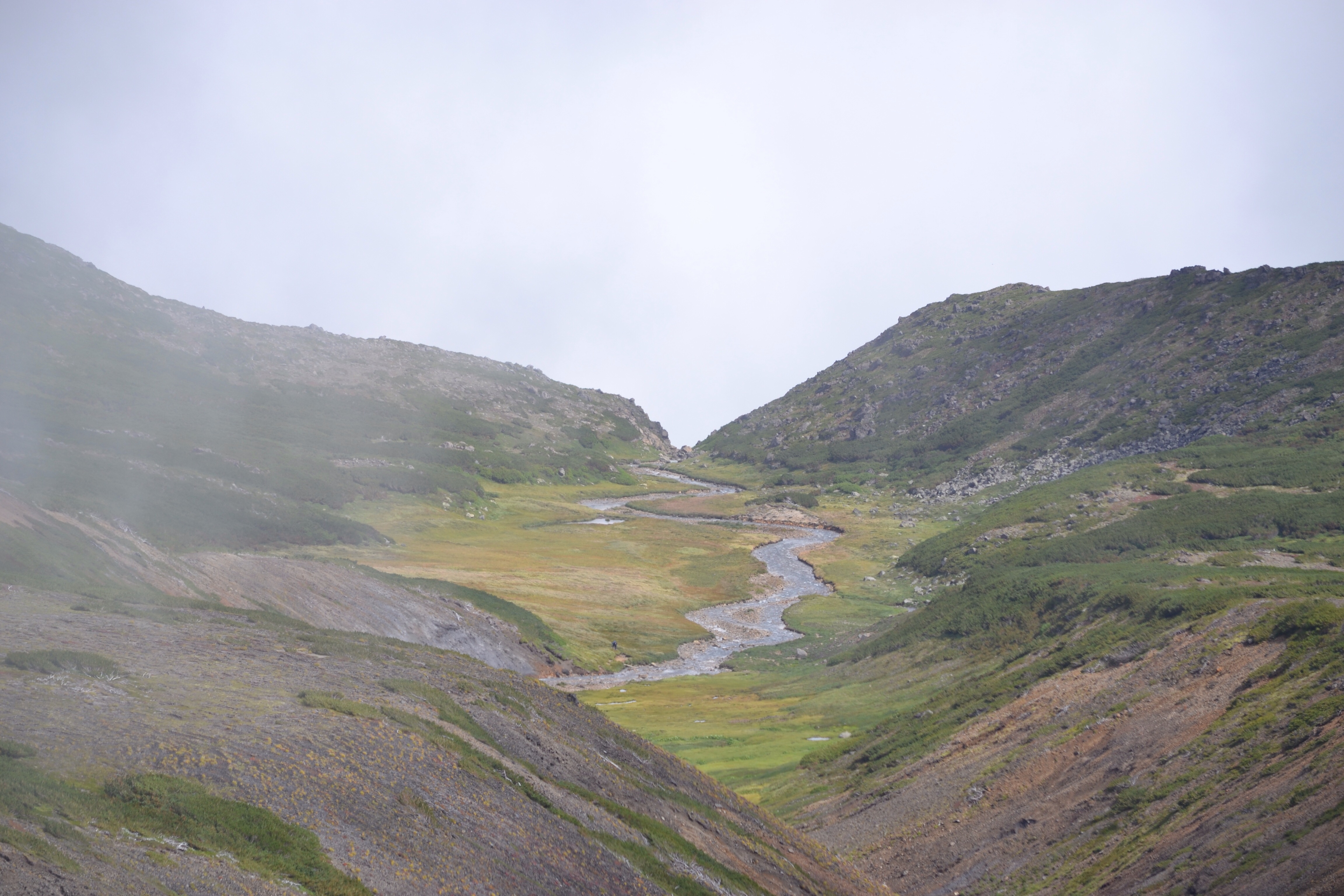
Start your day at Parking spot #1 off Route 52; the latter winds its way past the West rim of the caldera. The views of the lake and mountains are stunning. Then take the Mount Mashu trail and head East. On the way you will get great views of the surrounding mountains, as well as the birch forests rising out of the endless bamboo groves. It takes about 2.5 hours to get to the peak of the mountain, with the last 400 m being steep but manageable – just don’t look to your right and definitely not to your left. The views of the lake are terrific – the views into the secondary caldera of the mountain are terrifying.


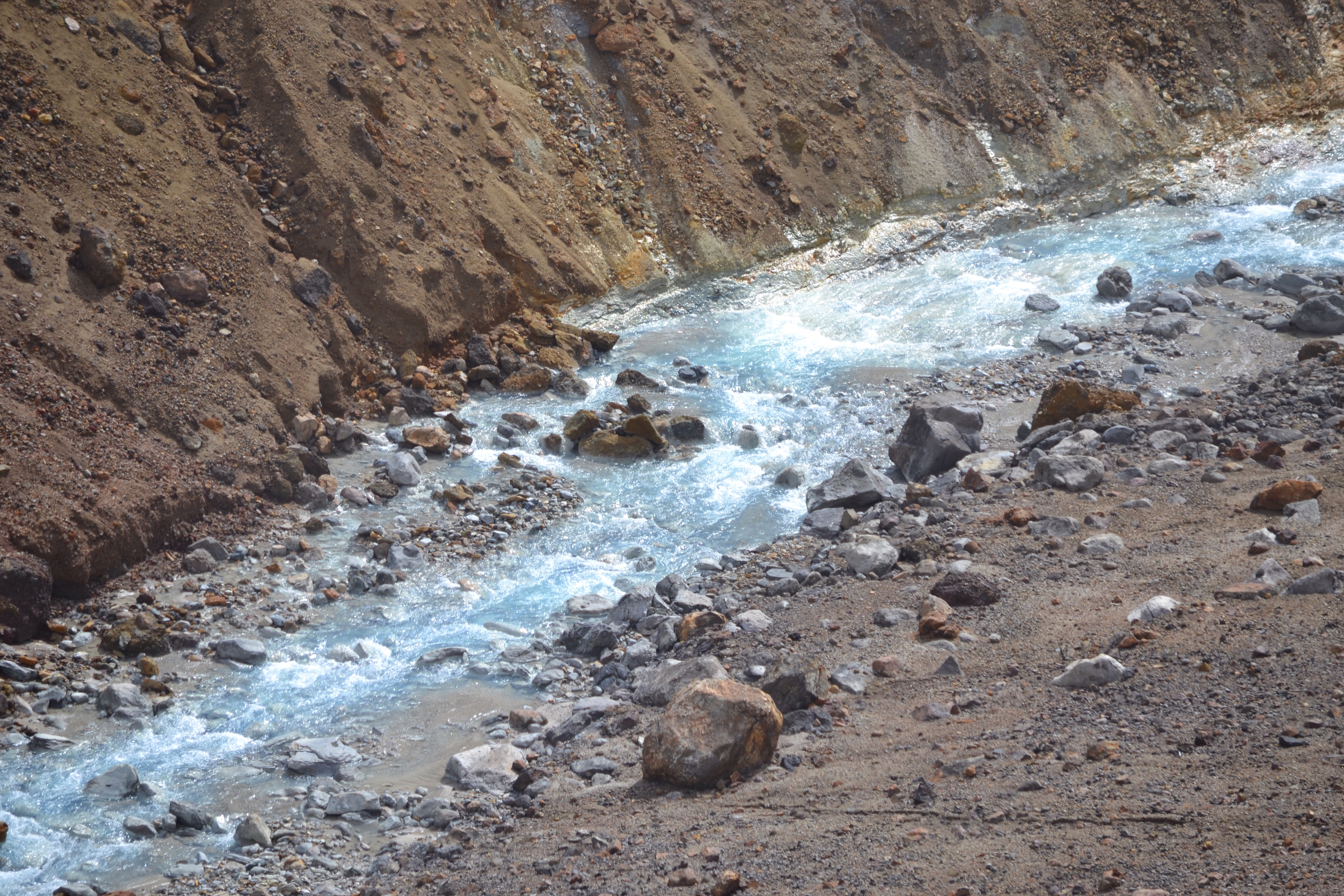
It takes about 2 hours to get back to the parking area. Get back onto Route 52 and go North. Mount Io is about 8 miles away. It’s a little disappointing compared to the easily accessible volcanic areas in Iceland and New Zealnd, but it is every bit as smelly (sulphurous). Still, worth the visit as you are in the area anyway. The take Route 52 back to Lake Kussharo – you might want to visit one of the free hot springs on the way.

Hokkaido, Japan – Drive from Sounkyo Onsen to Lake Kussharo

By Paul S Bryers, September 2016

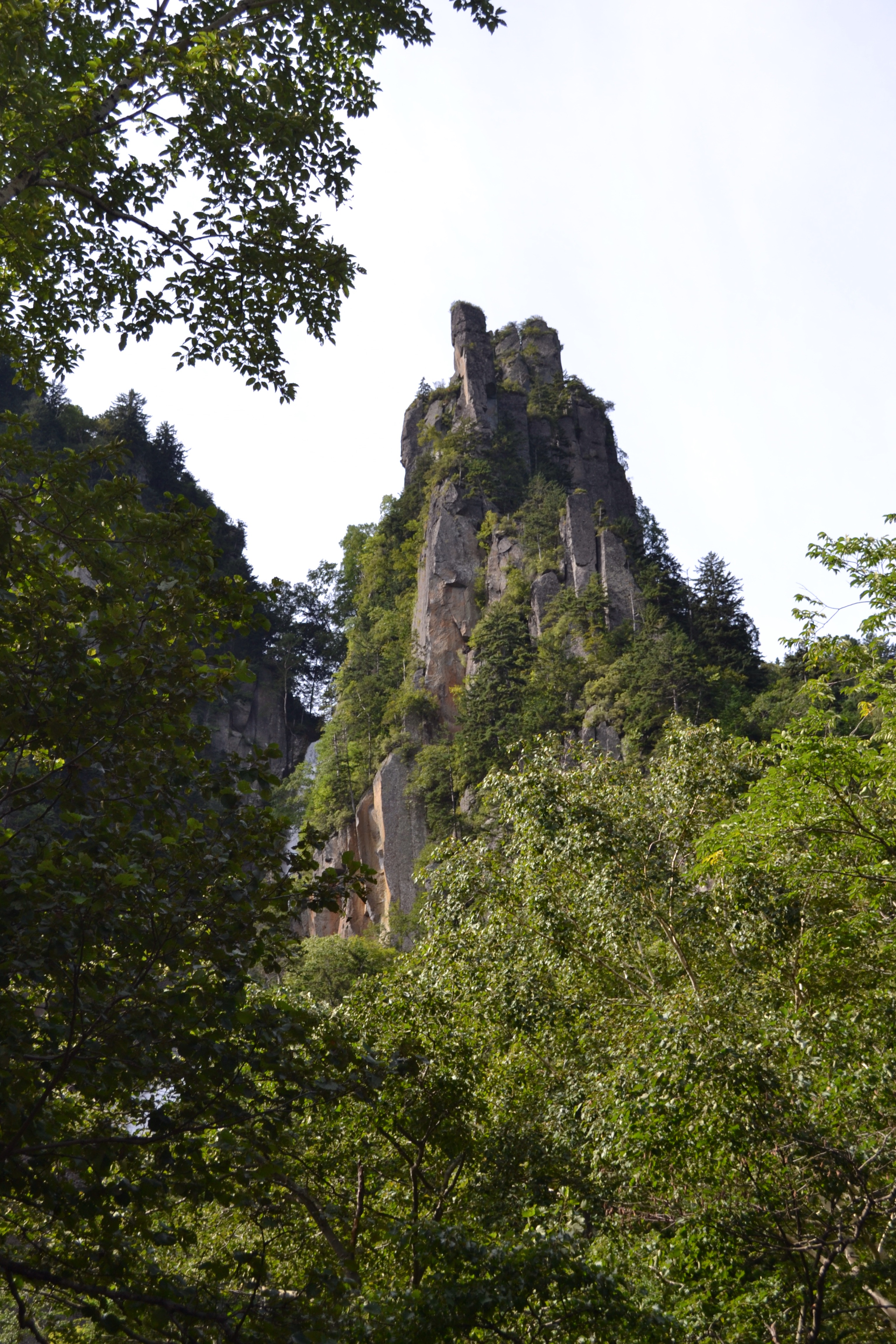
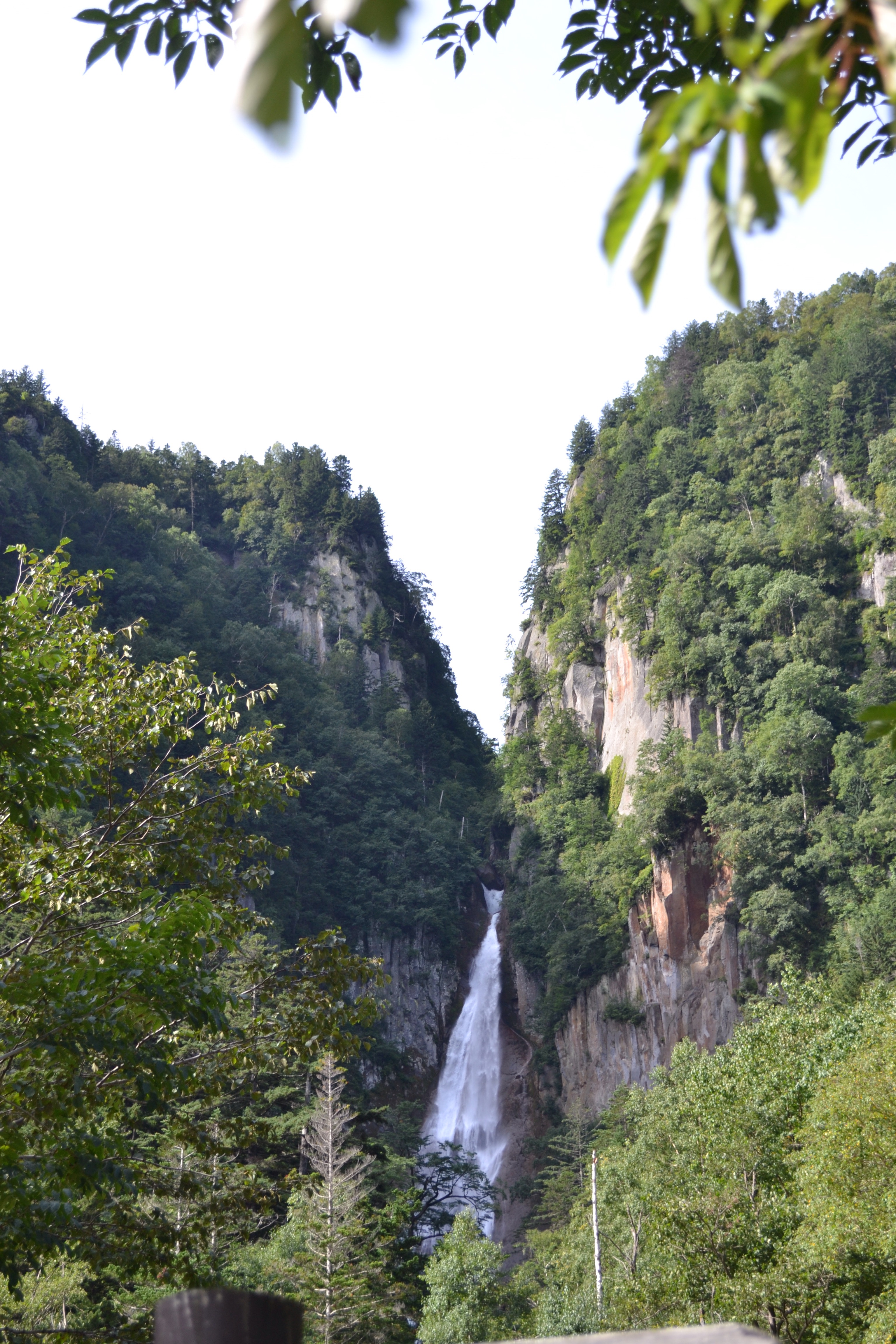
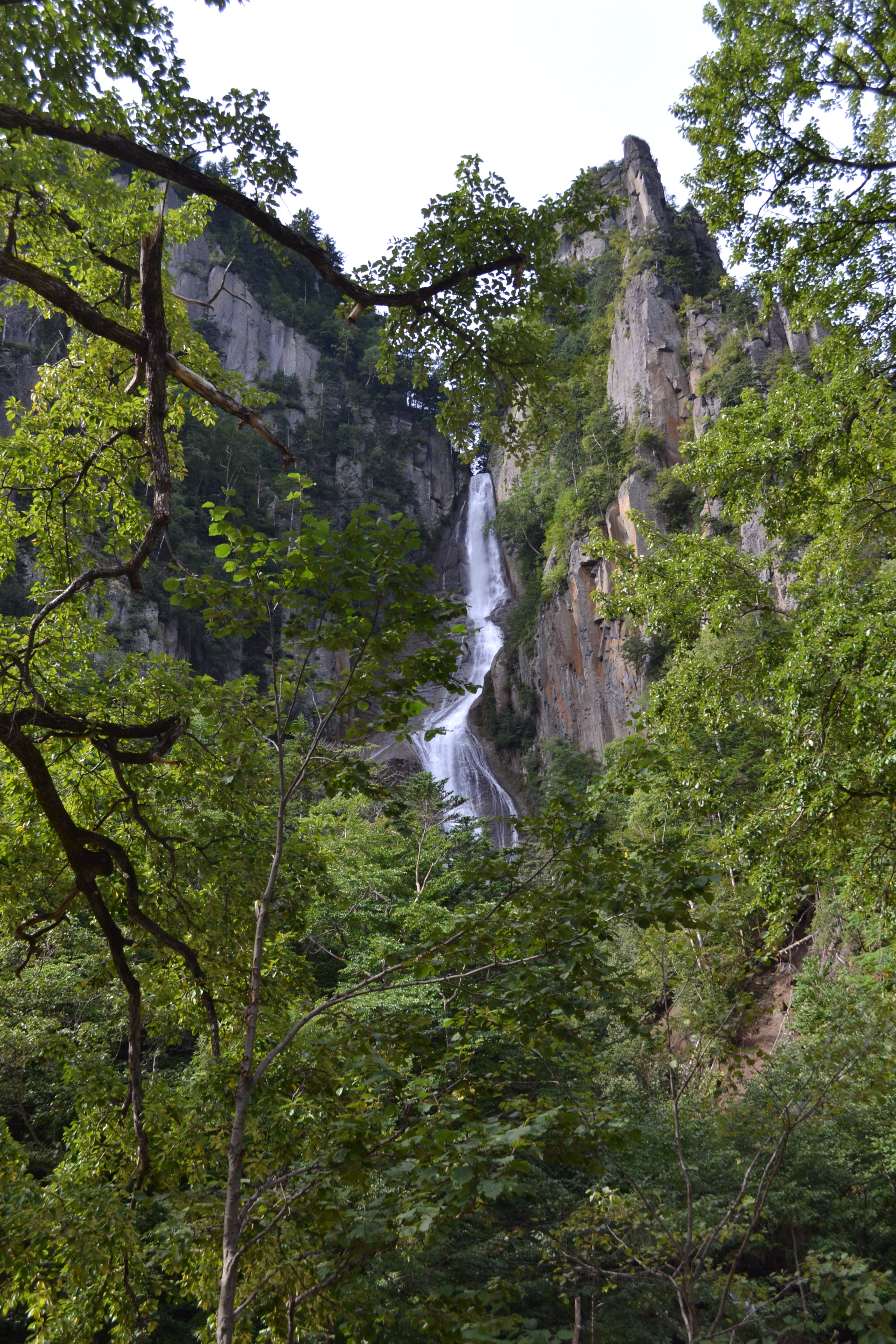
As you depart Sounkyo Onsen going South through the Layer Cloud Gorge be sure to view the Ryusei and Ginga waterfalls streaming down from the cliff tops into the Ishikari River. The recent typhoon in Hokkaido made sure that they looked quite spectacular. 


The drive on Route 39 starts well, with many towering peaks to view. However, once you cross the mountains and descend into the plains it seems to be one long strip mall for about 20 miles until you turn off onto the mountain roads again. It is all worth while, however, when you hit the Bihoro Pass and get your first view of Lake Kussharo in Teshikaga. This lake is the largest caldera lake (volcanic collapse) in Japan and the second largest in the World. Nakajima Island in the middle of the lake is quite stunning. The ph of the lake is 5 – quite acidic – so no fish, but plenty hot springs e.g., Sunayu and Wakoto Onsens. And best of all – this lake is where Nessie’s (i.e., Loch Ness Monster) sister, Kussy, lives.


Daisetsuzan National Park, Hokkaido, Japan

By Paul S Bryers, September, 2016

Daisetsuzan is Japan’s largest National Park. It is about 2-3 hours drive from Sapporo, dependng on your park entry point. We based ourselves in Sounkyo Onsen, which is on the North East border of the park. Highway tolls from Sapporo are about ¥3500 (~US $35)  – yes, tolls are expensive in Japan, but roads are very well maintained. 

The village itself is a bit tired, but the setting is terrific – right in the Sounkyo Gorge with the cliffs towering above and the river rushing through. 

There are a number of hiking opportunities in the Sounkyo area, but the best idea for a day hike is to take the ropeway from the village to Kuro-dake “5th Station” (¥2200 ~ US $22 return) and then walk 10 minutes to take the chairlift to Kuro-dake “7th Station” Ski hut (¥600 ~ US $6 return) at 1520 m high, and then to follow one of the trails. We hiked up to the top of Mt. Kuro-dake (1950 m) and then to Ohachidaira viewpoint (2075 m) which offers incredible views of the Ohachidaira volcanic crater. It takes 3-4 hours to the viewpoint and then 2-3 hours for the return trip. And of course you have to have a good soak in the (very) hot springs after you get down from the mountain. The springs at our hotel (The Grand) were excellent. 


Beijing City – Temple of Heaven

By Paul S Bryers, September 2016

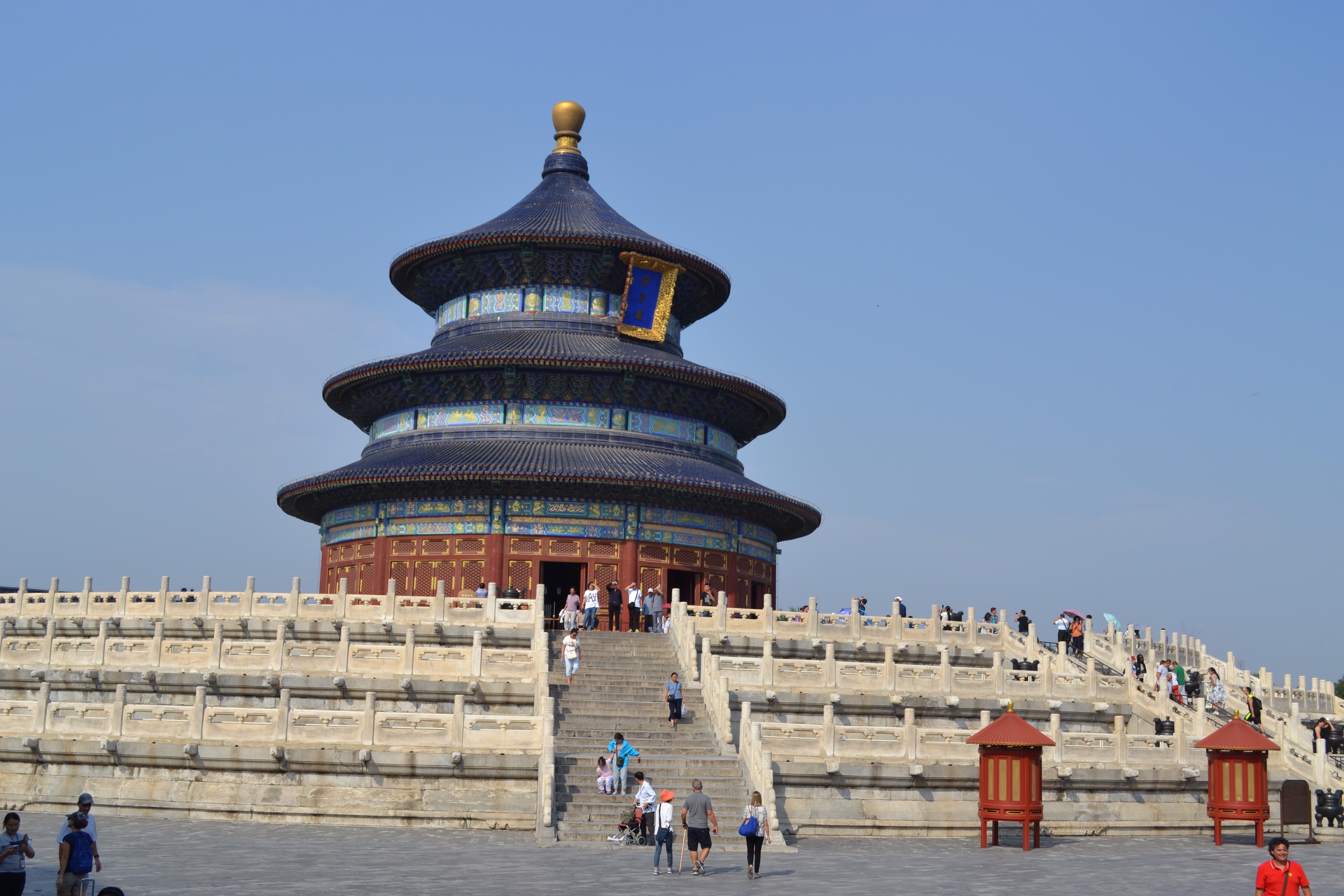
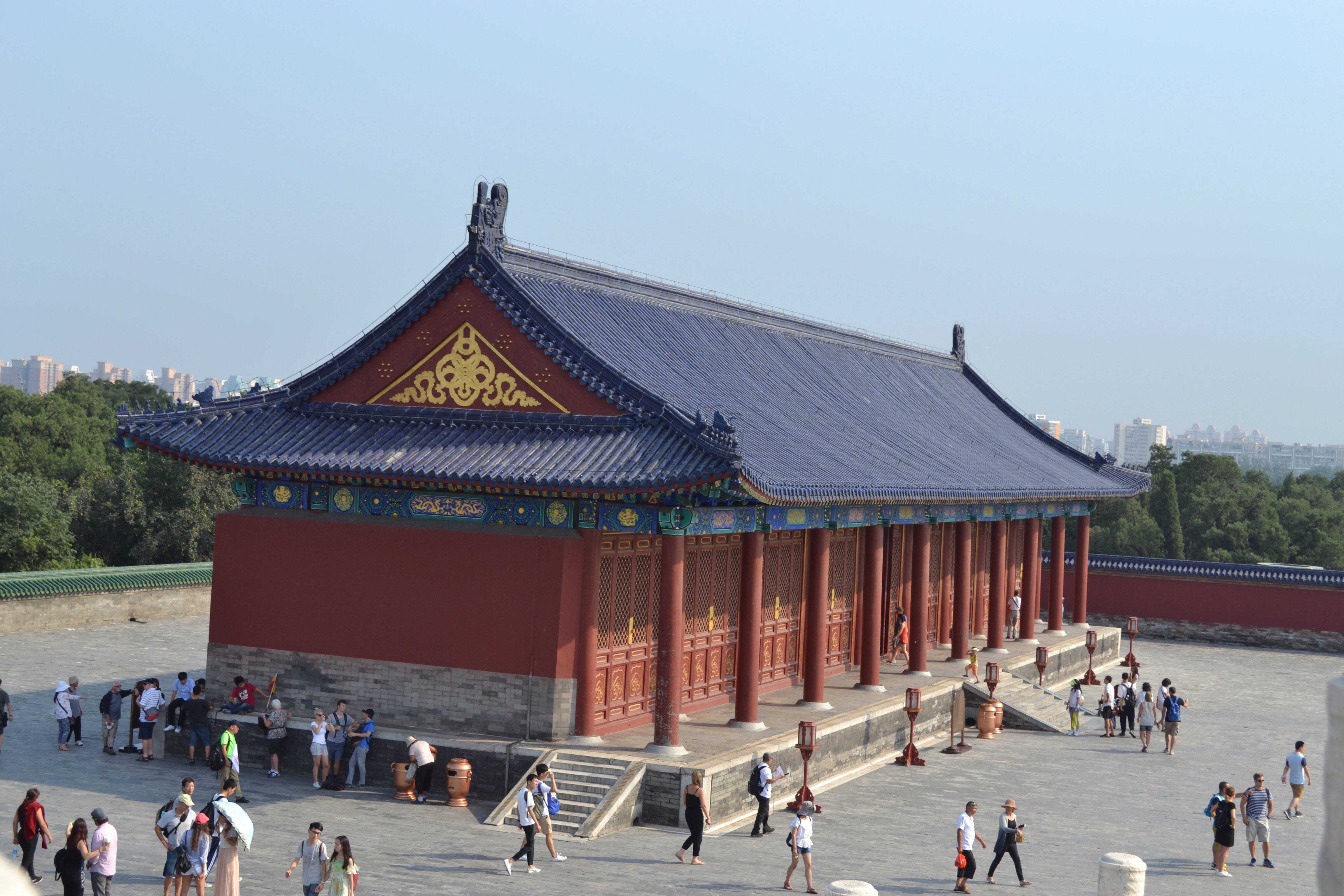
The Temple of Heaven Park is located in the south of Dongcheng District. The park is lovely and quiet after the craziness of more central parts of Beijing. The temple was rebuilt in 2008 for the Olympics, which is a bit disappointing if you were expecting an older structure. Still, worthy of a visit. Don’t miss Echo Wall – if there are not loads of tourists around (unlikely) you may be able to hear what people are saying about you on the other side of the sight.

Beijing City – Beihai Park

By Paul S Bryers, September 2016

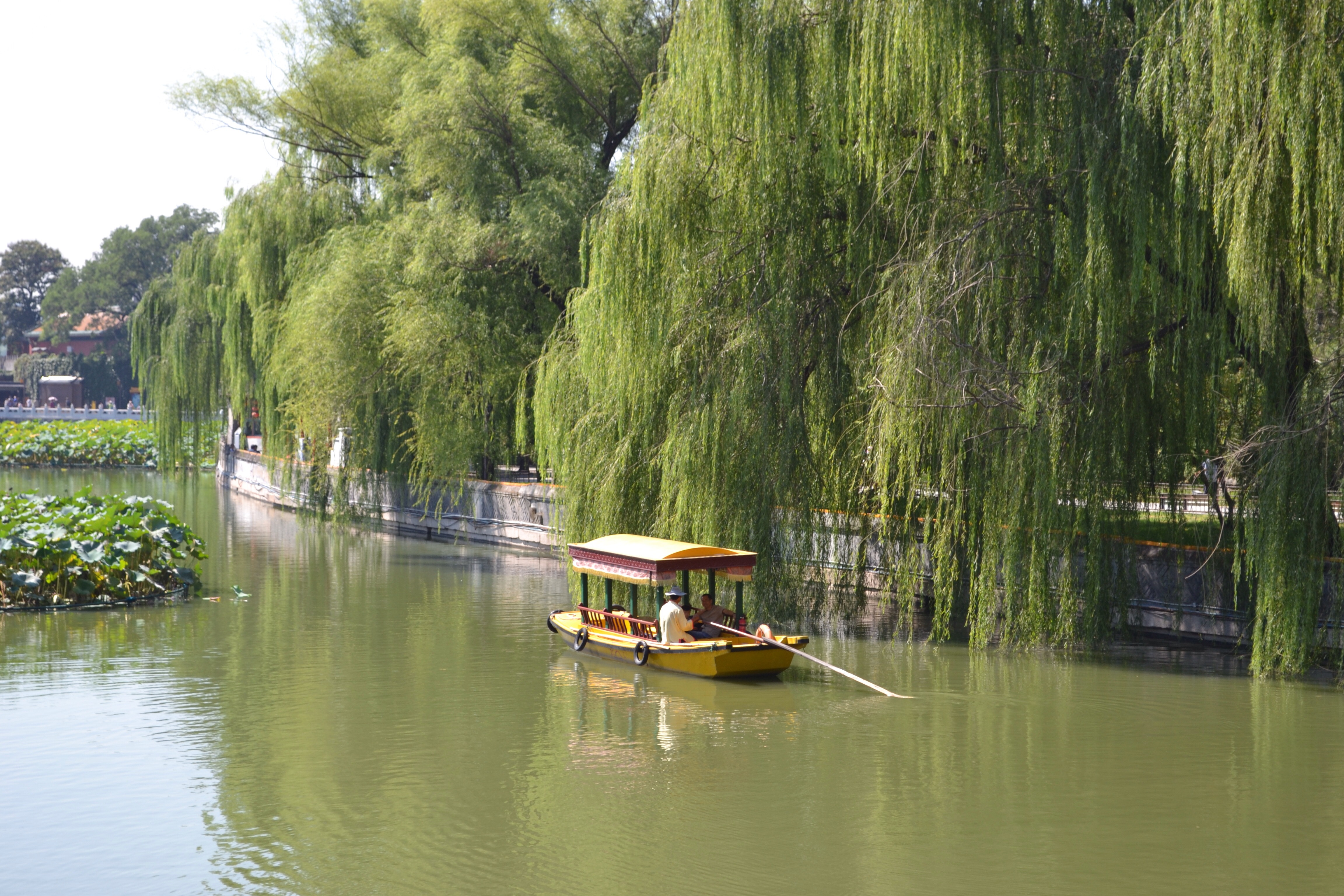
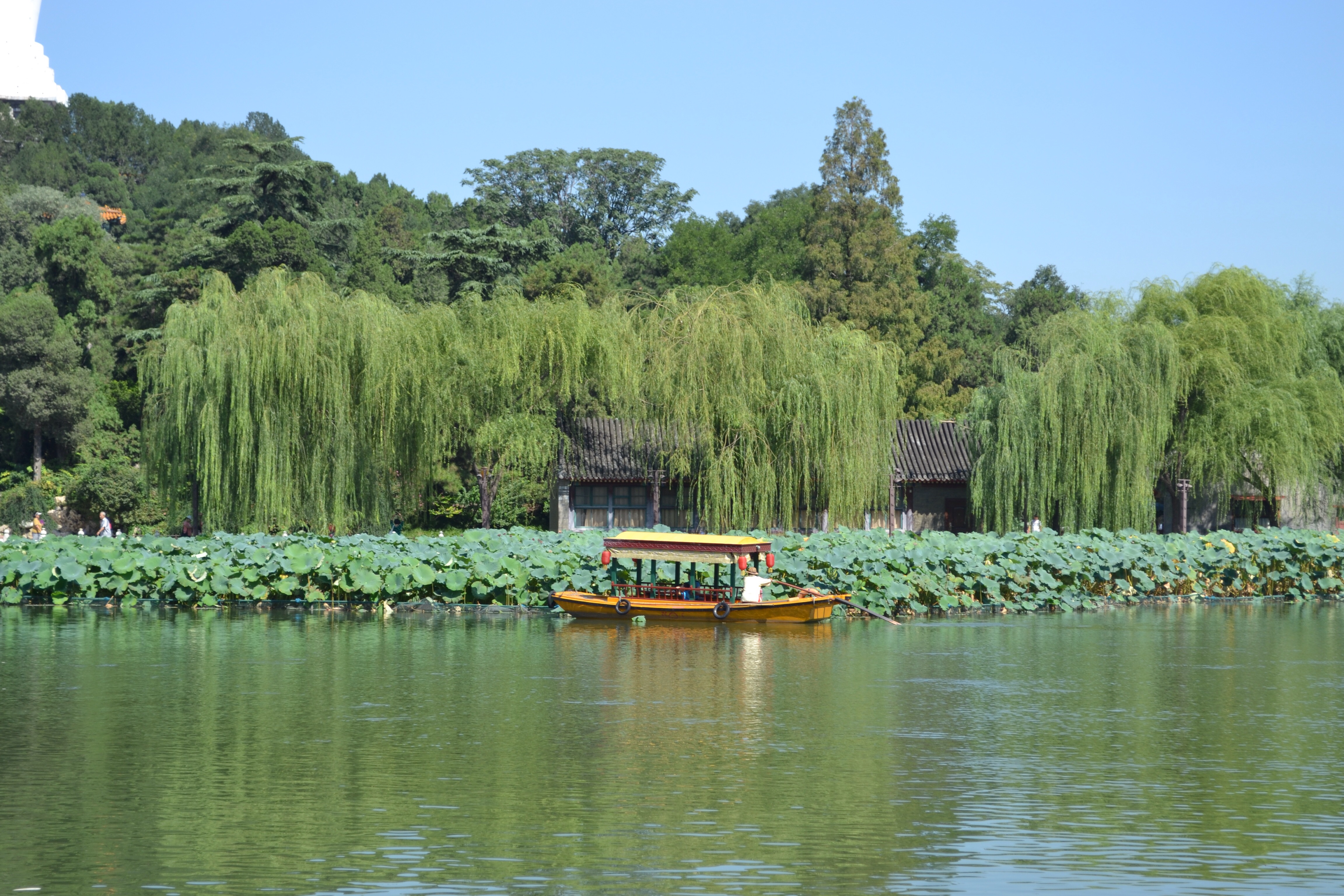
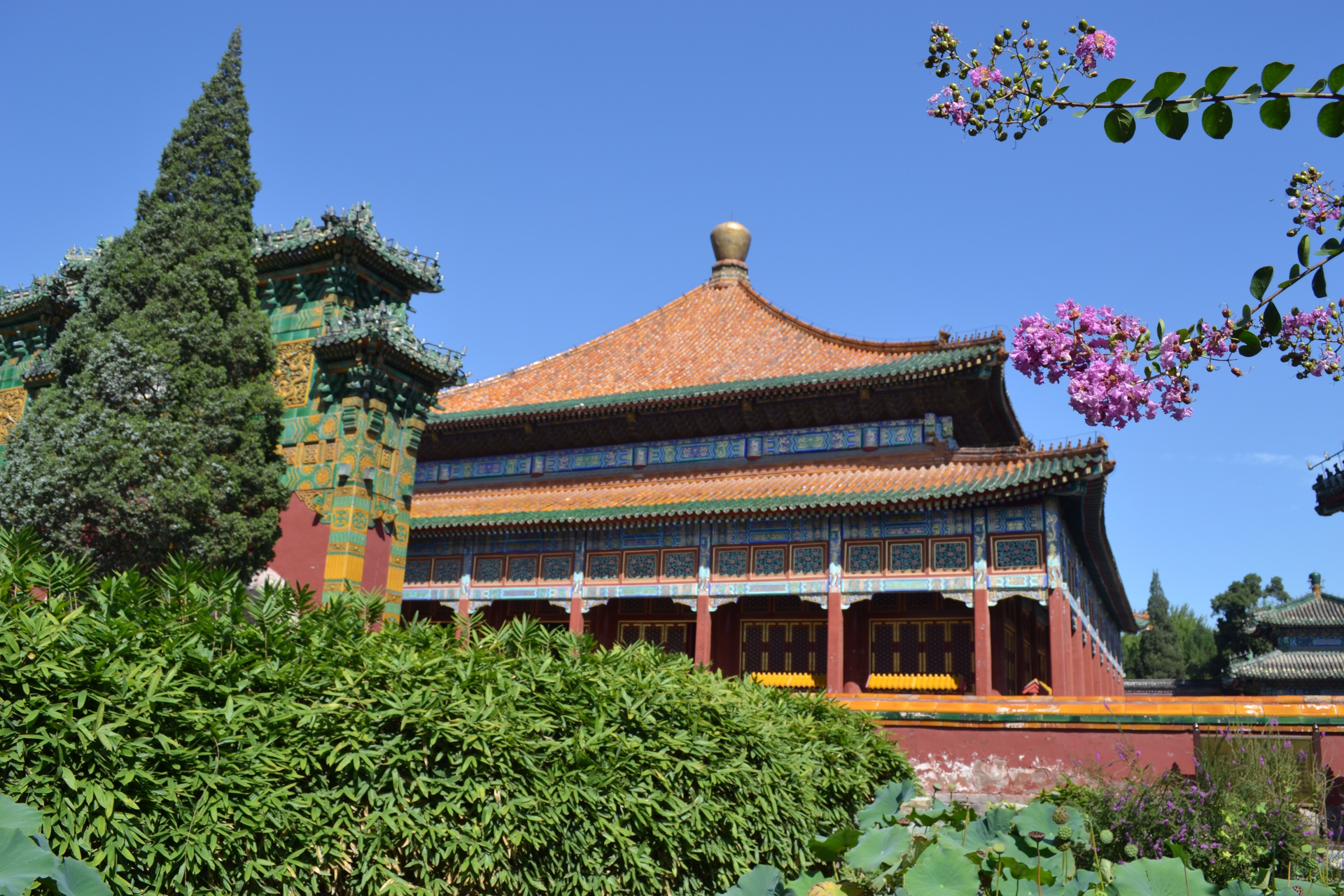
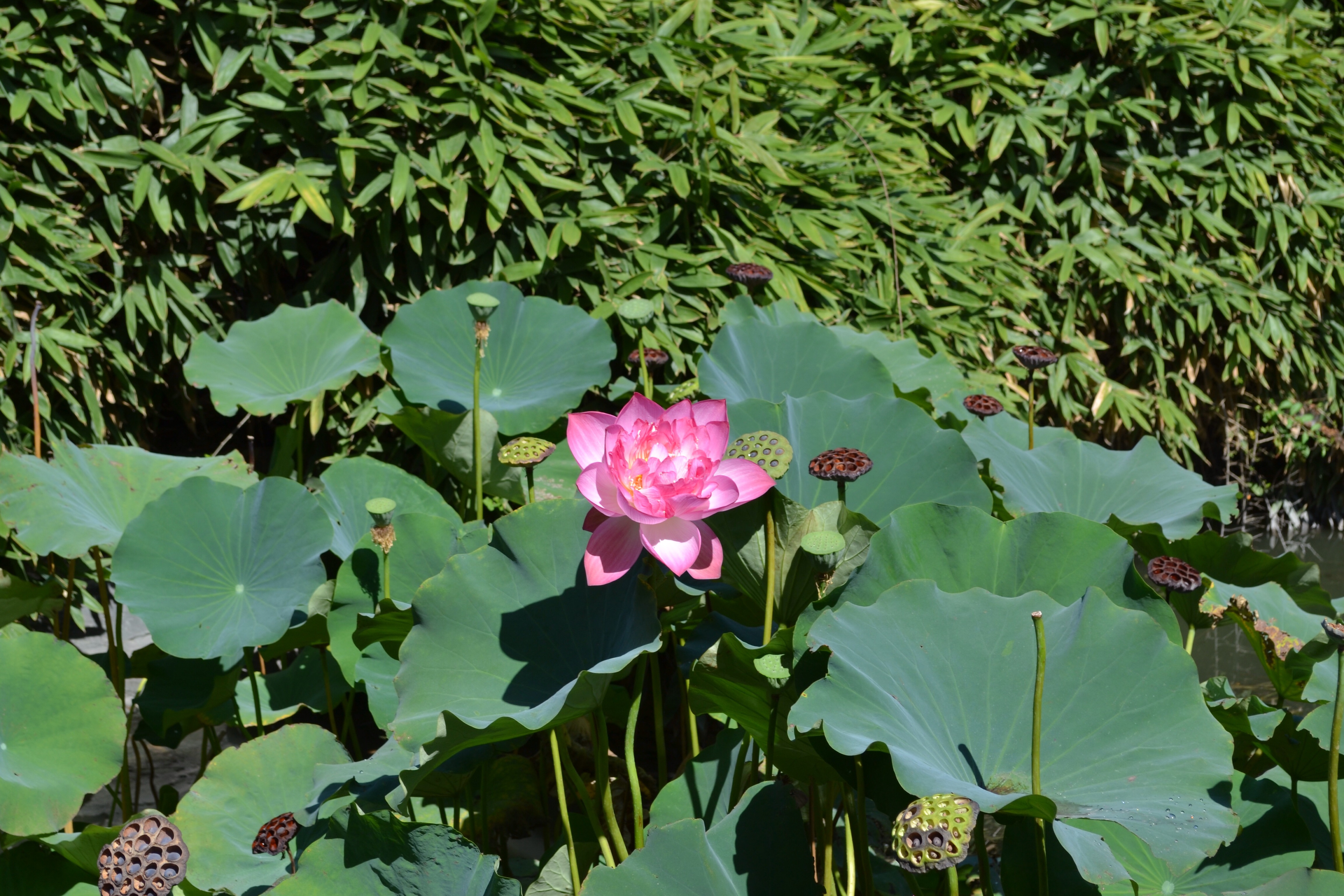
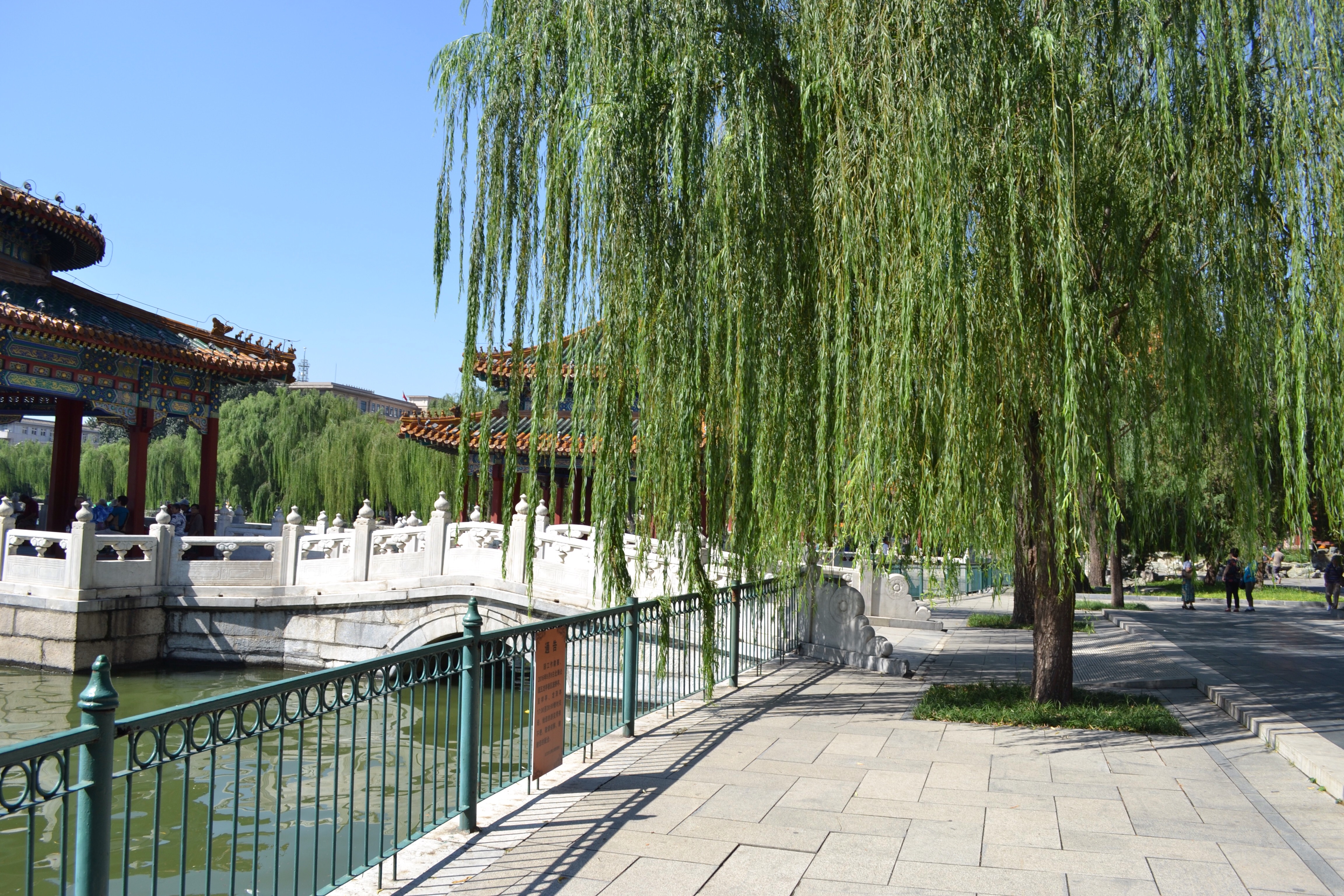
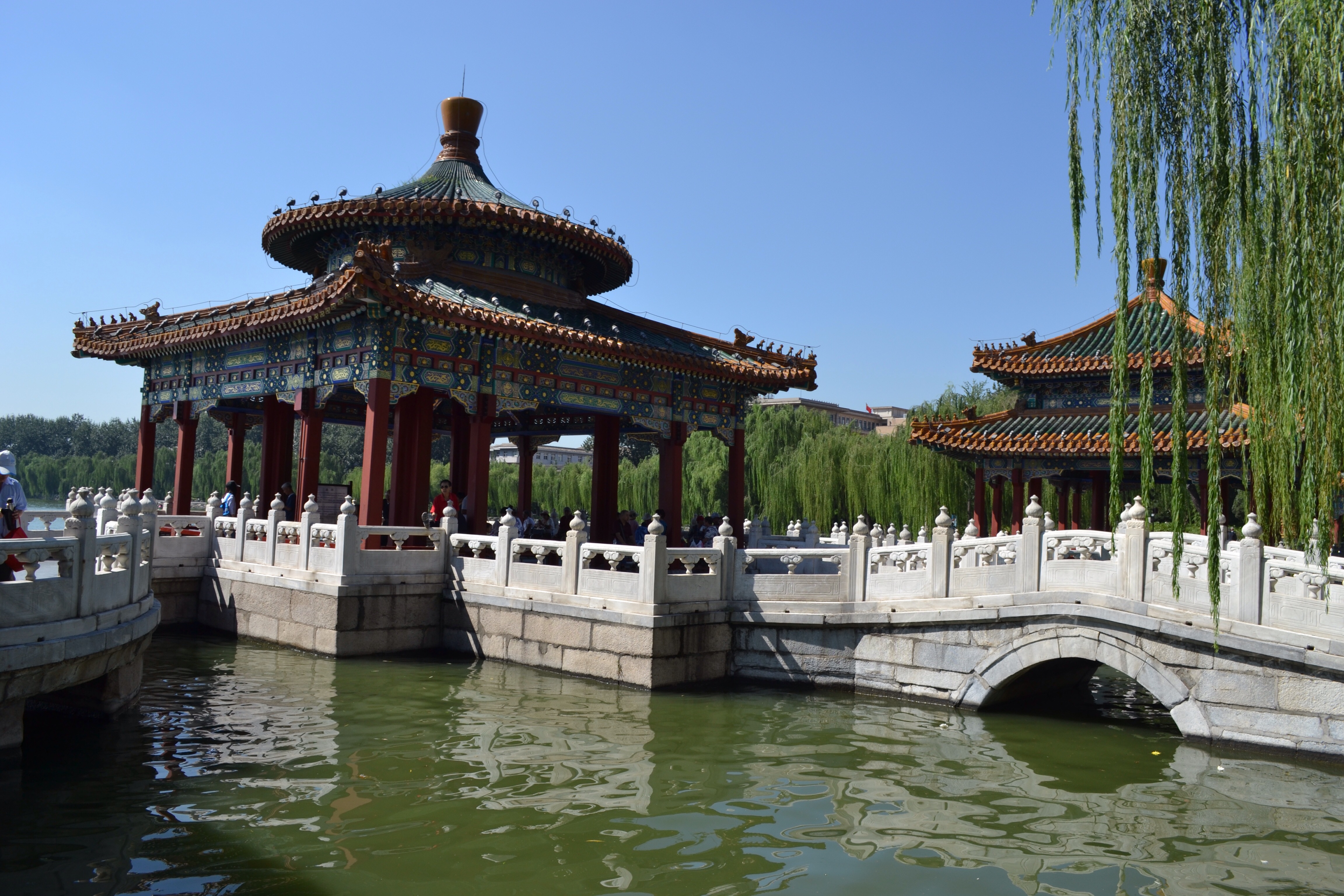
Beihai Park is in Xicheng District and northwest of the Forbidden City. It is our favorite park. It consists of a number of lakes, the largest, Beihai or North Sea, is huge. It blooms gloriously with lotuses in summer – we were a bit late as only a few blossoms were left. There were many people dancing (to traditional to jazz music) and groups singing. It’s a restful place to sit or stroll around. Grab a lolly of pressed rice and fruit and watch folks boating on the lake. Note that if you enter by the North Gate and walk along the West side of the lake you cannot officially walk up the East side of the lake. However, if you exit by the Southwest gate and then act like a stupid tourist at the Southeast Gate, you can probably gain re-admission for free. 


Beijing City – Peking Opera

By Paul S Bryers, September 2016

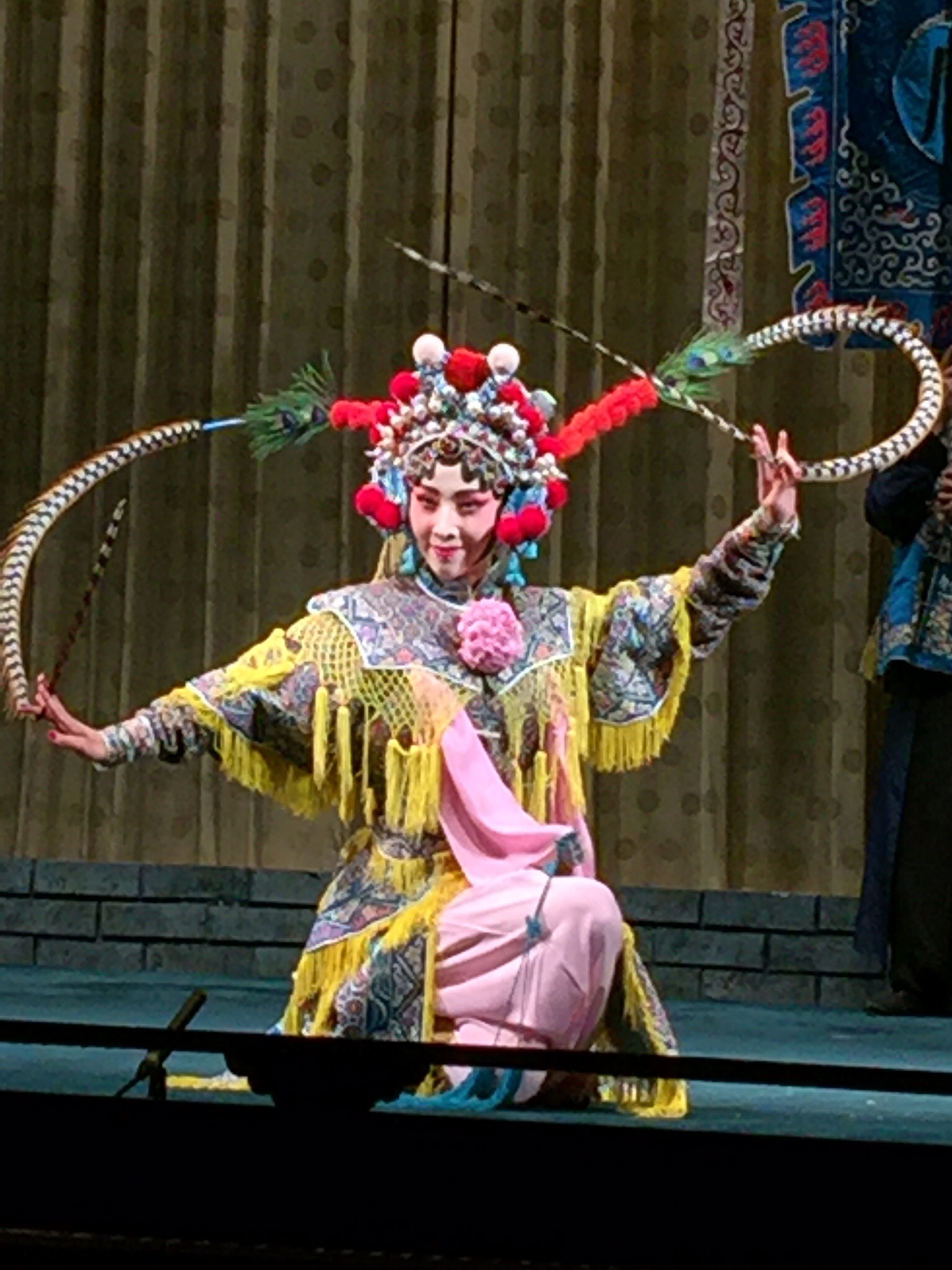
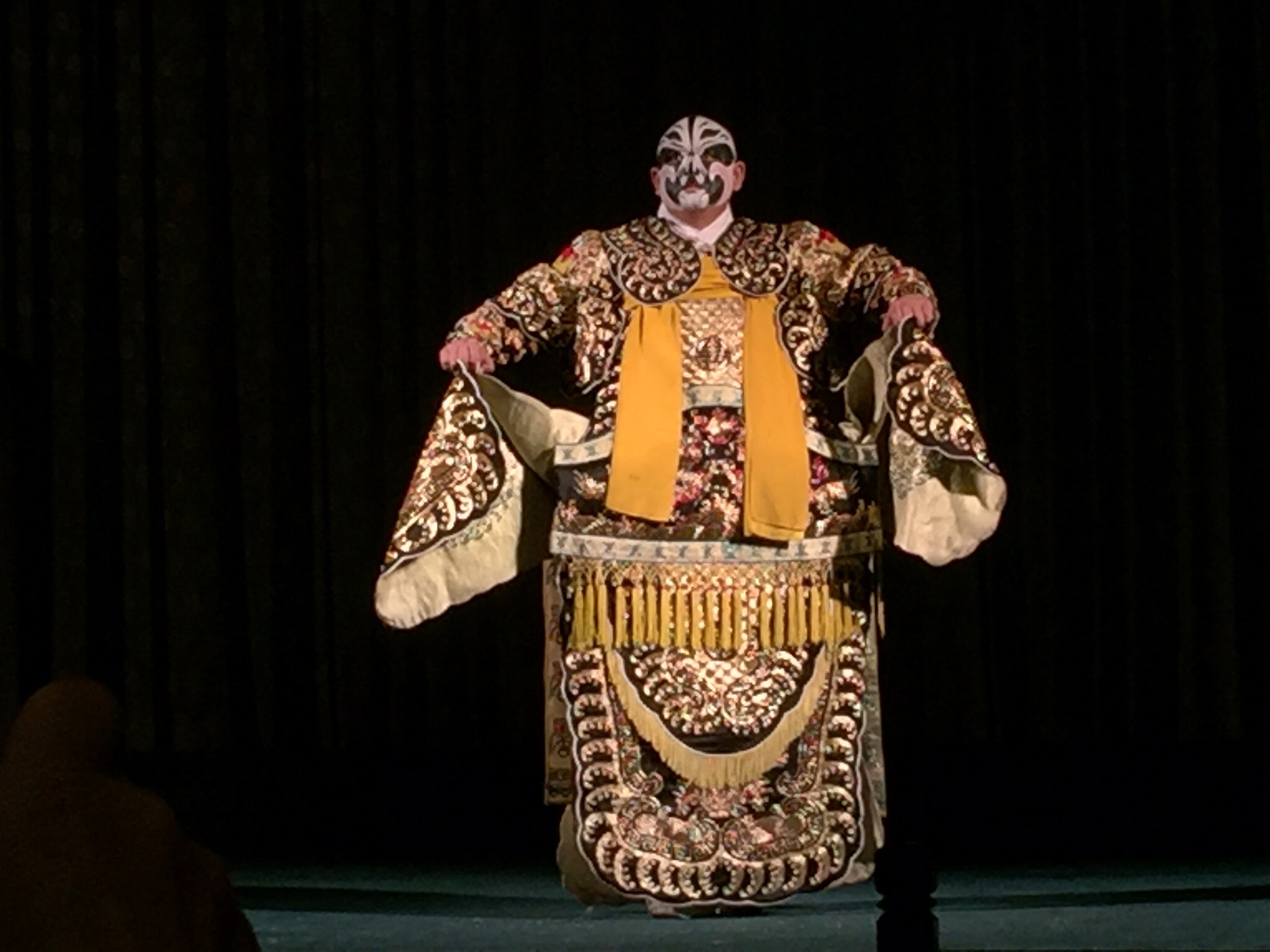
A trip to Beijing is not complete, nor your life according to our guide Sucre (Chinamango), until you experience the Peking Opera. He is right, so make sure you go. Shows are available at a number of venues, they start at about 7.30 pm and last for about 1 hour. Pay a bit extra to get front row seats (about 300 RMB / US$45, which includes tea and snacks) and you will have a memorable evening. You might even want to sing along…..


Beijing City – Forbidden City, Tian’anmen Square and Parliament Building

By Paul S Bryers, September 2016

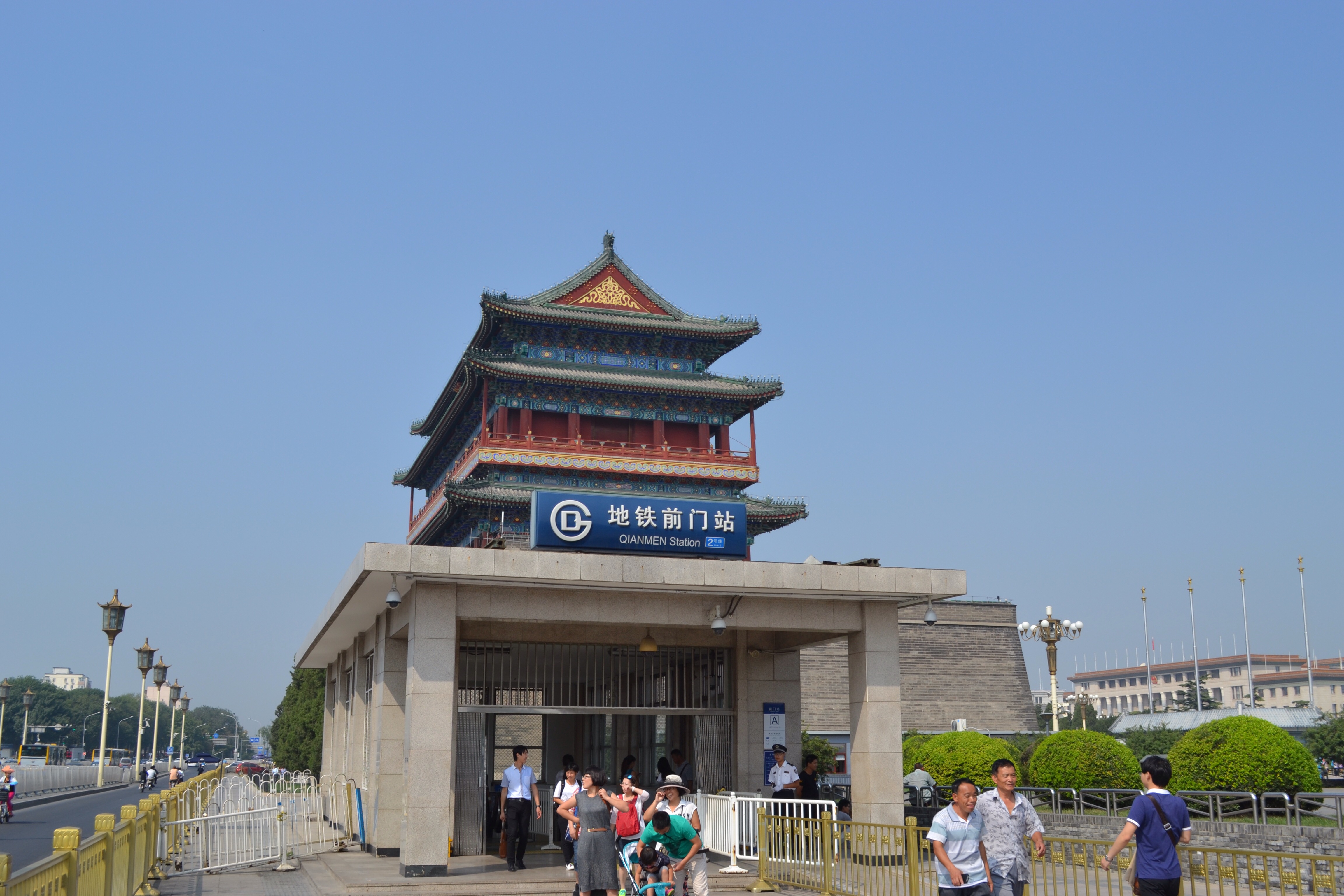
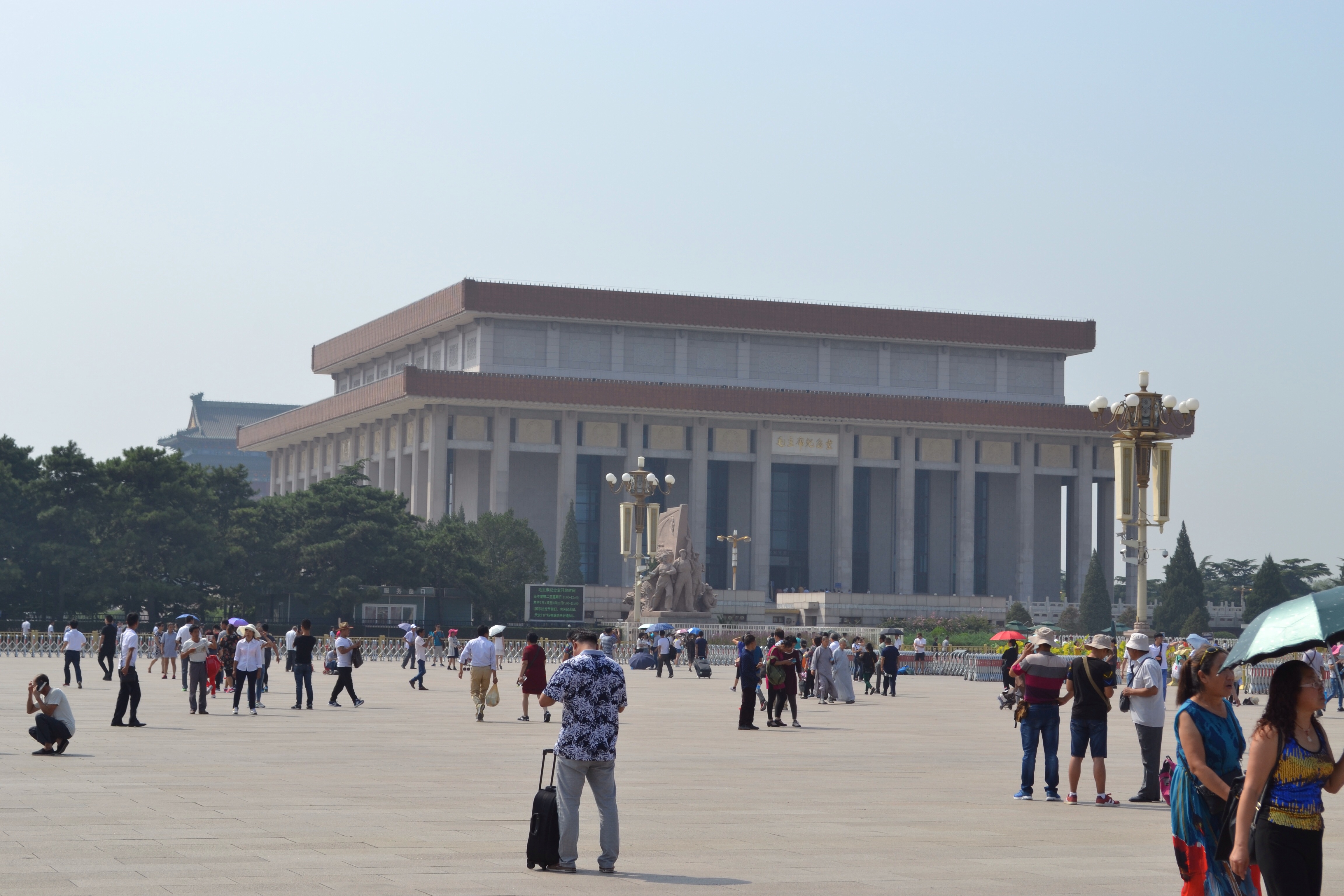
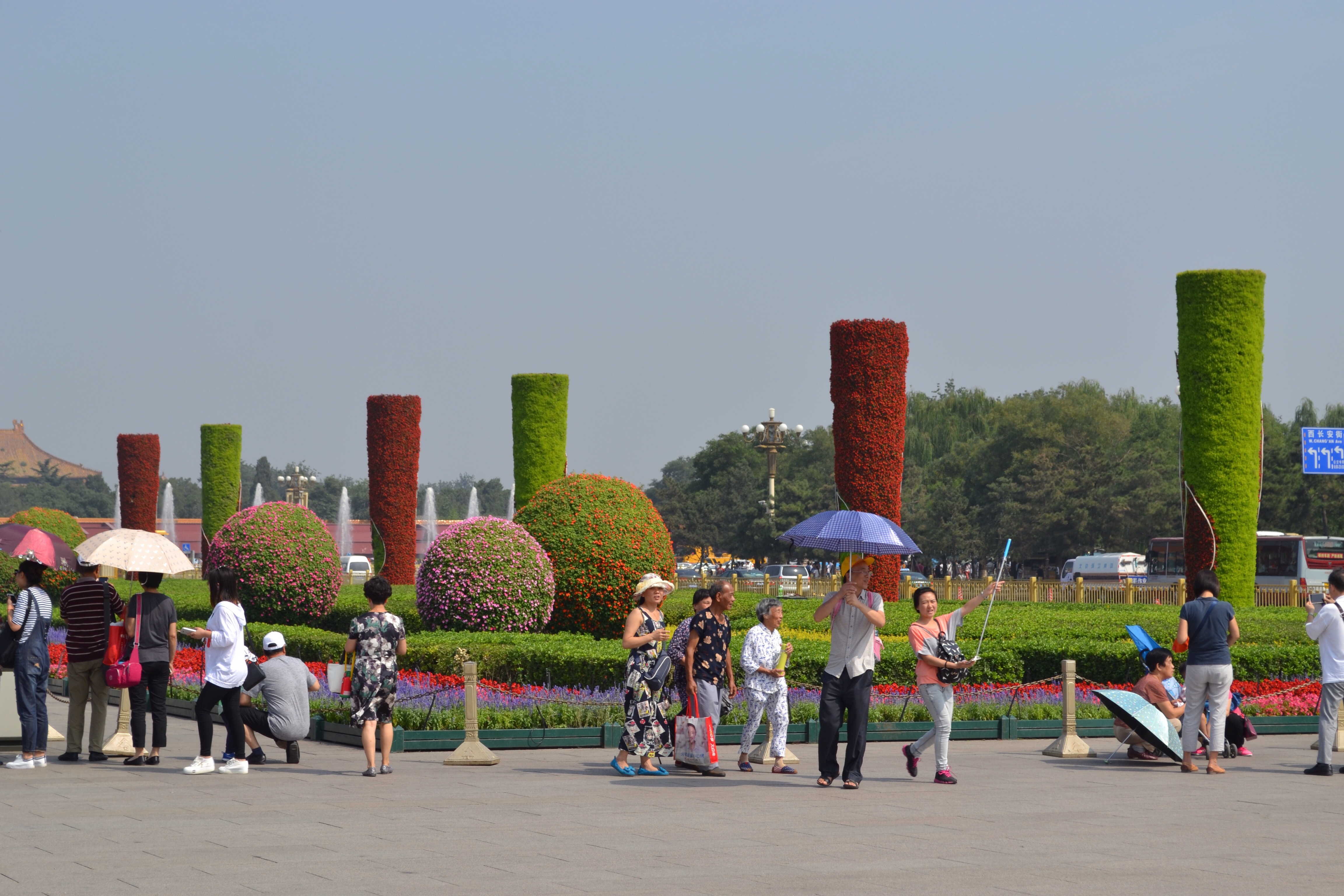
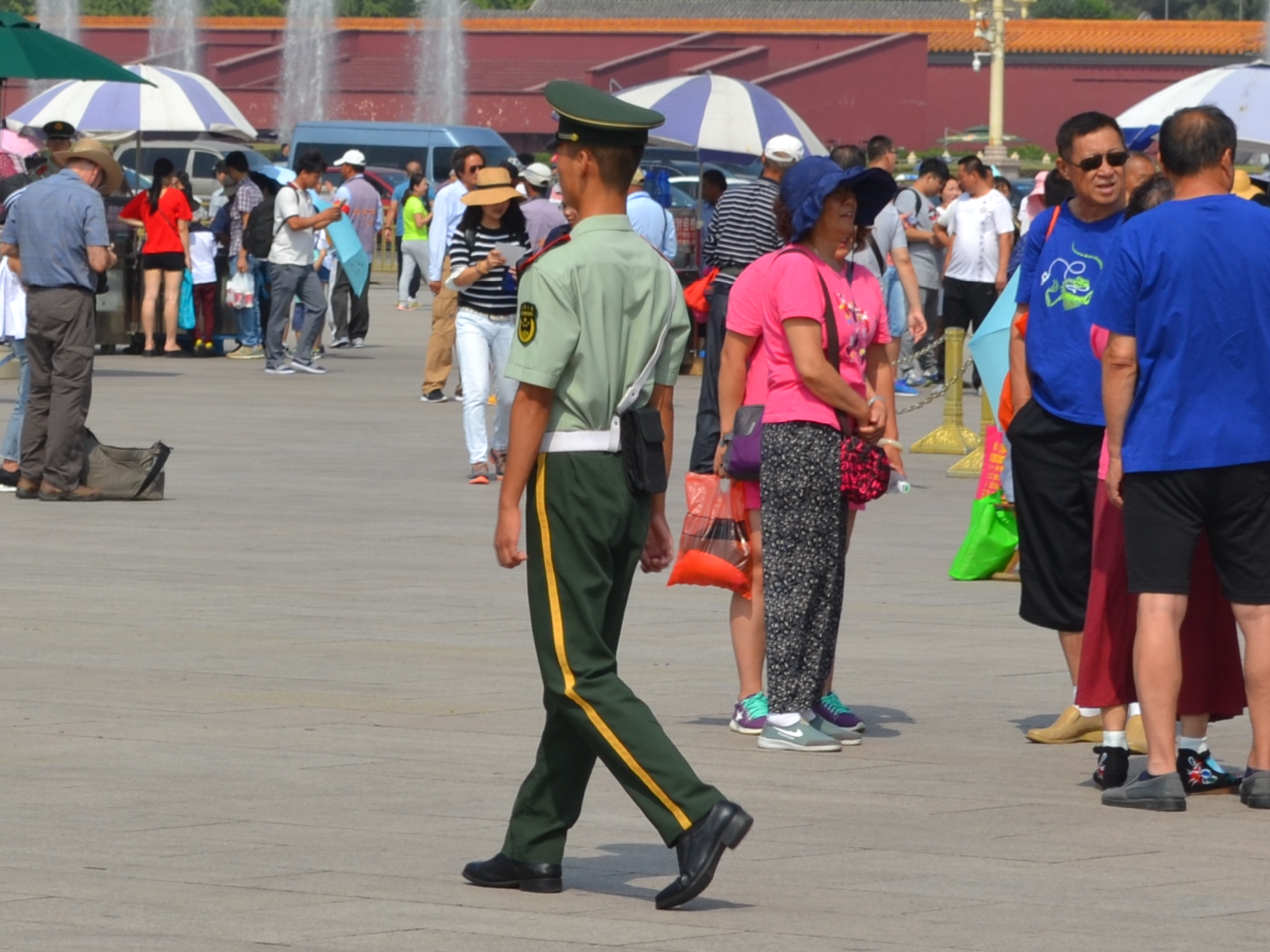
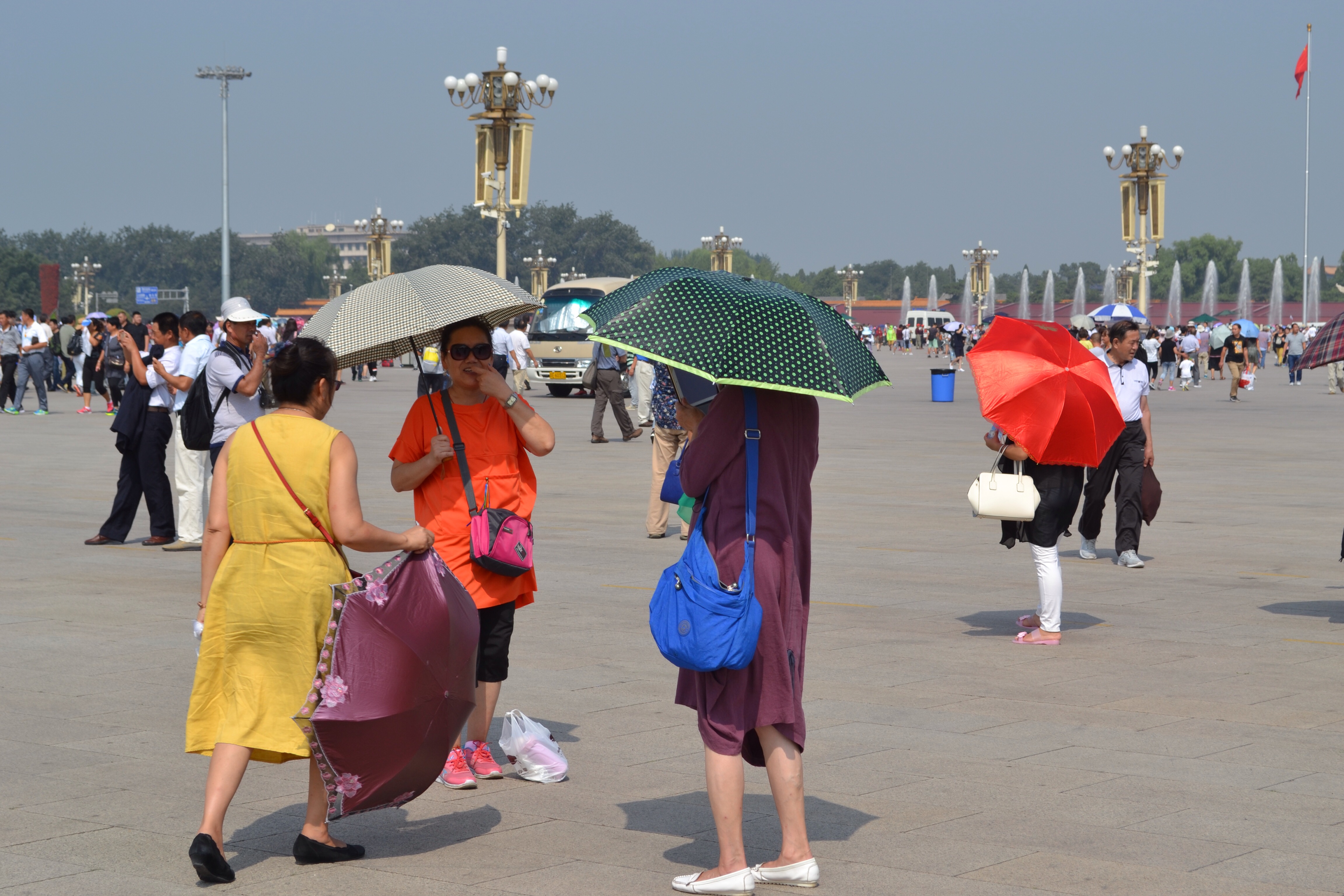
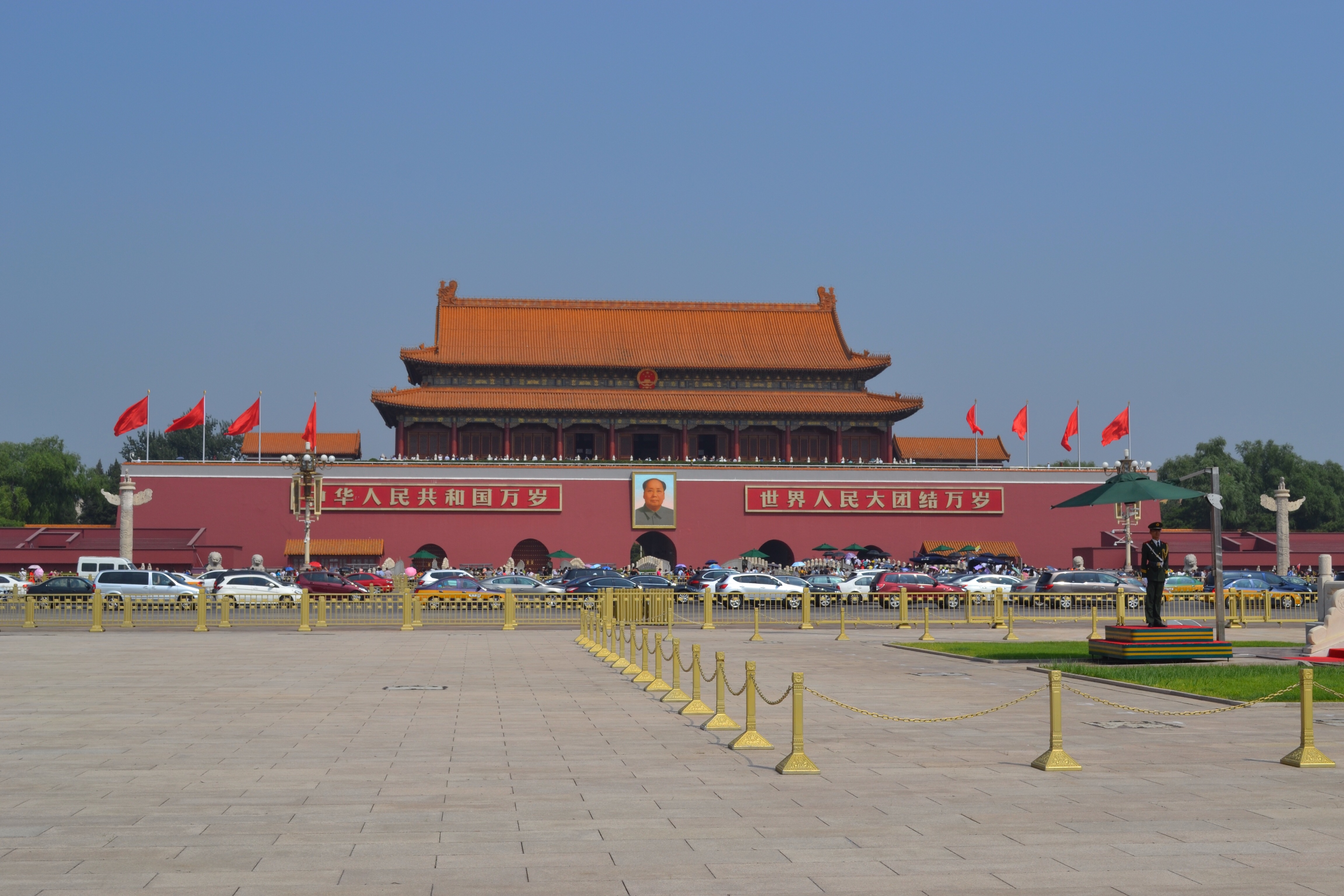
Located in the central part of the Dōngchéng District are some of Beijing’s best attractions. We took the subway to Tian’anmen Square and then walked to each of the sights. The infamous square is vast, accommodating over 1 million soles. Located off the square is the huge Parliament building, which seats over 5,000 politicians from around China, an obelisk war memorial, Chairman Mao’s Memorial Hall/Tomb and an enormous unmarked building that our guide asserted was the equivalent of the USA’s CIA….

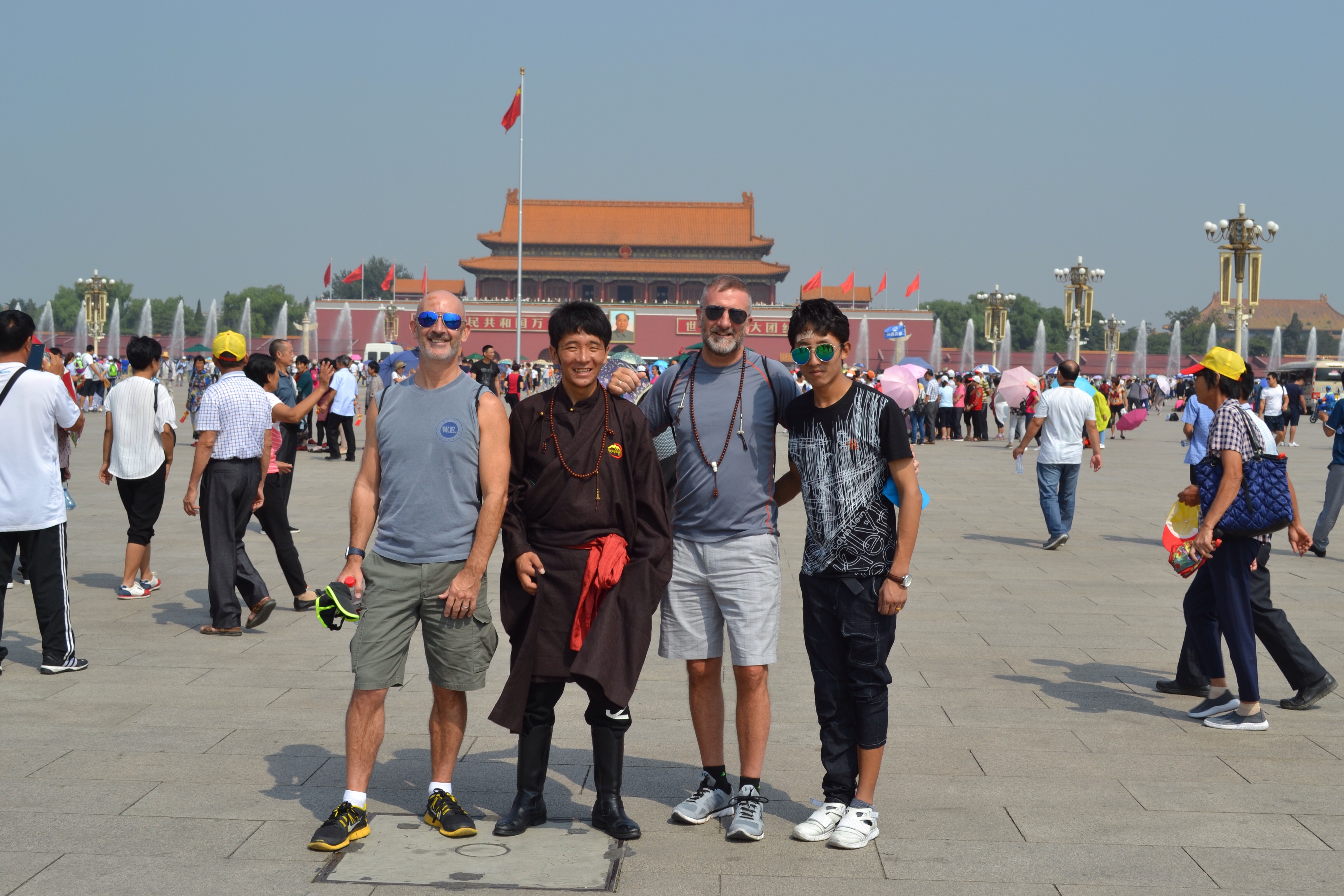
The best part about the square is people watching – loads going on. We met some guys from Tibet who insisted on photos.

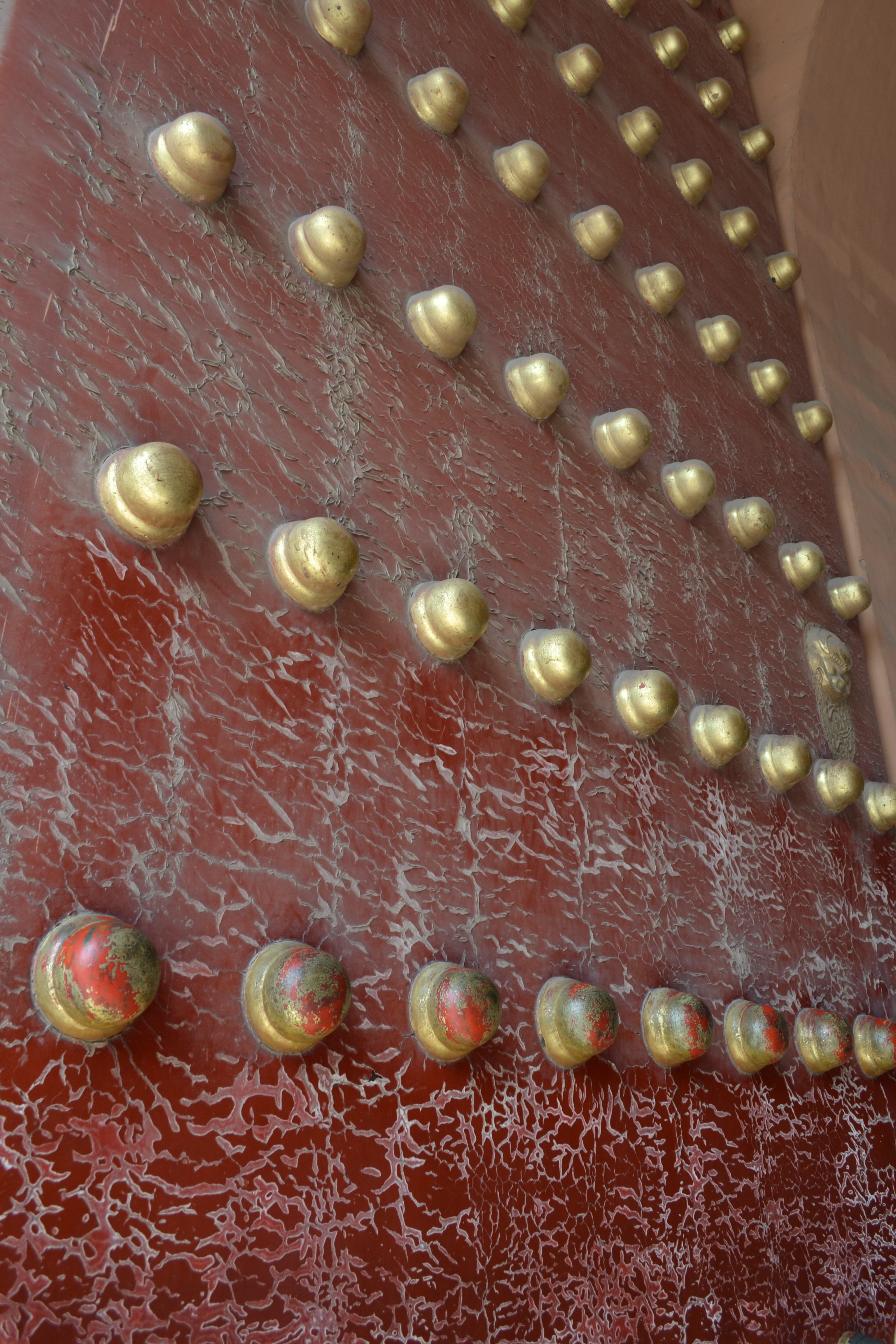
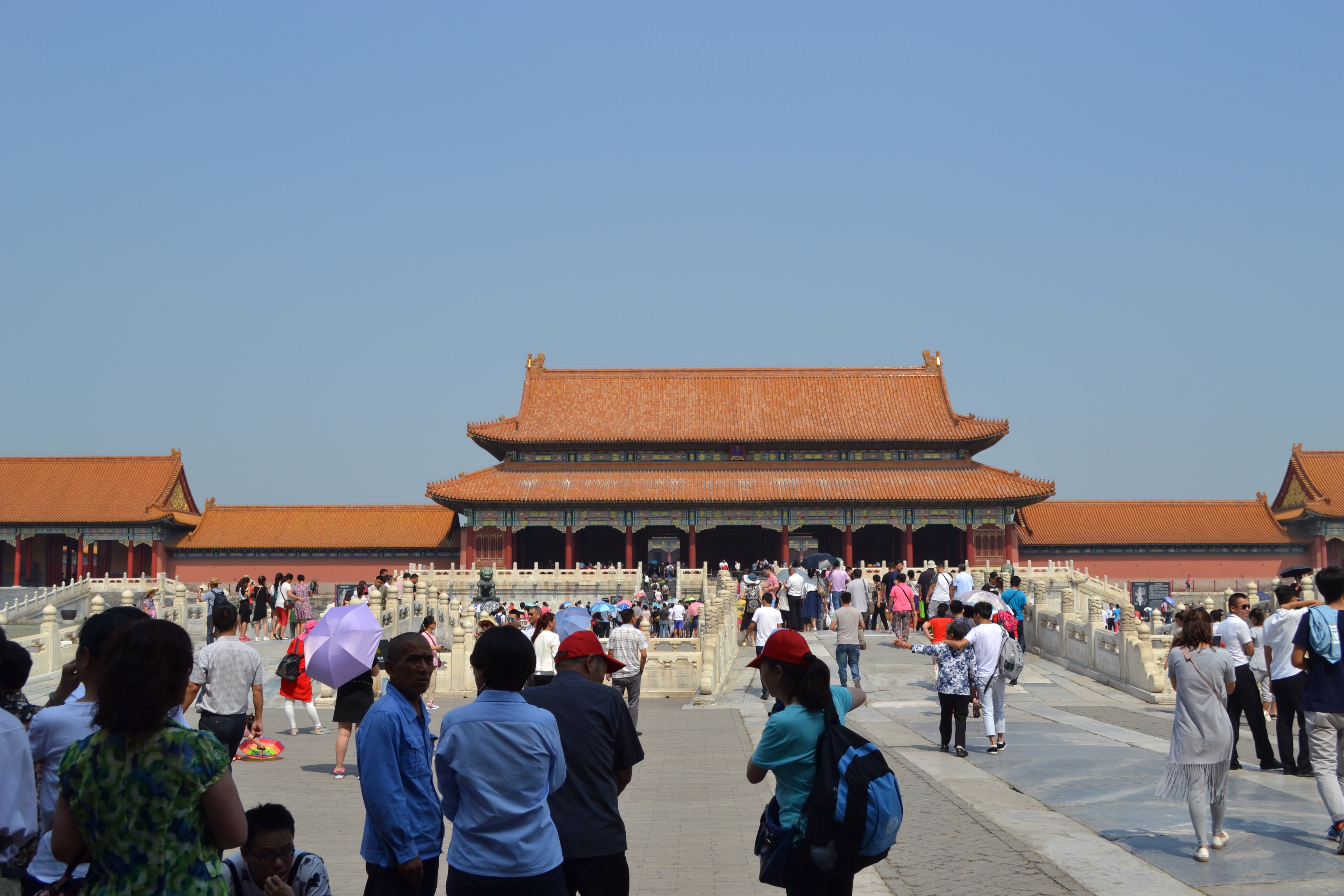
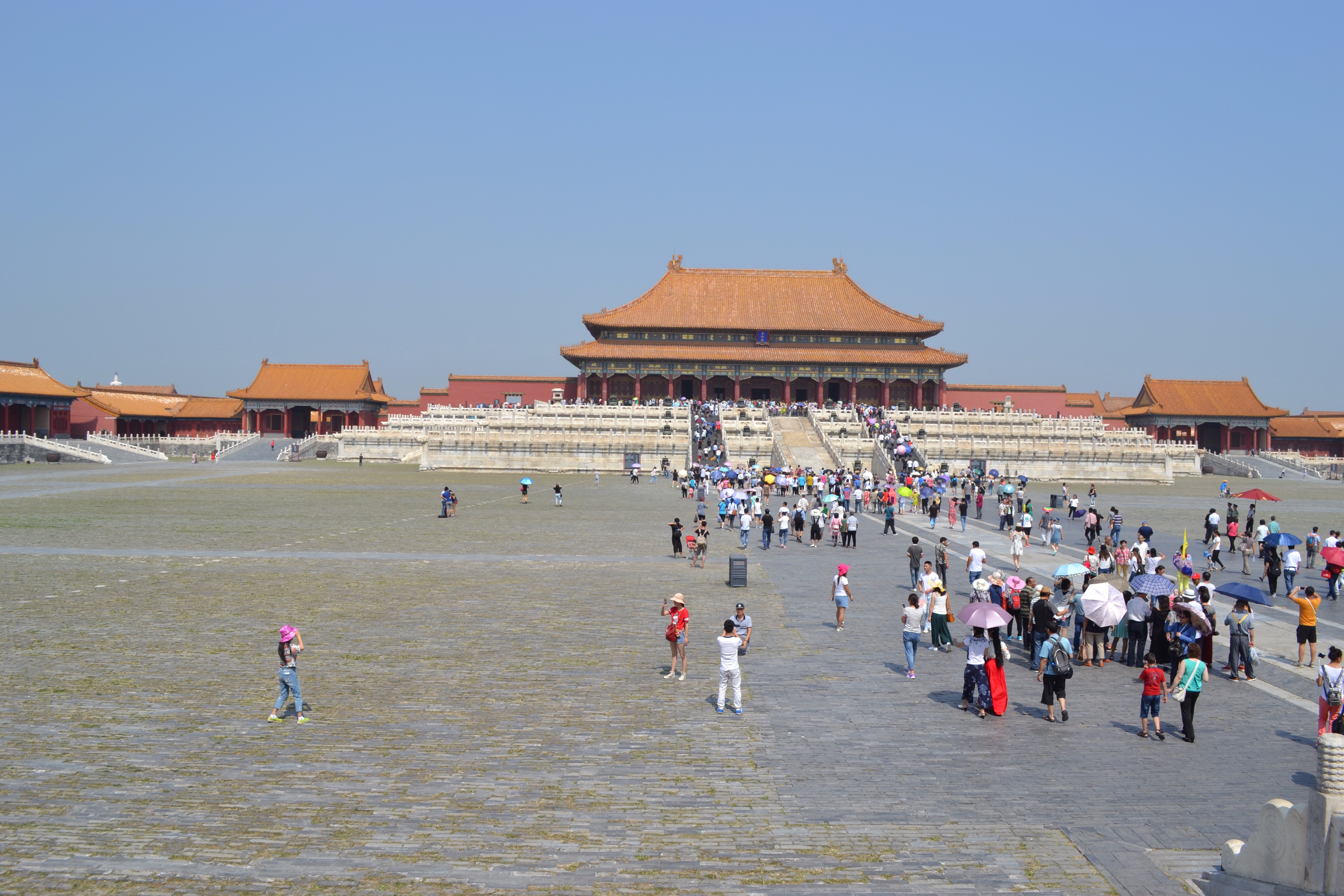
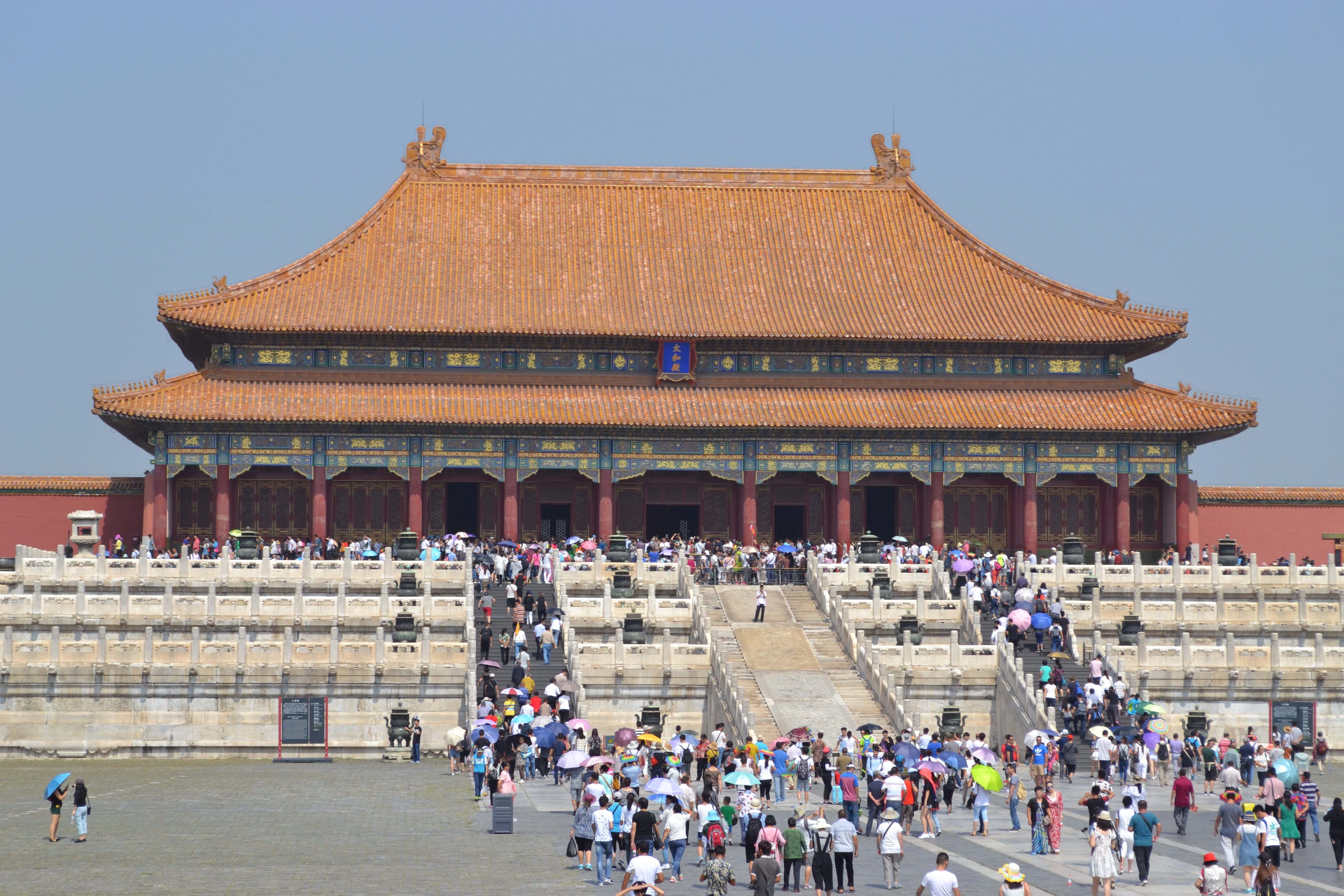
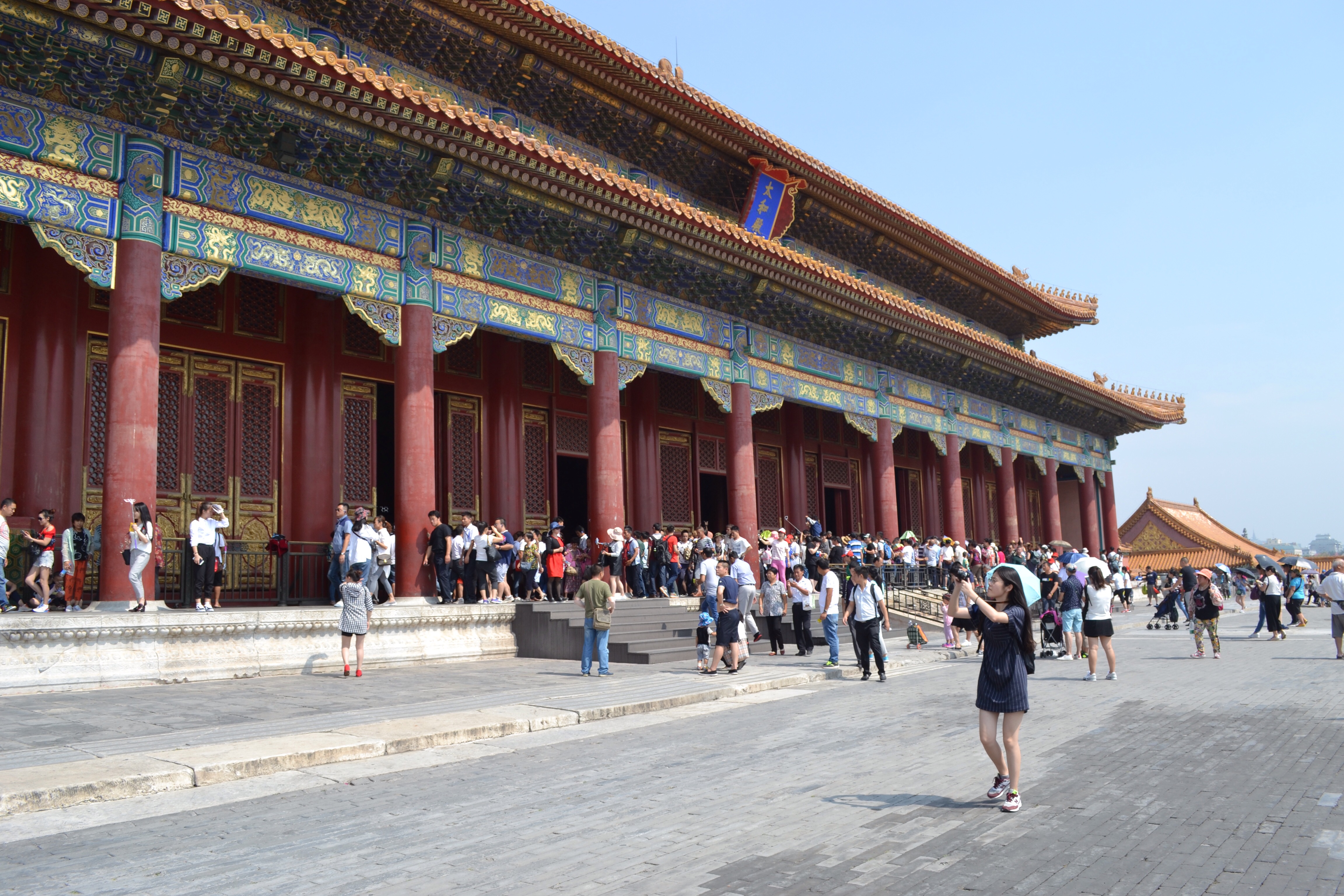
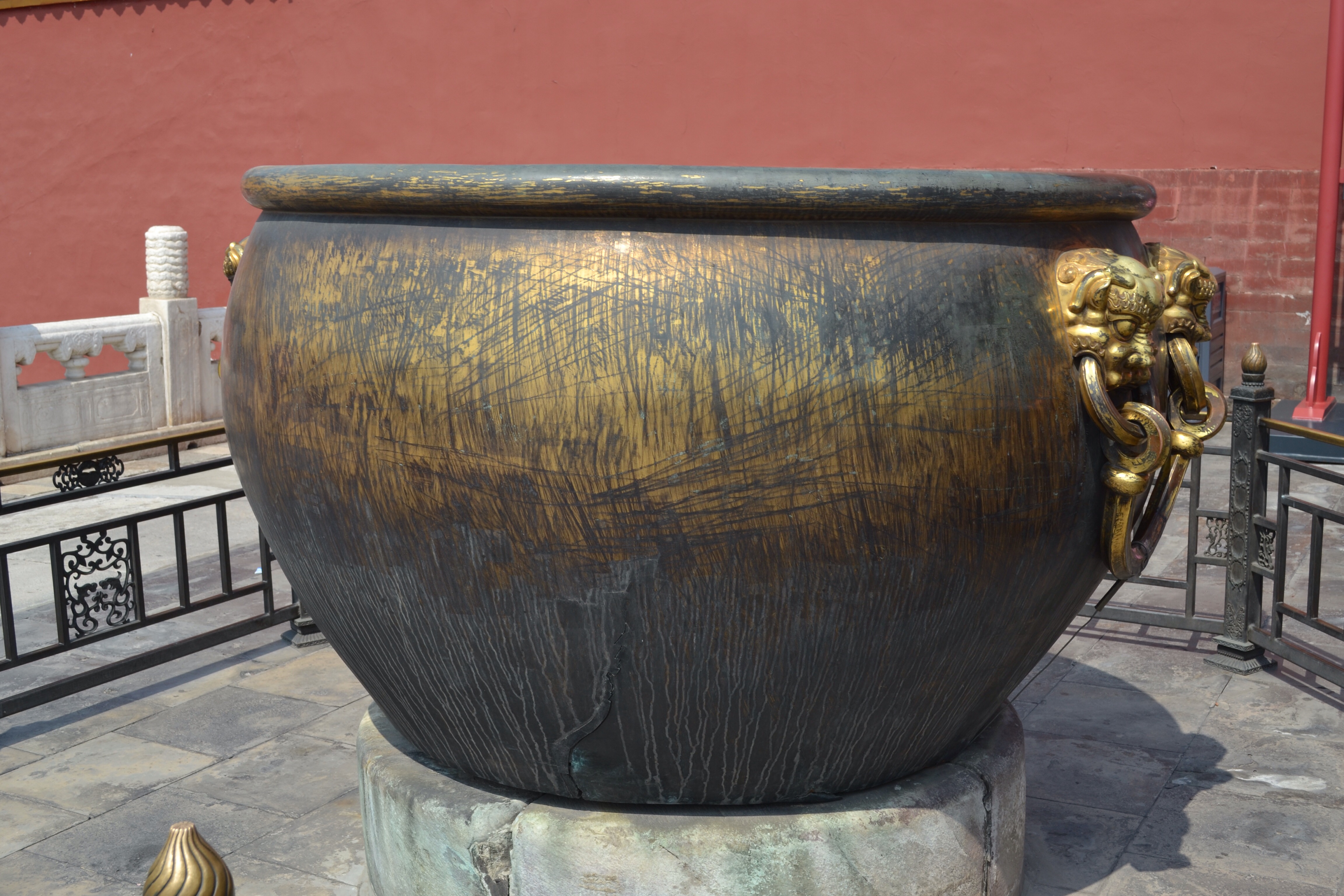
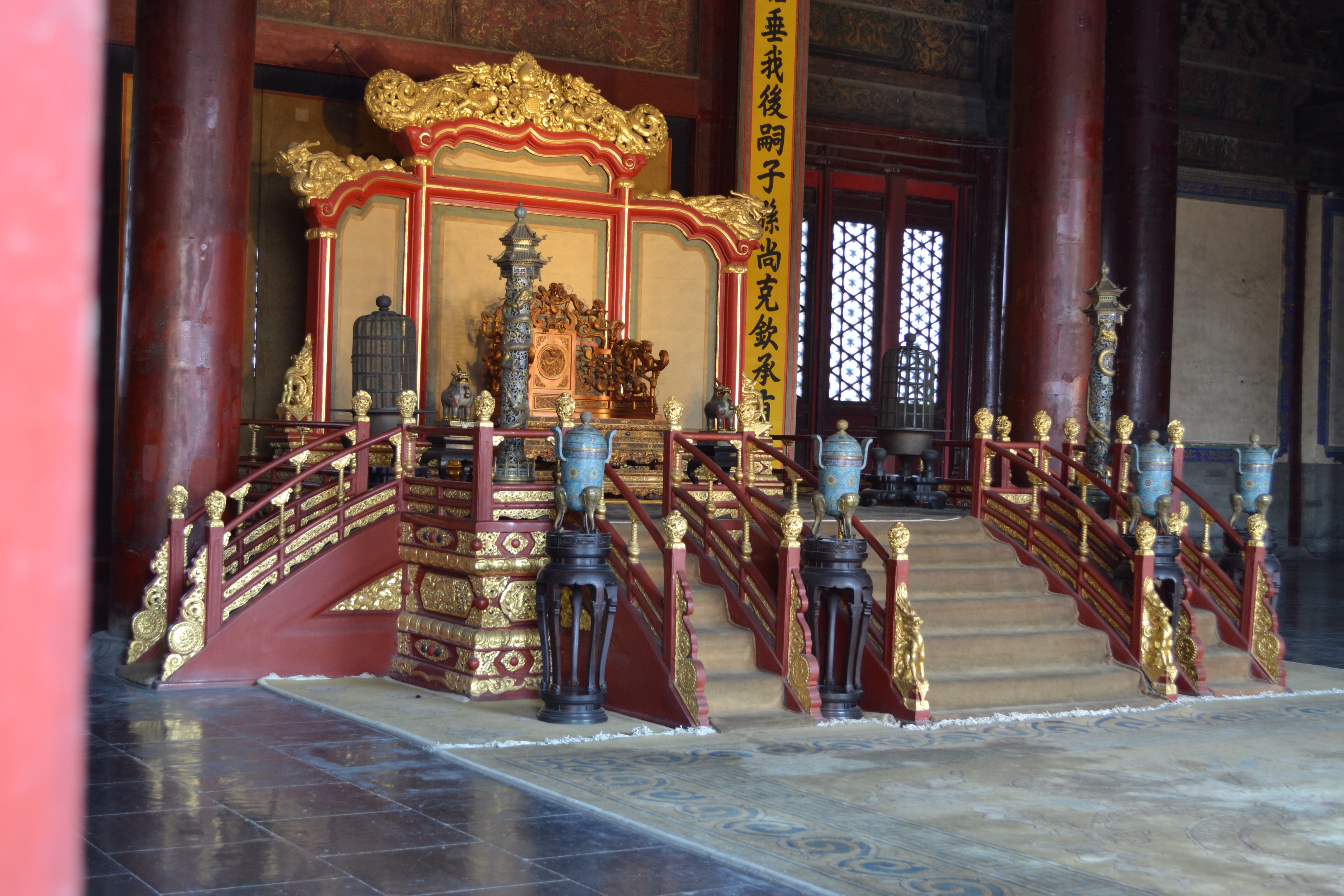
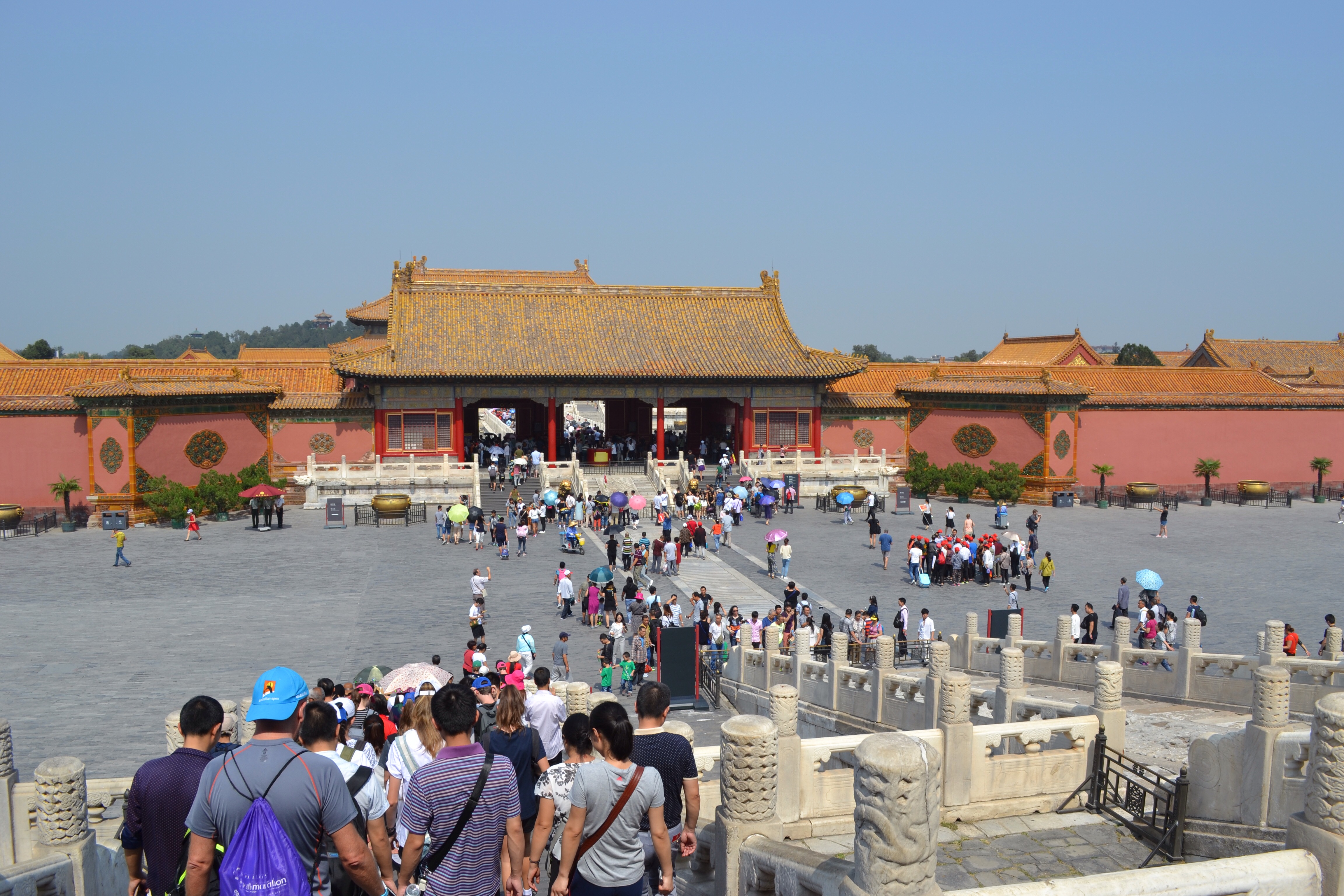
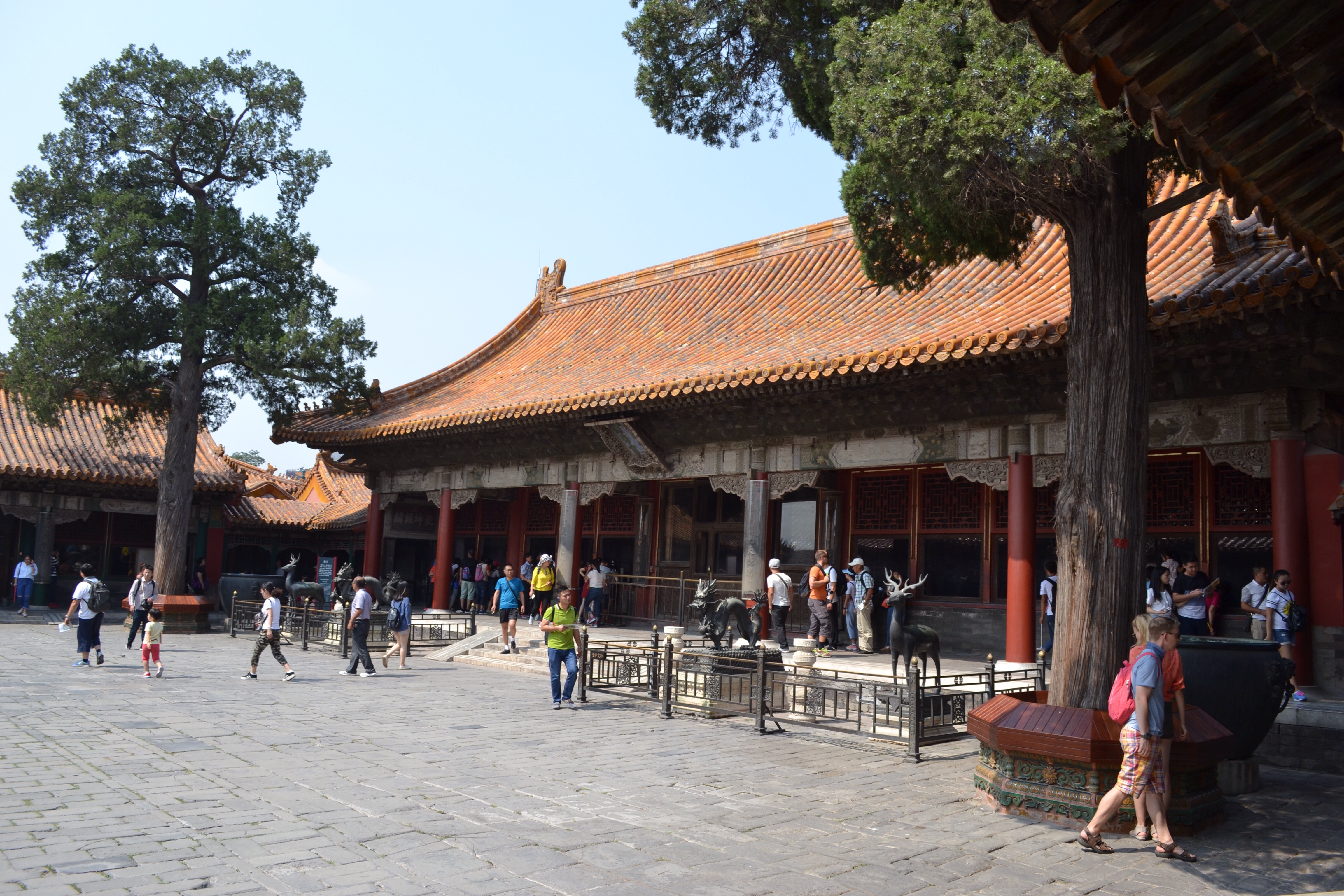
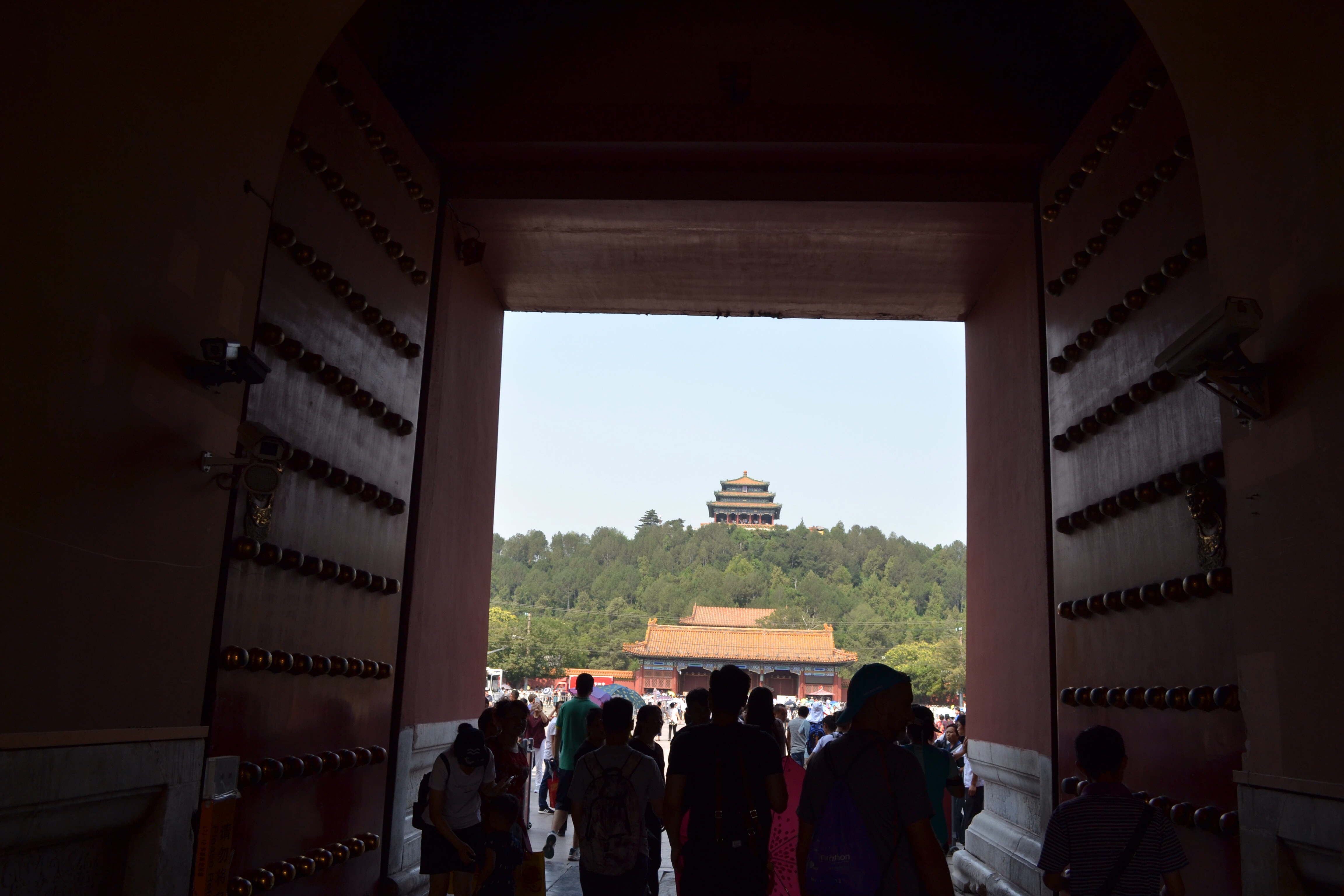
Nothing really prepares you for the size and imperial splendor of the Forbidden City (FC). The first photo below is of the whole of the FC, taken from the top of the hill in Jingahan Park and looking South with the North Gate in the foreground. You can only enter the FC by the South (Meridian) Gate and exit by the North Gate. After entering the South Gate you proceed with growing awe at the sheer size of the city – which was basically for one person – the Emperor – plus his entourage of a wife, concubines and eunicks. Apparently the concubines were always fighting with each other and bribing the eunicks so they could get to sleep with the Emperor – if they got pregnant they got better accommodations and presents ……You could send a few days exploring the FC. My advice would be to walk in a fairly straight line between the South and North Gates, turning your head East and West as you proceed. The Palaces and Hallways get ever more impressive as you head North, until ultimately you arrive at the Imperial Gardens and the North Gate. Time to go and have a nice cup of tea.


Beijing Outskirts – Huanghuacheng Section of The Great Wall of China

By Paul S Bryers, September 2016

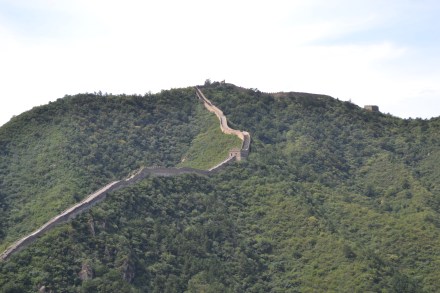
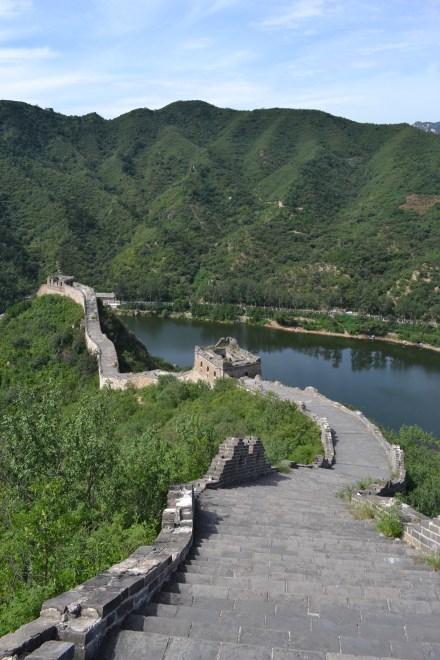
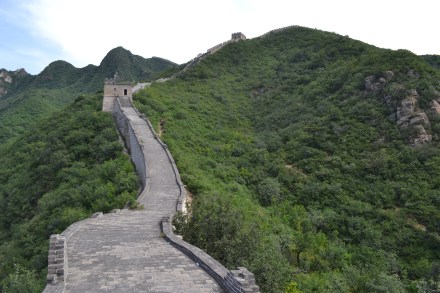
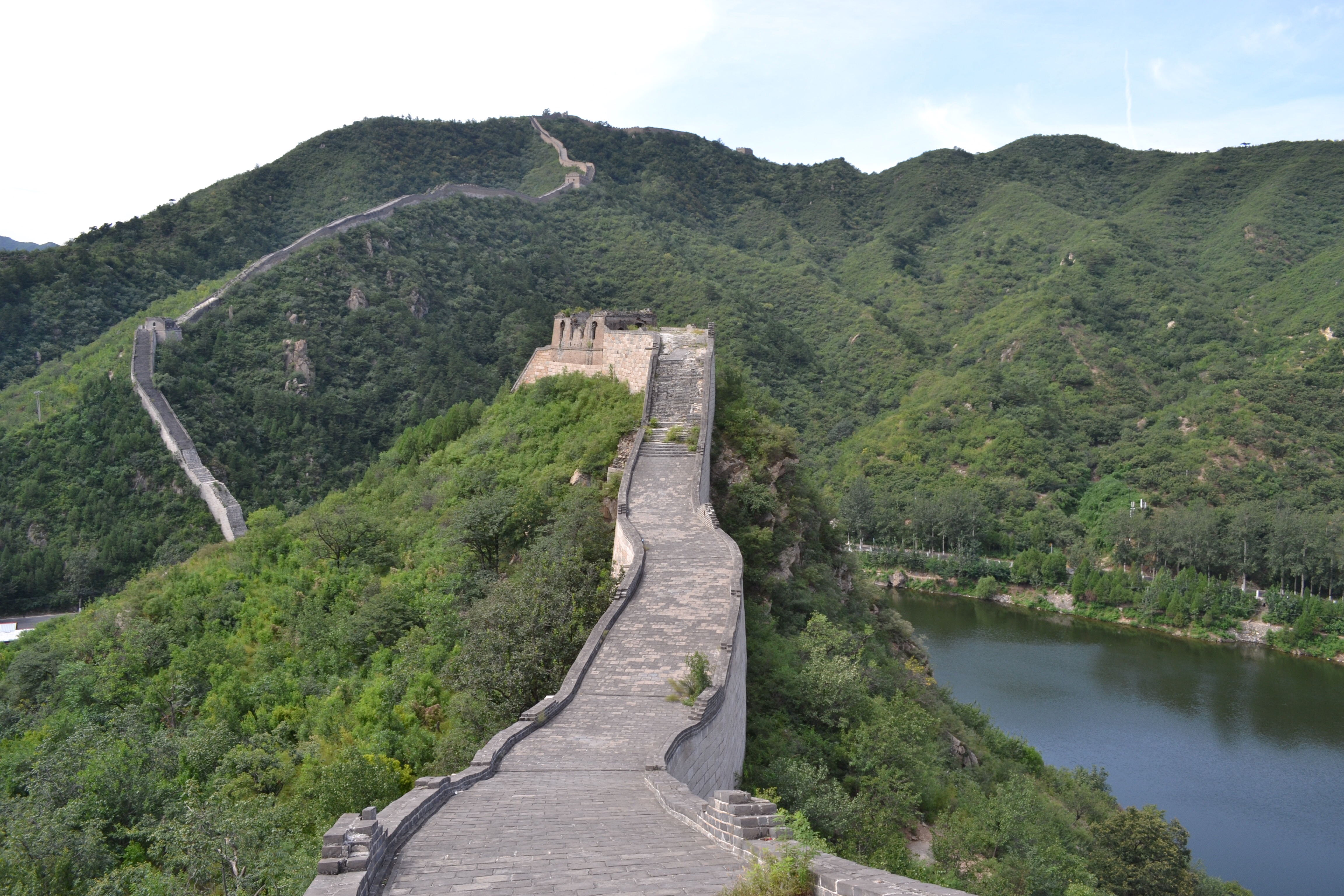
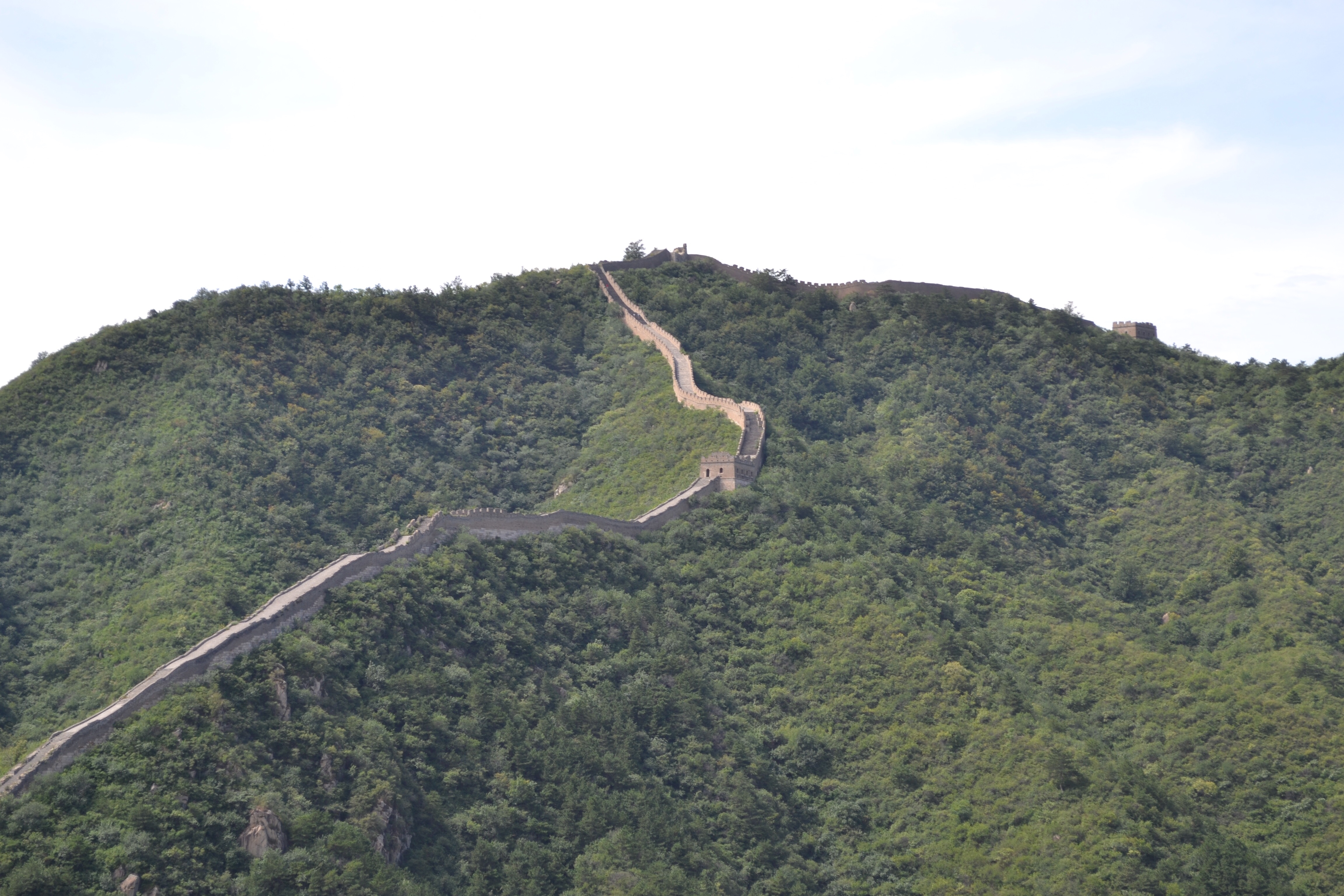
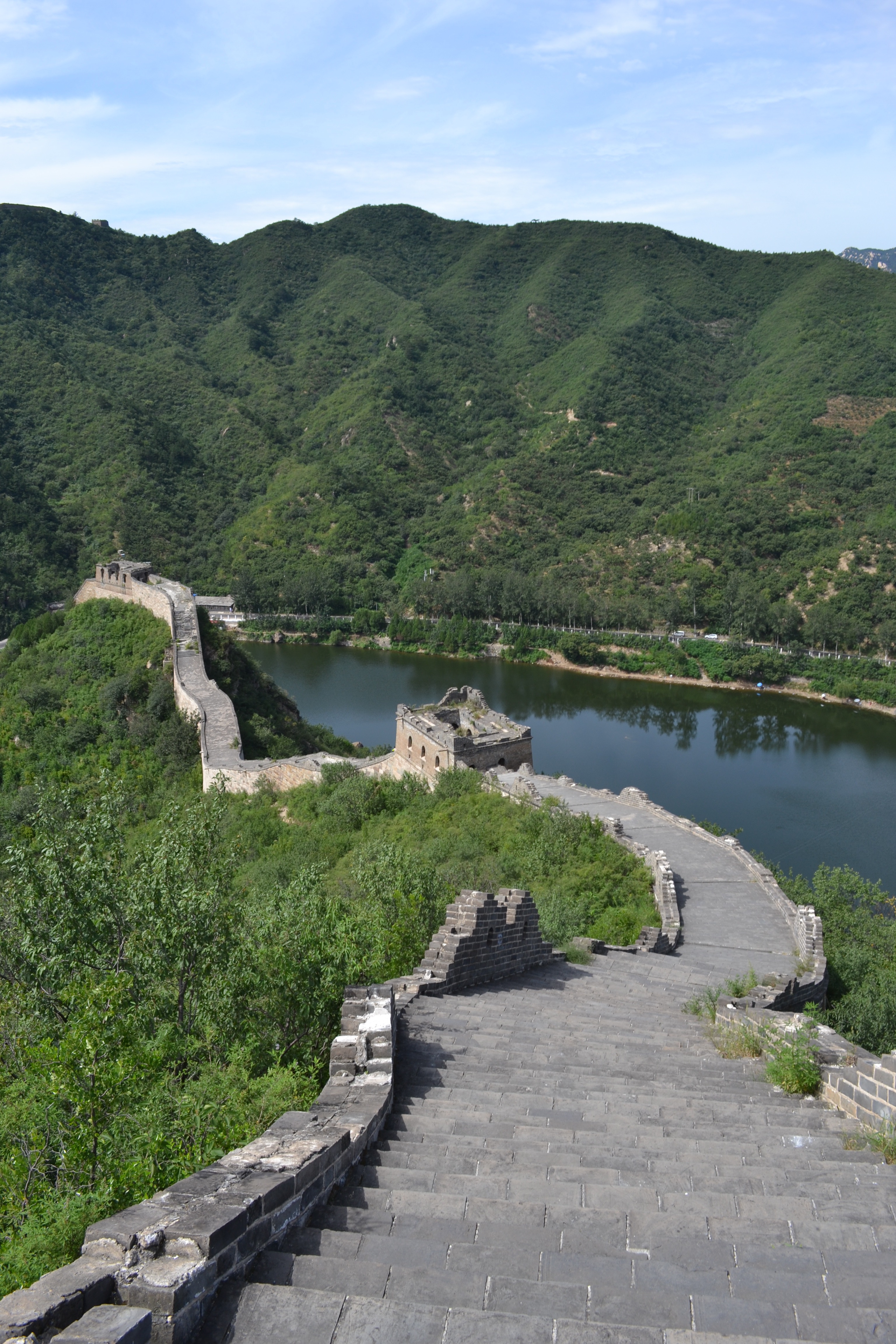
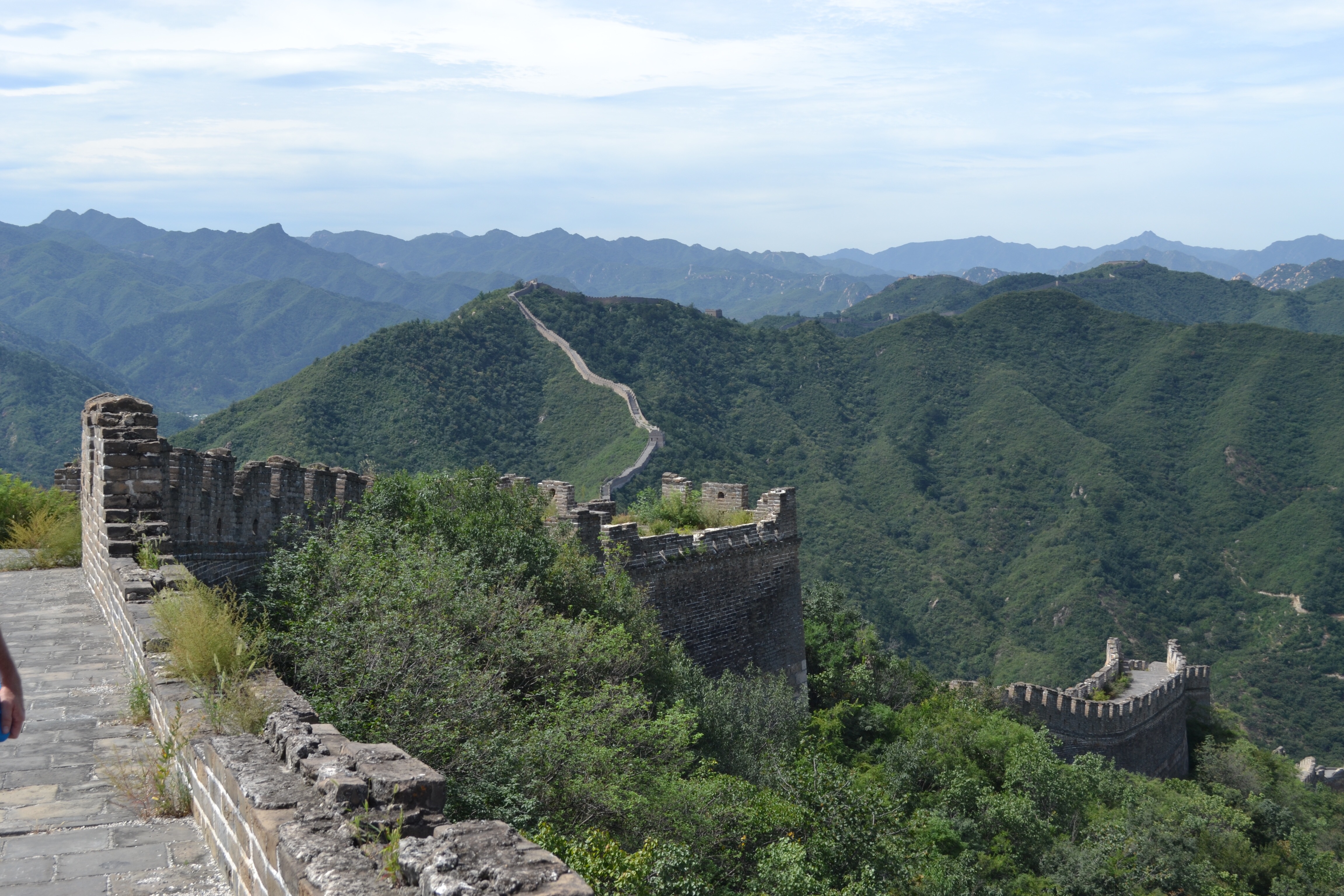
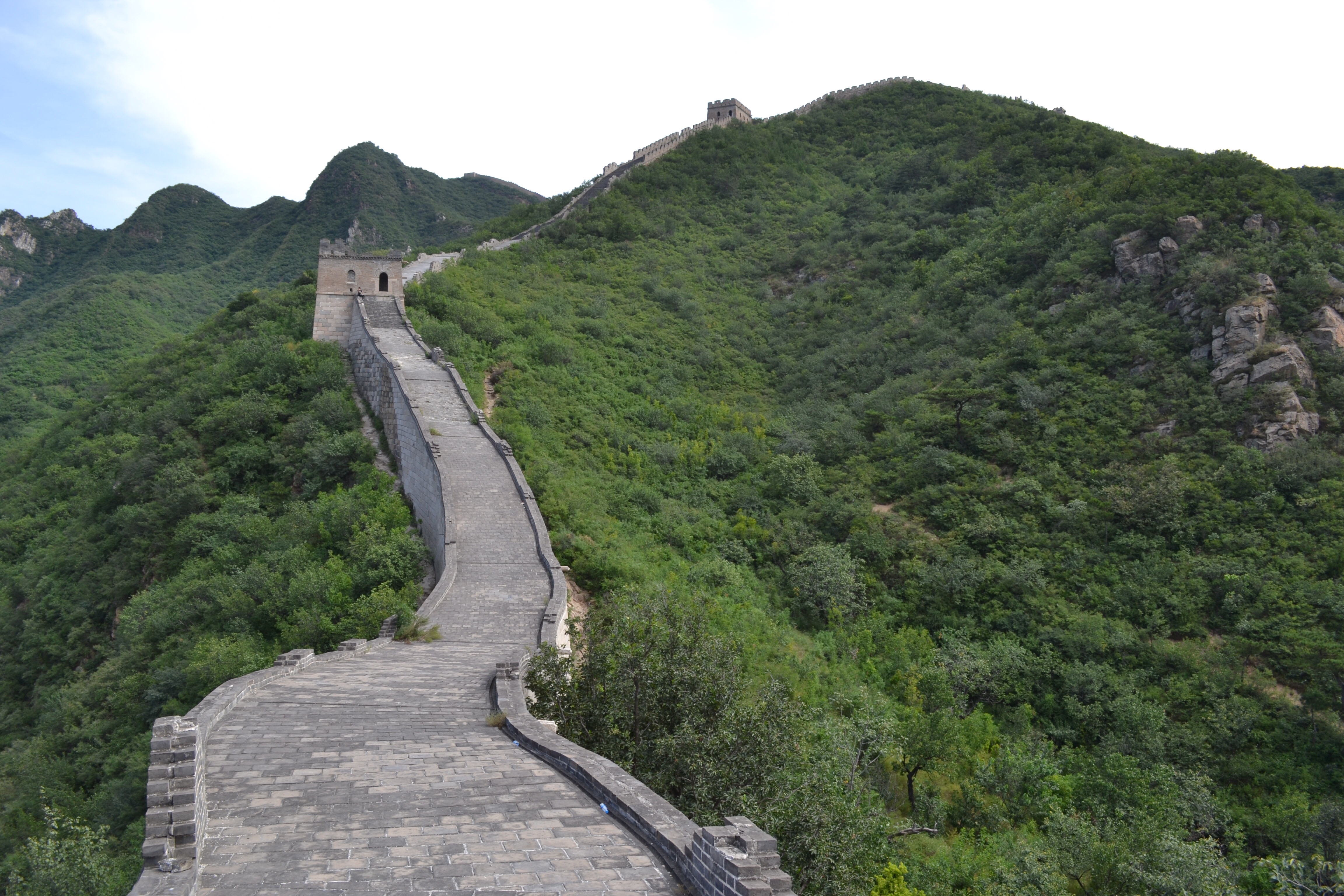
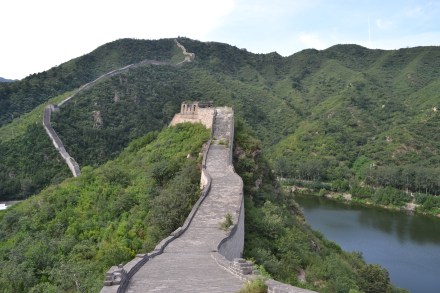
Our guide Sucre, of the Chinamango travel agency (contact Jet Liu), provided a terrific excursion to the Huanghuacheng section of the 8,800 km long Great Wall of China. This section is about 60 km North of the center of Beijing – takes about 1 hour 45 minutes to get there by car. You can get a bus, but realistically you need to get a car and driver. It is worth the extra expense to see this wild part of the wall with zero tourists around. 

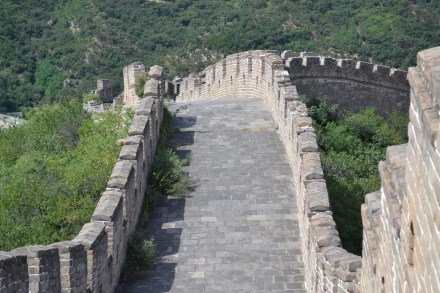
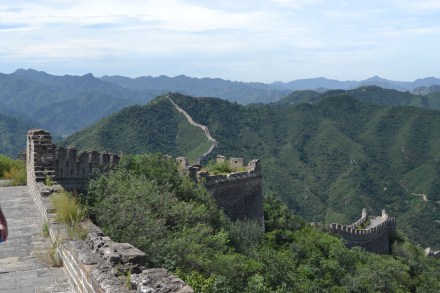
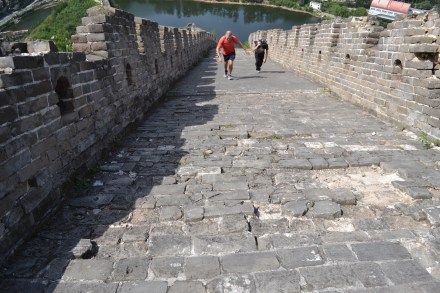
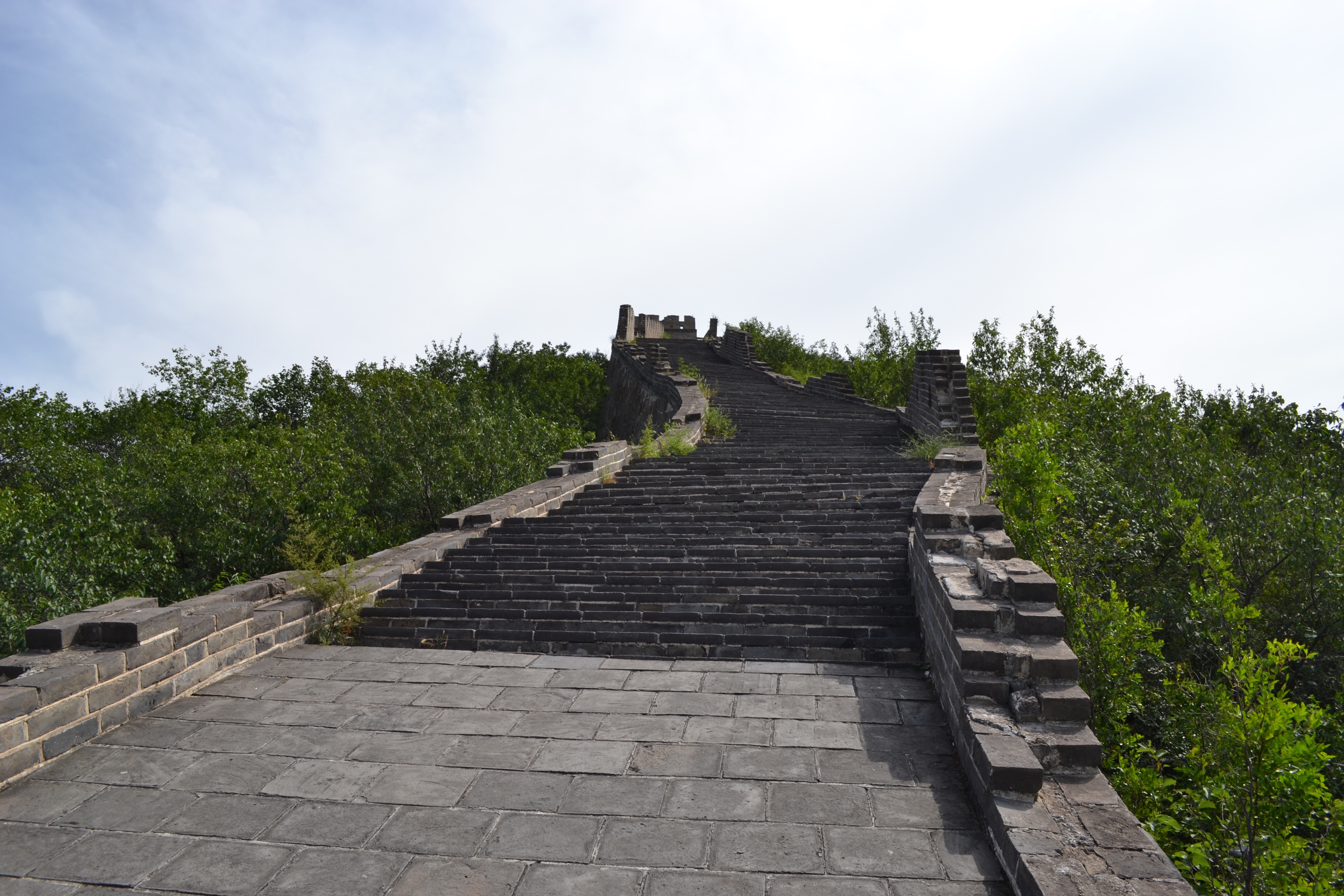
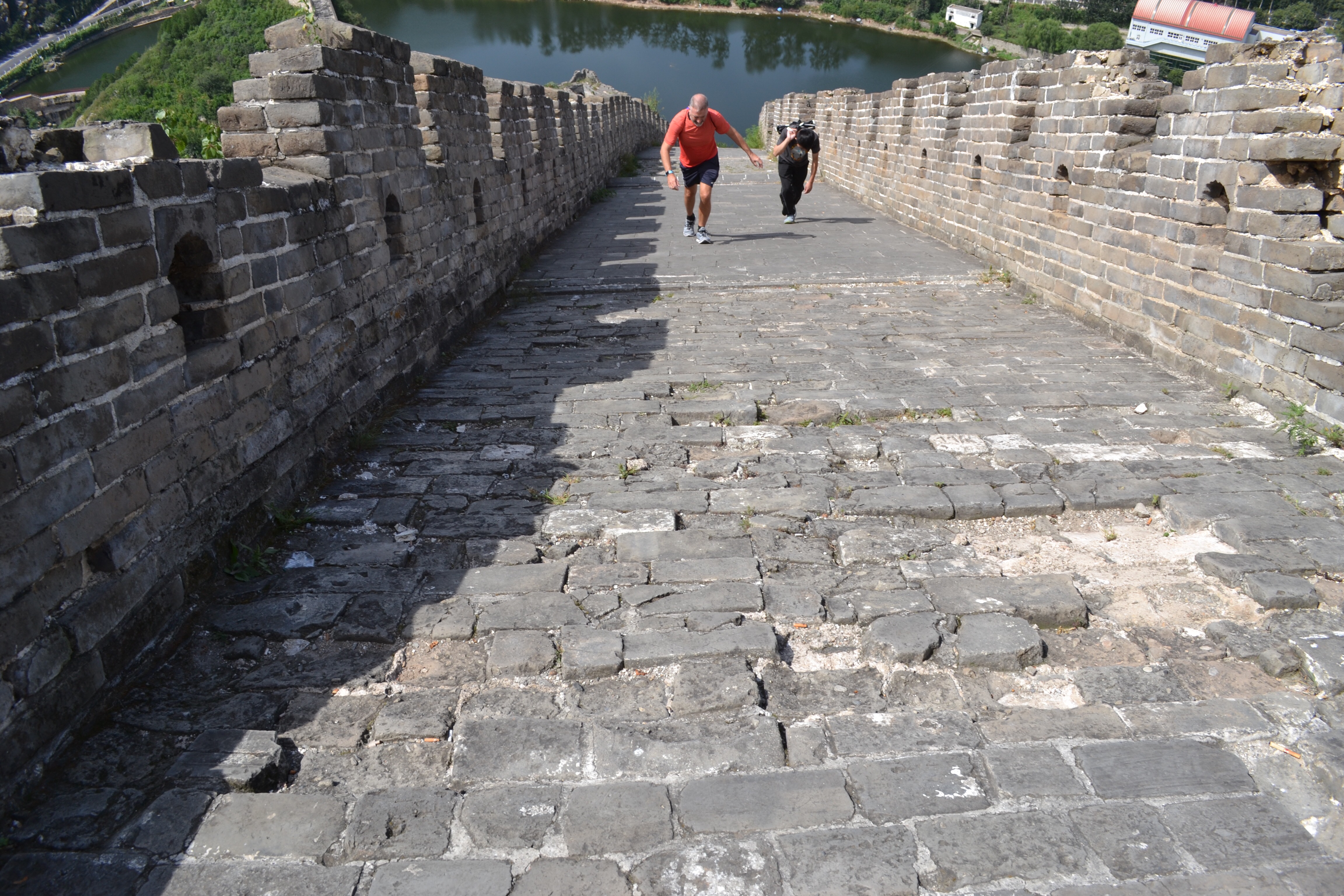
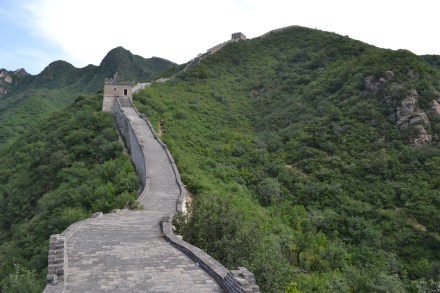
Most parts of the wall are sensitively restored, with other parts unrestored and crumbling through weathering and plant damage. It’s a bit of a short, steep climb to reach the wall from the roadway, but well worth the effort. The views South towards Beijing and North/North West to the mountains, behind which lies Mongolia, are magnificent. 

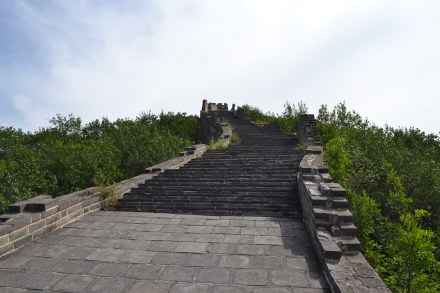
Once on the wall, walking along it is fairly easy, although some parts have steep sections, either with or without steps. Make sure you have shoes with good grip and take plenty water and  insect repellent.

Some folk talk about building a wall on the US Southern border. Personally, I do not think that this is a good idea. However, if you are going to do it, make sure it will look beautiful, last at least 2000 years and in the future become one of the worlds wonders…
Beijing City – Lama Palace and Hutongs

By Paul S Bryers, September 2016

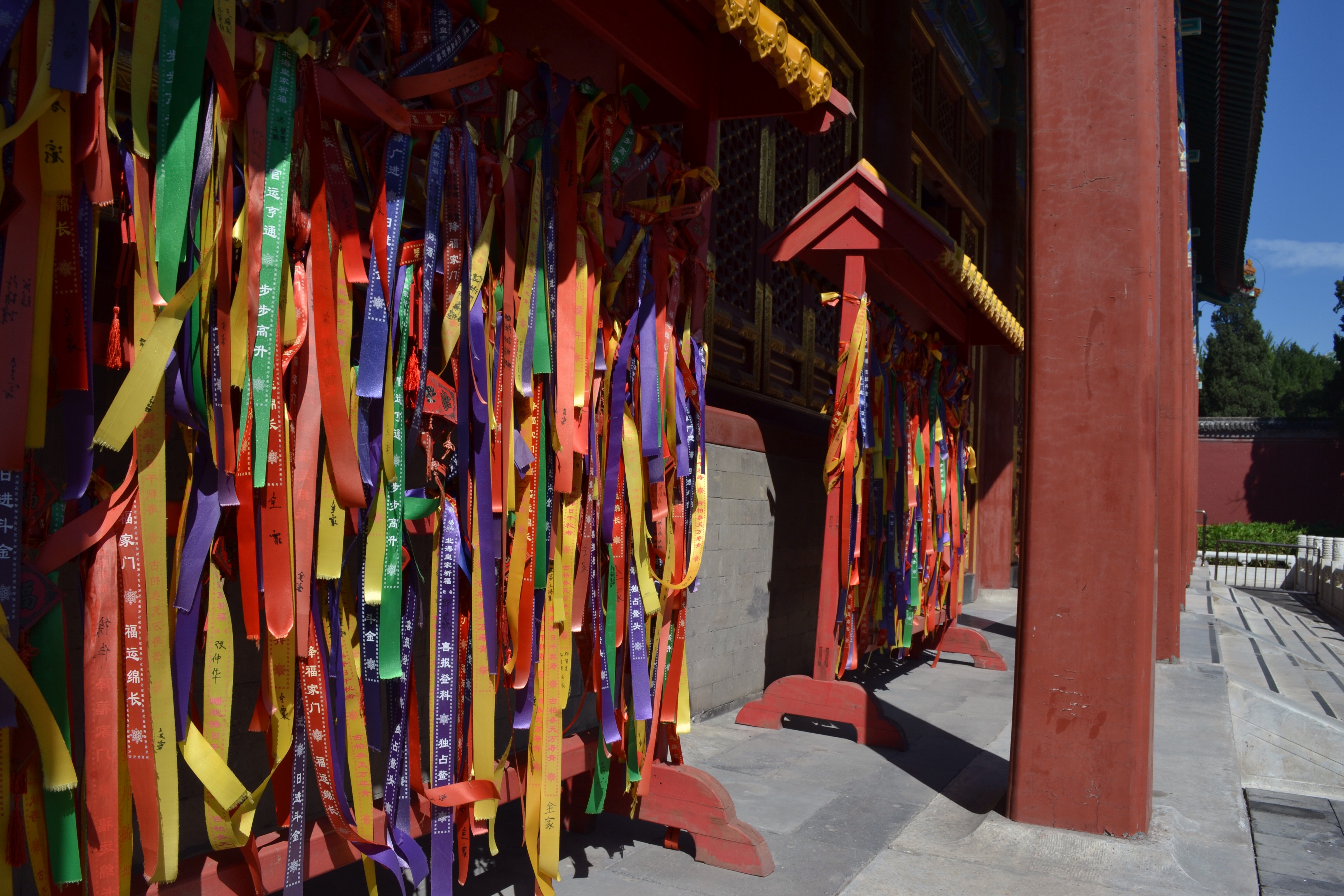
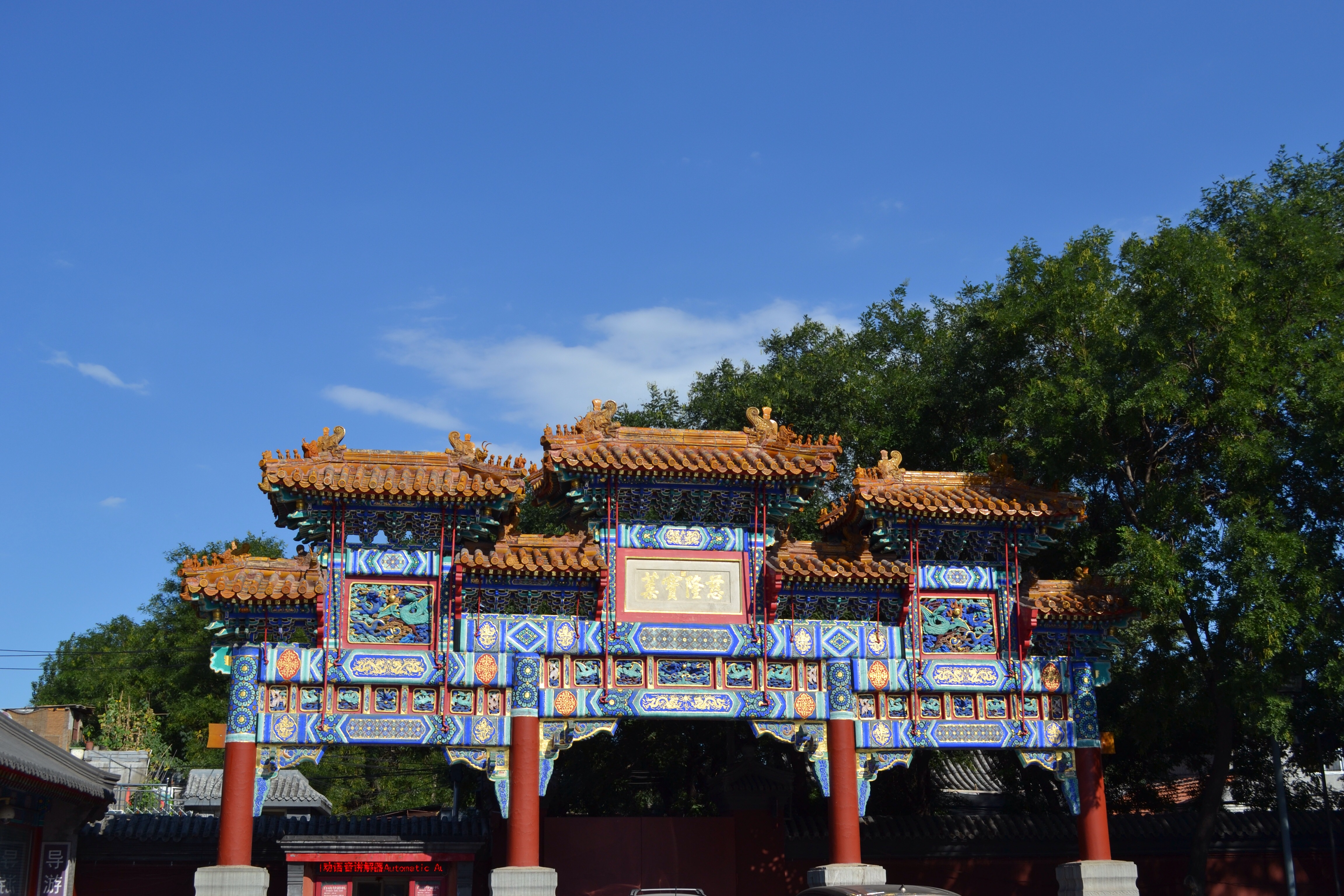
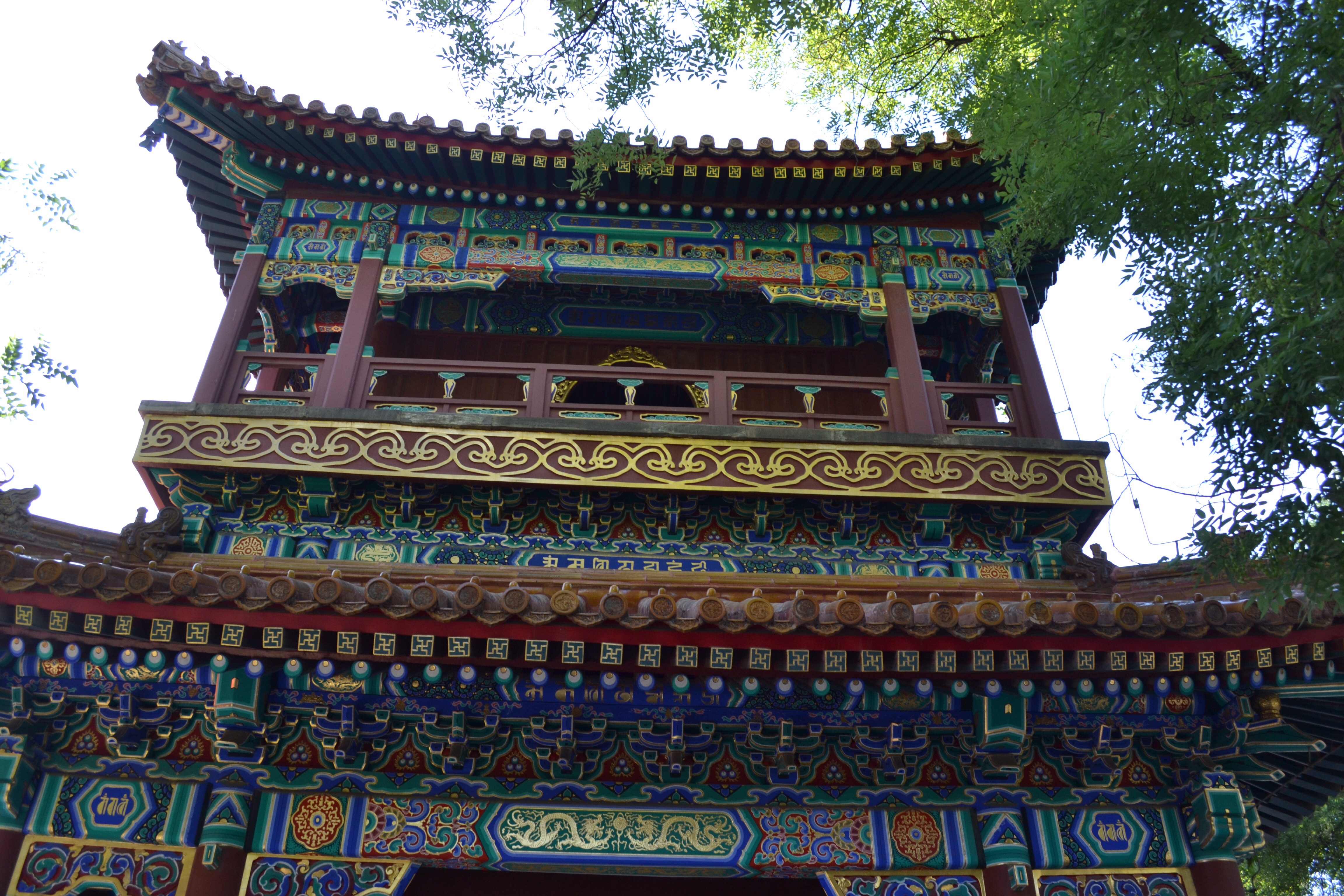
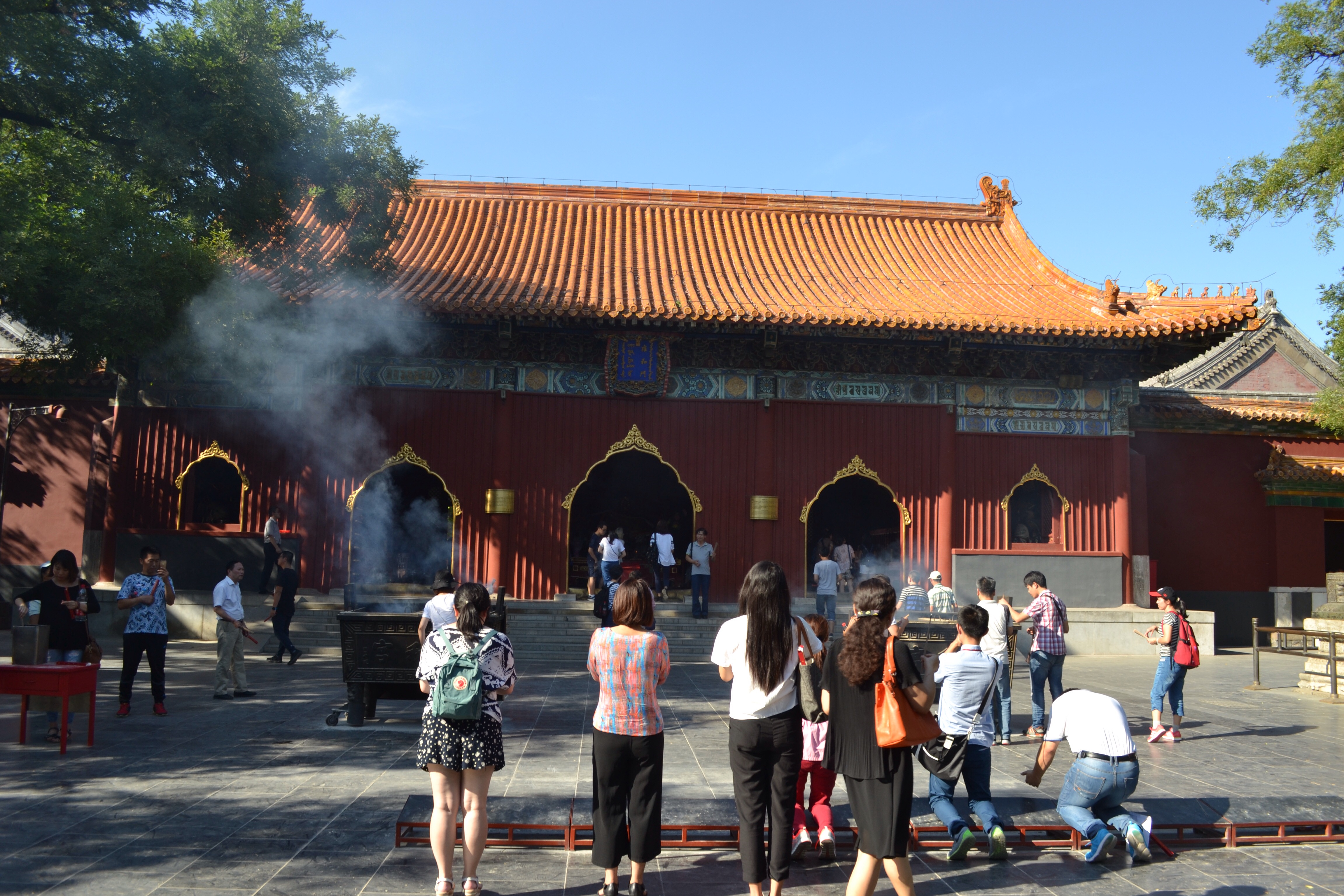
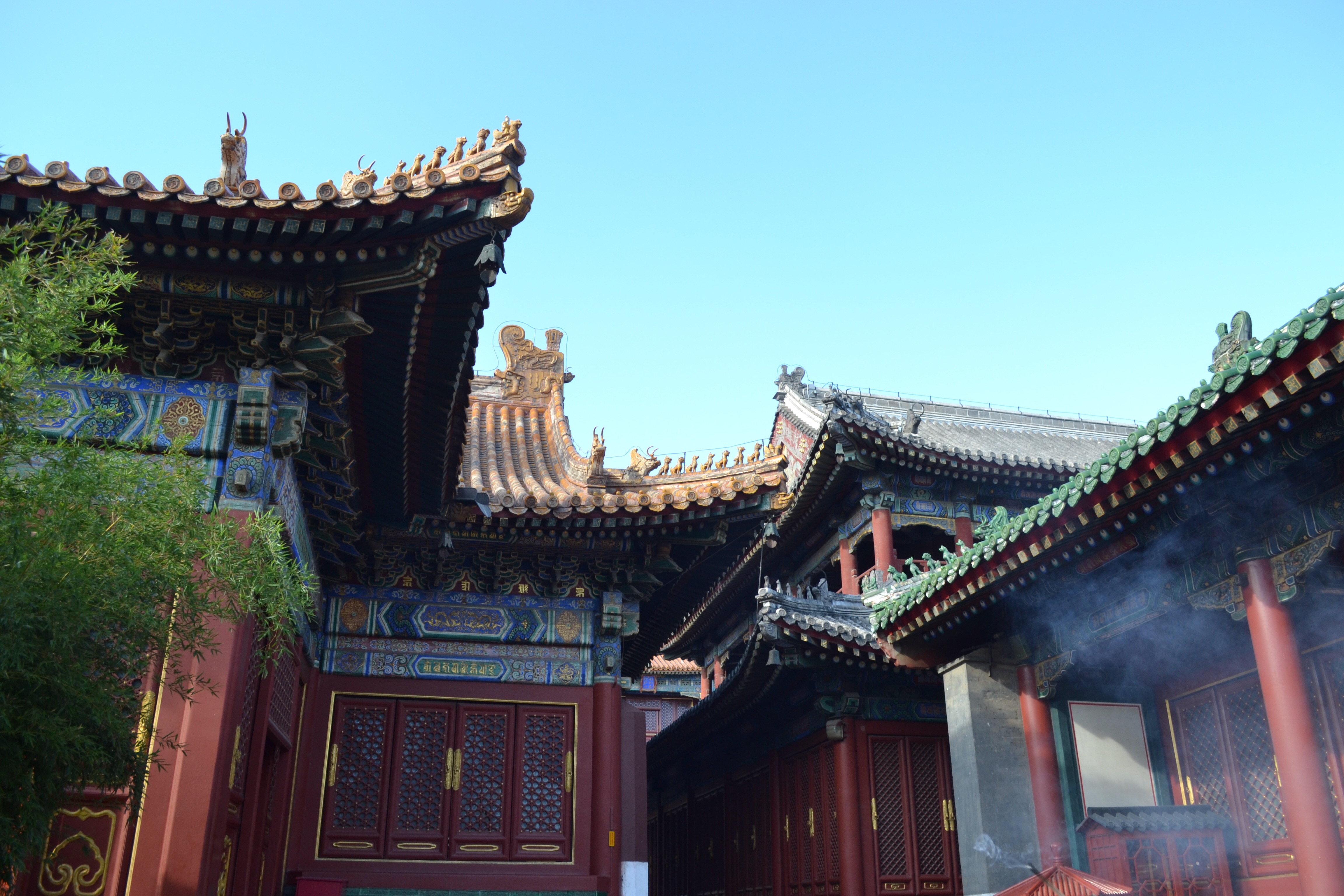
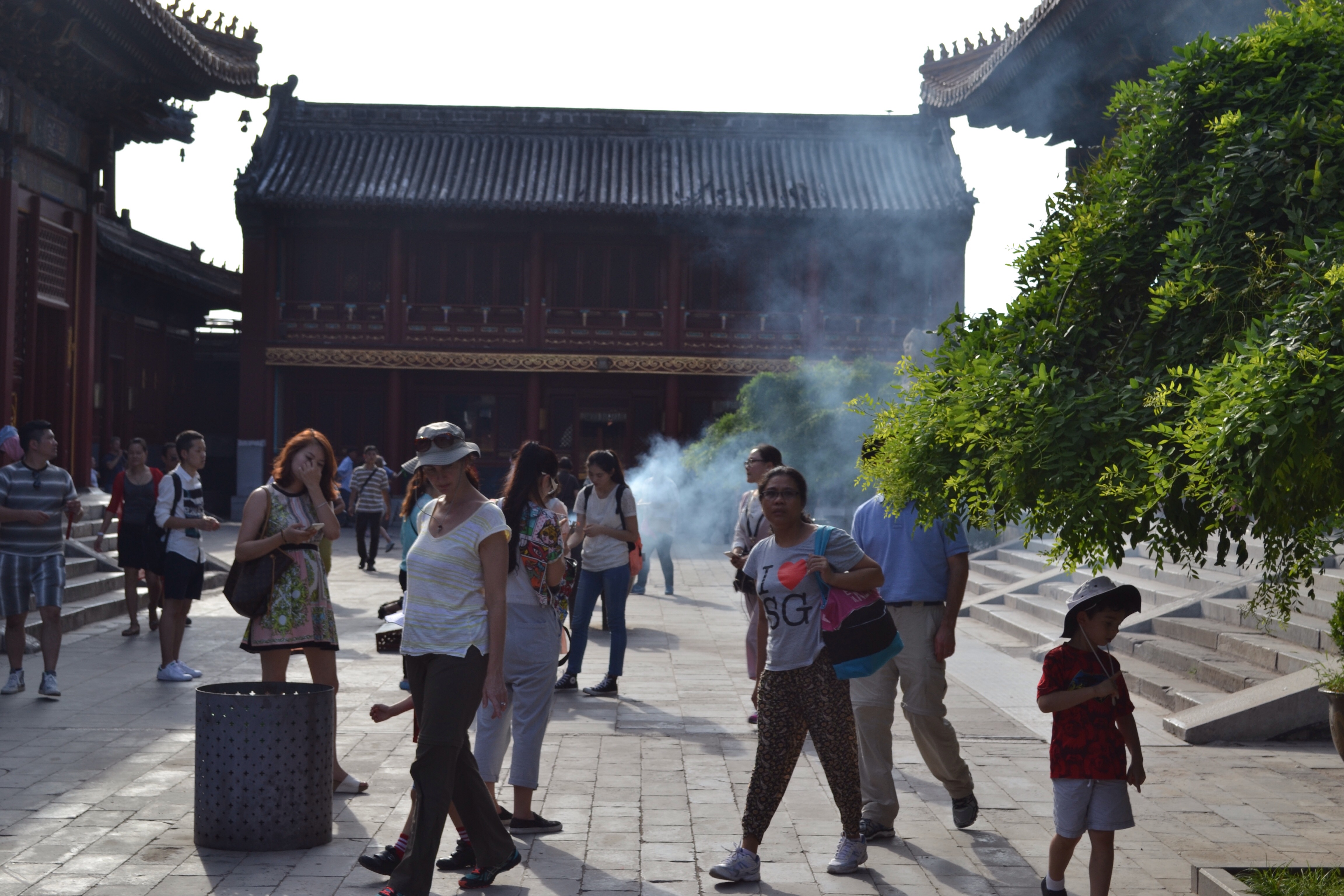
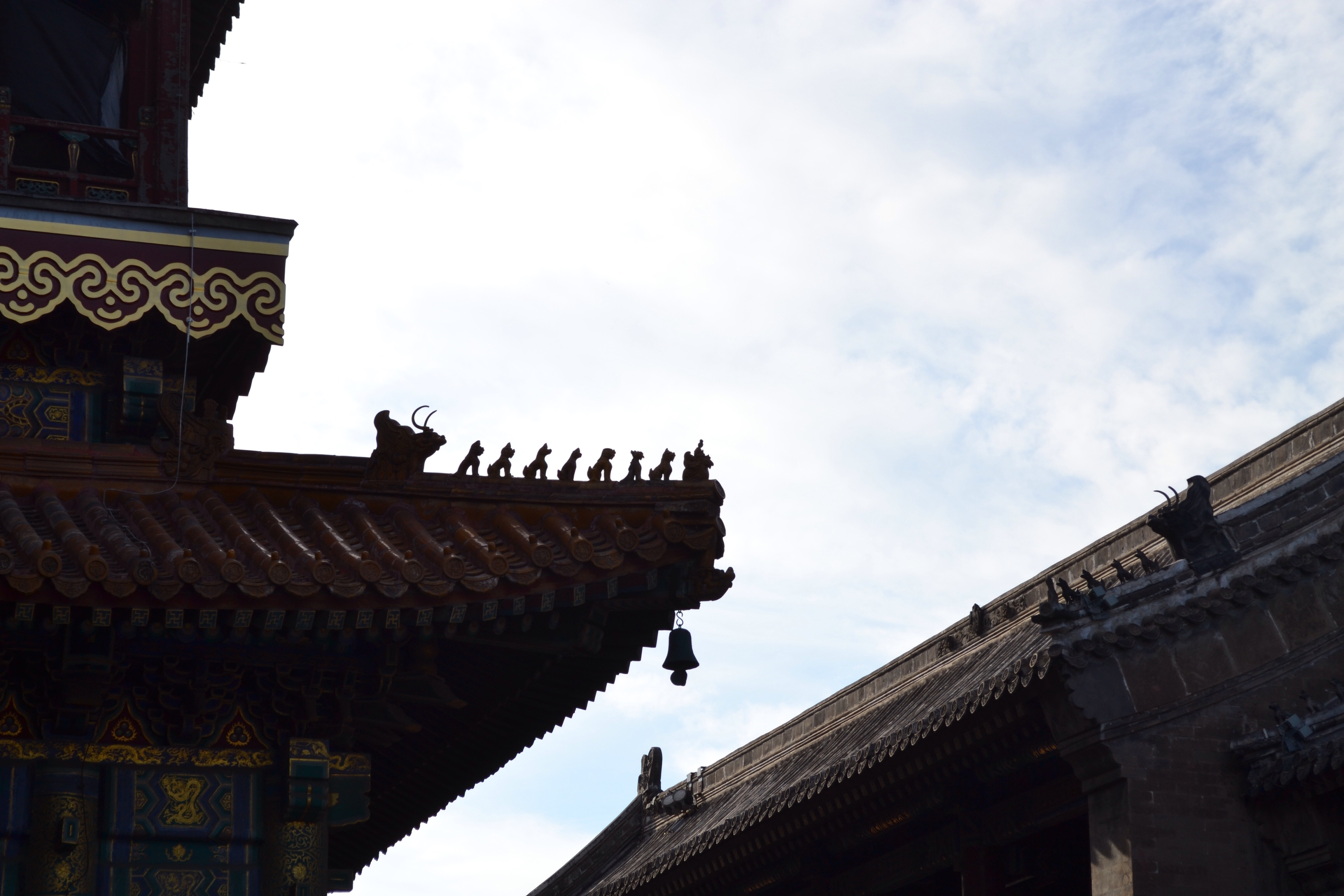
The Lama Temple, properly known as the Yonghe Temple (Palace of Peace and Harmony), is a temple and monastery of the Gelug school of Tibetan Buddhism located in Dongcheng District of Beijing. The building and artwork of the temple is a combination of Han Chinese and Tibetan styles. The building exteriors are very beautiful, as can be seen below. The many Buddhas on display within are also very elaborate and varied – however, no photos allowed so you need to trust me…..


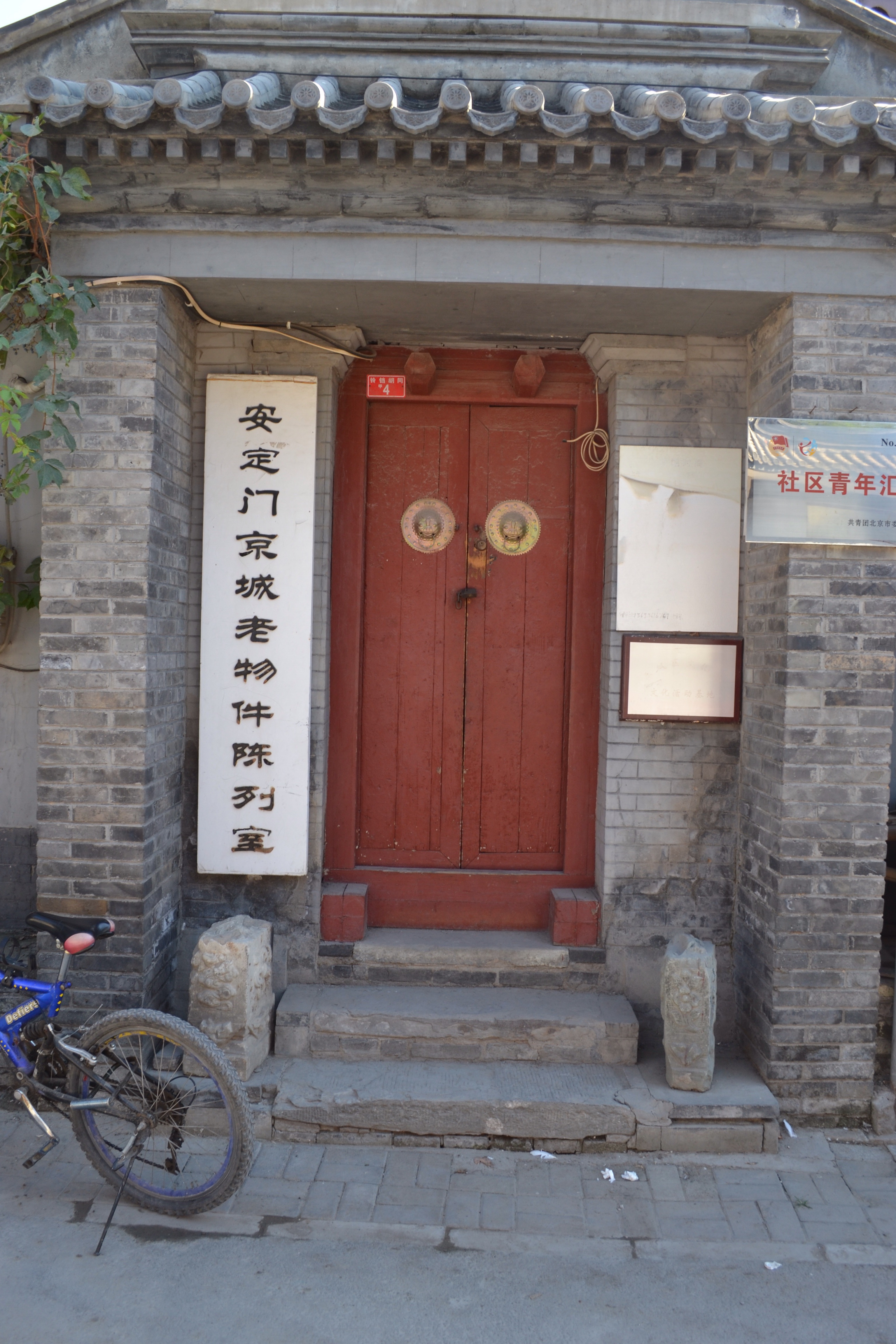
Hutongs are alleys formed by lines of traditional courtyard residences. They used to cover Beijng but many were demolished to allow for new building. As a result, many Hutongs are now protected – whether that be as residences or as hip shopping streets.  

Beijing City – Summer Palace

By Paul S Bryers, September 2016
The Summer Palace, a UNESCO World Heritage site, is located in West Beijing, and is easily accessible by subway. The Palace consists of beautiful buildings, made-made lakes and gardens. The walk along the shore of the main lake offers plenty of shade, either from the avenue of trees or beneath the painted ceiling of the open-sided corridor – the longest such structure in the world. Access to the inside of the Palace buildings is very limited, but their beauty is, in any case, apparent from their external architecture and decoration. There is much talk of the Empress Dowager Cixi in the Palace literature as the Dragon Lady, due to her apparent ruthlessness. I’m not sure she was any worse than any of the Emporers.