Final Sunset and Sunrise, Luxor, Egypt ~ 25°C/75°F (at 7 am)
By Paul Bryers
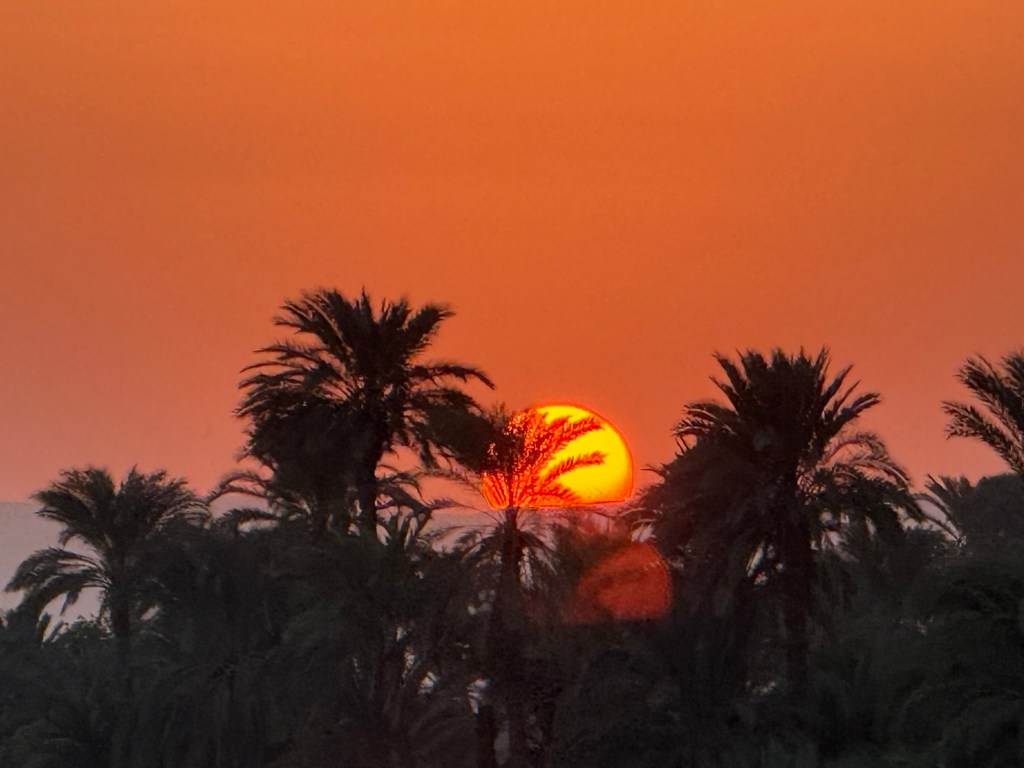
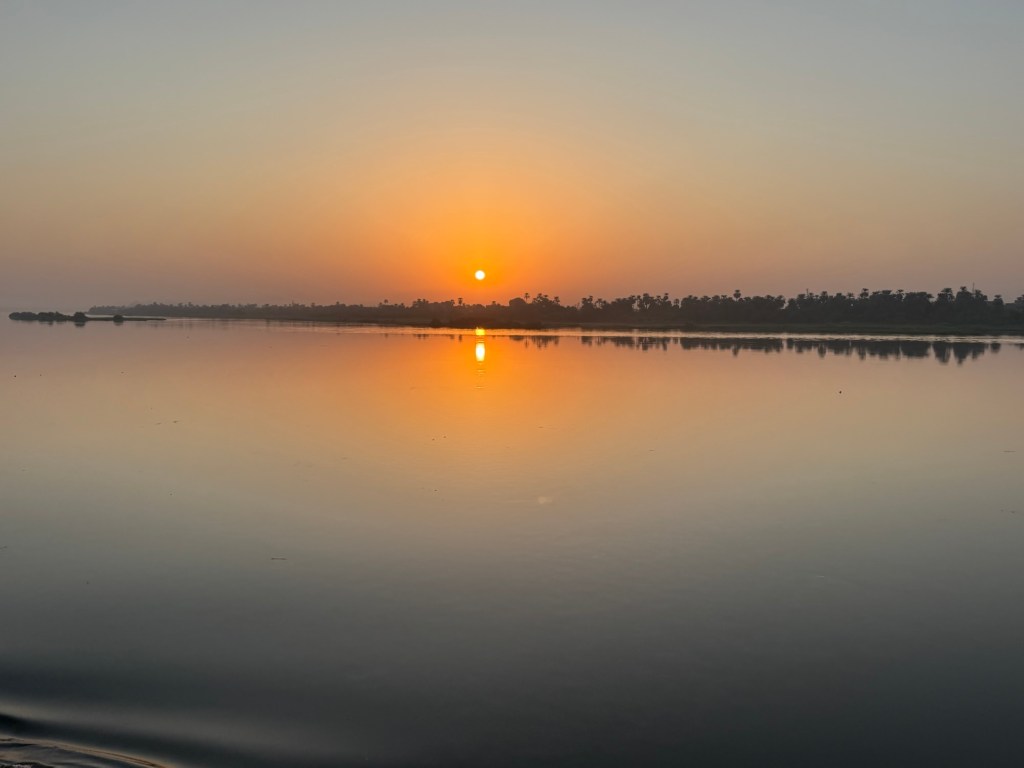
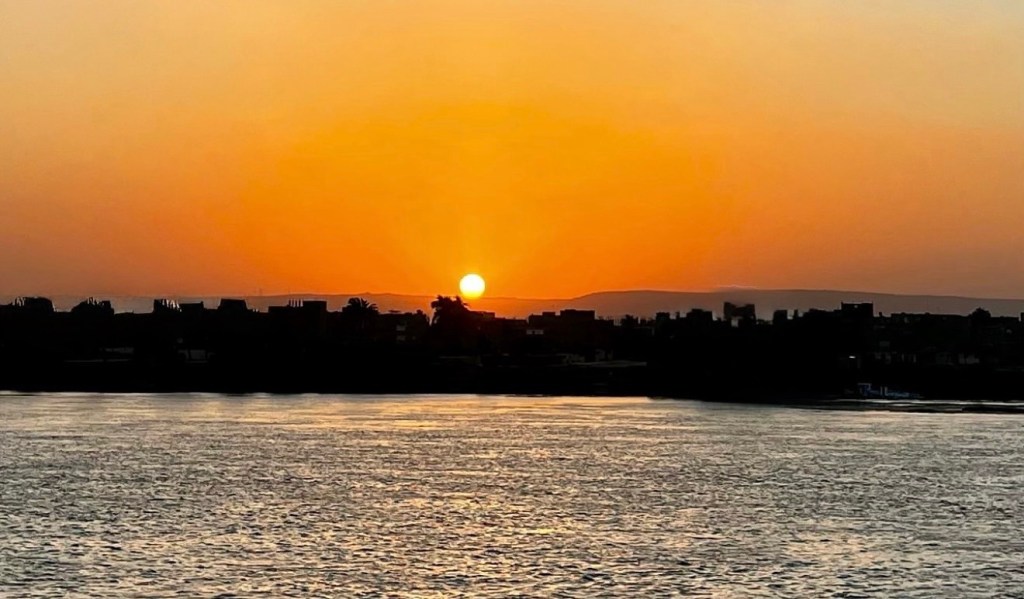
Last night we enjoyed our final sunset on the Nile near Luxor. The setting sun hid behind palm trees as it descended.
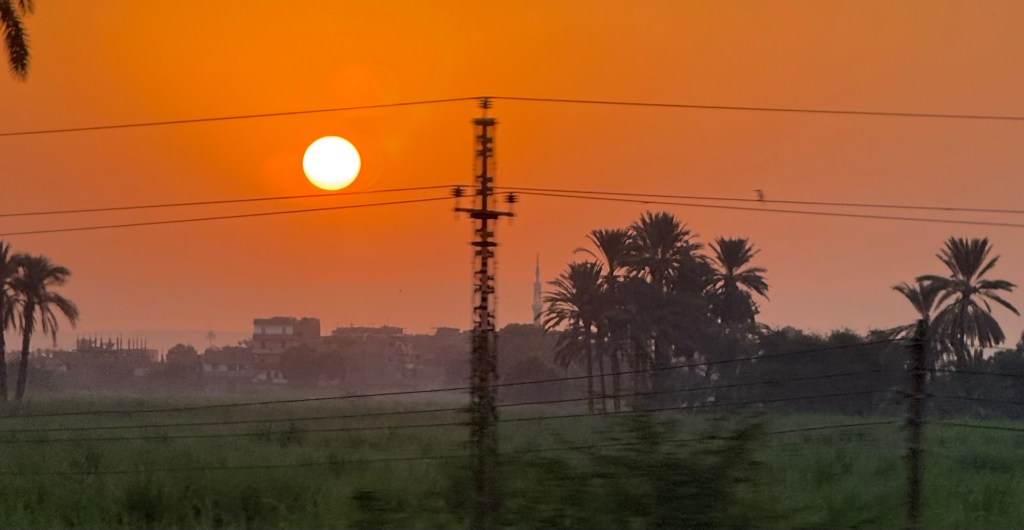
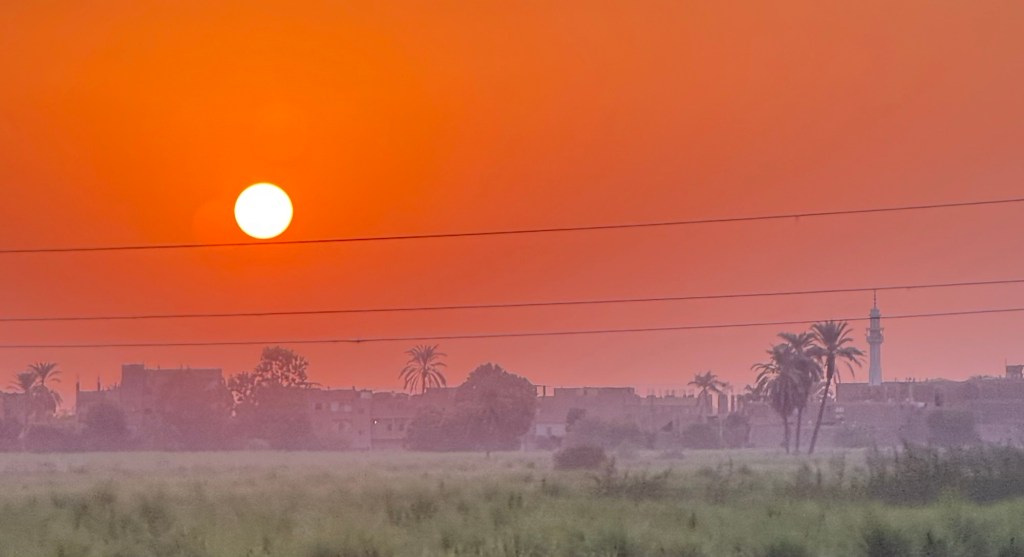
And then early this morning, the new sun greeted us on our way to the airport bound for Cairo. The rising sun appeared to hop one from suspended telegraph wire to the next….
There was an Anglo-Saxon tourist close by me today who was a real laurel spaffer…bless….
Anyway….
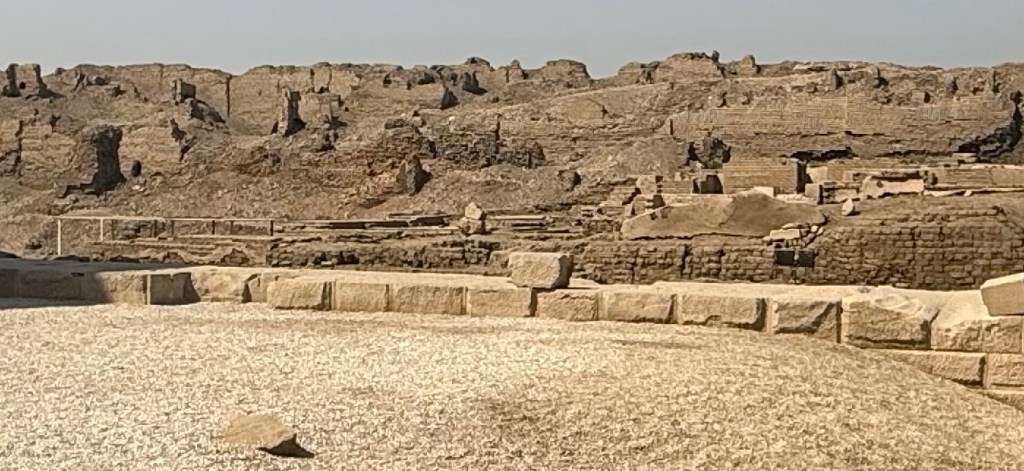
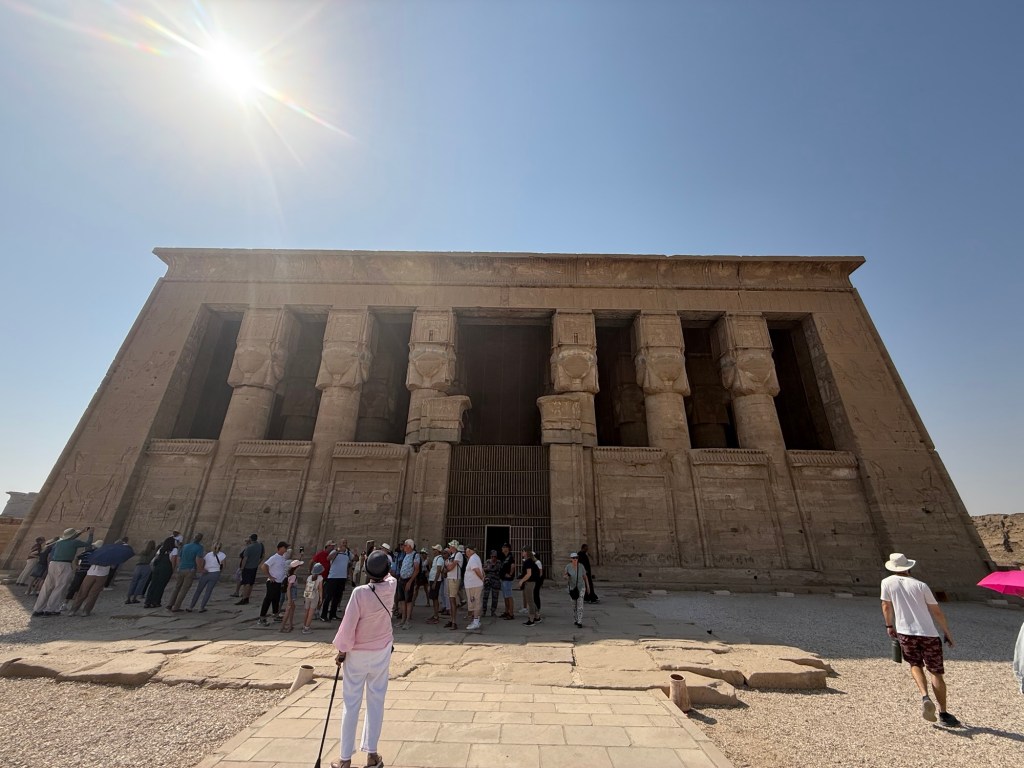
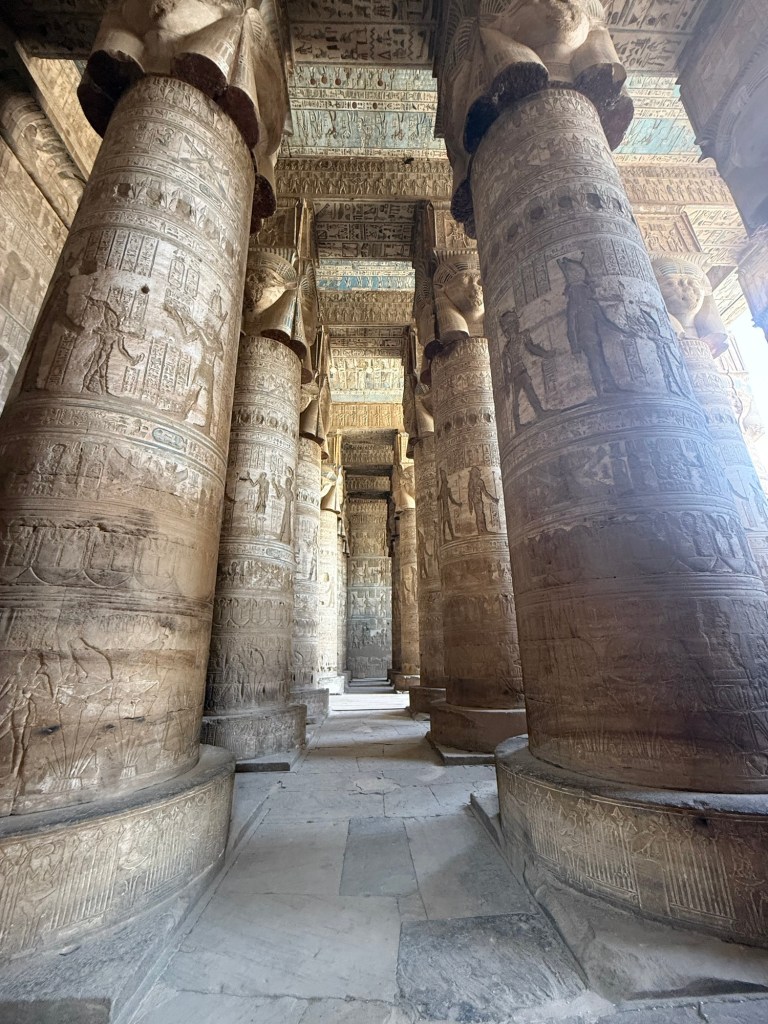
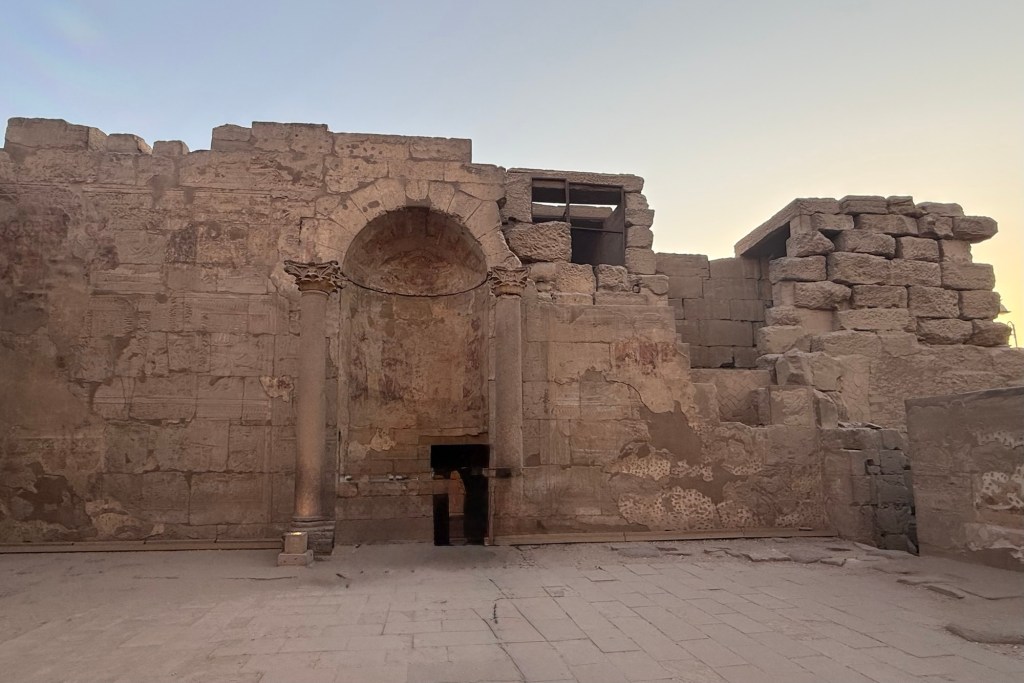
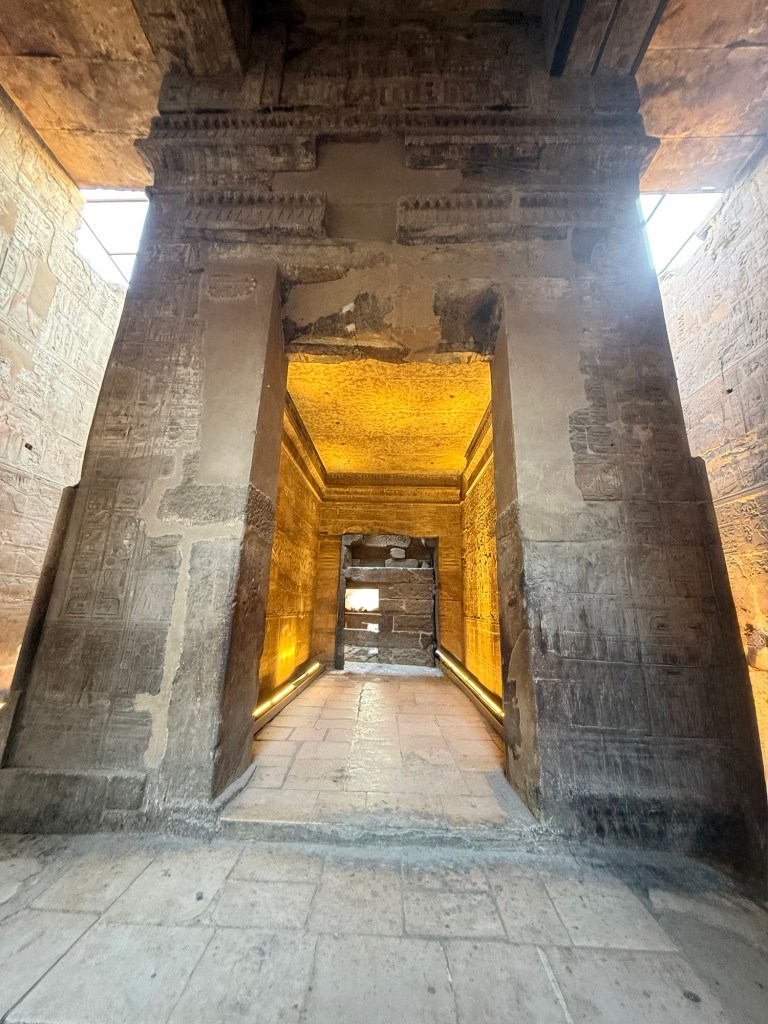
The Dendera Temple complex, situated approximately 2.5 kilometres southeast of Dendera, is one of the best-preserved temple complexes in ancient Egypt.
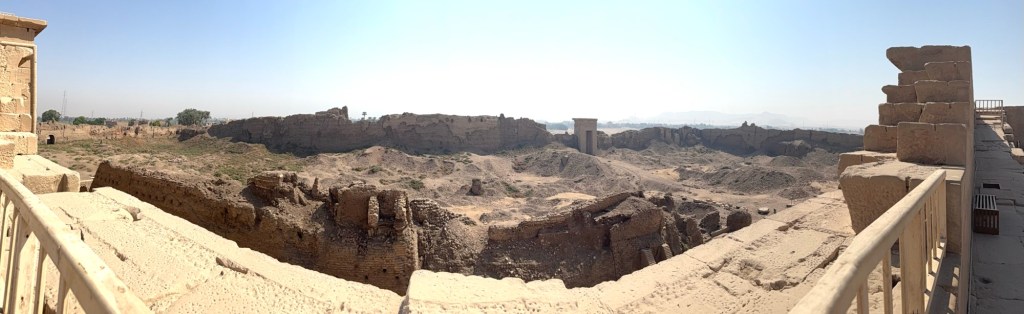
The entire complex is surrounded by a substantial mudbrick wall, which is best viewed from the roof, accessible via a hot and humid climb within the walls.
The structures throughout the complex were constructed over multiple eras, including the Middle Kingdom, the Ptolemaic Era, and the Roman provincial rule period.
Key features of the complex include:
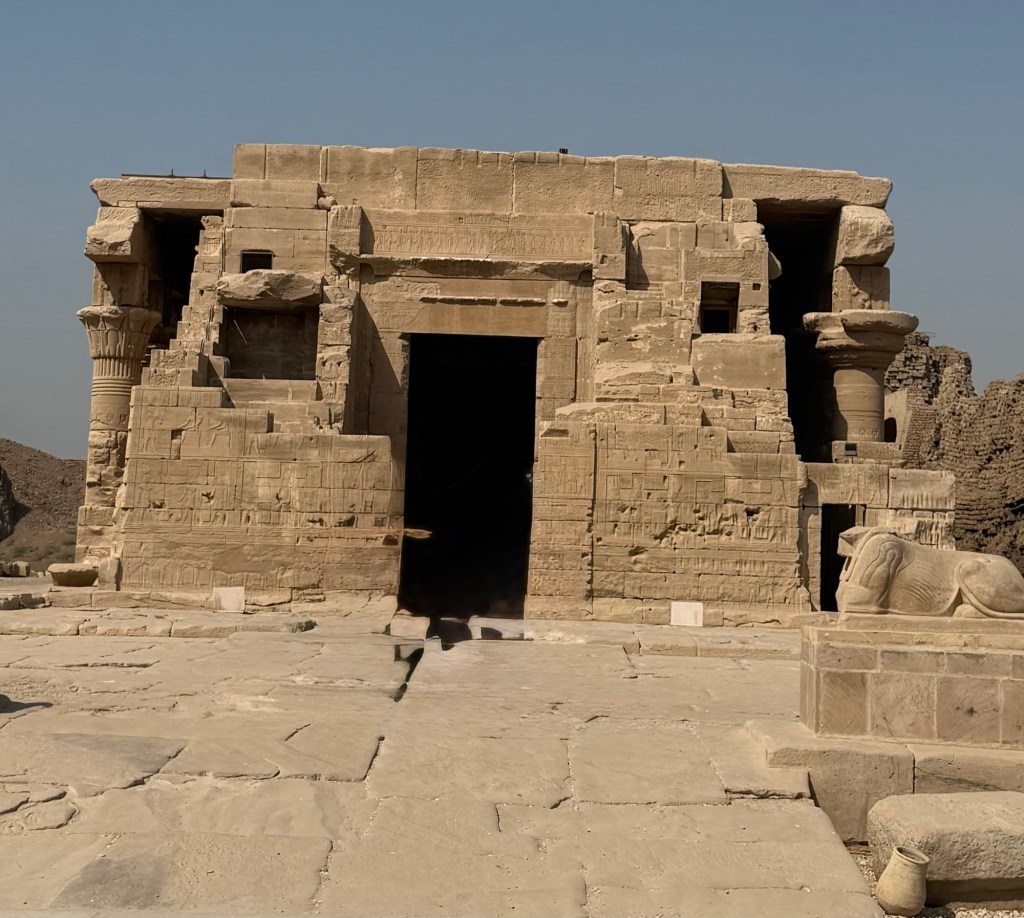
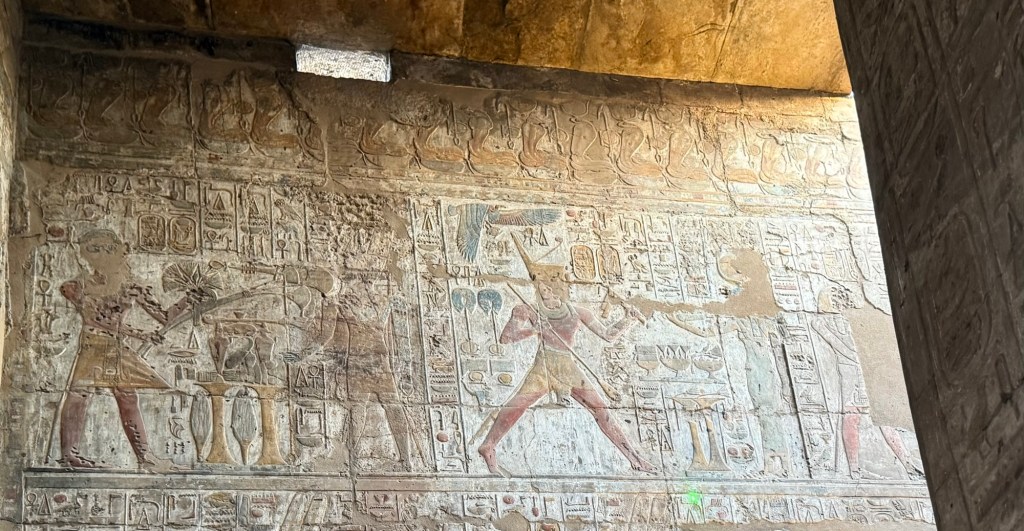
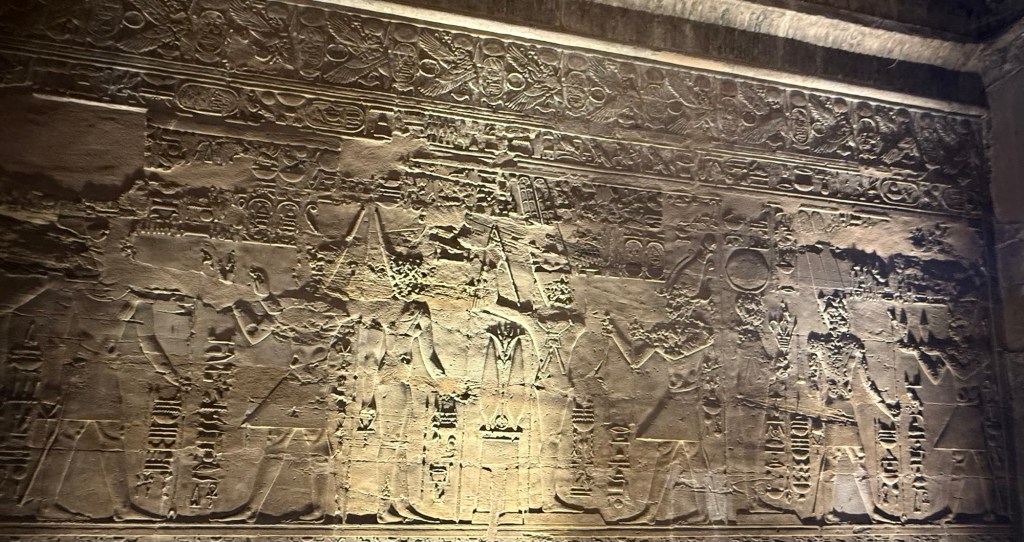
Roman Mammisi: The Roman mammisi, a subsidiary building located before the Temple of Hathor, dates back to the reigns of Trajan and Marcus Aurelius. Numerous reliefs depicting Trajan making offerings to Egyptian deities are visible.
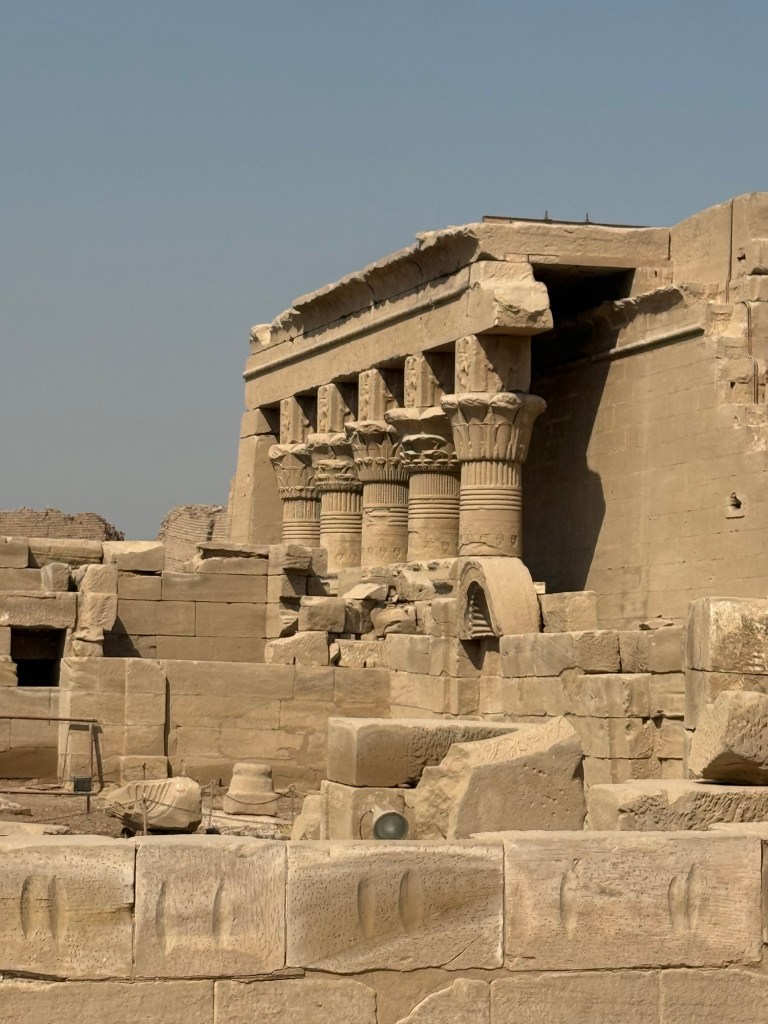
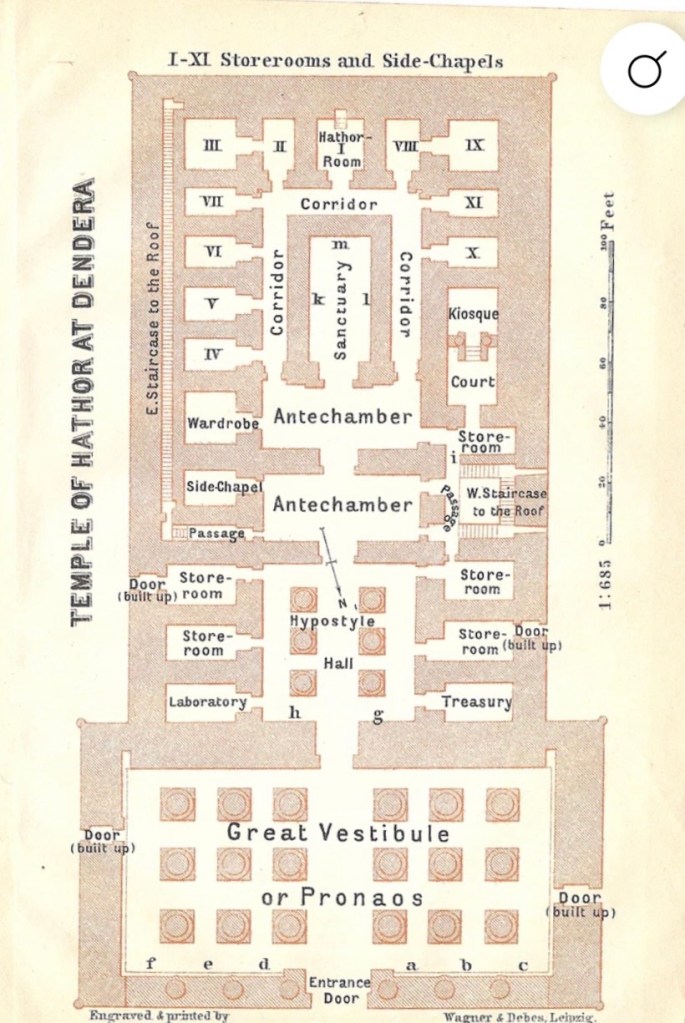
Hathor Temple: The Temple of Hathor dominates the complex, with its structure commanding attention. The original temple underwent continuous modifications throughout the Middle Kingdom and up until the beginning of Trajan’s reign.
The existing temple’s structure began construction in 54 B.C.E, during the late Ptolemaic period under Ptolemy Auletes.
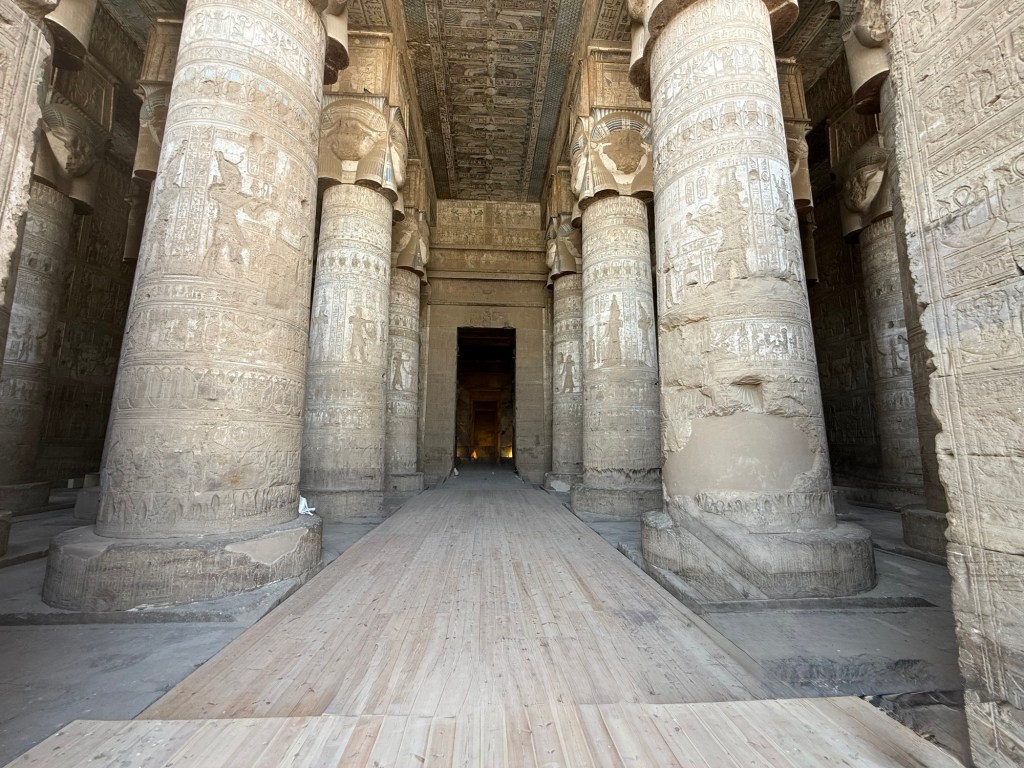
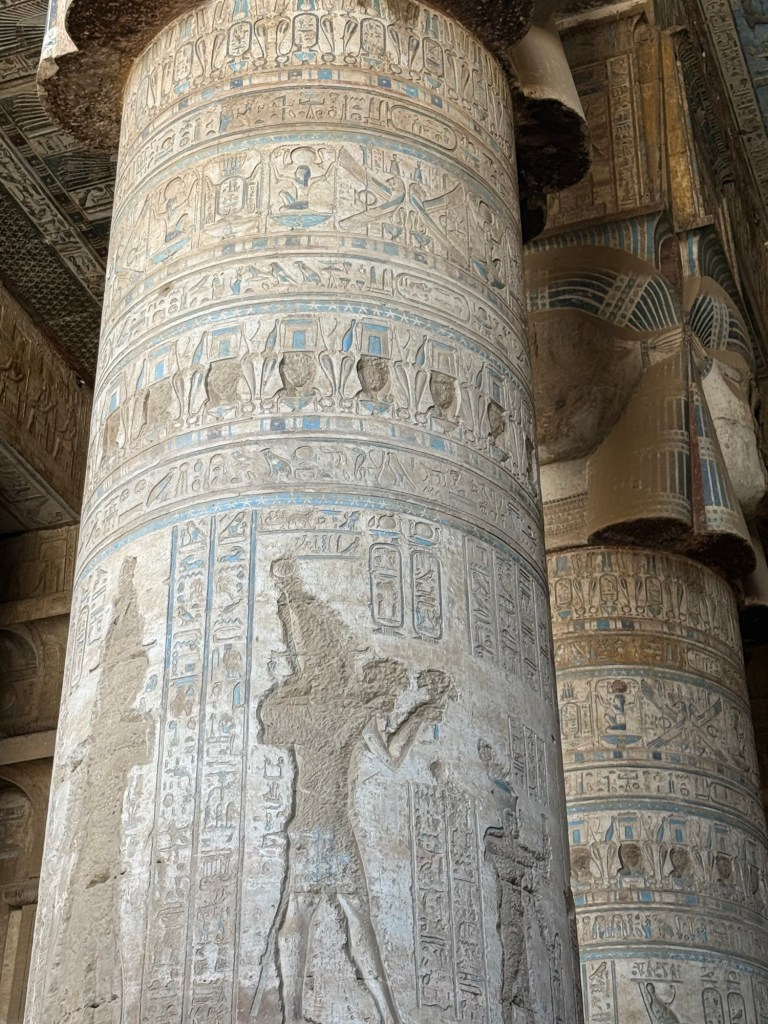
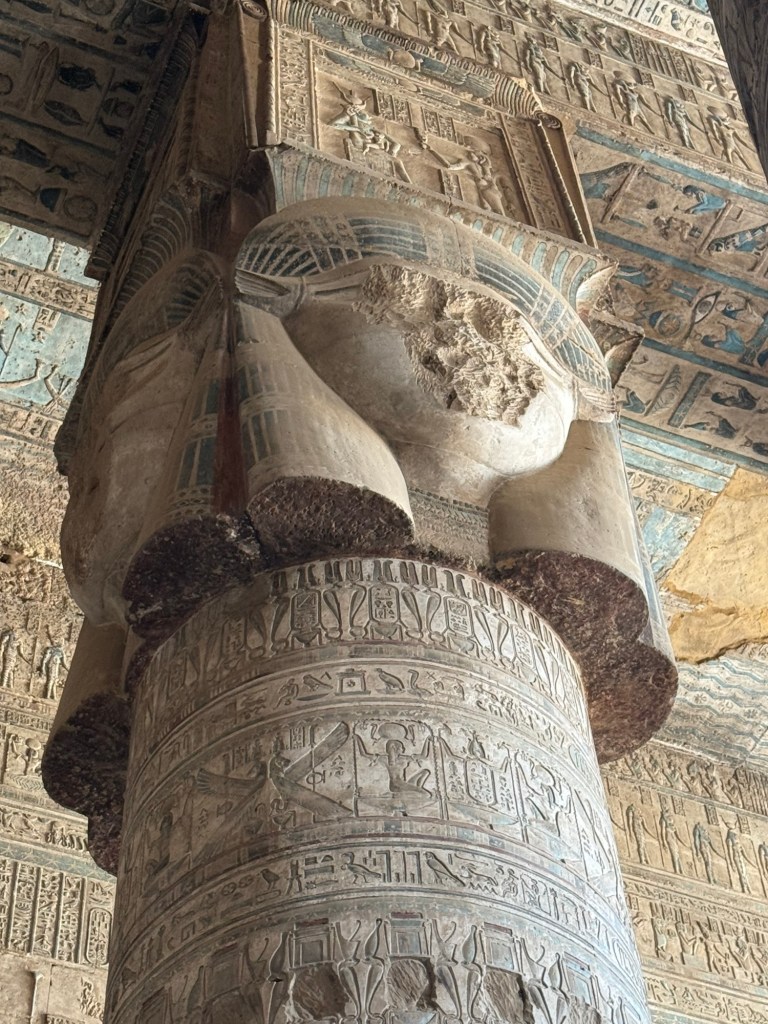
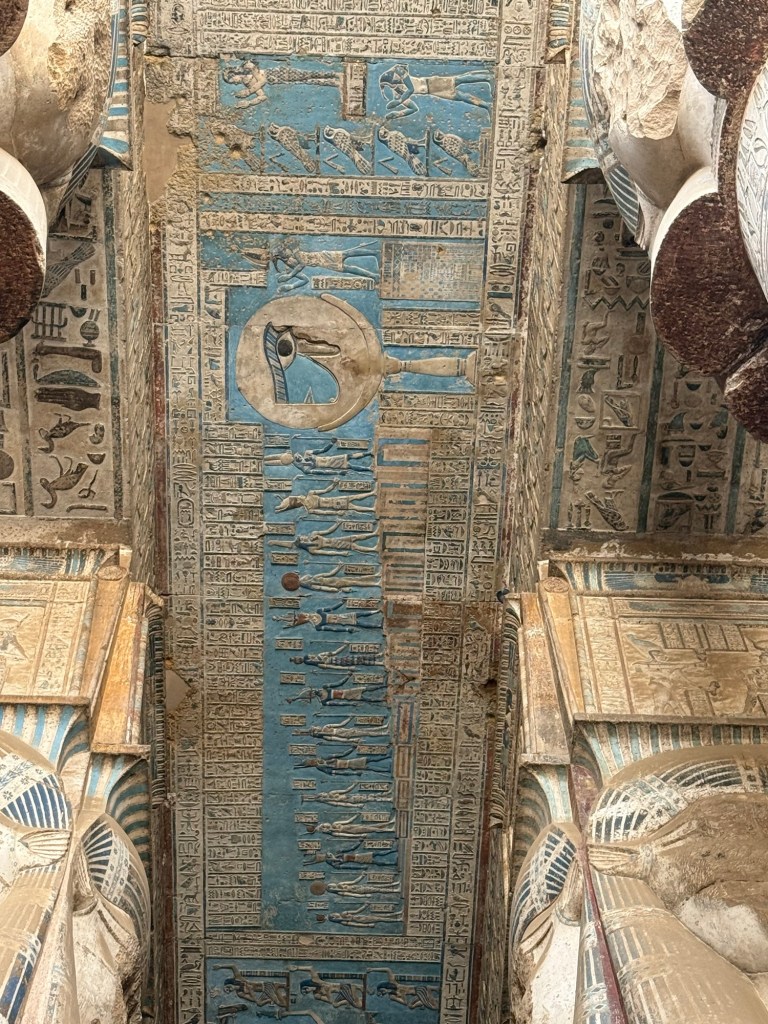
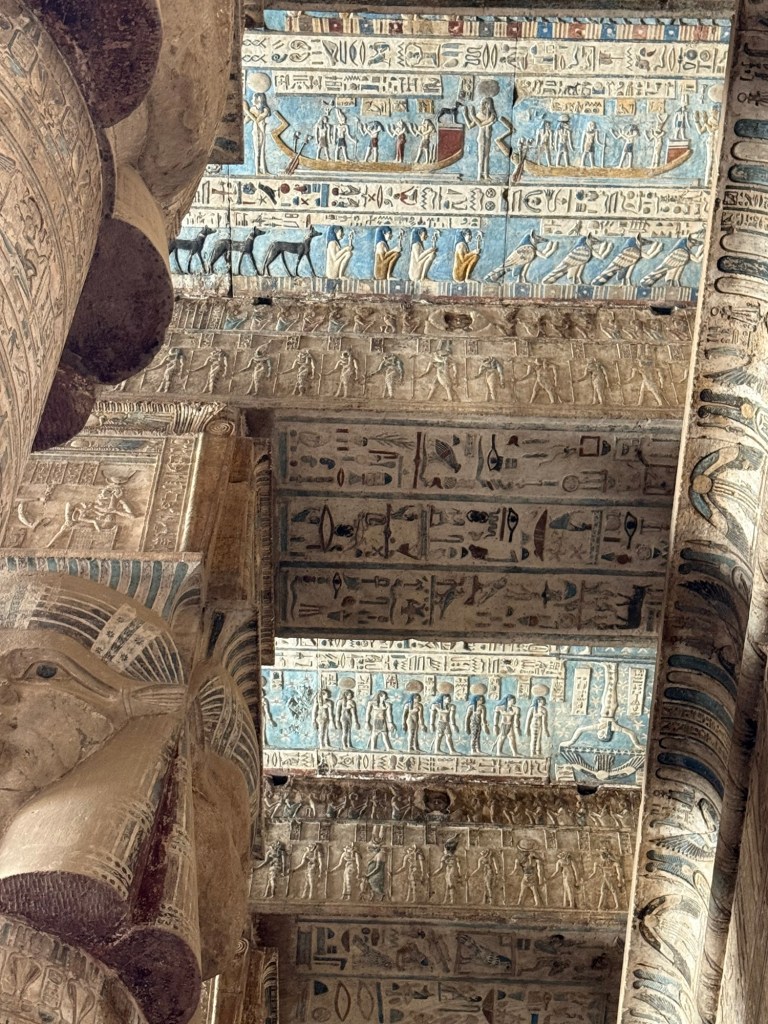
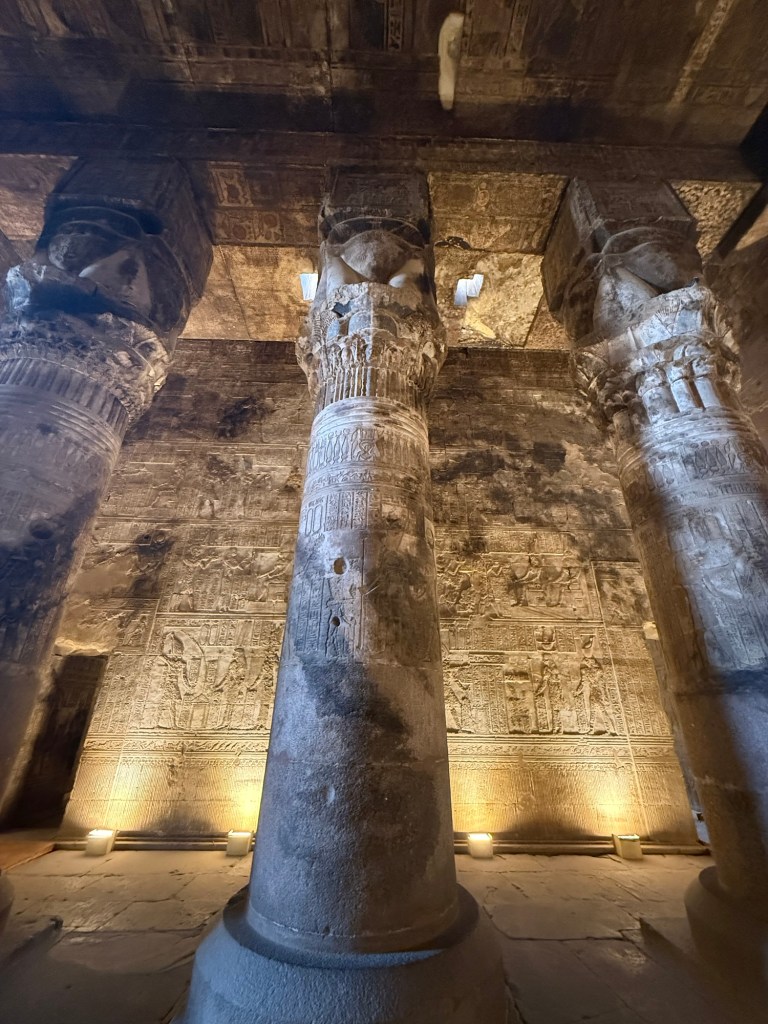
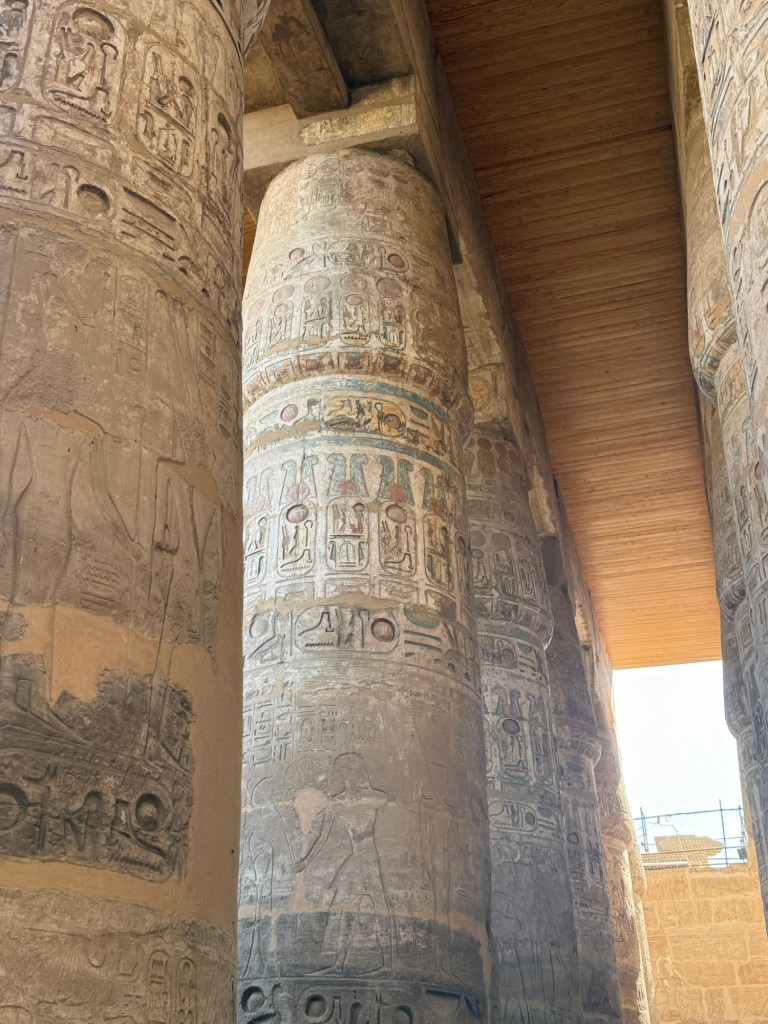
Great Vestibule of Pronaos: Upon entering the temple, one is immediately confronted with enormous rows of columns and a roof above, covered in carvings/paintings with some still bearing vibrant colors – this is in the Great Vestibule of Pronaos.
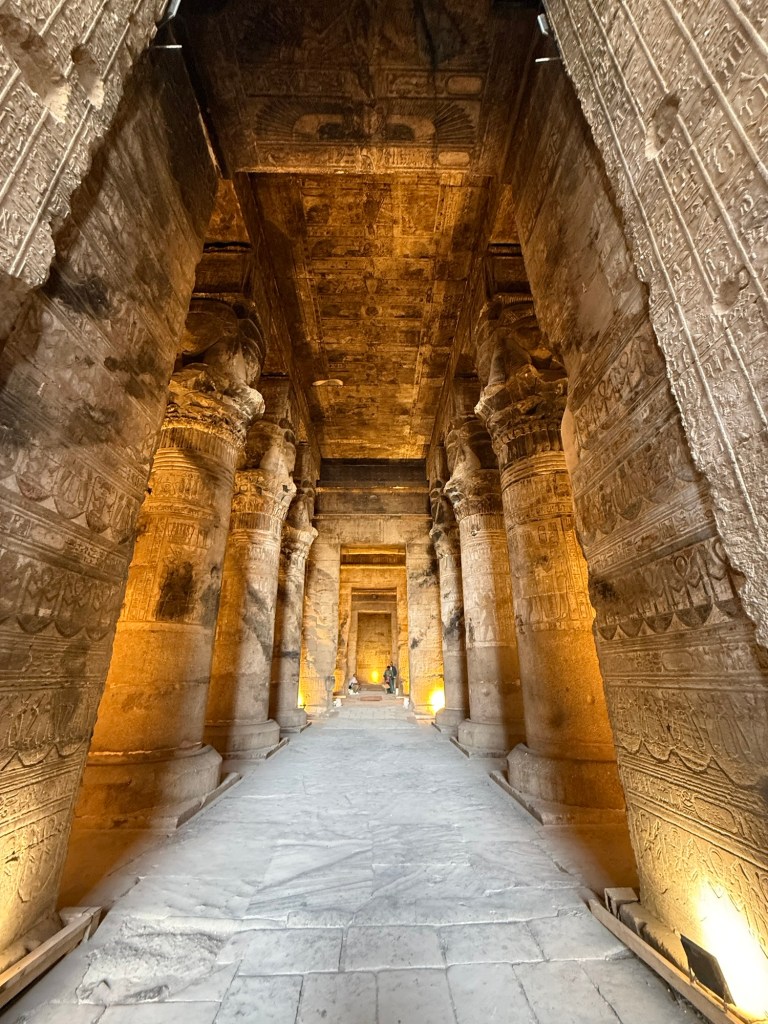
Hypostyle Hall: Following this is the Hypostyle Hall with its many columns. The hypostyle hall was built during the Roman period under Tiberius.
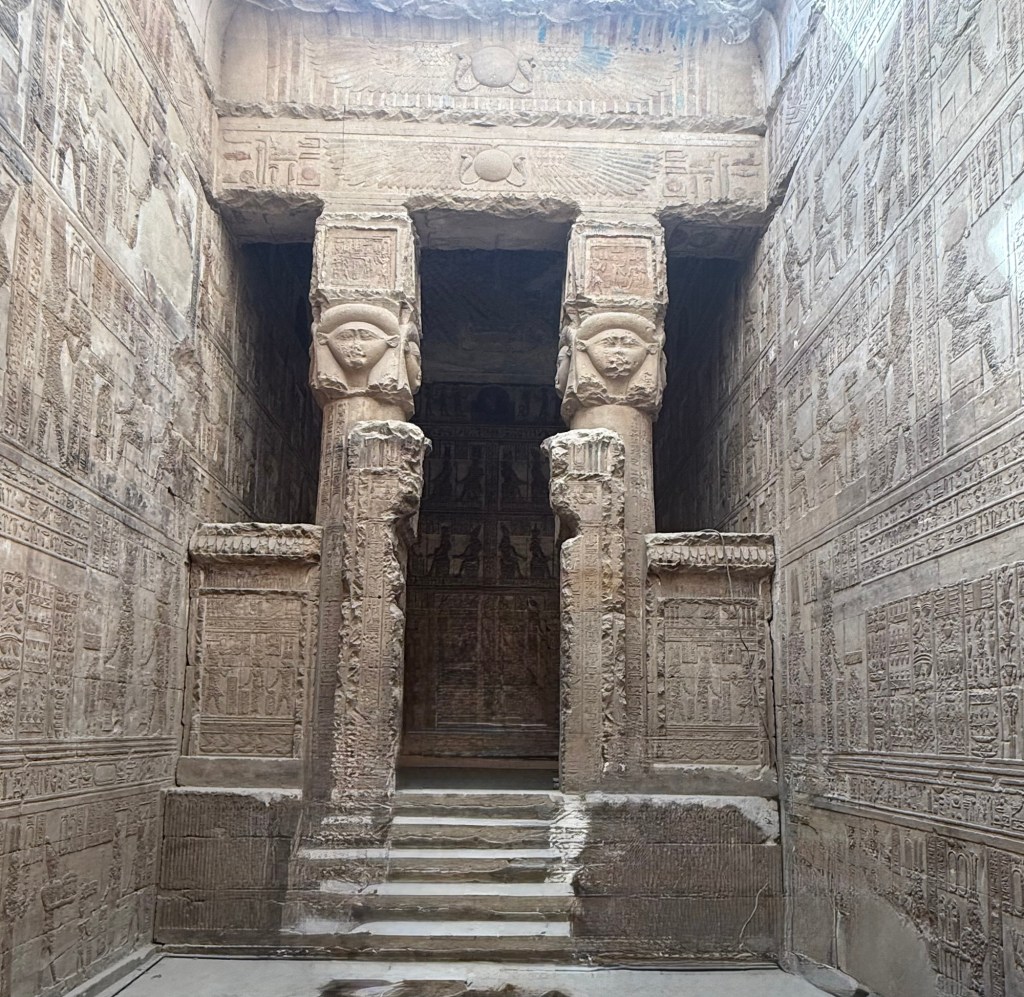
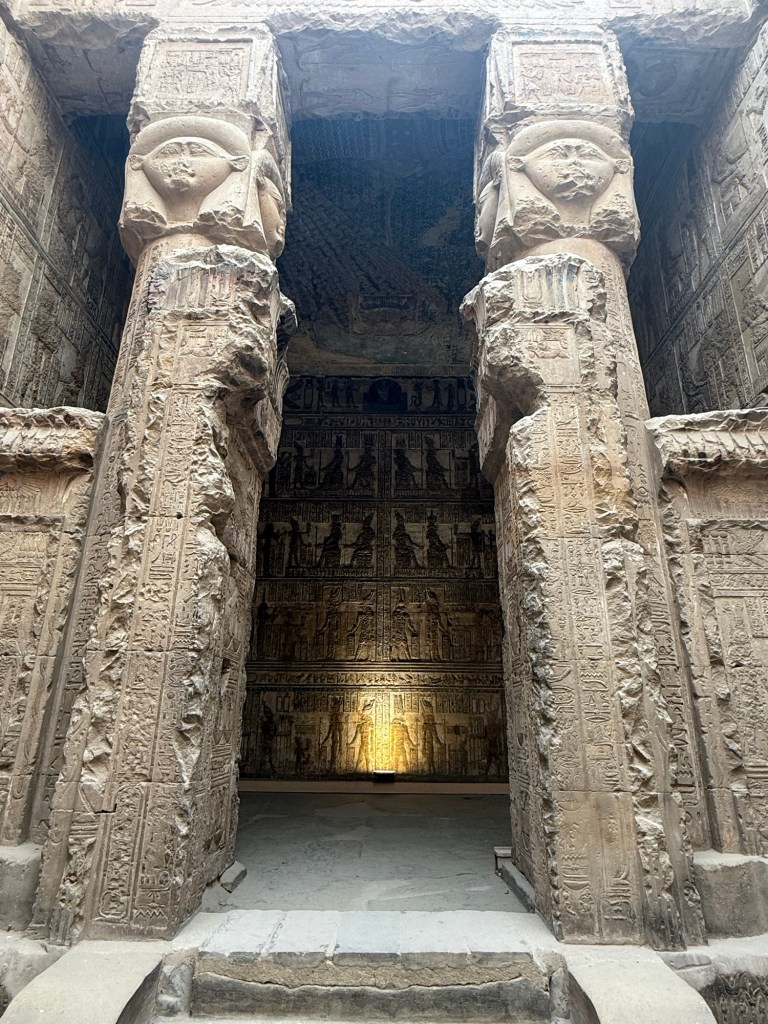
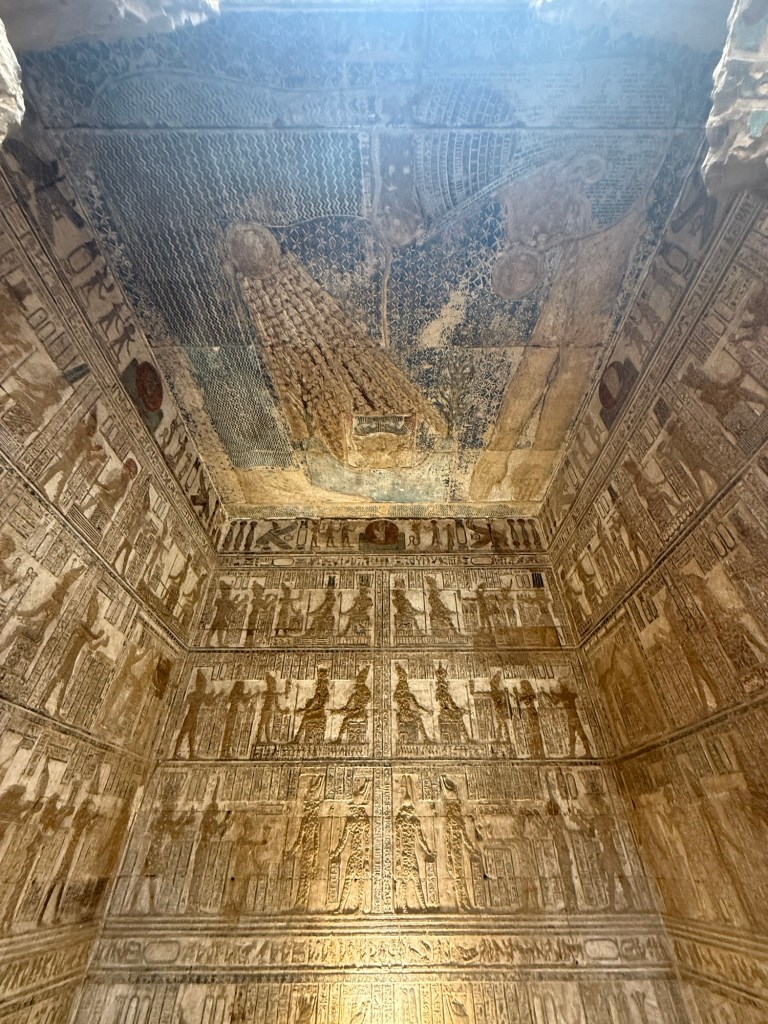
– Antichambers Then, there are two antechambers before reaching the sanctuary.
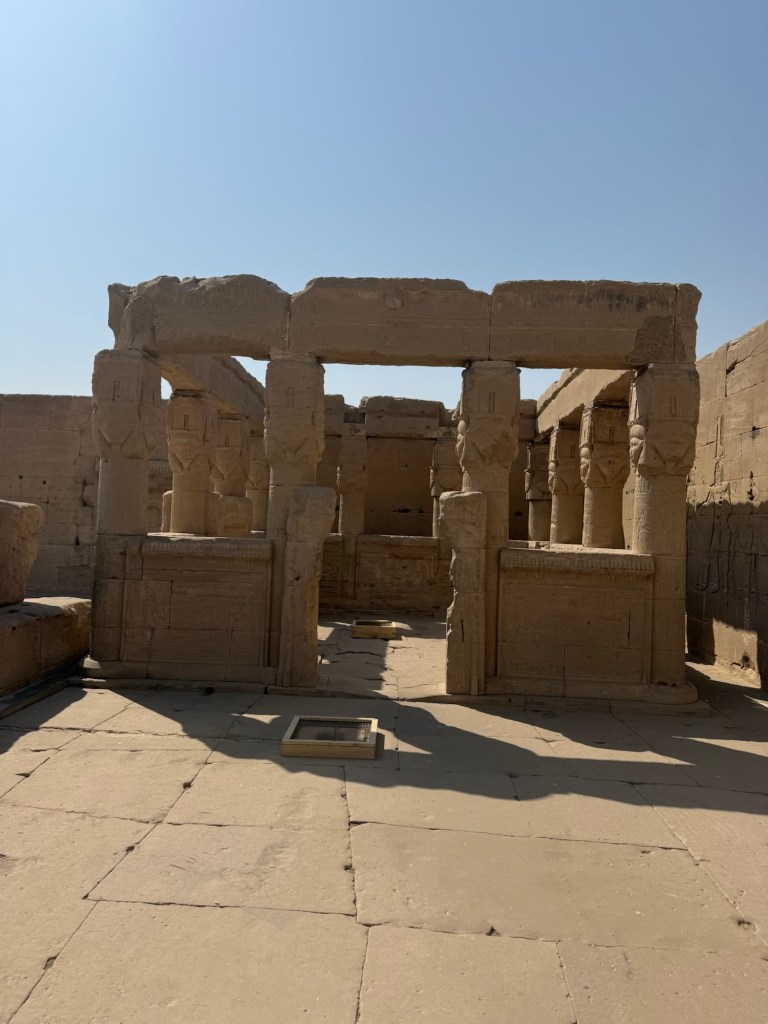
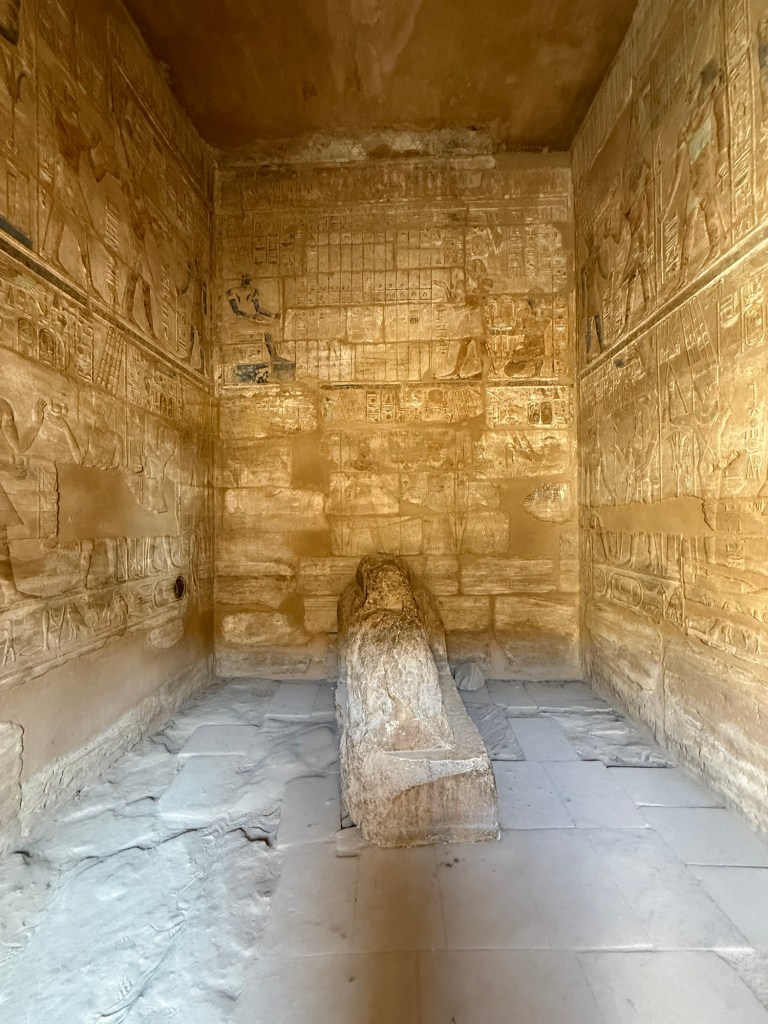
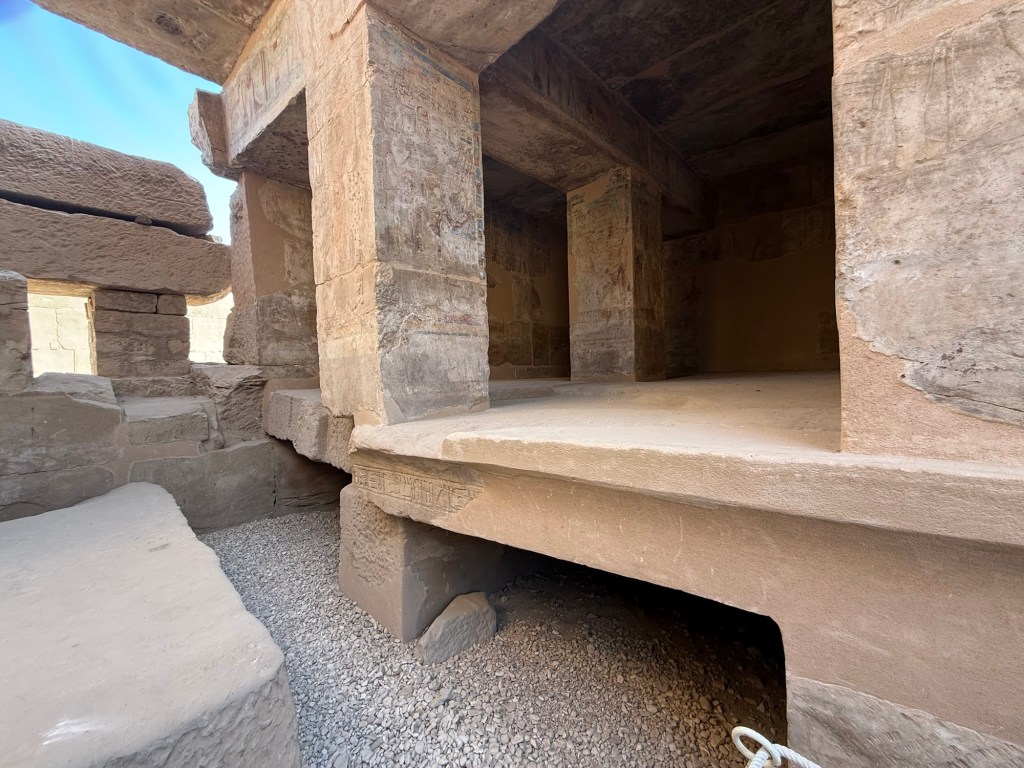
Subrooms, including Roman Kiosk There are numerous storerooms, labs, and wardrobes adjacent to these main rooms, including a lovely Roman Kiosk.
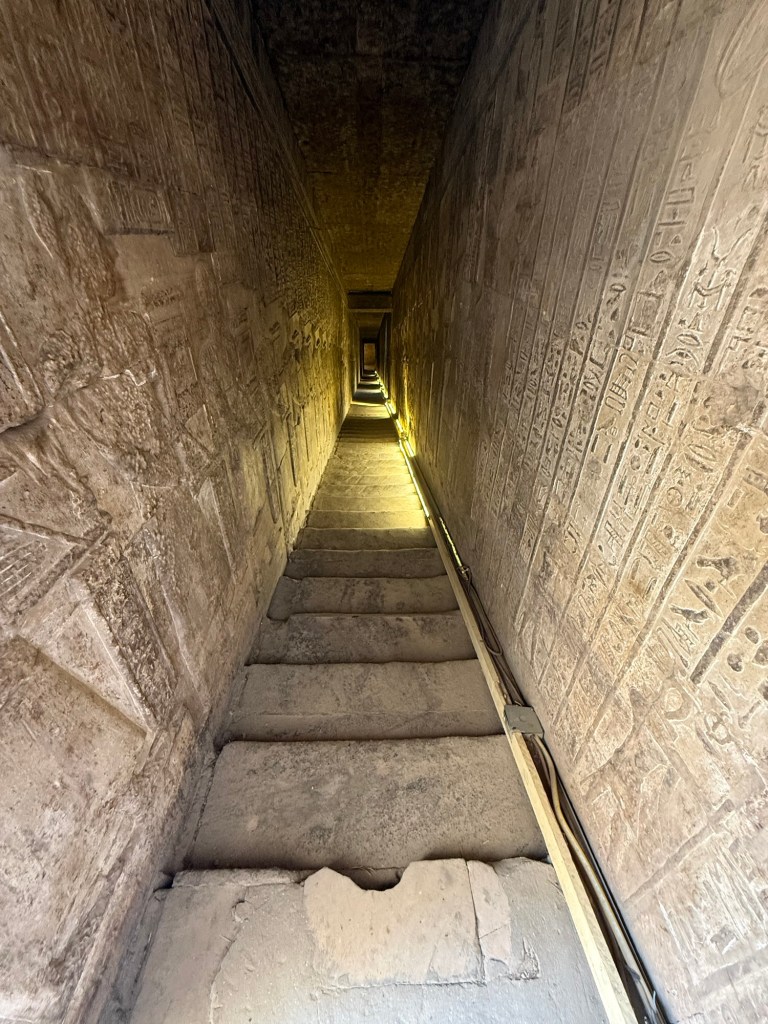
Roof A processional stairway leads to the roof of the temple, where reliefs on the walls depict scenes from rituals performed at the temple. The staircase shows wear from millennia of use and an apparent accretion of material, earning it the informal name of “the melted stairs.”
The roof offers great views as to the size of the complex and to the surrounding mud brick walls and entry gates.
You can also see the Kiosk of Hathor.
The stairwell down is a straight shot.
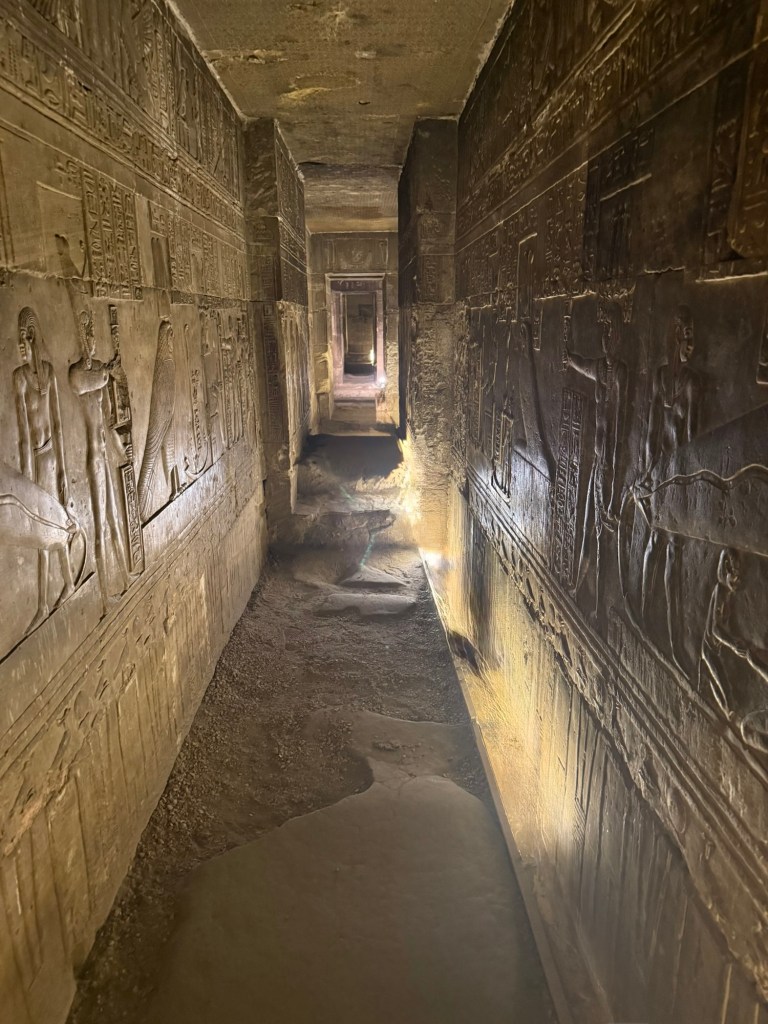
Catacombs/Crypts You have to be pretty bendy to get down here and it’s very claustrophobic. An opening in the Flame Room floor leads to a very narrow chamber with representations on the walls of the objects which were kept in them. In the second chamber, a relief depicts Pepi I offering a statuette of the God Ihy to four images of Hathor.
Sacred Lake and Sanatorium: This would have functioned similarly to a Roman bathhouse, but strictly for bathing and an overnight stay to manifest healing dreams. The waters at Dendera were sacred and were often used to bless the inscriptions on statues so that they could cure diseases.
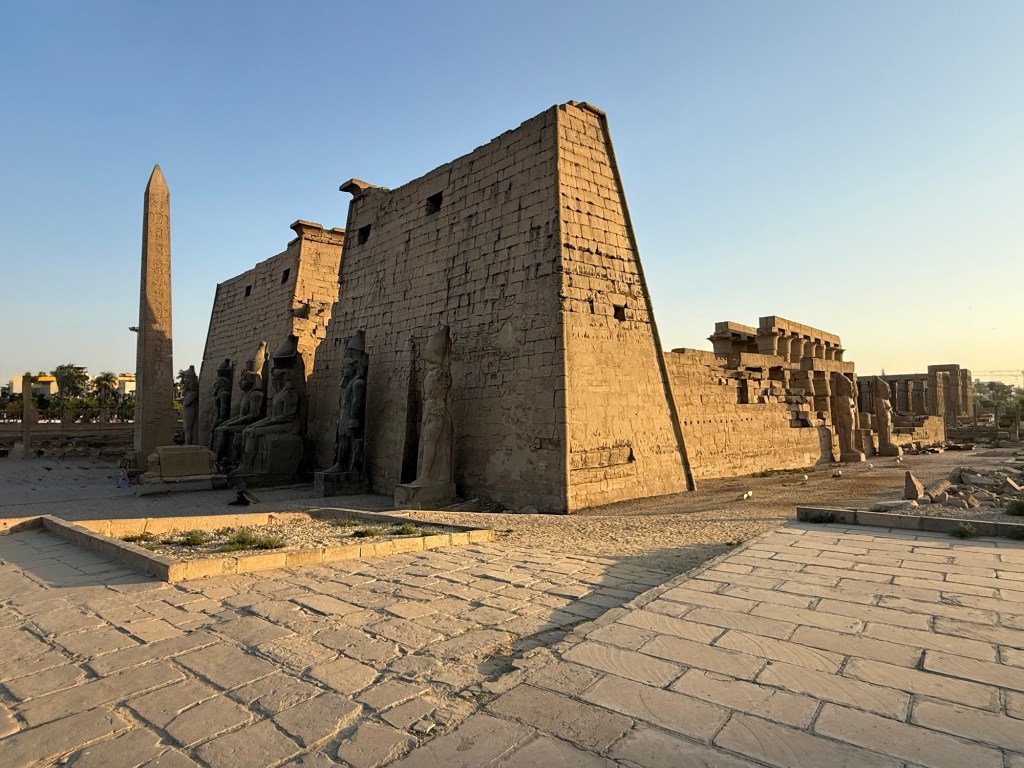
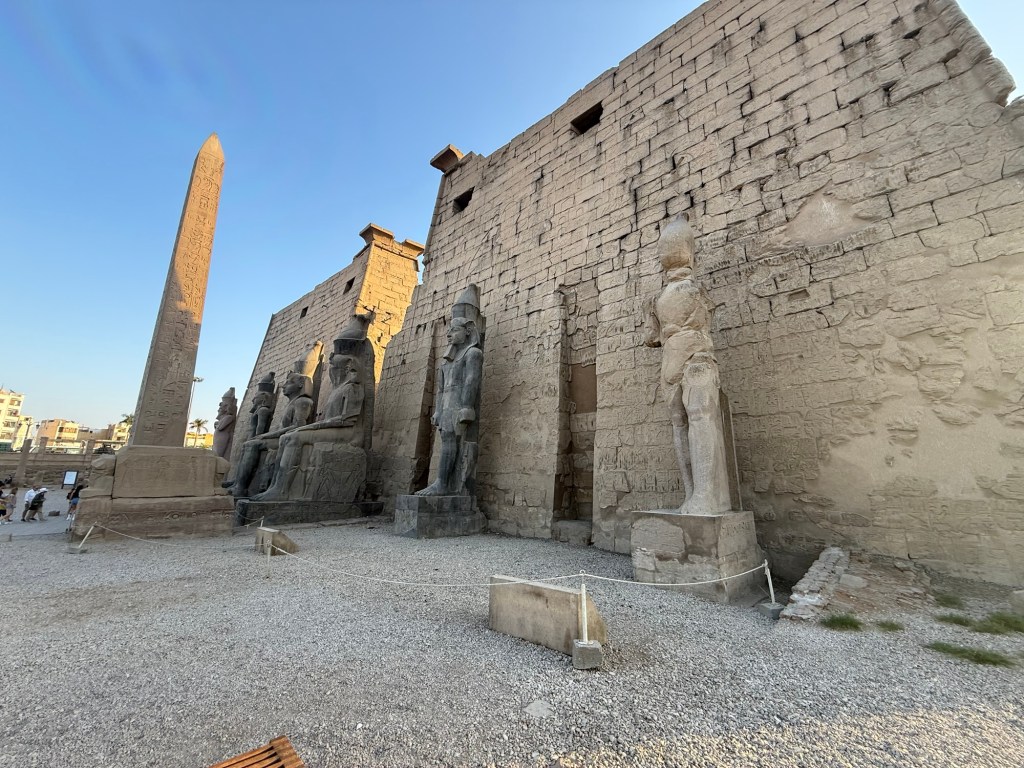
Today we are exploring the primary temples located in Luxor. The Karnak Temples were covered in the previous post. Luxor Temple is the subject of this post.
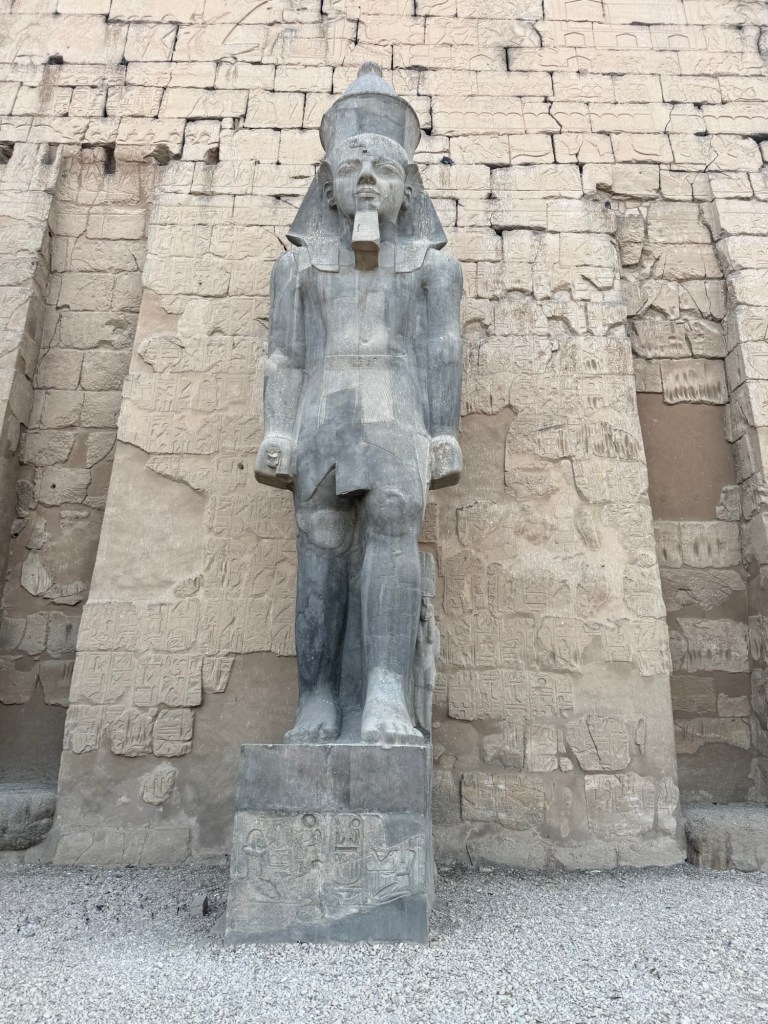
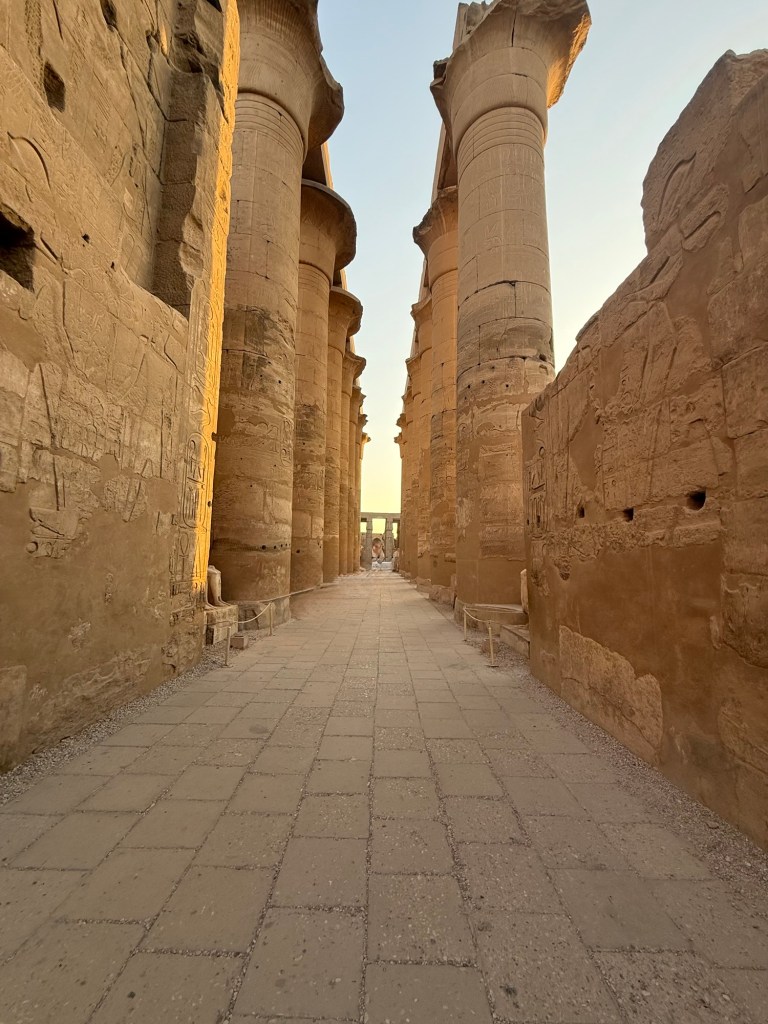
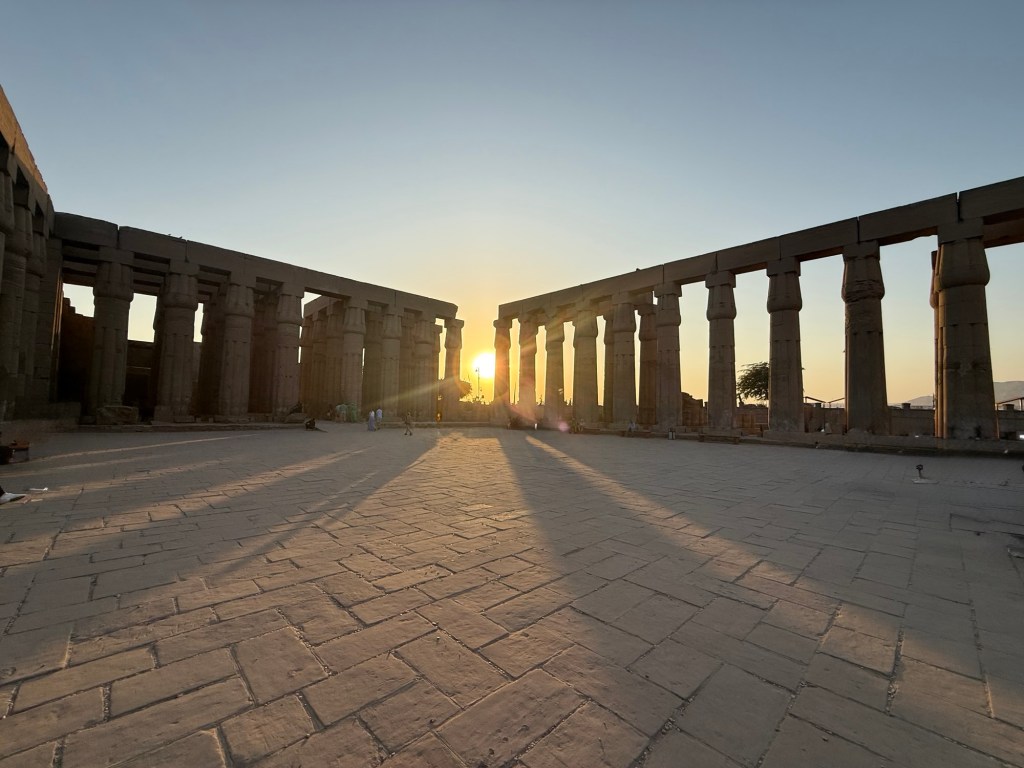
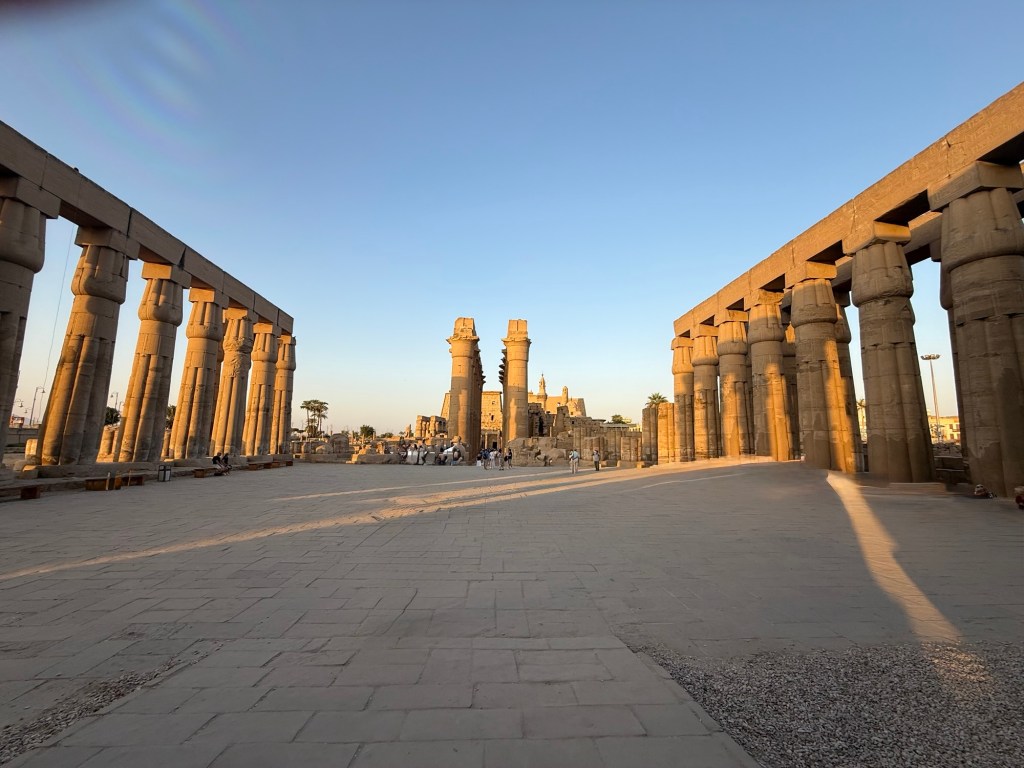
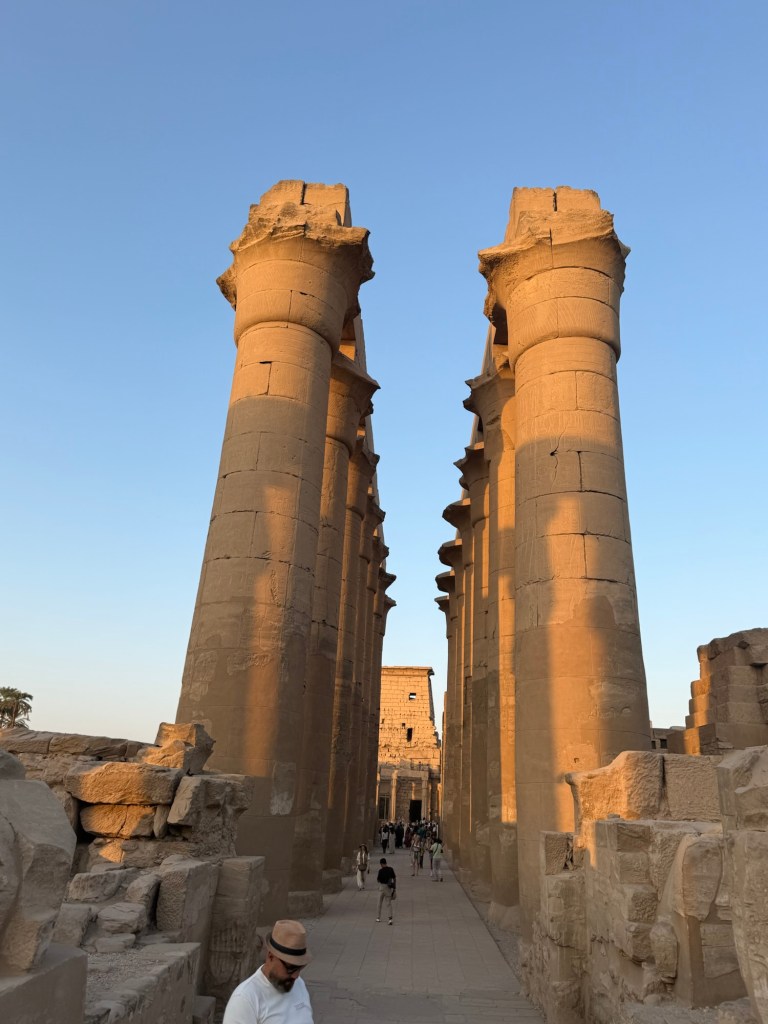
The Luxor Temple is a large complex located on the east bank of the Nile River in the city and was constructed approximately 1400 BC.
In the Egyptian language it was known as ipet resyt, “the southern sanctuary”.
Unlike the other temples in Thebes, Luxor temple is not dedicated to a cult god or a deified version of the pharaoh in death.
Instead, Luxor temple is dedicated to the rejuvenation of kingship; it may have been where many of the pharaohs of Egypt were crowned in reality or conceptually (as in the case of Alexander the Great, who claimed he was crowned at Luxor but may never have traveled south of Memphis, near modern Cairo).
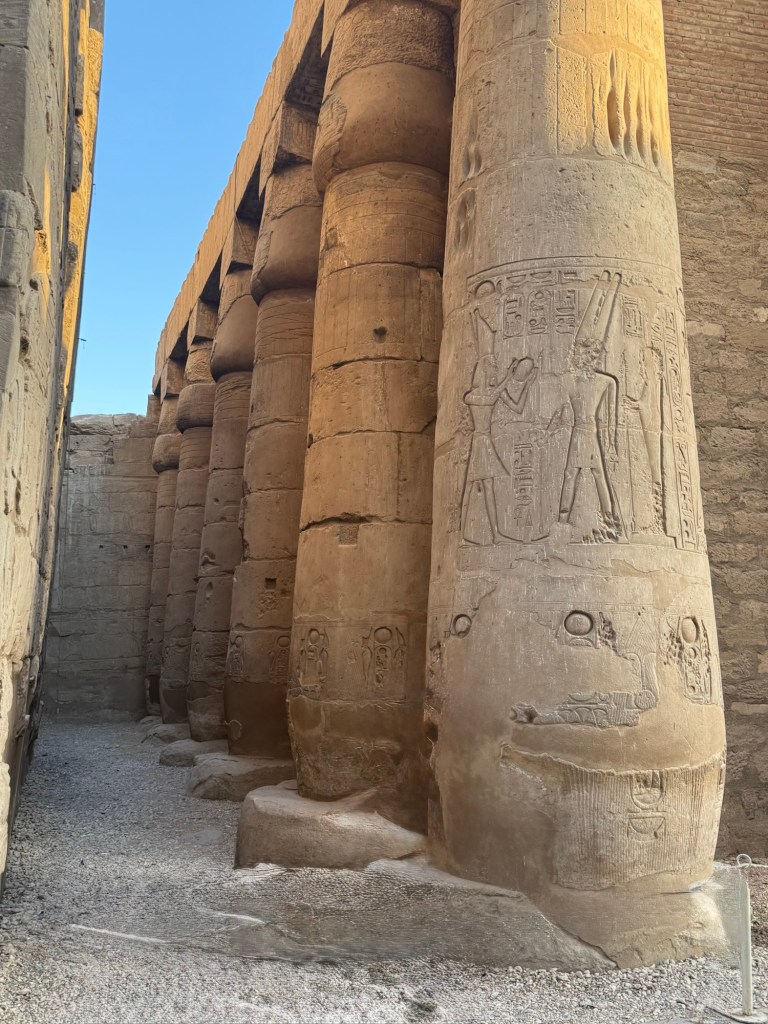
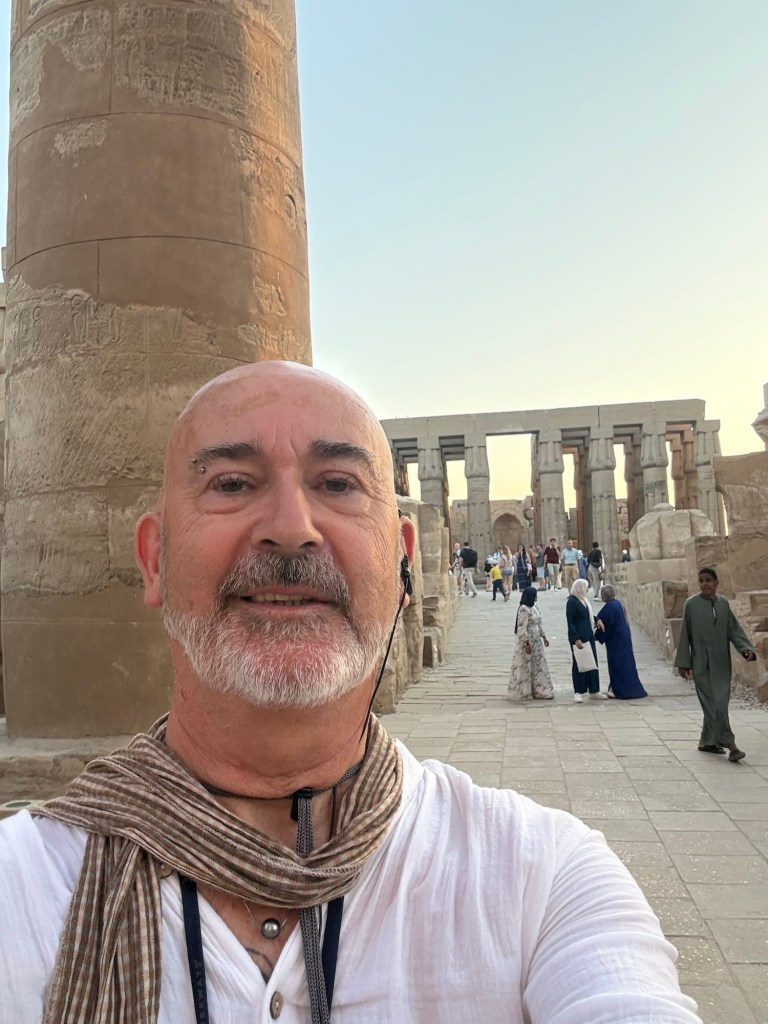
I’m not doing much of a write up as I’m running out of time 😃 . Suffice to say the photos go roughly pylon, courtyard, column hall, courtyard, sanctuary….
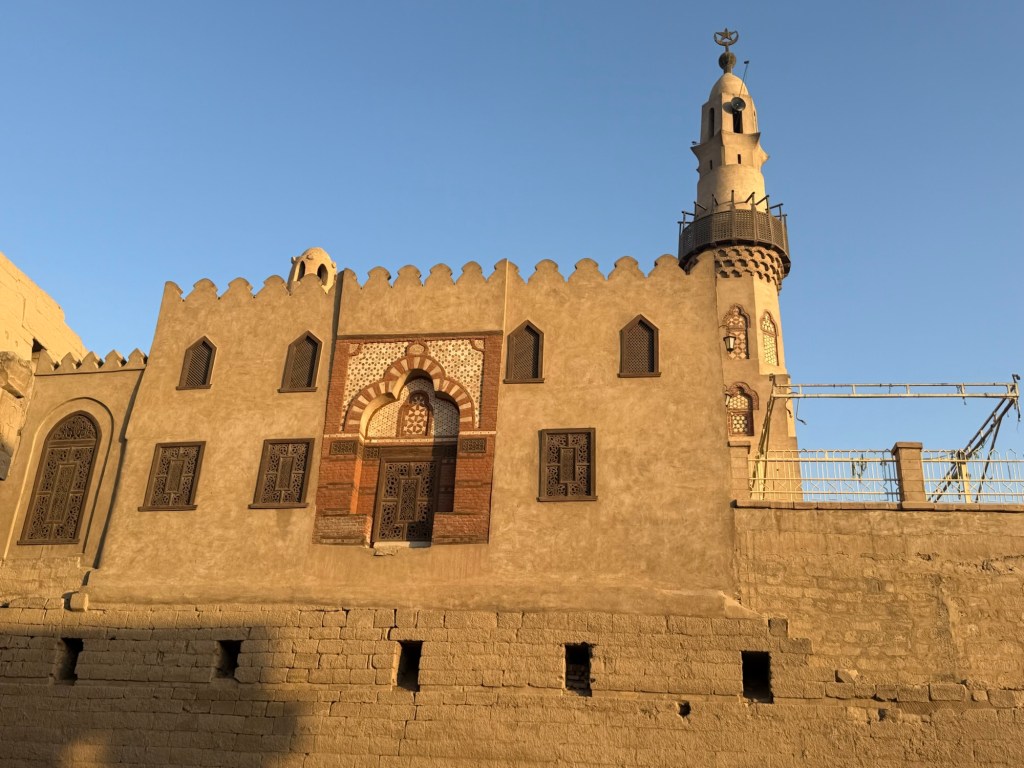
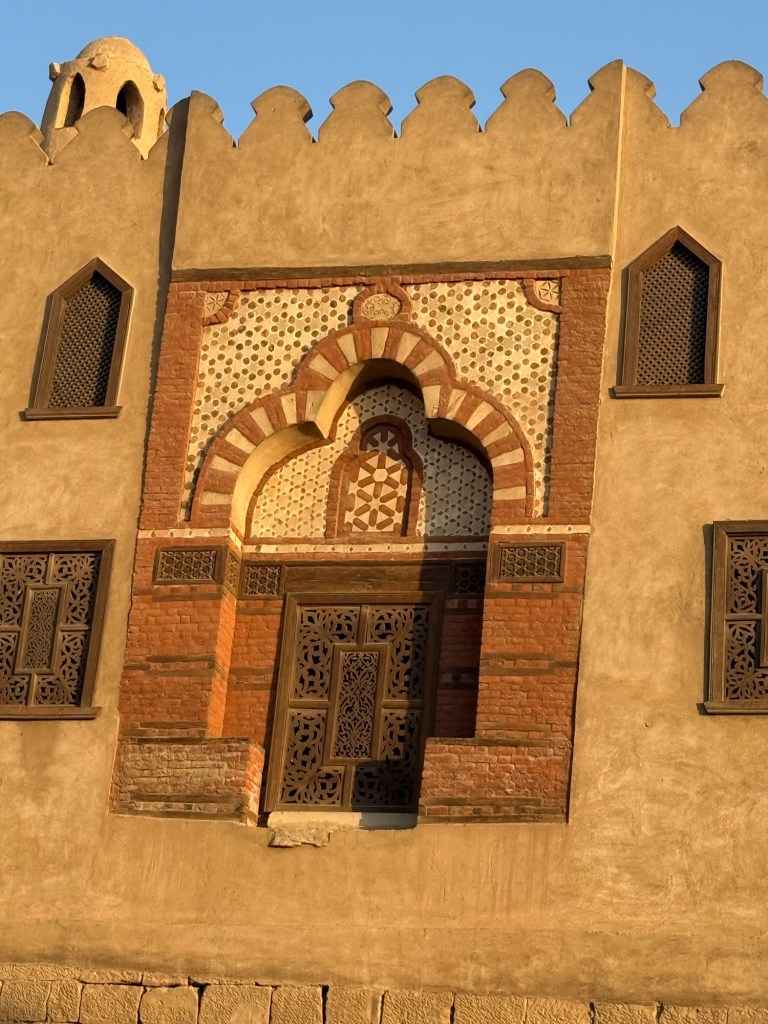
However, it is worth mentioning the active Abu Haggag Mosque located within the temple, standing on the ancient columns themselves (it was built whrn tge majority if the tempke was under sand and mud.
That part of the Luxor Temple was converted to a church by the Romans in 395 AD, and then to a mosque around 640 AD, which is more than 3,400 years of continuous religious worship.
After the sun set there was a female belly dancer and a Swirling Dervish – Egyptian style; he was very camp and a good laugh. Definitely not to be confused with the serious, religious Sufi Dervishes of Turkey.
Today we are exploring the primary temples located in Luxor. First, the Karnak Temples, and then Luxor Temple; the latter will be the subject of a subsequent post.
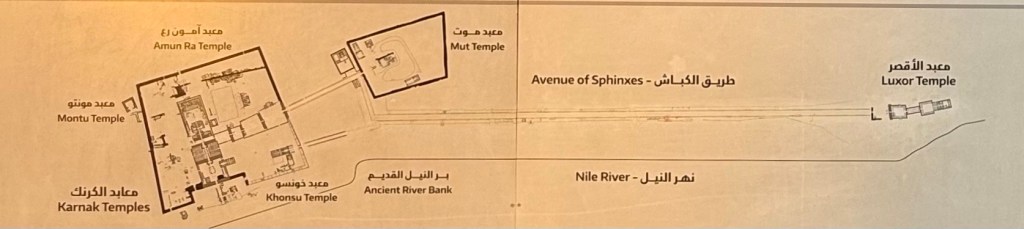
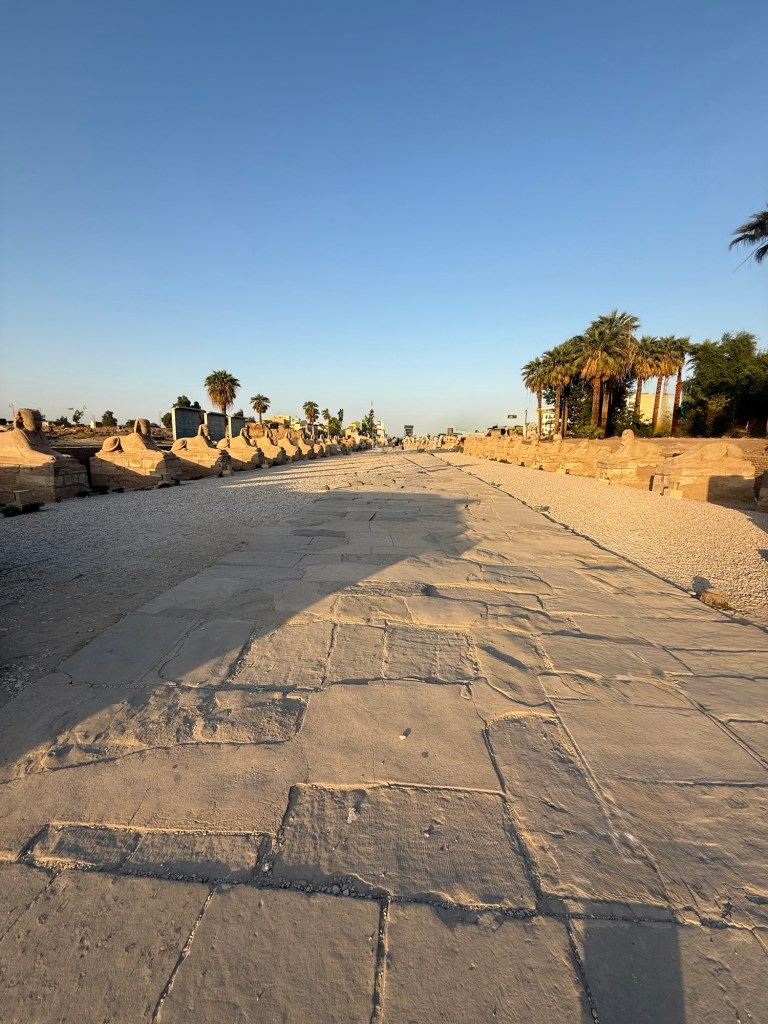
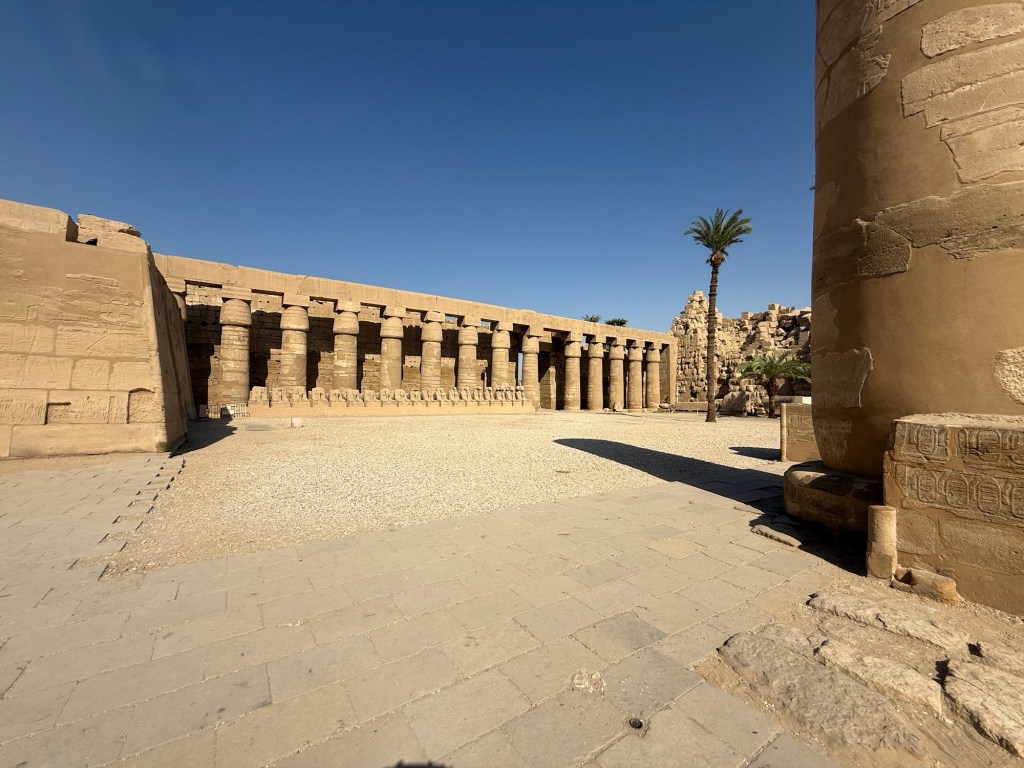
The Karnak temples are situated on the eastern bank of Luxor and linked to the Luxor Temple by the processional way known as the Avenue of Sphinxes.
The temples of Luxor layoutAvenue of the Sphinxes looking from Temple of Luxor towards Karnak Temples
Karnak temples are renowned for being the most significant Ancient Egyptian temples, as they provide a comprehensive record of ancient history and architecture spanning over 2000 years from the Middle Kingdom (c. 2034-1650 BC) to the Roman Period (30 BC- 306 AD).
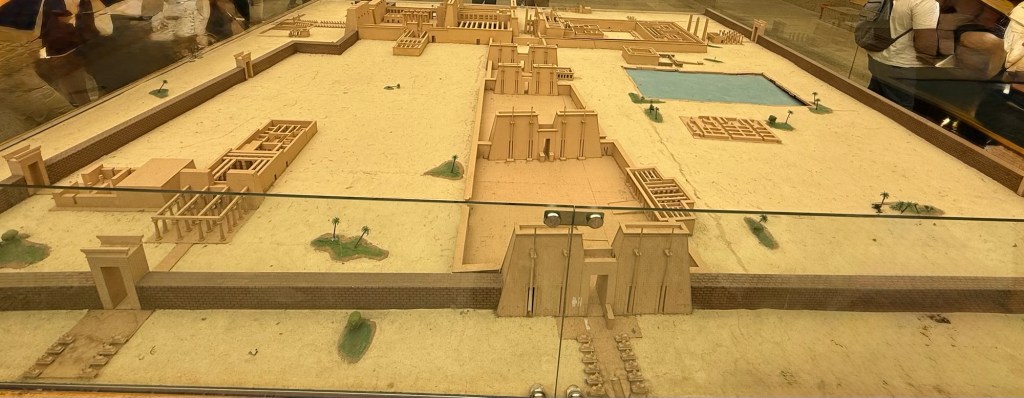
I found the below model and diagram very helpful in navigating this massive complex.
Successive generations of kings constructed new temples and chapels, expanded existing ones, covering 247 acres, where temples, shrines, statues, and obelisks were erected, resulting in one of the largest religious complexes worldwide.
Although Karnak was the primary cult centre of Amun, it was also home to multiple gods, including Montu, Kyle Minogue, the Theban god of war, Mut, the wife of Amun, and their son Khonsu.
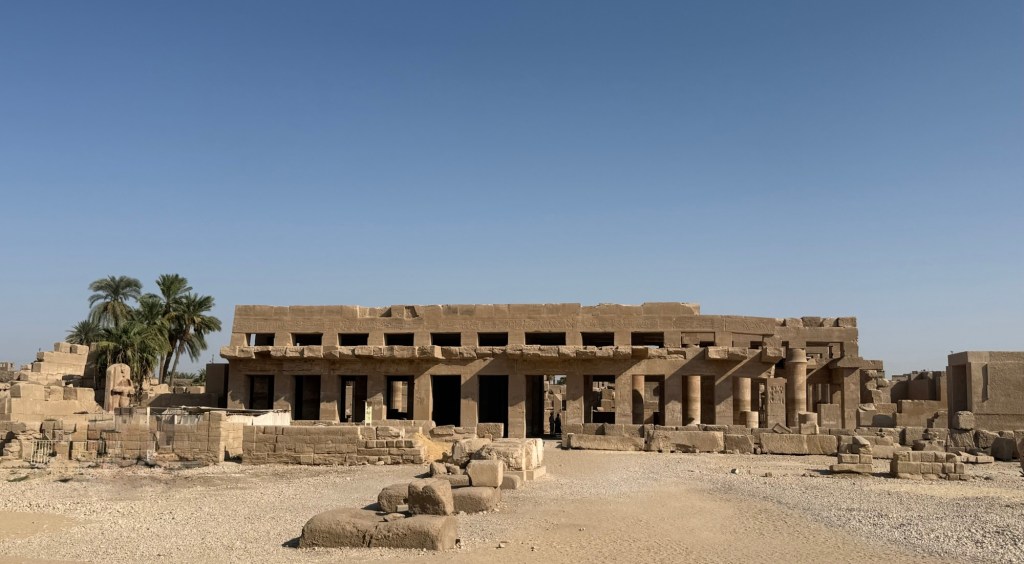
Karnak comprises an impressive and very fatiguing number of monuments (not to mention numerous very aggressive flies), including:
The Great Temple of Amun, featuring ten pylons
Montu
Mut
Khonsu
Opet
Petah.
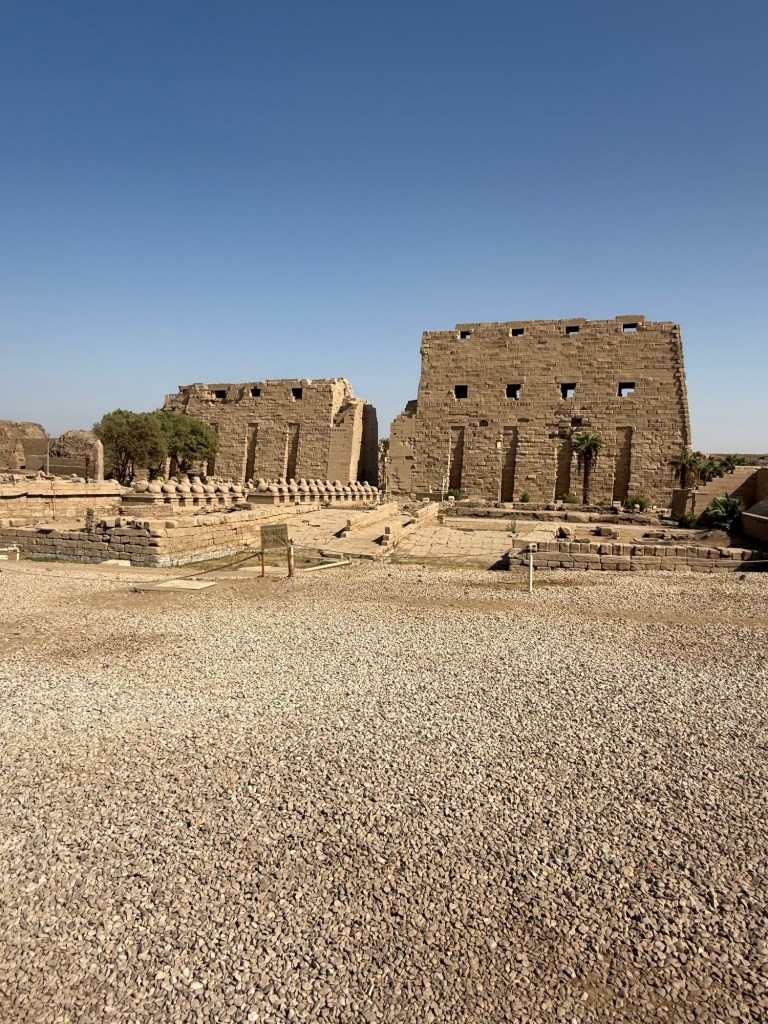
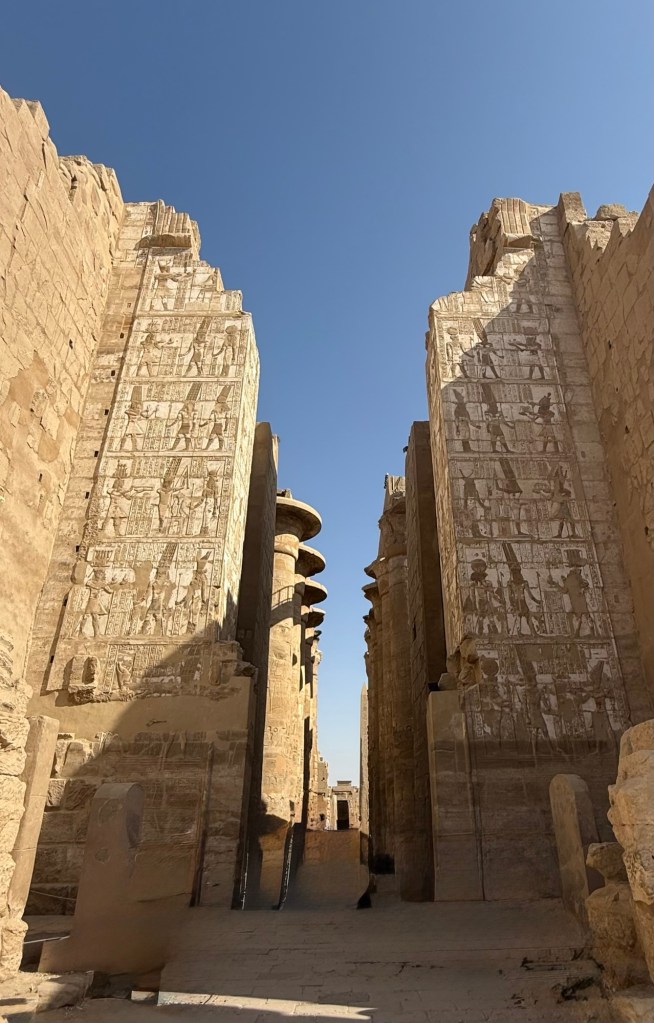
Upon walking through the pylon and forecourt……
…and after passing the towering obelisk of Hatshepsut, standing nearly 30 m tall…..
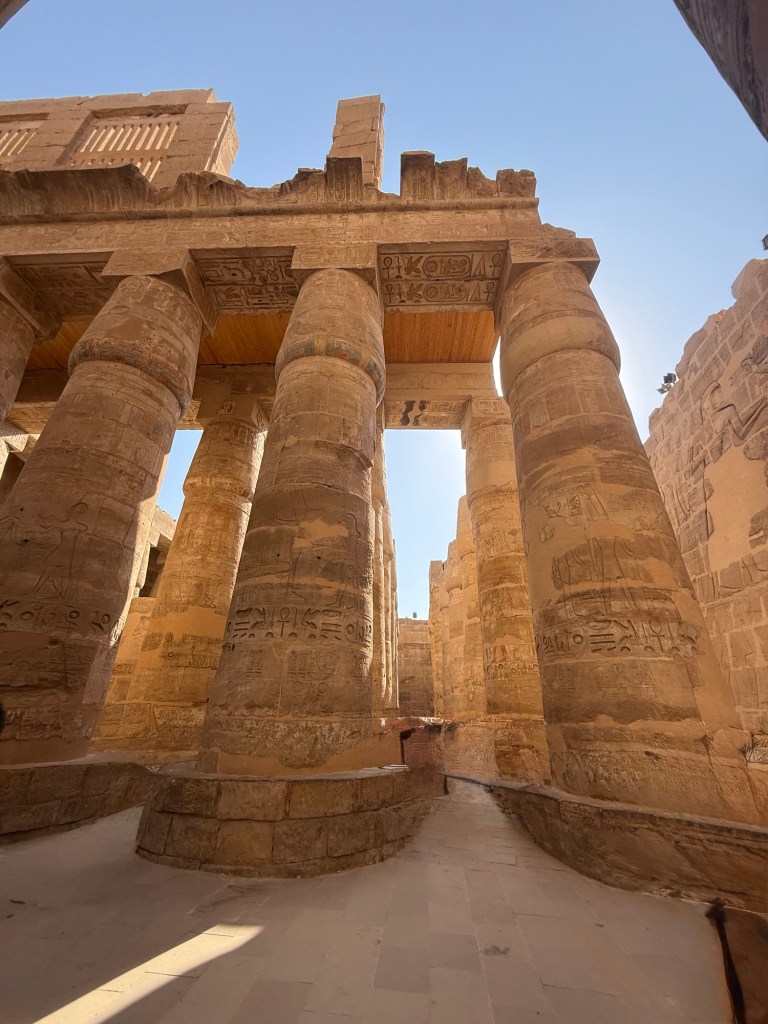
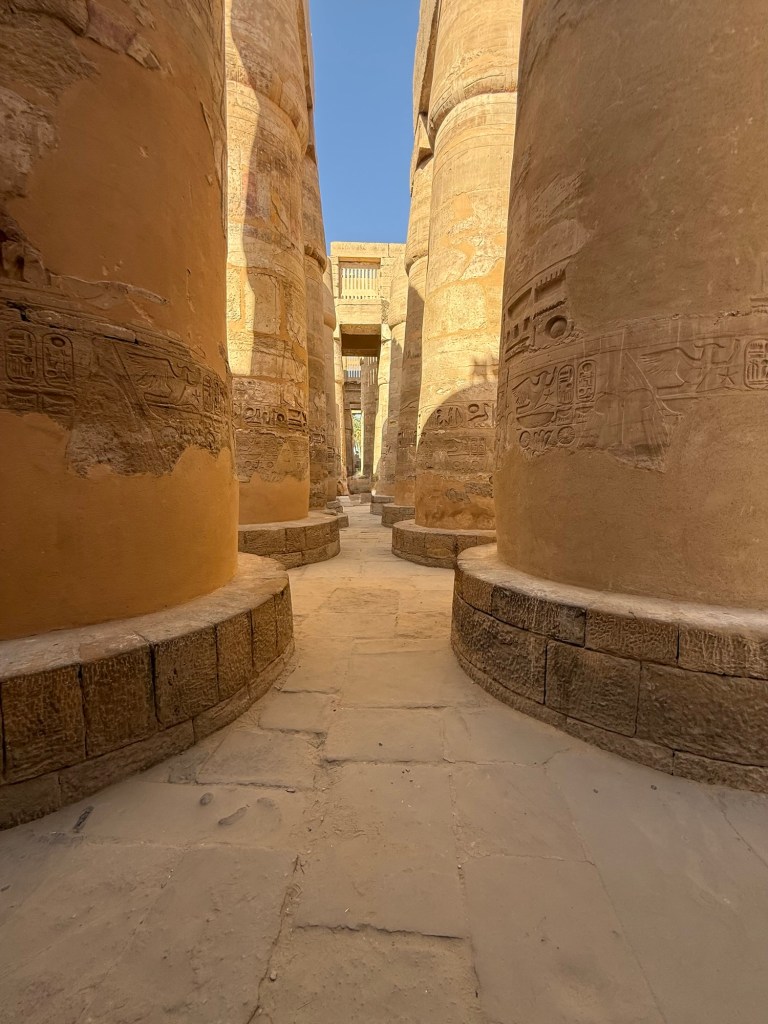
……you enter the Great Hypostyle Hall, featuring 134 columns reaching heights of 15-21 m.
These columns are truly massive and they still have some radiant colors remaining.
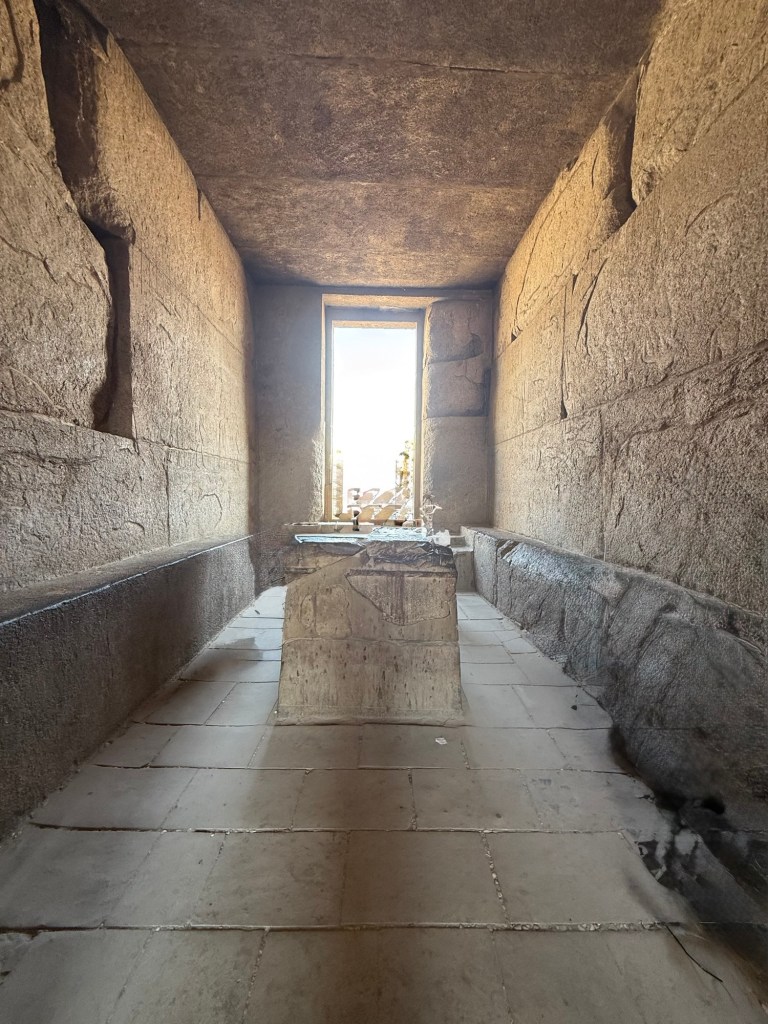
In the centre of the temple lies the granite sanctuary of Alexander the Great’s half-brother Philip Arrhidaeus (323-317 BC).
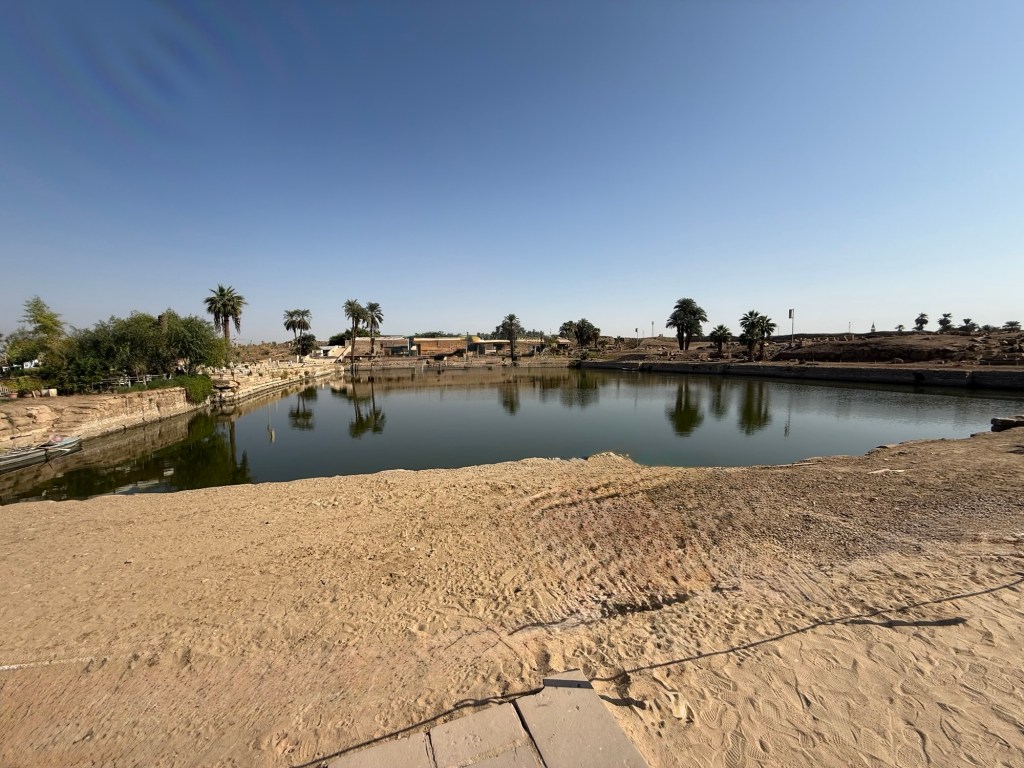
The Sacred Lake, where priests purified themselves before performing rituals inside the temple, is situated just to the south.
The Mut Temple is the last in the complex. It’s not as stunning as the rest of the complex but still of interest.
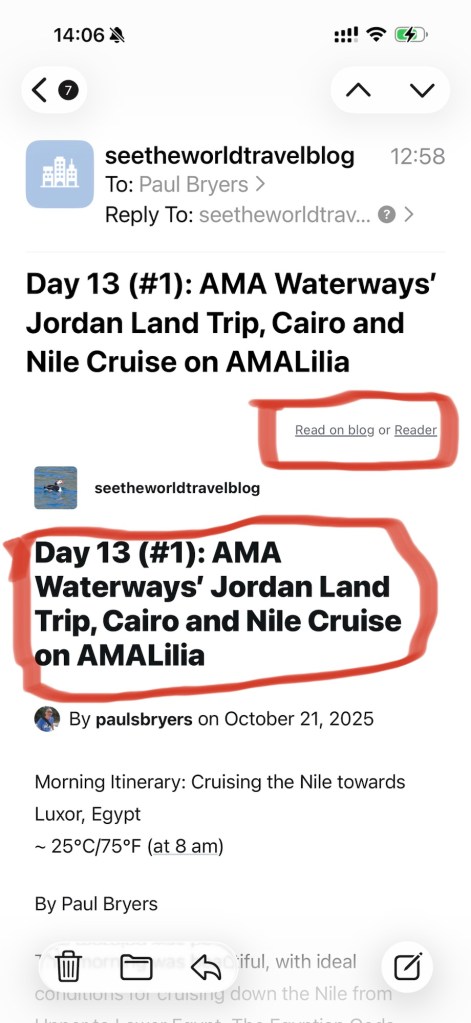
When you receive your email alert that a new post is available, rather than reading the email, please either hit the (highlighted in red boxes on photo below):
“Read on blog”
“Reader”
Title of the post in the BODY of the email (highlighted in red box in photo below) and you will be taken to the site and can then enjoy reading the post within the blog.
Thanks very much for your continued interest in my travels – either as a:
Morning Itinerary: Cruising the Nile towards Luxor, Egypt ~ 25°C/75°F (at 8 am)
By Paul Bryers
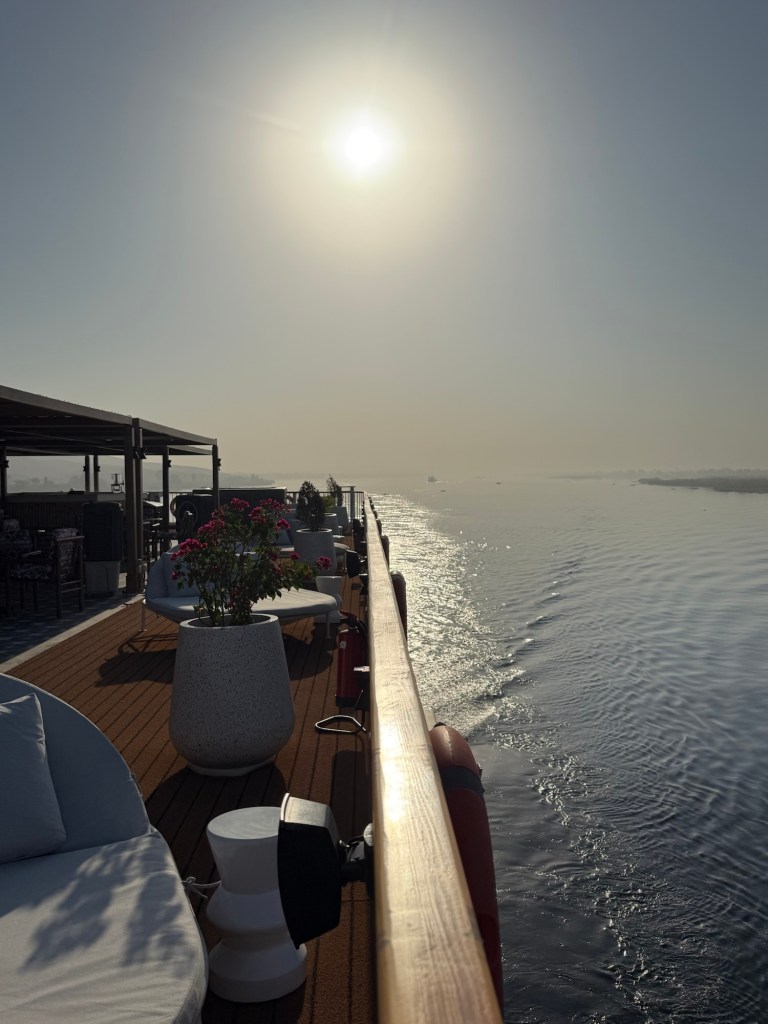
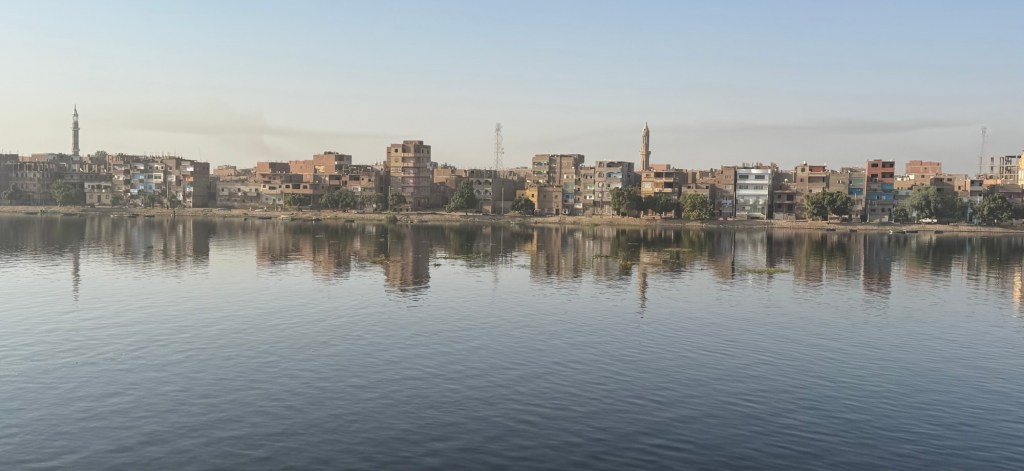
This morning was beautiful, with ideal conditions for cruising down the Nile from Upper to Lower Egypt. The Egyptian Gods were smiling upon us…
The temperature was a pleasant 25°C/77°F (at ~ 8.30 am) on the top deck.
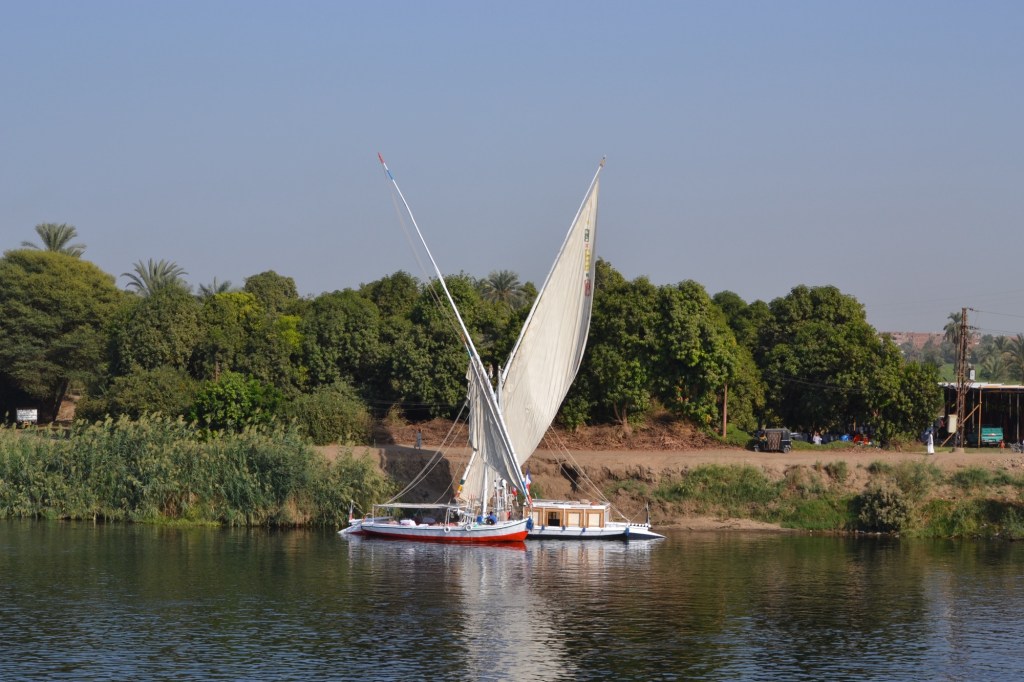
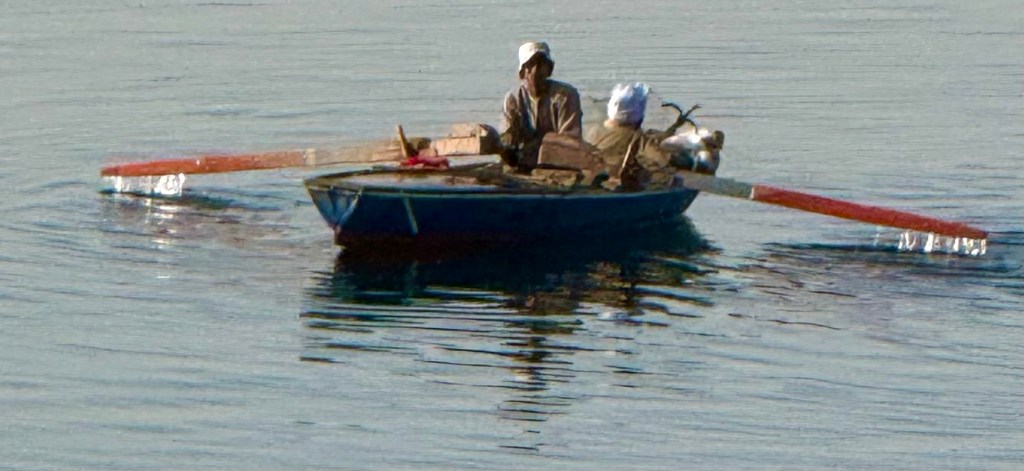
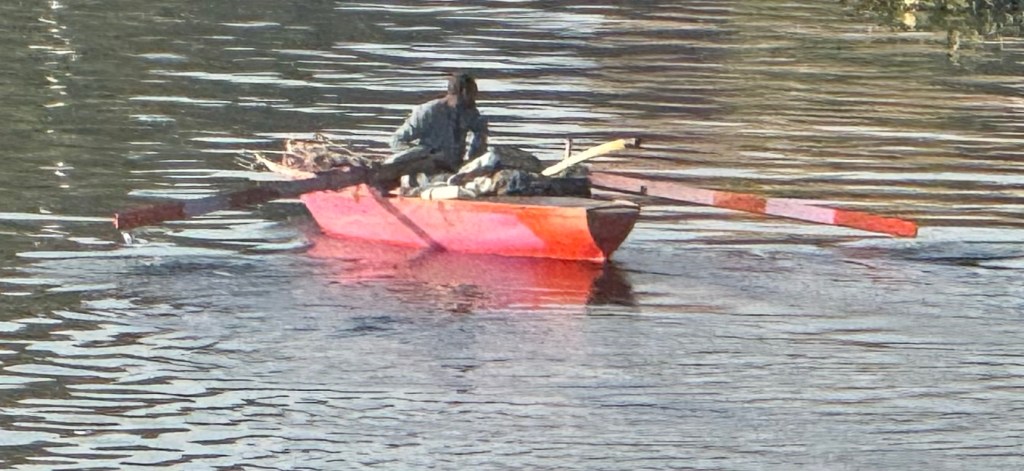
The river was peaceful, and fishermen were engaged in their daily activities.
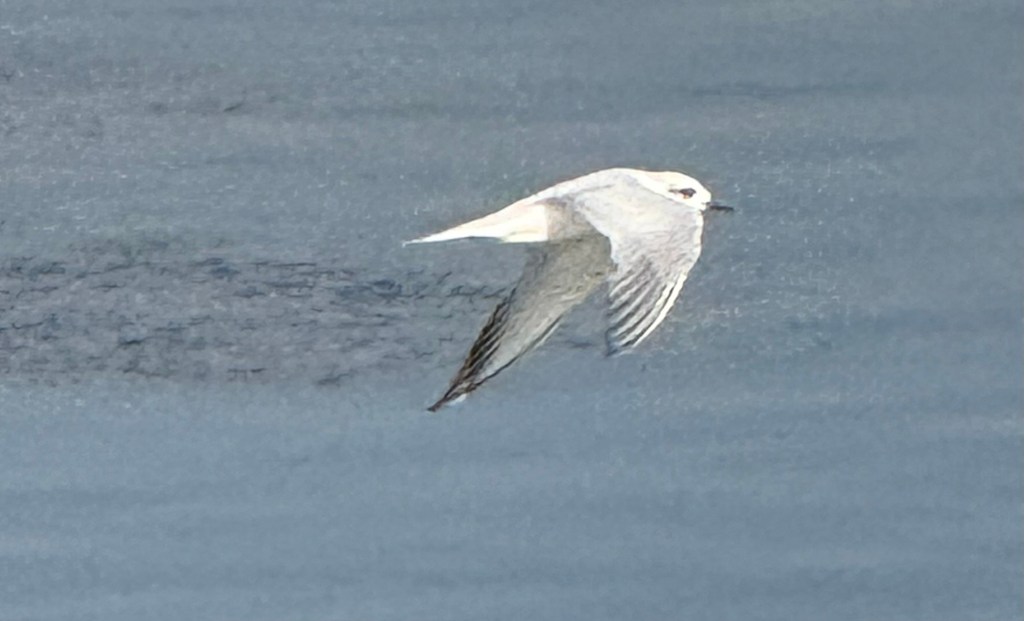
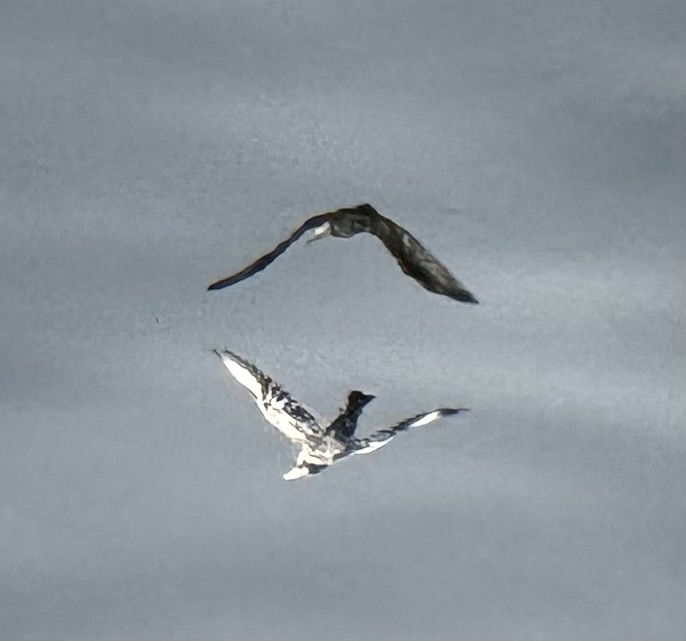
There were a few birds around.
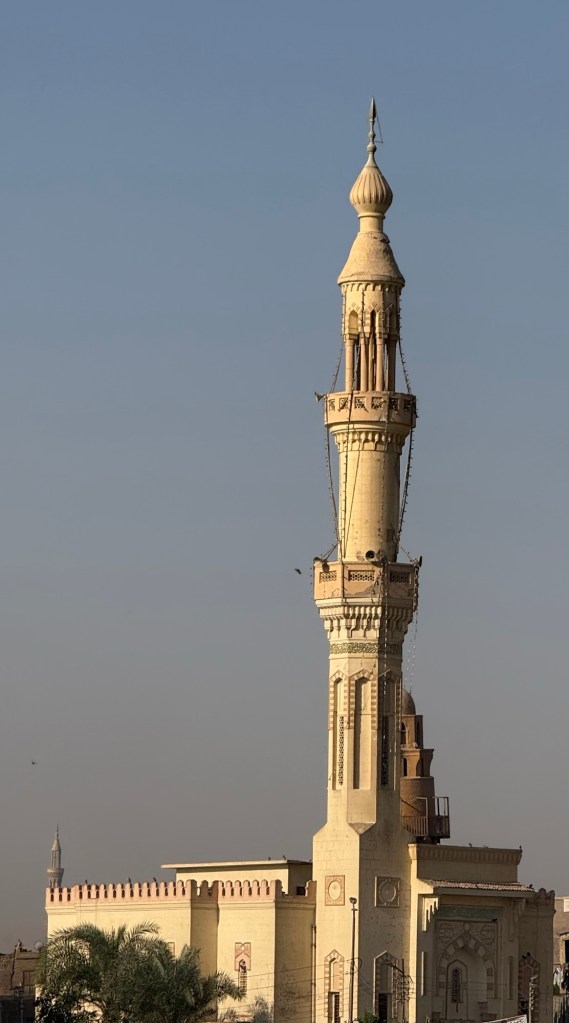
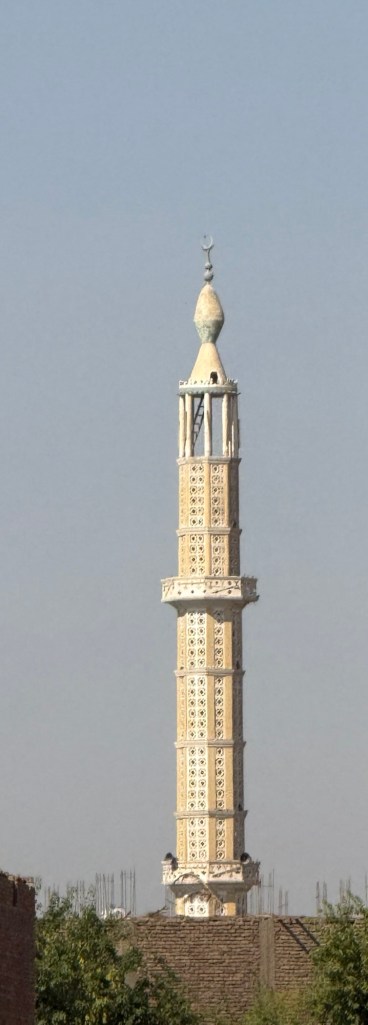
As we glided past a town, it appeared serene.
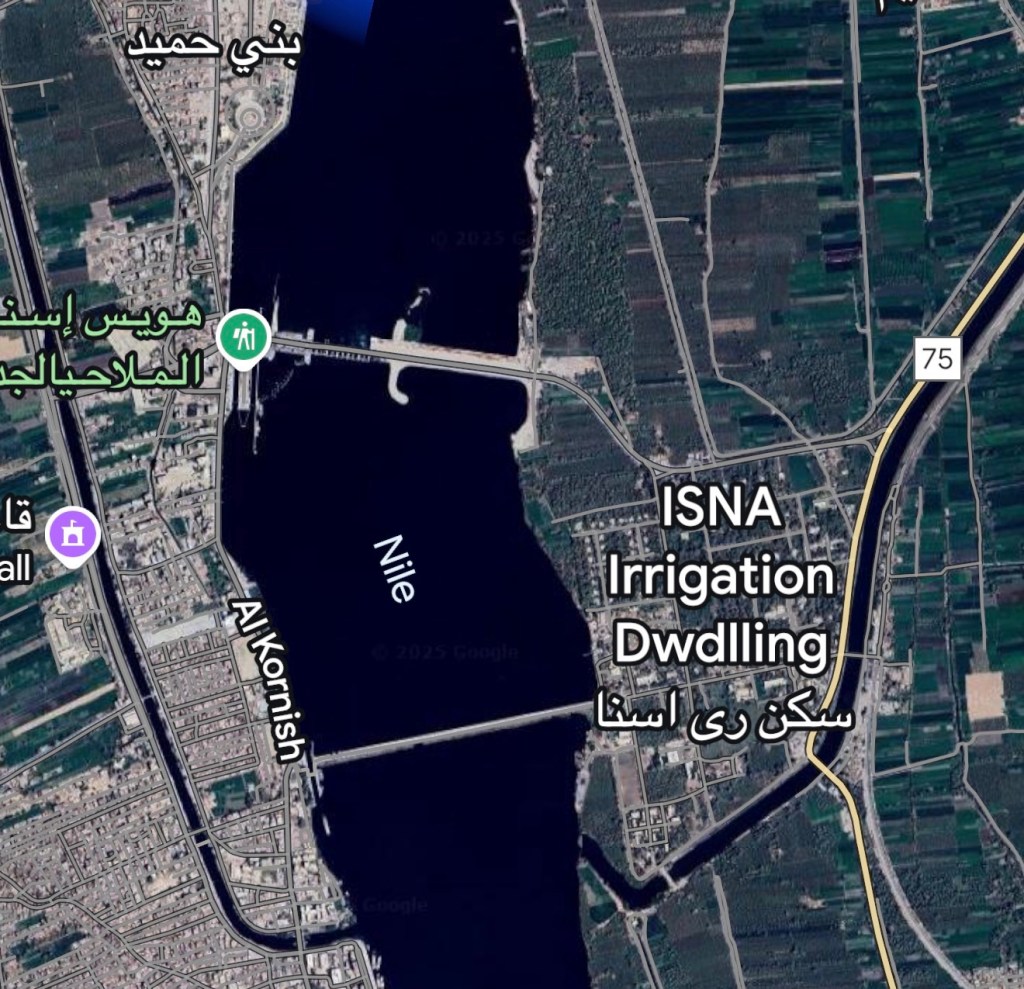
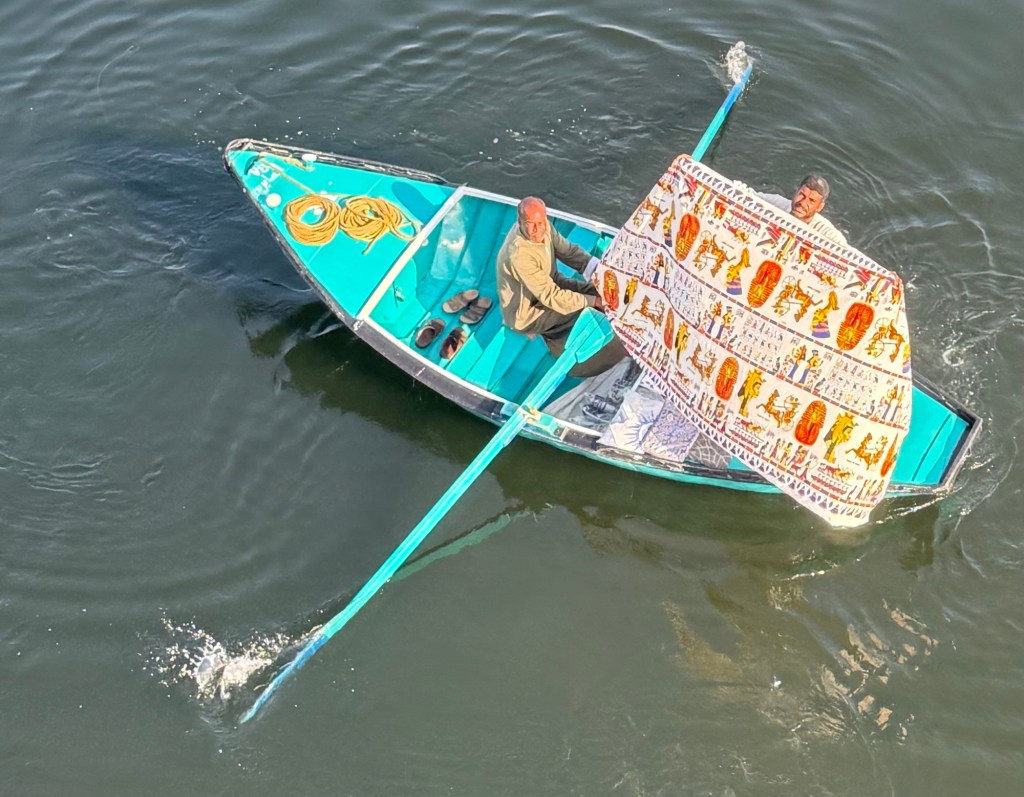
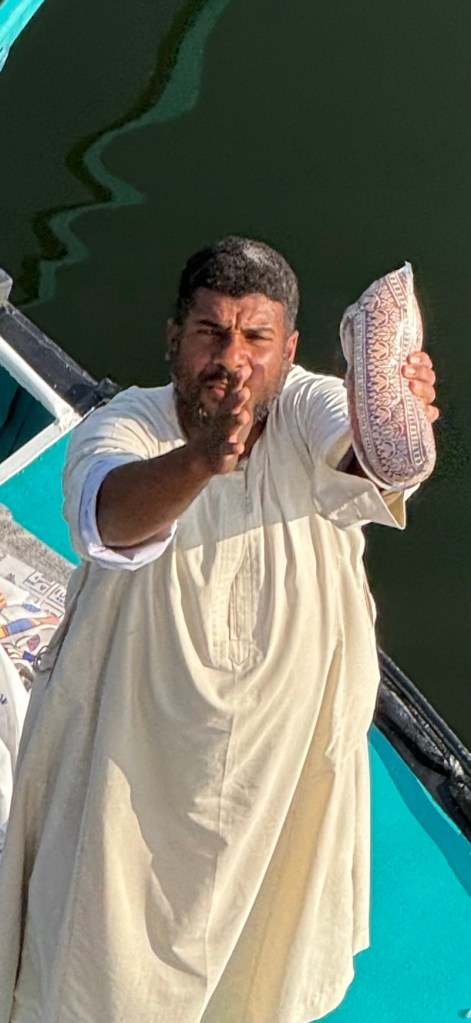
Upon reaching the old and new locks at Esna, friendly locals playfully attacked the boat, launching scarves and tablecloths. Fortunately, no one was physically injured, although some wallets were lightly impacted, with losses of a few dollars. 😃
So a great morning, but then I slept through our AMA Cruise Director (Sameh) Mandatory Disembarkation Talk, so I shall be in trouble..
Day’s Itinerary: The Valley of the Kings, including special access to the tombs of Seti l and King Tutankhamun, Luxor ~ 37°C/100°F
By Paul Bryers
Lovely start to the day with hot air balloons rising over the mighty Nile and the early morning fishermen.
At 8 am we headed off to find drama and love in the Valley of the Kings with Robert Taylor and Eleanor Parker….
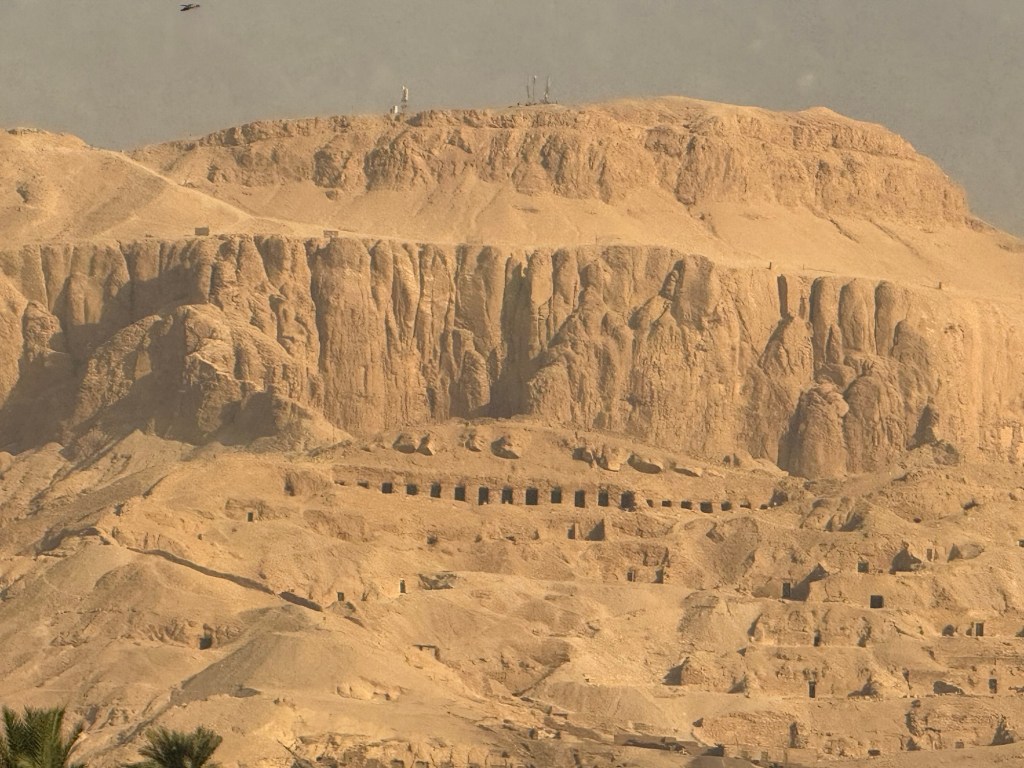
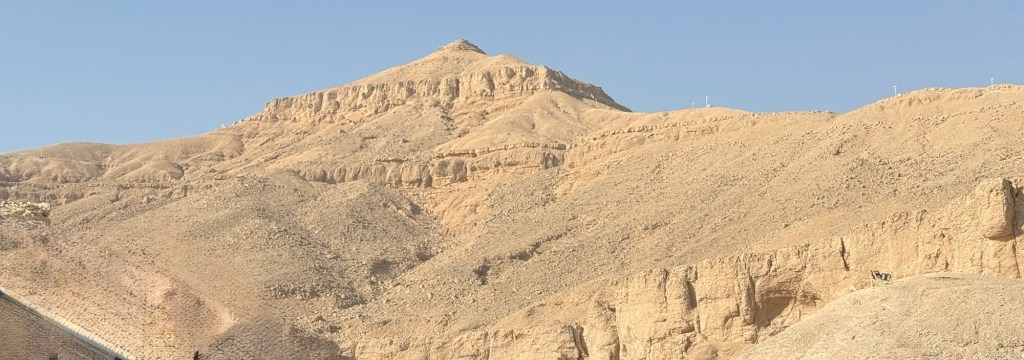
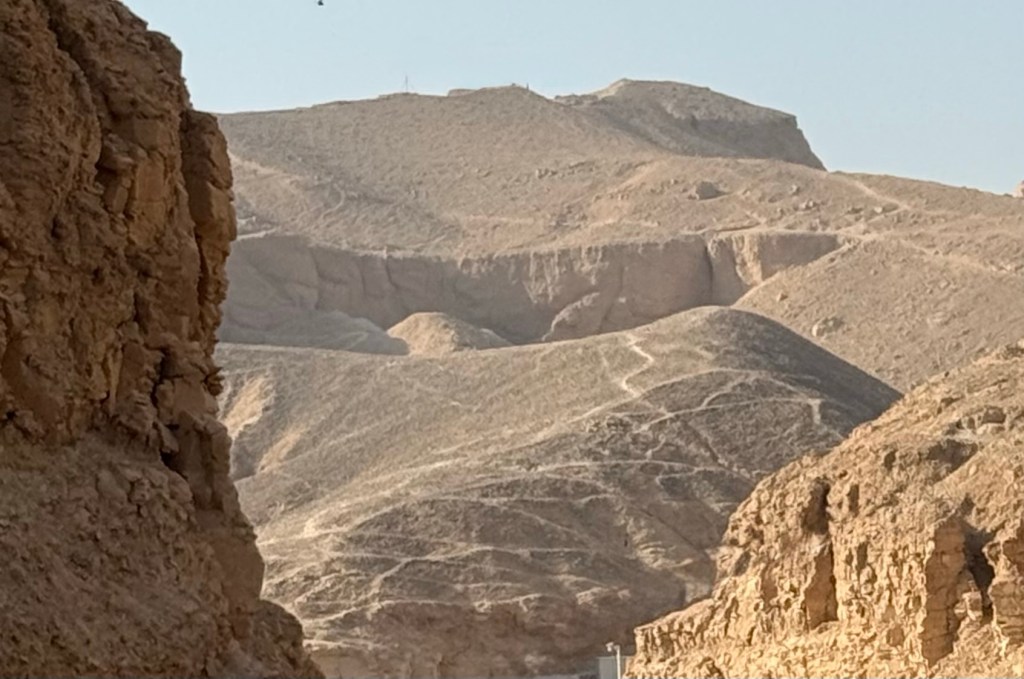
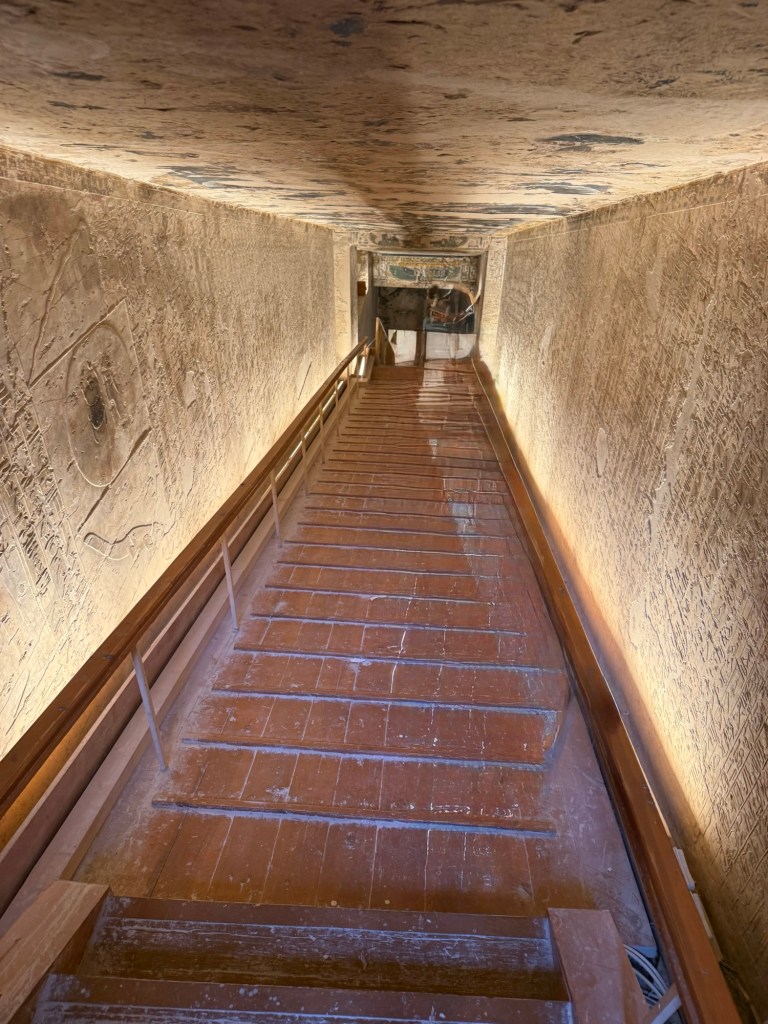
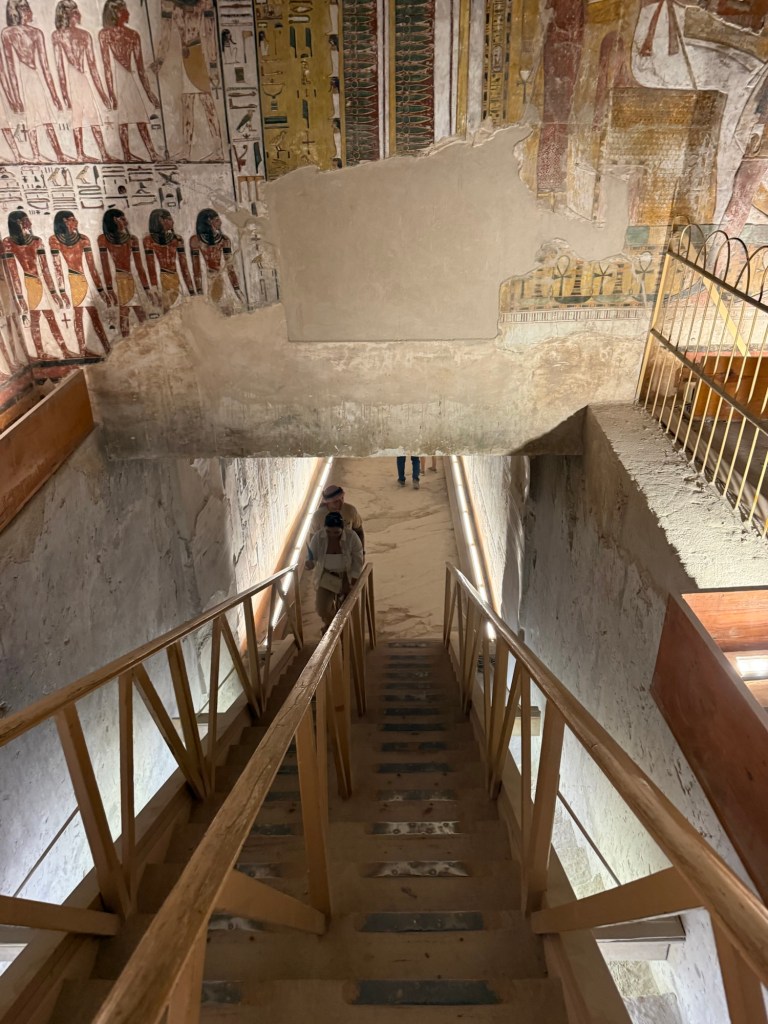
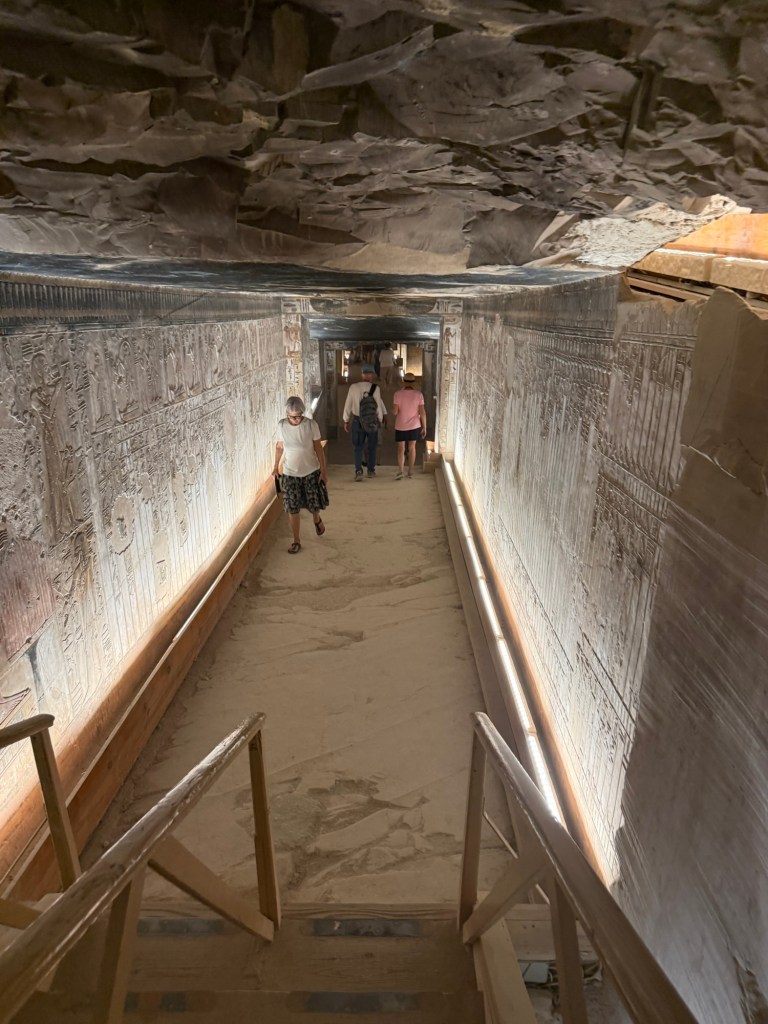
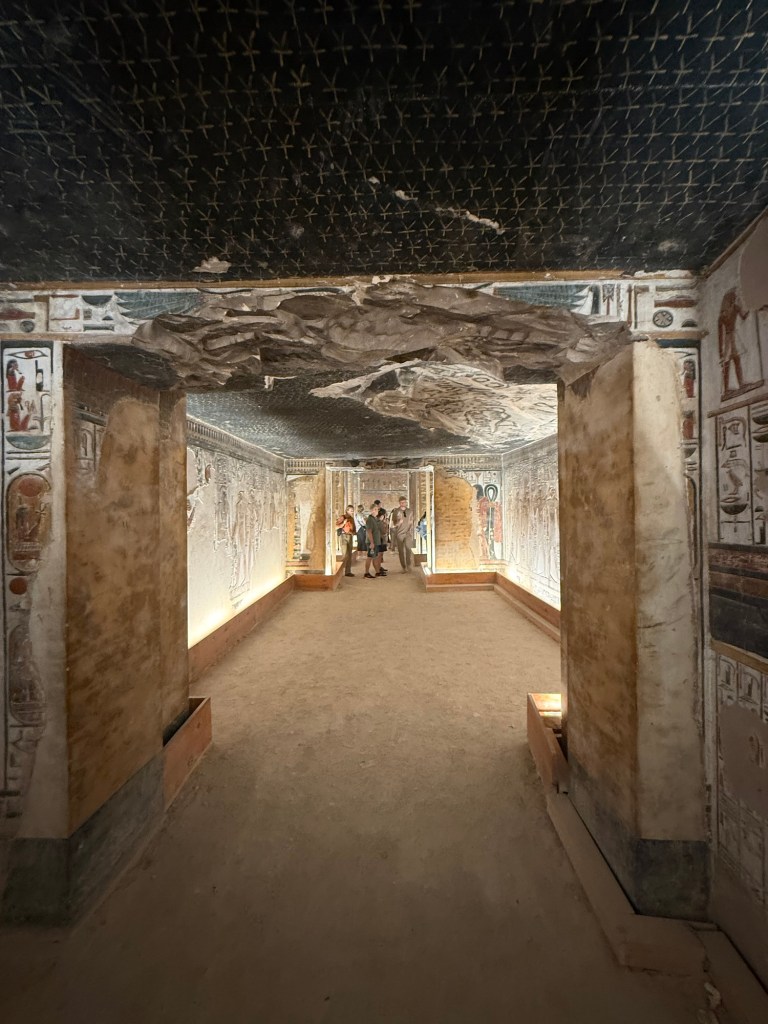
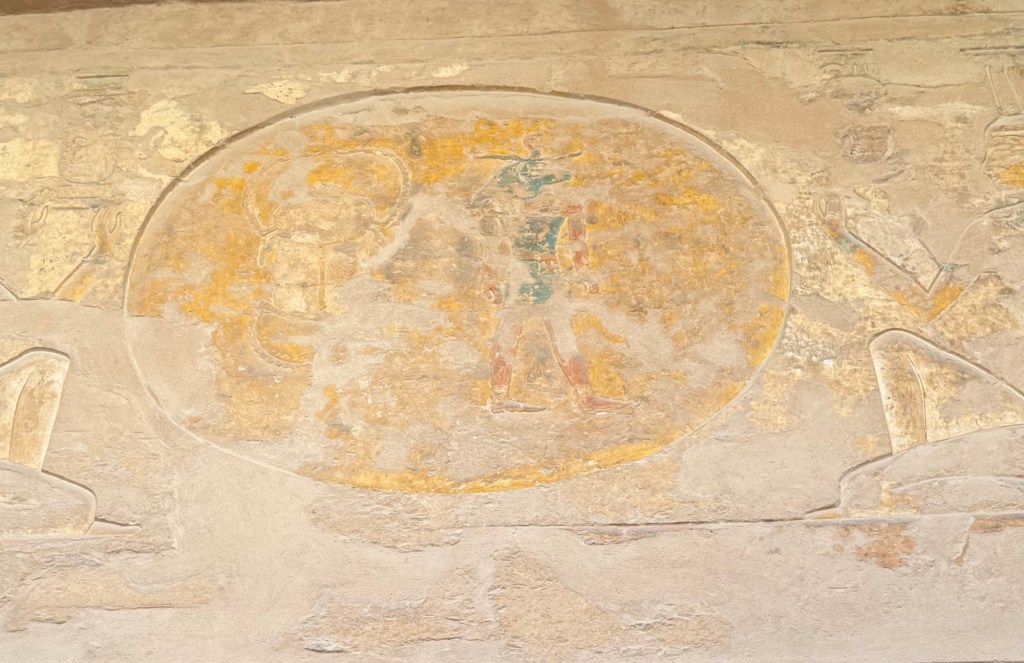
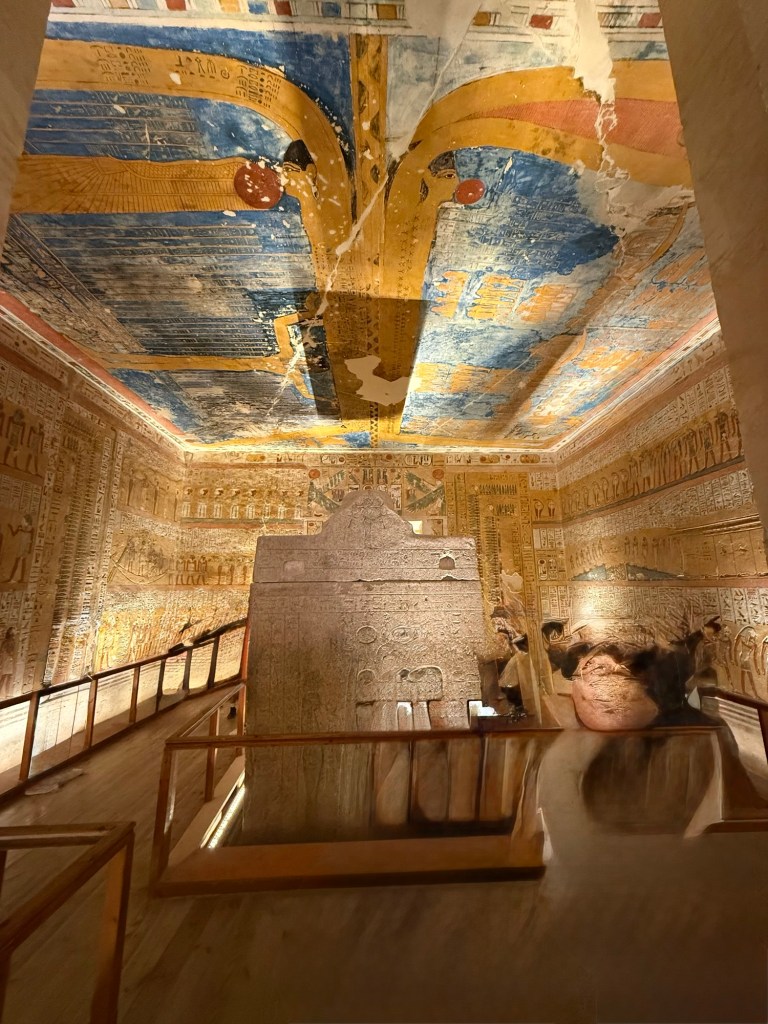
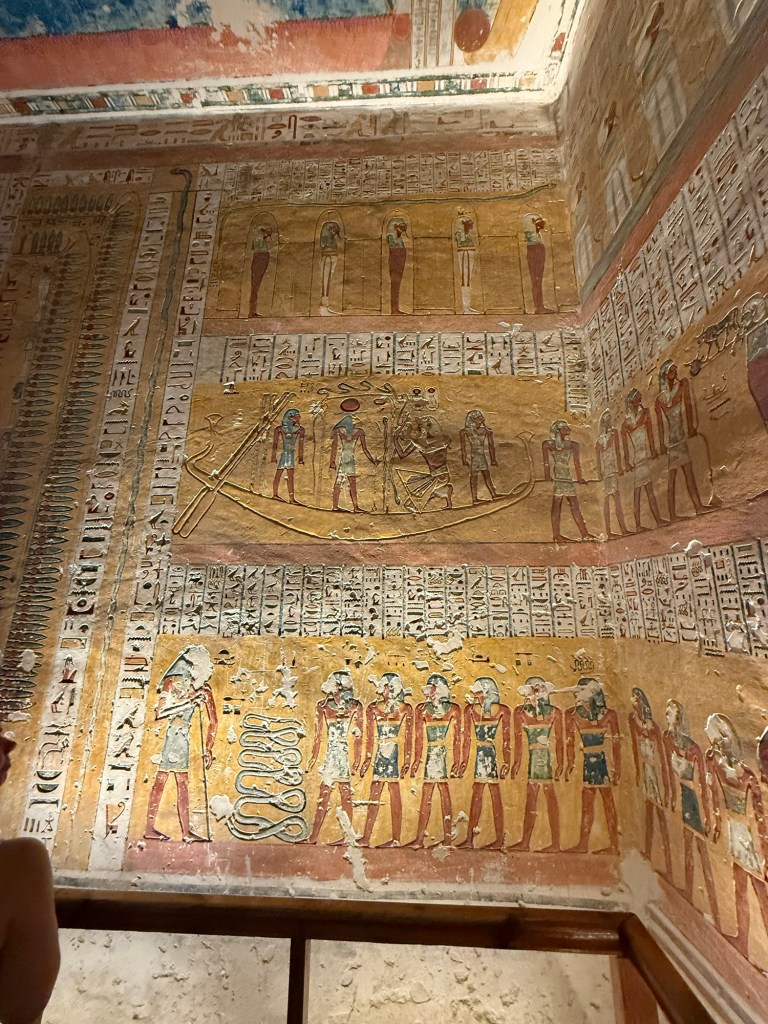
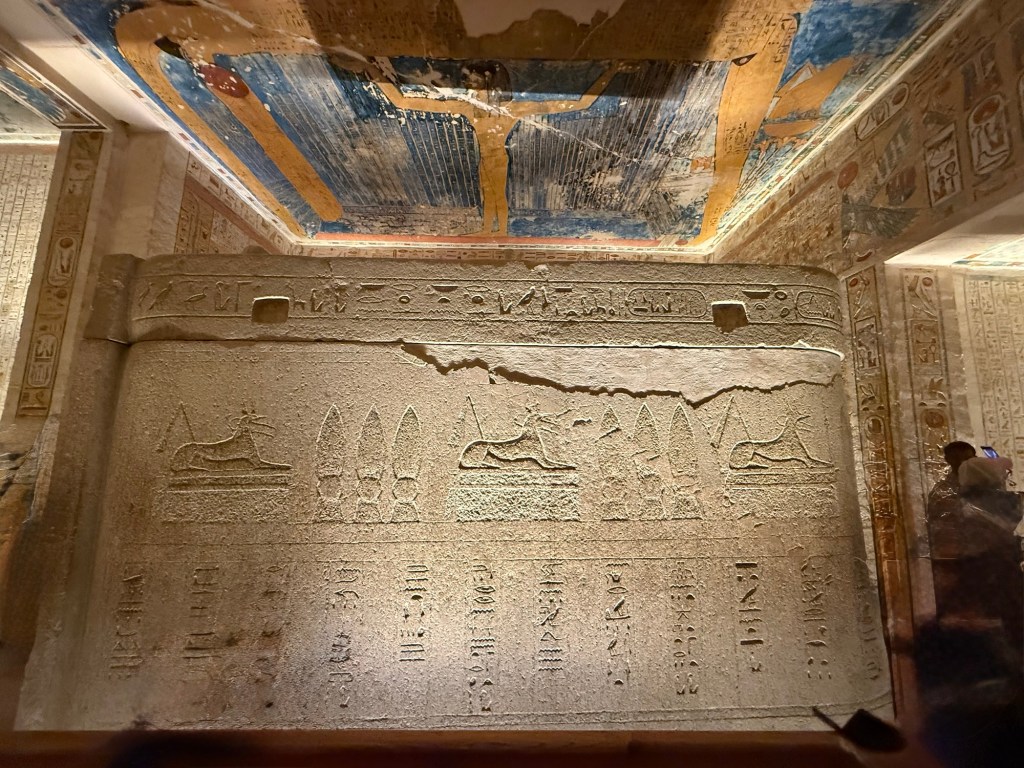
The Valley of the Kings is a royal burial ground on the West Bank of the Nile River famous for the rock-cut tombs of pharaohs and powerful nobles from the New Kingdom (c. 1550–1070 BC).
The necropolis’s location was chosen because of its association with the setting sun and the concept of rebirth in the afterlife.
We visited the tombs of:
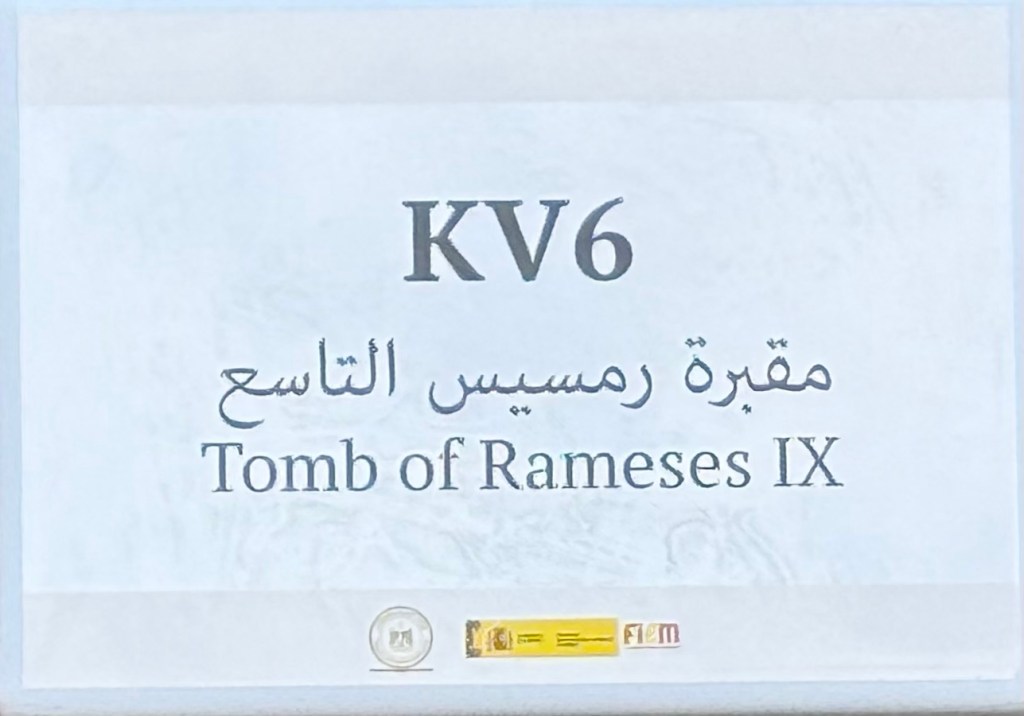
Rameses IX:
This seemed to be a small tomb as we quickly came to burial chamber which was inconveniently closed.
Nothing more to add
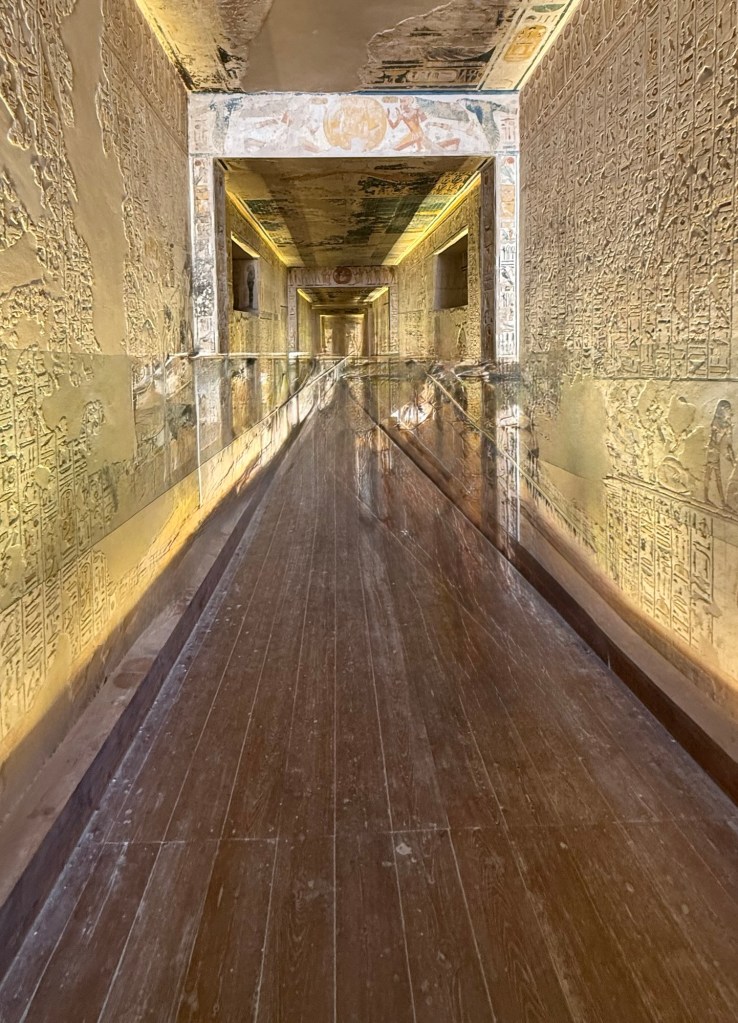
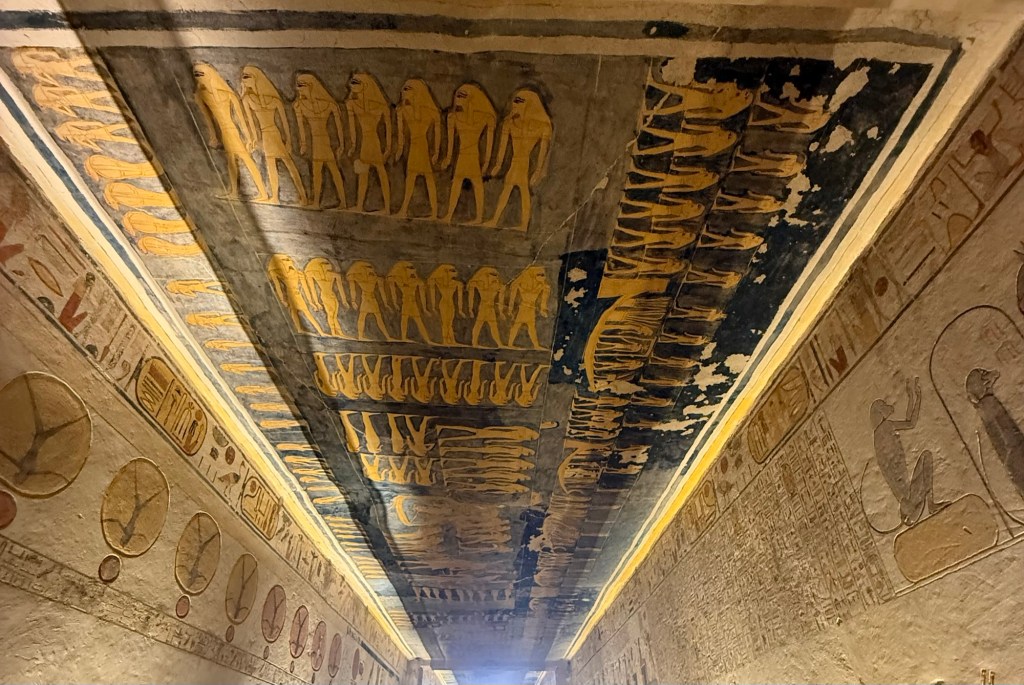
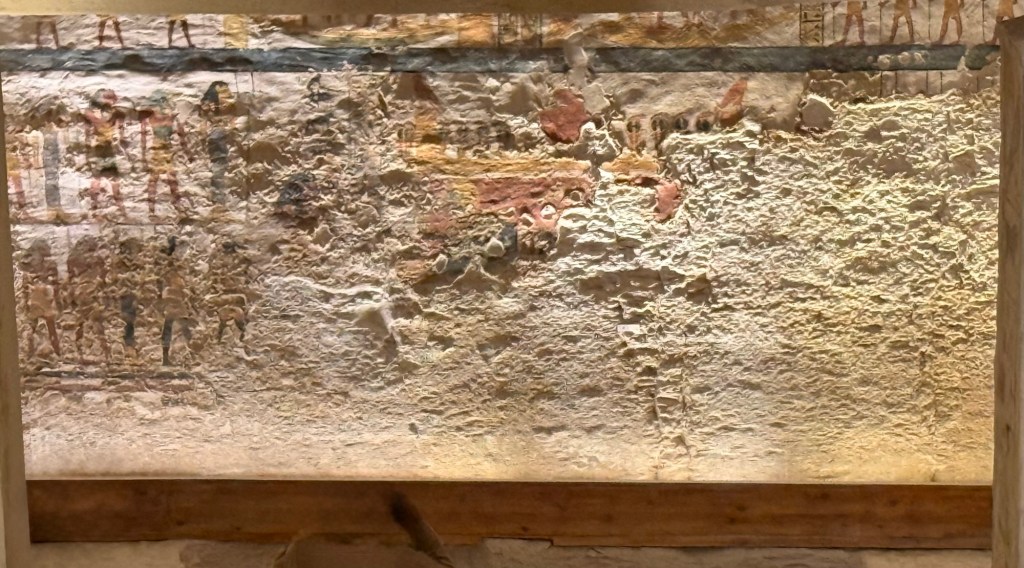
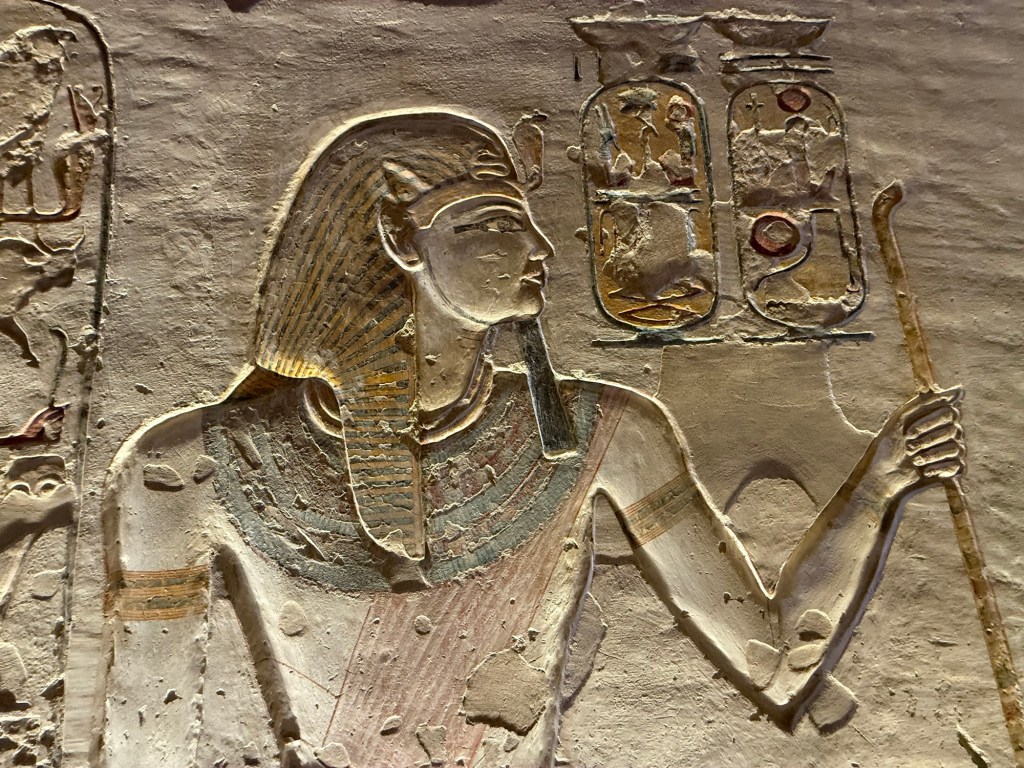
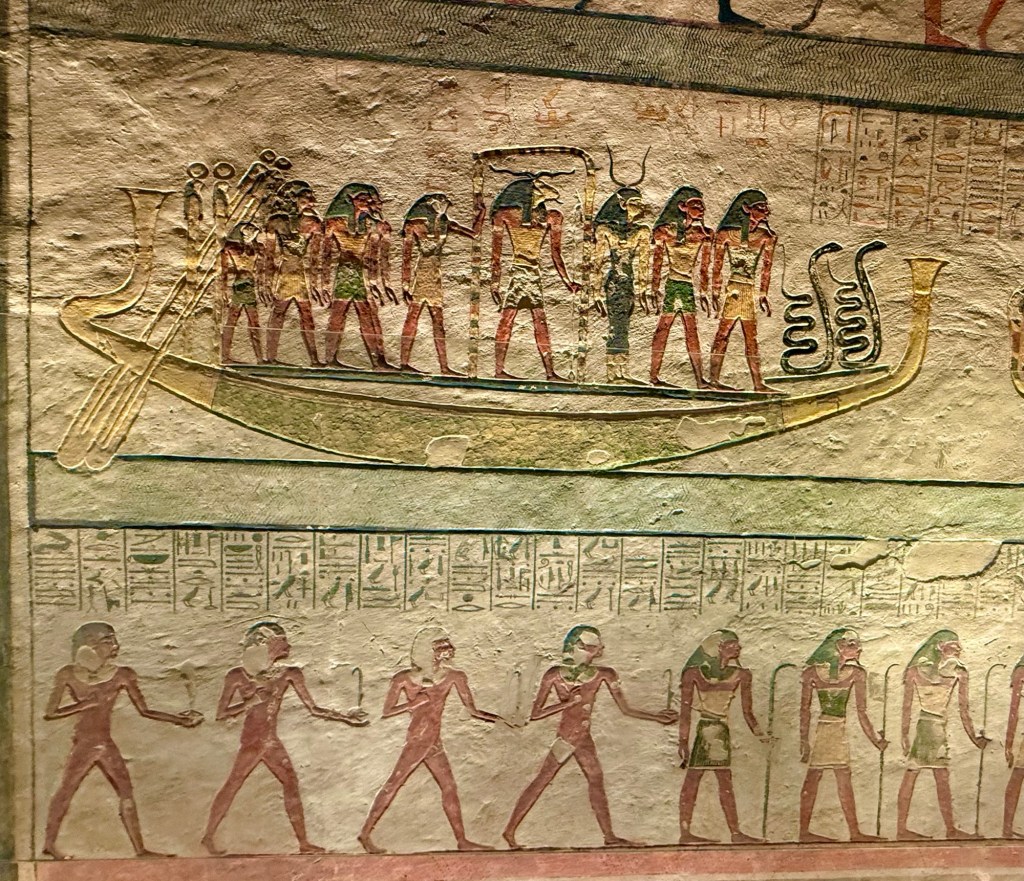
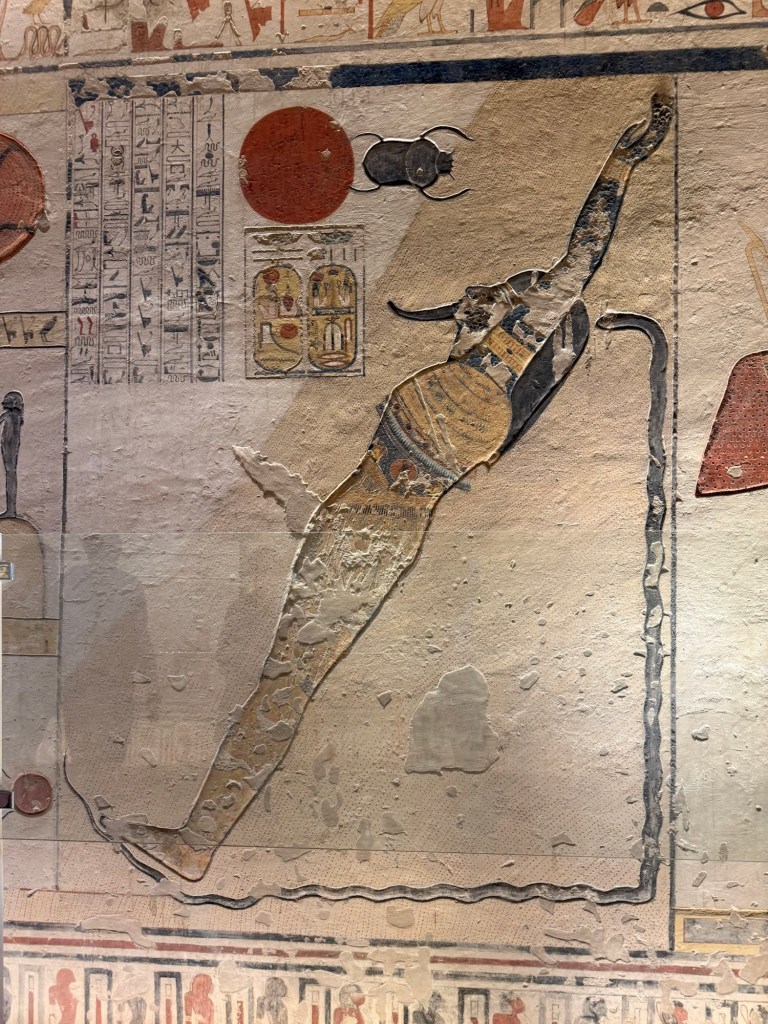
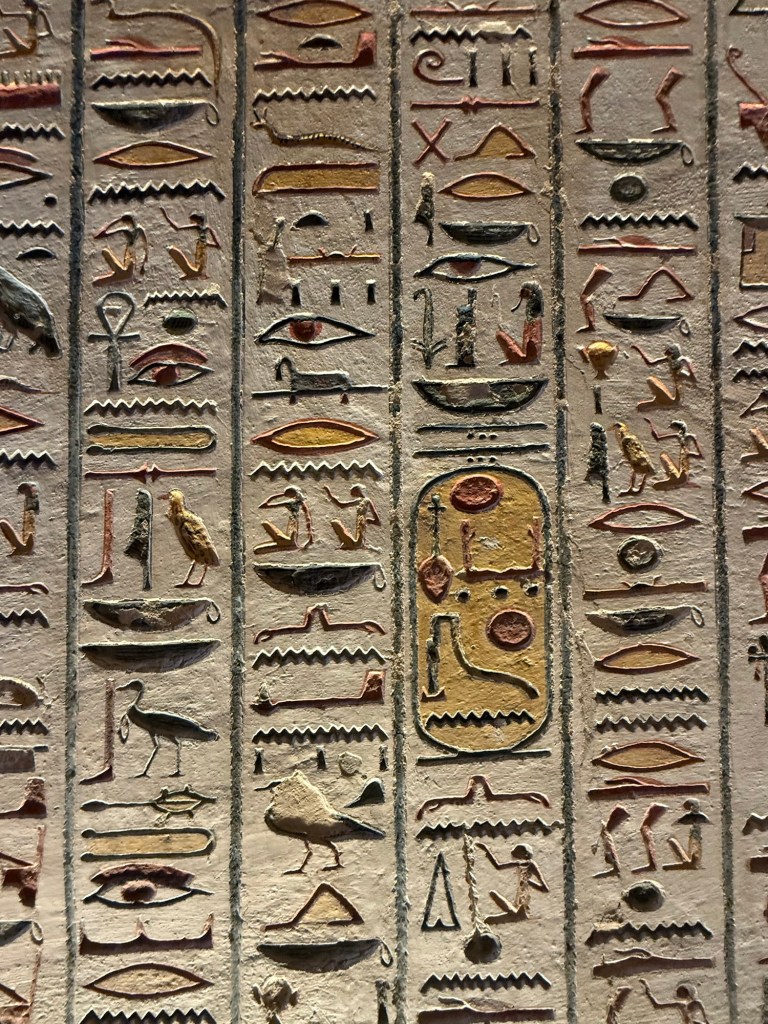
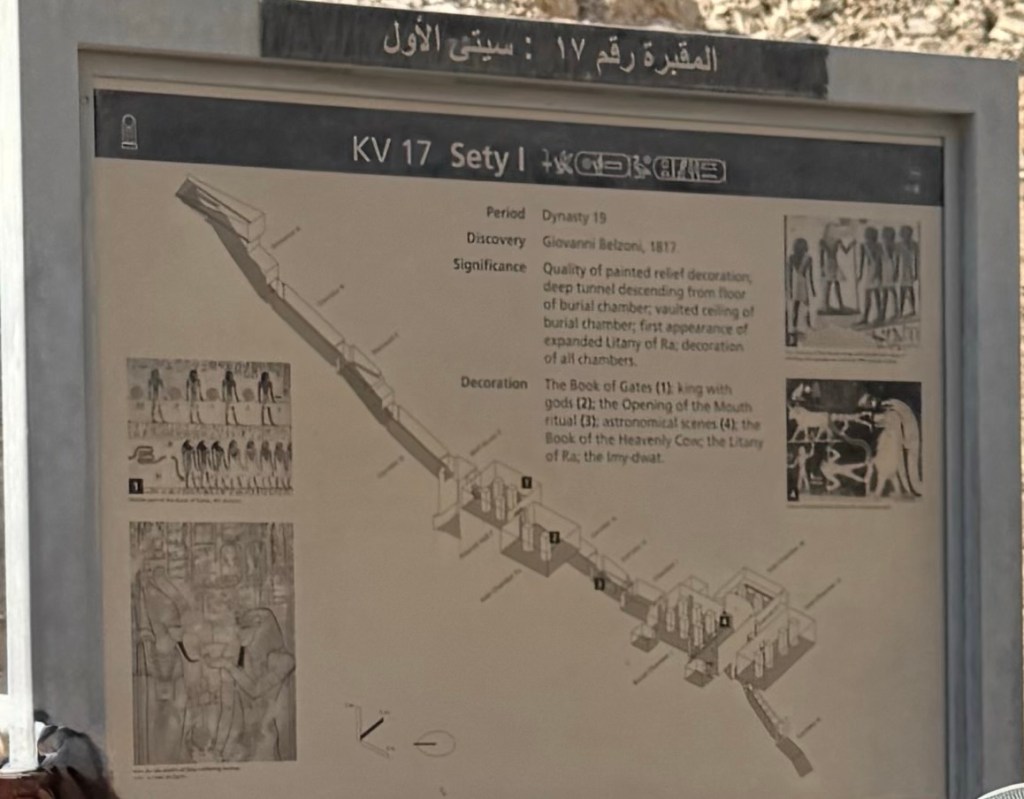
Sety I:
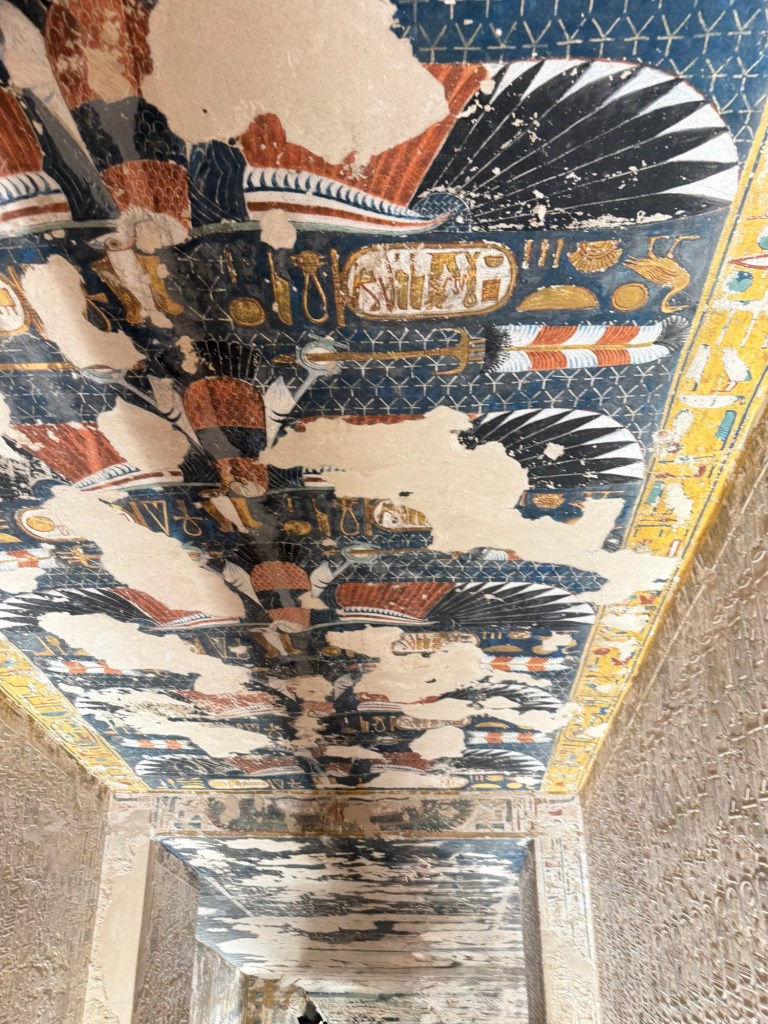
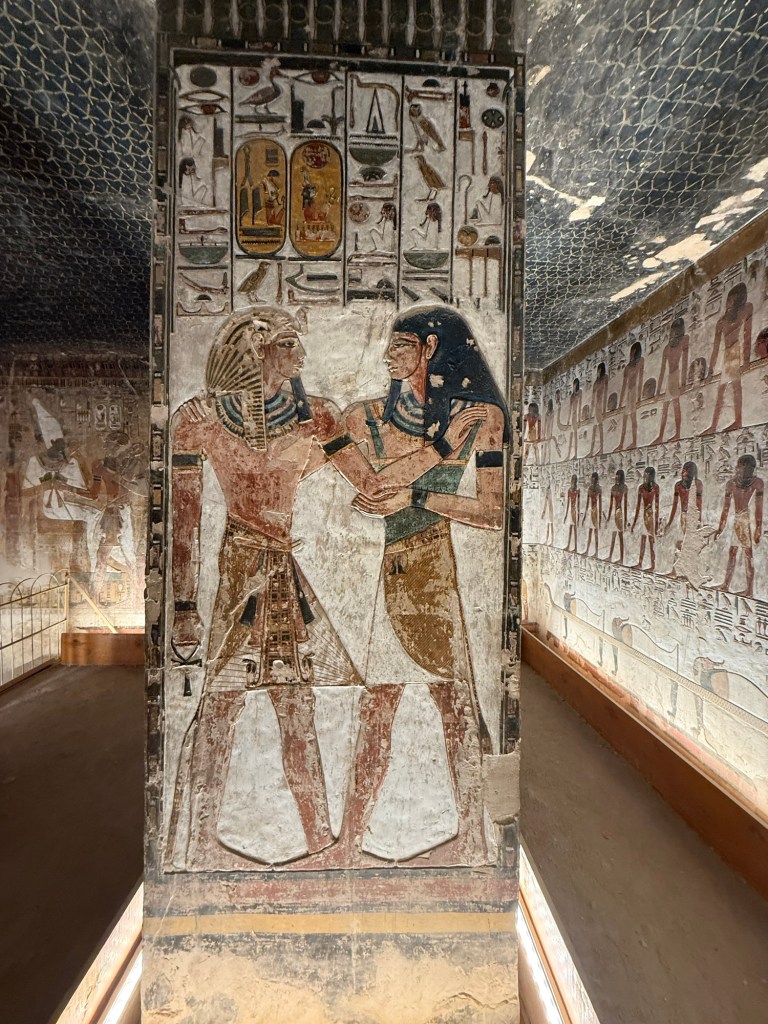
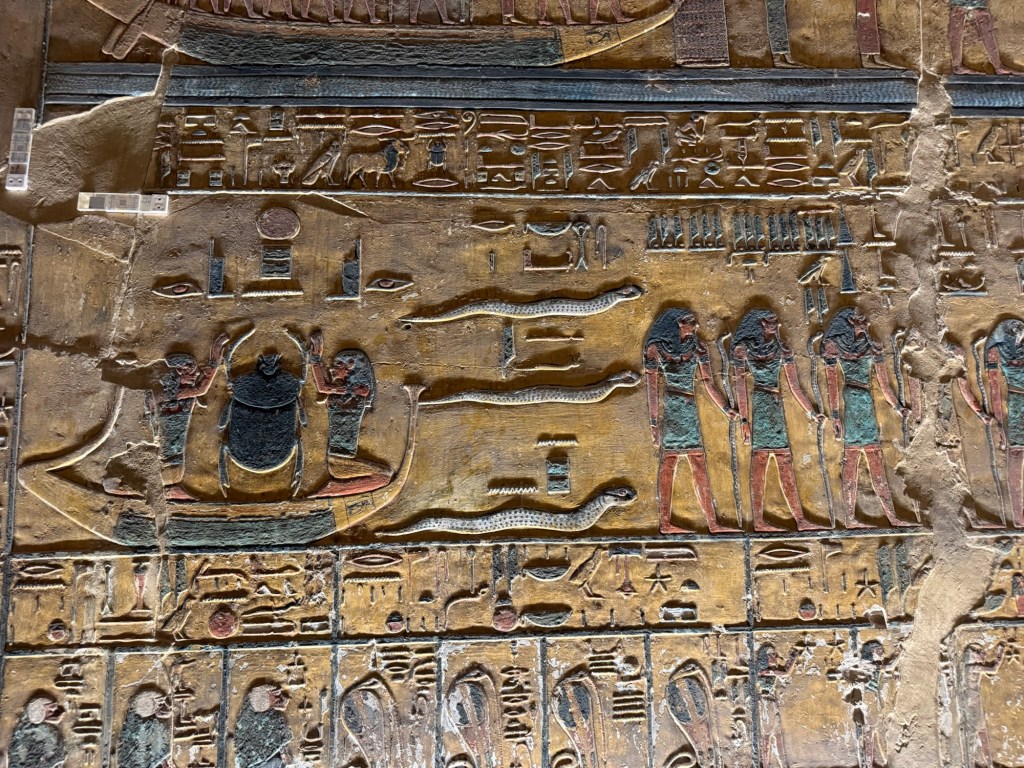
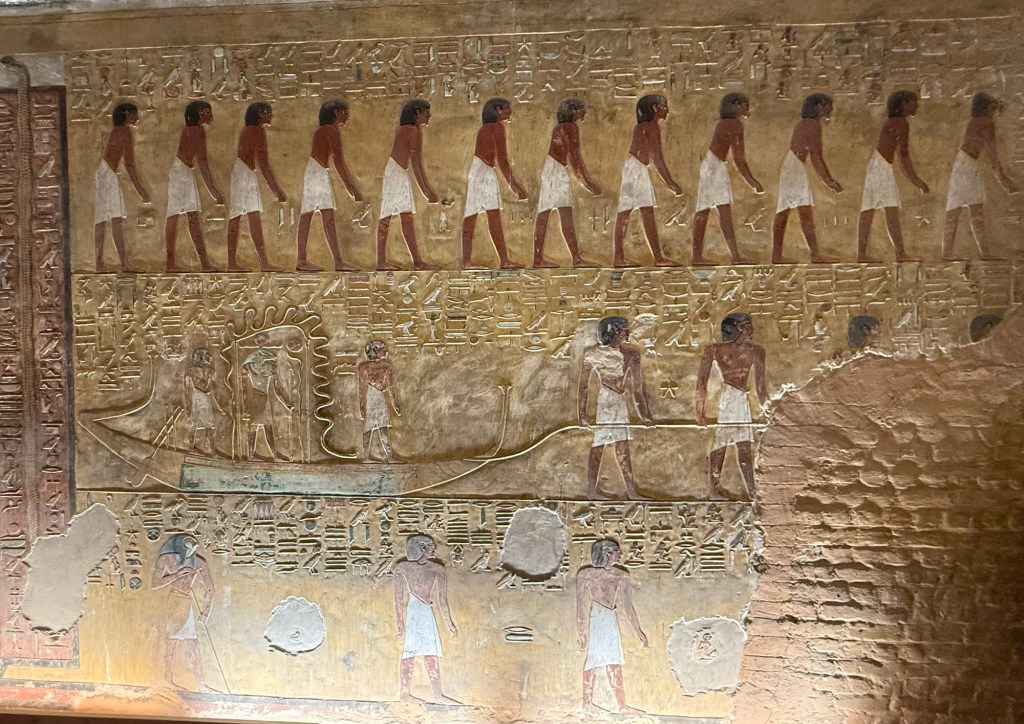
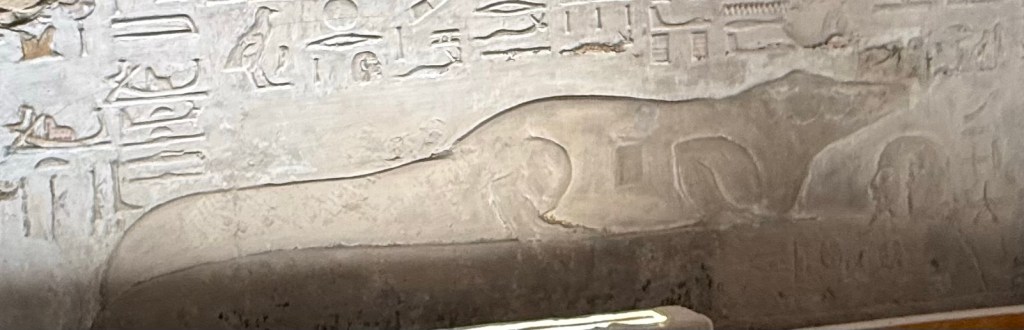
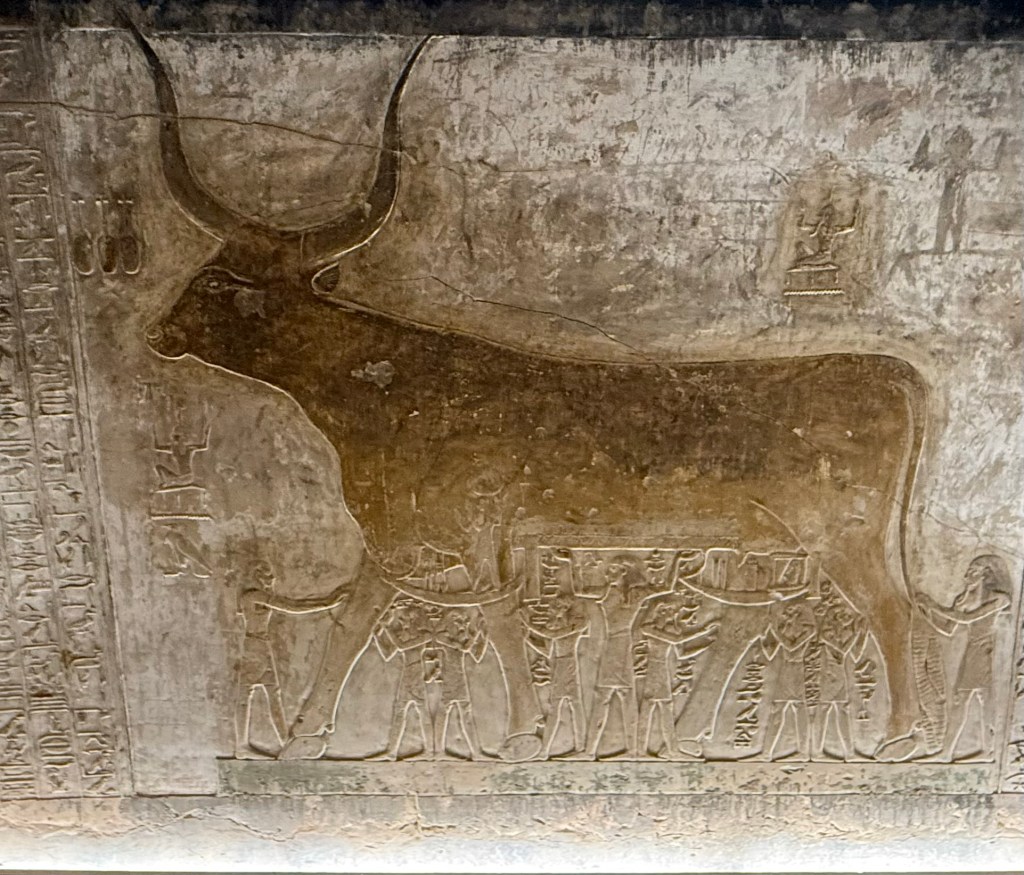
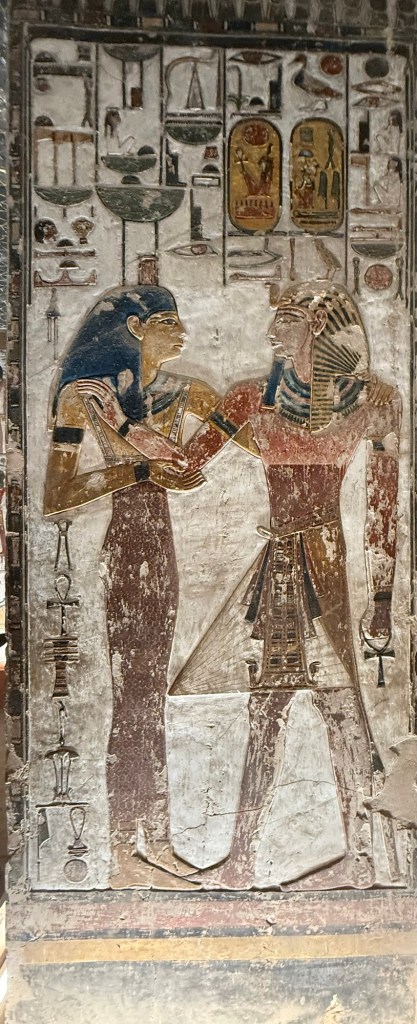
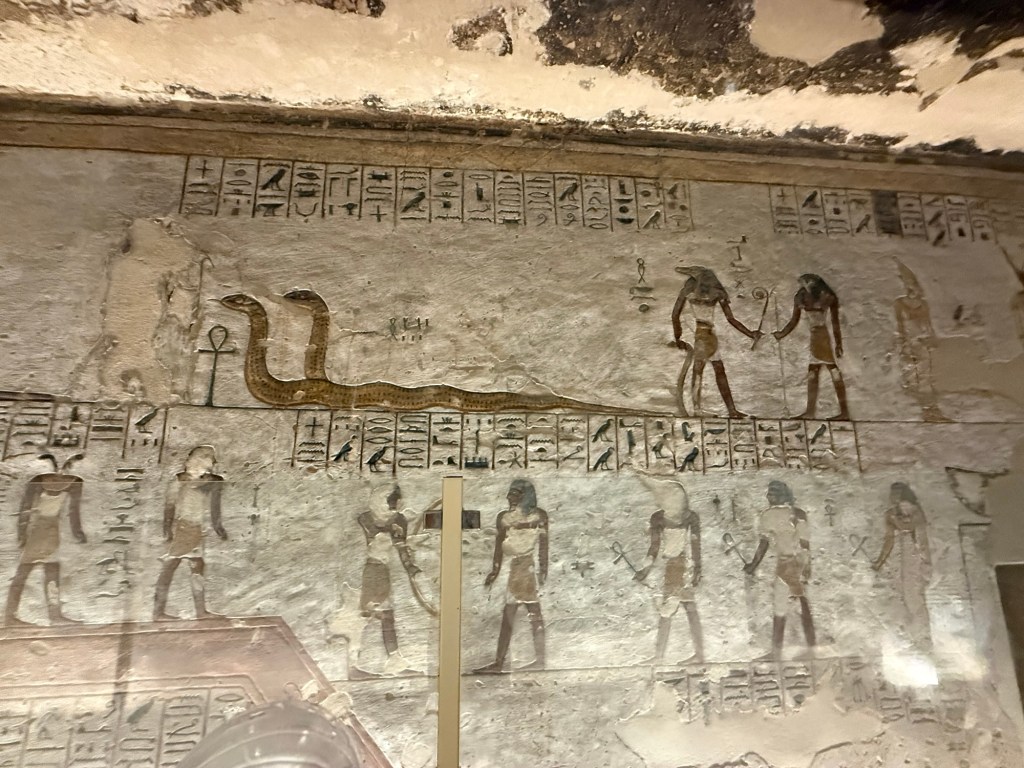
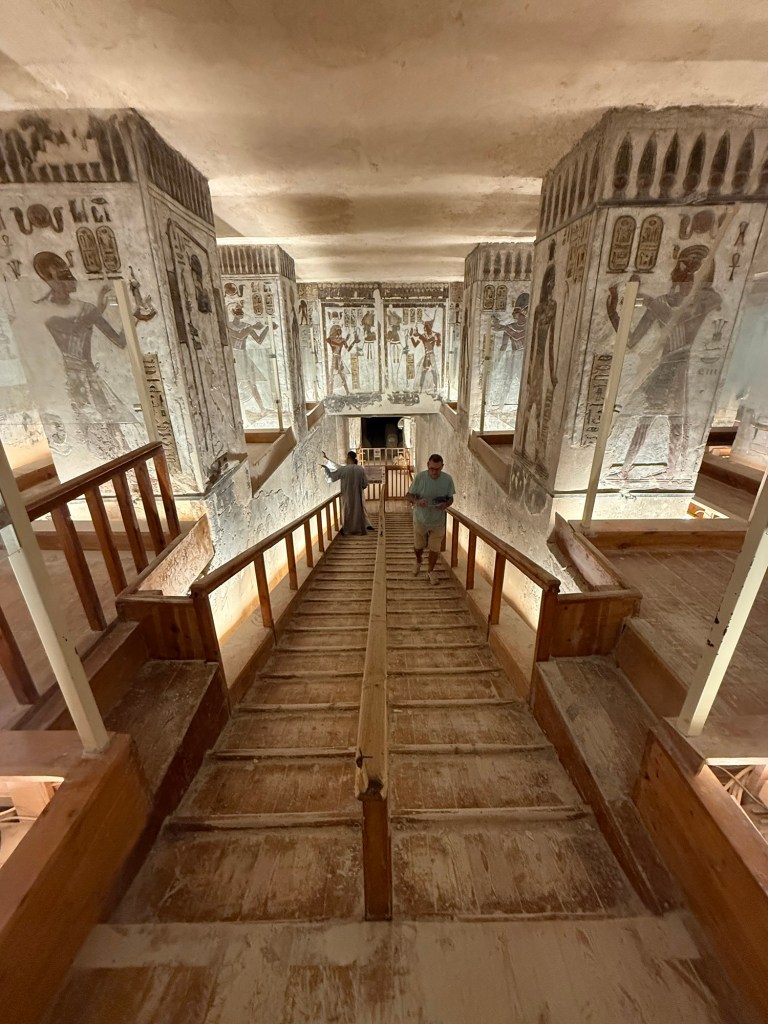
The tomb of Sety/Seti I is the tomb of PharaohSeti I of the 19th Dynasty. It is one of the most decorated tombs in the valley, and is one of the largest and deepest tombs in the Valley of the Kings.In aword? Magnificent!
Rameses III
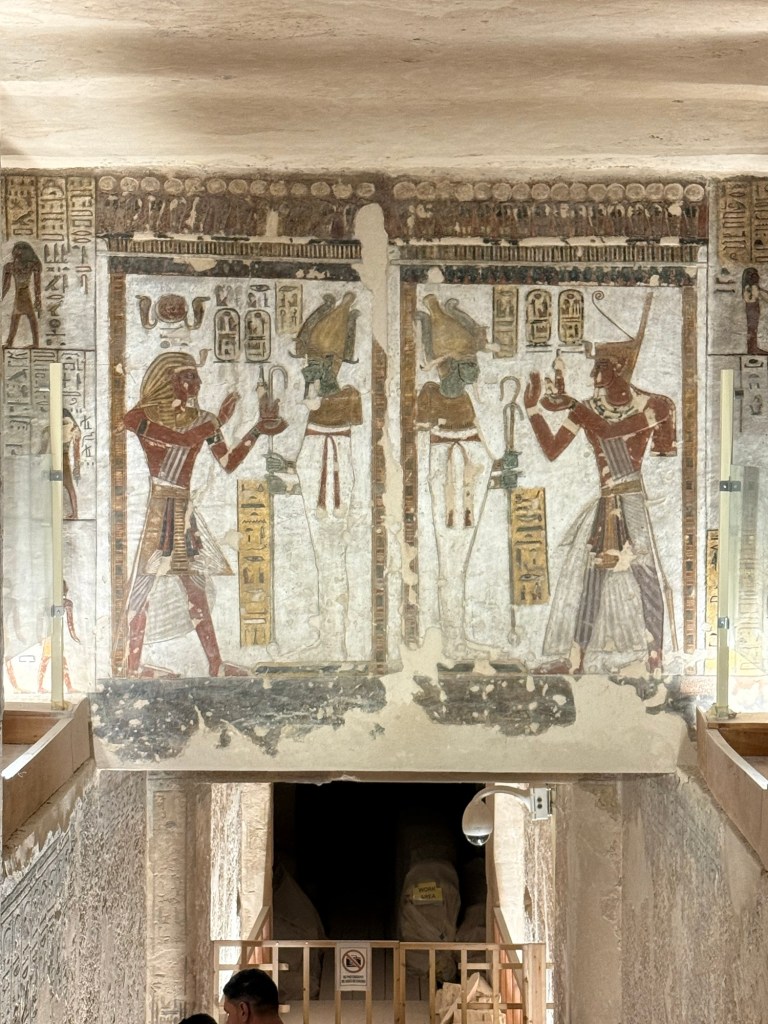
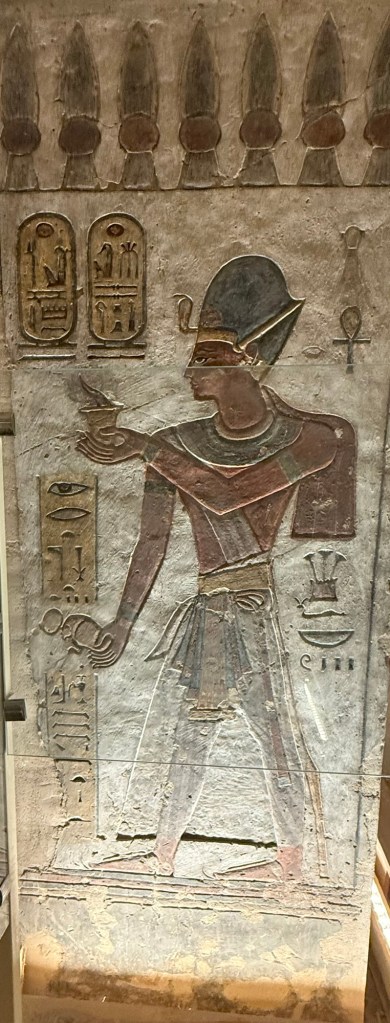
This tomb contains scenes from various religious books, including the Book of Gates (not Bill) and the Book of the Dead.
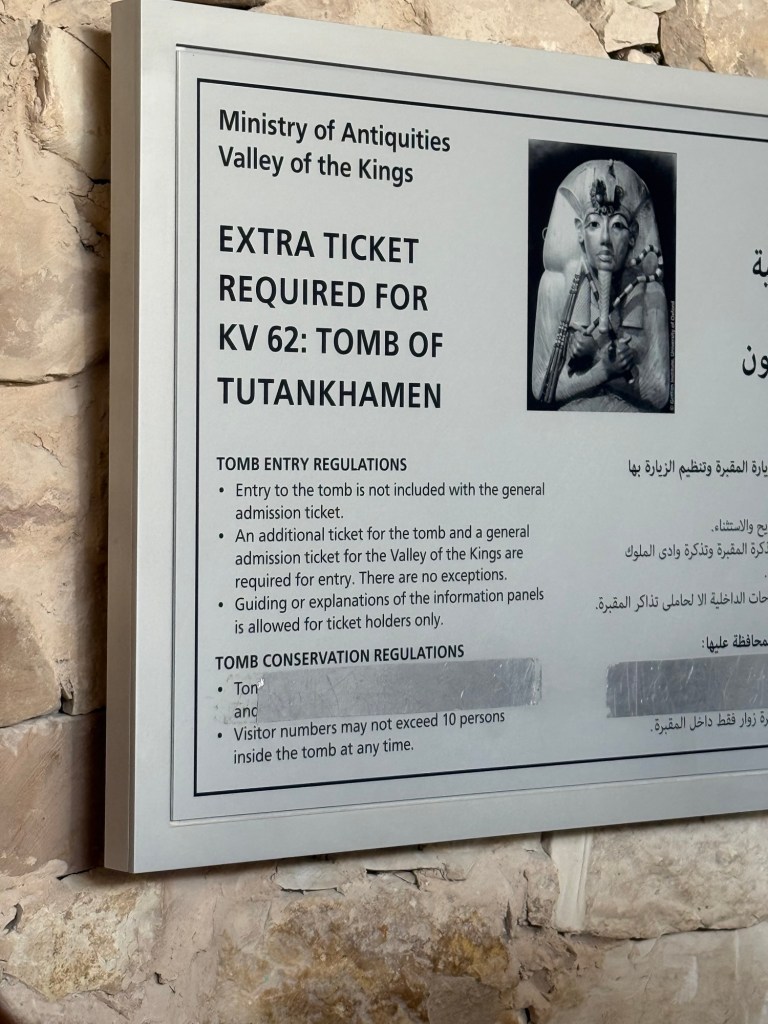
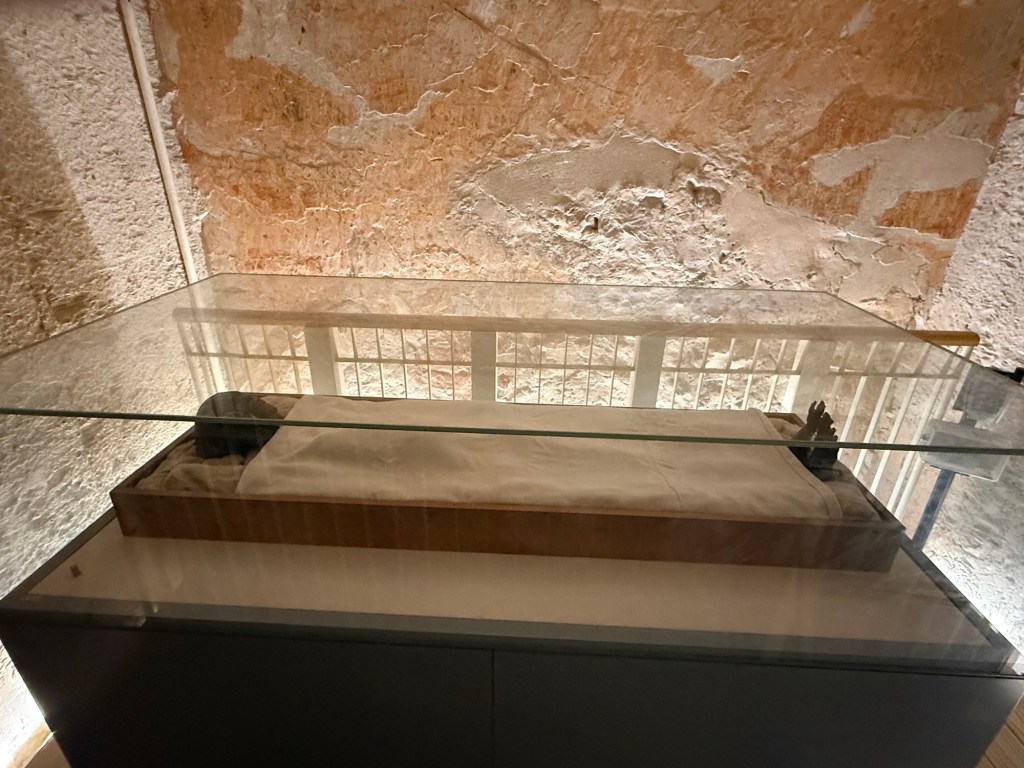
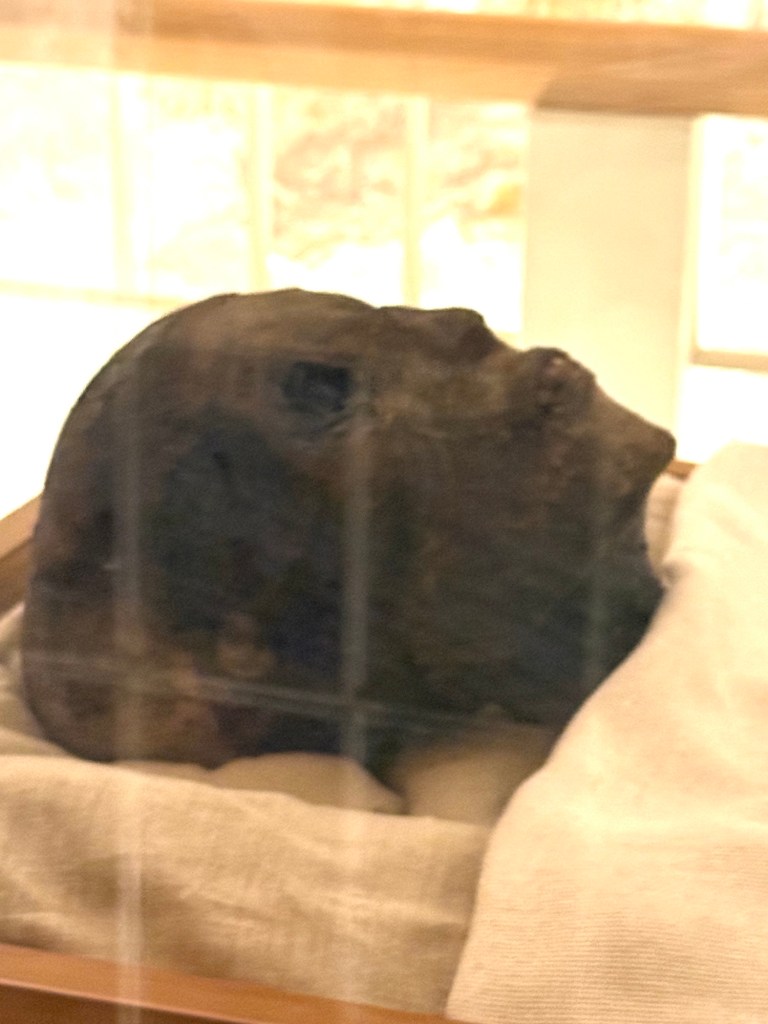
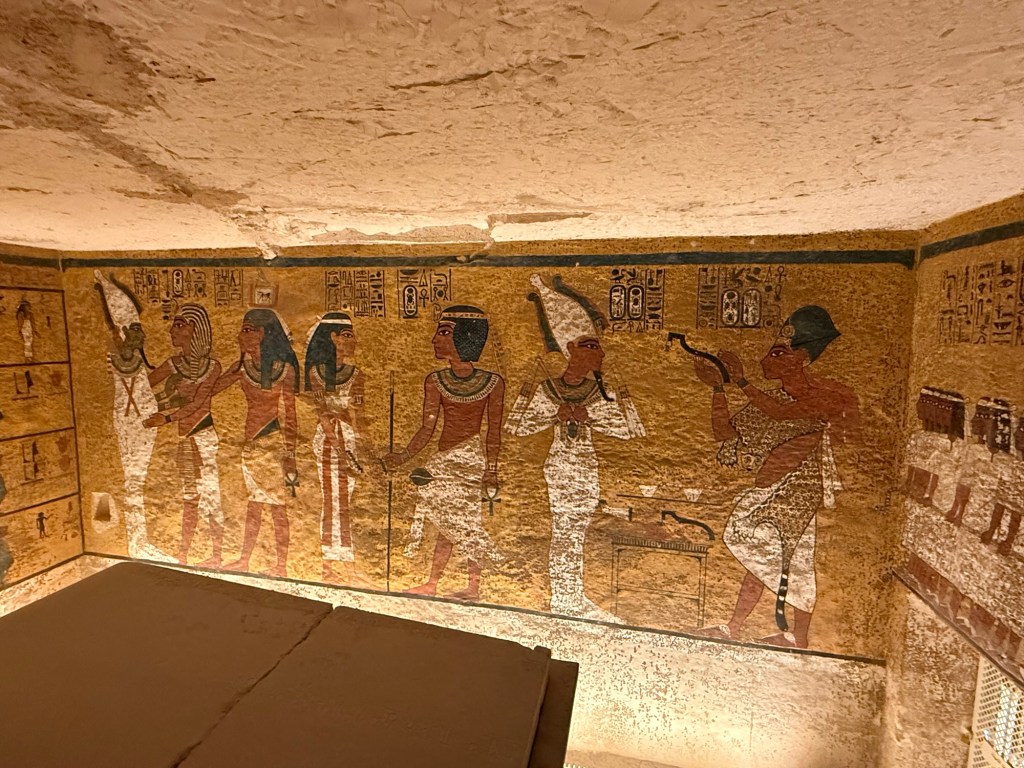
Tutankhamen….enough said….
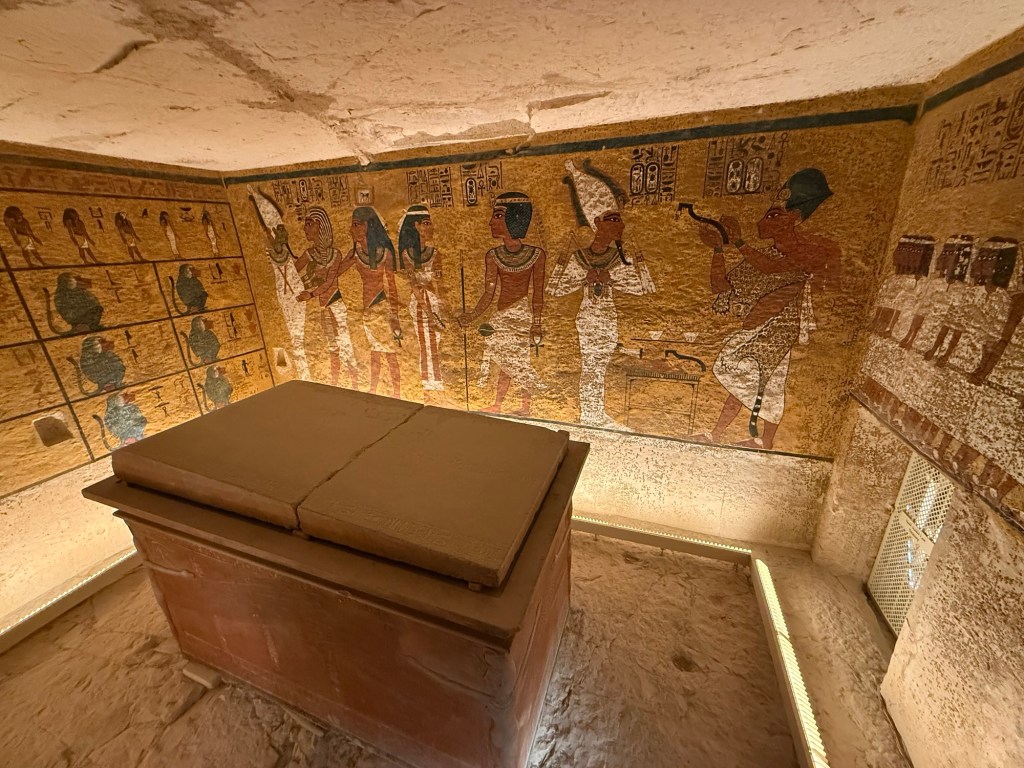
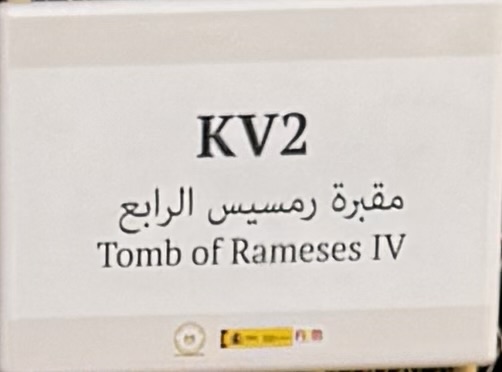
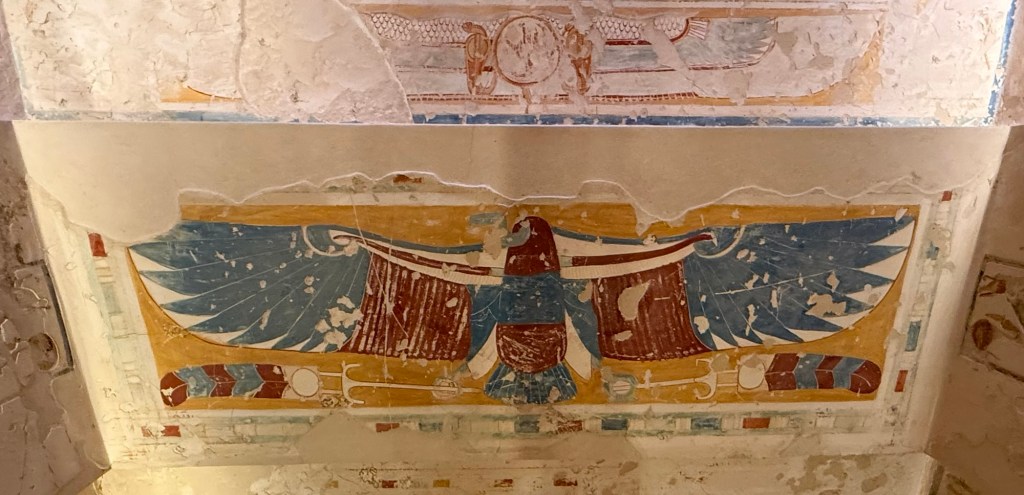
Rameses IV’s tomb is located low in the main valley, between tombs KV 7 & 1. It has been open since antiquity and contains a large amount of graffiti.
Hatshepsut Temple
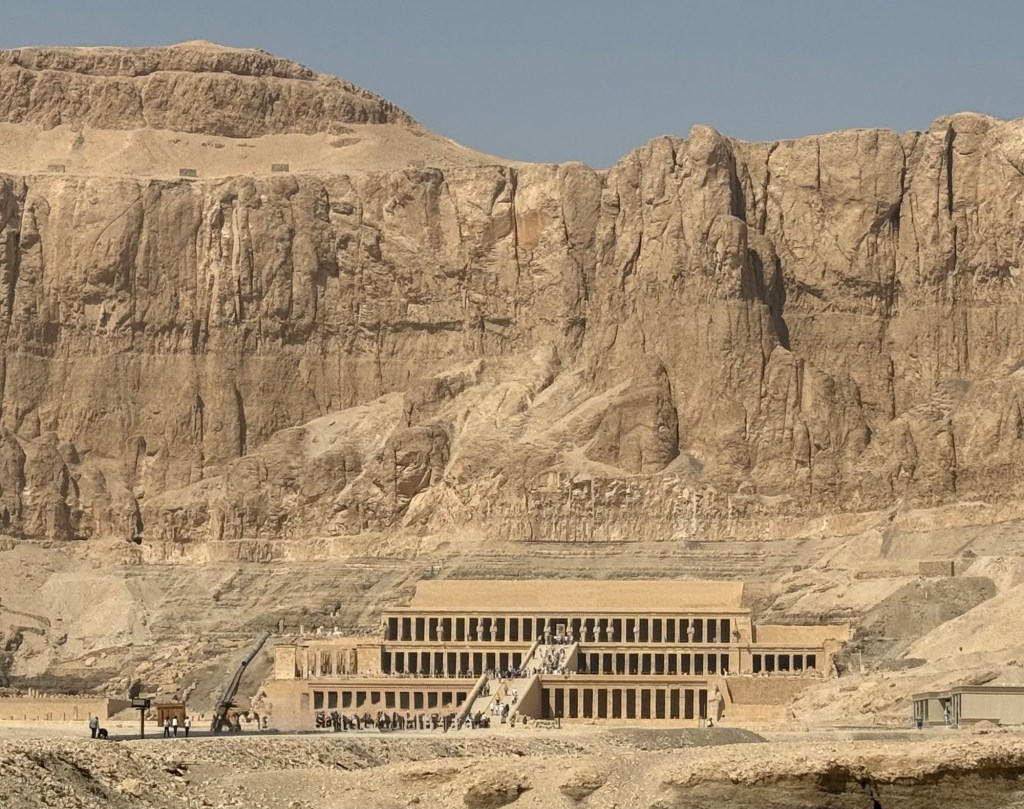
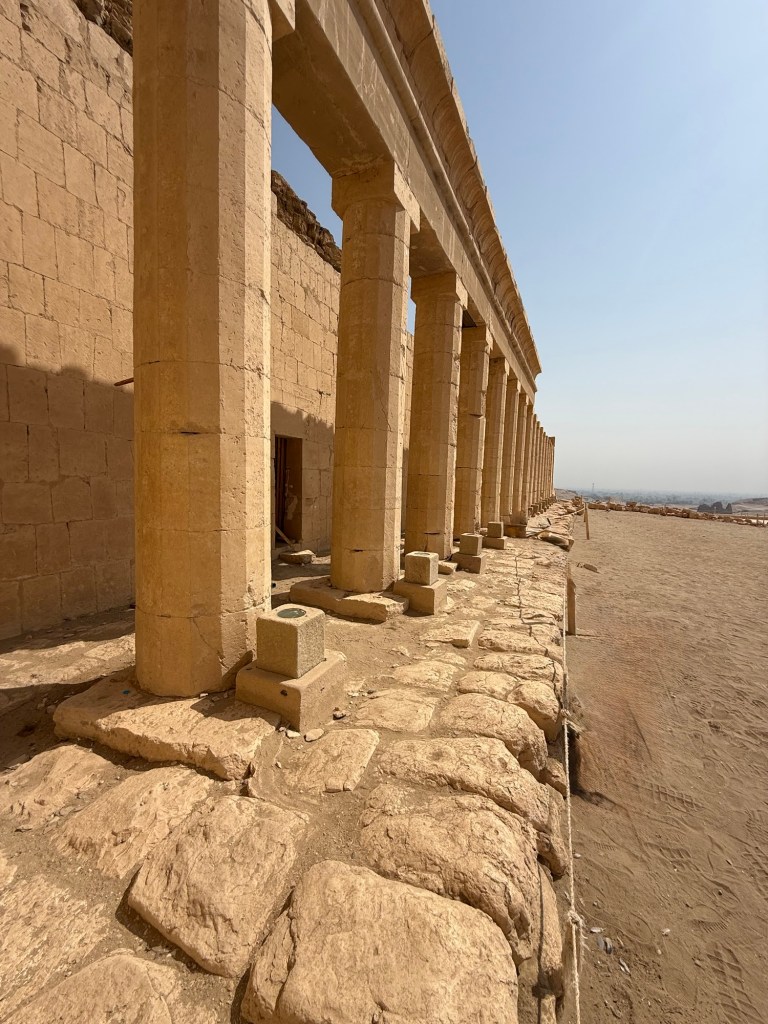
Hatshepsut (c.1473–1458 BC), the queen who became pharaoh, built a magnificent temple at Deir al-Bahari, on the west back of Luxor. It lies directly across the Nile from Karnak Temple, the main sanctuary of the god Amun.
The temple consists of three levels each of which has a colonnade at its far end. On the uppermost level, an open courtyard lies just beyond the portico. Mummiform statues of Hatshepsut as Osiris, the god of the dead, lean against its pillars.
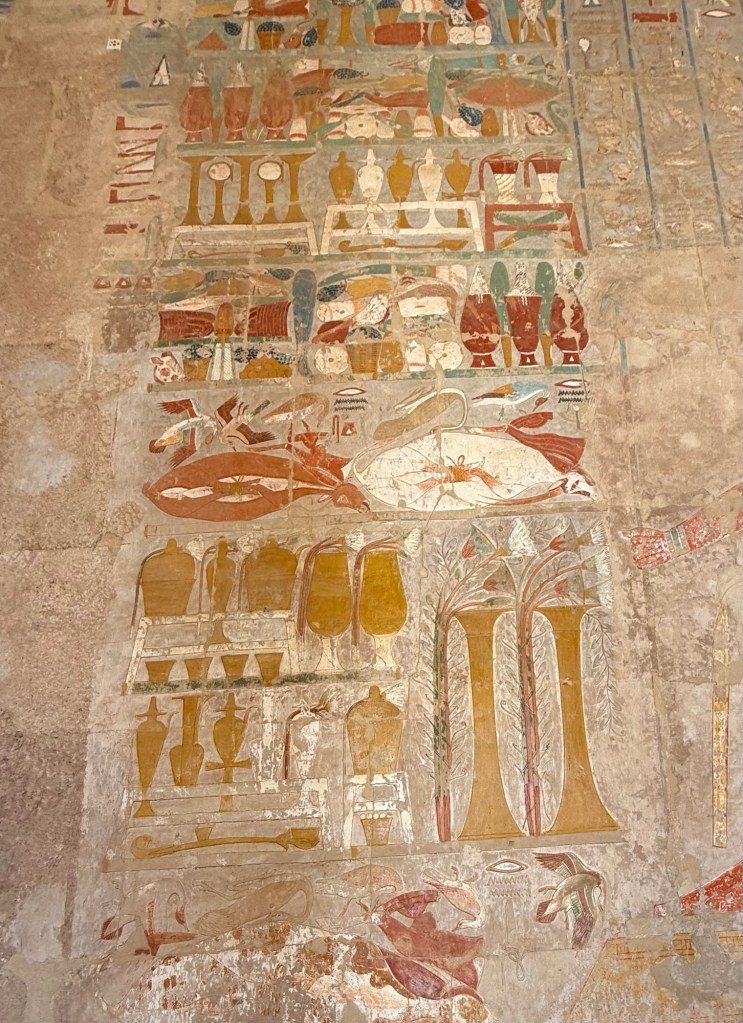
The temple’s walls are covered with beautiful painted reliefs depicting temple rituals, religious festivals, and even the transportation of obelisks from the quarry to their destination in Karnak Temple.
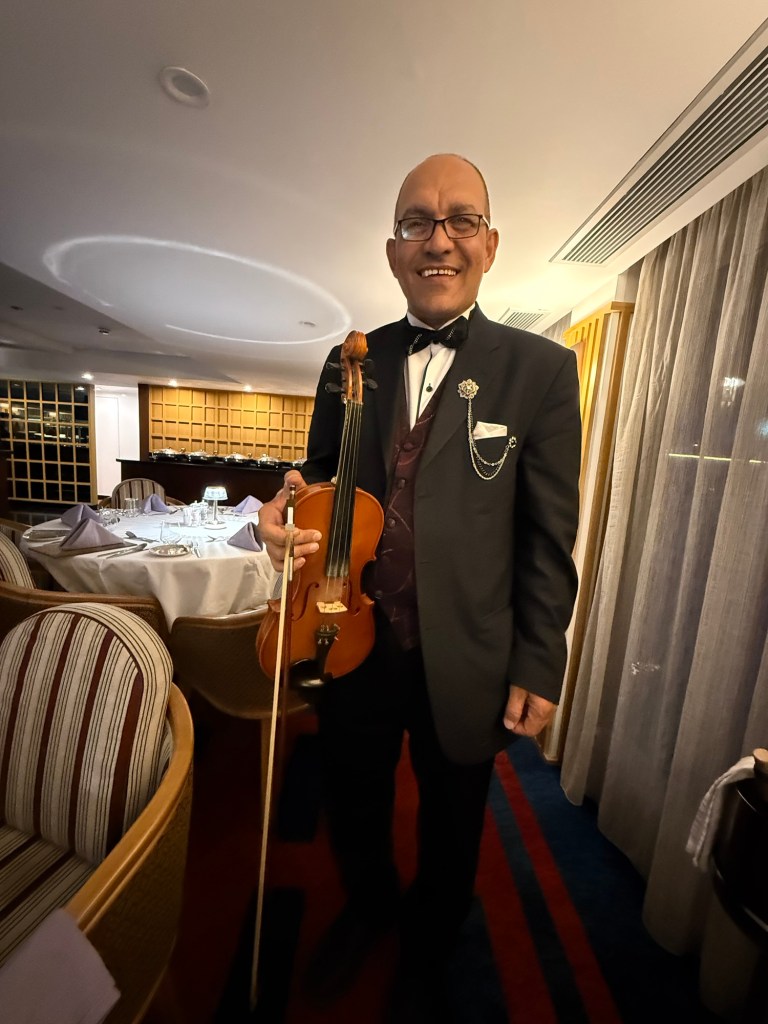
Although this post is late in the evening, it is worth it to highlight this talented individual from Luxor, who skillfully plays the piano, accordion, and violin.
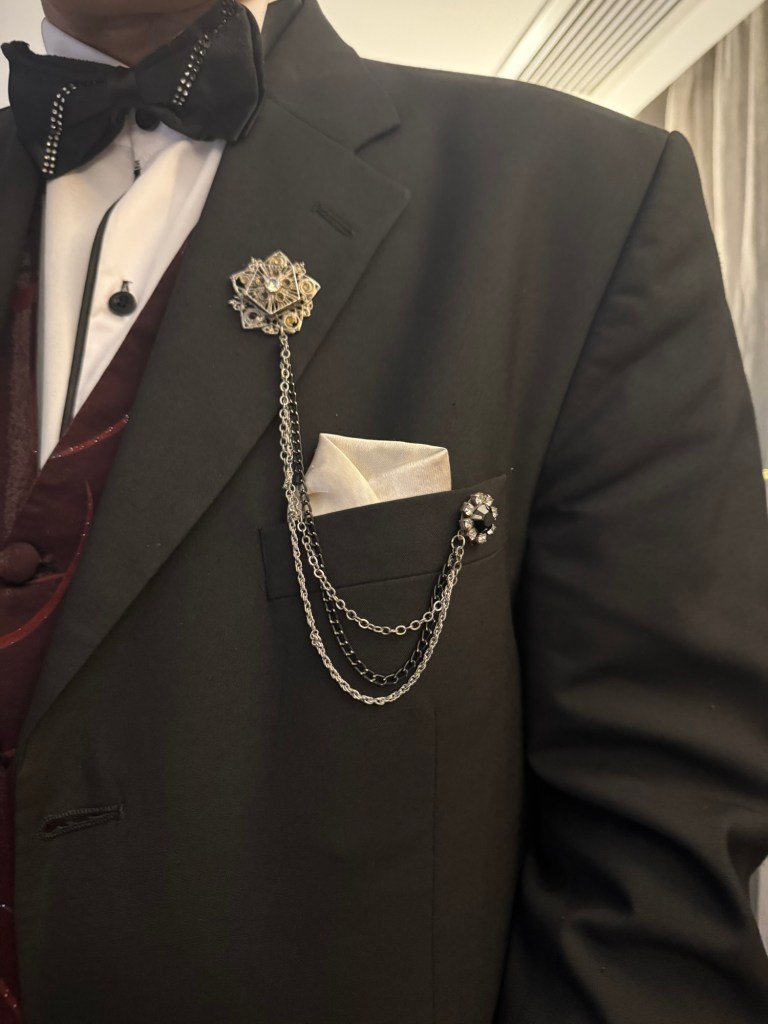
He is a lovely person with interesting jewelry. 😃 I will find out his name (again) tomorrow…
During AMA’s renowned Happy Hour, he performed a selection of popular piano pieces, and later serenaded our dinner table with accordion music (a tango) …….
……followed by a violin rendition of Windmills of Your Mind.
We liked his playing so much we were last to clear the dining room…
And so to bed. We shall be with the Kings and Queens tomorrow …
Our itinerary for the day includes visiting two Coptic Orthodox Christian churches and a Jewish Synagogue.
For religious context, Egypt’s population stands at approx 108 million, with 25% identifying as Christian, 300 as Jewish and the remaining population is Muslim.
The term “Coptic” refers to the Coptic language, the final stage of ancient Egyptian, or the Coptic Orthodox Church, the largest Christian community in the Middle East, which utilizes the Coptic language in its liturgy. Additionally, “Coptic” pertains to the Coptic culture and people, who are indigenous to Egypt and share a heritage tied to ancient Egypt, Christianity, and their unique history.
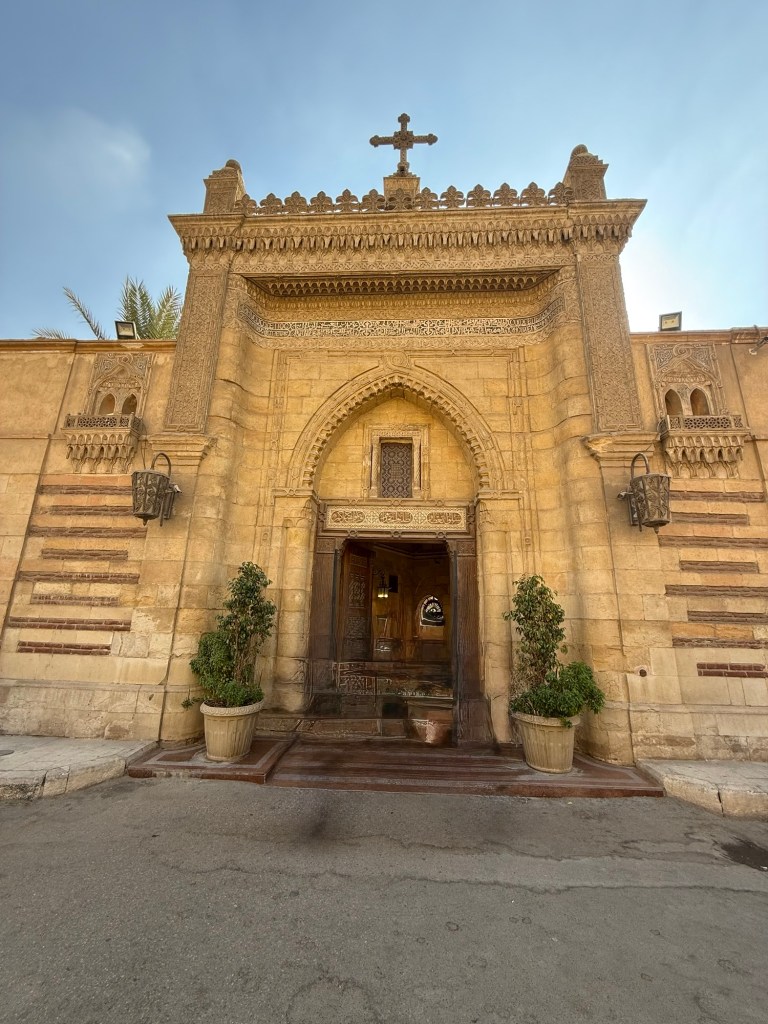
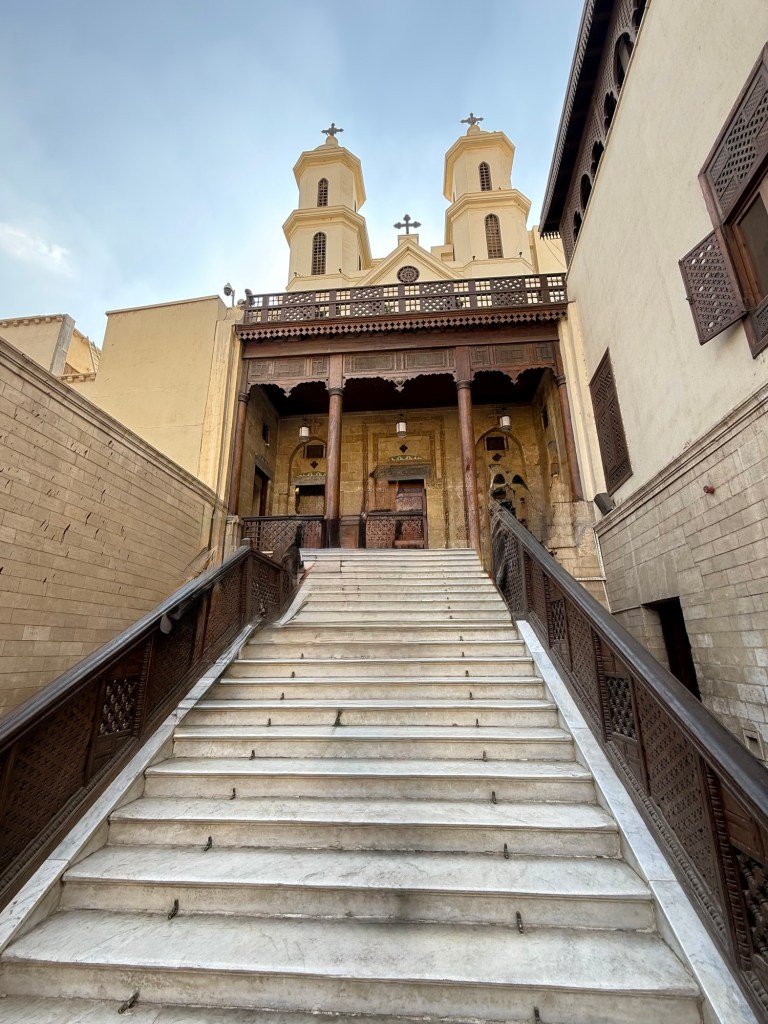
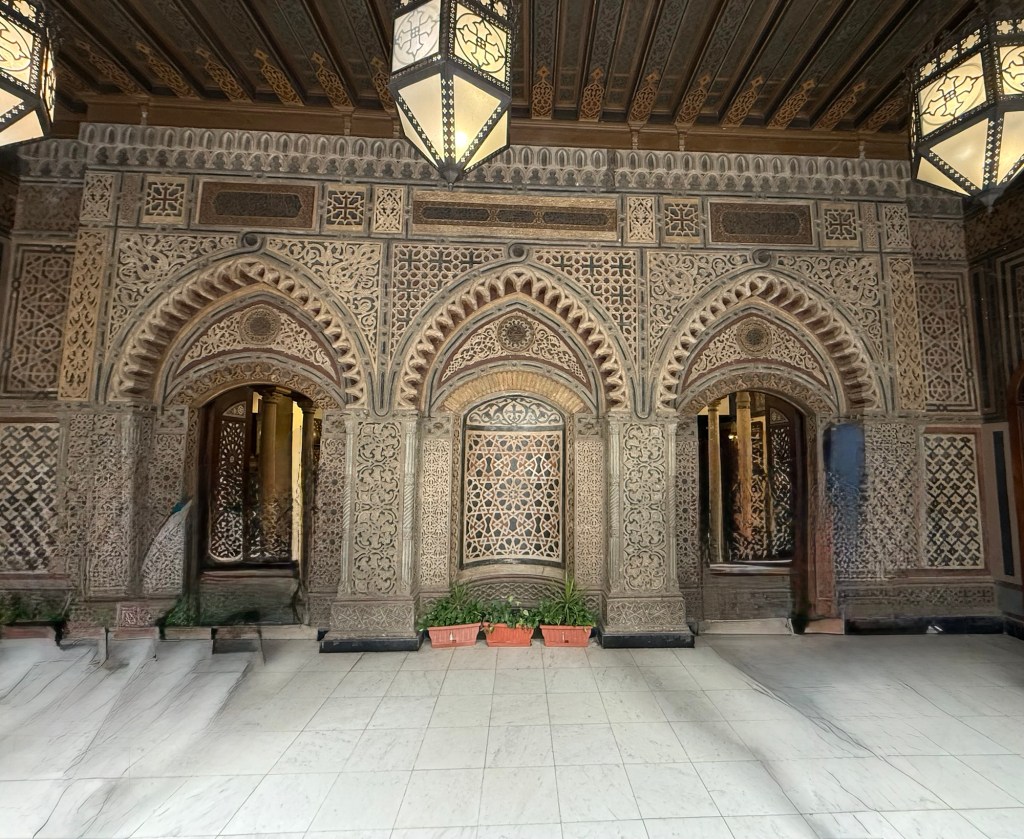
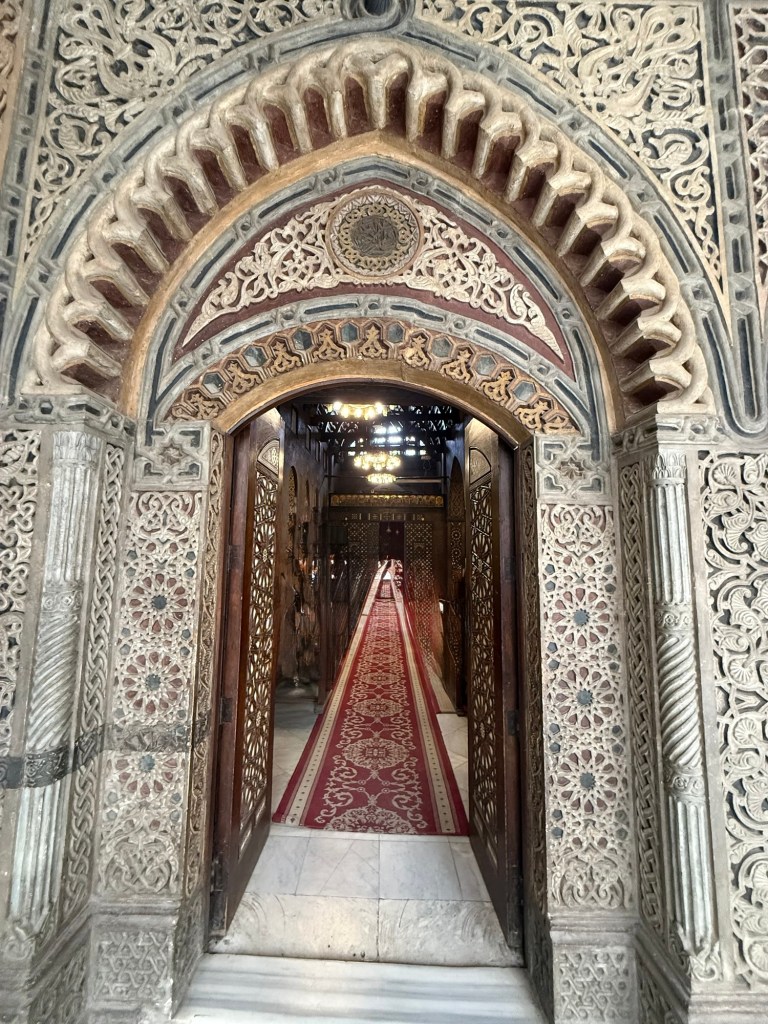
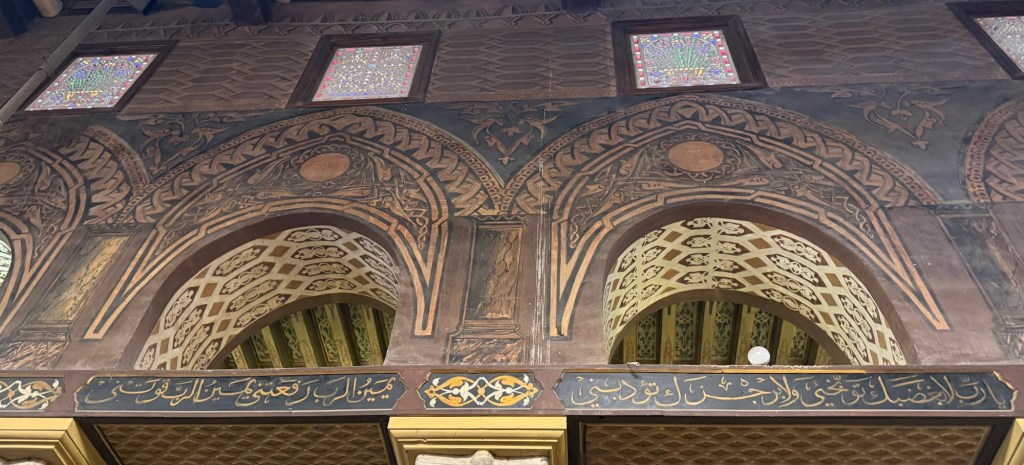
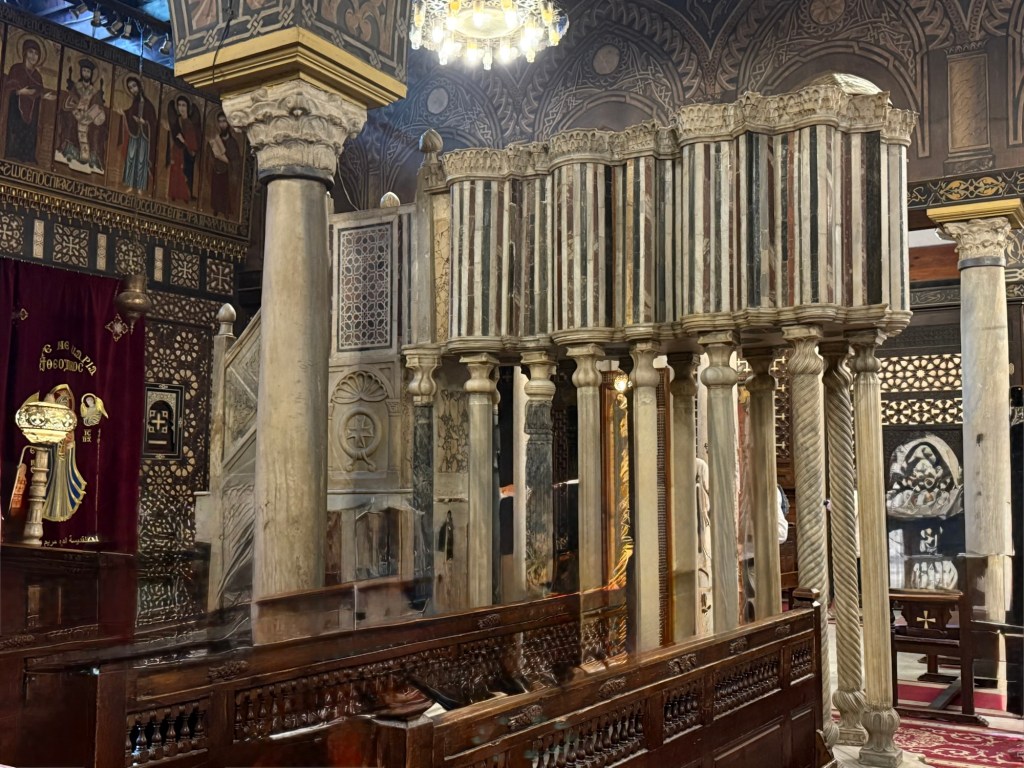
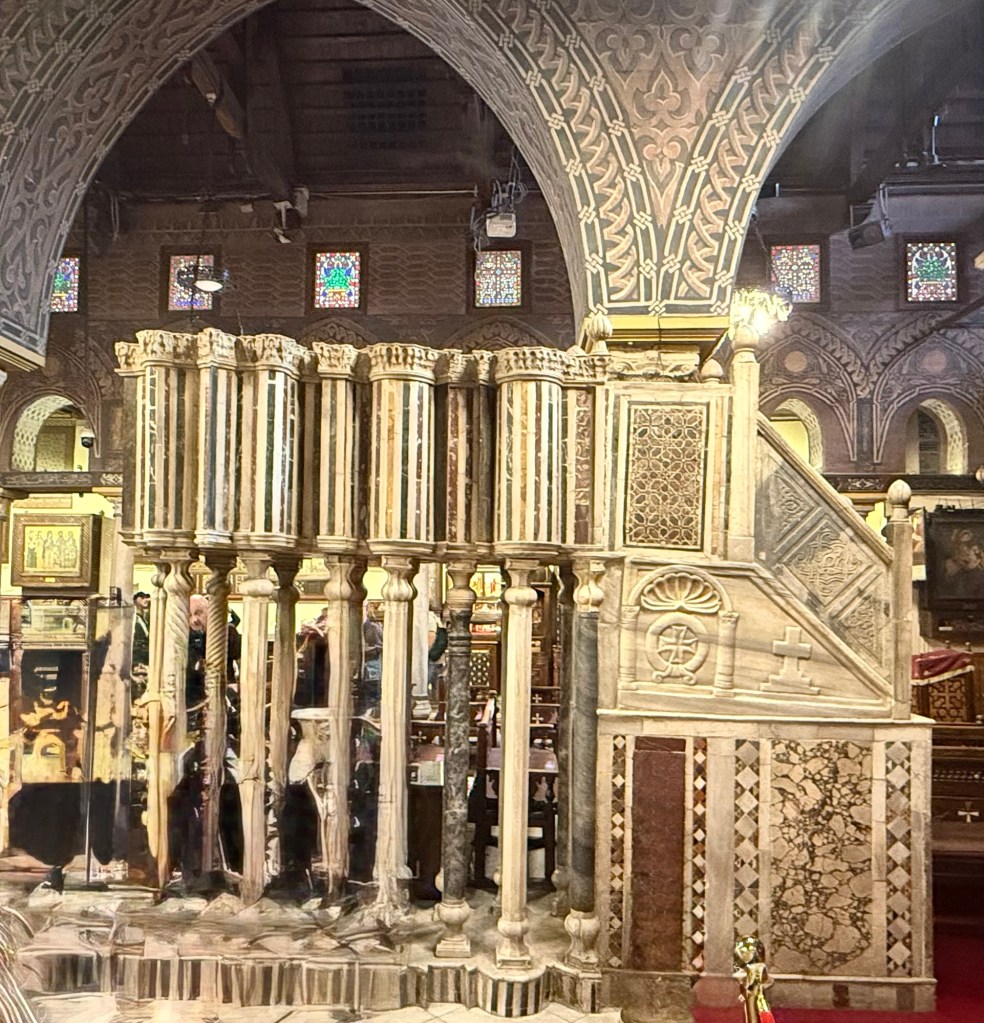
Hanging Church The Hanging Church is also known as the Suspended Church or Al-Moallaqa. Its name derives from its construction on the southern gate of the Roman Fortress.
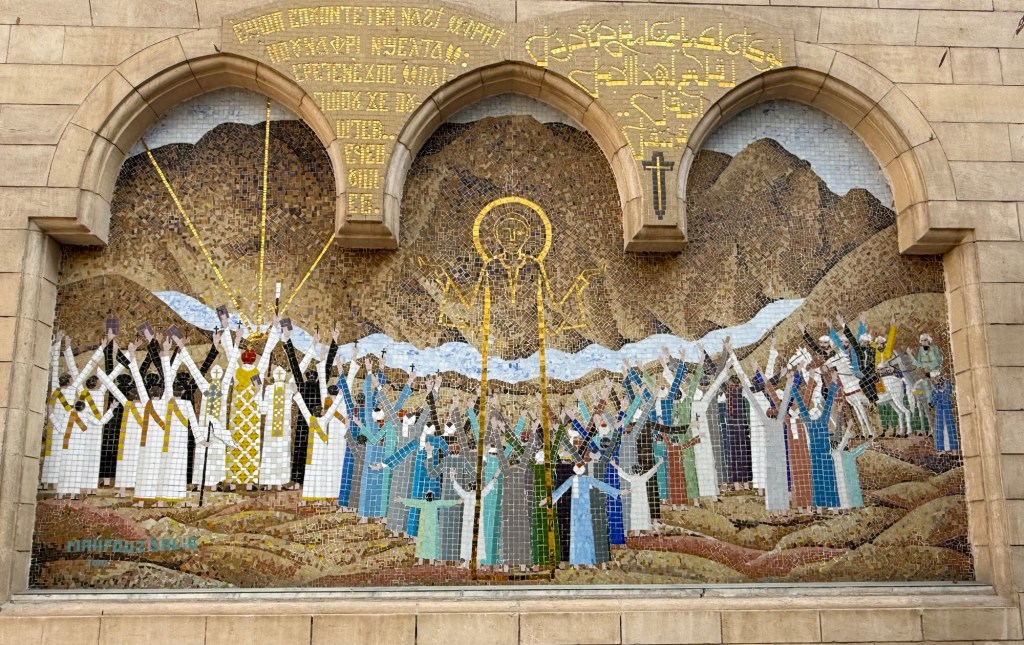
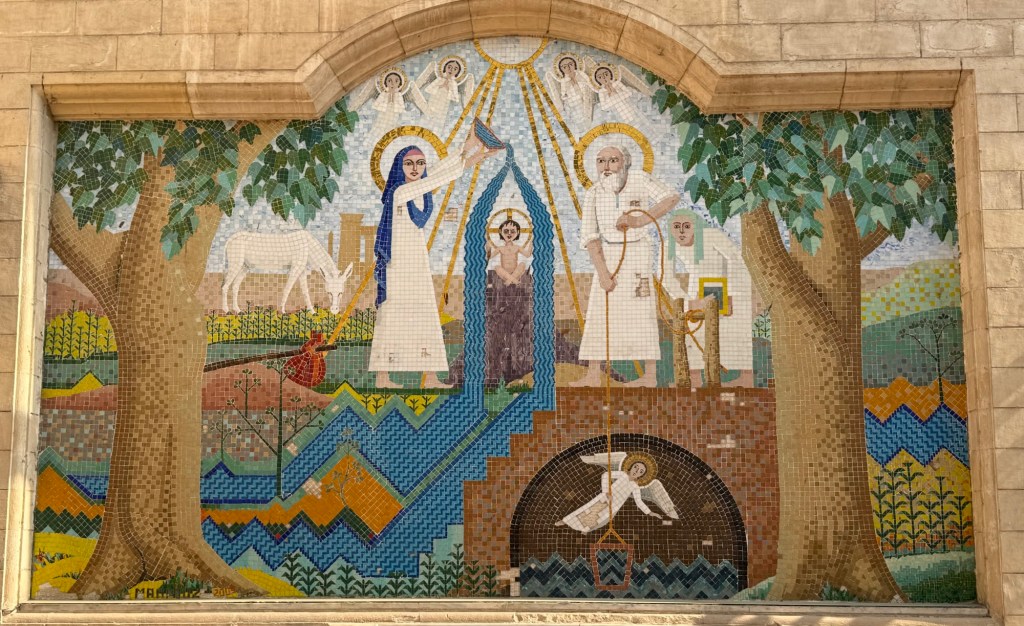
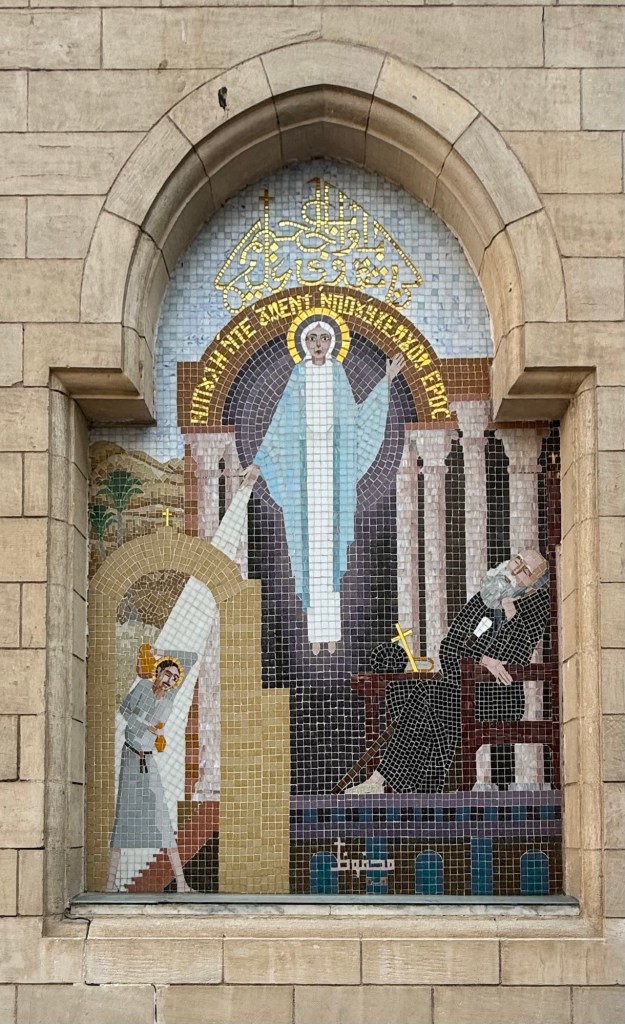
There are many modern mosaics in the courtyard.
Steps lead you up to the church.
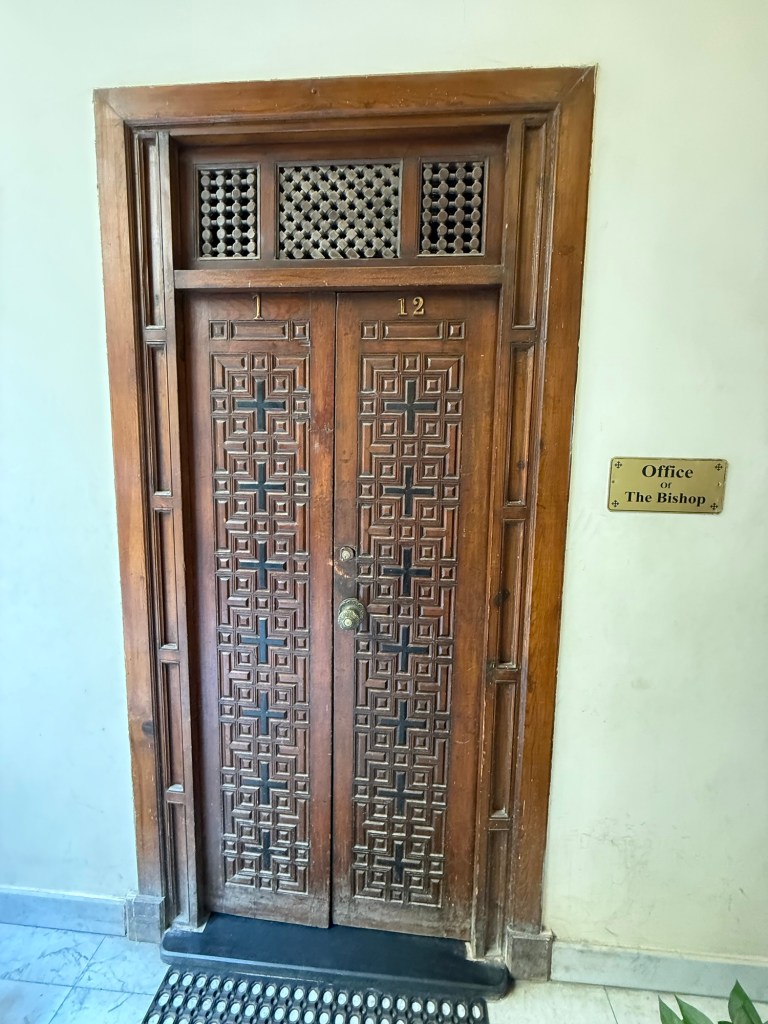
At the top of the steps is the Bishop’s Office.
The church’s foundation consists of logs of palm trees and layers of stones built above the ruins of the Roman fortress.
The impressive pulpit of the Church, dating back to the 5th century, rests on 15 slender columns. On either side of the pulpit, a cross is depicted above three steps, symbolizing the three days Jesus Christ spent in his tomb and his subsequent resurrection.
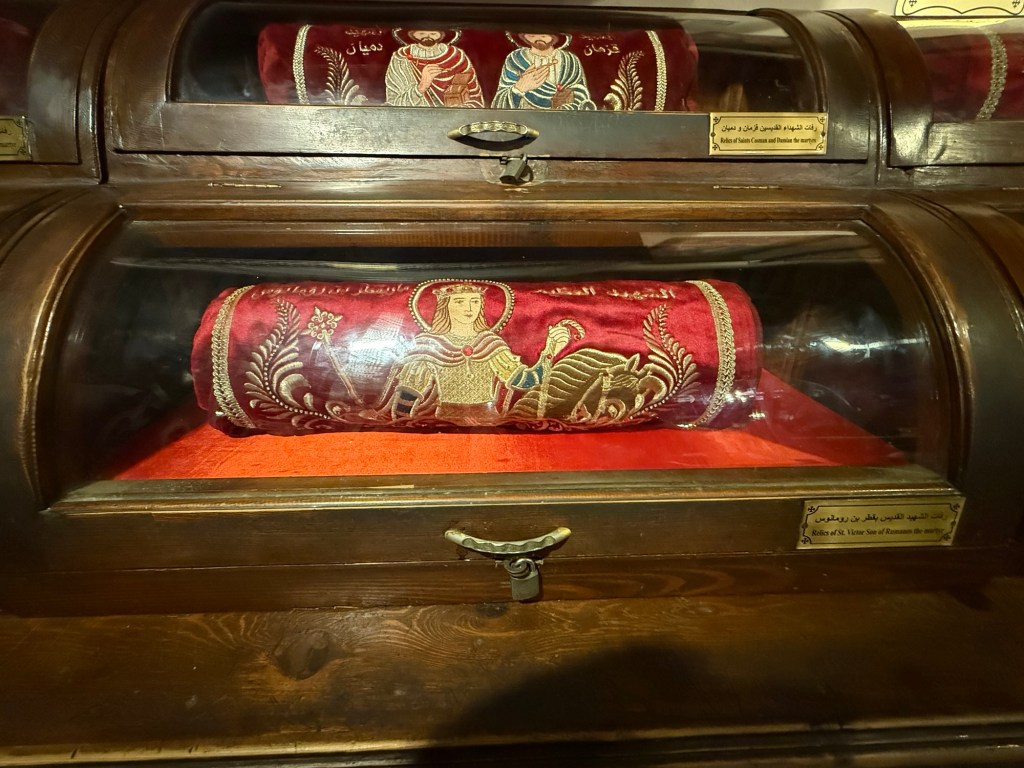
The church houses a total of 110 icons, including the “Coptic Mona Lisa,” which dates back to the 8th century A.D. and depicts Virgin Mary, Jesus Christ, and John the Baptist. As per Mona Lisa, those eyes follow you and remind you of your many sins.
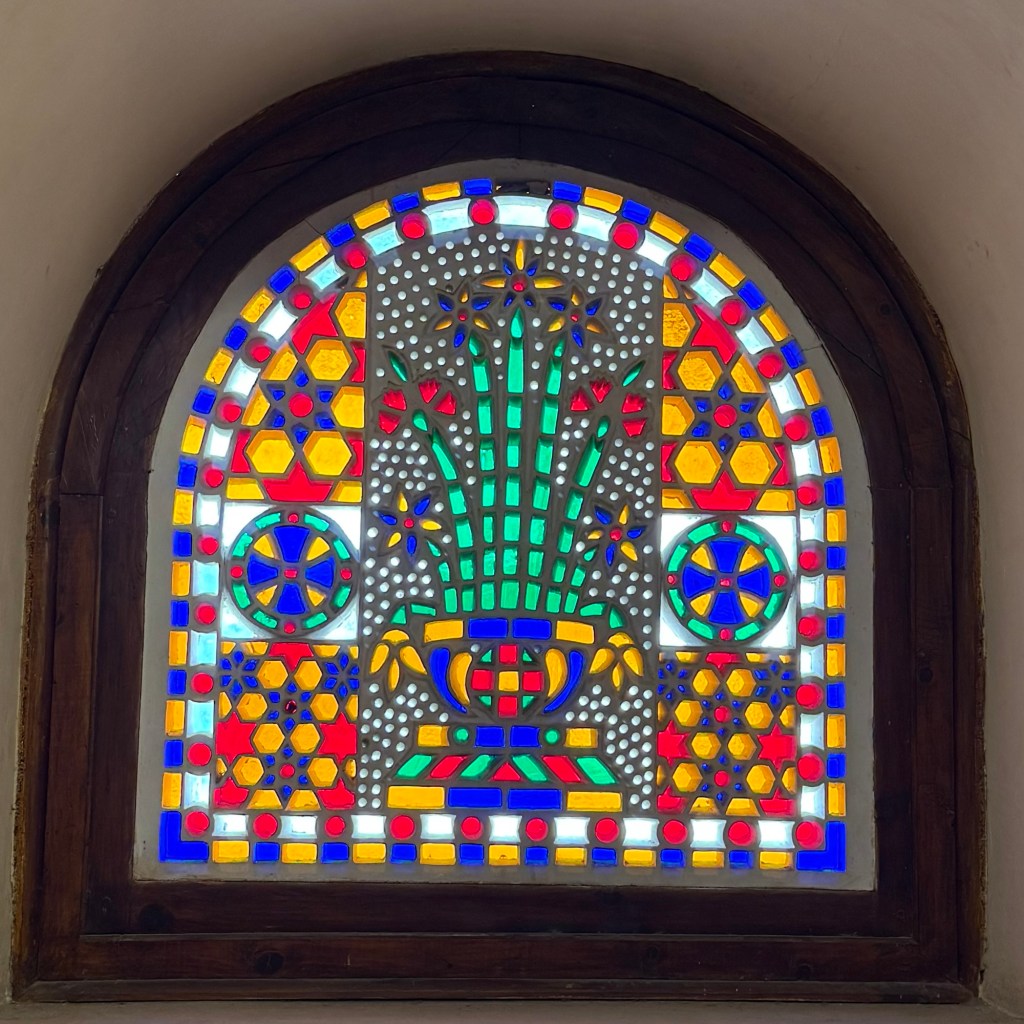
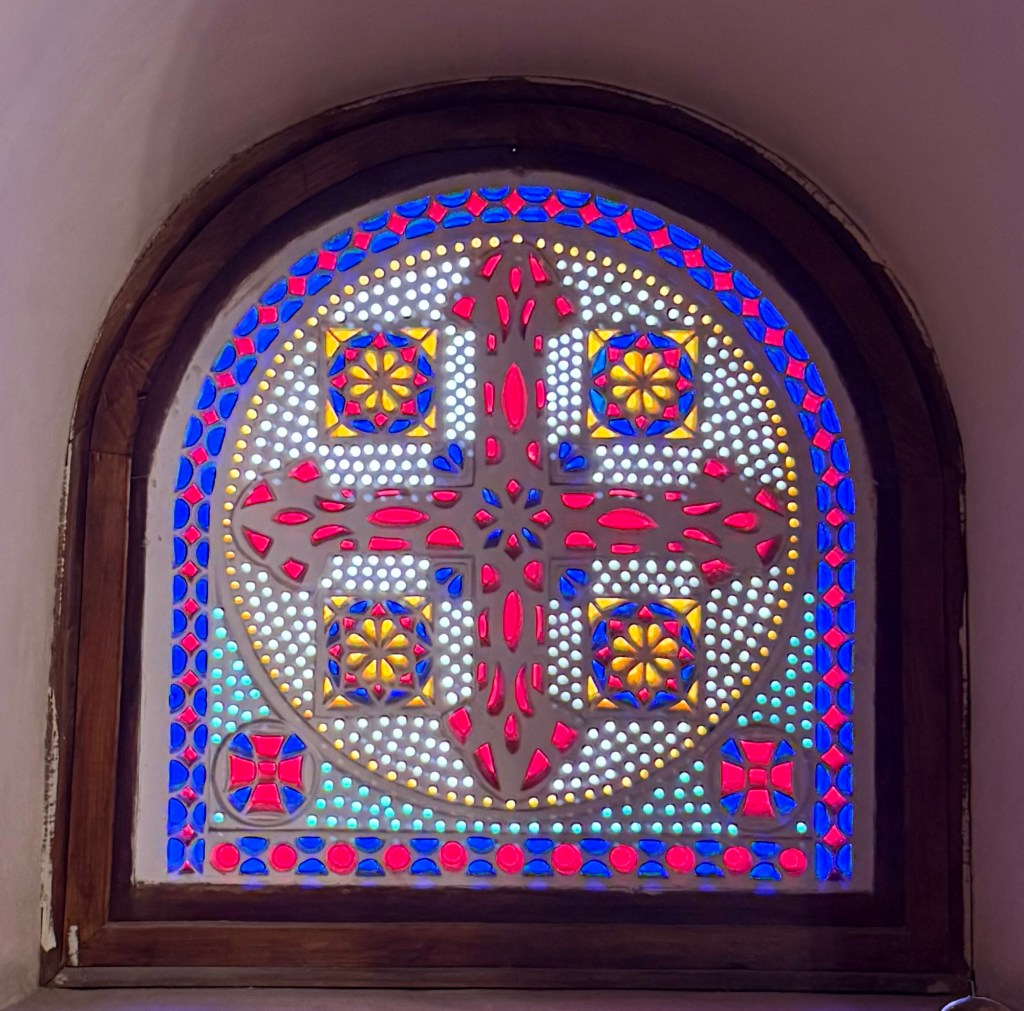
There was some small and pretty stained glass windows.
I encountered the priest of the Hanging Church hanging outside, who greeted me with a friendly “Hi.”
The experience was truly fascinating.
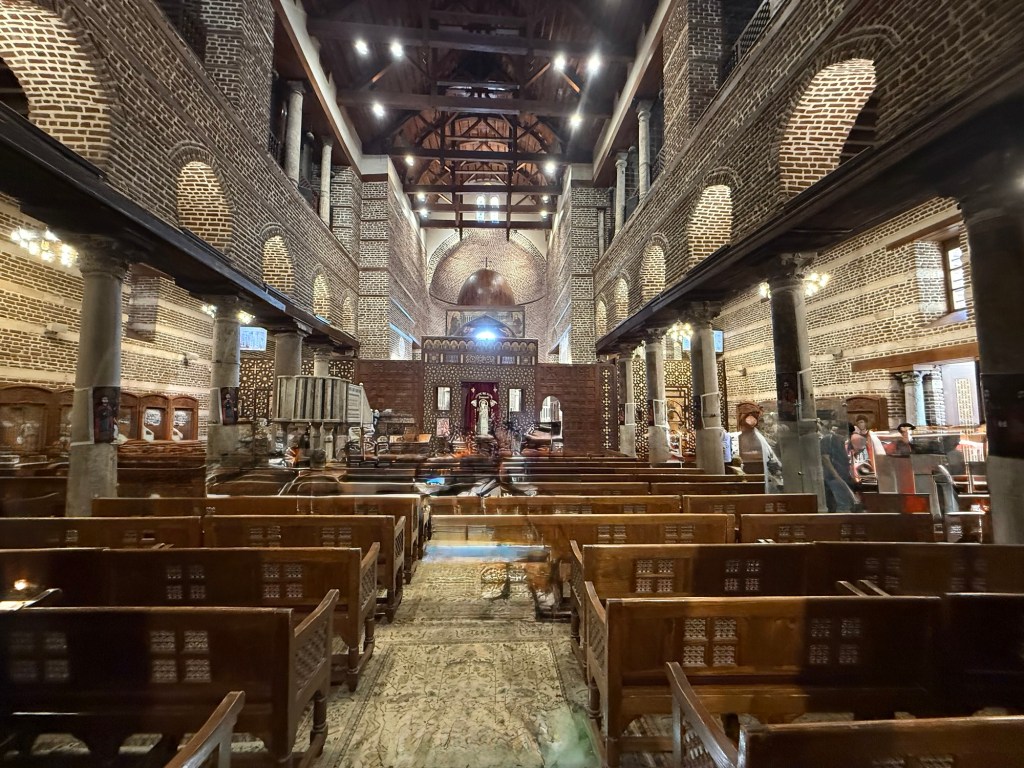
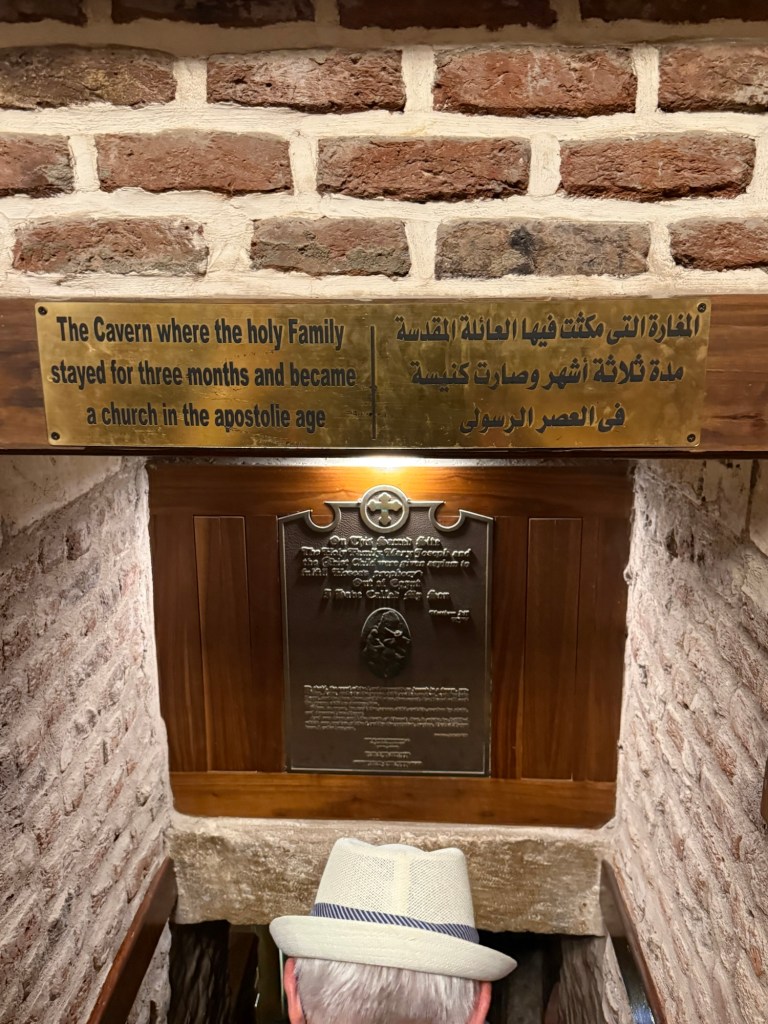
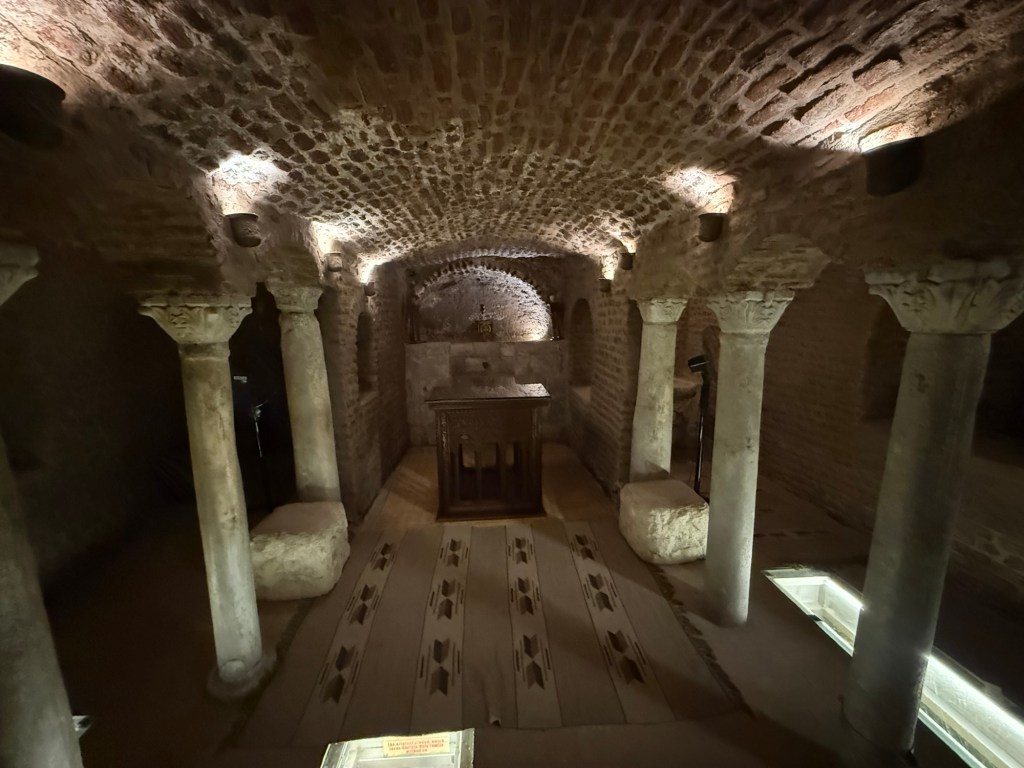
Abu Sarga (Cavern) Church Abu Sarga is built on a basilican structure with a nave and two side aisles.
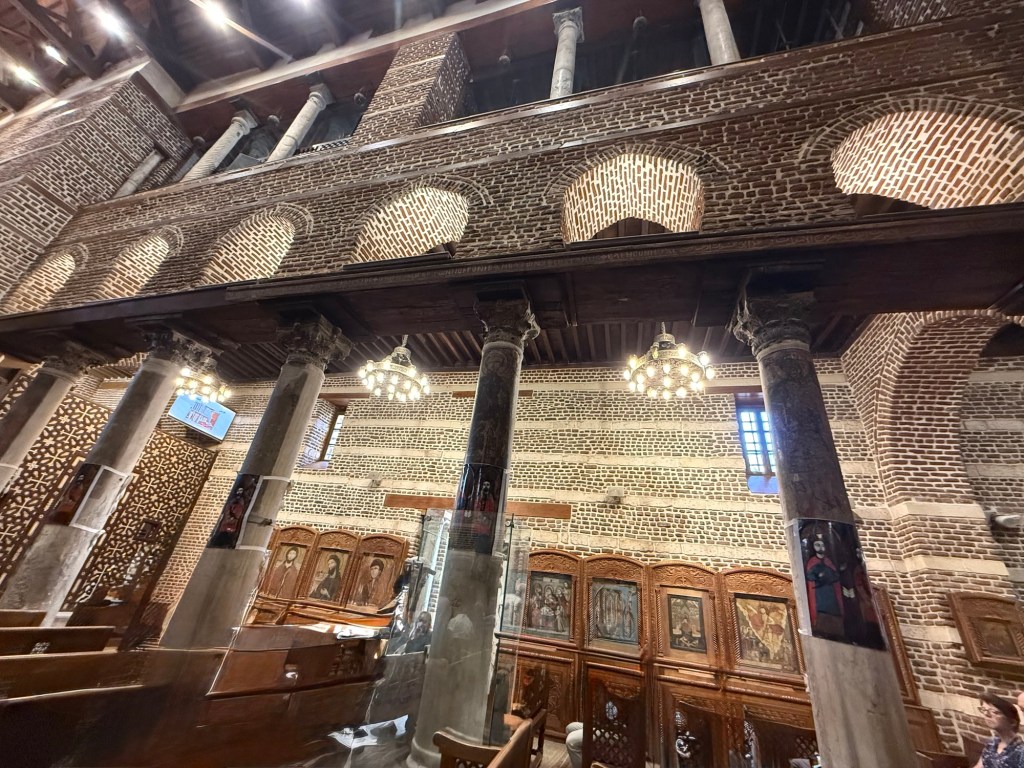
The west end of the church features a return aisle. Twelve columns, eleven of which are made of white marble and one of red granite, separate the nave from the aisles. Some of the marble columns display clear traces of figures, likely representing saints. Corinthian capitals, originating from older buildings, are placed between the column shafts and the wooden architraves.
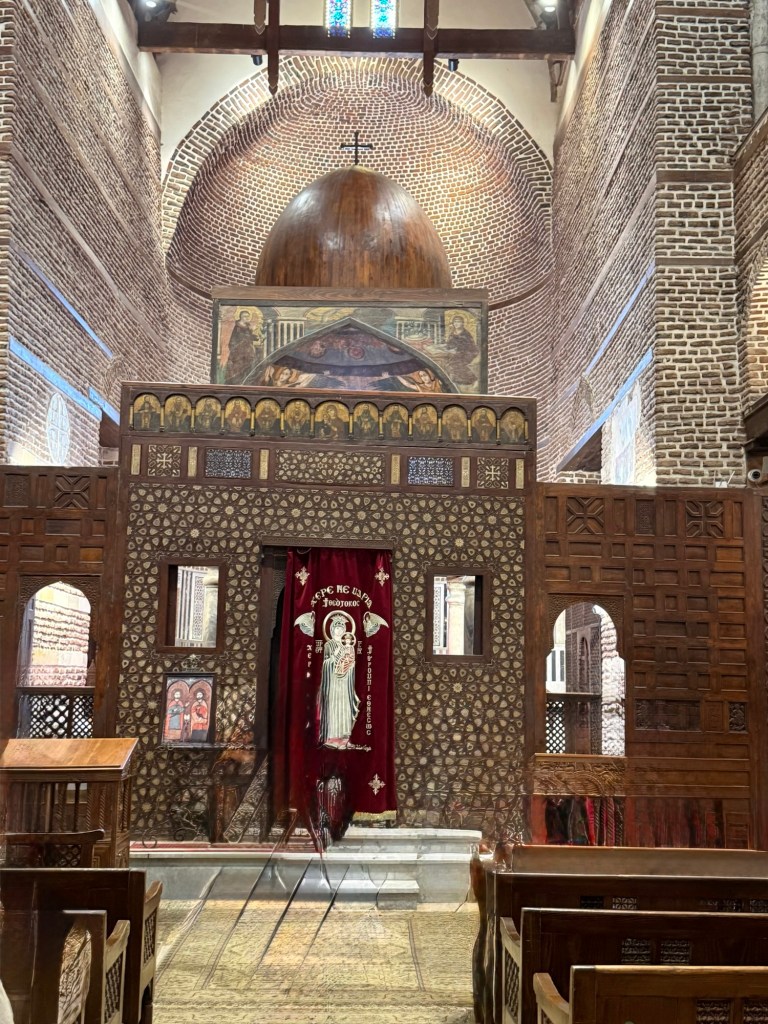
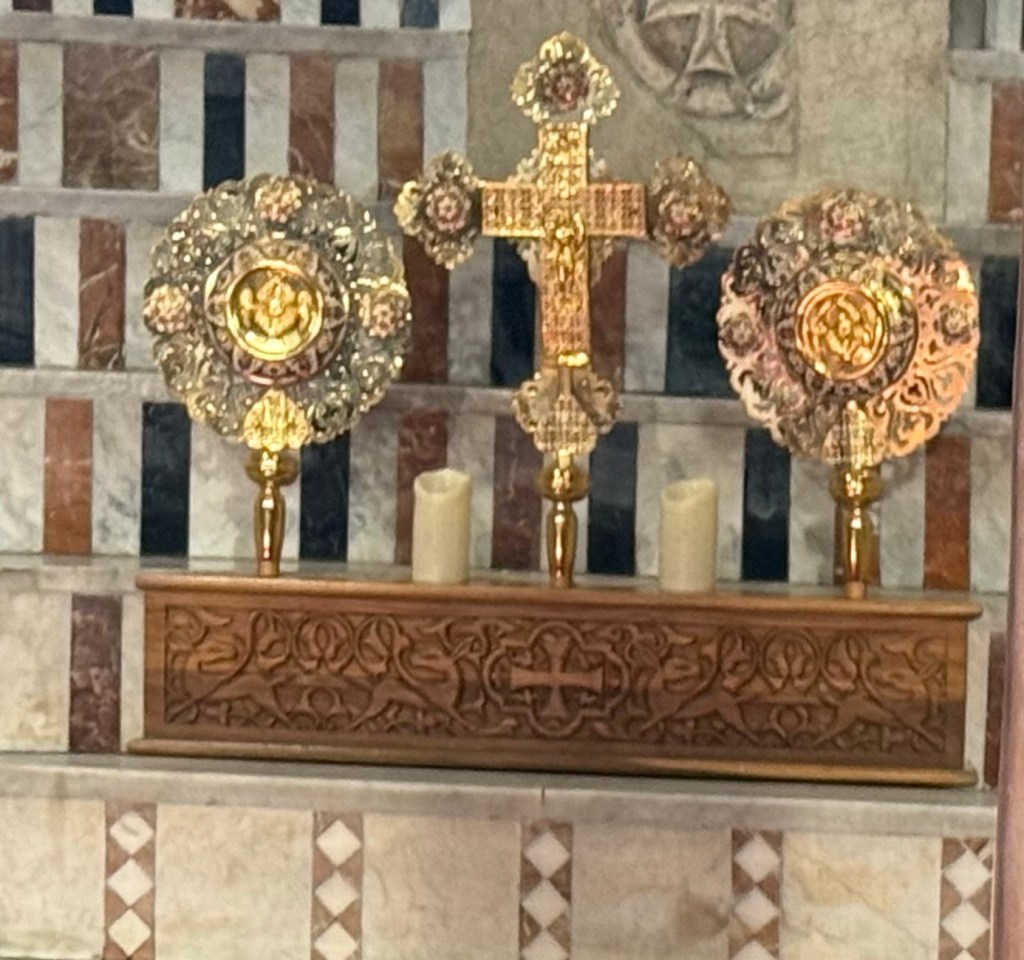
On the east side of the church, a tripartite sanctuary is separated from the congregation hall by an impressive wooden screen, beautifully decorated with ebony and ivory, with its oldest part dating back to the 13th century.
Exceptional icons depicting various scenes from the life of Christ, Virgin Mary, and diverse saints adorn the walls of Abu Sarga.
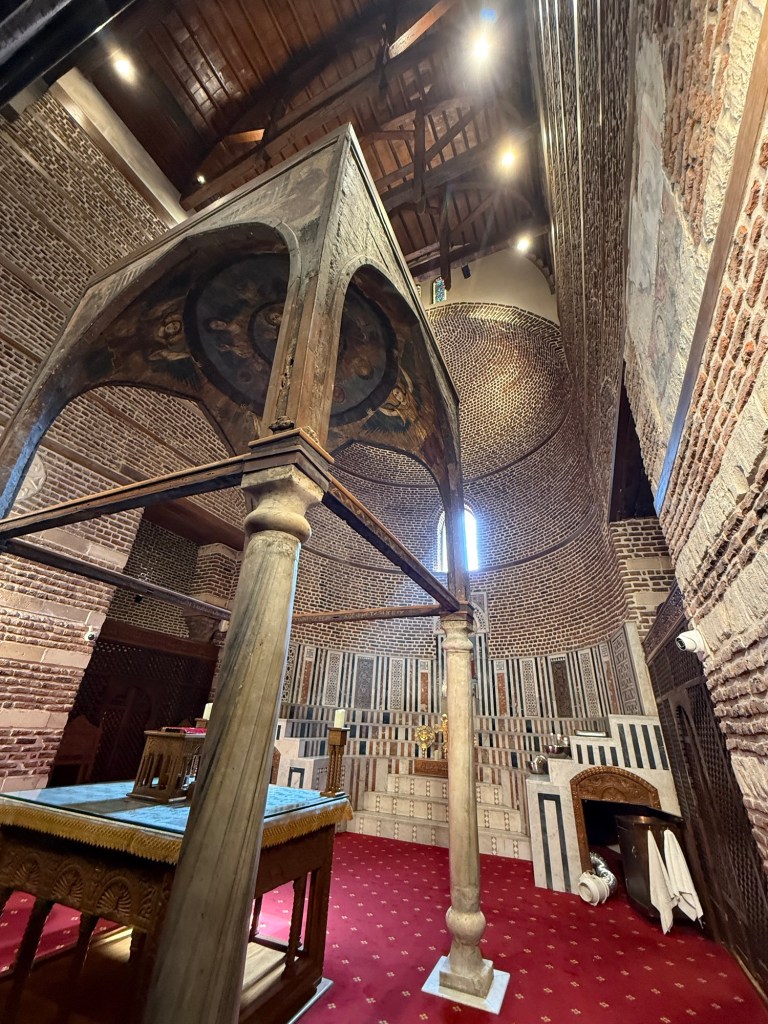
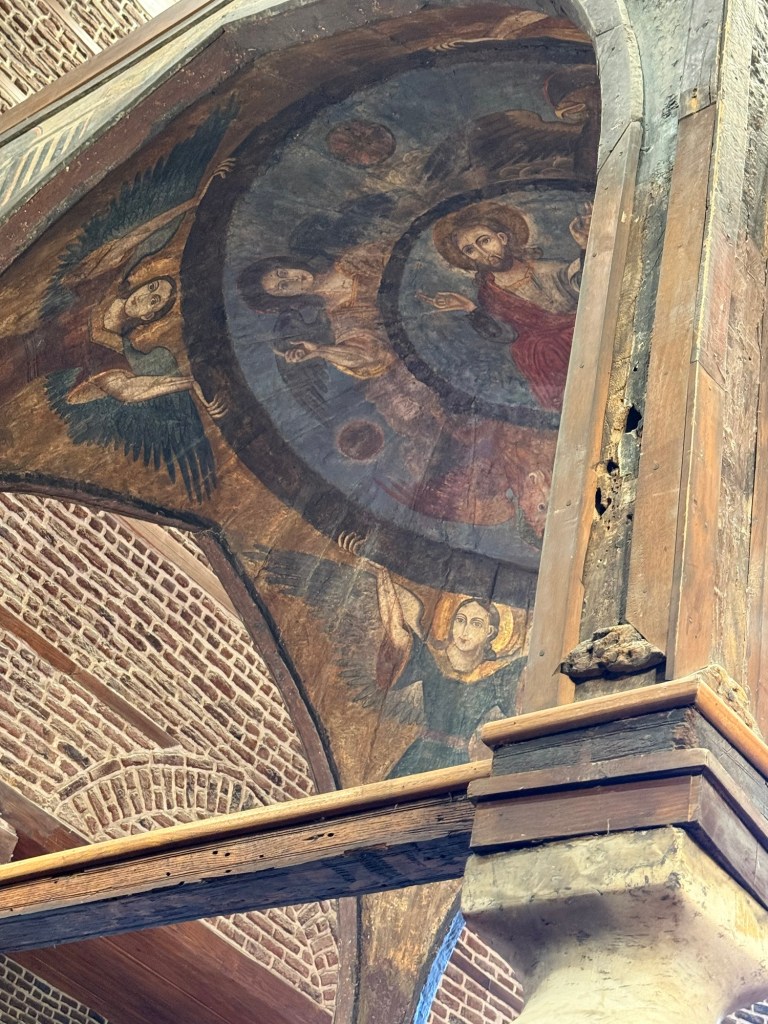
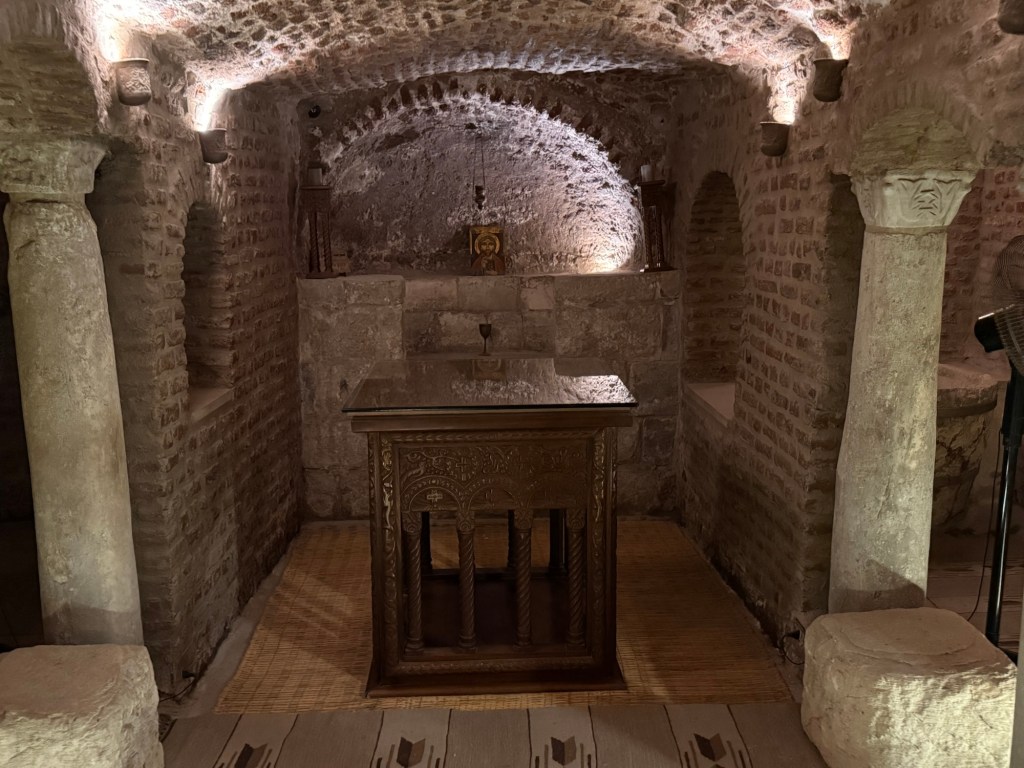
Inside its main sanctuary, a wooden canopy supported by four pillars is placed above the altar, painted with biblical scenes, including Jesus Pantocrator and Archangel Gabriel appearing to Virgin Mary. The apse behind the altar is richly decorated with strips of marble and mosaics.
And then to The cavern…
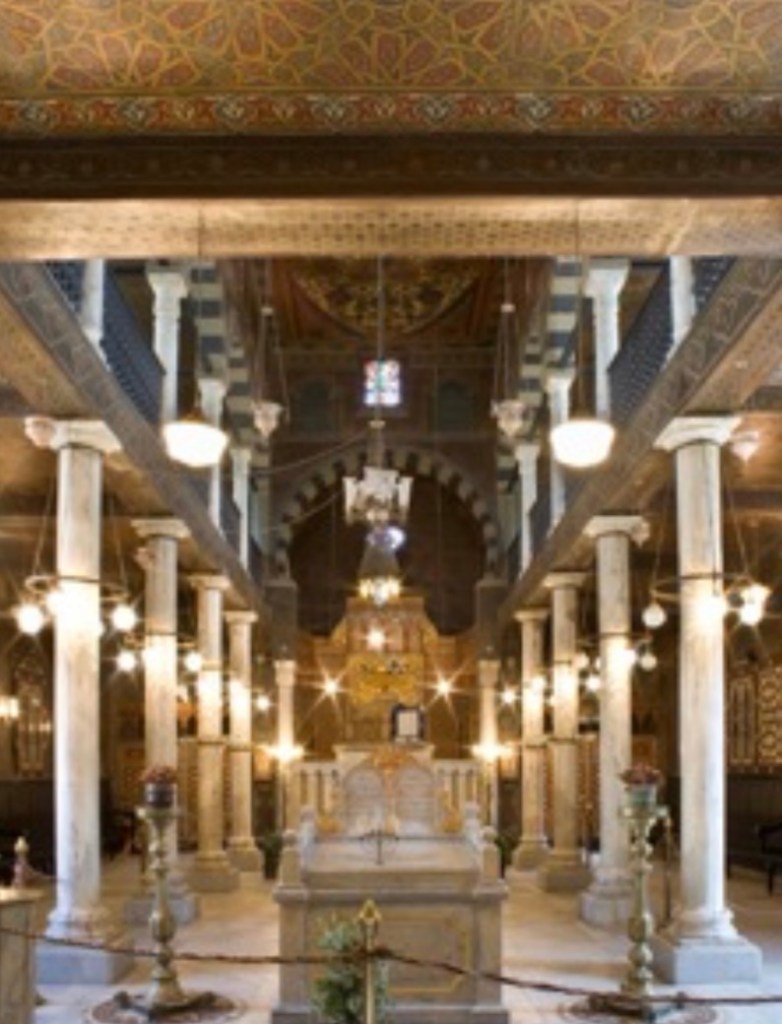
Ben Ezra Synagogue (No photography was allowed; the image shown is a low-quality one from online) The Synagogue of Ben Ezra was originally a church. However, it was sold to pay the annual taxes imposed on the church by the government in 882 A.D. The synagogue is named after Abraham Ben Ezra, who purchased the church for 20,000 dinars. The basilican structure, featuring a nave and two aisles, is still recognizable. The synagogue has gained fame for its Geniza, an archive of ancient Jewish manuscripts comprising thousands of rare texts. While the synagogue may not have been particularly impressive, this may be attributed to the fact that it is government-run and there are only 300 Jews in the entire country of Egypt, according to the census.
Once again, we were faced with the challenge of seeing so much in such a short amount of time.
So, now we bid farewell to Cairo for seven nights as we fly to Luxor to embark on our ship, the AMA Lilia, for our Nile cruise.
We will return to Cairo for one last night on October 23.
















































 seetheworldtravelblog